
Florida traffic laws change frequently, and staying current isn’t optional-it’s how you protect yourself and others on the road.
A traffic laws basics course gives you the knowledge to handle real-world driving situations with confidence. We at DriverEducators.com built our program to cover exactly what Florida drivers need to know, from right-of-way rules to defensive driving techniques that prevent accidents.
Florida Traffic Laws Every Driver Must Know
Right-of-Way Rules at Intersections
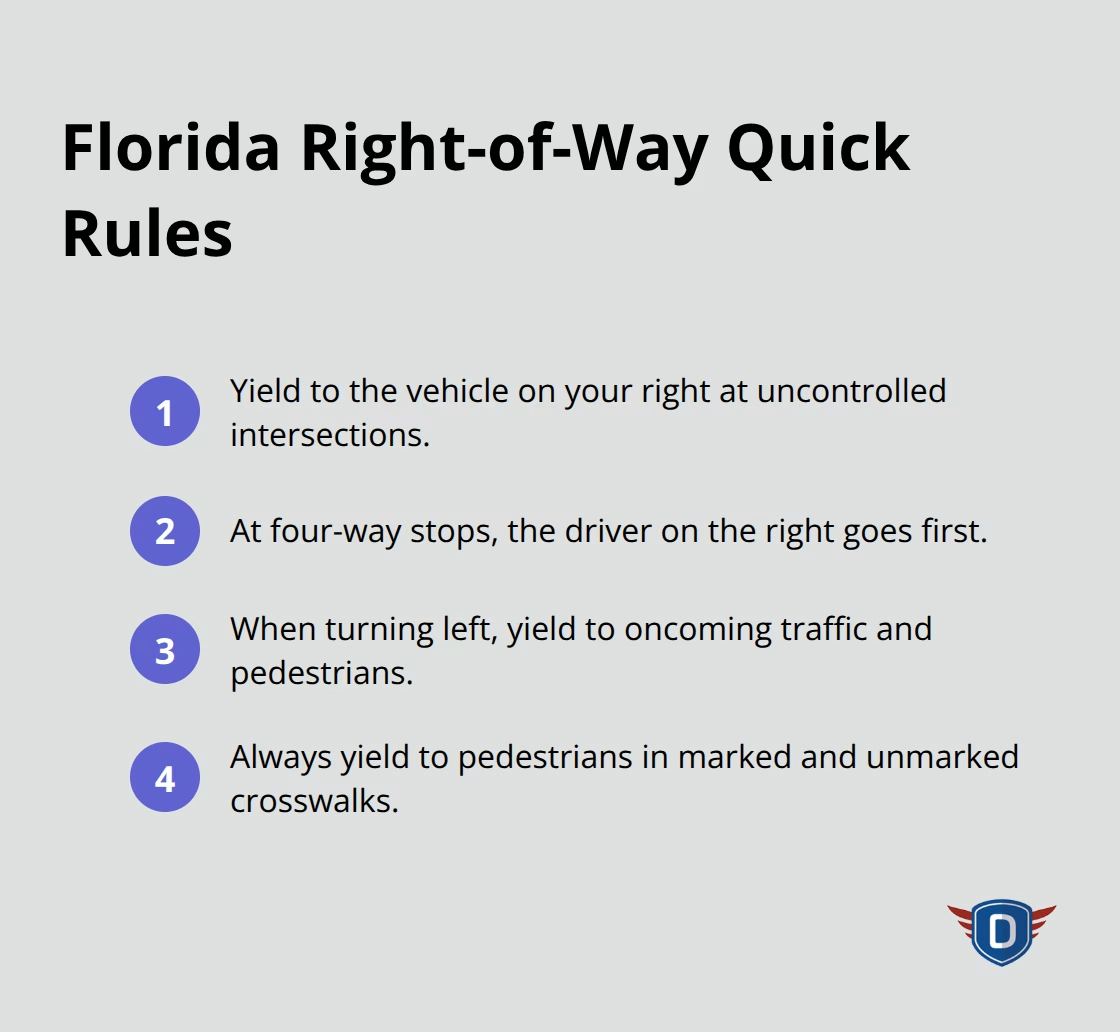
Right-of-way rules form the foundation of intersection safety, and Florida law specifies exactly who has the legal advantage in different situations. At uncontrolled intersections, you must yield to vehicles on your right; at four-way stops, if two or more vehicles arrive at the same time, the driver on the right has priority. When you turn left, you must yield to oncoming traffic and pedestrians, even if the traffic light is green. Florida Statute 316.075 requires you to yield to pedestrians in marked crosswalks and unmarked crossings at intersections, yet the National Highway Traffic Safety Administration reports that 7,080 pedestrians were killed in 2024 nationwide.
This gap between law and reality means you cannot assume a pedestrian will follow the rules or that they see you. Defensive positioning at intersections-staying alert, scanning for movement, and avoiding the assumption that a green light guarantees safety-prevents crashes that happen when drivers rely solely on traffic signals.
Speed Limits and Safe Following Distance
Speed limits in Florida exist not as suggestions but as safety thresholds tied to road conditions and surroundings. Residential areas operate at 25 mph unless posted otherwise, school zones drop to 20 mph during active hours, and highways vary from 55 to 70 mph depending on type and location. Following distance matters equally: the three-second rule applies to normal conditions, but rain, fog, or heavy traffic demands five to eight seconds between your vehicle and the one ahead.
Florida drivers often underestimate safe stopping distance; at 55 mph on dry pavement, you need approximately 216 feet to stop completely, yet many drivers maintain gaps of fewer than 100 feet. This miscalculation creates rear-end collisions that defensive drivers avoid through proper spacing and attention.
Traffic Signs, Signals, and Road Markings
Traffic signs, signals, and road markings communicate hazards and rules that change constantly across Florida’s roadways. Yellow lights mean you should prepare to stop, not accelerate through; white lines mark lane boundaries within the same direction of travel, while yellow lines separate opposing traffic. Ignoring these visual commands creates preventable collisions; respecting them positions you to react appropriately when other drivers do not.
Understanding these fundamentals prepares you to handle the defensive driving techniques that separate safe drivers from those who rely on luck.
Defensive Driving Prevents Real Crashes
Recognizing Hazards Before They Become Collisions
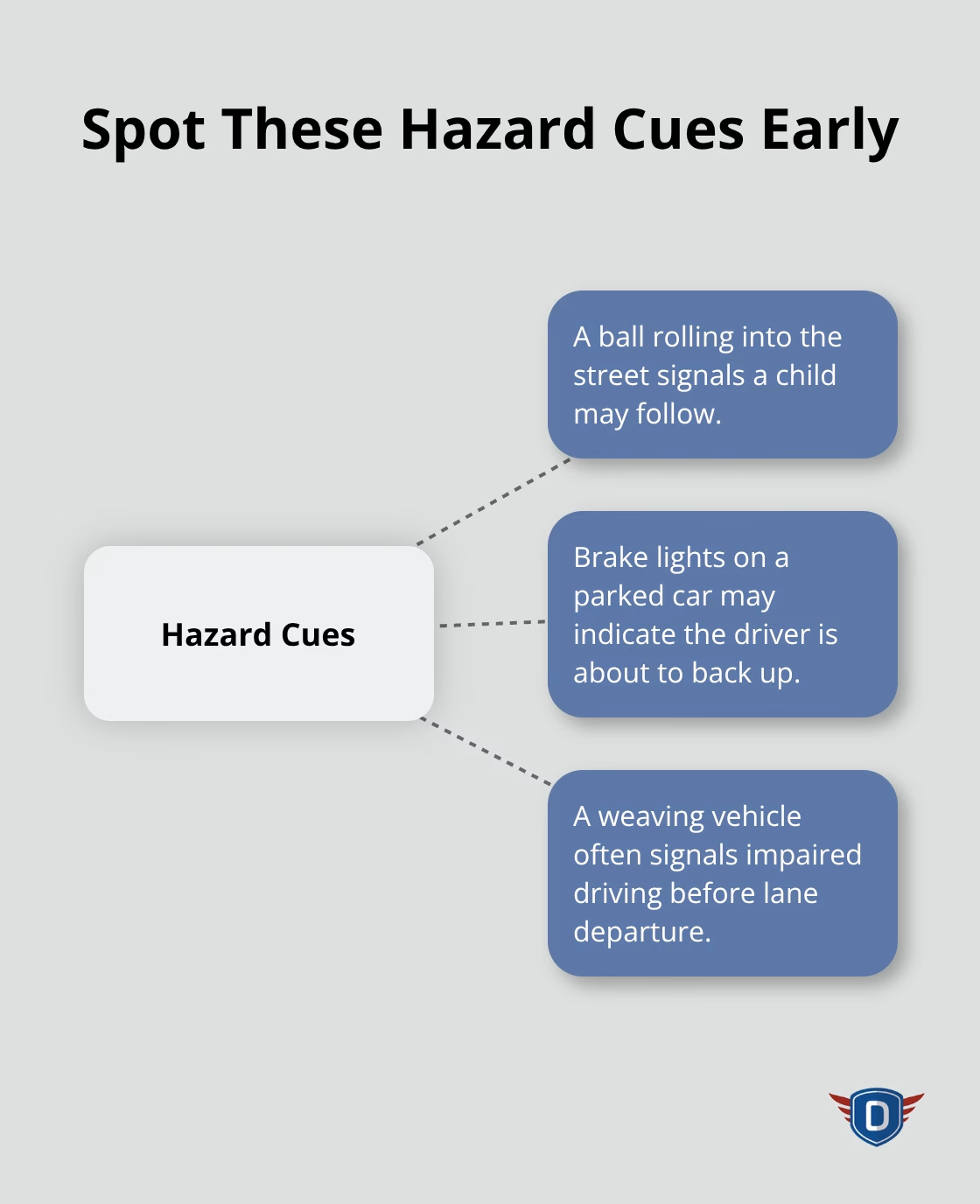
Defensive driving is not about being paranoid; it’s about recognizing that other drivers will make mistakes, and your job is to avoid them. The National Highway Traffic Safety Administration reports that driver error contributes to serious crashes, which means you cannot rely on other drivers following the rules. Hazard recognition happens in seconds: a child’s ball rolling into the street signals a child may follow; a parked car with brake lights signals the driver may back up; a weaving vehicle signals impaired driving before the driver crosses the center line.
Your defensive positioning-staying one car length further back, avoiding the blind spots of trucks, and slowing down in residential areas-gives you time and space to react. Speed matters here; at 30 mph you need roughly 66 feet to stop on dry pavement, but at 40 mph you need 116 feet, nearly double the distance. Most rear-end collisions happen because drivers follow too closely or fail to scan ahead for brake lights, yet this single habit prevents thousands of crashes annually.
Scanning Intersections and Positioning Your Vehicle
At DriverEducators.com, we teach you to scan intersections for vehicles running red lights, watch for pedestrians stepping between parked cars, and position your vehicle to escape danger rather than assuming everyone will do the right thing. This active scanning takes practice but becomes automatic once you develop the habit. Your eyes should move constantly across the road ahead, checking mirrors every few seconds and monitoring the behavior of vehicles around you.
Positioning your vehicle matters as much as speed. Stay out of blind spots of large trucks, maintain adequate following distance (the three-second rule in normal conditions, five to eight seconds in rain or fog), and avoid clustering with other vehicles at intersections. These positioning choices create escape routes when other drivers fail to stop or yield.
Managing Distraction and Impaired Driving
Distraction and impaired driving are separate threats that demand different strategies. The NHTSA found that distracted driving killed 3,354 people in 2022, and texting while driving increases the risk of a crash significantly. Set your phone to do-not-disturb before you drive, program your GPS before moving, and adjust mirrors and climate controls while parked.
Impaired driving-whether from alcohol, medication, or fatigue-slows reaction time and impairs judgment. If you feel drowsy, pull over and rest or switch drivers because no deadline justifies driving impaired. Fatigue affects your brain the same way alcohol does, reducing your ability to process hazards and respond appropriately.
De-escalating Aggressive Situations
Aggressive driving and road rage escalate situations that could remain minor incidents. If another driver tailgates, cuts you off, or honks aggressively, your response is to create distance and avoid eye contact; slowing down slightly, changing lanes, or pulling over lets the aggressive driver pass and removes you from danger. Florida law treats aggressive driving seriously, and engaging in horn honking, obscene gestures, or intentional blocking can result in citations, but more importantly, it transforms a routine drive into a collision risk.
Staying calm, accepting that other drivers are flawed, and prioritizing your safety over winning any conflict keeps you and your passengers alive. This mindset shift-from competition to cooperation-changes how you respond to every interaction on the road. Once you master these defensive techniques, understanding how Florida traffic school courses reinforce these habits through structured learning becomes your next step toward becoming a safer, more confident driver.
How Florida Traffic School Courses Align with State Requirements
Florida-Approved Curriculum That Meets State Standards
Florida-approved traffic school programs follow strict guidelines set by the Florida Department of Highway Safety and Motor Vehicles, which means the content you study directly addresses what state law requires. Our curriculum at DriverEducators.com structures instruction around real traffic situations Florida drivers face daily, not generic driving theory. The material reflects current Florida statutes and safety campaigns, so you learn regulations that apply right now rather than outdated rules. This alignment with state standards ensures that your course completion satisfies legal requirements and protects your driving record.
Course Options for Different Driving Situations
The Basic Driver Improvement course runs four hours and targets drivers who received a moving violation, helping them avoid points on their license and insurance rate increases that can cost hundreds of dollars annually. If a court orders you into a program or you need deeper instruction, the Intermediate Driver Improvement course spans eight hours and covers defensive driving techniques, crash avoidance strategies, and how attitude affects decision-making behind the wheel. For drivers involved in road rage incidents, the Aggressive Driver Course runs eight hours and emphasizes behavioral change rather than lecturing about rules you already know. Mature drivers aged 55 and older can take a six-hour refresher course, which many insurance companies recognize for discount eligibility (though you should verify with your specific insurer since policies vary).
Self-Paced Online Learning That Fits Your Life
The online format means you control when and where you study, whether that’s at 6 a.m. before work, during your lunch break, or late evening from any device with internet access. You can pause, resume, and pick up exactly where you left off without losing progress, which matters when life interrupts your schedule. Courses are available in English, Spanish, and Portuguese, so language never becomes a barrier to meeting your legal requirements. The combination of clear explanations, engaging visuals, and real-life scenarios makes the material stick rather than feeling like you’re memorizing facts for a test you’ll forget after passing.
Instant Certificate Reporting to Florida
Upon completion, certificates issue electronically and report directly to the FLHSMV automatically, eliminating the paperwork headache and ensuring the state receives your proof without delay. This direct reporting satisfies your legal obligation immediately and protects your record from unnecessary delays or administrative errors. The approach transforms a legal obligation into actual knowledge that changes how you drive on Florida roads.
Final Thoughts
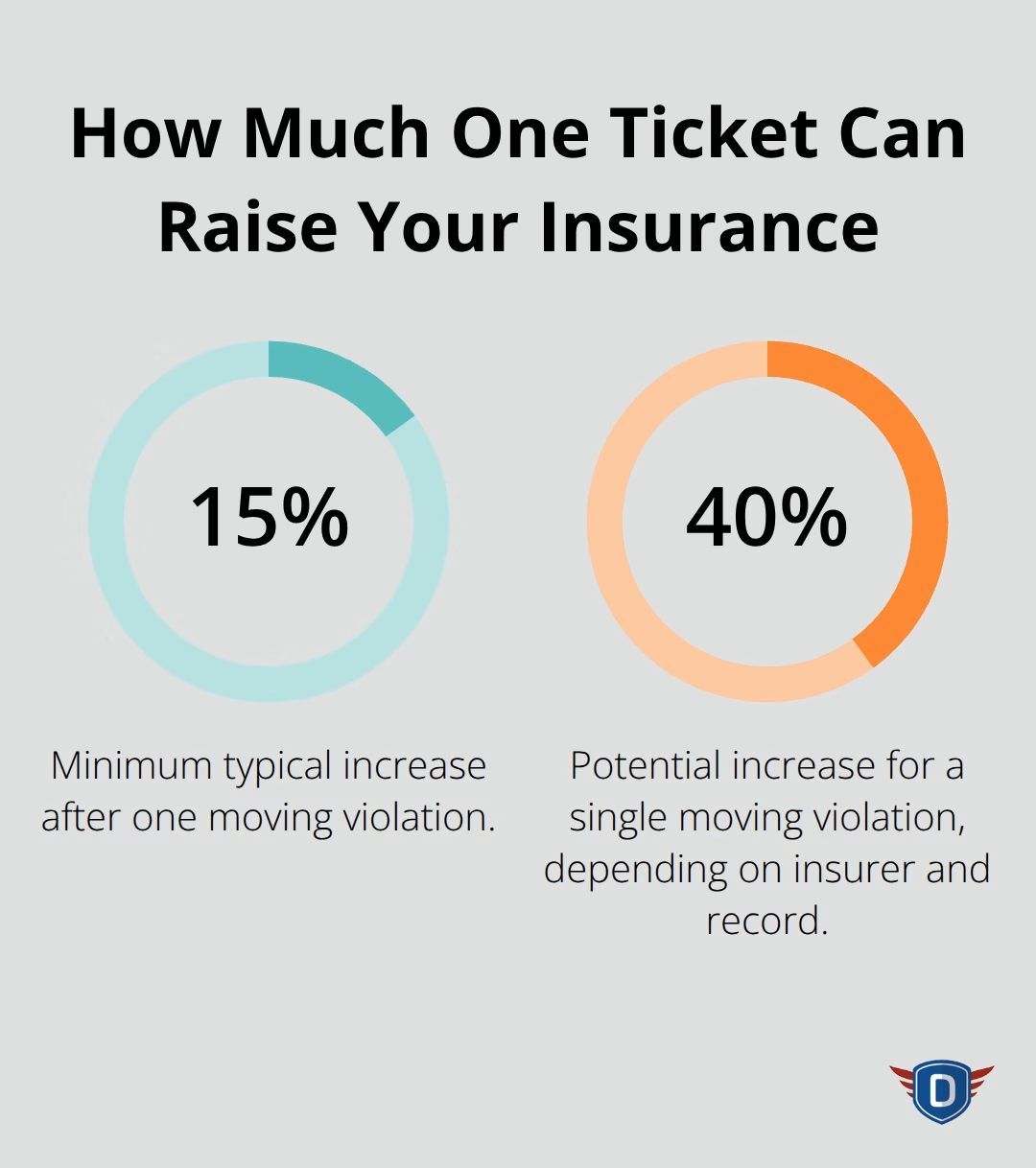
Florida traffic laws basics courses transform legal requirements into actual driving competence that protects your record and wallet. A single moving violation raises your insurance rates by 15 to 40 percent, while multiple violations within three years trigger steeper increases or policy cancellation-costs that compound over years of higher premiums. The defensive driving techniques you absorb in a traffic laws basics course prevent these violations before they happen by teaching you to recognize hazards, maintain safe following distances, and avoid aggressive behavior.
Knowledge directly shapes the decisions you make in real-time on Florida roads. When you encounter an aggressive driver, you de-escalate rather than engage; when you approach an intersection, you scan for hazards rather than assuming the light guarantees safety; when you follow another vehicle, you maintain distance that gives you time to stop. We at DriverEducators.com designed our courses to cover the statutes you need to know, the defensive techniques that prevent crashes, and the behavioral changes that make you safer on every drive.
Start with DriverEducators.com today and take control of your driving record, your insurance costs, and your safety on Florida roads. Our self-paced online format means you complete the course on your schedule, and certificates report directly to the FLHSMV automatically, eliminating paperwork and delays.