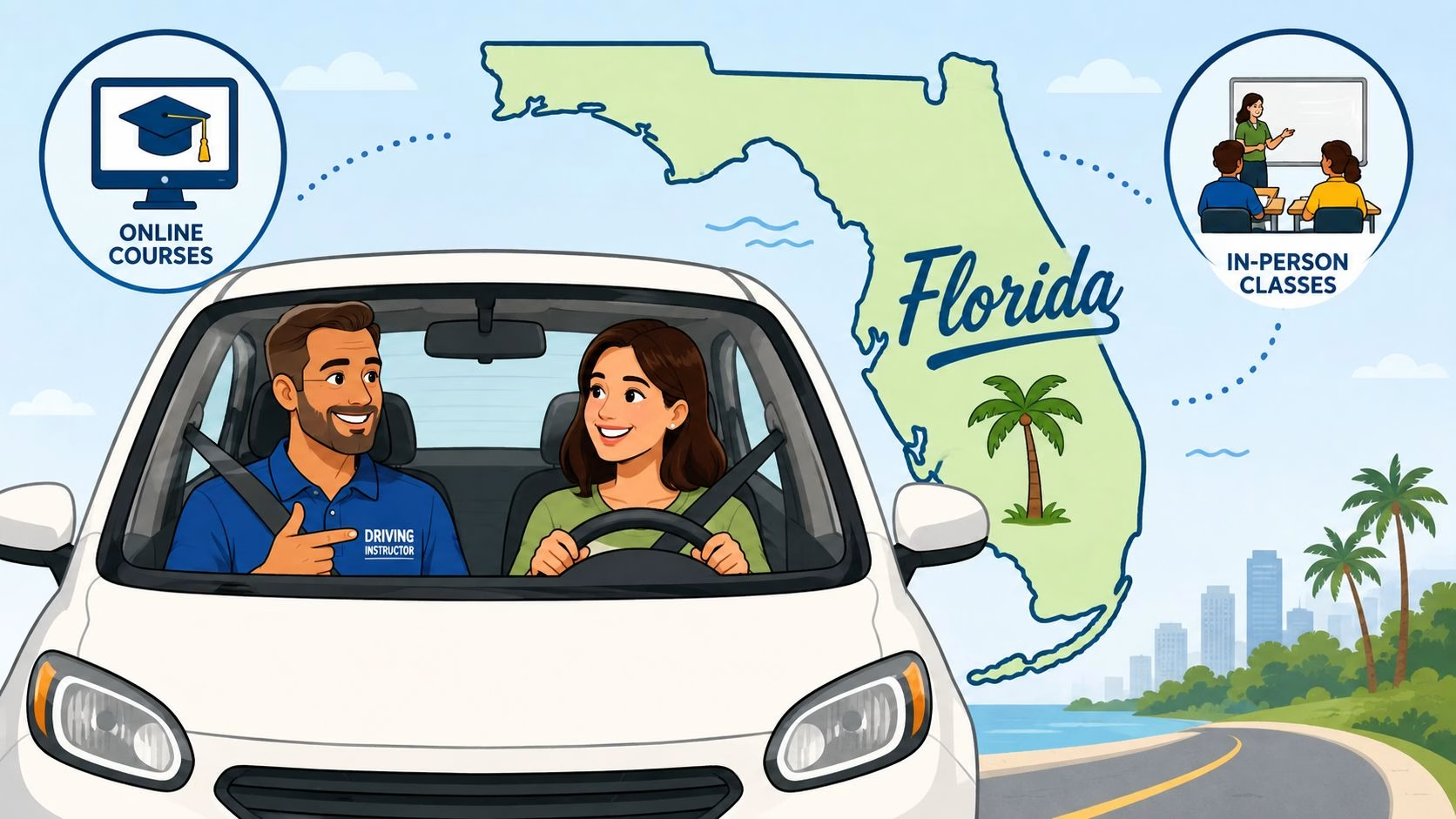
Your first driving lesson marks a turning point. You’ll move from theory to the real world, learning how to control a vehicle with confidence and safety.
At DriverEducators.com, we’ve structured introductory driving lessons to build your skills progressively. You’ll start with the basics-vehicle controls and safety checks-then advance to real-world driving on local roads.
Your First Driving Lesson Breakdown
Vehicle Layout and Pre-Drive Preparation
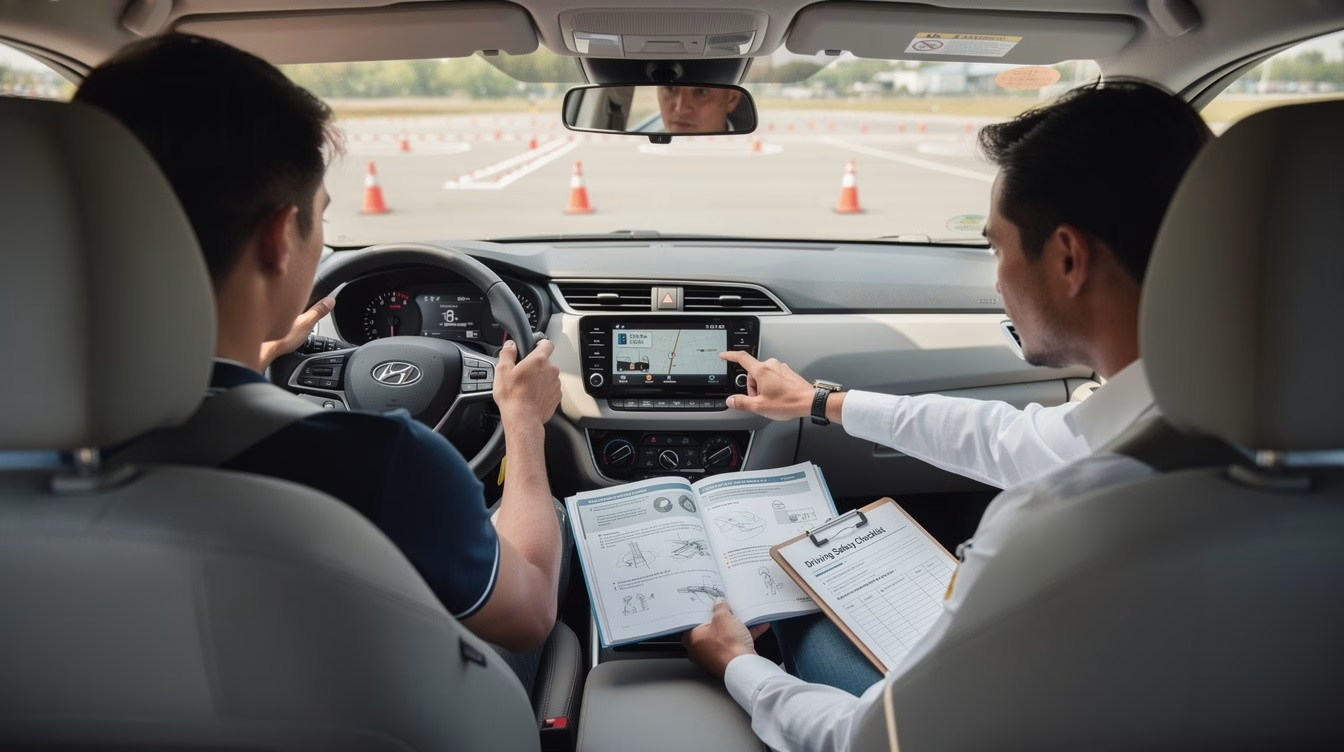
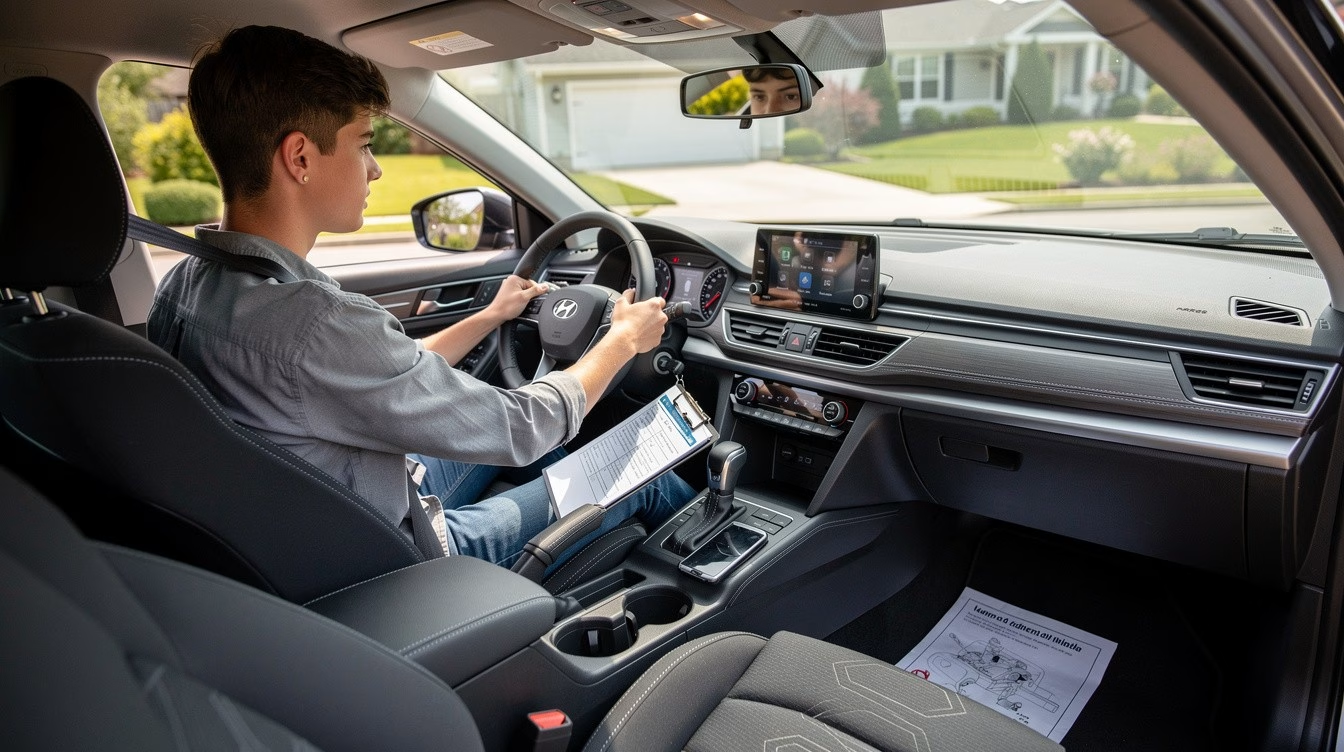
Your instructor will confirm you have a valid learner’s license, then walk you through the vehicle systematically. You’ll locate every control: the steering wheel, brake pedal, accelerator, gear shift, and handbrake. The dashboard comes next-understanding your speedometer, fuel gauge, temperature indicator, and warning lights prevents panic when something appears on screen during driving. Your instructor will adjust the seat, mirrors, and steering wheel so you sit comfortably and can reach all controls without strain. Seat belt positioning matters more than most new drivers realize; it should cross your chest and lap diagonally, not across your neck.
You’ll complete the pre-drive safety checklist: confirm all mirrors are set correctly, check that doors are fully closed, and verify the parking brake engages properly. This routine takes five minutes now but becomes automatic and protects you every single time you drive.
Engine Start and Basic Pedal Control
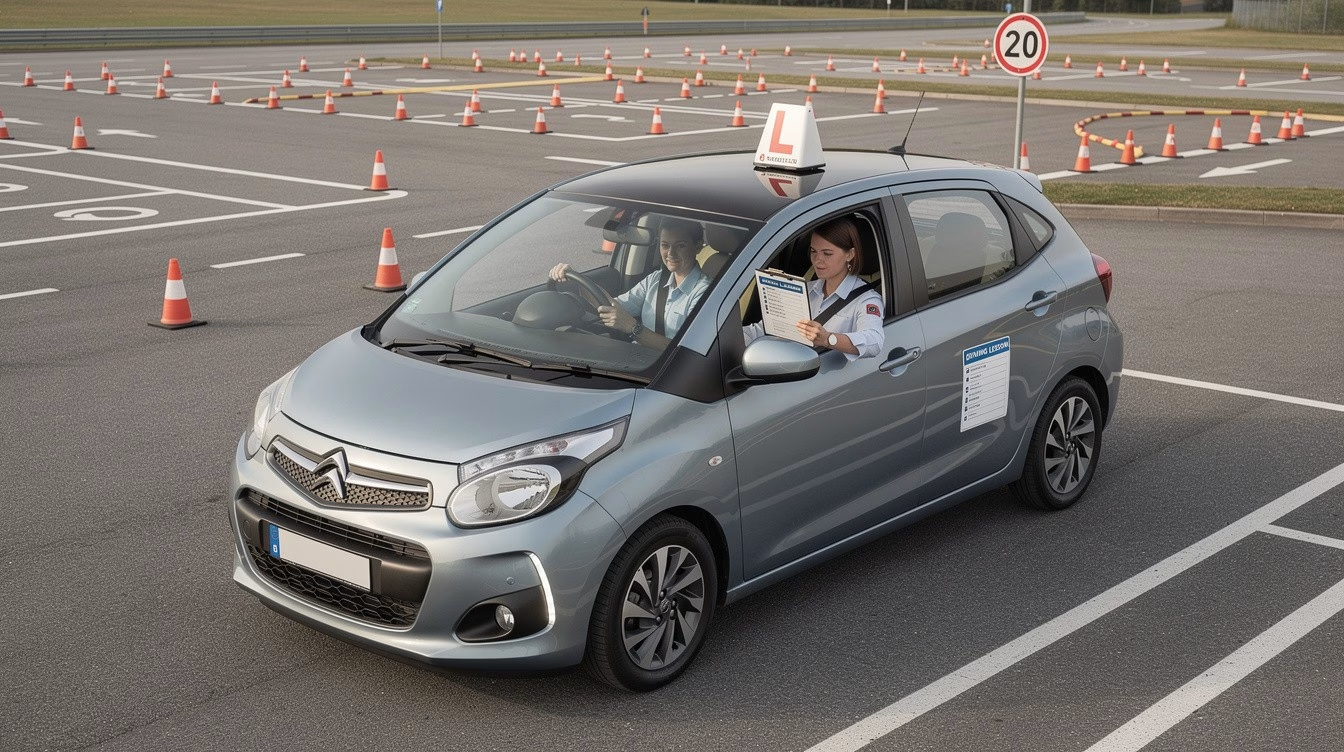
Once you’re familiar with the layout, your instructor moves to basic vehicle dynamics in a controlled environment like a parking lot. You’ll start the engine and learn the difference between the ignition and the starter-turn the key or press the button, but don’t force it. Braking receives serious attention because improper technique causes most beginner accidents; you’ll practice smooth, gradual pressure on the brake pedal rather than jabbing at it. Acceleration works the same way-gentle pressure builds momentum safely.
Steering and Low-Speed Maneuvers
Steering requires both hands on the wheel at the nine and three o’clock positions, not ten and two like older advice suggested. Your instructor will have you practice turning at low speeds, feeling how much wheel input produces how much direction change. These fundamentals matter because driver confidence increases dramatically once basic maneuvers feel natural, and that confidence directly reduces anxiety during actual road driving. Your instructor tailors the pace to your comfort level, ensuring you master each skill before moving forward.
Core Skills for Safe Driving
Mastering Smooth Acceleration and Braking
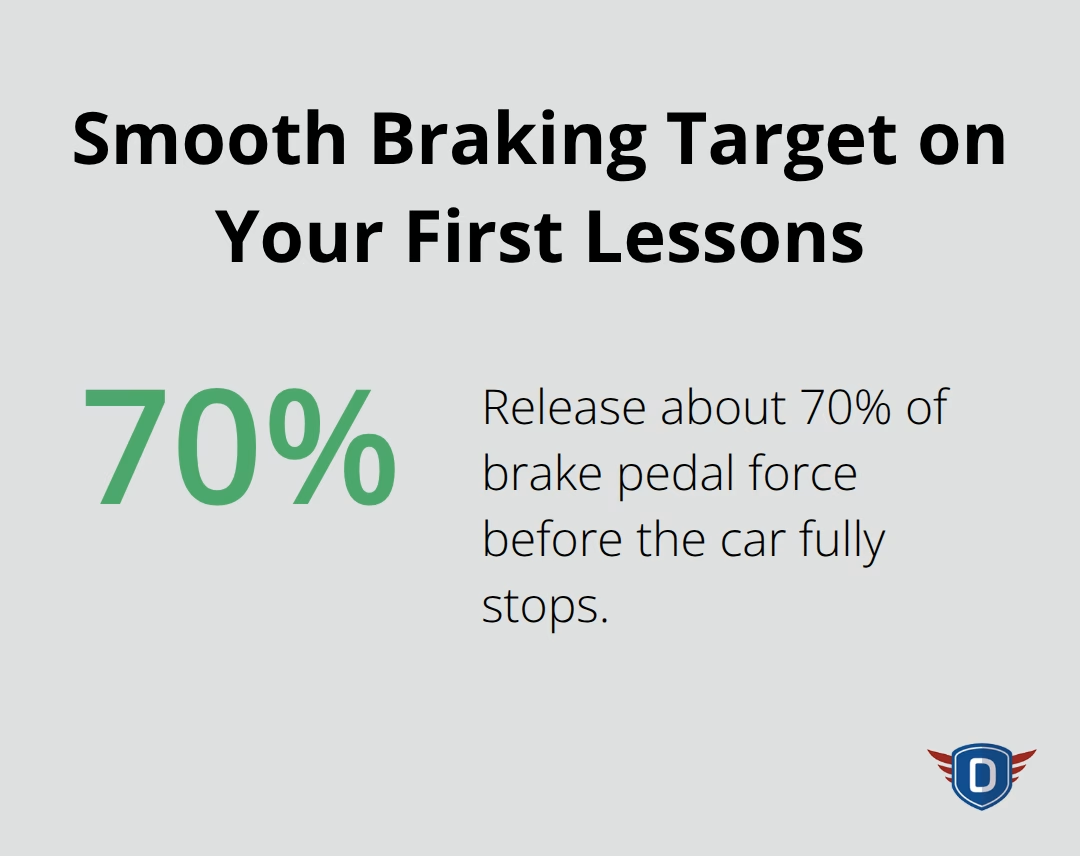
Your instructor focuses on three fundamental techniques that separate confident drivers from anxious ones: smooth acceleration and braking, controlled turning, and intersection awareness. Smooth stops matter far more than most new drivers understand. According to research on driving safety, abrupt braking causes passenger discomfort and increases accident risk because it signals poor vehicle control. Your instructor will have you practice gradual brake pressure, releasing about 70 percent of pedal force before you come to a complete stop. This technique feels unnatural at first because new drivers expect a harder stop, but smooth braking becomes automatic after 10 to 15 practice attempts. Acceleration follows the same principle-gentle pressure on the accelerator builds speed steadily rather than jerking forward.
You’ll practice these maneuvers repeatedly in parking lots and quiet residential streets where mistakes carry no real consequences.
Understanding Steering and Speed Relationships
Turning requires you to understand how much steering input produces how much direction change at different speeds. A 90-degree turn at 5 miles per hour needs different wheel positioning than the same turn at 15 miles per hour. Your instructor teaches you to feel this relationship through repetition, adjusting your inputs based on how the vehicle responds. Low-speed maneuvers build the muscle memory that makes higher-speed driving manageable. This foundation prevents oversteering or understeering when you encounter real traffic conditions.
Navigating Intersections with Confidence
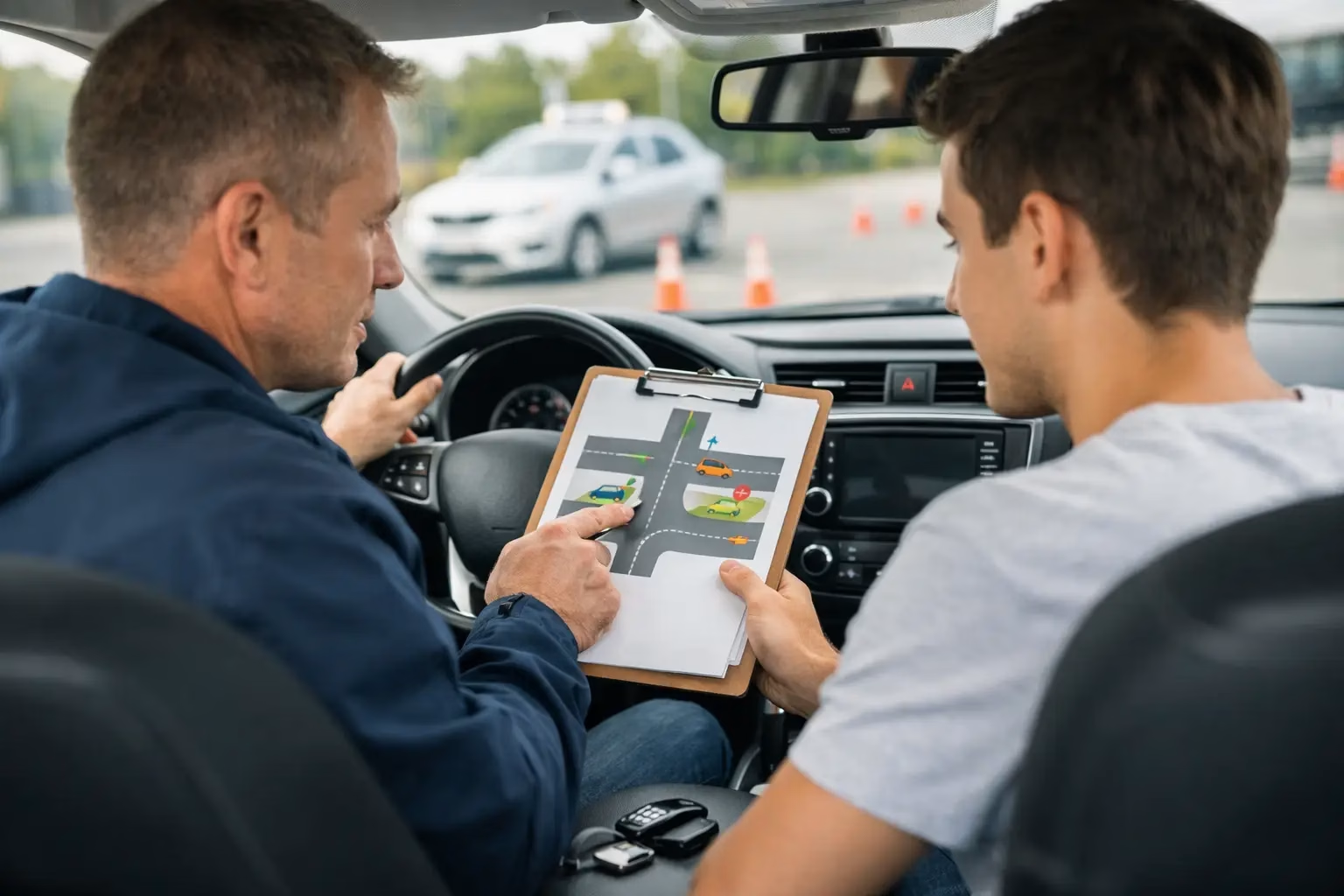
Intersection navigation demands your attention because intersections are where most collisions happen. Your instructor teaches you to approach intersections at speeds that allow complete stops within your sight line, checking mirrors and blind spots before any directional change. You’ll practice left turns across oncoming traffic, which intimidate many new drivers because timing matters. Your instructor will position you in controlled intersections with minimal traffic, letting you experience the decision-making process without pressure.
Applying Defensive Driving Fundamentals
Defensive driving fundamentals run through every lesson-you scan ahead for hazards, maintain safe following distances of at least three seconds behind other vehicles, and anticipate what other drivers might do before they do it. This isn’t theoretical; your instructor points out real hazards during every drive: the parked car with brake lights that might reverse, the pedestrian looking at their phone, the delivery truck that could swerve. You’ll practice responses to these scenarios in real time, building the pattern recognition that separates safe drivers from those who react only after danger appears. As your skills strengthen, your instructor introduces more complex road situations and higher traffic volumes, preparing you for the independent driving that comes next.
How We Structure Your Learning Path
Progression Over Speed
We at DriverEducators.com build beginner programs around one core principle: progression matters more than speed. Your first lesson focuses entirely on vehicle familiarity and parking lot basics because rushing into traffic before you control the car creates anxiety and dangerous habits that persist for years. Our certified instructors follow a structured sequence that moves from stationary vehicle control to low-speed maneuvers, then to neighborhood roads, and finally to moderate traffic environments. This progression isn’t arbitrary-it’s designed so each skill builds directly on the previous one.
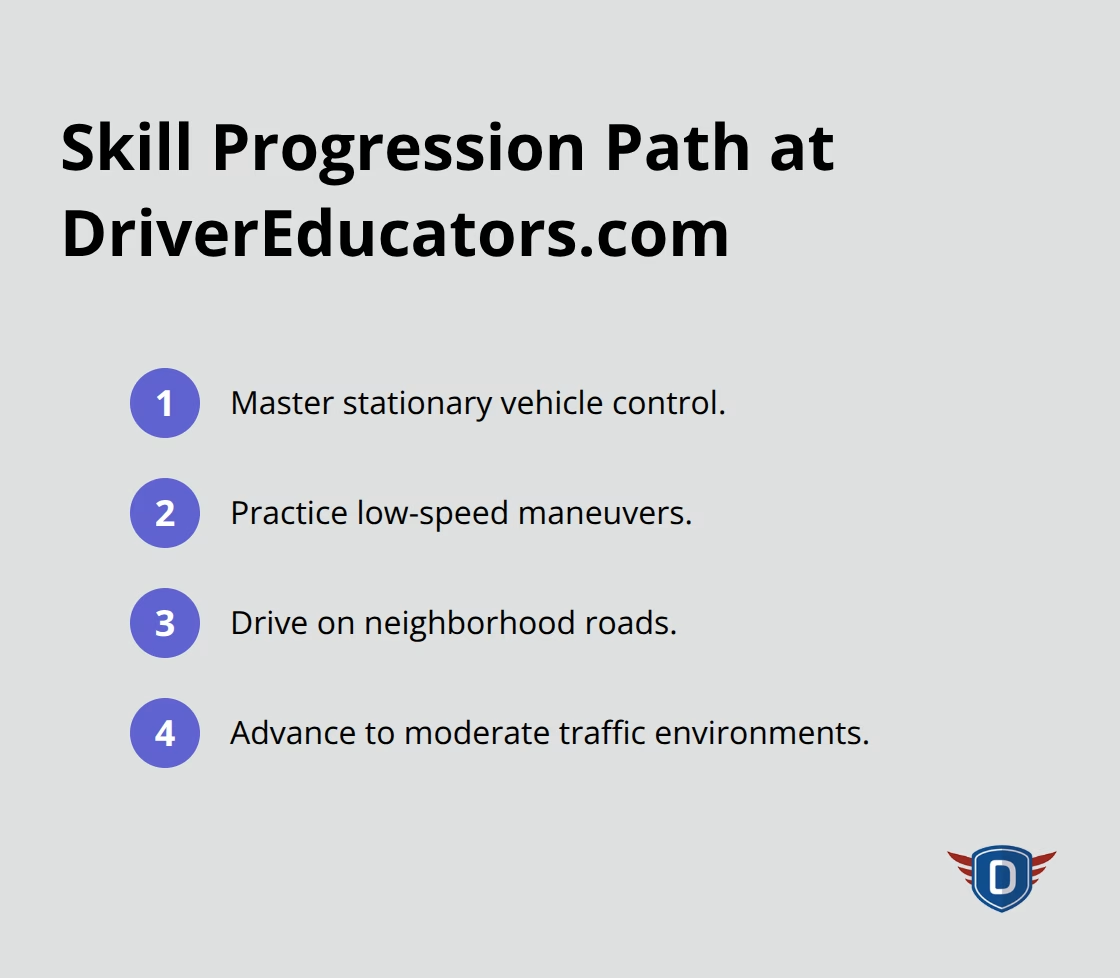
You master smooth braking before approaching intersections because intersection safety depends on brake control. You practice turning at low speeds before attempting turns in traffic because steering precision develops through repetition in safe conditions. Our instructors refuse to advance students to the next difficulty level until the current level feels automatic, not just manageable.
Real-World Training on Local Roads
Real-world training on local roads forms the backbone of our program because simulation and parking lots teach only part of what you need. Your instructor selects specific neighborhood streets and intersections based on your current skill level, starting with roads that have minimal traffic and clear sight lines, then progressively introducing busier intersections, highway merges, and challenging weather conditions as your confidence grows.
Your third or fourth lesson might include navigating a residential intersection with stop signs, but your eighth lesson introduces left turns across oncoming traffic in moderate traffic volume. Your instructor points out hazards before they become problems-the parked car that might open a door, the delivery truck that signals carelessly, the pedestrian distracted by their phone-teaching you to scan and anticipate rather than react.
Measuring Progress Through Observable Skills
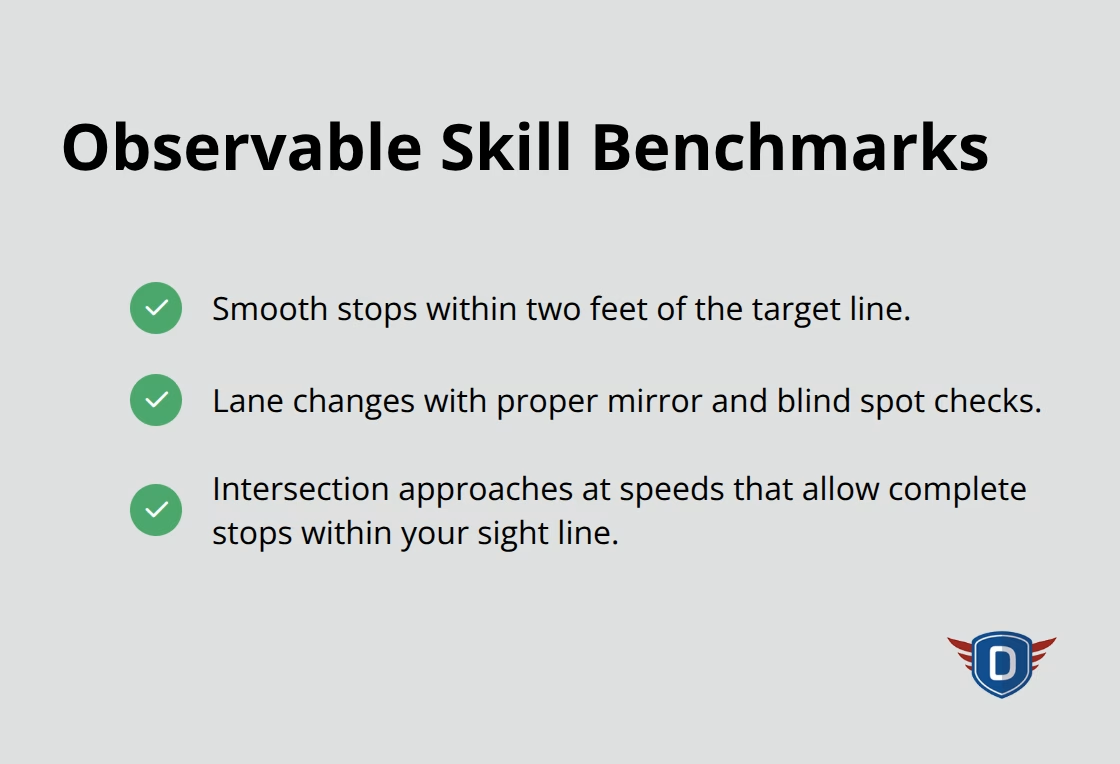
We measure progress through specific, observable skills: smooth stops within two feet of the target line, lane changes executed with proper mirror and blind spot checks, intersection approaches at speeds that allow complete stops within your sight line. These benchmarks tell you exactly where you stand and what comes next in your training.
Your instructor adapts pacing to your learning speed; age, previous experience, and individual learning styles play crucial roles in mastering driving skills, and weather conditions also impact the learning process. Personalized instruction means your progress reflects your actual readiness, not an arbitrary timeline.
Final Thoughts
Your introductory driving lessons represent an investment in your safety and the safety of everyone sharing the road. Between lessons, practice with a licensed adult on the same types of roads your instructor uses during training, because this consistency accelerates skill development and helps your brain recognize patterns faster. Set specific goals for each practice session: master smooth stops at one intersection, then practice left turns at another, since vague practice wastes time while focused practice builds competence.
Most new drivers underestimate how much practice accelerates improvement-students who practice three times weekly master skills in half the time of those who practice once weekly. The difference isn’t talent; it’s repetition and commitment to the learning process. Track what feels difficult and mention it at your next lesson so your instructor at DriverEducators.com can address those specific challenges directly.
Safe driving habits compound over time as you progress through your introductory driving lessons and move toward independent driving. The defensive scanning you practice now becomes automatic after months of consistent application, and the smooth braking technique you master prevents accidents years from now. The intersection awareness you develop protects you and your passengers throughout your driving life.