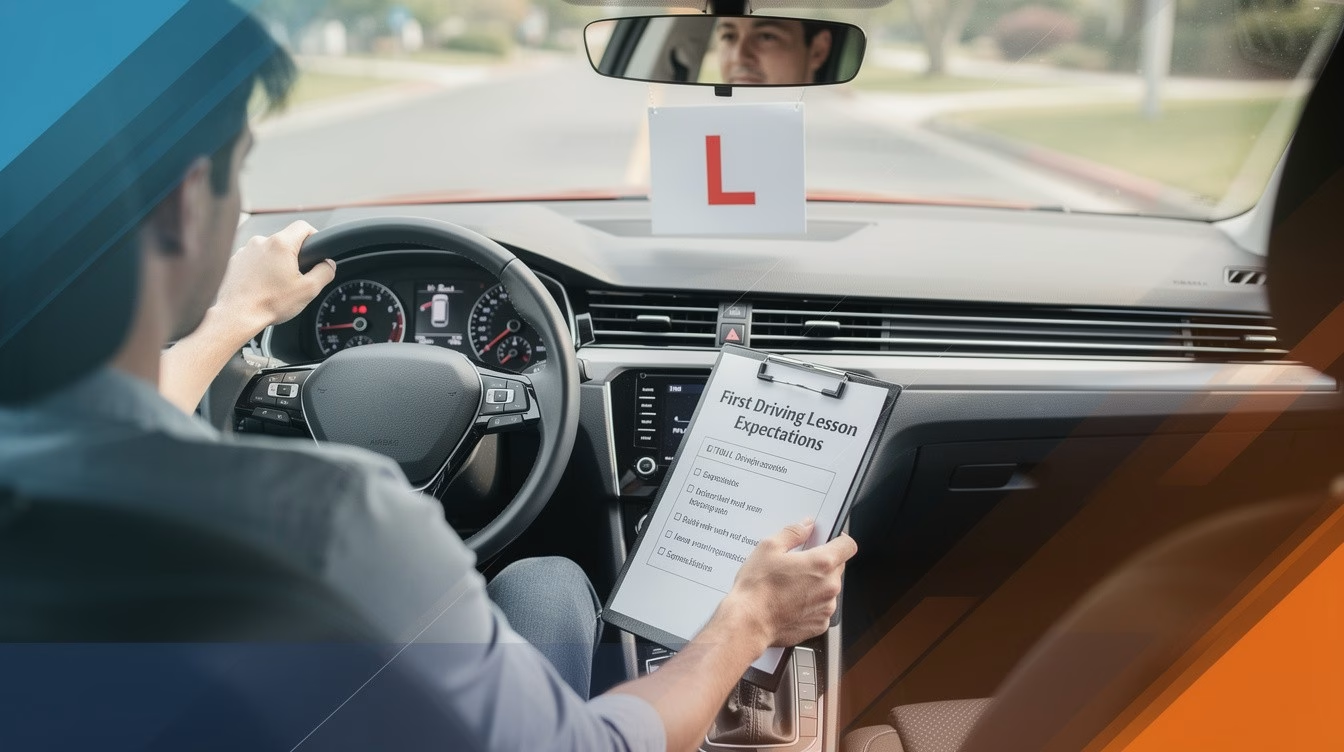
Your first driving lesson expectations matter because they shape how you approach learning behind the wheel. Nervousness is completely normal, and understanding what happens during that initial session helps you feel more prepared.
At DriverEducators.com, we’ve guided thousands of new drivers through their first lessons. We know that proper preparation and realistic expectations make the difference between anxiety and confidence.
Your First Driving Lesson Step by Step
Meet Your Instructor and Establish Rapport
Your instructor will start by establishing rapport and explaining their teaching approach. This initial conversation sets the tone for your entire lesson and helps you understand how they’ll guide you through new skills. You’ll discuss any anxieties you have, your previous driving experience (or lack thereof), and what you hope to accomplish during the two-hour session. A good instructor listens more than they talk at this stage, which means they’re gathering information about your comfort level and learning style.
Understand Vehicle Controls and Safety Features
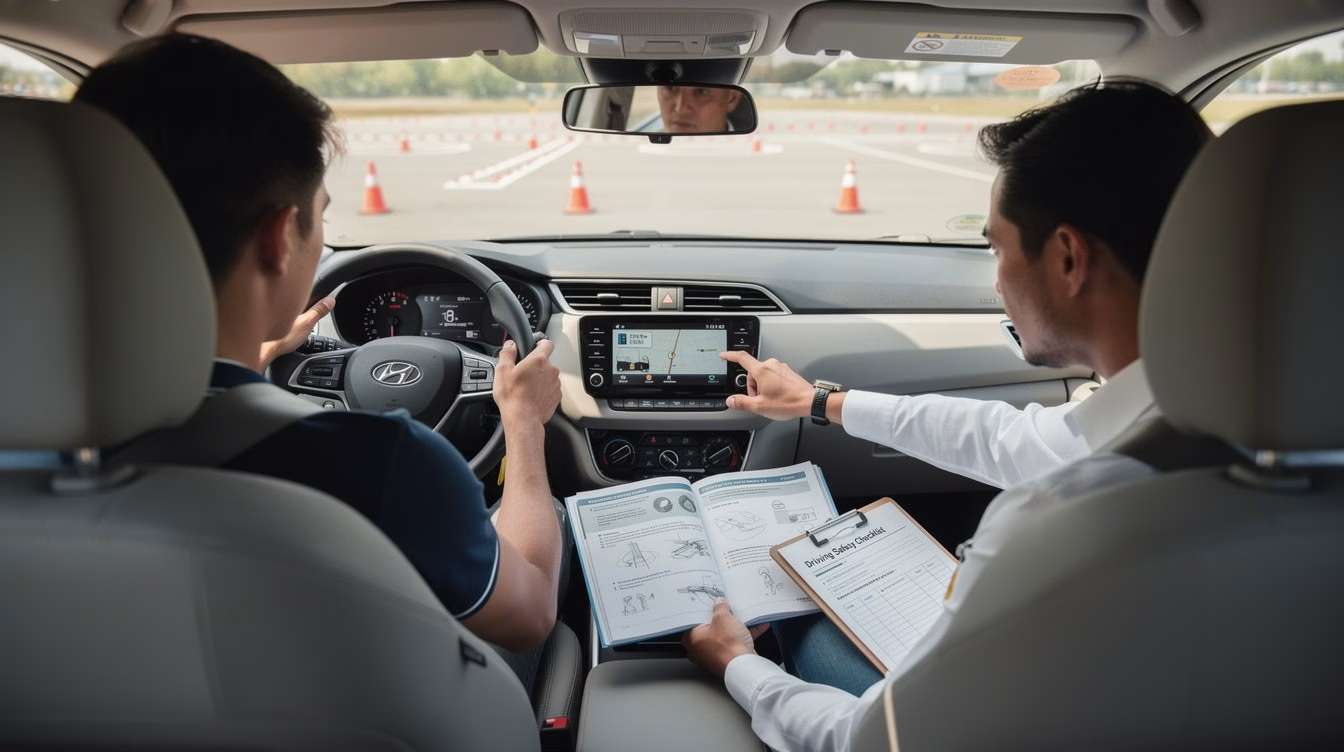
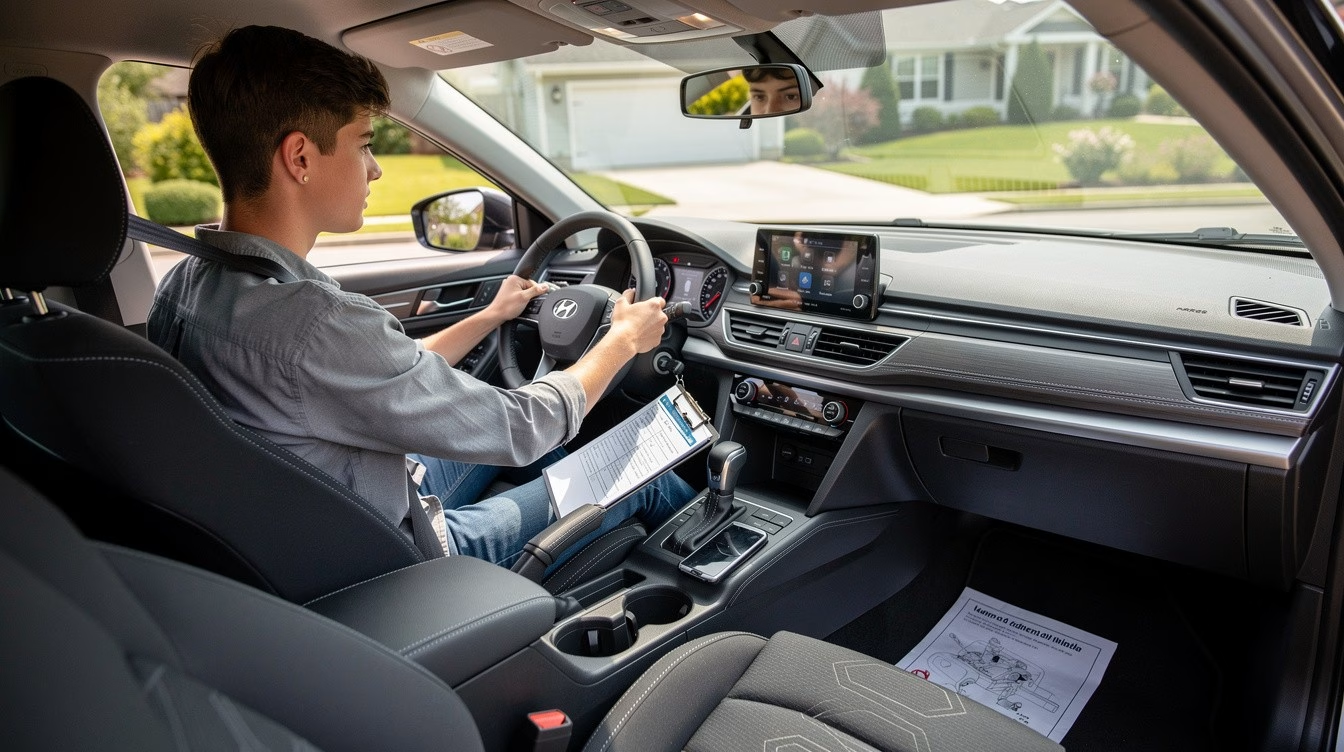
Next comes vehicle orientation, which is far more detailed than most people expect. Your instructor will walk you through every control you’ll need: the steering wheel, accelerator, brake pedal, clutch (if manual transmission), gear shift, mirrors, and dashboard indicators. They’ll show you how to adjust your seat and mirrors to eliminate blind spots and explain what each warning light means. Proper mirror positioning and seat adjustment reduce accident risk significantly because they improve your visibility of the road. Your instructor will also cover safety features like airbags, seat belts, and the dual-control brake system in the instructor’s side of the vehicle. You’ll spend 20 to 30 minutes on this alone, and it’s essential because you can’t drive safely if you don’t know where the controls are or how to use them.
Practice Fundamentals in a Controlled Environment
After this orientation, your instructor will take the wheel and drive to a quiet, low-traffic area-usually an empty parking lot or a residential street with minimal traffic. This is where the actual driving practice begins, and it’s deliberately designed to reduce pressure. You won’t face a busy road during your first lesson. Instead, you’ll start with the fundamentals: starting the engine, understanding how the clutch engages (if applicable), gentle acceleration, smooth braking, and basic steering.
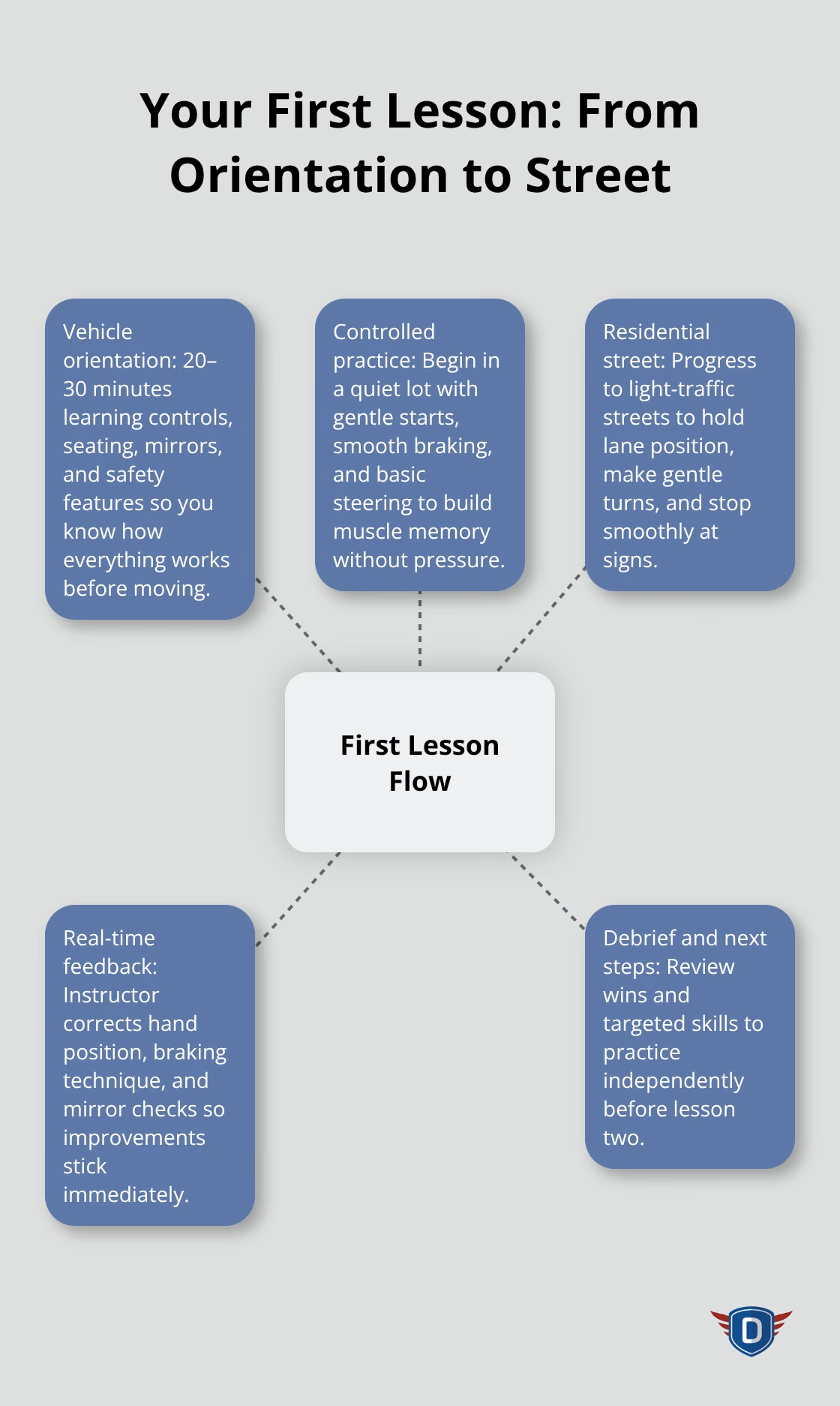
Your instructor will have you practice these repeatedly until they feel confident you’ve mastered the basics. Many new drivers make the mistake of thinking their first lesson should cover highway driving or complex intersections. That’s wrong. The goal is to build muscle memory and confidence with simple, repeatable actions in a safe environment.
Progress to Real-World Driving Skills
If you progress well in the parking lot, your instructor will take you onto a quiet residential street where you’ll practice maintaining lane position, making gentle turns, and stopping at stop signs. This structured progression from parking lot to real-world driving is intentional and proven to work. Frequent driving practice lowers crash risk among teen drivers, according to research from the National Institute of Child Health and Human Development.
Receive Feedback and Plan Your Next Steps
Your instructor will provide real-time feedback throughout the lesson, correcting your hand position on the wheel, your braking technique, or your mirror-checking habits immediately. They’ll also explain why these corrections matter-not just tell you to do something differently. At the end of your two-hour session, expect a debriefing where your instructor reviews what went well and identifies specific areas you should practice independently before your next lesson. This report card approach gives you actionable steps rather than vague encouragement, which means you’ll make faster progress. With clear direction and specific targets for improvement, you’ll move into your second lesson with concrete goals and measurable confidence gains.
Common Fears and How to Overcome Them
Nervousness Is a Sign You Understand the Responsibility
Nervousness before your first driving lesson isn’t a weakness-it’s a signal that you understand the responsibility ahead. The good news is that fear and actual danger are two different things, and instructors know how to separate them. Your instructor has watched hundreds of new drivers grip the steering wheel with white knuckles, and they’ve developed specific techniques to move you past anxiety into competence.
The transition from passenger to driver involves real changes in your brain’s processing speed and decision-making load, which is why your body reacts with stress. That reaction isn’t abnormal or something you need to fix before your lesson; it’s something your instructor will work with during your lesson.
What Will Actually Happen During Your First Two Hours
Most new drivers catastrophize about what could go wrong instead of focusing on what will actually happen. You won’t merge onto a highway during your first two-hour session. You won’t navigate a busy intersection on day one. You won’t encounter heavy traffic or complex road situations. Your instructor controls the environment deliberately to match your skill level, which means the actual risk during your first lesson is extremely low.
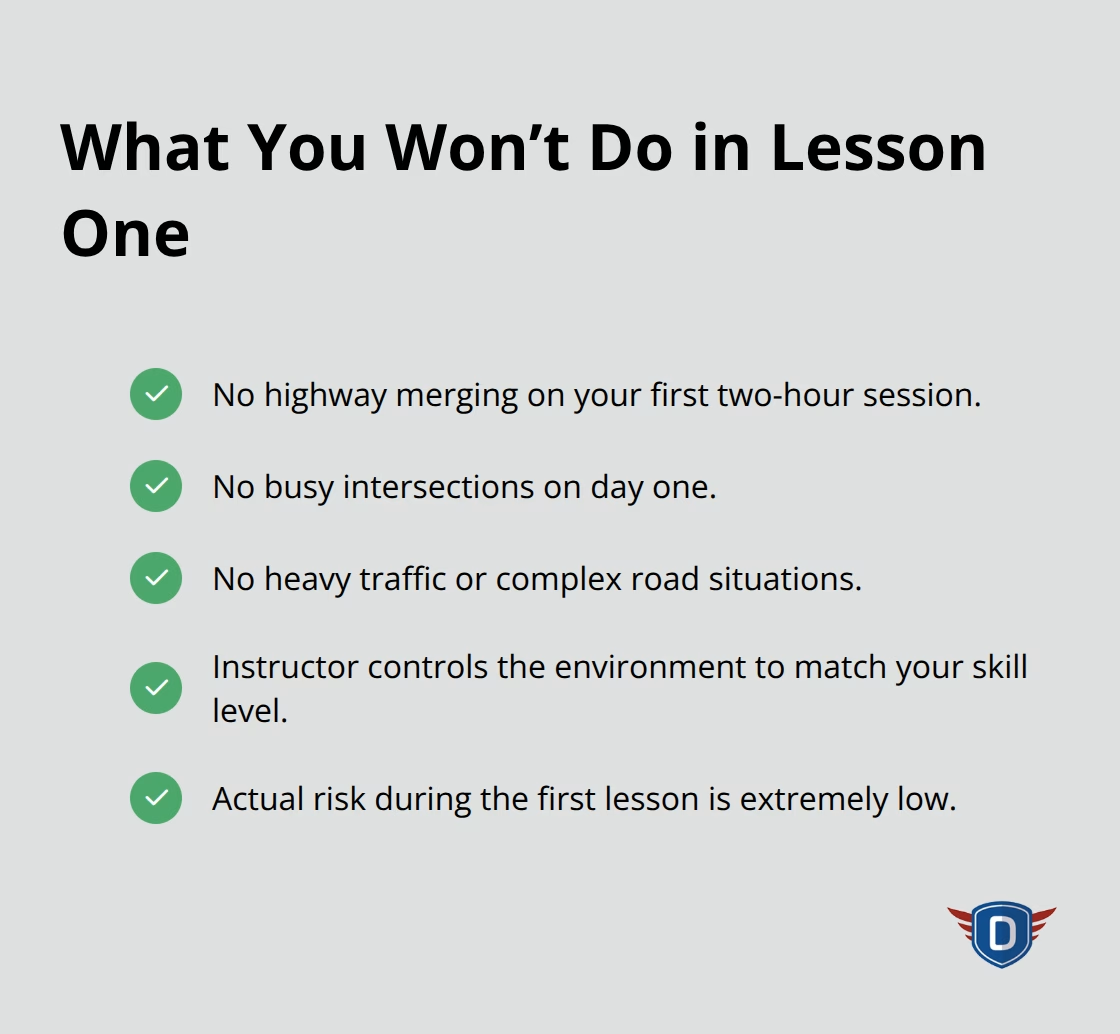
What you’ll face instead is a parking lot where the only obstacle is learning to coordinate your foot and hand movements without pressure. This gradual exposure works because it builds actual competence rather than false confidence. When you can start the car smoothly five times in a row, you’ve moved from nervous to capable. When you can brake without jerking the car, you’ve replaced anxiety with muscle memory. Your nervous system learns through repetition in safe conditions, and that’s exactly what your first lesson provides.
Mistakes Become Your Greatest Teacher
Mistakes during your first lesson aren’t failures-they’re the entire point of being there. Your instructor expects you to brake too hard, steer too wide, or forget where the turn signal is located. They’ve budgeted time for these errors because they happen to every new driver. The dual-control brake system in the instructor’s side of the vehicle exists specifically so you can practice without consequence.
You cannot crash the car during your first lesson because your instructor has ultimate safety control. This removes the stakes that create panic. Instead of worrying about causing an accident, you can focus on the actual task of operating the vehicle. Research shows that learner drivers benefit most from frequent, low-pressure practice sessions rather than occasional high-intensity training.
Building Real Skills Through Repetition
Your first lesson establishes a pattern of safe, repeated practice. You’ll make mistakes, your instructor will calmly explain the correction, and you’ll try again. After two hours, you’ll have practiced the fundamentals dozens of times. That repetition is what transforms fear into confidence.
The drivers who progress fastest aren’t the naturally talented ones-they’re the ones who embrace the practice environment and use it to build real skills rather than worry about judgment. Your instructor will provide real-time feedback, correcting your hand position on the wheel, your braking technique, or your mirror-checking habits immediately. They’ll also explain why these corrections matter, not just tell you to do something differently. This approach means you’ll move into your second lesson with concrete goals and measurable confidence gains, ready to tackle the next phase of your driving education.
How DriverEducators.com Prepares You for Success
Instruction That Adapts to Your Actual Pace
We at DriverEducators.com structure your first lesson around your actual learning pace, not some standardized timeline that works for nobody. Your instructor won’t follow a script where everyone practices parking for exactly 20 minutes regardless of whether you’ve mastered it or still need work. Instead, they spend time on the skills where you struggle and move faster through the areas where you show competence. This personalized approach matters because adaptive instruction produces better long-term retention than one-size-fits-all curricula.
You’ll spend your two hours focused on what you specifically need, which means faster progress and fewer wasted sessions. Your instructor will also identify your learning style during that first meeting. Some drivers learn best through explanation, others through demonstration and repetition, and still others through immediate feedback on specific mistakes. A skilled instructor recognizes these differences within the first 30 minutes and adjusts their teaching method accordingly.
Teaching Methods That Match How You Learn
This flexibility separates effective instruction from the generic approach where every student receives the same explanation regardless of how their brain actually processes information. Your instructor will provide real-time feedback throughout the lesson, correcting your hand position on the wheel, your braking technique, or your mirror-checking habits immediately. They’ll also explain why these corrections matter, not just tell you to do something differently. Building unshakeable confidence as a new driver starts with this kind of immediate, purposeful guidance.
Curriculum Aligned With Florida Safety Standards
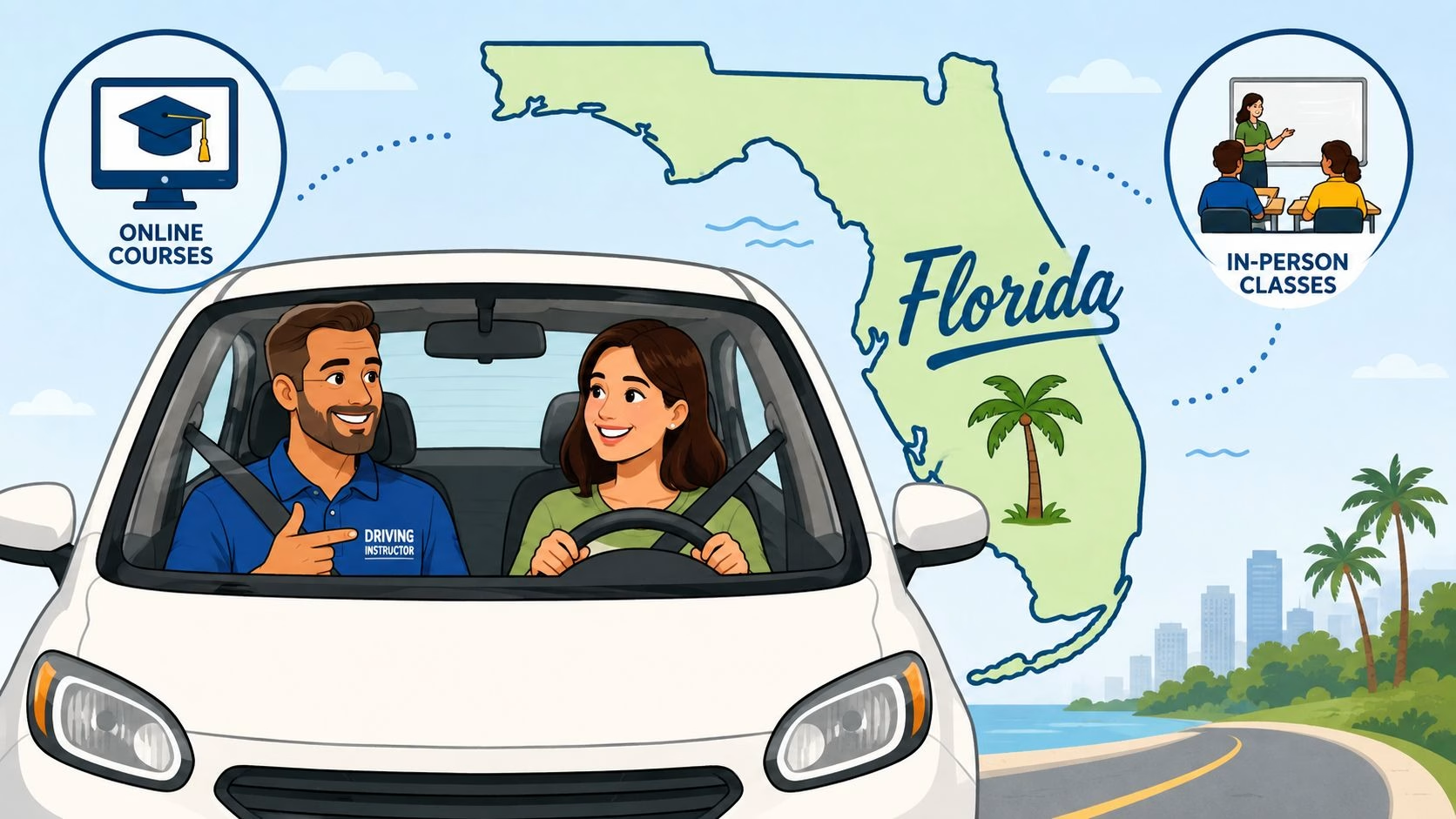
Our curriculum aligns with Florida’s safety standards and defensive driving principles, which means the skills you practice in your first lesson connect directly to what the state expects from safe drivers. We don’t teach tricks to pass a test; we teach habits that keep you alive. Your instructor covers hazard recognition, proper mirror usage, and safe following distances because these directly reduce crash risk among new drivers.
Florida law requires certain safety competencies, and our structured approach ensures you build those competencies from lesson one rather than scrambling to learn them before your test.
Scheduling That Fits Your Real Life
We also offer flexible scheduling that accommodates real life. Lessons available seven days a week from early morning through evening hours means you can actually book around your work, school, or family commitments rather than forcing your schedule to fit rigid class times. This flexibility matters because consistent practice works better than sporadic intensive sessions.
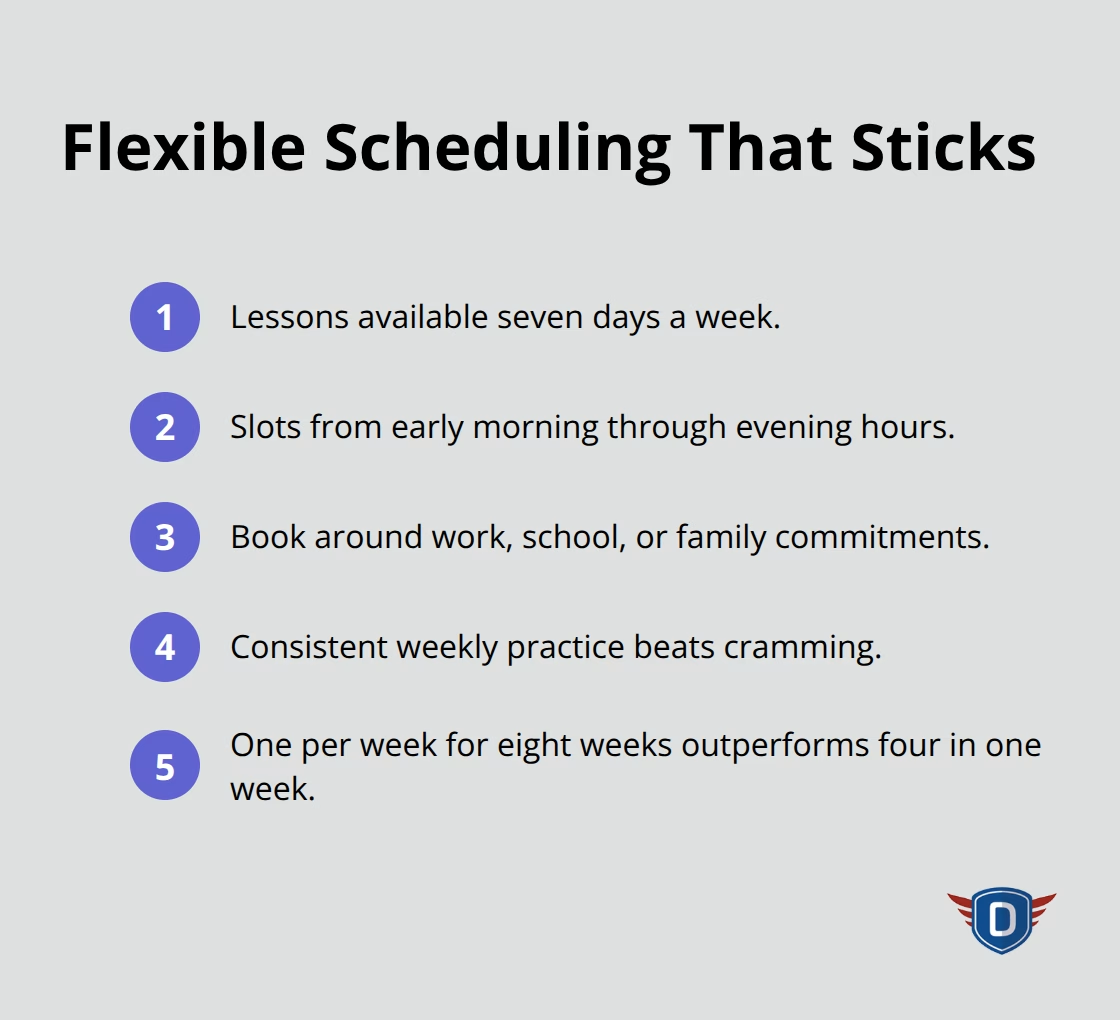
A student who takes one lesson per week for eight weeks progresses faster and retains more than someone who takes four lessons in one week then disappears for a month. Our scheduling system recognizes that consistent, spaced practice builds real driving skill.
Final Thoughts
Your first driving lesson expectations will shift from anxiety to action once you experience professional instruction firsthand. The nervous feeling you have before that session signals you understand the responsibility ahead, and your instructor will transform that awareness into genuine competence through structured practice and personalized feedback. Every mistake you make in the controlled environment becomes a learning opportunity, not a failure, and every correction your instructor provides builds real skill rather than false confidence.
Professional instruction produces measurable results that self-teaching cannot match. We at DriverEducators.com structure your first lesson around your actual learning pace, not a standardized timeline that ignores your individual needs. Your instructor adapts their teaching method to how your brain processes information, provides real-time feedback on specific mistakes, and aligns instruction with Florida safety standards that keep you safe for decades of driving ahead.
Schedule your first lesson with DriverEducators.com today and start your journey toward becoming a safe, confident driver. Your first driving lesson expectations will be met with professional guidance and a curriculum designed around your success. The road ahead starts now.