Your first behind the wheel session can feel overwhelming. There’s a lot happening at once-new controls, unfamiliar roads, and the weight of responsibility.
We at DriverEducators.com know that preparation makes all the difference. This guide walks you through what to expect, how to get ready, and the mistakes to avoid so your first lesson sets you up for success.
What Happens in Your First Lesson
Your Instructor Assesses Your Starting Point
Your instructor’s first priority is understanding where you stand. Within the first few minutes, they assess your skills to determine whether you’ve sat behind the wheel before, how comfortable you feel with basic controls, and what specific anxieties you bring to the session. This isn’t a test you can fail-it’s a conversation that shapes the entire lesson. Your instructor expects nervousness and adjusts accordingly. Most first sessions last 60 to 90 minutes, which gives enough time to build familiarity without overwhelming you. Your instructor will explain their teaching approach upfront, so you know whether you spend the session mostly in a parking lot or venture onto quiet roads. This transparency reduces surprises and helps you mentally prepare for what’s coming.
You Master the Car’s Essential Controls
Once you settle in, the focus shifts to the car itself. You adjust the seat, steering wheel, and mirrors until you can see clearly without straining-proper positioning directly affects your ability to control the vehicle and spot hazards. Your instructor walks you through essential controls: the accelerator and brake pedals, steering wheel positioning (typically at 9 and 3 o’clock), gear shift, turn signals, wipers, and headlights.
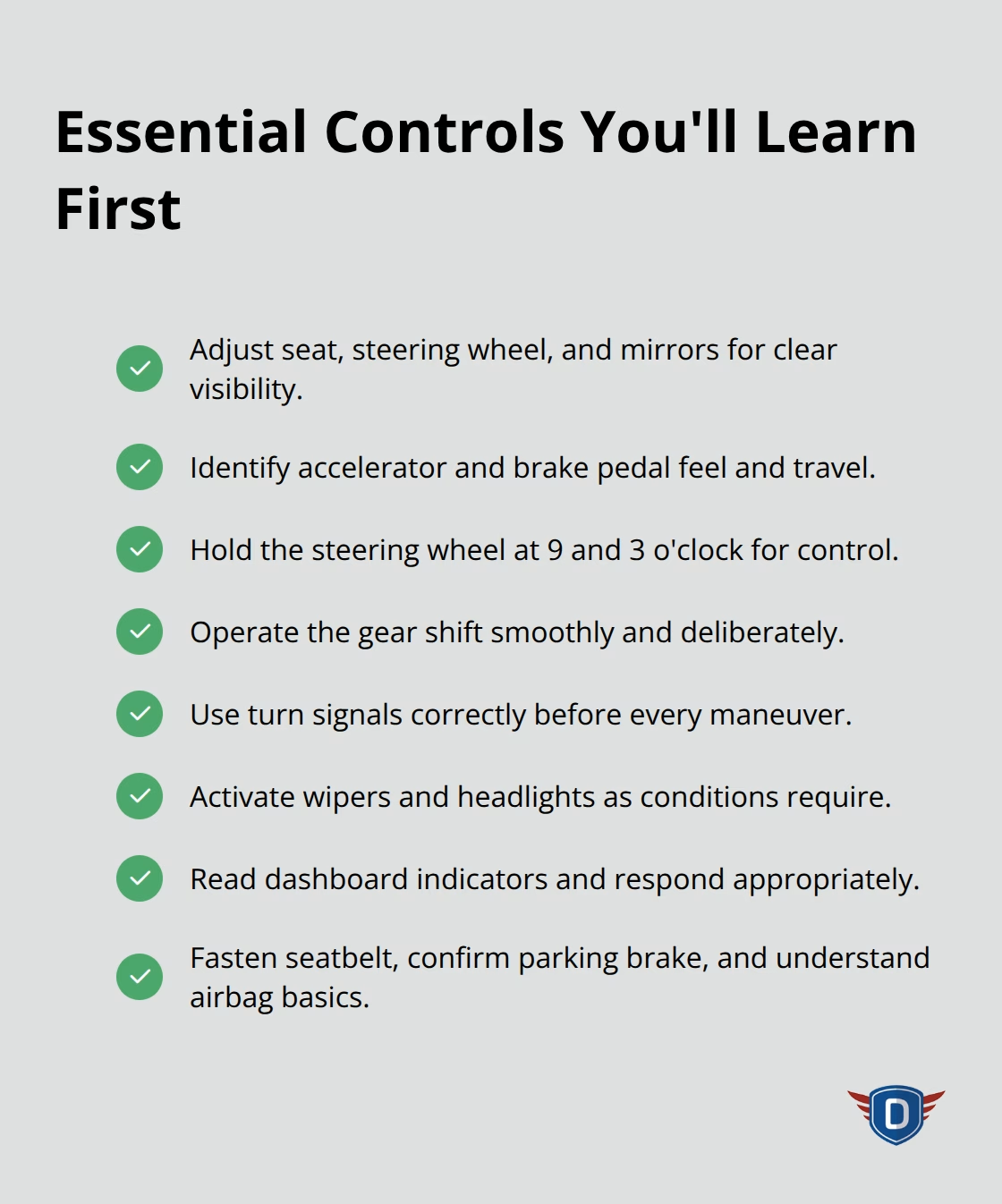
Dashboard indicators receive explanation too, so you understand what warning lights mean and when to act. Safety checks come next-fastening your seatbelt correctly, confirming the parking brake works, and understanding how airbags function. Early lessons deliberately avoid information overload; instructors focus on one or two core maneuvers rather than trying to cover everything at once.
You Practice in a Low-Pressure Environment
Starting in a quiet, low-traffic area is standard practice-often an empty parking lot or residential street where traffic is minimal. This environment lets you practice moving off smoothly, stopping safely, and making simple turns without the pressure of navigating around other vehicles. Your instructor provides immediate, actionable feedback after each attempt, pointing out what worked and what needs adjustment. This cycle of practice, feedback, and refinement builds both skill and confidence. As you gain comfort with these basics, your instructor watches for signs that you’re ready to progress-steady hands on the wheel, smoother pedal control, and improved awareness of your surroundings. The pace matches your individual readiness, not a predetermined schedule. Once you demonstrate control in the parking lot, your instructor introduces quiet residential roads where you encounter real traffic conditions but still operate in a manageable setting. This gradual progression helps new drivers move from basic parking lot maneuvers to highway driving at a comfortable pace.
How to Prepare Before Your First Lesson
Get Comfortable With the Vehicle Early
Preparation separates confident first-time drivers from anxious ones. Start with the vehicle itself at least a week before your lesson. Sit in a parked car and adjust the seat forward and backward, tilt the steering wheel, and move mirrors until everything feels natural. This familiarity removes one source of stress on lesson day.
Wear flat-soled shoes with good grip-avoid flip-flops, thick winter boots, or anything that dulls your feel for the pedals. Comfortable clothing matters too; tight jeans or restrictive jackets make pedal work harder. Bring your learner’s permit and any documentation your instructor requested; forgetting these wastes lesson time and forces rescheduling.
Manage Pre-Lesson Anxiety
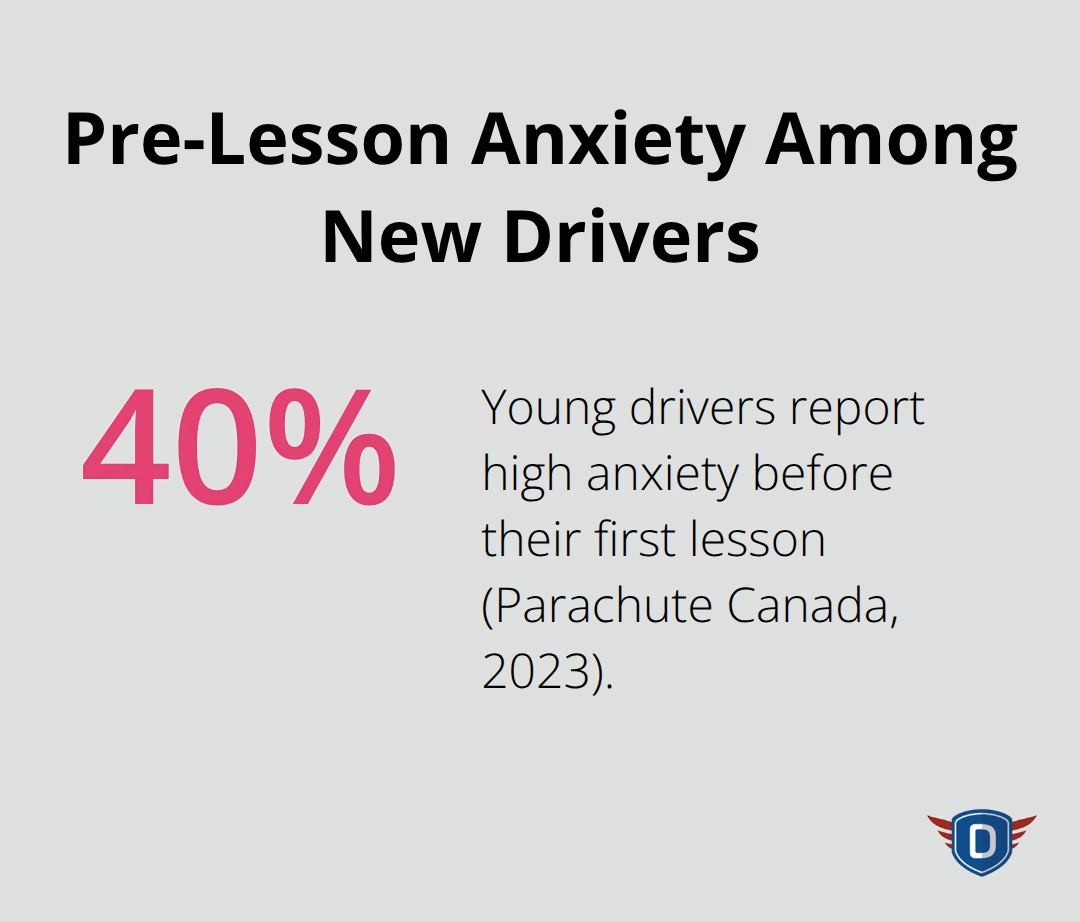
According to Parachute Canada research from 2023, 40 percent of young drivers report high anxiety before their first driving lesson, but this anxiety drops sharply once they understand what to expect. Arrive 10 minutes early so you’re not rushed, and get a full night’s sleep beforehand-fatigue impairs focus and reaction time.
Talk honestly with your instructor about your specific fears before the car moves. Whether it’s highway anxiety, parking concerns, or general nervousness, instructors adjust pacing based on what you tell them. Treat mistakes as data, not failures-stalling the engine, jerky braking, or a crooked parking attempt teaches you something every single time.
Study Traffic Laws and Road Signs
Study traffic laws and road signs before you sit behind the wheel. Spend three to five days reviewing your local driver’s handbook, focusing on right-of-way rules, speed limits, and what each common sign means. Test yourself on phone apps or online practice tests to identify weak spots.
Your instructor will explain rules during the lesson, but arriving with basic knowledge means you can concentrate on actual driving rather than memorizing whether a white line or yellow line separates lanes. This foundation helps you process new information faster once you’re behind the wheel.
Set Realistic Goals for Day One
Set one realistic goal for your first session-perhaps mastering smooth acceleration or confident steering-rather than trying to nail everything at once. Unrealistic expectations create frustration when progress doesn’t match an imaginary timeline.
Your instructor has seen thousands of new drivers make identical errors and recover from them. The mistakes you make on day one are stepping stones, not setbacks. Understanding this mindset before you arrive transforms how you respond to challenges during the lesson and prepares you mentally for the common pitfalls that trip up most new drivers.
Common Mistakes New Drivers Make on Their First Lesson
Steering Grip: The White-Knuckle Problem
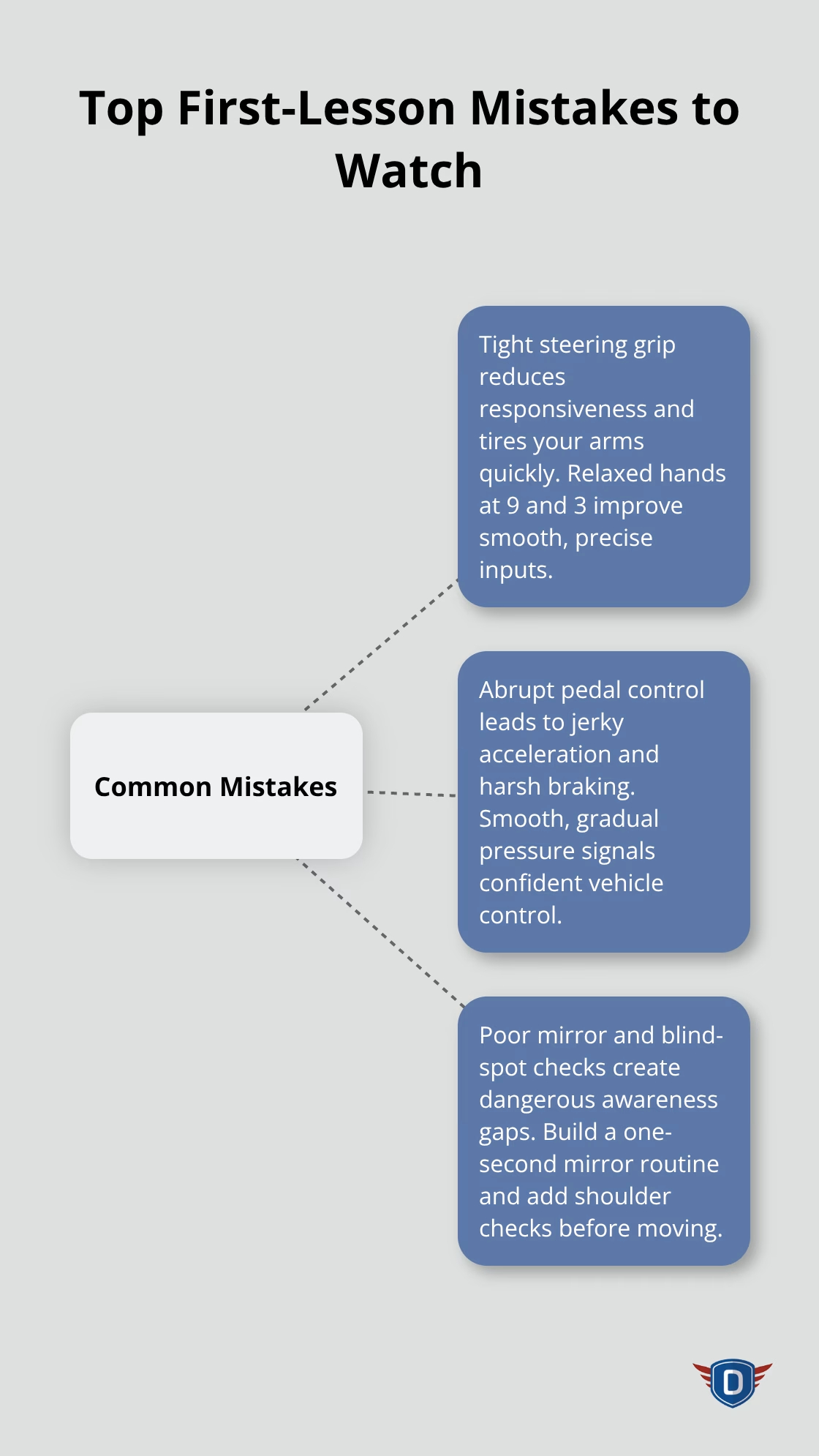
Most new drivers grip the steering wheel as if they’re wrestling it into submission. Your hands should rest lightly at 9 and 3 o’clock, with just enough pressure to guide the car-think of it as holding a bird that you don’t want to squeeze but also can’t let escape. A tight grip tires your arms within minutes, reduces your ability to make smooth corrections, and signals nervousness to your instructor.
The moment your knuckles turn white, you’ve lost the car’s responsiveness. Instructors notice this immediately and will call it out: loosen your grip, relax your shoulders, and let your arms do the work rather than your hands. This single adjustment transforms how the car responds to your steering inputs.
Pedal Control: Smooth Pressure Beats Sudden Movements
Abrupt acceleration and braking create the second major problem. New drivers either creep forward hesitantly or jab the gas pedal as if it’s an on-off switch. The accelerator requires smooth, gradual pressure-think of it as a dimmer switch, not a light switch. Press it slowly and steadily to feel how the car responds.
Braking works the same way: gradual pressure stops the car smoothly, while sudden braking locks your passengers against their seatbelts and makes you look panicked. Your instructor will ask for smooth, controlled inputs repeatedly during the first lesson because jerky pedal work signals to examiners that you lack vehicle control. Practicing this at home-sitting in a parked car and practicing the motion of smooth acceleration and braking without the engine running-builds muscle memory before lesson day.
Mirror Checks and Blind Spot Awareness
The third mistake is neglecting mirror checks and blind spot awareness. New drivers either forget mirrors exist or check them obsessively without actually processing what they see. A proper mirror check takes one second: glance at the mirror, identify what’s there, and move on.
Blind spots require a quick shoulder check before changing direction. Many new drivers skip this entirely, creating dangerous gaps in their awareness. Your instructor will emphasize this point throughout the lesson because mirror discipline separates safe drivers from accident-prone ones. Make mirror checks automatic from day one-they should feel as natural as breathing.
Why These Mistakes Matter
The DVSA and driving safety organizations consistently emphasize that these three mistakes-tight steering grip, abrupt pedal control, and poor mirror awareness-appear in nearly every new driver’s first session. The good news is all three are fixable with deliberate practice and honest feedback from your instructor.
Final Thoughts
Your first behind-the-wheel session marks the beginning of a driving journey that extends far beyond one lesson. The foundation you build during those initial 60 to 90 minutes-loose grip on the wheel, smooth pedal control, and consistent mirror checks-shapes how you drive for years to come. Every mistake you make is correctable, and every small success builds momentum toward independent driving.
The path forward involves regular practice between lessons. Schedule sessions consistently rather than sporadically; weekly lessons with daily practice in between accelerate skill development faster than monthly lessons alone. Set specific goals for each session and track what improves, then review your instructor’s feedback after each lesson to identify one area to focus on before your next session.
We at DriverEducators.com understand that new drivers need more than just behind-the-wheel instruction. Our comprehensive driver education programs combine classroom learning with practical guidance to help you develop safe habits from day one, and our certified instructors provide personalized support tailored to your pace and learning style.