
Teenage drivers face real risks on the road. According to the CDC, motor vehicle crashes are the leading cause of death for teens aged 15-19, with nearly 2,600 killed and 300,000 injured annually in the United States.
Professional driving lessons for teens change these statistics. At DriverEducators.com, we’ve seen firsthand how structured instruction and certified instructors equip young drivers with the skills and confidence needed to navigate traffic safely.
Why Professional Driving Lessons Cut Teen Crash Risk
Inexperience and Poor Judgment Drive Teen Crashes
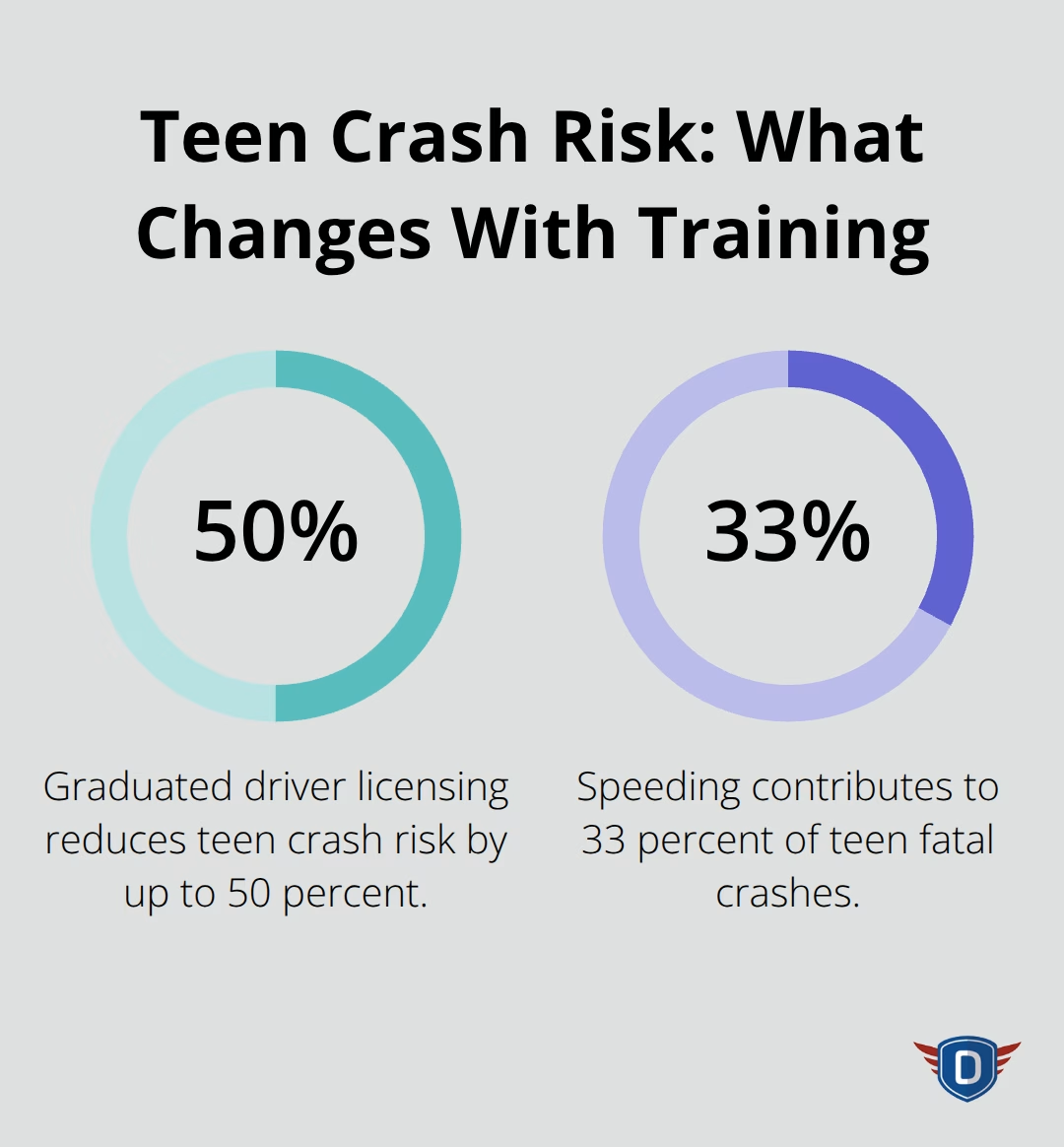
Structured professional instruction addresses the core reason teens crash: inexperience combined with poor judgment. All 50 states use a three-stage graduated driver licensing system specifically because it reduces teen crash risk by up to 50 percent. The learner’s permit phase requires supervised driving hours-typically 40 to 50 hours-under adult oversight. Professional driving instructors accelerate this learning process by teaching teens to recognize hazards before they become emergencies.
Why Professional Instructors Outperform Parent Teachers
A teen who learns from a certified instructor receives consistent feedback on vehicle control, lane positioning, and decision-making without the emotional tension that often clouds parent-teen instruction. Defensive driving techniques taught in professional lessons directly address the behaviors that kill teens on the road. Speeding factors into 33 percent of teen fatal crashes; distracted driving-particularly texting, which increases crash risk 23-fold-claims young lives regularly; and passenger influence pushes teens toward risky decisions, with one teen passenger increasing crash likelihood by 2.5 times.
Teaching Teens to Resist Dangerous Impulses
A certified instructor teaches teens to anticipate other drivers’ mistakes, maintain safe following distances, and resist the impulse to speed or check their phone. These skills stick because instructors explain the “why” behind each technique, not just the “what.” Teens who understand that texting increases crash risk respond differently than those who simply hear “don’t text and drive.”
Confidence Built on Actual Skill, Not Arrogance
Many teen drivers who feel overconfident actually drive recklessly, believing they can handle any situation. Professional instruction teaches the difference between confidence grounded in skill and false overconfidence. A teen who completes structured lessons with a licensed instructor knows exactly what they can and cannot handle, drives within their actual abilities, and maintains healthy respect for the road’s dangers. This foundation of realistic self-assessment prepares teens for the next critical phase: selecting the right driving school that matches their learning style and schedule.
What Skills Do Teens Actually Master in Driver Education
Vehicle Control Becomes Second Nature
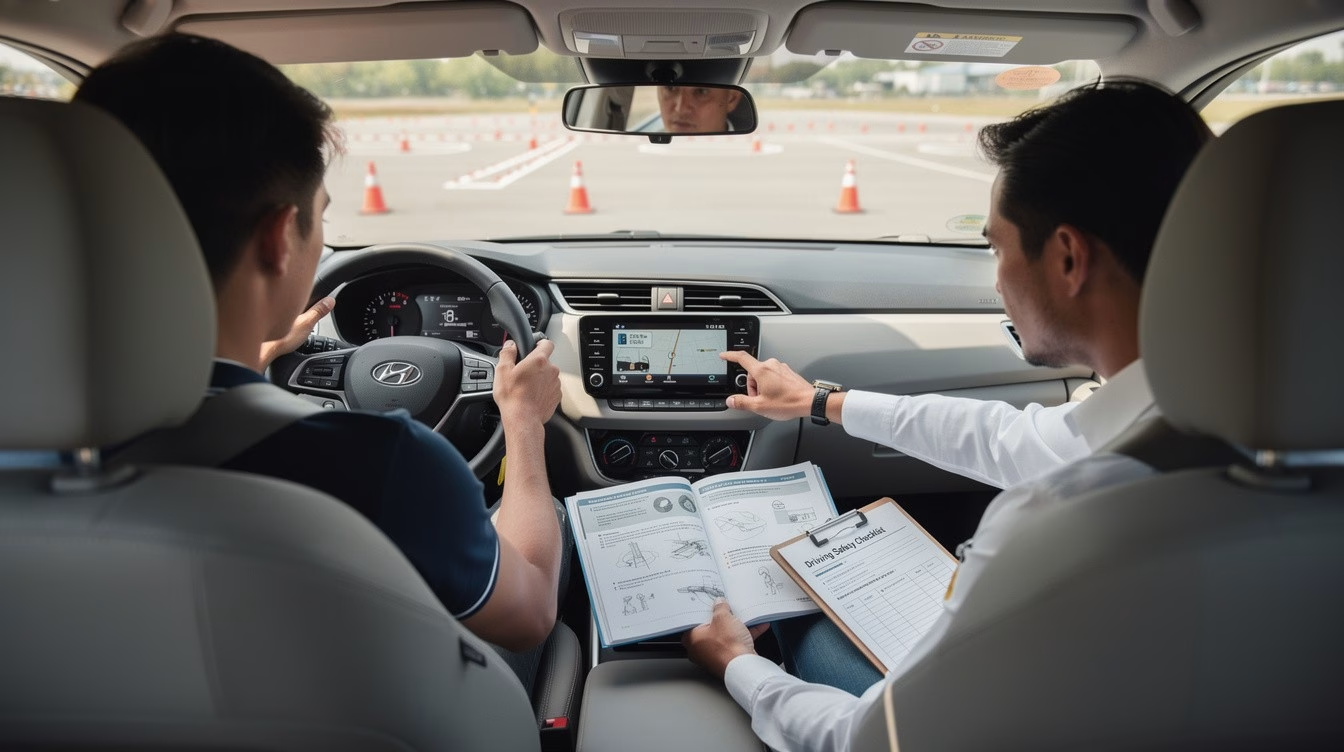
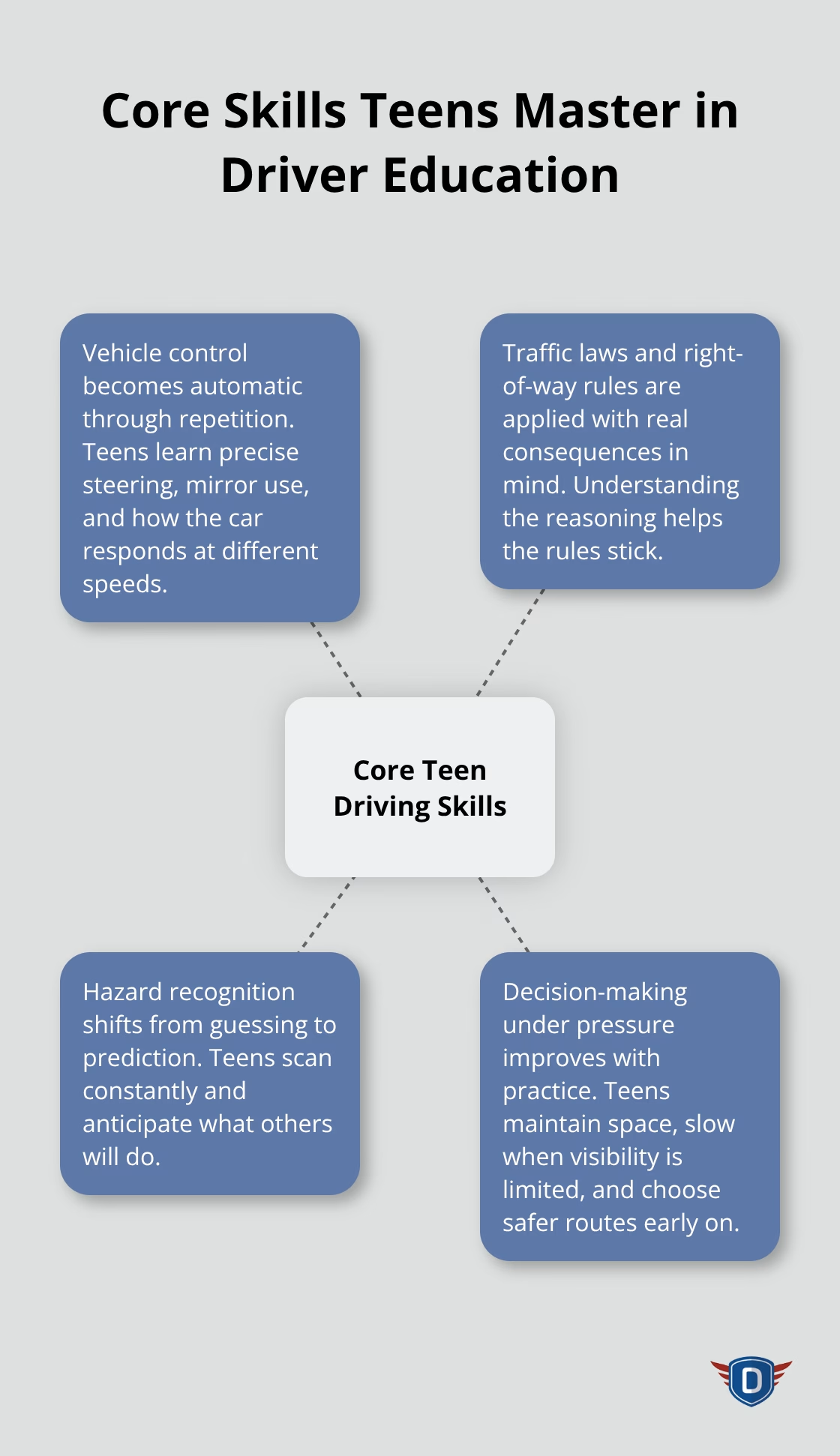
Professional driver education programs teach teens three overlapping skill sets that directly reduce crash risk. First, vehicle control becomes automatic through repetition under instructor guidance. A teen learns how to position their hands on the wheel, adjust mirrors correctly, and feel how the vehicle responds to steering inputs at different speeds. This matters because poor vehicle control contributes to crashes, especially on curves or during emergency maneuvers.
Traffic Laws and Right-of-Way Rules Stick When They Matter
Second, teens study traffic laws and right-of-way rules with real consequences in mind. A stop sign requires a complete stop, not a rolling stop. At a four-way intersection, knowing who has the right of way prevents the type of intersection crashes that kill teens regularly. When a teen understands the reasoning behind each rule-not just memorizes it-the knowledge stays with them on the road.
Hazard Recognition Shifts from Guessing to Prediction
Third, hazard recognition becomes a trained habit rather than a guessing game. A certified instructor points out why a parked car with its engine running might suddenly pull into traffic, why a pedestrian in a crosswalk wearing headphones may not hear your vehicle, and why wet pavement changes braking distance. Teens learn that hazard recognition is not about memorizing rules but about scanning the road constantly and predicting what other road users will do before they do it.
Decision-Making Under Pressure Saves Lives
The most practical skill teens develop is decision-making under pressure. When a driver ahead suddenly brakes, or a pedestrian steps into the road, a teen has less than a second to react safely. Professional instruction trains teens to slow down automatically when they cannot see ahead clearly, to maintain a three-second following distance even when other drivers tailgate them, and to choose routes during their permit phase that avoid high-speed highways and heavy traffic (both of which expose inexperienced drivers to unnecessary risk).
Teens who complete structured driver education programs understand that every decision behind the wheel affects their survival and the survival of their passengers. This knowledge, combined with hands-on practice under professional guidance, creates drivers who respect the road’s dangers. With these foundational skills in place, the next step is selecting a driving school that matches your teen’s learning style and schedule.
How to Pick a Driving School That Actually Improves Teen Safety
Verify State Approval and Instructor Credentials
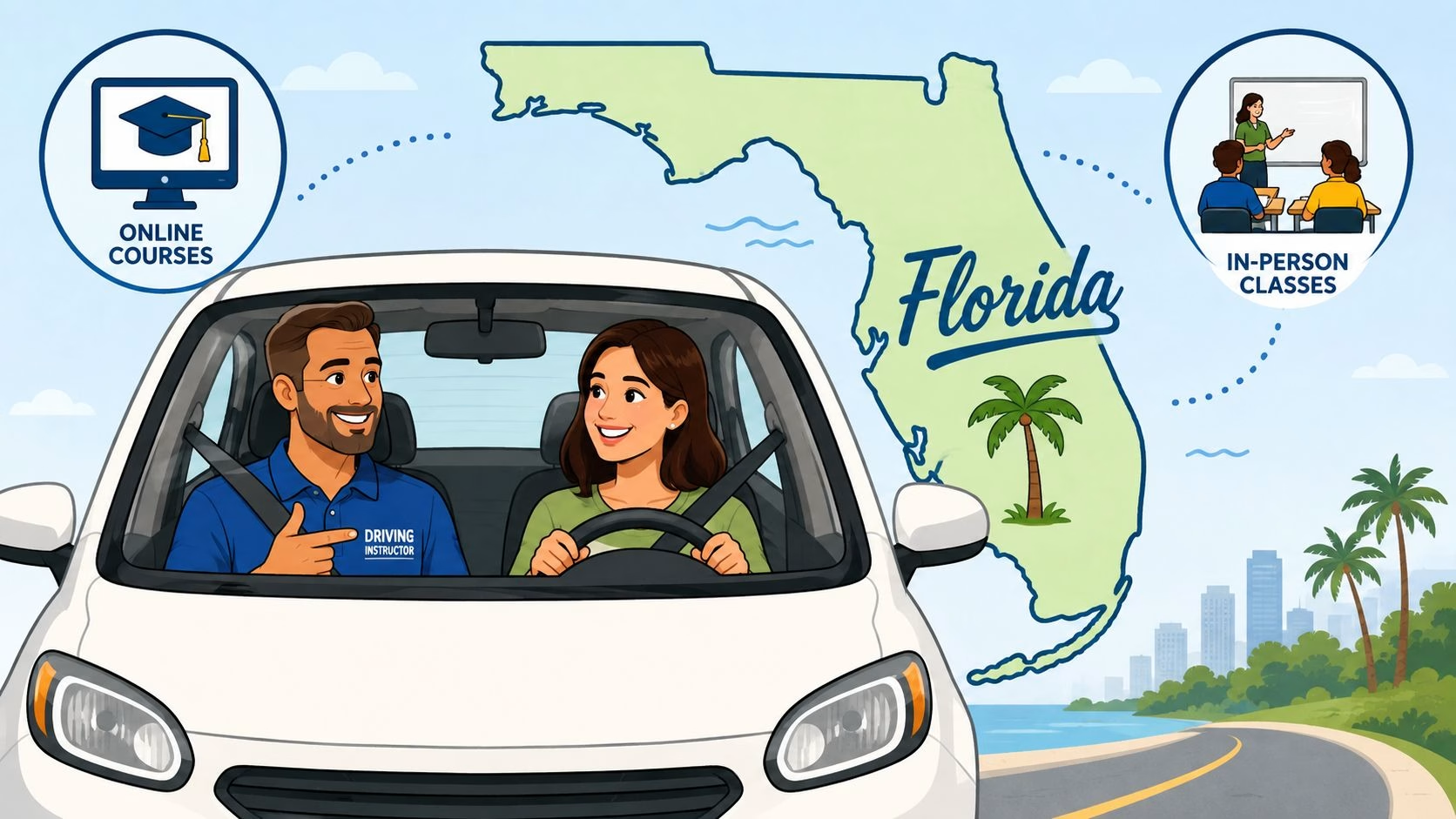
Finding a driving school matters far more than most parents realize. The difference between a licensed, well-structured program and a mediocre operation shows up in teen crash rates and insurance costs years later. Start by verifying that any school you consider holds current approval from your state’s Department of Motor Vehicles. In Florida, this means checking that the school is FLHSMV-approved and that instructors hold valid licenses. A quick call to the DMV or a visit to their website takes five minutes and eliminates schools operating without proper credentials.
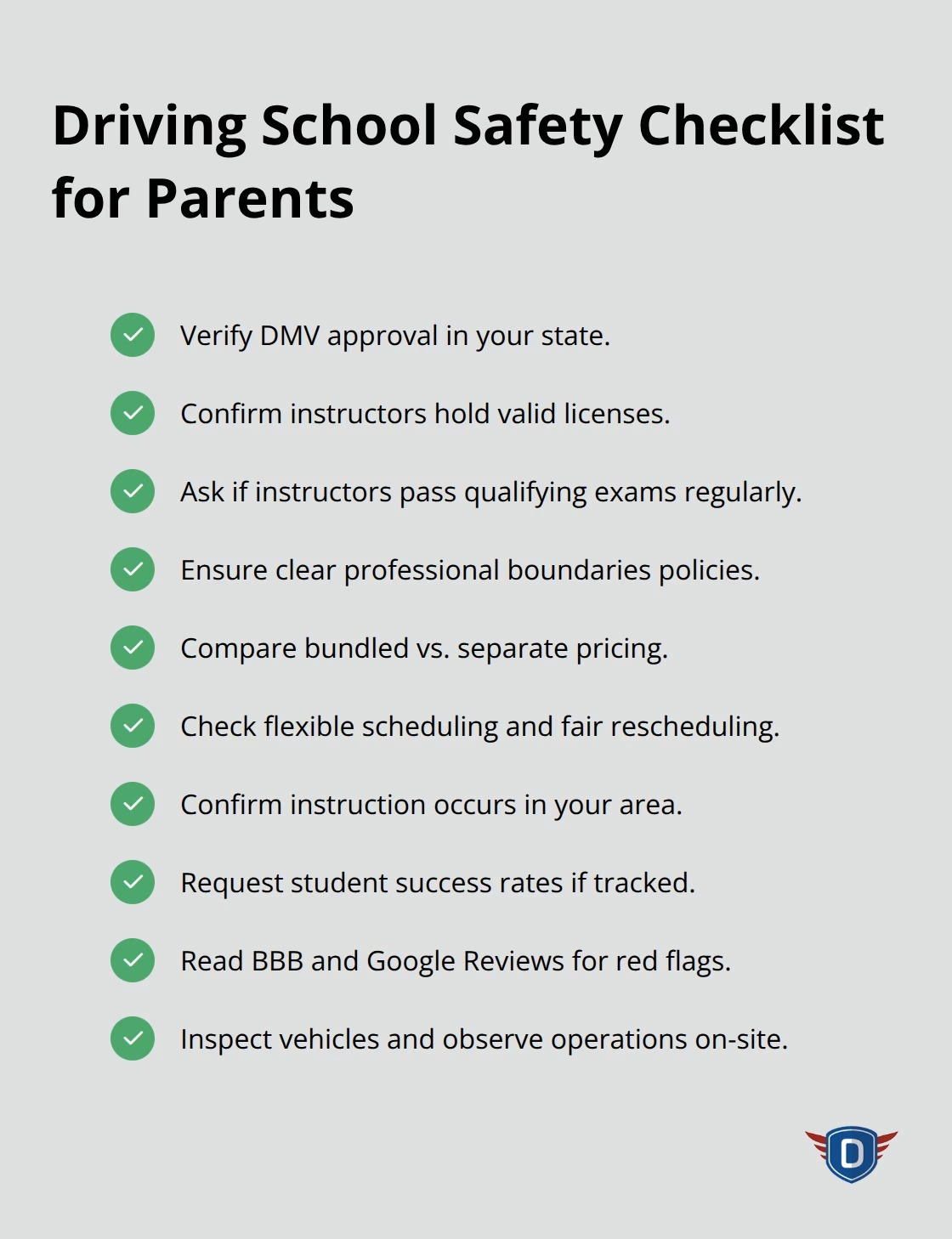
Instructors matter equally. Ask whether the school requires instructors to pass qualifying examinations regularly and whether they maintain professional boundaries with teen students. Schools that cannot answer these questions directly should be crossed off your list immediately.
Compare Programs, Costs, and Scheduling Options
Compare what each school actually delivers rather than just price. Some programs bundle classroom instruction with behind-the-wheel training at a fixed rate; others charge separately, which can hide the true cost. Ask whether the school offers flexible scheduling that matches your teen’s school calendar, whether instruction happens in your area or requires travel to an unfamiliar location, and how they handle rescheduling if your teen gets sick.
The best schools provide multiple time slots and don’t penalize students for reasonable cancellations. Request a student success rate if the school tracks and shares this metric; schools confident in their outcomes publish these numbers openly.
Check Reviews and Inspect Training Vehicles
Check student feedback on the Better Business Bureau and Google Reviews for complaints about hidden fees, poor instructor communication, or vehicles in bad condition. When a school has consistently high ratings across platforms and parents mention that instructors were patient and thorough, that’s a stronger indicator than slick marketing.
Visit the school in person if possible. Inspect the training vehicles for maintenance, ask to see the instructor’s qualifications, and observe how staff interact with current students. A professional operation treats every inquiry seriously and welcomes questions about their methods.
Final Thoughts
Professional driving lessons for teens create drivers who understand that every decision behind the wheel matters. Teens who complete structured driver education programs backed by certified instructors develop the hazard recognition, vehicle control, and decision-making skills that prevent crashes. This foundation shapes how they drive for decades, not just after they pass their test.
Insurance companies recognize this reality and offer discounts to teens who complete quality instruction-often offsetting the cost within the first year. More importantly, these skills reduce crash risk by up to 50 percent, which means lower premiums, fewer accidents, and safer roads for everyone. A teen who learns from a certified instructor before accumulating miles behind the wheel builds confidence grounded in actual skill, not overconfidence.
Contact a state-approved driving school, verify instructor credentials, and enroll your teen in a driving lessons for teens program that matches your schedule and budget. Your teen’s safety depends on starting with quality instruction now.