
That first permit test can feel bigger than it is. For most teens, the hardest part is not the content. It is knowing what to study, how much to practice, and whether online quizzes actually match what shows up at the DMV. Good teen permit test preparation solves that problem by turning a vague goal into a simple plan.
The permit exam is designed to check whether a new driver understands rules, signs, and safe driving decisions before getting behind the wheel alone. It is not meant to trick students, but it does reward focused study. A teen who spends time with the state handbook, practices with purpose, and reviews missed questions usually walks in far more confident than someone who just takes random quizzes until they feel lucky.
What teen permit test preparation should cover
Most permit tests focus on three areas: traffic laws, road signs, and safe driving habits. That sounds straightforward, but the details matter. A student may know that a red octagon means stop, yet still miss a question about right-of-way at a four-way stop or the proper response to a school bus.
That is why strong preparation should start with the official driver handbook for the student’s state. Permit rules are state-specific. Speed limits, graduated licensing rules, cellphone restrictions, and permit eligibility standards can vary. A national practice app may help with general concepts, but the state handbook is the source that matters most.
It also helps to separate memorization from understanding. Some parts of the test do require recall, such as sign shapes and blood alcohol limits. Other questions ask students to apply a rule to a situation. If a teen only memorizes answers, they may struggle when the wording changes.
A study plan that works for most teens
Cramming the night before is common, but it is not the most reliable approach. Short study sessions across several days usually work better because they reduce overload and make it easier to remember details.
A practical schedule is to spend 20 to 30 minutes a day reviewing one topic at a time. One day can focus on signs. Another can cover right-of-way. Another can review speed laws, turns, lane changes, and sharing the road with bikes, pedestrians, motorcycles, and emergency vehicles. Breaking the material into sections gives teens a clearer sense of progress.
Practice tests are useful, but only when paired with review. If a student misses a question and immediately moves on, the benefit is limited. The better move is to stop, find the rule in the handbook, and understand why the correct answer is right. That extra minute is where learning usually happens.
Parents can help by asking simple scenario questions instead of turning study time into a lecture. For example, ask what to do at a flashing red light, when to yield to pedestrians, or how far to park from a fire hydrant. These quick conversations make the material feel more real and easier to remember.
The most common mistakes during teen permit test preparation
One common mistake is relying only on free practice questions from random sources. Some are accurate. Some are outdated or too generic. If the wording feels off or the rules do not match the state handbook, students can end up learning the wrong information.
Another mistake is spending too much time on easy sections and avoiding harder ones. Many teens repeatedly review signs because signs feel familiar. Then they lose points on less obvious topics like following distance, penalties for violations, or what to do after a crash.
Test anxiety also gets in the way. A student may know the material but rush through the exam, second-guess simple answers, or freeze on a question that looks unfamiliar. Practice helps, but so does understanding that one confusing question does not mean the whole test is going badly.
There is also a trade-off between speed and depth. Fast quiz repetition can improve recognition, but slower study builds stronger understanding. Most students need both. Quick review keeps facts fresh. Careful reading builds confidence for scenario-based questions.
How to use online tools without wasting time
Online study tools can be very effective, especially for teens who prefer learning on a phone or tablet. The key is using them in the right order. Start with the handbook so the rules come from an approved source. Then use practice tests to check retention and identify weak spots.
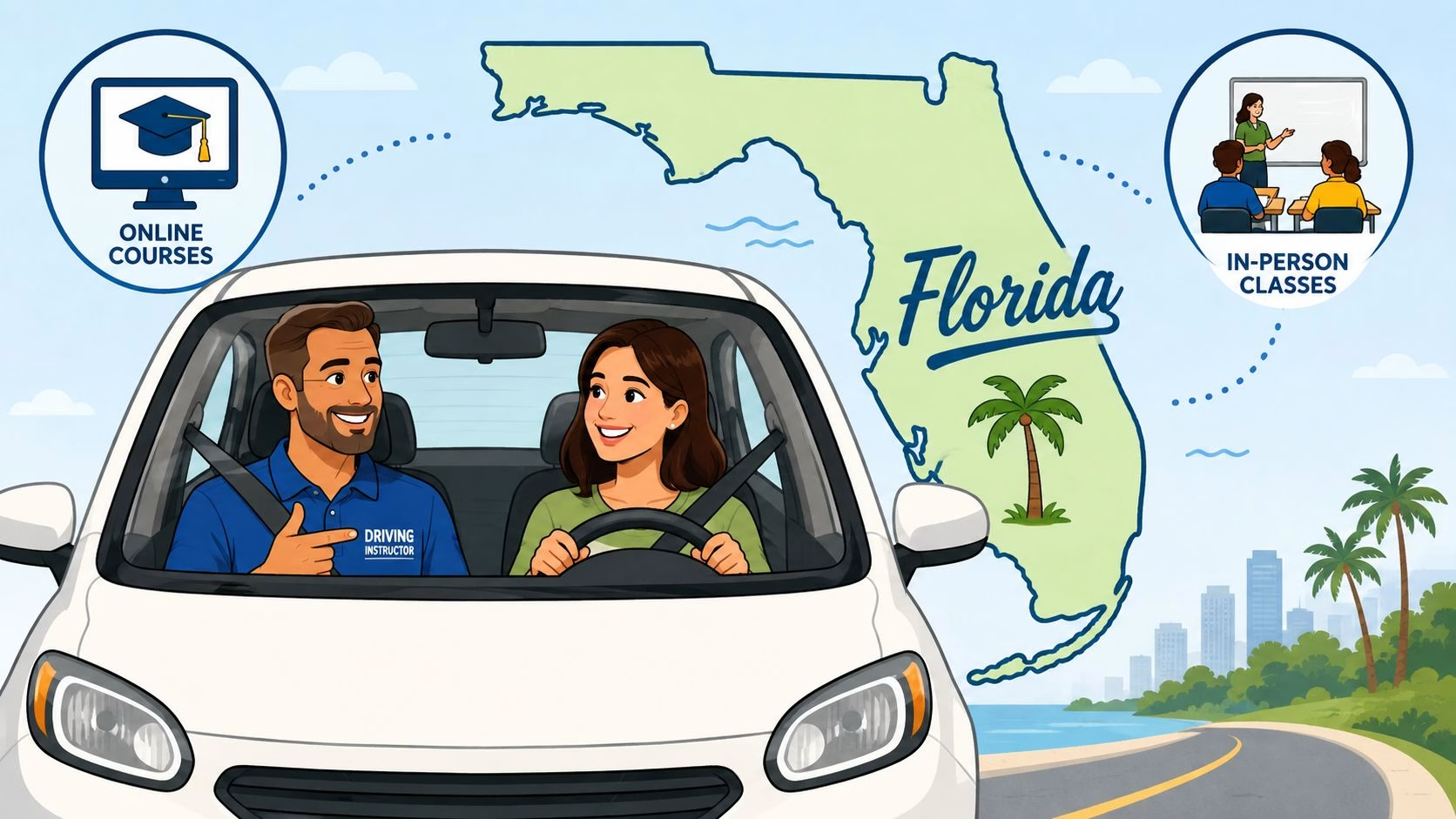
If a state requires a driver education course before testing, that course should not be treated as a box to check. Approved online instruction often helps students organize the material in a more manageable way than reading the handbook alone. For many families, the convenience of self-paced learning matters because it allows study time to fit around school, sports, and work.
Still, convenience is not the same as automatic success. A flexible course works best when the student sets a schedule and finishes sections fully instead of clicking through them. The goal is not only permit eligibility. It is basic road knowledge that will matter again during supervised driving and the road test.
Teen permit test preparation before exam day
The day before the test should be for review, not panic. Students should revisit missed questions, check sign recognition, and make sure they know any required documents. The DMV process varies by state, so families should confirm identification rules, proof-of-residency requirements, appointment details, and whether a parent or guardian must be present.
Sleep matters more than one last hour of stressed-out studying. A tired student is more likely to misread questions or click too fast. Eating something light and arriving early can also make the testing experience smoother.
On the test itself, reading every word matters. Permit exams often include answer choices that look similar. One phrase can change the entire meaning. Students should avoid guessing too quickly when a question mentions words like always, except, first, or best.
If a question seems unfamiliar, the safest approach is to think about the rule behind it. What action is safest? What follows right-of-way law? What protects pedestrians and avoids conflict with other drivers? Many answers become clearer when students focus on safety, not just memory.
Why this stage matters beyond passing
Passing the permit test is one milestone, but it is also the start of real driver education. The permit phase shapes habits before they become routine. A teen who learns right-of-way, space management, distraction risks, and traffic sign meaning now is better prepared for supervised driving later.
That matters because new drivers are not only learning how to control a vehicle. They are learning how to notice hazards, make decisions under pressure, and follow laws consistently. The permit test is limited, but the preparation behind it can support safer behavior for years.
For families, this is also a good time to set expectations. Studying for the written exam and practicing in the car should work together. If parents treat the permit as a quick hurdle, teens may do the same. If they treat it as the foundation for responsible driving, the learning tends to stick.
DriverEducators.com serves many students and families who want that process to be simple, approved, and flexible. That is often the difference between rushed preparation and preparation that actually builds confidence.
FAQ: Teen permit test preparation
What is teen permit test preparation?
Teen permit test preparation is the study process used before taking the written learner’s permit exam. It usually includes reading the state driver handbook, taking practice tests, and reviewing traffic laws and signs.
What should a teen study for the permit test?
Study the state driver handbook first. Focus on signs, right-of-way, speed laws, safe driving rules, and state-specific permit restrictions.
Are online practice tests enough?
No, not by themselves. They help with review, but the official handbook is the main source because permit rules vary by state.
How long should teens study before the test?
It depends on the student, but several short sessions over a week usually work better than one long cram session. Consistency matters more than total hours in one day.
Why do teens fail the permit test?
The most common reasons are rushing, using inaccurate practice questions, and skipping harder topics. Test anxiety can also lead to careless mistakes.
Is the permit test the same in every state?
No. Each state sets its own rules, documents, scoring, and licensing requirements. Always study the handbook for the state where the teen will test.
What should a teen do the night before the permit test?
Review missed questions, confirm test documents, and get enough sleep. Last-minute cramming is usually less helpful than showing up rested and focused.
Can parents help with teen permit test preparation?
Yes. Parents can quiz teens with simple driving scenarios and help them stay on a study schedule. Short, calm review sessions are often more effective than long lectures.
A permit test is a small exam with a big job. When teens prepare in a steady, practical way, they are not just getting ready to pass a quiz. They are getting ready to make safer choices the first time they take the wheel.