Safety driving courses deliver measurable results: lower accident rates, insurance discounts, and stronger defensive skills. Whether you’re a new driver or looking to refresh your knowledge, understanding the safety driving course benefits helps you make an informed decision about your road safety.
At DriverEducators.com, we’ve seen firsthand how structured training transforms how people drive. This guide breaks down the real advantages-from financial savings to life-saving techniques-so you can see exactly why enrollment matters.
How Safety Courses Cut Accident Rates
The National Safety Council reports that more than 46,000 people died in traffic crashes, yet defensive driving courses demonstrably reduce these statistics. A Massachusetts study tracking over 30,000 drivers found that traffic violation rates dropped 71% within one year of completing online driver safety training. This isn’t theoretical-the data shows real drivers avoiding collisions, injuries, and fatalities. Drivers aged 65 and older saw an 85% decrease in surchargeable violations, while those under 21 experienced a 68% reduction.
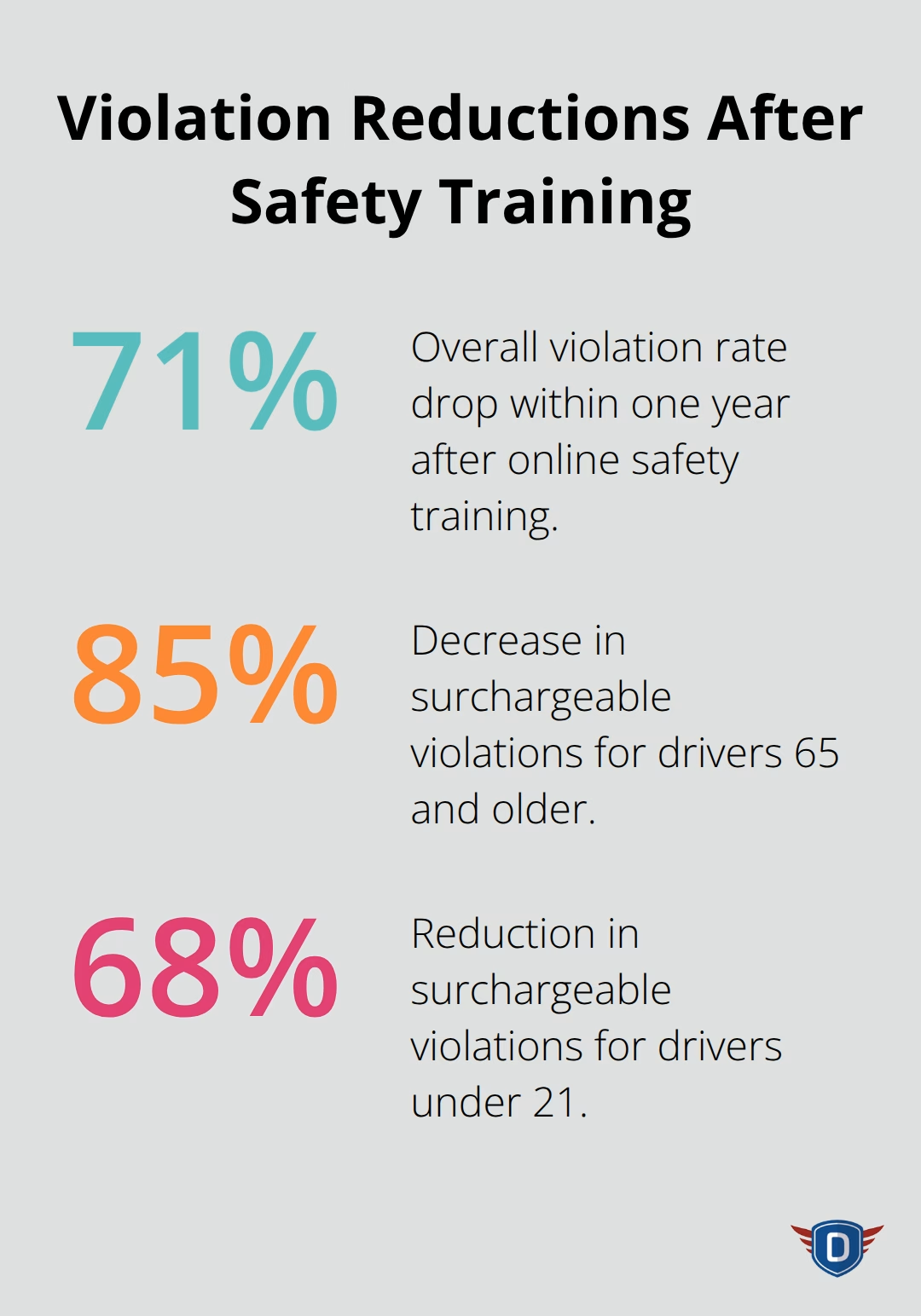
These numbers matter because fewer violations correlate directly with fewer crashes. Minor violations fell 74% and major violations declined 38%, meaning trained drivers make safer decisions in high-risk situations.
Why Hazard Recognition Changes Everything
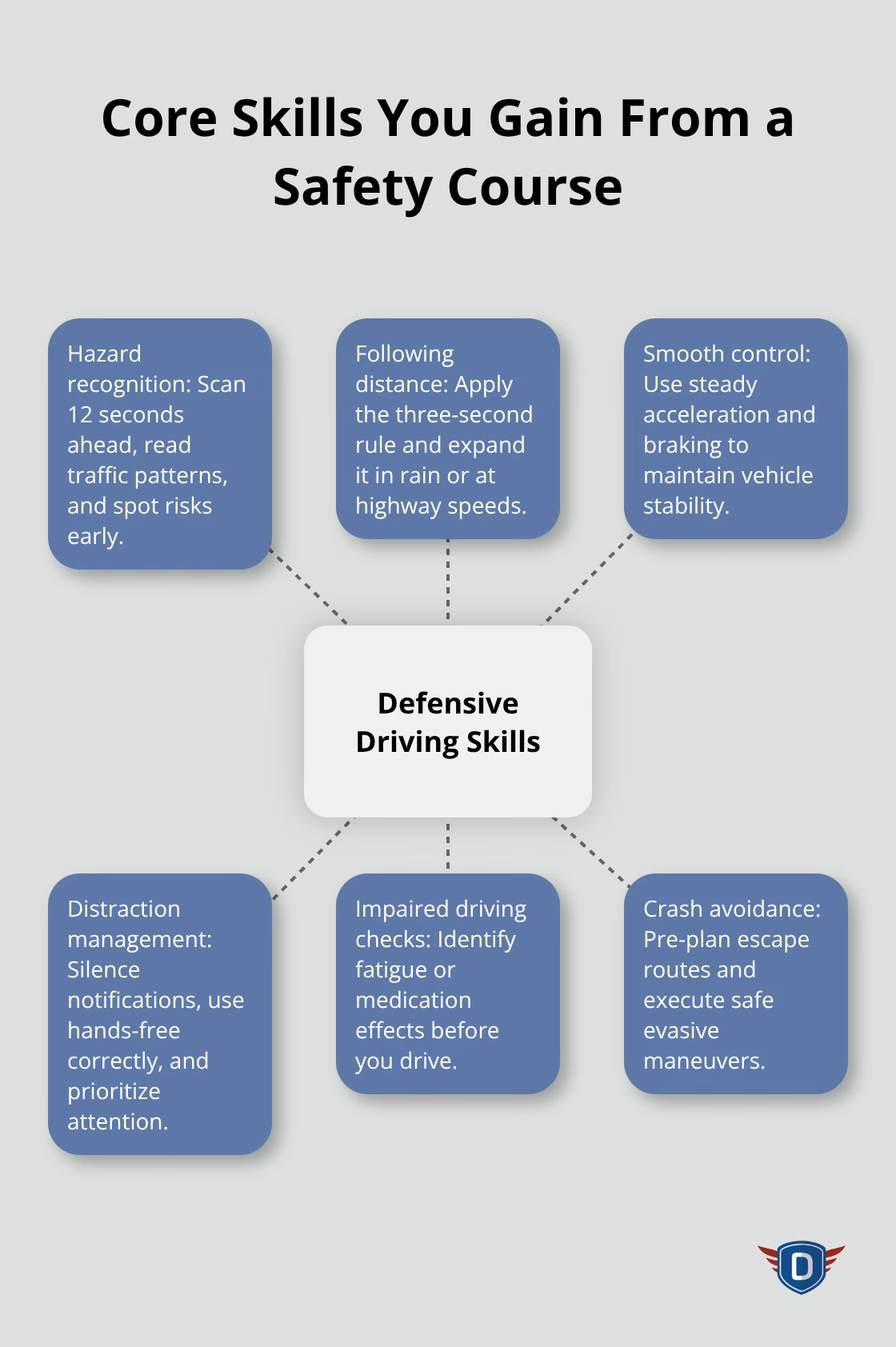
Hazard recognition stands as the single most valuable skill a safety course teaches. Defensive drivers spot potential dangers before they materialize-a car drifting between lanes, a pedestrian stepping into a crosswalk, wet pavement after rain. Florida drivers face specific hazards: heavy rain reduces visibility and traction, highway merging requires precise timing, and urban intersections demand constant vigilance. Our curriculum teaches you to scan ahead 12 seconds, identify escape routes, and adjust speed based on conditions. This proactive approach stops accidents before they happen. When you recognize a hazard early, you have time to brake, swerve, or slow down. Reactive drivers-those who spot danger only after it’s critical-have no options left.
Techniques That Prevent Collisions
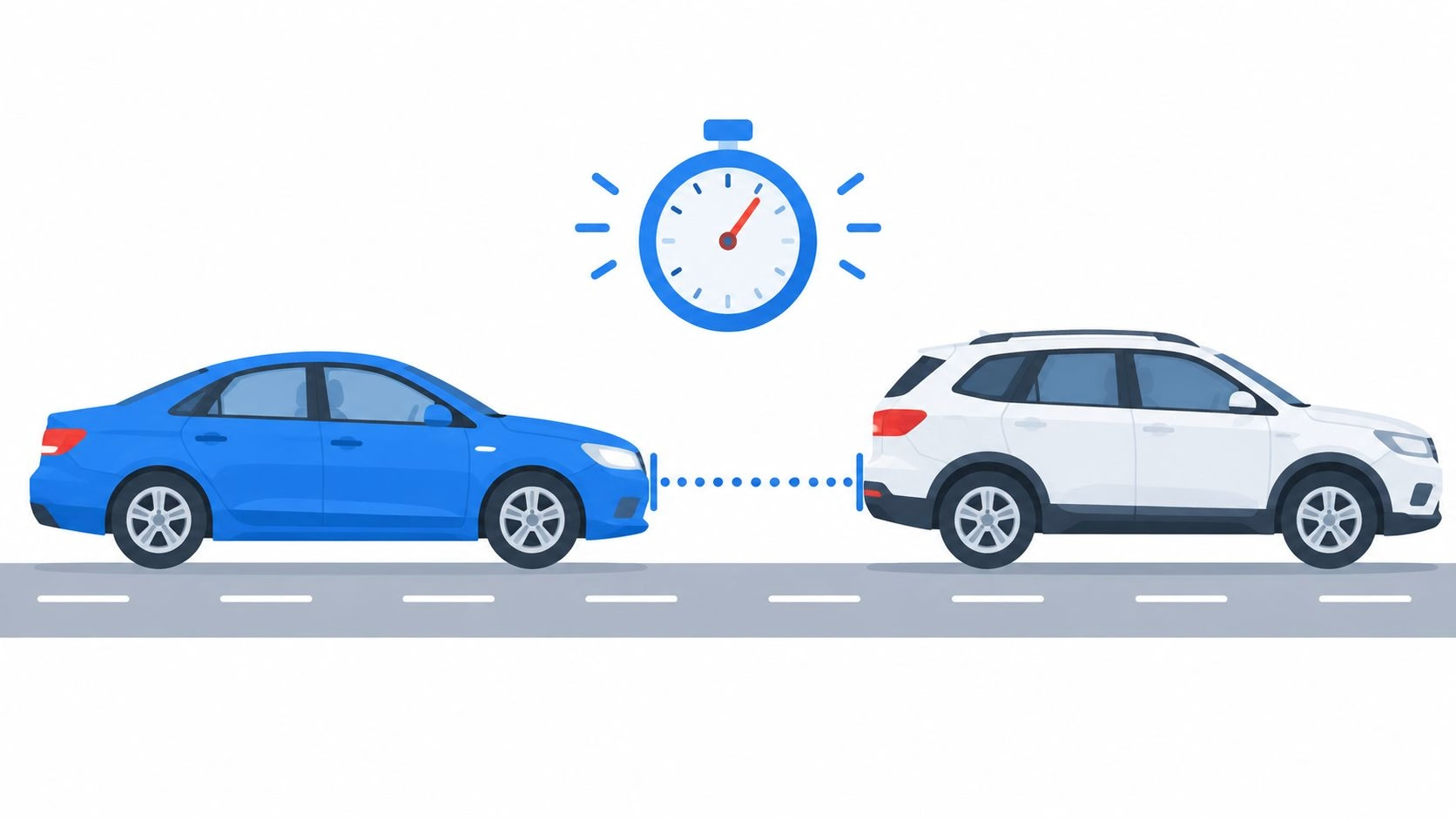
Safe following distance remains non-negotiable. The three-second rule means leaving enough space so that if the car ahead brakes suddenly, you won’t collide. In rain or on highways, increase this to five seconds. Smooth acceleration and braking reduce strain on your vehicle and keep you in control, which matters when emergency maneuvers become necessary. Avoiding distractions-phones, passengers, fatigue-keeps your attention where it belongs: the road.
The EPA notes that aggressive driving reduces fuel efficiency by 40%, but defensive driving maintains steady speeds and smooth handling, protecting your wallet and your safety. Impaired driving remains a leading crash cause, so recognizing when you’re too tired or affected by medications is critical. These techniques work because they eliminate the seconds of reaction time that turn close calls into collisions.
How Insurance Companies Reward Safer Drivers
Insurance companies track violation rates closely. Drivers who complete approved safety courses qualify for premium discounts-sometimes 5% to 15% depending on your state and insurer. Florida insurers recognize that trained drivers file fewer claims, which translates to lower costs for everyone. A clean driving record from practicing these techniques further reduces your premiums and improves your risk profile with carriers. The financial incentive aligns with the safety benefit: safer driving saves money and lives.
How Much Money You Actually Save With a Safety Course
Why Insurers Reward Safety Training
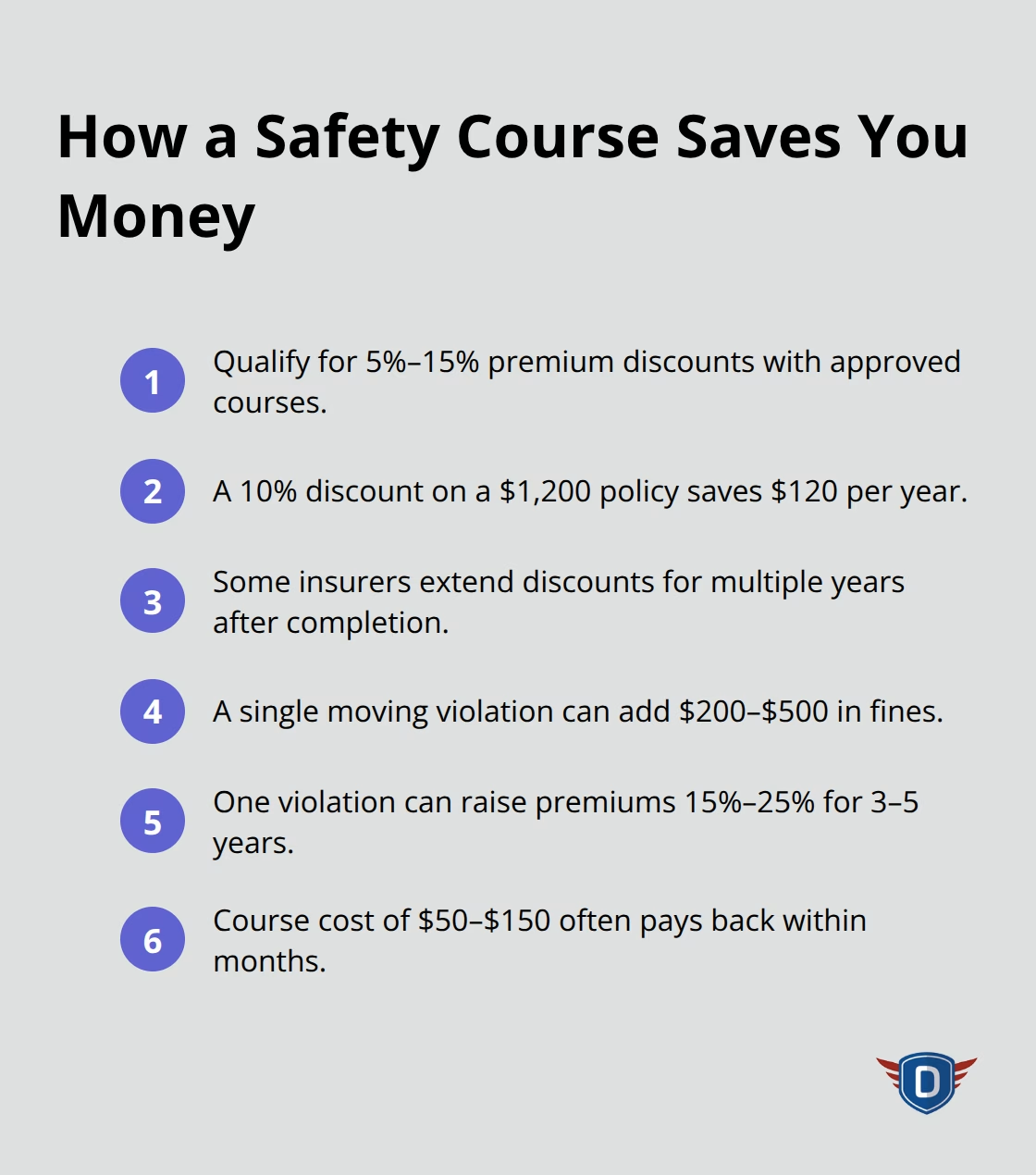
Insurance companies reward safety courses because trained drivers file fewer claims. In Florida, completing an approved safety course qualifies you for discounts ranging from 5% to 15% off your auto insurance premium, depending on your insurer and coverage type. The National Safety Council data showing a 70% decrease in violation rates among trained drivers explains why insurers cut rates-fewer violations mean fewer accidents and fewer payouts.
Calculate Your Annual Savings
If you pay $1,200 annually for auto insurance, a 10% discount saves you $120 per year. Over three years, that’s $360 in direct savings, often with no enrollment fee required. Some insurers extend discounts for multiple years after course completion, multiplying your financial benefit significantly.
The True Cost of a Single Violation
A single moving violation in Florida can add $200 to $500 in fines, plus court costs. More critically, it triggers insurance surcharges that compound annually. One violation can increase your premium by 15% to 25% for three to five years, costing thousands in extra insurance payments over that period.
How a Safety Course Stops the Damage
A safety course eliminates this cascade of expenses by helping you avoid violations in the first place. If you’ve already received a citation, completing an approved traffic school course can satisfy court requirements while preventing point accumulation on your license. Court-ordered courses serve dual purposes: you meet legal obligations and qualify for insurance discounts simultaneously, turning a penalty into a financial recovery tool.
The Investment That Pays for Itself
The investment in a safety course-typically $50 to $150-pays for itself within months when you factor in reduced insurance rates and avoided violation surcharges. This financial advantage compounds over time, especially for drivers who maintain clean records after completion. The real payoff extends beyond dollars saved to the protection you gain for yourself and others on Florida’s roads.
What Skills Does a Safety Course Actually Teach You
Florida Traffic Laws You Need to Know
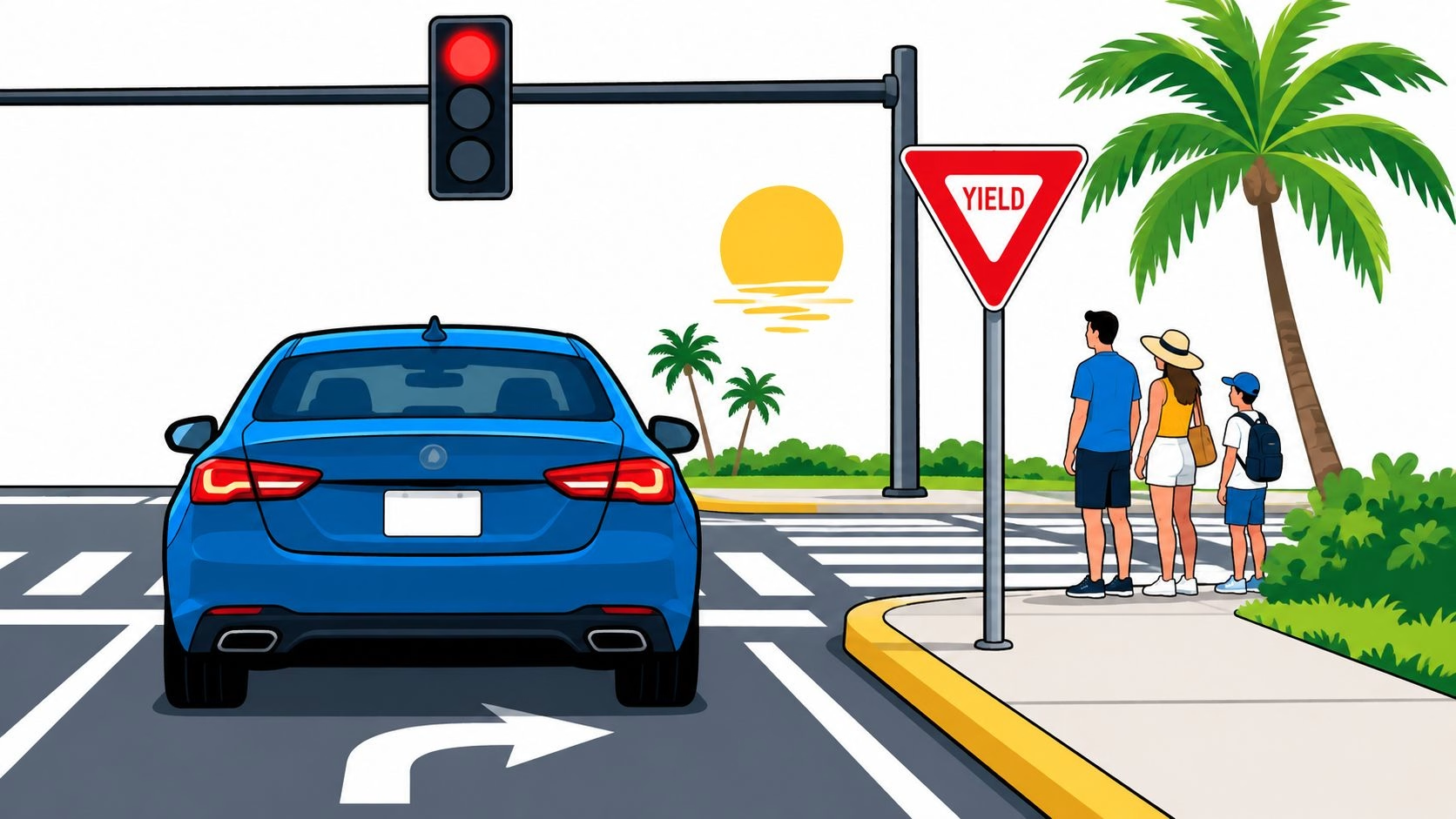
Florida traffic law changes regularly, and most drivers operate on outdated knowledge. A safety course walks you through current statutes, right-of-way rules, and intersection laws that directly prevent crashes. You’ll learn exactly when you can turn on red, how school zone speeds apply, and what the state expects in emergency situations. This isn’t memorization for a test-it’s practical knowledge you use every time you drive.
The curriculum covers aggressive driving laws, which Florida defines strictly: excessive speeding, tailgating, or blocking other vehicles can result in criminal charges and insurance surcharges. Understanding these legal boundaries keeps you compliant and protects your wallet.
Crash Avoidance Strategies That Work
Crash avoidance strategies separate competent drivers from accident-prone ones. The course teaches you to recognize when a collision is imminent and respond within milliseconds. If a driver ahead brakes suddenly, you’ve already identified escape routes: the shoulder, the adjacent lane, or controlled deceleration.
If someone runs a red light at an intersection, you scan for movement rather than assuming safety. These techniques work because they eliminate the seconds of reaction time that turn close calls into collisions.
Impaired Driving Prevention and Recognition
Impaired driving prevention covers more than alcohol-medications, fatigue, and emotional stress impair judgment equally. You’ll learn specific warning signs: blurred vision, difficulty concentrating, or slower reaction times. The course teaches you to recognize these symptoms in yourself before they cause a crash and in other drivers so you can maintain distance or pull over.
Understanding how medications interact with driving ability matters especially for Florida drivers, where many operate vehicles while taking prescription drugs. The course provides practical strategies to assess your fitness to drive before you turn the key.
Distraction Management in 2026
Distraction management is non-negotiable in 2026. The course addresses phone use explicitly: glancing at a notification costs you attention at highway speeds. That’s a significant risk factor.
You’ll develop strategies to silence notifications, use hands-free systems correctly, and recognize when passengers or fatigue demand your full attention. These aren’t suggestions-they’re the difference between arriving safely and filing insurance claims. The course teaches you to identify which distractions pose the greatest risk and how to eliminate them before they affect your driving.
Final Thoughts
Enrolling in a safety driving course protects you, your passengers, and everyone sharing Florida’s roads. The data proves that trained drivers avoid violations, prevent crashes, and maintain control in emergencies. You gain financial protection through insurance discounts and avoided surcharges that compound over years, making safety driving course benefits extend far beyond the classroom.
At DriverEducators.com, we offer flexible online learning that fits your schedule without sacrificing quality instruction. You study at your own pace, completing modules whenever your life allows, and receive your certificate electronically upon completion. We report your completion directly to the FLHSMV, eliminating paperwork delays and confusion about compliance.
A single course prevents violations that would cost thousands in surcharges and gives you confidence behind the wheel. Start your course at DriverEducators.com today and take control of your safety and finances.