

Florida drivers face serious consequences for breaking traffic laws, from point accumulation to license suspension. Your legal driving responsibilities go beyond just following signs-they directly affect your insurance rates, driving record, and freedom on the road.
At DriverEducators.com, we help drivers understand exactly what the law requires and how to stay compliant. This guide covers Florida’s traffic violations, your obligations behind the wheel, and how traffic school can protect your driving record.
Florida’s Traffic Violation System and What It Costs You
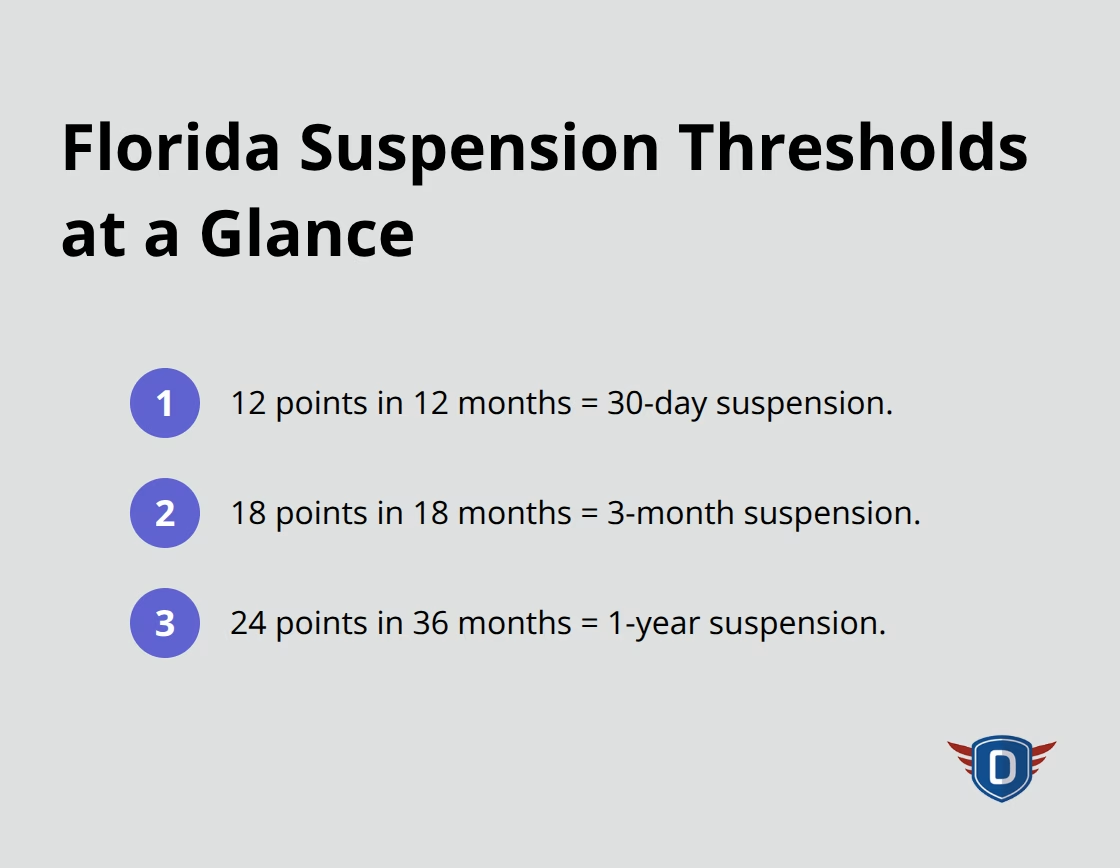
Florida uses a points-based system that tracks violations on your driving record and understanding how it works directly impacts your wallet and driving privileges. When you receive a traffic citation, the court assigns points based on the violation type-minor infractions like speeding 1–15 mph over the limit adds 3 points, while more serious violations like reckless driving add 4 points. Accumulate 12 or more points within 12 months, and the Florida Department of Highway Safety and Motor Vehicles suspends your license for 30 days. Reach 18 points in 18 months, and you face a 3-month suspension; 24 points in 36 months triggers a full year without driving privileges. These aren’t theoretical consequences-they directly shut down your ability to work, commute, and maintain your livelihood.
How Points Accumulate on Your Record
Your driving record acts as a permanent history that insurers, employers, and courts can access. Points stay on your record for at least five years from the conviction date, meaning a bad year of driving creates years of financial consequences. The state does not remove points early just because time passes or because you’ve stayed violation-free since then.
The financial impact extends beyond fines. Florida traffic violations carry base penalties ranging from $110 for minor infractions to $500 or more for serious offenses, but insurance companies add their own costs. A single violation typically increases your premiums by 15–25% for three years, costing you thousands in extra payments. Some insurers even drop drivers entirely after multiple violations, forcing you into high-risk pools with even steeper rates.
What Happens When You Accumulate Too Many Points
Suspension notices arrive by mail after the FLHSMV processes your conviction, typically 30 days after court, but some drivers miss the notice and unknowingly drive on a suspended license-a criminal charge that adds jail time and additional fines. License reinstatement isn’t automatic either-you must pay a $150 reinstatement fee plus any outstanding fines and court costs before you can legally drive again.
Getting reinstated requires more than just paying fees. You must complete a mandatory 12-hour substance abuse course if your suspension involved alcohol or drugs, adding time and expense to the process. This requirement applies regardless of your driving history before the violation.
How Traffic School Protects Your Driving Record
Florida-approved traffic school programs address point accumulation directly. Completing a Basic Driver Improvement course removes up to 4 points from your record and qualifies you for an insurance discount, though you can only take it once every 12 months. The curriculum covers Florida traffic laws, defensive driving techniques, safe following distances, right-of-way rules, and the dangers of aggressive or distracted driving.
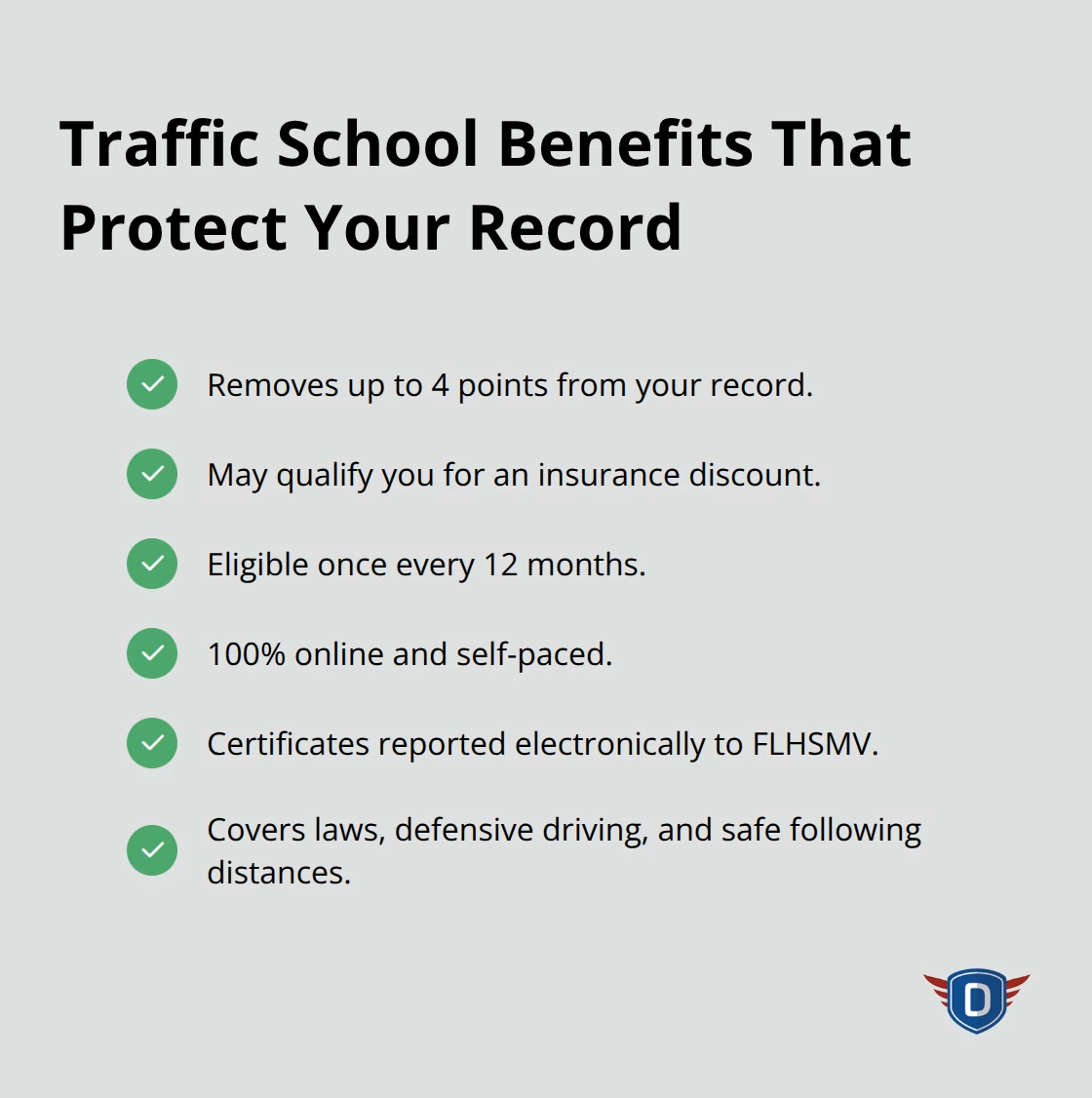
These courses are fully online and self-paced, allowing you to study from any device at your own convenience. Upon completion, certificates are issued electronically and reported directly to the FLHSMV, ensuring compliance with all state requirements. Understanding your legal obligations behind the wheel-and taking action to address violations-directly determines whether you face suspension or maintain your driving privileges.
What Every Florida Driver Must Know About Legal Obligations
Florida law imposes specific responsibilities on every driver, and violations carry immediate consequences that affect your license, insurance, and ability to work.
Right-of-Way Rules and Safe Passing
Right-of-way rules form the foundation of safe driving, yet many drivers misunderstand when they have the legal right to proceed. At a four-way stop, the first driver to arrive has the right to go; if two cars arrive simultaneously, the driver on the right proceeds first. When you turn left, you must yield to oncoming traffic and pedestrians in the crosswalk, even if the traffic light turns green. Failing to yield causes thousands of crashes annually in Florida and creates personal liability for damages.
Safe passing requires you to check your mirrors, signal at least 100 feet before changing lanes, and verify clear visibility for at least 200 feet ahead. On two-lane roads, you cannot pass on the right except when the vehicle ahead turns left. These rules protect you and other drivers from collision and legal liability.
Speed Limits and School Zone Penalties
Speed limits exist for specific road conditions, and Florida law makes no exceptions for traffic flow or weather conditions. You cannot travel 10 mph over the posted limit in a school zone without facing double fines and point additions to your record. The posted speed limit is the maximum lawful speed, not a suggested speed, and traveling with traffic flow does not excuse exceeding it.
Distracted Driving Restrictions
Distracted driving laws in Florida prohibit handheld device use while driving, with fines starting at $30 for first violations and increasing to $60 for second violations within five years. Texting while driving carries the same penalties and adds points to your record. These laws exist because phone use behind the wheel dramatically increases crash risk and takes your attention from the road.
DUI Laws and Impaired Driving Consequences
DUI laws impose the harshest penalties because impaired driving kills an average of one person every 51 minutes on U.S. roads according to the National Highway Traffic Safety Administration. A first DUI conviction in Florida requires a minimum $500 fine, up to six months in jail, and mandatory completion of a DUI program costing $250–$600. Blood alcohol content of 0.08% or higher is the legal threshold for adults, but you can still face DUI charges at lower levels if your driving shows impairment.
Refusing a breathalyzer test triggers an automatic license suspension under Florida’s implied consent law, regardless of guilt or innocence. Multiple convictions within ten years result in vehicle impoundment, habitual traffic offender status, and felony charges. These consequences destroy employment prospects (especially for commercial drivers) and create financial burdens that persist for years.
How Your Choices Affect Your Future
Every decision you make behind the wheel-whether to speed, text, or drive impaired-determines whether you maintain your license and livelihood or face suspension and criminal charges. Understanding these obligations is the first step; taking action to comply with them is what protects your driving record and keeps Florida’s roads safer for everyone.
How Traffic School Satisfies Court Orders and Protects Your License
Meet Your Court Deadline or Face Serious Consequences
When a Florida court orders you to complete traffic school, deadlines determine whether you stay compliant or face additional charges. Missing the deadline converts your requirement into a failure to comply charge, which triggers extra fines, license suspension, and potential jail time. You will have 60 days from either the date the citation was paid or from the date you attended court to complete the course. Florida-approved programs let you complete a 4-hour Basic Driver Improvement course in a single sitting if needed, then receive your certificate electronically the same day for instant FLHSMV reporting. This speed matters because courts want proof of completion, and delays create unnecessary legal exposure.
How Point Removal Works and When It Helps Most
Completing traffic school removes up to 4 points from your record, which directly prevents license suspension if you’re near the 12-point threshold. You can only take advantage of this removal once every 12 months, so timing your enrollment strategically matters.
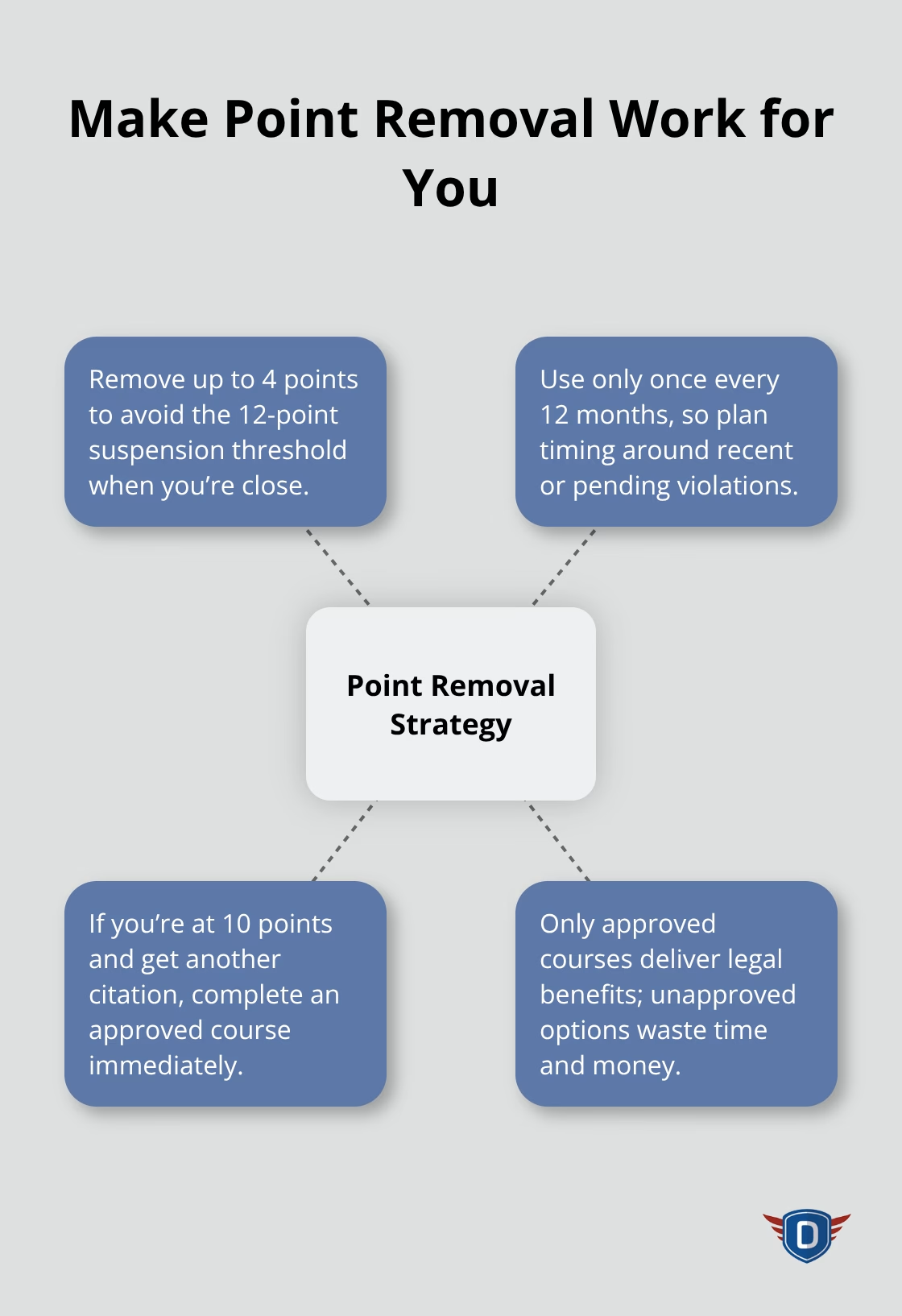
If you’re sitting at 10 points and another violation arrives, completing court-approved traffic school immediately keeps you below suspension range. The point reduction benefit applies only to approved courses-taking an unapproved program wastes your time and money without generating the legal benefits you need.
Insurance Discounts and Long-Term Savings
Insurance companies reward completion with discounts ranging from 5 to 10 percent over three years, potentially saving $300 to $600 depending on your policy. These discounts apply only if you complete an approved course meeting FLHSMV standards. The savings compound over time, making enrollment in legitimate programs a smart financial decision that protects both your driving record and your wallet.
Stay Current With Updated Traffic Laws
Florida’s traffic laws change annually through legislative updates, and approved traffic school curricula reflect these changes. You learn current statutes rather than outdated rules that could lead to violations. This current knowledge helps you understand new regulations around distracted driving, school zone penalties, and emerging safety requirements that affect how you drive today.
Final Thoughts
Your legal driving responsibilities in Florida extend far beyond memorizing traffic signs-every decision you make behind the wheel determines whether you maintain your license, keep your insurance affordable, and stay employed. Points accumulate quickly, suspensions arrive without warning, and insurance rates skyrocket when violations stack up. Understanding these obligations matters, but taking action protects your record far more effectively than knowledge alone.
When you receive a citation, completing an approved traffic school course removes points before they trigger suspension, qualifies you for insurance discounts, and keeps you informed about current Florida statutes. These programs address violations before they escalate into license suspension or criminal charges, and our Basic Driver Improvement course removes up to 4 points in just 4 hours. Your driving record determines your future, and protecting it requires acting quickly when violations occur.
Enroll in Florida-approved traffic school today and take control of your driving record before suspension becomes your reality.