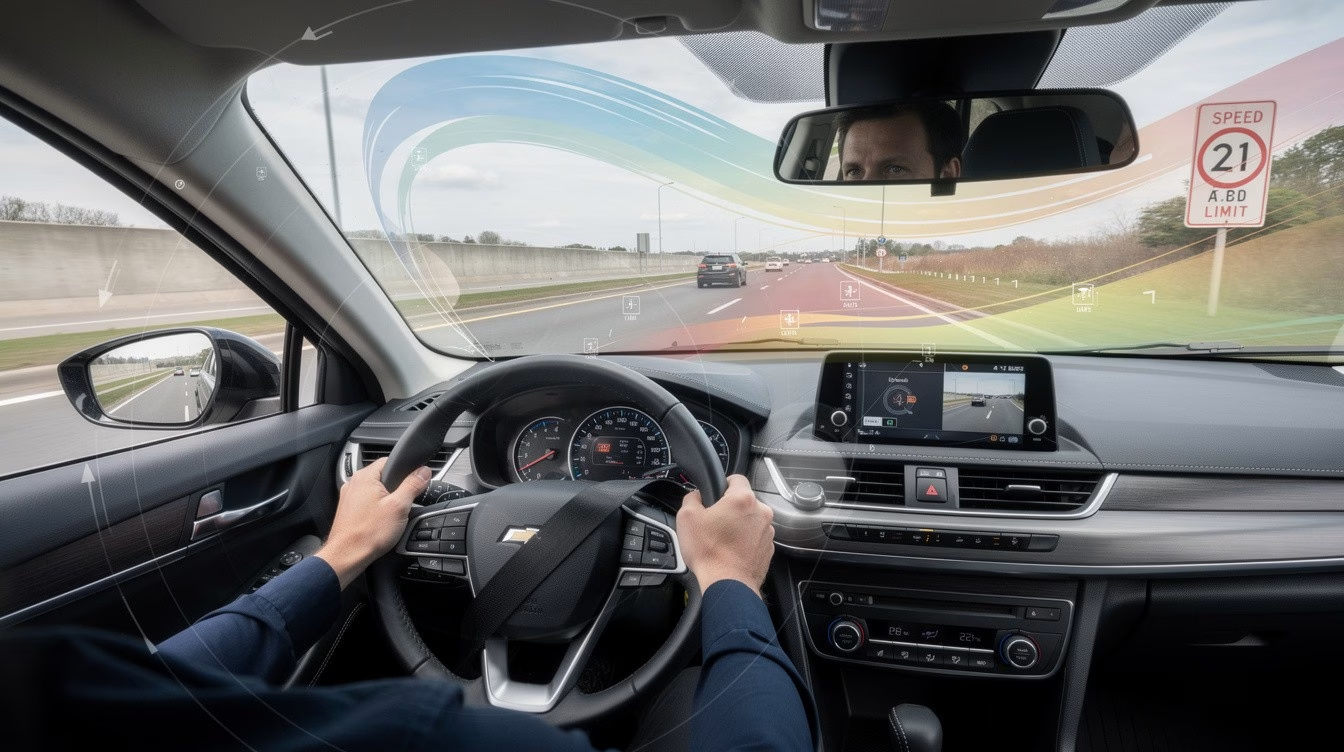
Every year, defensive drivers avoid thousands of accidents that could have devastated their lives and wallets. At DriverEducators.com, we’ve seen firsthand how the right techniques transform ordinary drivers into safer ones.
Effective defensive driving isn’t just about following rules-it’s about staying ahead of danger. This guide shows you exactly how to protect yourself, lower your insurance costs, and keep points off your record.
What Defensive Driving Actually Does
Understanding Defensive Driving
Defensive driving is a practical system of responses that keeps you safer from hazards caused by other drivers, road debris, weather, and vehicle failures. It’s not about following traffic laws perfectly-it’s about predicting what other drivers will do wrong and positioning yourself to avoid their mistakes. The core skill involves scanning ahead fifteen seconds to spot dangers before they reach you, then adjusting your speed, position, or following distance to stay out of trouble.
U.S. drivers face roughly one accident every 17.9 years on average. This statistic shows that defensive driving isn’t theoretical-it’s your best protection against crashes you can’t control.
How Defensive Driving Reduces Crash Risk
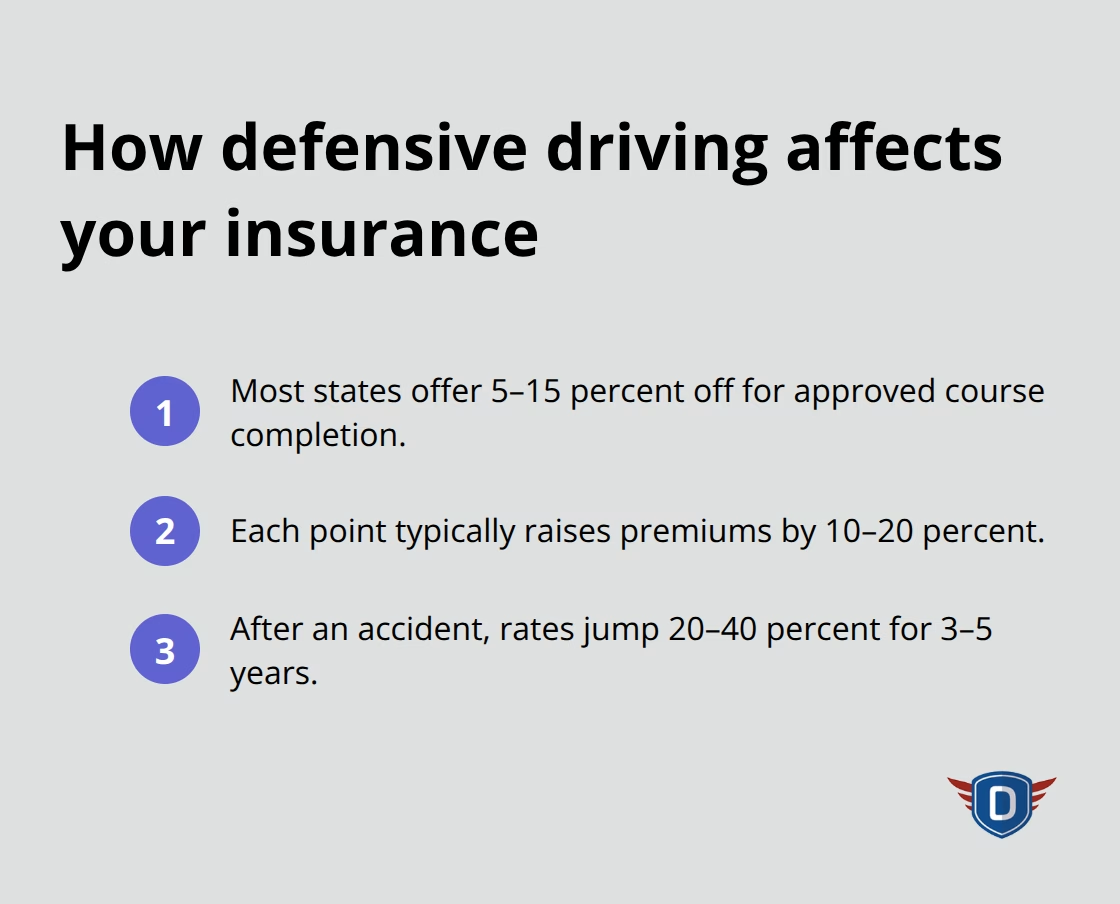
Drivers trained in these techniques reduce their crash risk significantly because they stop reacting to hazards and start anticipating them. Instead of slamming on the brakes when danger appears, you’ve already positioned yourself safely. Insurance companies recognize this effectiveness: most states allow drivers who complete approved defensive driving courses to reduce their premiums by 5–15 percent, depending on their policy and provider.
Occupational drivers who receive defensive driving training see measurable drops in accident frequency and severity. These techniques protect your wallet long-term by preventing the costly repairs, medical bills, and rate increases that follow collisions.
Financial and Legal Benefits in Florida
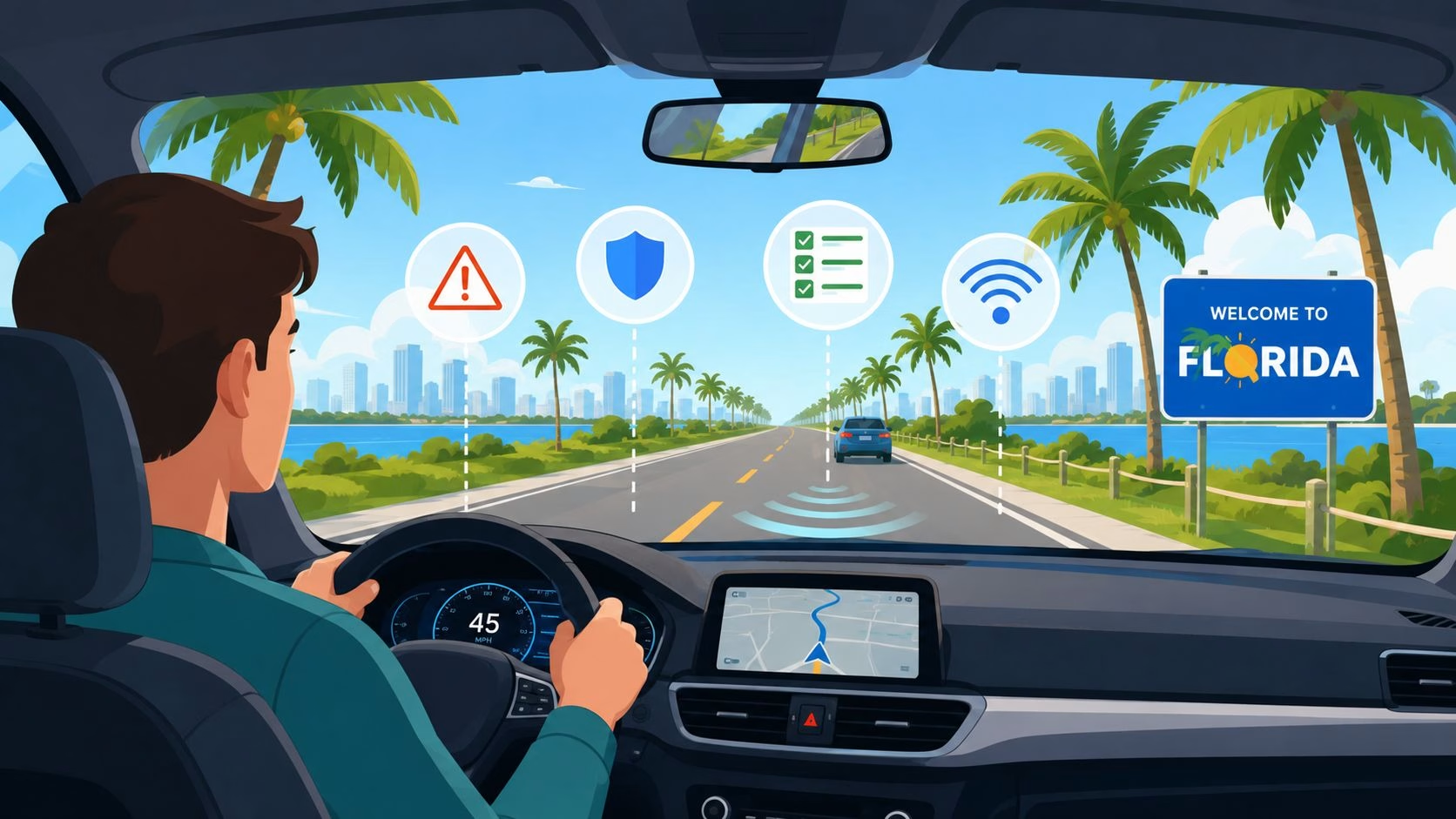
Florida specifically rewards defensive driving completion with point reduction-you can drop up to four points from your driving record by taking a state-approved course. This directly prevents insurance rate increases that follow violations. The financial impact compounds over time: fewer points mean lower premiums, and fewer accidents mean you avoid deductibles and claim surcharges altogether.
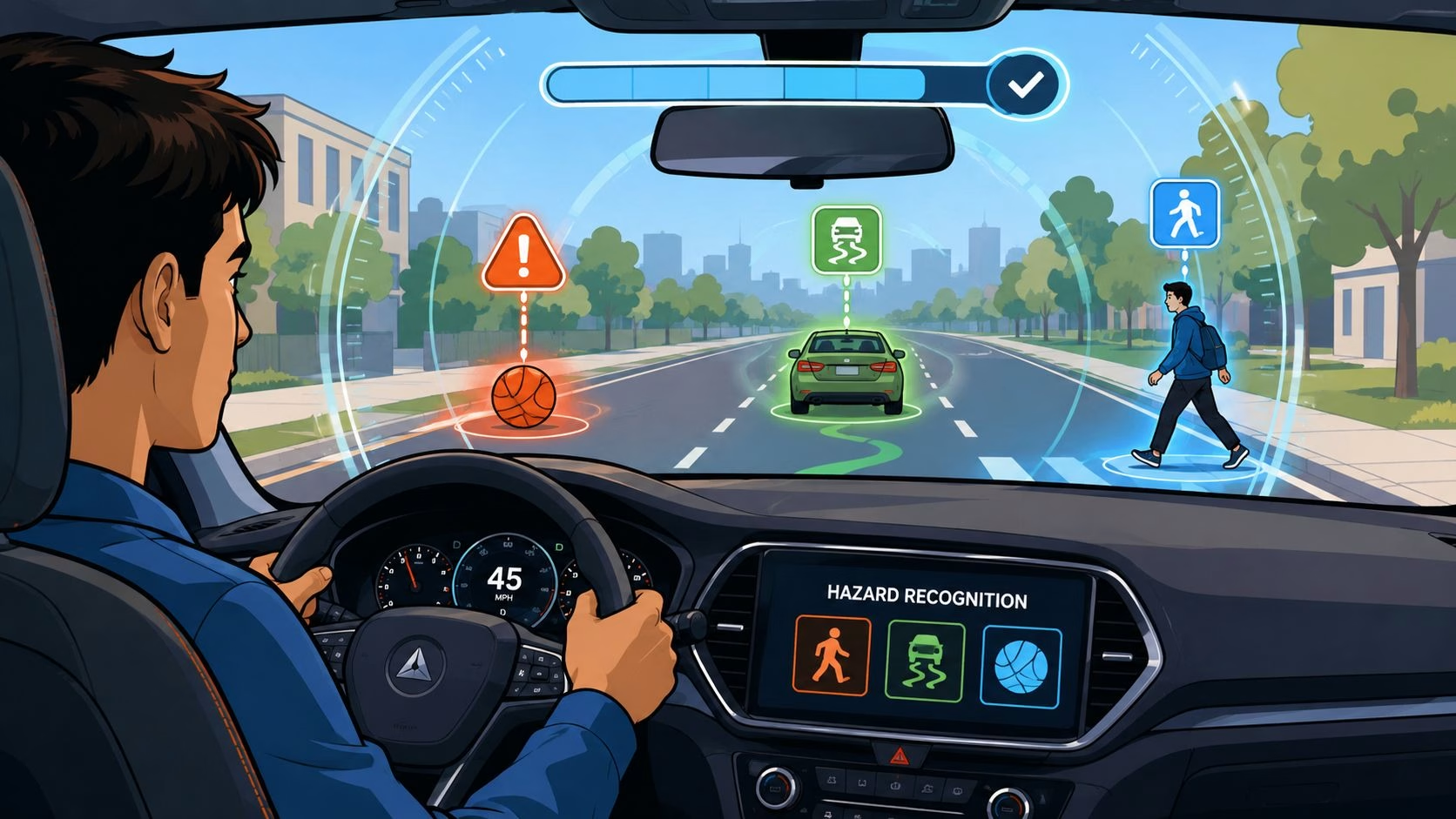
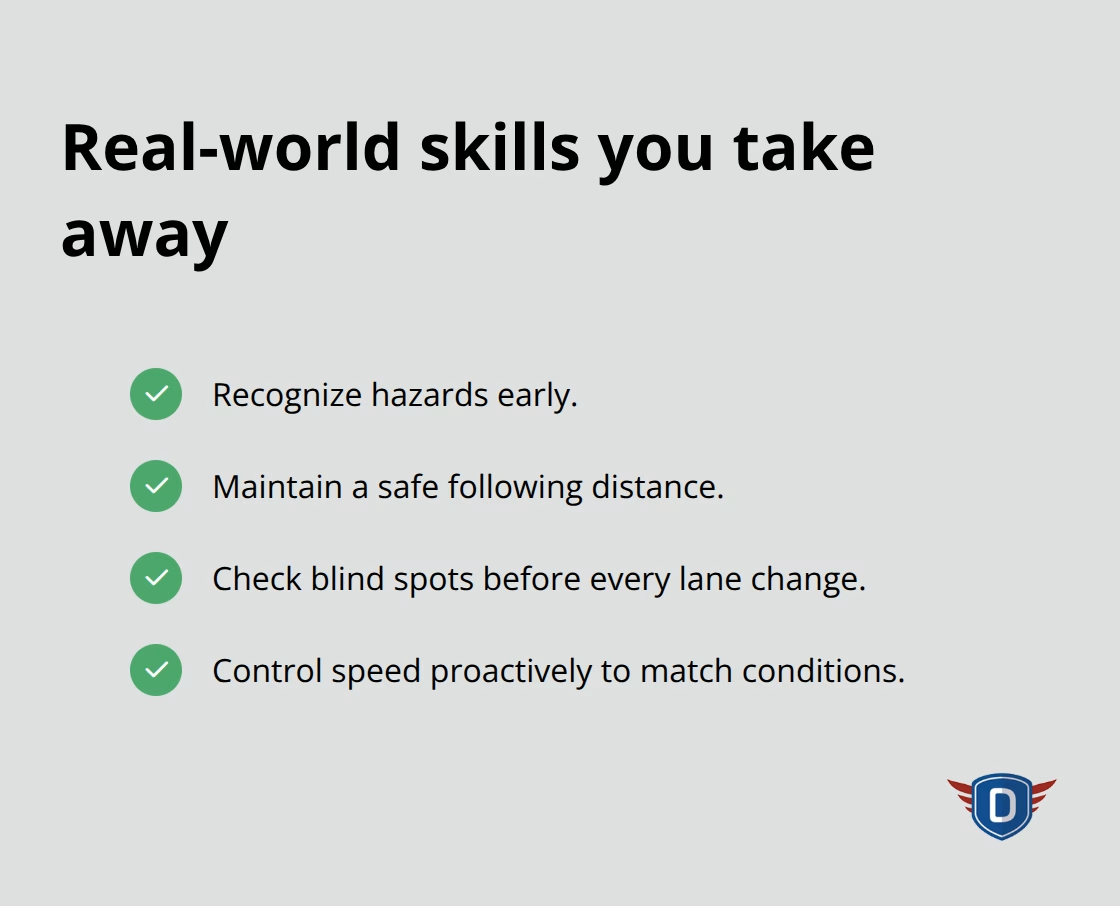
Defensive driving also trains you to handle real-world emergencies like hydroplaning, sudden braking, and reckless drivers. You leave equipped with hazard recognition, proper following distance, blind spot checks, and speed control-not just knowing the rules, but prepared to stay safe when conditions turn dangerous.
FAQ
What is the three-second rule in defensive driving?
The three-second rule means maintaining enough distance from the car ahead so that it takes at least three seconds for you to reach the spot where that vehicle was. Count one-one-thousand, two-one-thousand, three-one-thousand after the car ahead passes a fixed point; if you pass it before you finish counting, you’re following too closely.
How much can I reduce my insurance by taking a defensive driving course?
Most states offer 5–15 percent insurance discounts for completing an approved course, though the exact amount depends on your insurer and policy type. Some insurers also offer additional discounts if you maintain a clean driving record after completion.
Can a defensive driving course remove points from my driving record in Florida?
Yes, Florida allows drivers to reduce up to four points from their record by completing a state-approved Basic Driver Improvement or Intermediate Driver Improvement course, provided you meet eligibility requirements and haven’t taken a similar course within the past 12 months.
What real-world scenarios does defensive driving training cover?
Courses teach you to handle hydroplaning, sudden braking from vehicles ahead, reckless drivers, and emergency maneuvers. You practice hazard recognition and learn how to position your vehicle to avoid collisions caused by others’ mistakes.
Now that you understand what defensive driving accomplishes and why it matters financially, the next chapter explores the specific techniques that make the difference-starting with how to maintain proper following distance and control your speed in any traffic condition.
How to Master the Three Techniques That Stop Crashes
Maintain Proper Following Distance and Speed Control
The gap between you and the car ahead determines whether a sudden stop becomes a minor scare or a rear-end collision that costs you thousands and adds points to your record. Most drivers follow too closely without realizing it, which means they’re one unexpected brake tap away from an accident.
The three-second rule works because it gives your brain and body time to react: count one-one-thousand, two-one-thousand, three-one-thousand after the vehicle ahead passes a fixed point like a road sign. If you reach that same spot before finishing your count, close the gap immediately.
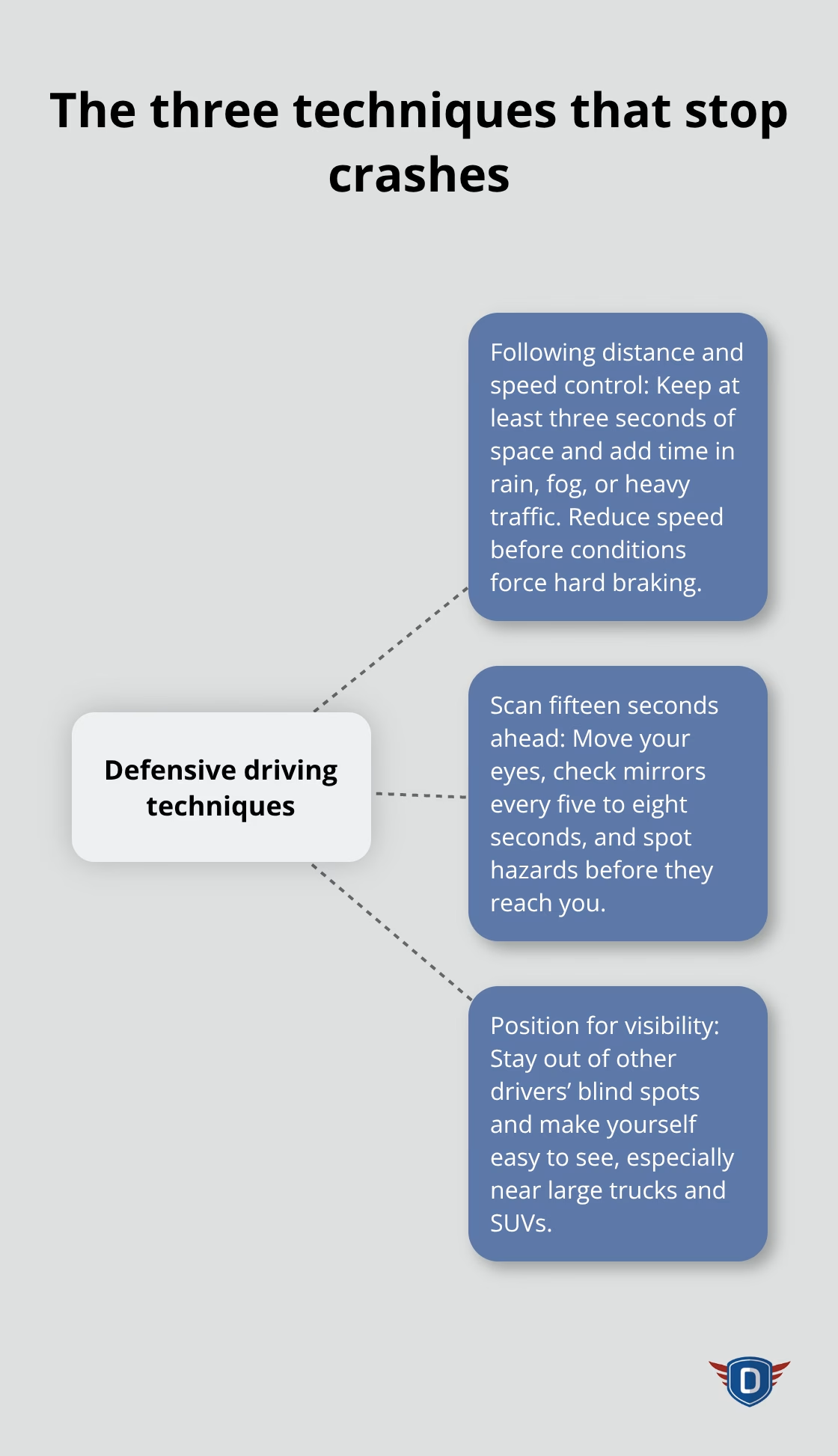
This distance increases in rain, fog, or heavy traffic-add one second for each hazard. Speed control ties directly to following distance: higher speeds require longer stopping distances, so when traffic thickens or conditions worsen, reduce your speed before you need to brake hard.
Aggressive drivers who tailgate crash at rates significantly higher than cautious drivers because they eliminate their reaction window. You control your safety by controlling the space around your vehicle.
Scan Fifteen Seconds Ahead to Catch Hazards Early
Scanning fifteen seconds ahead means looking where your vehicle will be in that timeframe, not just at the bumper in front of you. This habit catches hazards early-a brake light pattern that suggests sudden stopping, a pedestrian stepping between parked cars, or a merging truck drifting into your lane.
Your eyes should move constantly: check mirrors every five to eight seconds, glance at blind spots before any lane change, and watch for reckless drivers who accelerate erratically or drift between lanes. Constant scanning transforms you from a reactive driver into an anticipatory one.
Position Your Vehicle to Stay Visible and Safe
Blind spot positioning matters because vehicles have physical blind spots your mirrors cannot cover, especially large trucks and SUVs. Position yourself where other drivers can see you, never alongside another vehicle for extended periods, and assume drivers in adjacent lanes cannot see you.
When changing lanes, check your mirror, turn your head to verify the blind spot is clear, and signal at least three seconds before moving. Vehicles parked on the shoulder create additional hazards: drivers exiting or opening doors can step into traffic without warning, so move away from parked cars when safe.
These three techniques-distance, scanning, and positioning-work together to keep you ahead of danger instead of reacting to it after it appears. Mastering them transforms how you interact with traffic and weather conditions on every trip.
FAQ
How do I know if I’m following too closely?
Use the three-second rule: after the vehicle ahead passes a fixed point, count one-one-thousand, two-one-thousand, three-one-thousand. If you reach that point before finishing, you’re too close. Increase distance in rain, fog, or heavy traffic by adding one second for each condition.
What should I scan for when looking fifteen seconds ahead?
Look for brake light patterns suggesting sudden stops, pedestrians between parked cars, merging vehicles, and drivers drifting between lanes. Constant mirror checks every five to eight seconds catch hazards developing beside and behind you.
Why is blind spot positioning important if I have side mirrors?
Mirrors have physical blind spots, especially on large trucks and SUVs. Position yourself where other drivers can see you, avoid lingering alongside other vehicles, and always turn your head to verify blind spots before lane changes.
Does speed affect my following distance?
Yes, higher speeds require longer stopping distances. When traffic thickens or conditions worsen, reduce speed before you need to brake hard, which automatically increases your safety margin.
How Defensive Driving Cuts Insurance Costs and Clears Your Record
Insurance Discounts for Defensive Driving Certification
Insurance companies reward defensive driving certification with discounts, though eligibility requirements vary by insurance company and by state. A driver paying $1,200 annually could save $60 to $180 every year just from course completion, which typically costs between $20 and $50. Over five years, that amounts to $300 to $900 in pure savings before you count the accidents you’ll prevent.
The math works because insurers recognize that defensive drivers crash less frequently. Your certification proves you’ve invested in becoming safer, which translates to lower risk in their calculations.
Point Reduction in Florida
Florida allows you to remove up to four points from your driving record by completing a state-approved Basic Driver Improvement or Intermediate Driver Improvement course through an FLHSMV-certified provider. To qualify, drivers must voluntarily elect this option within 30 days. Four points might sound minor until you understand how insurance companies calculate rates-each point typically increases premiums by 10 to 20 percent, meaning four points could cost you an extra $480 to $960 over three years.
Removing those points before they accumulate prevents that increase entirely. Some insurers also offer additional discounts when you maintain a clean driving record after course completion, creating a compounding benefit that grows each year you drive safely.
The Real Cost of Accidents Without Defensive Driving
A minor rear-end collision costs $5,000 to $15,000 in vehicle repairs, medical expenses, and potential legal fees, plus your insurance rates jump 20 to 40 percent for three to five years after the claim. A serious accident involving injury easily exceeds $50,000 in total costs and can result in rate increases that make your policy nearly unaffordable.
Defensive driving eliminates these risks by teaching you to identify hazards fifteen seconds ahead and maintain proper following distance, which prevents the majority of crashes that occur on city streets and highways. You also avoid court appearances, increased deductibles, and the stress of dealing with claims adjusters when you simply don’t crash.
How Anticipatory Skills Protect Your Wallet Long-Term
Occupational drivers who receive defensive driving training see measurable reductions in accident frequency because anticipatory skills replace reactive panic. The certification itself demonstrates to insurers that you’ve invested in becoming a safer driver, which translates to better rates even after the initial discount period ends.
Your defensive driving skills work continuously-every trip where you spot a hazard fifteen seconds ahead and adjust your speed or position prevents a potential collision. That prevention compounds into years of lower premiums and zero accident-related costs.
FAQ
How much will my insurance decrease after completing a defensive driving course?
Discounts vary by insurance company and state. A driver paying $1,200 annually could save $60 to $180 every year, which adds up to $300 to $900 over five years.
Can I remove points from my Florida driving record by taking a defensive driving course?
Yes, Florida allows you to reduce up to four points by completing a state-approved Basic Driver Improvement or Intermediate Driver Improvement course. You must voluntarily elect this option within 30 days to qualify.
How much do insurance rates increase per point on my driving record?
Each point typically increases premiums by 10 to 20 percent, so four points could cost you an extra $480 to $960 over three years. Removing points before they accumulate prevents those increases entirely.
What happens to my insurance rates after an accident?
Rates typically jump 20 to 40 percent for three to five years following an accident claim. Defensive driving skills that prevent crashes eliminate this cost entirely, making accident avoidance your best insurance strategy.
Does completing a defensive driving course help if I already have violations on my record?
Yes, point reduction works retroactively in Florida, meaning you can remove points from past violations. Course completion also demonstrates commitment to safer driving, which may help with future insurance negotiations.
Final Thoughts
Defensive driving transforms how you interact with traffic, weather, and unpredictable drivers on every trip. The techniques you’ve learned-maintaining proper following distance, scanning fifteen seconds ahead, and positioning your vehicle safely-work together to prevent crashes before they happen. These aren’t theoretical skills; they’re practical responses that keep you and your passengers protected while lowering your insurance costs and protecting your driving record. Effective defensive driving becomes automatic the way you check mirrors or signal before turning.
The financial benefits are real and measurable. A driver who completes a defensive driving course saves $60 to $180 annually on insurance premiums, removes up to four points from their Florida record, and avoids the $5,000 to $15,000 costs that follow even minor accidents. Over five years, that compounds into hundreds or thousands of dollars in savings, plus the immeasurable value of staying safe on the road. Each time you spot a hazard fifteen seconds ahead and adjust your speed, you prevent a collision that could have devastated your life and wallet.
At DriverEducators.com, we offer Florida-approved traffic school courses that teach you how to apply these techniques in real-world conditions. Whether you’re working toward point reduction, qualifying for insurance discounts, or simply becoming a safer driver, our Basic Driver Improvement and Intermediate Driver Improvement courses provide the structured learning and certification you need. Visit DriverEducators.com to enroll in a course that fits your schedule and goals.