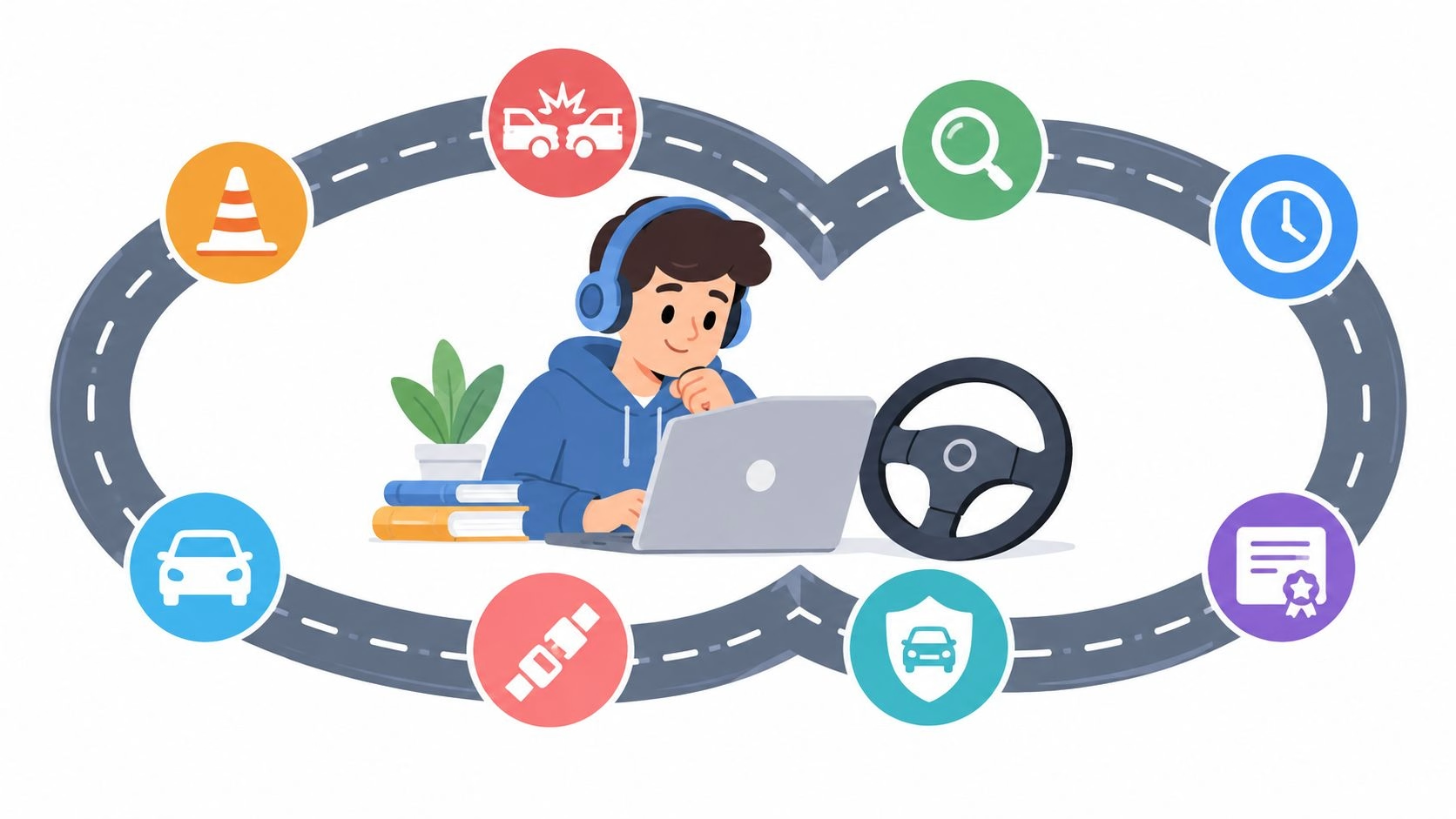
New drivers face a steep learning curve when it comes to traffic laws. The basics of traffic laws aren’t just rules to memorize-they’re the foundation that keeps you and everyone else on the road safe.
At DriverEducators.com, we’ve seen firsthand how understanding right-of-way rules, avoiding common violations, and practicing defensive driving can transform a nervous new driver into a confident one. This guide walks you through the essentials you need to know.
Understanding Right-of-Way Rules
Right-of-way rules exist because intersections are collision zones. When two drivers arrive at the same moment, someone must yield, and traffic signals make that decision clear. A green light gives you the right to proceed, but that doesn’t mean you should drive blindly into the intersection.
Intersection Priority and Traffic Signals
When your light turns green, wait a moment to check if any vehicles are running the red light. This single habit prevents crashes that happen when drivers ignore signals. At four-way stops where no traffic signal exists, yield the right-of-way to the driver on your right. If you reach the intersection simultaneously with another vehicle, the driver on your right has priority. This rule eliminates confusion and prevents collisions when drivers must make split-second decisions.
Protecting Pedestrians and Cyclists
Pedestrians and cyclists are vulnerable road users who depend on drivers to follow the rules. When you turn left, use the left-most lane next to the center line and watch carefully for pedestrians and cyclists in the crosswalk. Never pass a vehicle stopped at a crosswalk, as it’s likely stopped to let someone cross. When passing a cyclist, Utah law requires a minimum three-foot clearance between your vehicle and theirs. This distance gives cyclists room to maneuver if they swerve to avoid a pothole or debris. Failing to maintain this clearance is dangerous and illegal.
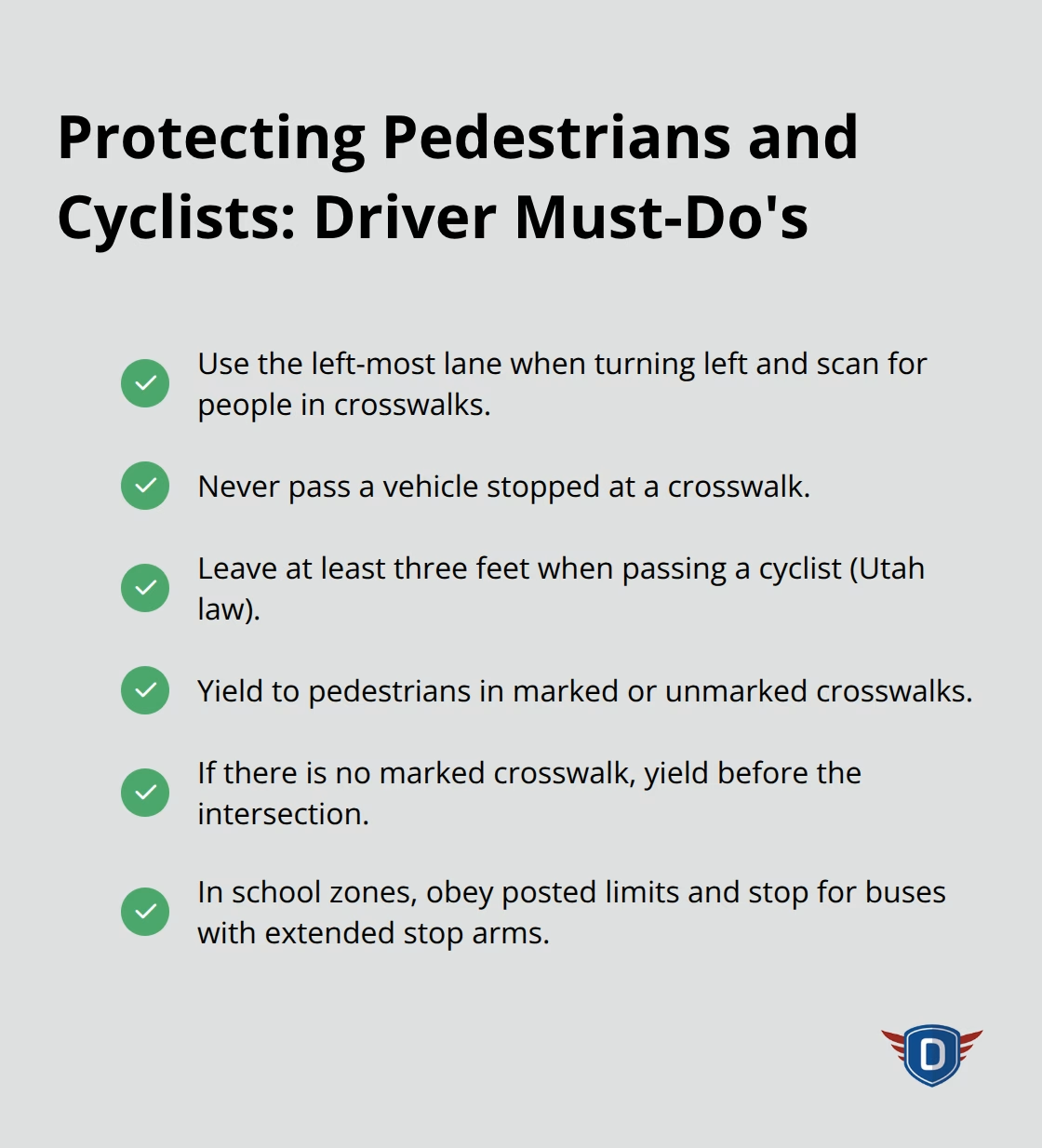
Yield to pedestrians entering or in any crosswalk, whether it’s marked or not. If a crosswalk isn’t marked, yield before the intersection itself. School zones demand extra caution-stop for school buses with their stop arms extended and obey all stop-arm laws to protect children who are less predictable than adult pedestrians.
Yield Signs and Safe Passing
A yield sign is an inverted red and white triangle that requires you to slow down and give the right-of-way to other traffic. Unlike a stop sign, you don’t always need to come to a complete halt at a yield sign. If the path is clear, you can proceed. However, if traffic is approaching, you must wait. When entering a roundabout, yield the right-of-way to traffic already in the circle. Vehicles already circulating have priority, so wait for a gap before entering. Safe passing demands that you leave plenty of space between your vehicle and the one you’re overtaking. After passing, move back to the right lane promptly to let others through. If you’re moving slower than most traffic, stay in the right lane. This behavior prevents dangerous situations where faster drivers must weave through traffic because slower vehicles occupy the passing lane.
These right-of-way rules form the backbone of safe intersection navigation, but they’re only part of the equation. New drivers often struggle with violations that go beyond intersections-speeding, distracted driving, and improper lane changes create hazards that no traffic signal can prevent.
Common Traffic Violations and How to Avoid Them
Speeding and Speed Limit Compliance
Speeding remains the leading cause of traffic violations among new drivers, with the National Highway Traffic Safety Administration reporting that speeding contributes to nearly one-third of all fatal crashes. Speed limit changes happen constantly when you transition from highways to city streets, and many new drivers miss these shifts entirely. A 45 mph zone becomes a 35 mph zone without warning, and if you don’t actively monitor signs, you’ll cross into a violation instantly. Check your speedometer every few seconds and anticipate speed limit changes before they appear. In school zones, reduce speed to posted limits, which typically range from 15 to 25 mph during school hours. Construction zones demand the same attention-fines double in these areas, and the posted limits exist because workers are present.
Distracted Driving and Phone Use
Distracted driving ranks as the second most common violation for new drivers, and the statistics are brutal. Your phone isn’t worth that risk. The problem extends far beyond texting; eating, adjusting the radio, talking to passengers, or glancing at a GPS all count as distractions. Leave your phone in your bag or glovebox where you can’t reach it. If you must use GPS, set your route before you start driving.
Improper Lane Changes and Turning
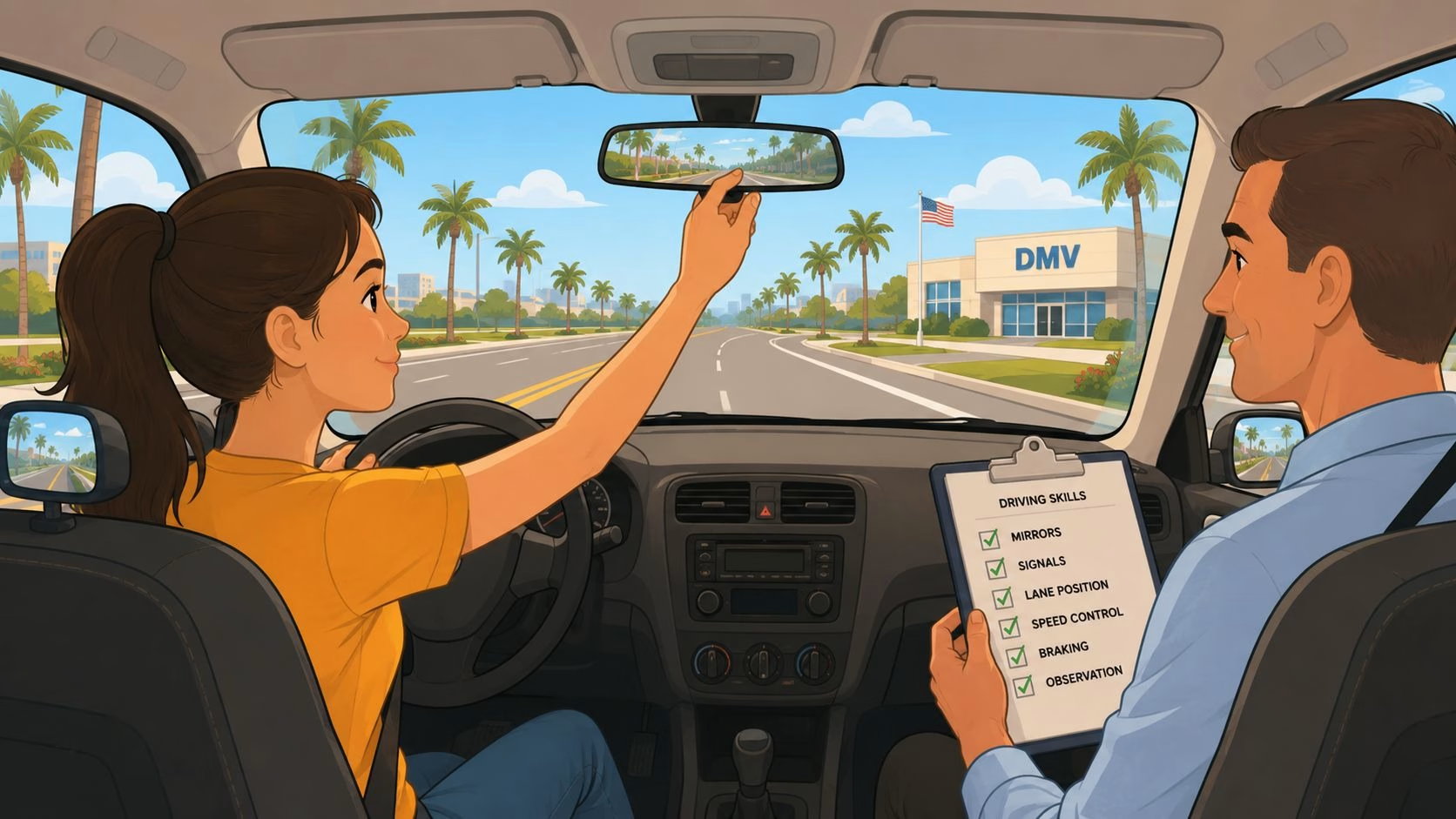
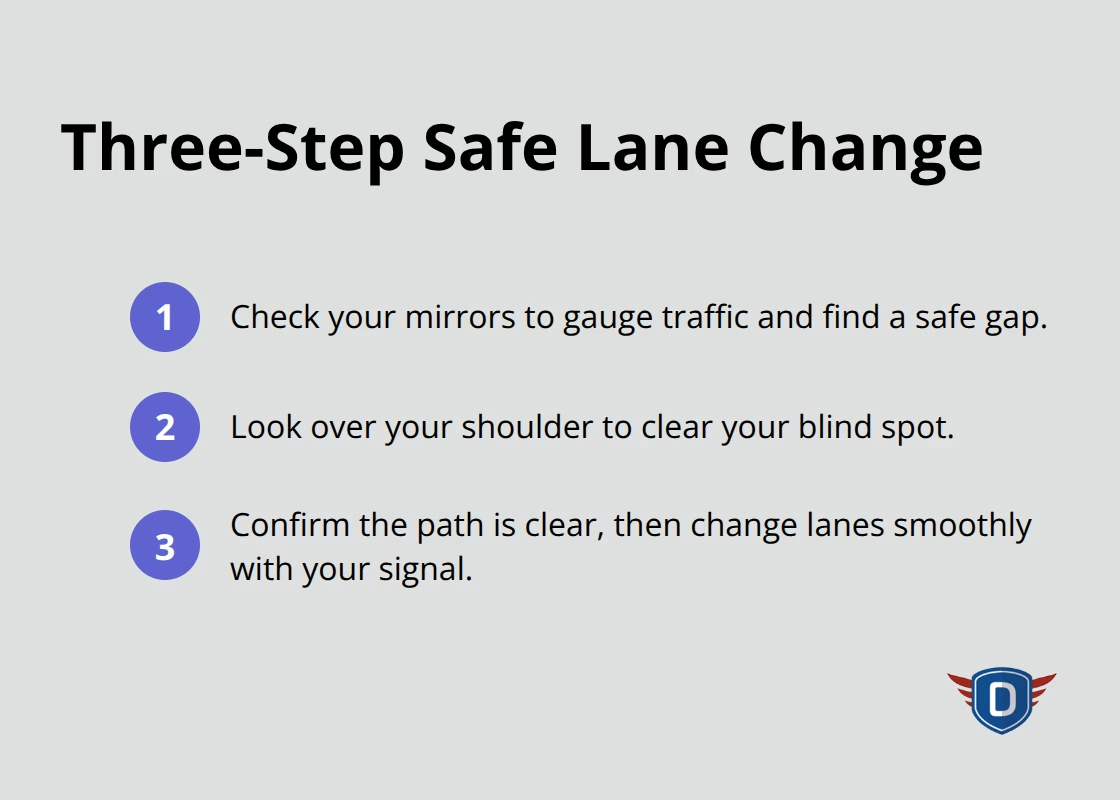
Improper lane changes and turning violations occur because new drivers don’t perform head checks or use turn signals consistently. Signal at least two seconds before any turn or lane change-not after you’ve already started moving. When you change lanes, check your mirrors, look over your shoulder, and confirm the path is clear. This three-step process takes three seconds and prevents the majority of lane-change collisions. Many new drivers also fail to use the correct lane when turning. For left turns, use the left-most lane next to the center line, not the right lane.
The Real Cost of Violations
These violations seem minor until you receive a ticket, and that ticket increases your insurance rates by an average of 20 to 40 percent depending on your state. A single violation can affect your driving record for years. The financial impact compounds quickly-higher premiums, court fees, and potential license suspension create consequences that extend far beyond the initial ticket. New drivers who avoid these three violation categories protect their wallet, their record, and their safety on the road. However, knowing the rules isn’t enough; you must also develop the skills to handle unpredictable situations that traffic laws alone cannot address.
Defensive Driving Techniques for Road Safety
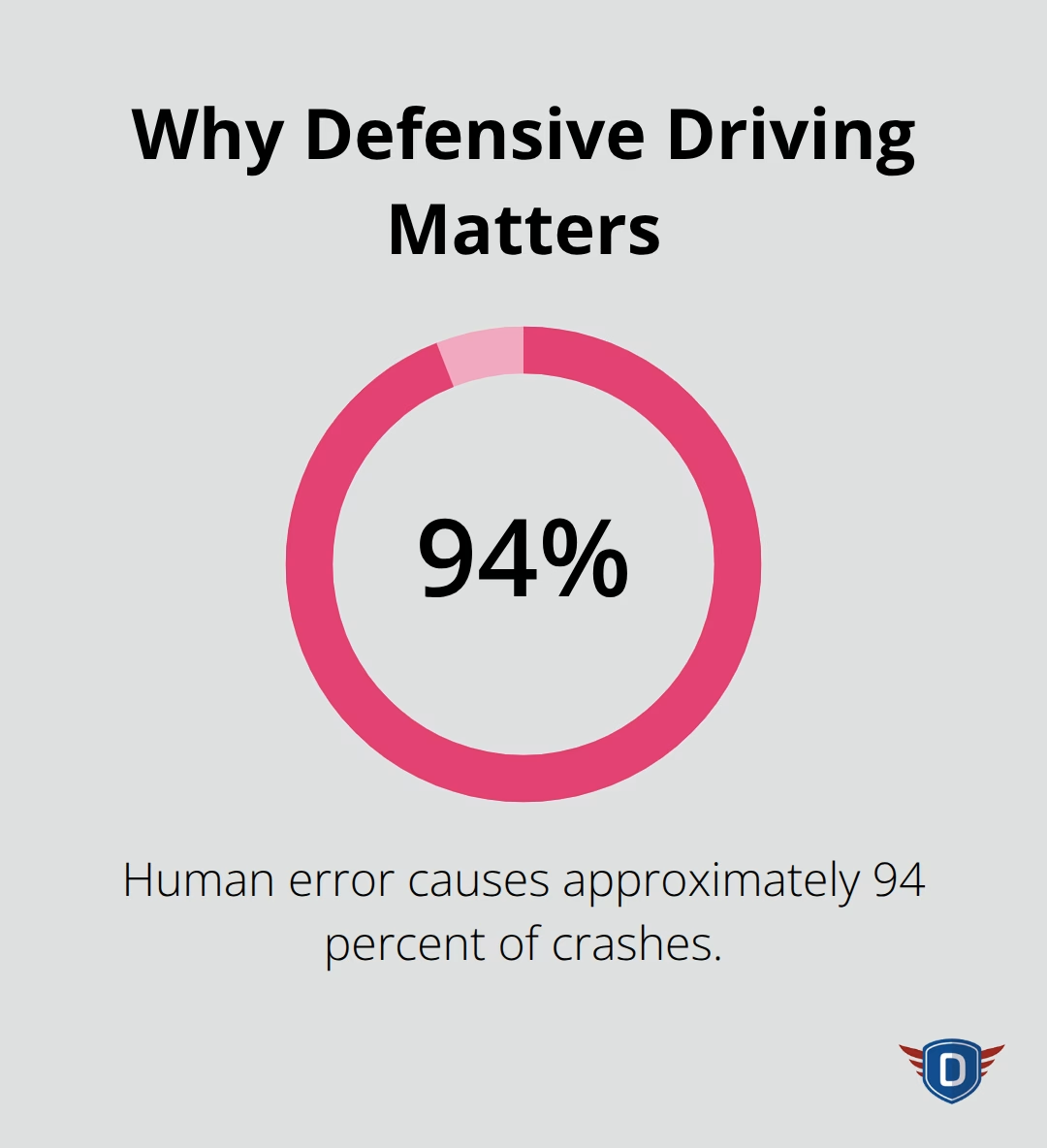
Defensive driving prevents danger rather than reacting to it. New drivers often focus on following rules, but rules alone cannot account for the unpredictable behavior of other drivers. The National Highway Traffic Safety Administration reports that human error causes approximately 94 percent of crashes, which means your ability to anticipate problems before they develop matters far more than memorizing traffic signs. Defensive driving requires three core skills: you must maintain adequate space around your vehicle, continuously scan for hazards, and stay calm when other drivers behave erratically.
The Power of Following Distance
Space is your most critical defensive tool. A two-second following distance at normal speeds provides enough room to stop if the vehicle ahead brakes suddenly. At night, behind a semi-truck, or on wet roads, increase this to three or four seconds. To measure your distance, pick a fixed object ahead, note when the car in front passes it, and count the seconds until you reach that same point. If you count fewer than two seconds, you tailgate, which eliminates your reaction time and forces you to brake harder than necessary.
This aggressive following distance is illegal in many states and creates a cascade effect where drivers behind you must also brake suddenly. You lose control of the situation the moment you tailgate, and that loss of control costs lives.
Hazard Recognition and Anticipation
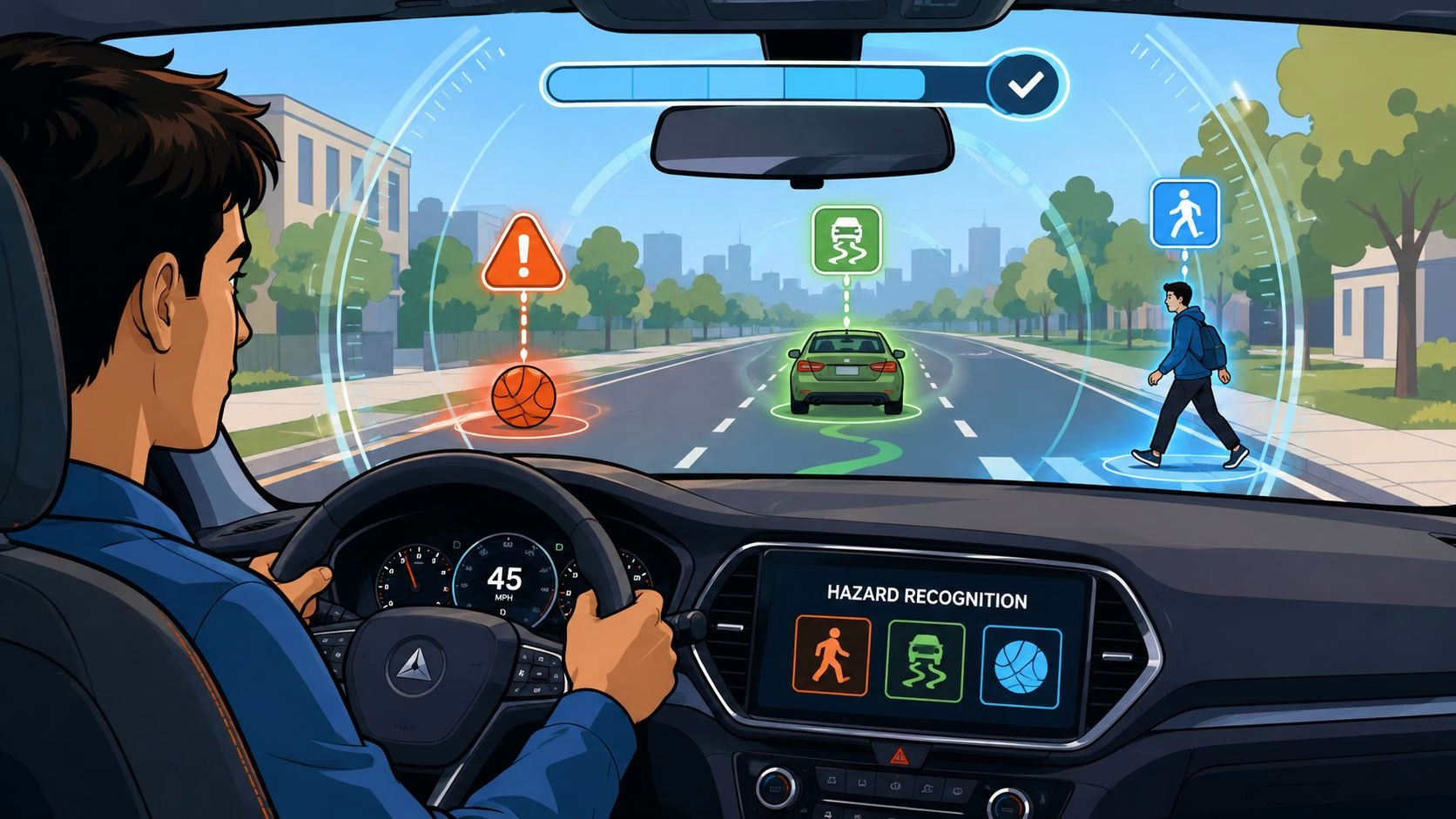
Hazard recognition extends far beyond watching the road directly ahead. You must scan your mirrors every 5-8 seconds, check your blind spots before lane changes, and anticipate problems at least three to four seconds before they occur. If you see brake lights ahead, assume traffic will slow suddenly and reduce your speed preemptively rather than braking hard.
Watch for pedestrians stepping between parked cars, cyclists swerving into your lane, and drivers signaling one direction while drifting another. Construction zones demand heightened attention because workers are present and lane markings may be unclear. You cannot predict what other drivers will do, but you can prepare for multiple scenarios simultaneously.
Managing Aggressive Drivers and Road Rage
Aggressive drivers and road rage situations require a completely different response than normal traffic. If another driver tailgates you, honks, flashes lights, or gestures angrily, do not engage. Never match their aggression, make eye contact, or respond with your own horn or gestures. Instead, slow slightly to create space, allow them to pass, and let them disappear ahead.
If they continue harassing you, drive to a police station or busy public location rather than leading them to your home. Road rage incidents escalate because both drivers feed each other’s anger, and you cannot control their behavior. You can only control your response. Staying calm is your most powerful defensive tool.
Final Thoughts
The basics of traffic laws form the foundation of safe driving, but mastering them requires more than reading a handbook. Right-of-way rules, speed limits, and lane change procedures become second nature only through consistent practice and genuine commitment to safety. Every time you sit behind the wheel, you reinforce habits that either protect you or put you at risk.
Building safe driving habits takes time, but the payoff is substantial. You protect your driving record, keep your insurance rates low, and most importantly, you arrive at your destination alive. Human error causes approximately 94 percent of crashes, which means your decisions matter far more than luck-when you maintain proper following distance, scan for hazards continuously, and stay calm under pressure, you eliminate most of the danger that exists on the road.
Traffic laws change, road conditions vary by season, and your skills improve only through ongoing practice. We at DriverEducators.com understand that new drivers need more than a single course to build confidence and competence, which is why our driver education programs are designed to help you master safe driving habits that last a lifetime.