
A first trip to the Florida licensing office can come to a stop over one missing requirement. The TLSAE vs drivers ed question matters because these courses may cover related safety topics, but they are not automatically interchangeable. Choosing the right course helps you move toward a learner license or driver license without paying for training that does not satisfy your immediate requirement.
TLSAE vs Drivers Ed: The Main Difference
TLSAE stands for Traffic Law and Substance Abuse Education. It is a Florida-required course for many first-time license applicants who have never held a driver license in another state, country, or jurisdiction. The course is also commonly called the drug and alcohol course.
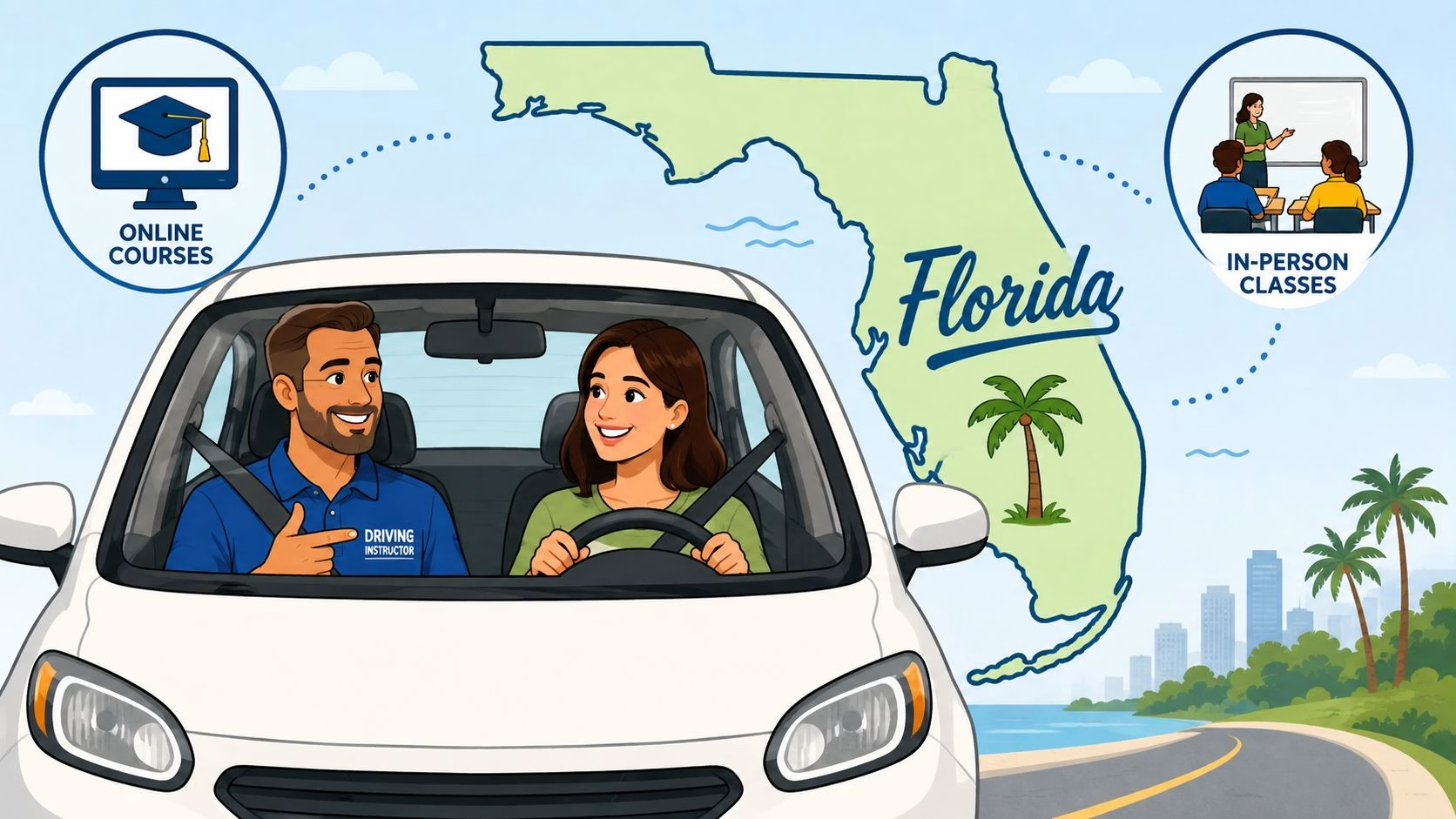
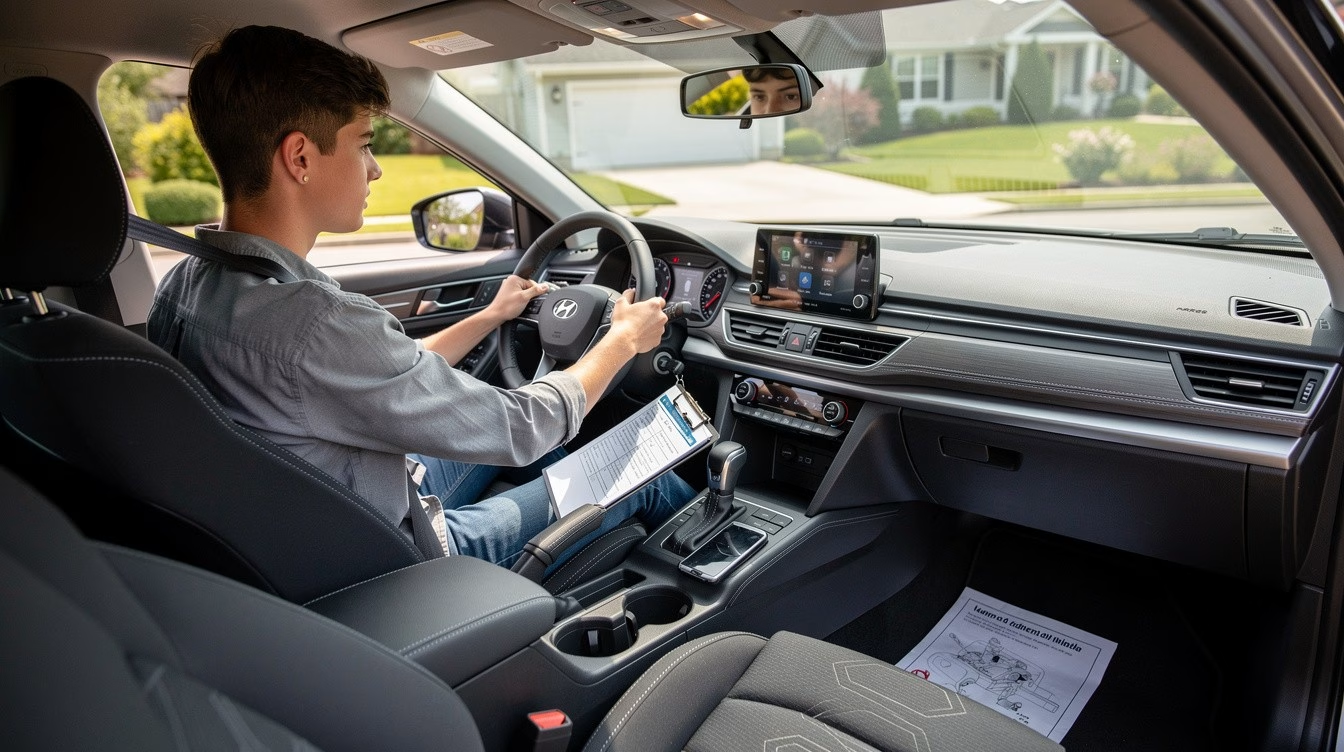
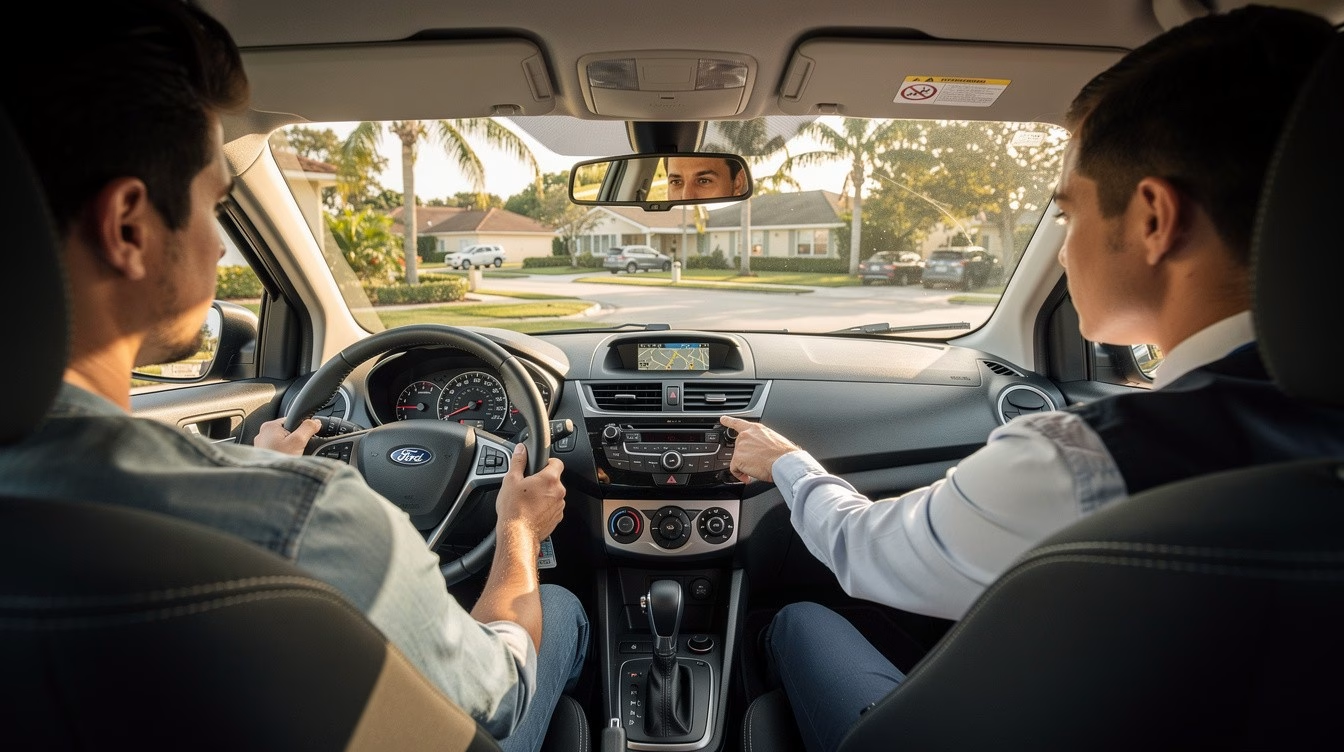
Drivers ed, short for driver education, is broader. It generally teaches driving rules, defensive-driving habits, traffic signs, decision-making, and practical road-safety skills. Depending on the program, it may include classroom instruction, online coursework, behind-the-wheel lessons, or a combination of these formats.
The practical difference is simple: TLSAE is a specific licensing requirement in Florida, while drivers ed is a category of education. A driver education course can be valuable preparation, but it does not necessarily meet the TLSAE requirement unless the course is specifically approved and identified as satisfying that requirement.
What TLSAE Covers
A Florida TLSAE course focuses on the consequences of unsafe and impaired driving. Students learn how alcohol and controlled substances affect judgment, reaction time, perception, and driving ability. The curriculum also addresses Florida traffic laws, legal penalties, and the personal and financial costs of crashes.
The goal is not merely to complete a required number of hours. TLSAE is designed to help new drivers recognize high-risk decisions before they become a citation, suspension, injury, or arrest.
A typical approved TLSAE course is four hours long and can be completed online at your own pace when offered by an approved provider. Online access is especially useful for students, working adults, and families trying to fit licensing requirements around full schedules.
Who usually needs TLSAE?
You will generally need TLSAE before applying for your first Florida learner license if you have never been licensed elsewhere. This applies to many teens and adults starting the Florida licensing process for the first time.
Effective 2025, those under the age of 18 must take the DETS – Driver Education Traffic Safety course which is a 6-hour mandatory class to get their first driver license or learner permit.
If you already held a valid driver license from another state or country, your situation may be different. Licensing rules can depend on your driving history, residency status, age, and the documents you provide. Confirm your requirements with the Florida licensing office before enrolling.
What Drivers Ed Covers
Driver education is intended to build the knowledge and judgment needed for everyday driving. While TLSAE concentrates heavily on traffic law and substance abuse risks, drivers ed typically takes a wider look at operating a vehicle safely.
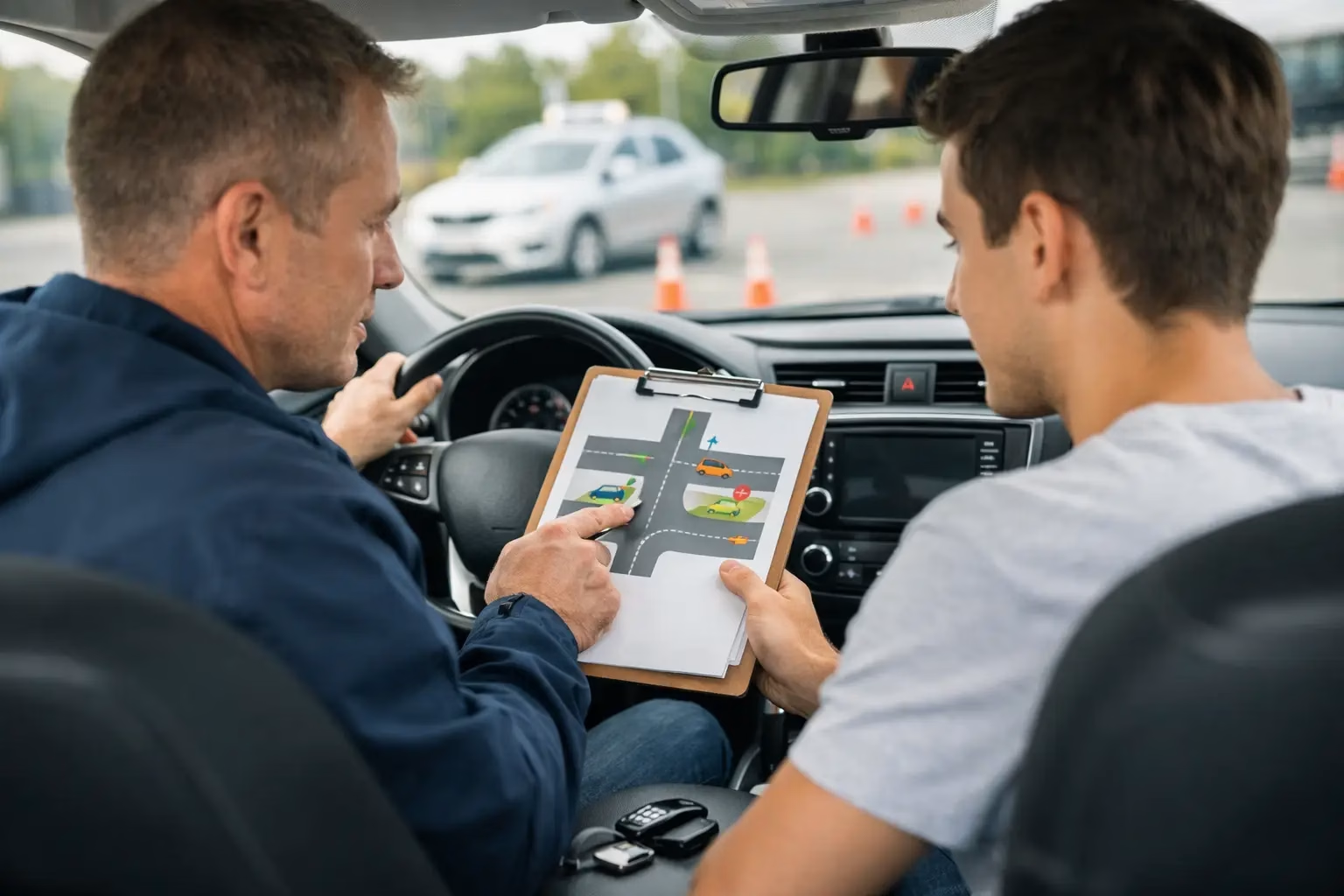
A quality driver education program may teach right-of-way rules, following distance, lane changes, intersections, sharing the road with cyclists and pedestrians, adverse weather, distracted driving, and crash avoidance. Some courses also help students prepare for the written knowledge test.
For a new driver, this broader foundation can be extremely useful. Passing a licensing requirement is one step. Knowing how to scan an intersection, manage speed in rain, or respond when another driver makes an unsafe move is what supports safer driving after the test.
Does drivers ed include behind-the-wheel training?
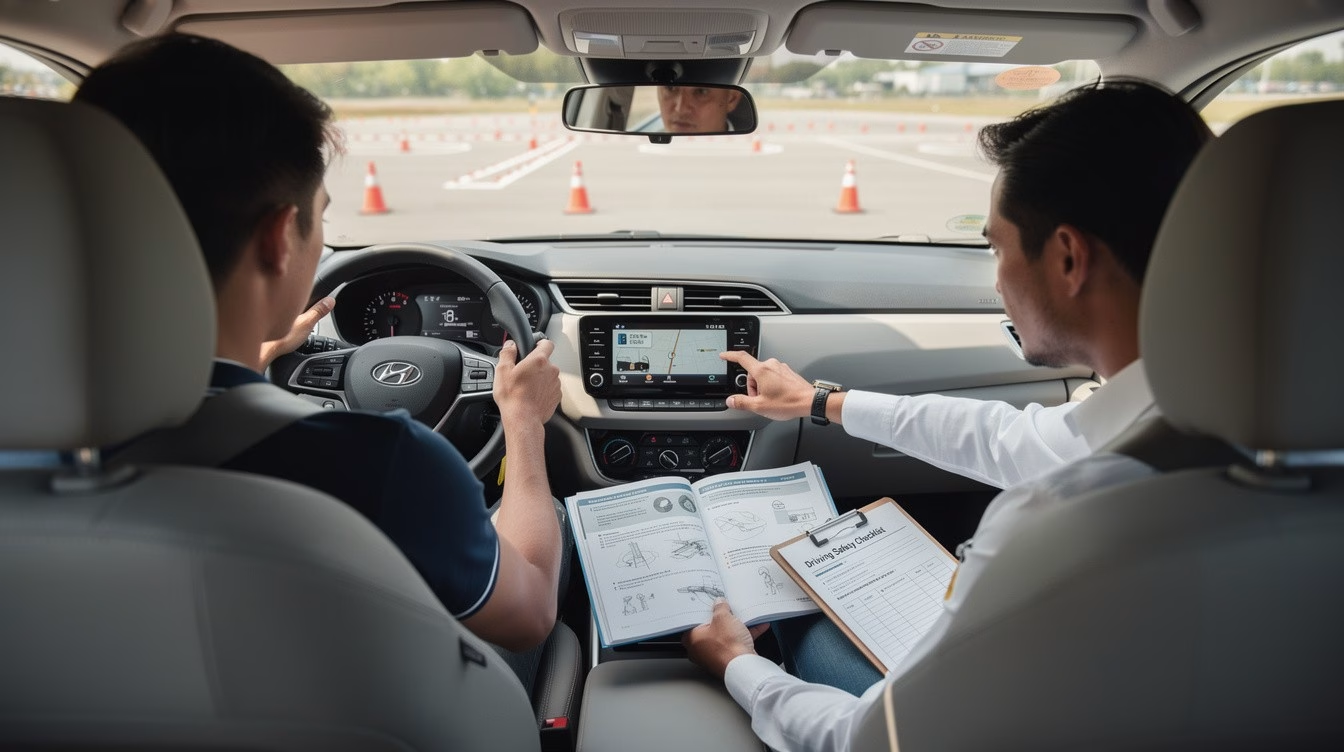
Sometimes, but not always. Online driver education usually covers the classroom or knowledge portion, while behind-the-wheel instruction involves supervised practice in a vehicle with a qualified instructor.
Read the course description carefully. Do not assume an online drivers ed course includes driving lessons, a road test, or every requirement for your state simply because it covers driving safety.
When You May Need Both Courses
Many Florida first-time drivers benefit from both TLSAE and driver education because each serves a different purpose. TLSAE addresses the state’s required education about traffic law and substance abuse. Drivers ed offers more complete preparation for the responsibilities of operating a vehicle.
For example, a teen pursuing a learner license may need to complete TLSAE before applying. That student may also choose drivers ed to strengthen traffic knowledge before taking the permit test and beginning supervised driving practice.
Adults can benefit as well. A first-time adult driver may be focused on completing the required TLSAE course quickly, but additional driver education can make the transition to real traffic situations less stressful. The right choice depends on what you need now: a specific licensing prerequisite, broader driving knowledge, or both.
Do Not Confuse TLSAE With Driver Improvement Courses
TLSAE and drivers ed are also different from courses assigned after a traffic ticket or court case. Basic Driver Improvement, intermediate driver improvement, aggressive driver programs, and court-ordered traffic school address separate circumstances.
If you received a citation, read your court notice, election form, or DMV correspondence. It should identify the required course type and completion deadline. Enrolling in TLSAE when you need a driver improvement course may leave the requirement unresolved.
Likewise, a mature driver course may qualify an eligible driver for an insurance discount, but it is not the same as TLSAE or a first-time driver education program. Course names can sound similar, so matching the course to the official requirement is essential.
How to Choose the Right Online Course
Start with the reason you are taking the course. If you are applying for your first Florida learner license and have never been licensed before, look for a Florida-approved TLSAE course. If you want more extensive driving knowledge, look for a driver education program that clearly explains its curriculum and whether it includes any behind-the-wheel component.
Before registering, verify four details:
- The course is approved for the purpose you need.
- The provider clearly states the total course length and completion process.
- You can access the course on the devices you use, including a phone or tablet if needed.
- The price, reporting process, and any refund terms are clearly explained before payment.
Convenience matters, but recognition matters more. A self-paced course is helpful only when it is accepted for the requirement you are trying to meet. DriverEducators.com offers online traffic safety education designed to make approved course completion more manageable, with clear course information and flexible access.
Plan for the Steps After Course Completion
Completing TLSAE is not the same as receiving a learner license or driver license. You may still need to meet age requirements, provide identification documents, pass a vision screening, pass the knowledge test, and meet supervised driving requirements where applicable.
For teen drivers, practice time is especially important. Florida has requirements for supervised driving before a driver license can be issued, and families should track practice hours carefully. Driver education can teach the rules, but consistent real-world practice helps a new driver apply them safely.
Keep your course completion information until your licensing transaction is complete. Many approved providers report completion electronically, but it is still wise to save confirmation details and allow sufficient time for records to update before visiting an office.
Frequently Asked Questions
Is TLSAE the same as drivers ed?
No. TLSAE is a specific Florida course covering traffic law and substance abuse education. Drivers ed is broader driver training that may or may not satisfy a TLSAE requirement.
Do I need TLSAE to get a Florida learner license?
Many first-time Florida applicants need TLSAE before applying for a learner license. Applicants who held a license in another state, country, or jurisdiction may have different requirements.
Can I take TLSAE online?
Yes, approved providers offer Florida TLSAE online. Confirm that the course is approved for Florida first-time licensing before you enroll.
Will drivers ed help me pass the permit test?
It can. Drivers ed commonly covers road signs, traffic laws, and safe-driving decisions that support knowledge-test preparation, but it does not guarantee a passing score.
Does TLSAE include driving lessons?
No, TLSAE is education about traffic laws and substance abuse risks. Behind-the-wheel instruction, if needed, must be arranged separately through a program that offers it.
The best course is the one that matches your exact requirement and gives you confidence for the next step. Verify what the licensing office expects, complete the approved training, and give yourself enough time to practice the habits that make a new driver safer long after the paperwork is finished.