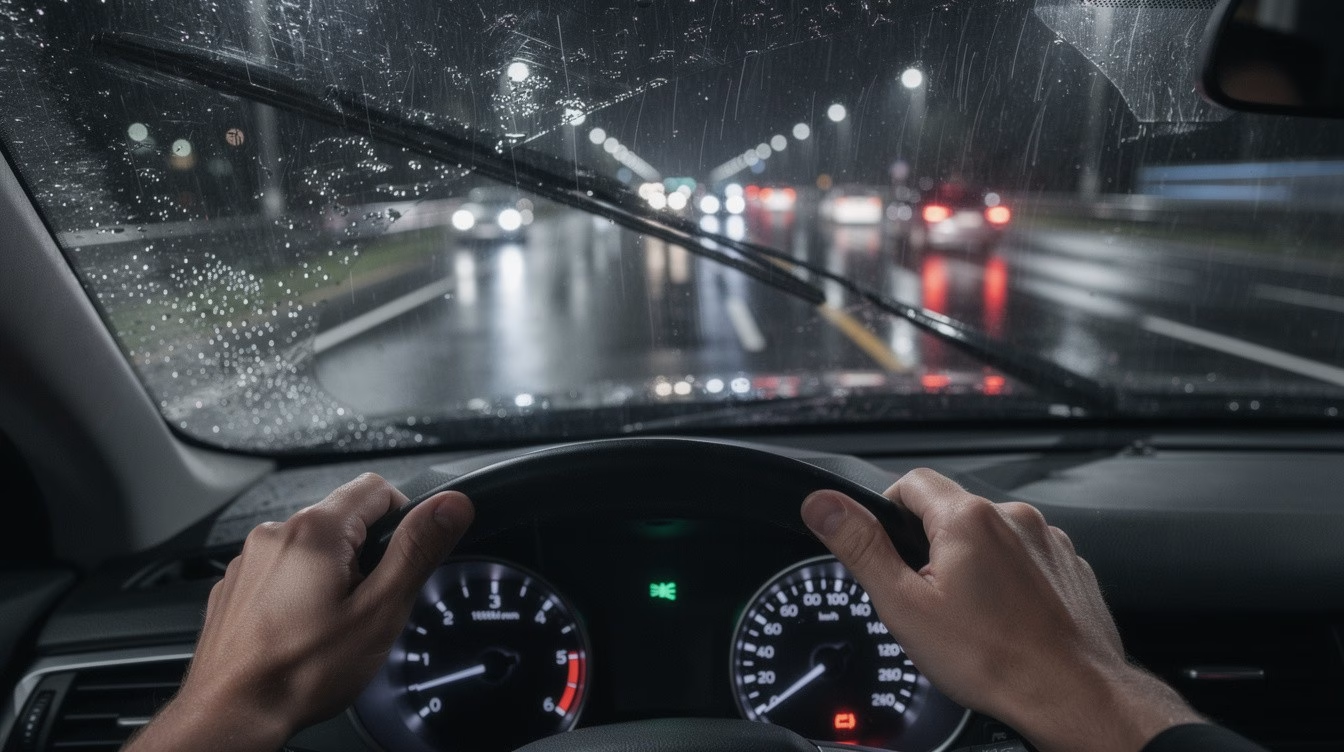
Rain transforms driving into a high-risk activity. Wet roads reduce tire grip, visibility drops sharply, and braking distances extend dramatically-creating conditions where split-second decisions matter.
At DriverEducators.com, we’ve seen how weather-related accidents spike during rainy seasons. The good news is that driving in rain safety isn’t about luck-it’s about mastering specific defensive techniques that work.
How Rain Affects Your Vehicle and Visibility
Tire Traction Collapses on Wet Surfaces
Wet pavement causes nearly 1.2 million traffic crashes annually, yet most drivers fail to recognize how severely rain degrades vehicle performance. When water covers the road, your tires must displace massive volumes of liquid to maintain contact with the asphalt. As little as 1/12 inch of water forces tires to move a gallon per second at highway speeds. This physical reality makes tire tread depth your first line of defense.
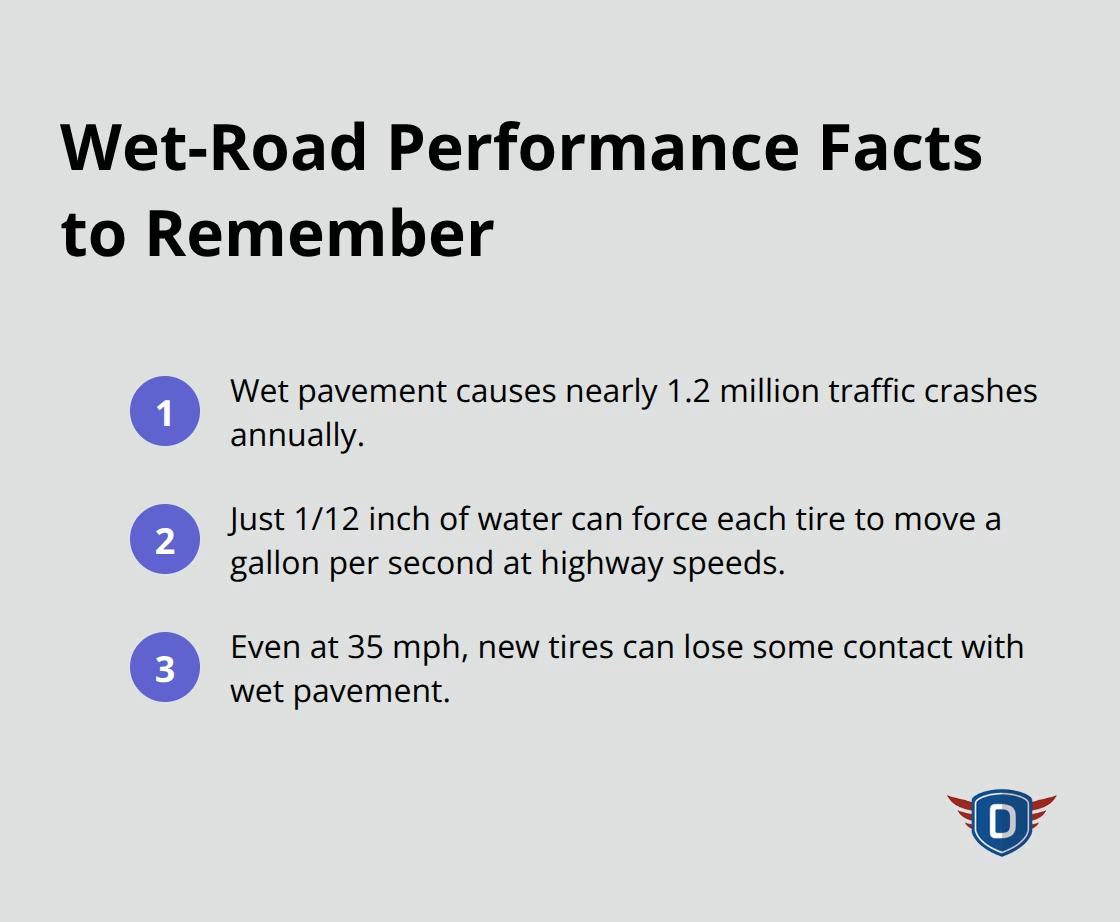
Check your tread with a quarter. If you can see Washington’s head, replace your tires immediately. Worn tires lose traction far earlier than drivers expect, and at speeds as low as 35 mph, even new tires lose some contact with the road surface. Proper tire inflation matters equally-check pressure monthly when tires are cold, because underinflated tires perform worse on wet surfaces and wear faster overall.
Braking Distance Extends Dramatically
Braking distances extend dramatically in rain, with braking distance becoming 1.5 to 2 times longer than on dry roads. Water on the road reduces tire grip significantly, making tire choice critical for wet performance. In contrast, worn or poorly-matched tires exhibit substantially longer stopping distances, translating directly to collision risk.
Visibility and Hydroplaning Hazards
Visibility compounds these challenges-rain reduces sight distance, and dirty headlights and taillights further compromise your ability to see and be seen. Turn on your headlights whenever you drive in wet conditions, and keep all lighting clean and functional. Windshield wipers that streak or skip need replacement immediately; a single swipe should clear the glass completely.
Standing water creates hydroplaning zones where tires lose all contact with the road. This condition demands immediate action-slow gradually, avoid hard braking or sharp turning, and follow in the tracks of the vehicle ahead to find areas where water has already been displaced. These defensive responses separate drivers who maintain control from those who panic and lose it.
Defensive Techniques That Actually Work in Rain
The Eight-to-Ten-Second Following Distance Rule
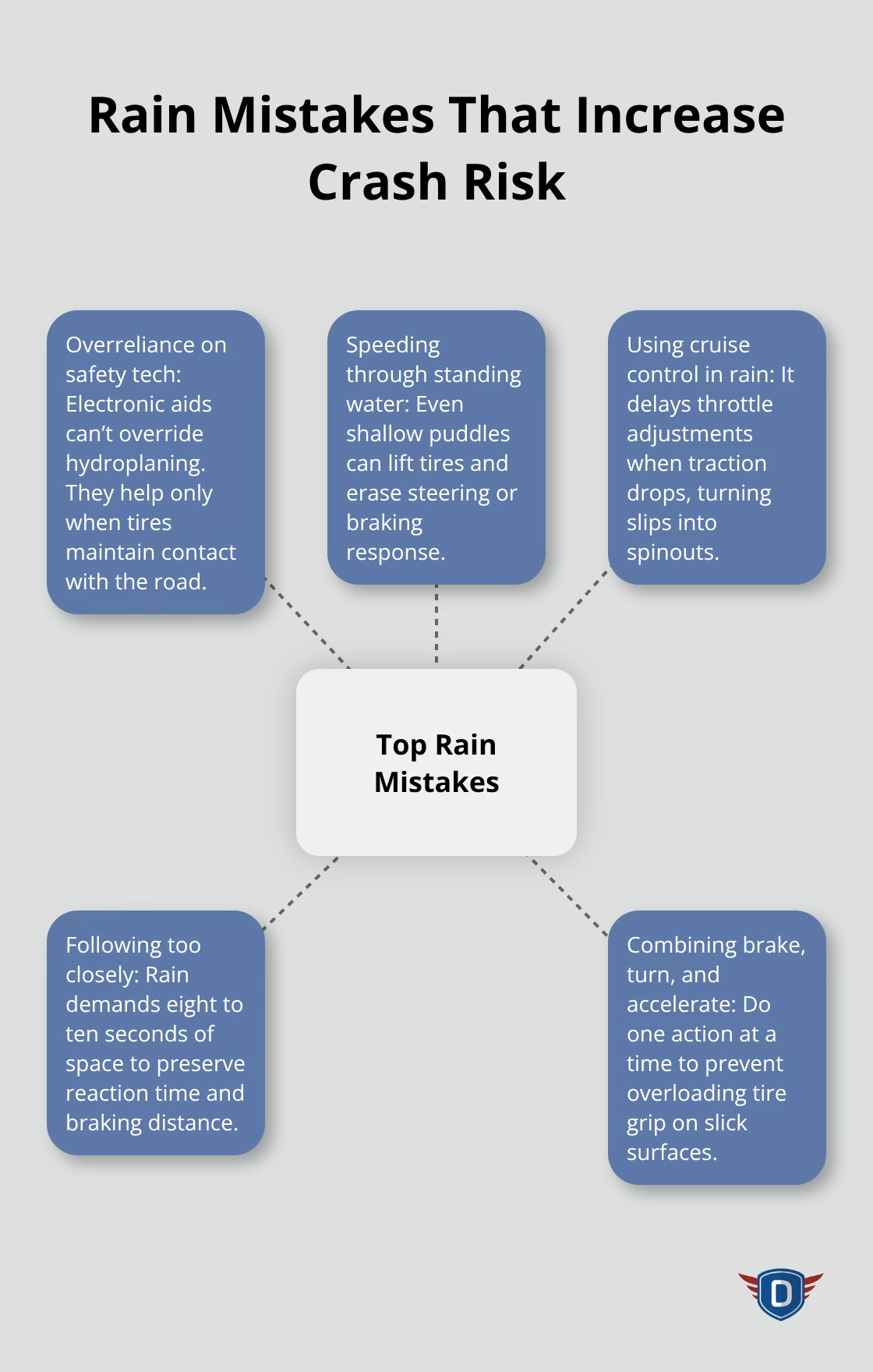
The eight-to-ten-second rule separates drivers who maintain control from those who don’t. Most drivers follow the three-second rule on dry roads, but rain demands triple that distance. At 55 mph on dry pavement with good brakes, it can take about 216 feet to stop, and wet roads can double that distance. This distance gives you reaction time when the vehicle in front brakes suddenly on slick pavement. If that distance feels excessive, you’re underestimating wet-road physics. Reduce your speed first, then the gap becomes manageable.
Speed reduction matters more than any other technique because it directly lowers braking distances and gives your tires more time to displace water and maintain contact with the road. Drivers who maintain proper following distance on wet roads avoid rear-end collisions that dominate rainy-day accident statistics.
One Action at a Time: Brake, Turn, Accelerate
Sharp maneuvers kill traction in rain faster than anything else. Brake first, then turn, then accelerate-one action at a time, never simultaneously. When you brake and turn together, your tires split their grip between stopping and changing direction, leaving neither function enough traction. Large puddles and standing water can cause hydroplaning, where your tires lose contact with the road.
Slow down gradually for curves rather than entering them at normal speeds then braking hard. On wet roads, smooth inputs matter more than smooth driving feels. This sequential approach (brake, turn, accelerate) prevents the tire overload that causes loss of control on slippery surfaces.
Lighting and Wiper Maintenance
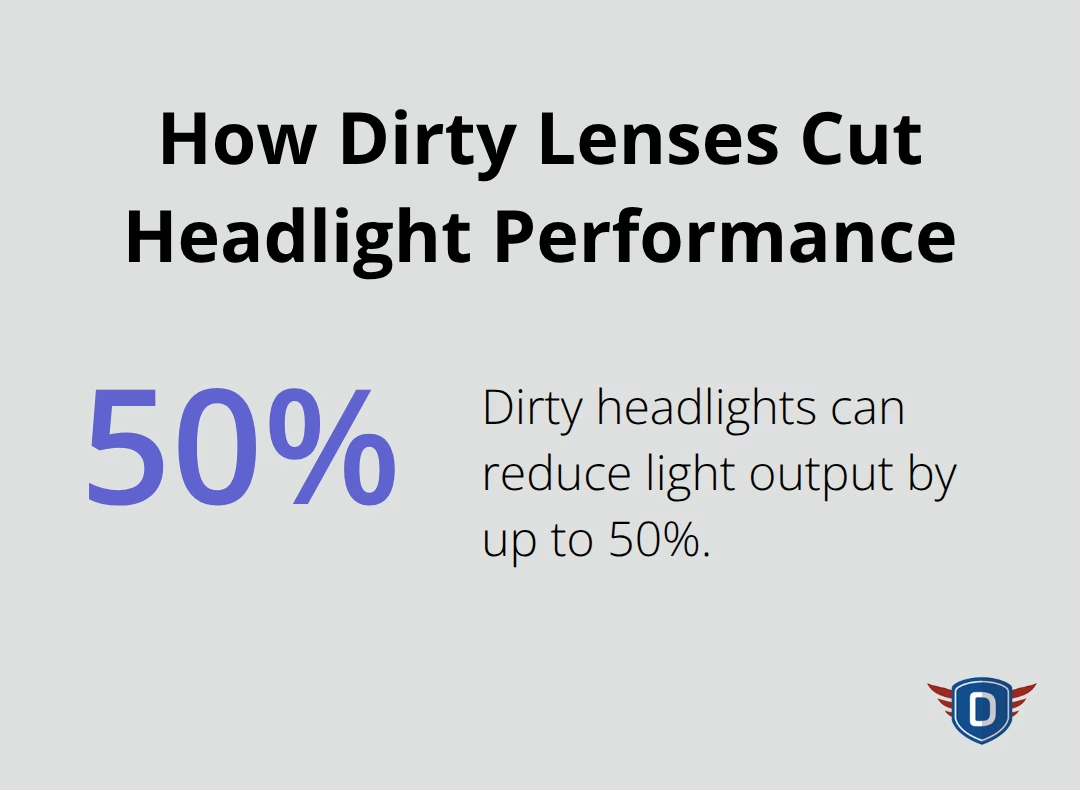
Your headlights must be on whenever rain falls, even during daylight, because visibility works both ways-you need to see the road, and other drivers need to see you. Dirty headlights cut light output by up to 50 percent, making a clean lens as important as having the lights on. Check all exterior lights regularly to confirm they function properly.
Replace windshield wipers the moment they streak or skip, because a single swipe should clear the glass completely in one motion. Worn wipers leave film that reduces visibility and forces you to drive slower to compensate. This maintenance step directly impacts your ability to react to hazards ahead, making it essential for wet-weather safety.
Why Cruise Control Fails in Rain
Cruise control removes your direct control over acceleration at the exact moment you need it most. On wet roads, you must adjust speed instantly when traction changes, and cruise control delays that response. Disabling cruise control on slippery pavement keeps your foot ready to modulate throttle pressure and maintain traction through variable road conditions.
These defensive techniques work because they address the physics of wet-road driving rather than fighting against it. The next section examines the mistakes drivers make that undermine these techniques and create unnecessary risk.
Mistakes That Turn Rain Into a Crash Waiting to Happen
Electronic Safety Systems Create False Confidence
Modern vehicles pack electronic stability control, anti-lock brakes, and traction management systems that lull drivers into dangerous overconfidence. These systems help, but they cannot override physics when tires lose contact with water-covered roads. A driver who trusts technology to compensate for excessive speed or poor following distance will discover that no electronic system prevents hydroplaning when tires aquaplane across standing water.
Technology fails first on wet roads because it depends on tire-to-pavement contact that simply doesn’t exist when water sits between rubber and asphalt. The moment you enter standing water at speed, your vehicle stops responding to steering inputs or brake pressure because the tires have nothing to grip.
Standing Water Hides Lethal Depths
Puddles that look minor often hide 2–3 inches of water, enough to lift tires completely off the road surface. Drivers who speed through standing water treat it as a minor inconvenience rather than a collision trigger, and that miscalculation costs lives. The safest approach treats every puddle as a potential hazard zone and reduces speed well before entering it, because slowing down eliminates the conditions that cause hydroplaning regardless of what safety features your dashboard displays.
Cruise Control Delays Critical Throttle Response
Cruise control on wet pavement represents a failure to understand wet-road physics. When you engage cruise control in rain, your vehicle maintains constant speed while road conditions deteriorate, and by the time traction drops, your car has already committed to that speed. Your foot sits idle on the floor instead of hovering over the throttle ready to adjust power instantly.
On slippery surfaces, immediate throttle modulation prevents wheelspin and maintains traction, but cruise control delays that response because the system must detect speed loss before adjusting engine power. That delay transforms a manageable slip into a loss-of-control event. Disabling cruise control keeps your foot active and ready, giving you direct control over acceleration pressure at the exact moment traction changes. Cruise control might not be the best choice if you’re facing heavy rain, standing water, or other slippery conditions, and wet roads demand active engagement from every driver behind the wheel.
Final Thoughts
Driving in rain safety depends on three core principles: maintain proper tire tread depth, increase your following distance to eight to ten seconds, and execute one action at a time when braking, turning, or accelerating. These techniques work because they respect the physics of wet roads rather than fighting against them. Electronic safety systems help, but they cannot override hydroplaning when water sits between your tires and the pavement.
Wet pavement causes nearly 1.2 million traffic crashes annually, yet most drivers underestimate how severely rain degrades performance. You cannot rely on overconfidence in safety features or the false belief that puddles pose minor risks. Every rainy drive demands active engagement, constant vigilance, and the discipline to slow down when conditions deteriorate.
Replace worn wipers, check tire tread monthly, keep your headlights clean, and commit to the defensive techniques outlined here. DriverEducators.com offers comprehensive programs that emphasize defensive techniques and real-world hazard recognition through Florida-approved traffic school courses. Rain will always present challenges, but drivers who master these fundamentals transform wet roads from danger zones into manageable conditions where skill and preparation determine outcomes.