Your first drive is coming up, and teen driver lesson prep starts before you even turn the key. At DriverEducators.com, we’ve seen firsthand how preparation separates confident drivers from nervous ones.
This guide walks you through the exact skills and knowledge you need for day one. You’ll learn vehicle controls, master essential techniques, and avoid the mistakes that trip up most new drivers.
Before Your First Lesson: Know Your Vehicle and Yourself
Understanding the Machine
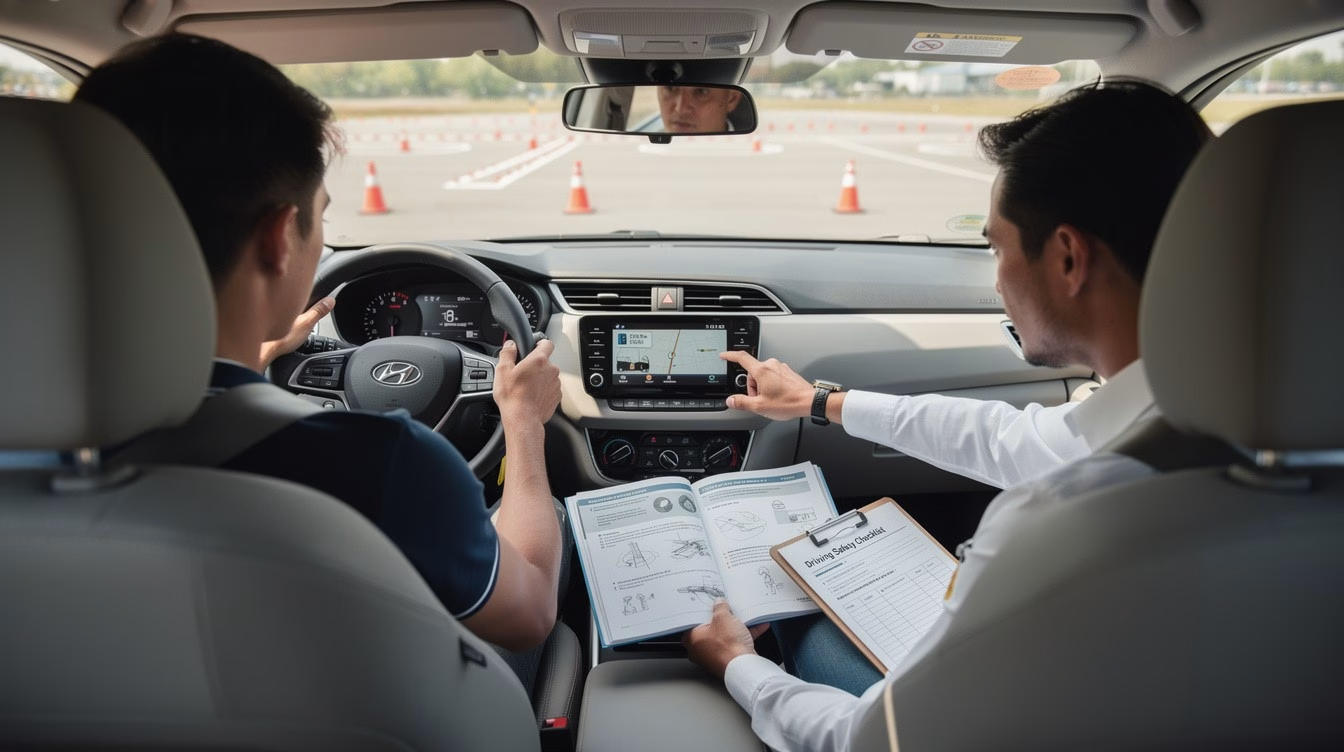
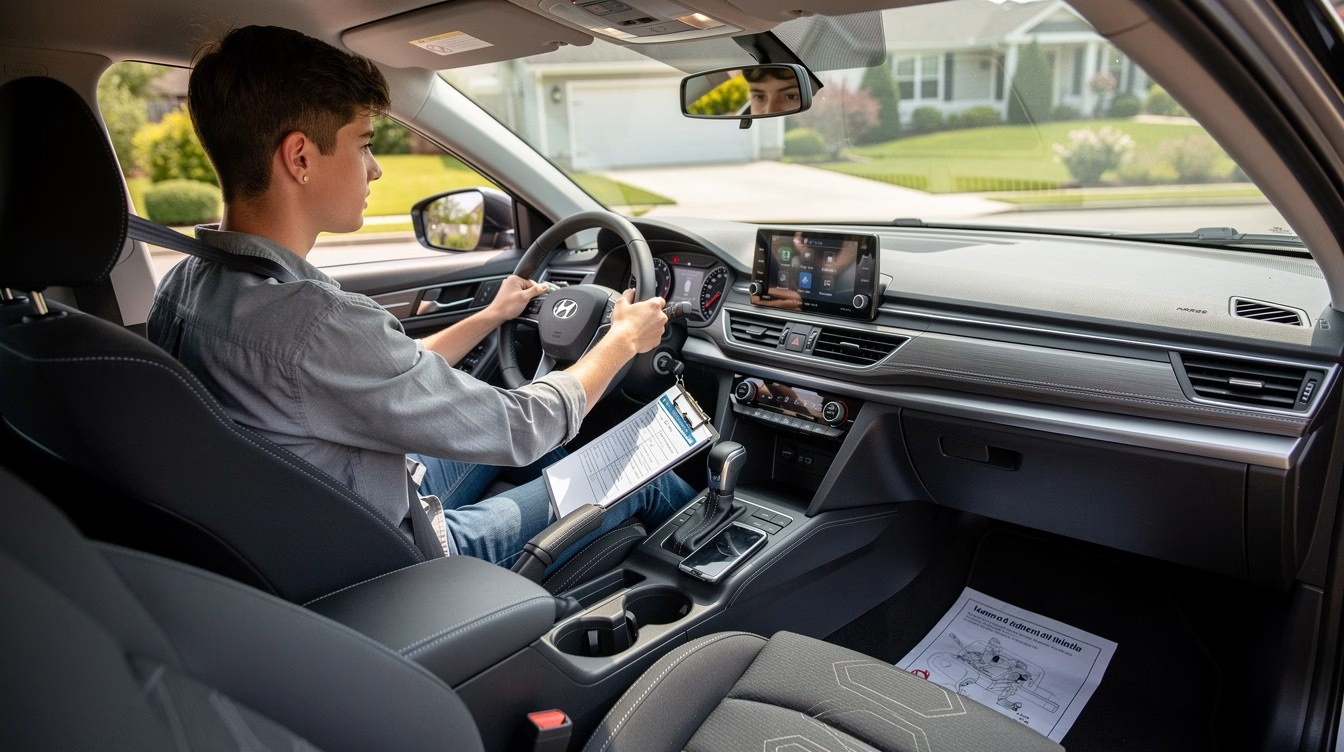
Sitting in the driver’s seat for the first time presents two separate challenges: understanding the machine and managing your own nervous system. The machine part is straightforward-your instructor will walk you through the pedals, steering wheel, mirrors, and dashboard lights during your first lesson, typically in a parking lot where nothing moves. But before that moment arrives, you need to know what to expect.
The brake pedal sits on the left, the gas on the right, and your left foot stays off the gas entirely. This is the single most common error we see from new drivers who’ve never sat in a real car before. The steering wheel has more play than you think; small adjustments create big directional changes, which is why jerky movements feel wrong immediately.
Your mirrors need adjustment before you drive, not during. The dashboard has warning lights for oil pressure, coolant temperature, battery charge, and tire pressure. If any of these lights appear while driving, you pull over safely and call for help. None of these facts require memorization, but walking through them beforehand cuts your mental load in half when the engine starts.
Managing Nervousness vs. Panic
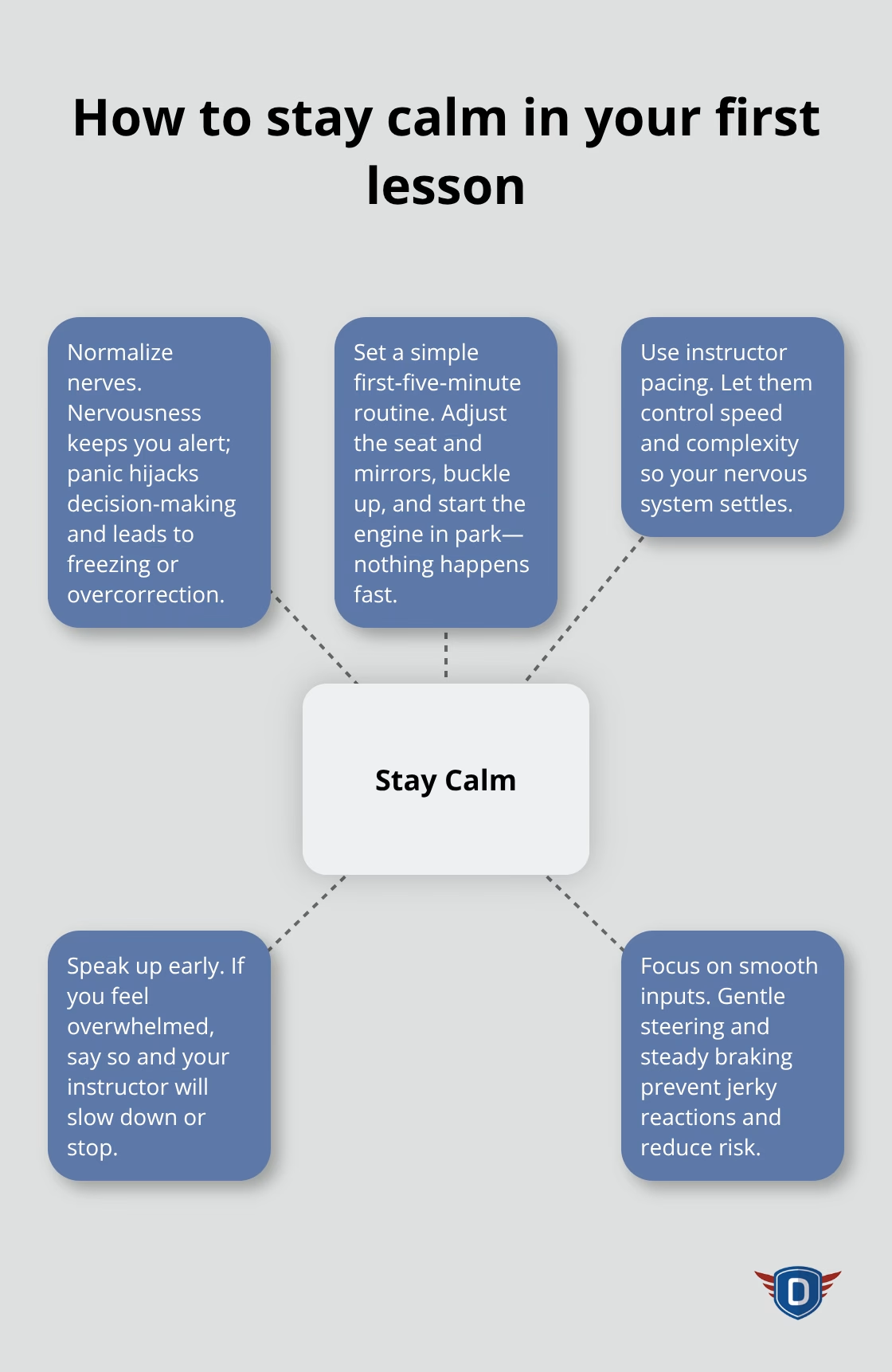
Mental preparation matters more than most people admit. Nervousness is normal and actually useful; it keeps you alert. Panic is different and dangerous-it makes you freeze, overcorrect, or forget basic steps.
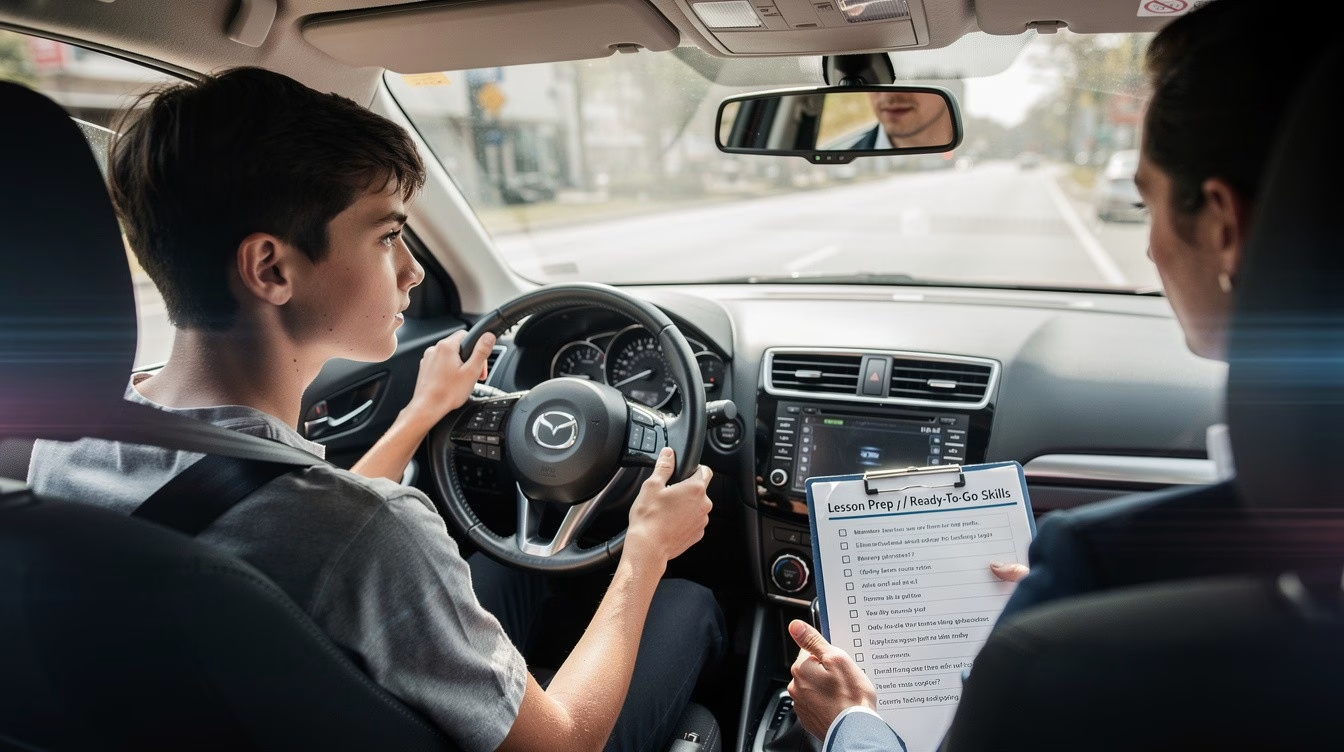
To prevent panic, know what the first five minutes will look like: you adjust the seat forward or backward so your legs have a slight bend at the knees, adjust all three mirrors so you see behind and beside you without moving your head much, put on your seatbelt, and start the engine while the car is in park. That’s it. Nothing happens fast.
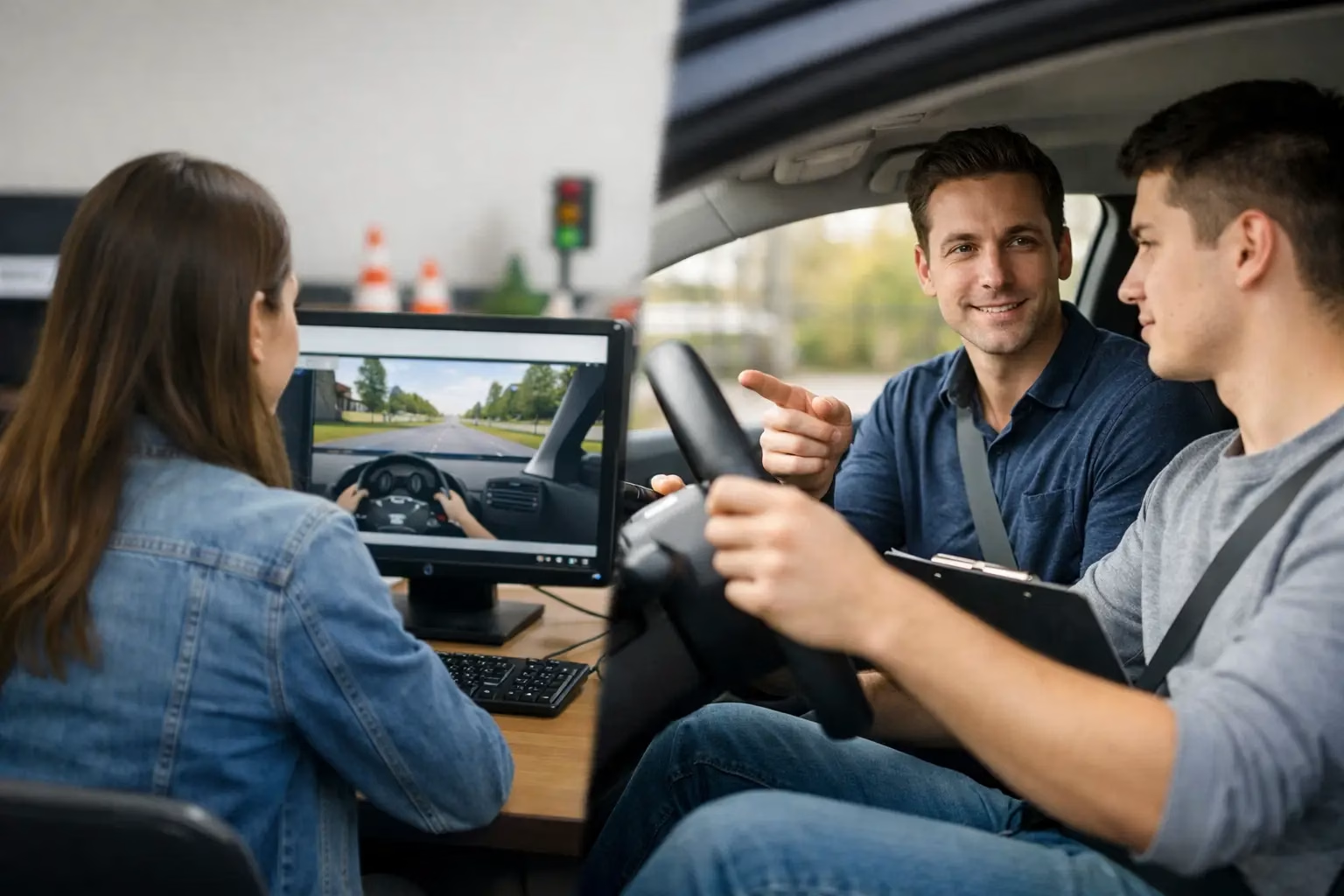
Your instructor controls the pace entirely. If you feel overwhelmed during the lesson, you say so, and the instructor slows down or stops. This is not weakness; this is how professional instruction works.
Physical Preparation and Documentation
Dress in comfortable clothes and flat shoes with good grip-no high heels, no loose laces that catch pedals. If you wear glasses or contacts, wear them during the lesson. Bring your learner’s license and any documents your school requested.
These small preparations remove friction and let you focus on learning instead of logistics. You arrive ready to absorb instruction, not distracted by discomfort or missing paperwork. Your first lesson sets the tone for everything that follows, and the details matter more than you’d expect.
Master These Three Skills on Your First Drive
Starting the Engine
Starting the engine feels anticlimactic once you understand the sequence. Turn the key or press the start button while your foot rests on the brake pedal with the car in park. The engine rumbles to life. Nothing dramatic happens. This matters because most new drivers expect something more intense, so when it’s simple, they second-guess themselves.
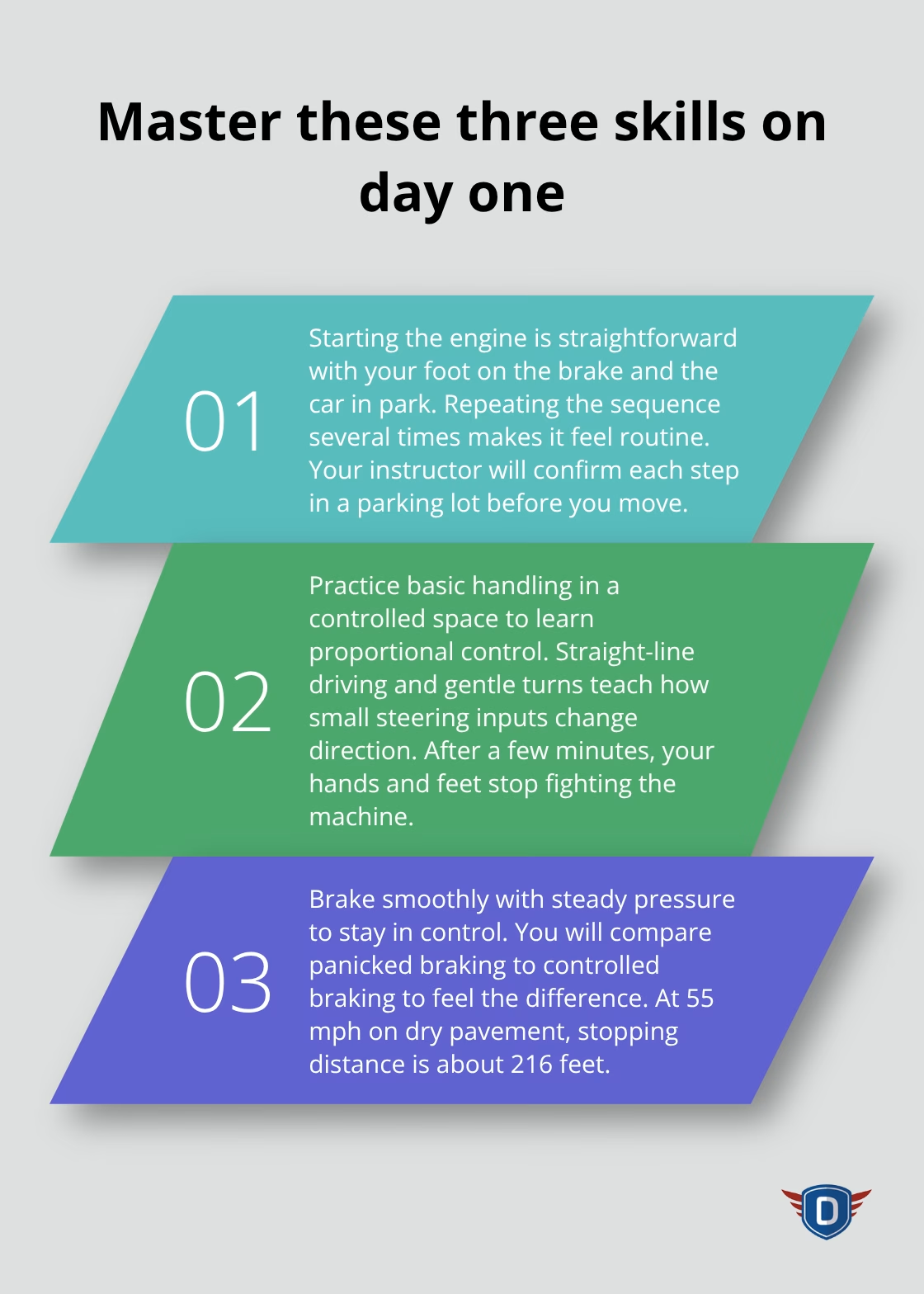
It’s simple. Your instructor will confirm this in the parking lot, and you’ll do it five times before moving. After the third repetition, your nervous system stops treating it like a major event.
Vehicle Handling in Controlled Spaces
Basic vehicle handling in a parking lot teaches you how the car responds to your inputs before traffic adds complexity. Small steering adjustments create noticeable direction changes because the parking lot is tight and obstacles are close. This teaches you proportional control, not jerky movements. You’ll practice straight-line driving first, then gentle turns around cones or marked spaces. The goal isn’t speed or precision yet; it’s feeling how the steering wheel connects to the wheels and understanding that your inputs matter more than you think. After fifteen minutes of this, your hands and feet stop fighting the machine.
Braking Technique and Stopping Distance
Proper braking technique separates drivers who panic from drivers who stay calm under pressure. Press the brake pedal smoothly and steadily rather than stabbing at it. Smooth braking keeps passengers comfortable and prevents skidding. Your instructor will have you practice from a stop, then rolling slowly, then from slightly faster speeds. You’ll feel the difference between panicked braking and controlled braking.
Stopping distances matter more than most teens realize. At 55 mph on dry pavement, a car needs about 216 feet to stop. Knowing these numbers intellectually and feeling them during practice are different things. Your first lesson introduces this reality in a controlled environment where mistakes cost nothing.
What Comes Next
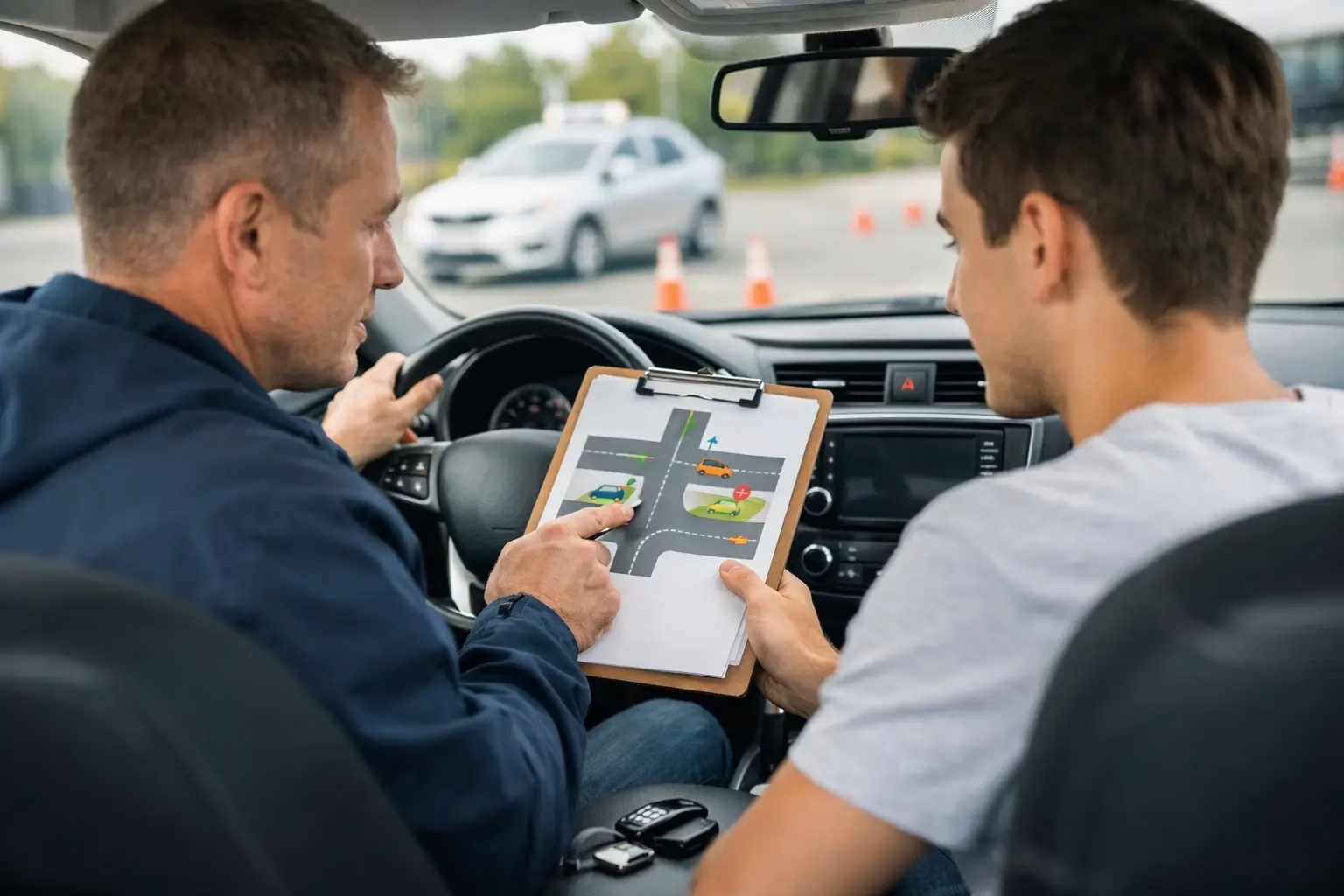
These three foundational skills-starting the engine, handling the vehicle, and braking smoothly-form the base for everything else you’ll learn. Once you master them in the parking lot, your instructor moves you to quiet streets where you’ll apply these skills in real traffic situations.
Common Mistakes Teen Drivers Make and How to Avoid Them
Distracted Driving and Phone Management
The mistakes teen drivers make during their first lessons fall into three categories: those caused by distraction, those caused by misjudging the environment, and those caused by fear responses. Each one is preventable with specific awareness and practice.
Distracted driving tops the list because it starts before you even leave the parking lot. Your phone sits in your pocket or cup holder, and the urge to check it feels normal after years of constant access. New drivers who silence their phones entirely and place them in the trunk perform measurably better during their first five lessons than those who keep phones visible. The difference isn’t subtle.
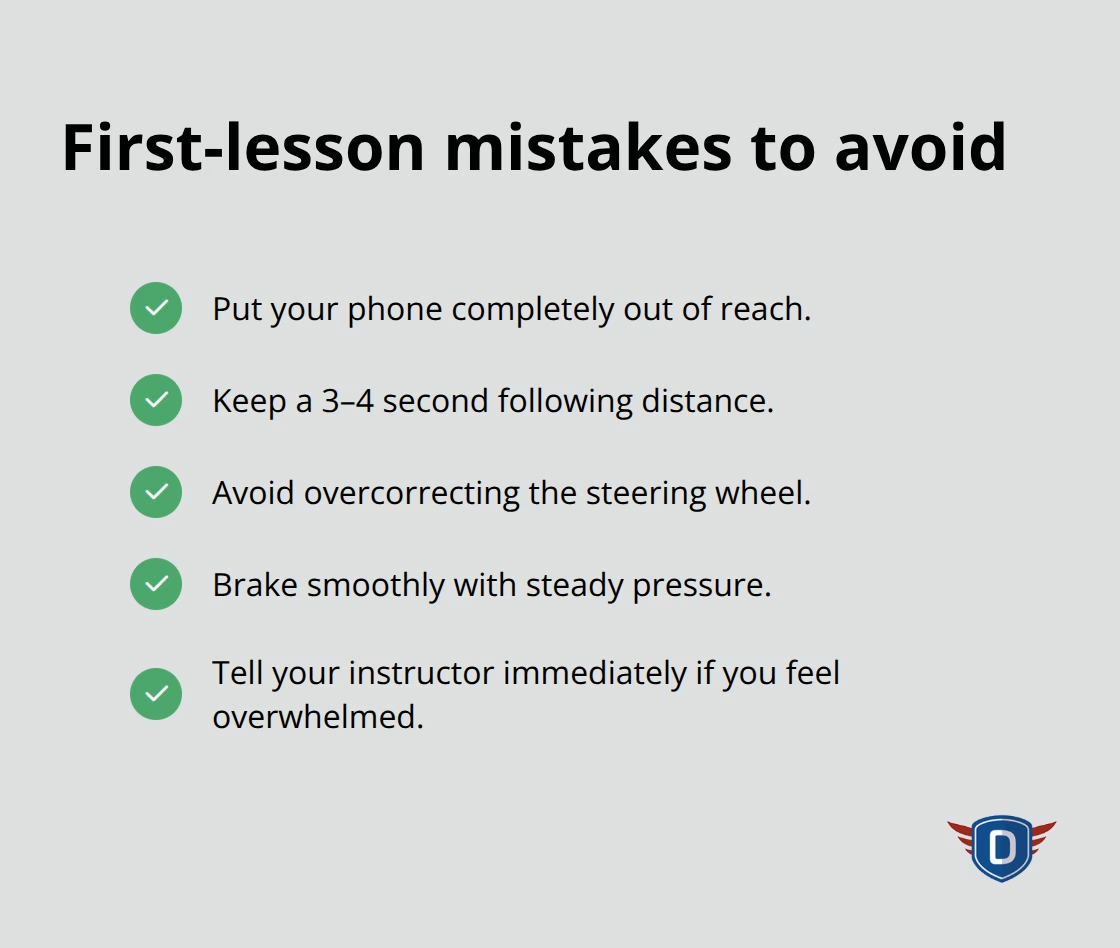
A glance at your phone while turning costs you the mirror check that prevents collisions. Your first lesson establishes the habit: phone away, completely out of reach. This isn’t about willpower; it’s about removing the temptation entirely.
Misjudging Speed and Following Distance
Most new drivers feel slower than they actually drive. A car moving at 25 mph feels like 15 mph to someone experiencing highway speeds for the first time. Your instructor will point this out by having you look at the speedometer and then at the road, forcing your brain to reconcile the disconnect.
Following distance matters more than speed control because it’s the only buffer between you and the car ahead. Most new drivers leave insufficient space. Your instructor demonstrates this by having you count off seconds-try for three to four seconds between your car and the one ahead, which translates to safe stopping distance at most speeds.
Panic Responses in Unexpected Situations
Panic responses happen when unexpected situations occur and your nervous system hijacks your decision-making. A dog runs into the road. A car cuts you off. Your immediate instinct is to overcorrect the steering wheel or slam the brake. Both actions make crashes more likely, not less.
Your instructor teaches you to grip the wheel firmly but not tensely, maintain steady pressure on the brake, and steer smoothly toward safety rather than away from danger. This feels counterintuitive during your first lesson, which is exactly why it needs practice in controlled conditions.
Professional instruction from certified instructors (those with extensive driver-safety experience) gives you someone who’s seen thousands of panic responses and knows how to coach you through them without judgment. The goal of your first lesson isn’t perfection; it’s building awareness of where these mistakes hide so you catch yourself before they become habits.
Final Thoughts
Your first drive matters because it sets the foundation for every mile you’ll drive afterward. Teen driver lesson prep removes the guesswork from day one-you know what to expect, you’ve mentally rehearsed the sequence, and you understand why each skill matters before you need it. Confidence comes from preparation meeting instruction, not from fearlessness.
When you sit in that driver’s seat for the first time, your instructor controls the pace, the environment, and the complexity. Professional instructors have coached thousands of nervous teens through this exact moment and know which mistakes are coming, how to prevent them, and how to build your skills in the right sequence. After your first lesson, the real work begins as you practice with a licensed adult driver, gradually expanding from quiet streets to busier roads.
The mistakes you learned to avoid in this guide-distracted driving, misjudging distance, panic responses-become habits you catch before they happen. Each lesson reinforces the previous one, and each practice session adds hours of real-world experience that no classroom can replicate. We at DriverEducators.com focus on creating a supportive learning environment where students master necessary skills and adopt lifelong safe driving habits that protect you and everyone sharing the road with you for decades to come.