Right-of-way rules explained can mean the difference between a safe commute and a dangerous collision. Most drivers think they understand these rules, but misconceptions lead to thousands of preventable accidents every year.
At DriverEducators.com, we break down the traffic laws you need to know to drive confidently and protect yourself and others on the road.
What Right-of-Way Actually Means
The Legal Definition and Why It Matters
Right-of-way is a legal permission to proceed first through an intersection, across a roadway, or into traffic. It’s not a guarantee or a right you own-it’s a rule that tells you when you must yield to someone else. Intersection crashes account for a significant portion of traffic accidents, and many stem from drivers misinterpreting who has the right-of-way.
The Basic Rule: Who Goes First
The vehicle that arrives first at an intersection has the right-of-way; others must wait their turn. If two vehicles arrive simultaneously, the driver on the right proceeds first. This simple rule eliminates confusion and prevents collisions when signs, signals, and pavement markings alone cannot resolve who should move forward.
The Biggest Misconception About Right-of-Way
Most drivers misunderstand right-of-way as something they can force or demand. That’s the biggest mistake on the road. Right-of-way is about yielding to others, not insisting on your turn. Drivers who force their right-of-way cause preventable accidents that could easily be avoided by simply waiting a few seconds.
When You Must Yield
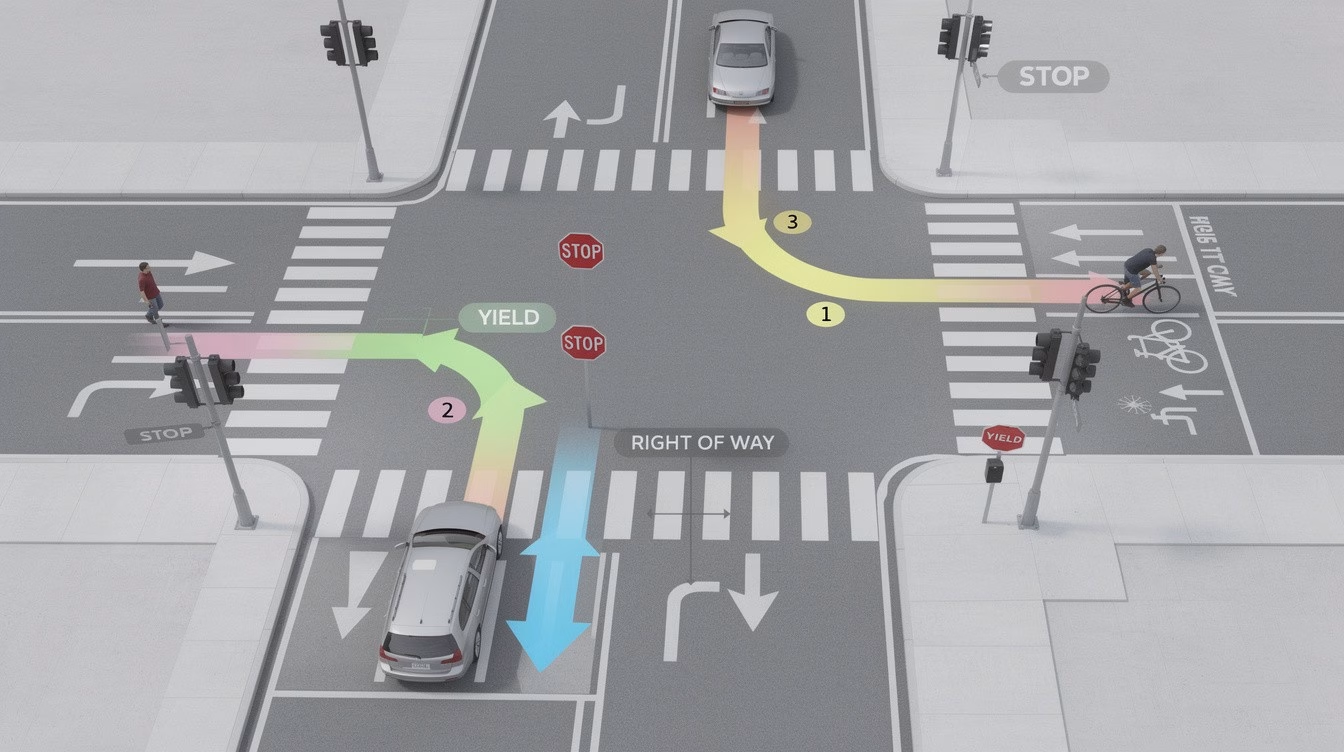
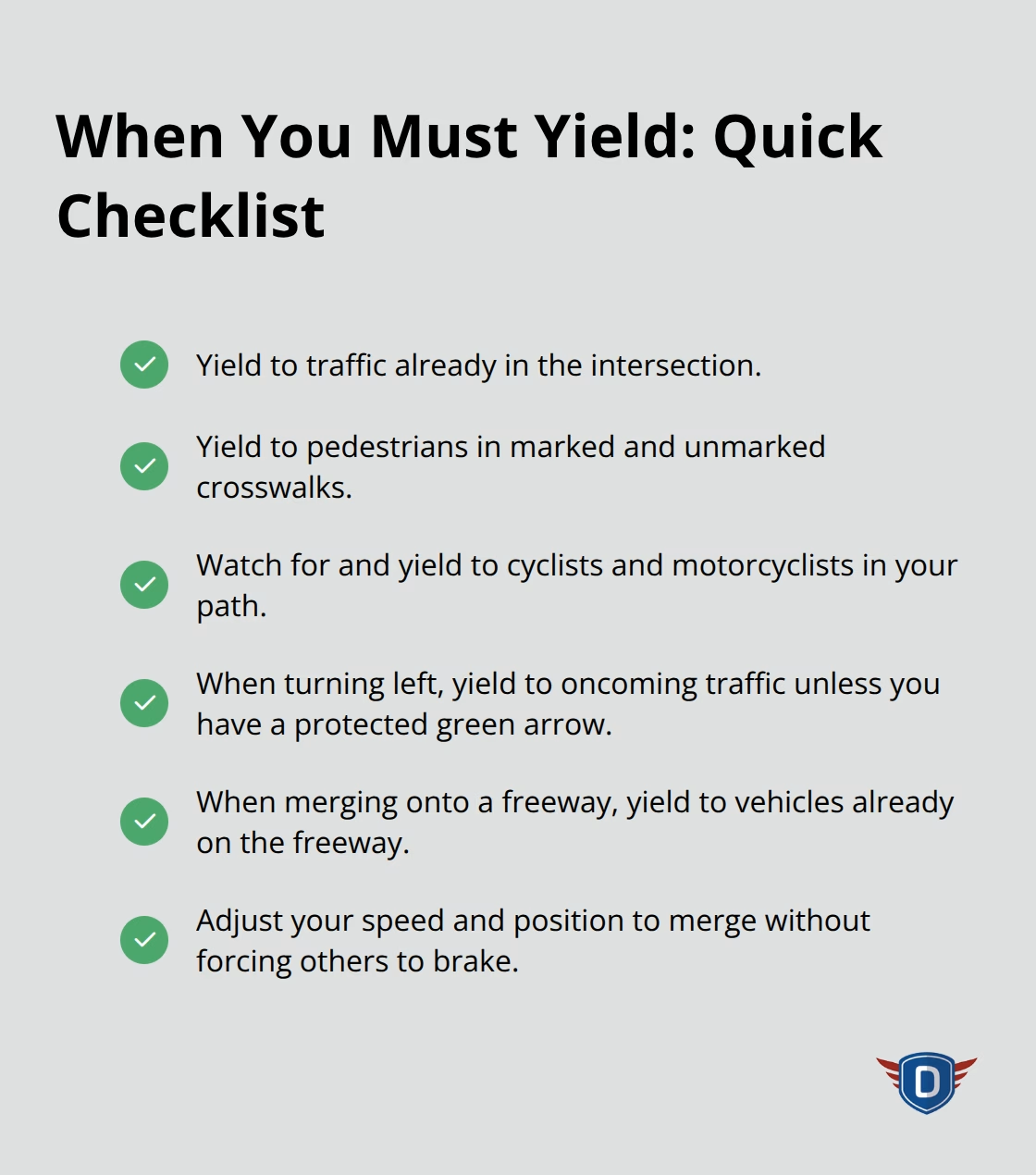
When you approach an intersection, you must yield to traffic already in the intersection, pedestrians in crosswalks, and cyclists or motorcycles in your path. If you turn left, you yield to oncoming traffic unless you have a protected green arrow. When you merge onto a freeway, vehicles already on the freeway have priority-you must adjust your speed and position to merge safely without forcing your way in.
The law defines when you must yield specifically to reduce crashes. At four-way stops, the sequence matters: first come, first go. If arrival is simultaneous, yield to the right. If three vehicles arrive at once, the car on the far left must yield to the two cars on its right. Left-turning drivers always yield to oncoming traffic, even at four-way stops. These rules aren’t suggestions-they’re codified in traffic law and enforced through traffic citations and fines.
How This Knowledge Protects You
Understanding when you have the right-of-way and, more importantly, when you don’t, protects you and everyone sharing the road. The next section explores the specific rules that apply at different types of intersections and traffic situations you’ll encounter daily.
How Traffic Signals and Intersections Shape Right-of-Way
Understanding Green Lights and Pedestrian Priority
A green traffic light gives you permission to proceed, but it does not guarantee your right-of-way. You must still yield to pedestrians already in the crosswalk and confirm you can clear the intersection before the signal changes. A green light means go only if the path ahead is safe and clear. Drivers who enter intersections on green without checking for pedestrians or verifying space on the other side create dangerous situations that could easily be prevented.
Four-Way Stop Sequences
At four-way stops, the first vehicle to arrive proceeds first regardless of direction. If two vehicles arrive simultaneously, the driver on the right has priority. When three vehicles arrive at once, the car on the far left yields to both cars on its right, which can proceed together if they’re not crossing paths. Left-turning drivers must always yield to oncoming straight traffic at four-way stops, even if they arrived at the same time.
Traffic Signal Colors and What They Require
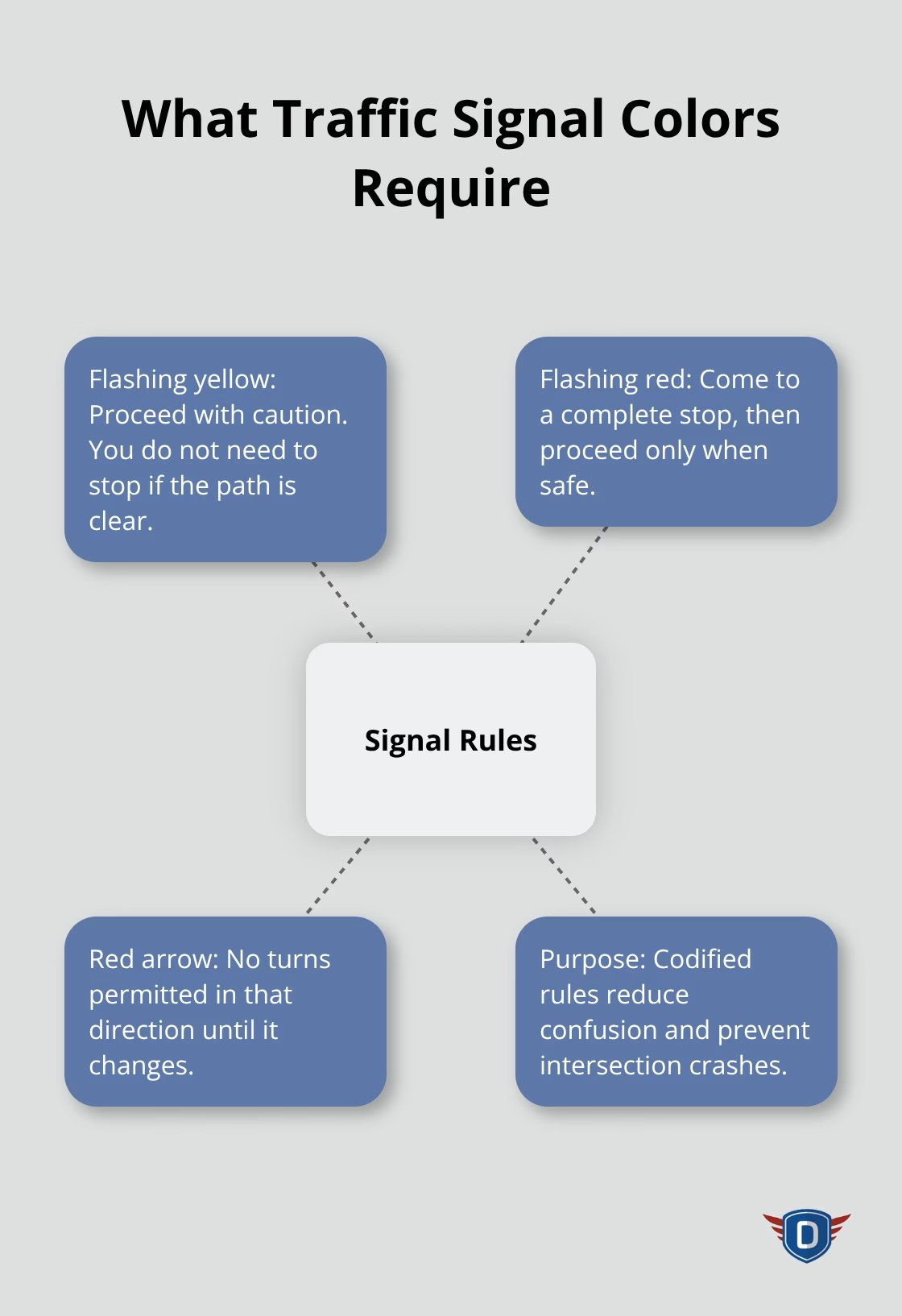
A flashing yellow light means you proceed with caution without stopping, but a flashing red light requires a complete stop before moving forward. Red arrows prohibit turns in that direction entirely. These specific rules, codified in state traffic codes, prevent the confusion that leads to intersection crashes.
Pedestrians and Cyclists Override Most Driver Advantages
Pedestrians have the right-of-way in marked and unmarked crosswalks, and you must yield even if traffic signals show Don’t Walk. Pedestrians who are blind or visually impaired with guide dogs or white canes receive extra legal protection. When you turn right or left, you must check for pedestrians, motorcyclists, and bicyclists beside or in front of your vehicle before completing the turn.
Bicyclists are treated as vehicles in most states and must follow the same right-of-way rules as cars, including coming to complete stops at four-way intersections and yielding appropriately. When you merge onto a freeway, vehicles already on the highway have priority, and you must adjust speed and position to enter safely without forcing your way in. Never merge if the driver behind you would need to brake significantly to accommodate your entry.
Special Situations: Mountain Roads and Forcing Right-of-Way
On narrow mountain roads, the uphill vehicle has the right-of-way, and downhill drivers should pull over if possible. These rules apply universally because they reflect physics and visibility-a vehicle already moving has momentum, and a driver uphill faces a steeper climb ahead. Forcing your way into traffic or demanding your right-of-way causes preventable collisions that safer, more patient driving eliminates entirely. The next section explores real-world scenarios where these rules apply in everyday driving situations.
Real-World Scenarios: Applying Right-of-Way Rules
Four-Way Stops: Sequence and Common Mistakes
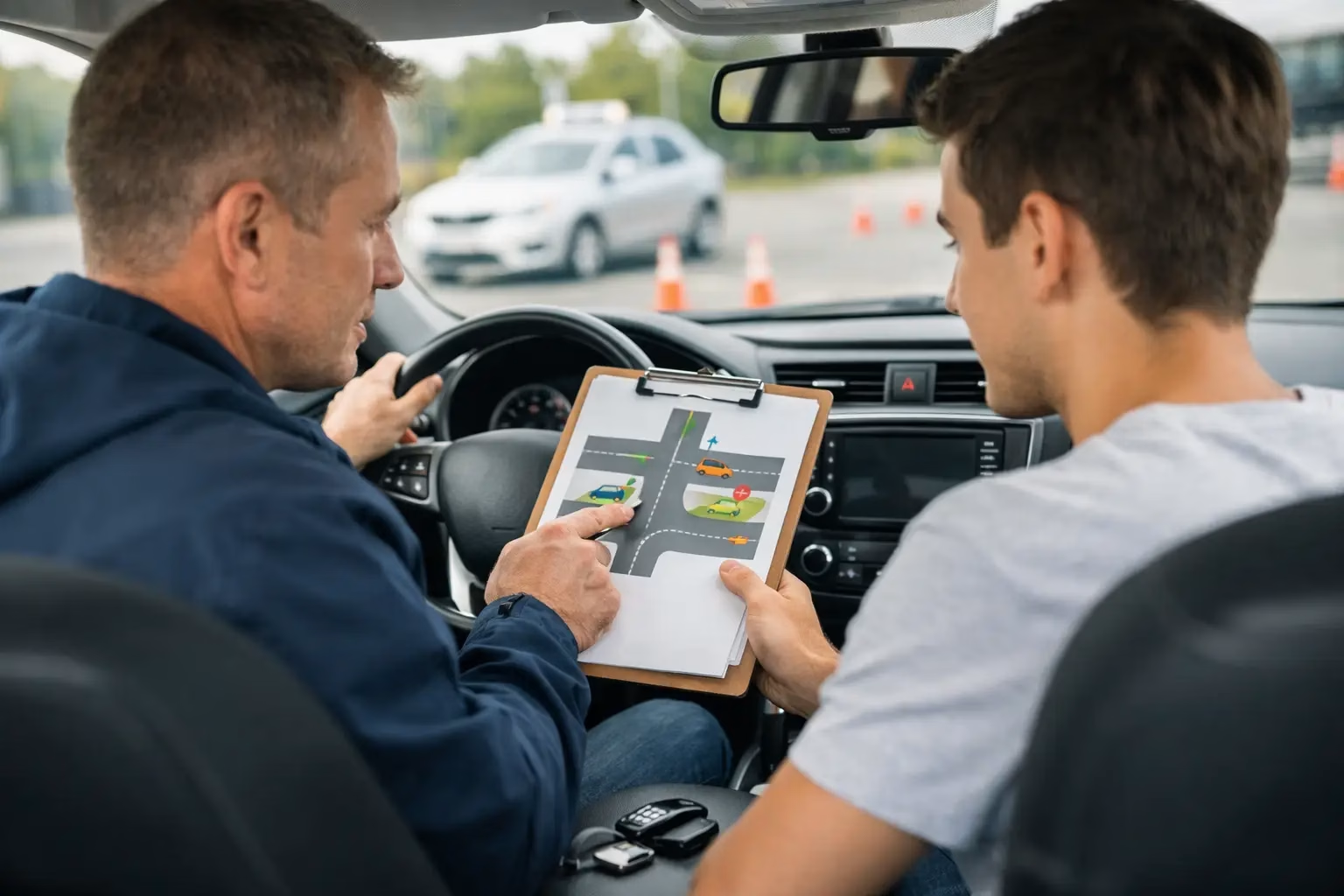
Four-way stops demand split-second decisions, and most drivers fail them. The first vehicle to arrive proceeds first, period. If you pull up to a four-way stop and another car already moves through the intersection, you stop and wait. If two vehicles arrive simultaneously side-by-side, the driver on the right goes first while the left-side driver waits. This isn’t negotiable.
When three vehicles arrive at the same time, the car on the far left must yield to both vehicles on its right, which can proceed together if their paths don’t cross. Left-turning drivers always yield to straight-moving traffic, even at four-way stops when arrival times match. The most dangerous mistake happens when drivers wave others through or hesitate, creating confusion that leads to collisions.
Use turn signals before entering the intersection to communicate your intent clearly. Move forward slowly as you begin your turn to show others what you’re doing. Stay patient and avoid rushing, even if you’re running late. Impatience at four-way stops causes preventable crashes that delay you far more than waiting a few extra seconds.
Uncontrolled Intersections and Arrival-Based Priority
Uncontrolled intersections without traffic signals or stop signs follow the same arrival-based logic: first vehicle through wins. If two vehicles approach from opposite directions and neither has a stop sign, the vehicle that arrives first has priority. At unmarked crossings where visibility matters, proceed cautiously and assume other drivers may not see you.
When you turn left into oncoming traffic at an uncontrolled intersection, you must yield to straight-moving vehicles and to pedestrians in crosswalks, even if no signal tells you to do so. This rule protects you from head-on collisions and pedestrian strikes that occur when drivers assume they have priority without confirming it.
Roundabouts: Entry, Navigation, and Exit
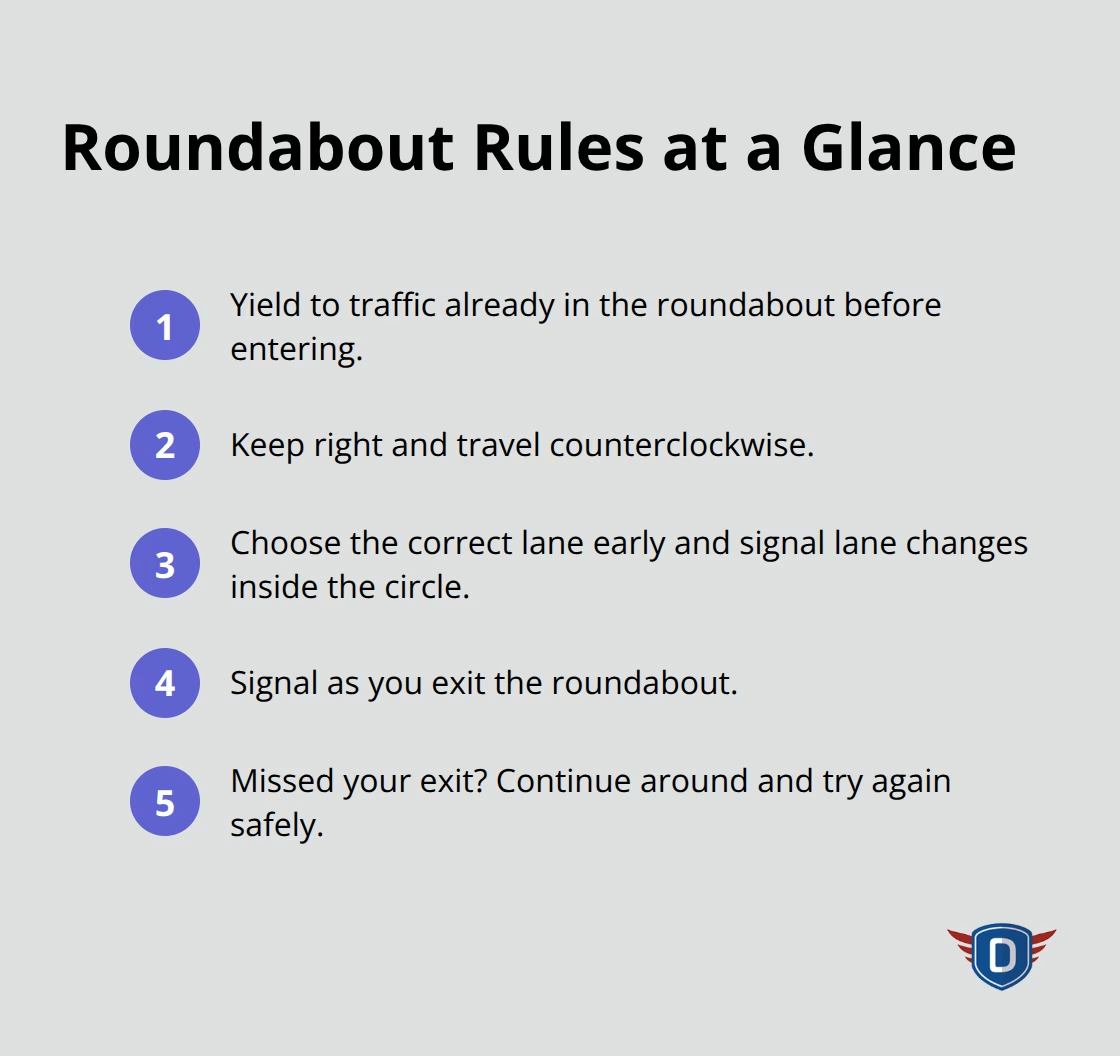
Roundabouts operate differently and trip up many drivers unfamiliar with them. Yield to traffic already inside the roundabout before you enter. Travel counterclockwise around the circle, signal when you change lanes inside the roundabout, and signal again when you exit. If you miss your exit, continue around the circle until your exit appears rather than forcing a dangerous maneuver.
Turns: Pedestrian and Traffic Checks
Right turns require you to check for pedestrians, motorcyclists, and cyclists beside your vehicle before you complete the turn. Left turns demand the same pedestrian check plus yielding to oncoming traffic unless you have a protected green arrow. These checks take seconds but prevent collisions that cause injuries, property damage, and legal liability.
The Universal Principle: Yielding Prevents Collisions
The critical principle across all scenarios remains constant: yielding prevents collisions. Forcing your right-of-way, even when legally yours, causes accidents that safe, patient driving eliminates entirely. Every scenario on the road-from four-way stops to roundabouts to uncontrolled intersections-rewards drivers who prioritize safety over speed and patience over pride.
Conclusion
Right-of-way rules explained protect you and everyone sharing the road by establishing clear priorities at intersections, four-way stops, and merging situations. When you understand when you must yield, you avoid forcing your way into traffic or demanding your right-of-way-the behaviors that cause preventable accidents. Intersection crashes account for roughly one-third of Illinois traffic accidents, and most stem from drivers misinterpreting who has priority.
Safe driving practice starts with mastering these fundamentals and reinforcing them every time you drive. You make split-second decisions with confidence at four-way stops and uncontrolled intersections by knowing the rules cold. You check for pedestrians and cyclists before turning, merge safely without forcing other drivers to brake, and recognize that patience on the road saves lives.
At DriverEducators.com, our traffic school courses help drivers of all experience levels strengthen their understanding of right-of-way rules and defensive driving techniques. Visit DriverEducators.com to explore courses designed to help you become a safer, more confident driver and protect your record while making roads safer for everyone.