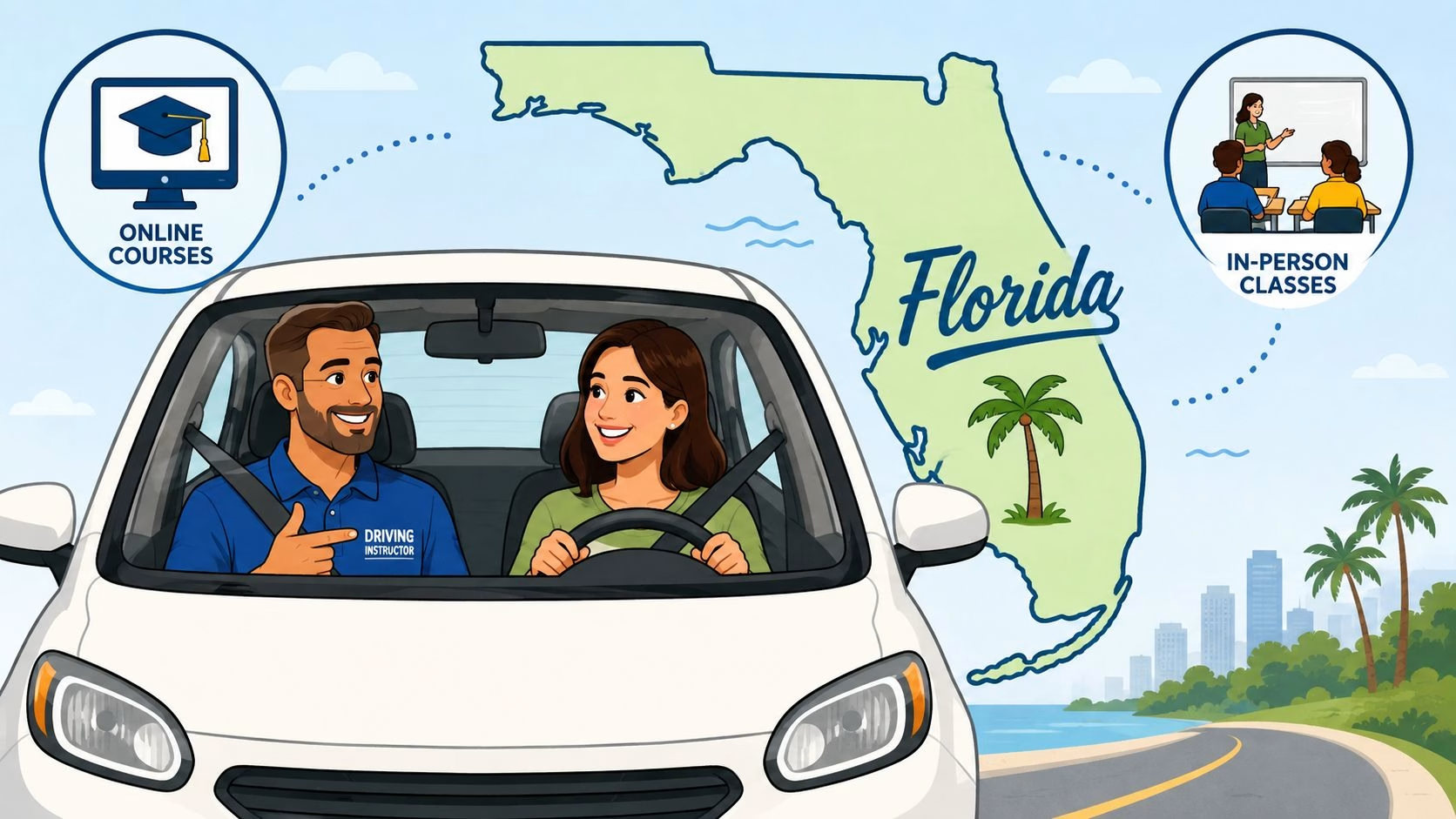

Getting a license for the first time usually sounds simple until the state requirements start piling up. A first time driver course online can make that process much easier, especially if you need approved education but do not want to sit in a classroom on someone else’s schedule.
For many new drivers, the real challenge is not the material itself. It is figuring out which course is required, whether it is state-approved, how long it takes, and whether finishing it will actually count toward licensing. That is where a reliable online course matters. It should help you meet the requirement, fit your schedule, and give you practical safety knowledge you can use the first time you are behind the wheel alone.
What a first time driver course online actually is
A first time driver course online is a state-required or state-recognized driver education program for people getting their first license. Depending on the state, it may be required for teens, adult first-time drivers, or both.
The exact course name can vary. In some states, it may be called driver education, traffic law and substance abuse education, permit prep, or a pre-licensing course. The label changes, but the purpose is similar: to teach the rules of the road, safe driving habits, and legal responsibilities before a person becomes fully licensed.
That last part matters. Not every online driving class is the same. Some are designed for ticket dismissal or insurance discounts, while others are specifically meant to satisfy a first-time licensing requirement. If you are shopping for a course, the key question is not just whether it is online. It is whether it is approved for your exact licensing purpose.
Why online courses work well for first-time drivers
Traditional classroom instruction still exists, but it is no longer the easiest fit for most people. A first time driver course online gives students more control over when and where they complete the work.
That flexibility helps teens balancing school activities, parents coordinating family schedules, and adults who are getting licensed for the first time while working full time. Instead of commuting to a class and following a fixed calendar, students can usually log in any time, complete lessons at their own pace, and return where they left off.
Convenience is only part of the value. A good online course also reduces a common source of stress: uncertainty. When the platform is clear, mobile-friendly, and built around state requirements, it is easier to understand what to do next, how much time the course takes, and what proof of completion you will receive.
There is a trade-off, though. Online learning works best when the student is willing to stay focused and complete the material honestly. If someone learns better with live instruction or needs constant supervision, an in-person option may still be a better fit. For many first-time drivers, however, the flexibility of online delivery outweighs that concern.
What the course usually covers
Most approved first-time driver programs cover the same core topics, even though state rules differ. Expect instruction on traffic laws, road signs, defensive driving, right-of-way rules, speed management, alcohol and drug impairment, sharing the road, and basic decision-making behind the wheel.
Many courses also address risk in a direct way. New drivers are statistically more likely to underestimate stopping distance, overestimate their own skill, or get distracted at the wrong moment. A quality program does not just repeat legal rules. It explains why those rules exist and how everyday choices affect safety.
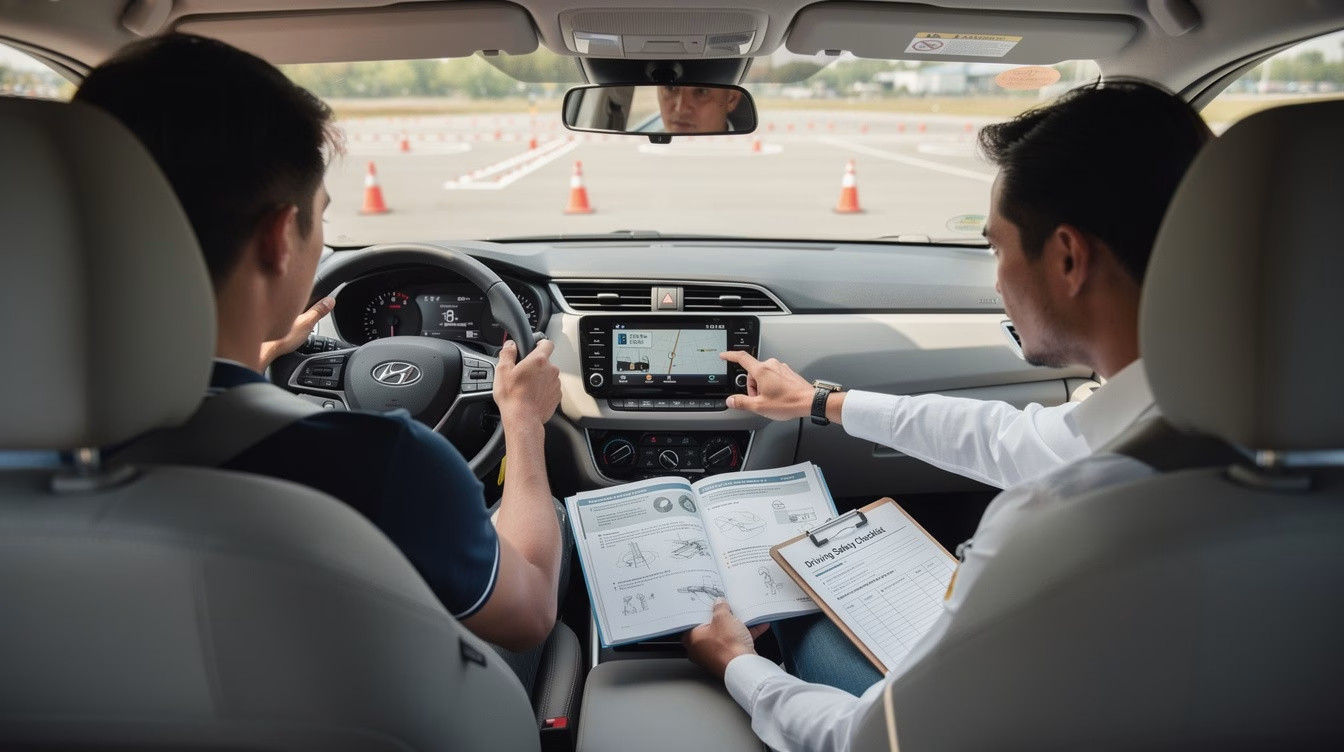
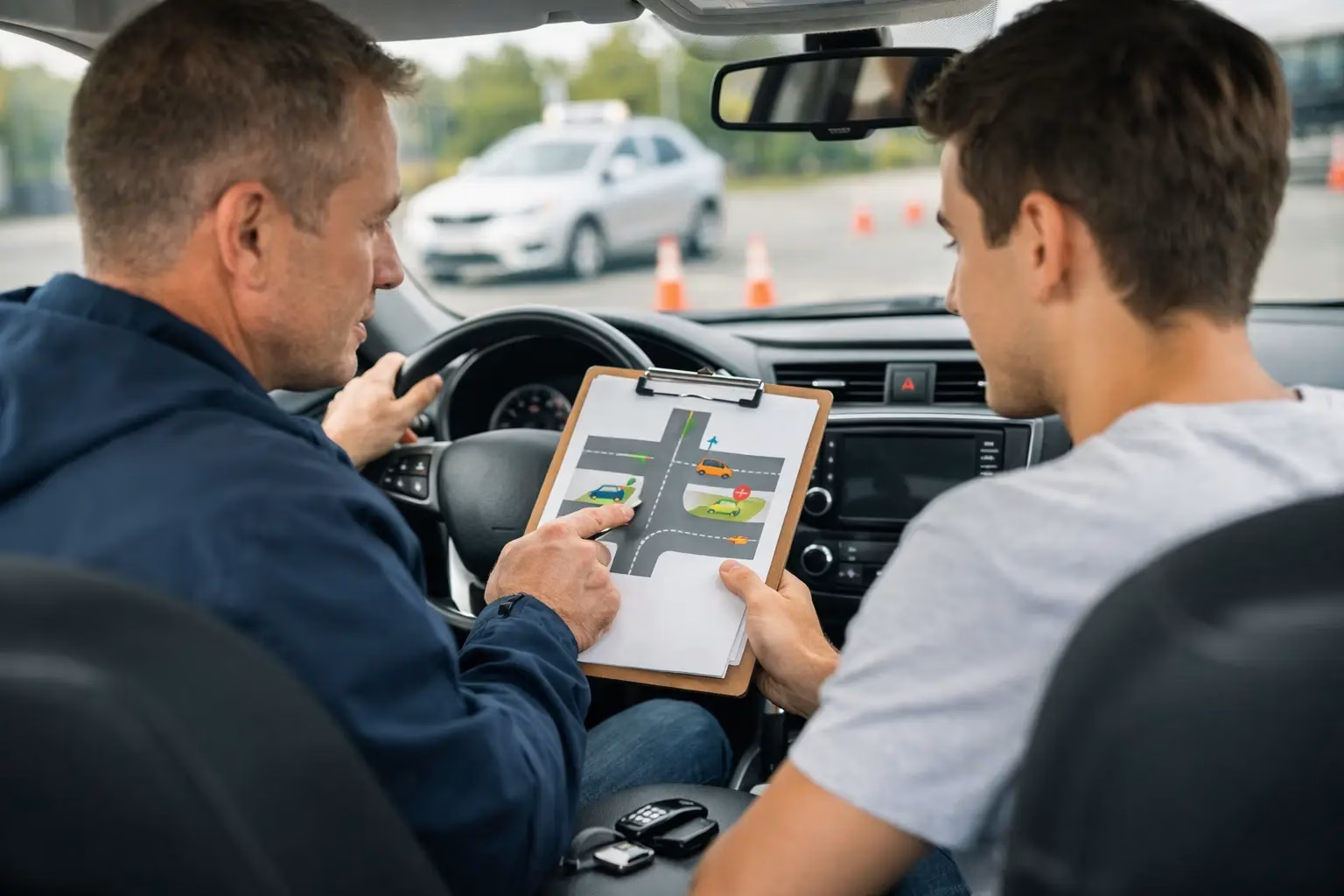
Some states separate classroom-style education from actual behind-the-wheel training. That means finishing the online course may satisfy only one part of the process. You may still need supervised driving hours, a permit, written testing, or road testing before receiving a license.
How to choose the right course
Choosing a first time driver course online
The most important factor is approval status. If your state requires a specific course, make sure the provider clearly states that the program is approved for your state and for first-time licensing. If that information is vague or hard to find, that is a warning sign.
After approval, look at usability. A course should be easy to access on a phone, tablet, or computer, with straightforward progress tracking and simple login access. This matters more than people think. If the platform is frustrating, students are more likely to delay completion.
Pricing transparency is also worth checking. A low advertised price can lose its appeal if extra certificate fees or hidden charges appear later. First-time drivers and parents usually want a predictable total cost, especially when licensing already includes permit fees, testing costs, and possibly driving lessons.
Customer support matters too. If you have a deadline, a missing completion record, or a state-specific question, responsive support can save time and stress. An approved provider with clear support channels is often a safer choice than a bargain course with limited help.
State rules are not all the same
This is where many people make mistakes. They assume that if a course is valid in one state, it works everywhere. It does not.
Some states require driver education only for teen drivers. Others have separate requirements for adults getting a first license. Florida, for example, has its own pre-licensing education requirement for many first-time drivers. Other states may require a shorter course, a permit prep class, or no formal online coursework at all.
Because of that, the right course depends on your age, your state, and where you are in the licensing process. If you are unsure, check the exact requirement before enrolling. A course can be high quality and still be the wrong one for your situation.
What to expect during and after the course
Most online programs are self-paced. You create an account, complete each lesson, and pass quizzes or a final assessment if required. Some states set a minimum number of hours, which means the course cannot be rushed even if the material feels easy.
After completion, students typically receive a certificate or an electronic record of completion, depending on state rules. That proof may need to be presented to the DMV, licensing agency, driving school, or parent or guardian. Keep copies of any confirmation emails and certificates until your license process is fully complete.
A practical course should also leave you more prepared, not just more compliant. Passing a written requirement is useful, but the bigger value is understanding how to manage real traffic situations, avoid common beginner mistakes, and recognize risk before it turns into a crash.
FAQ
Is a first time driver course online required?
Sometimes. It depends on your state, your age, and whether the course is part of permit or license eligibility.
How long does a first time driver course online take?
It varies by state. Some courses take only a few hours, while others have longer state-mandated instruction times.
Can I take the course on my phone?
Usually, yes. Many approved providers offer mobile-friendly access so you can study on a phone, tablet, or computer.
Does finishing the course mean I get my license?
No. The course is usually one step in the licensing process.
You may still need a permit, supervised practice, a written exam, or a road test.
How do I know if the course is approved?
Check for clear state approval information. The provider should say which state the course is approved in and what requirement it satisfies.
Is an online course as valid as a classroom course?
Yes, if it is state-approved for your requirement. Approval matters more than whether the class is online or in person.
What if I choose the wrong course?
You may have to retake a different one. That is why matching the course to your exact state and licensing need is so important.
For first-time drivers, the best course is not just the cheapest or the fastest one. It is the one that is approved, easy to complete, and built to help you move through the licensing process with fewer surprises. If you choose carefully, an online program can save time, reduce stress, and give you a stronger start on the road.