A safe trip is usually decided before a driver reaches the first intersection. A rushed departure, an unread text, worn tires, or a plan to “make up time” can create risk long before a near-miss occurs. Driver safety is not about driving perfectly. It is about using consistent decisions that leave room for other drivers’ mistakes, changing road conditions, and the unexpected.
For new drivers, experienced commuters, and motorists completing a court, DMV, or insurance requirement, the same principle applies: safe driving is a skill set that improves with focused practice. The habits below address the situations that lead to many preventable crashes while keeping the guidance practical for everyday travel.
Driver Safety Starts Before the Vehicle Moves
The first safety decision is whether you are ready to drive. Fatigue, alcohol, drugs, certain prescription medications, emotional stress, and distraction can affect judgment and reaction time. Being legally permitted to drive does not always mean you are in condition to drive safely.
Give yourself enough time to get where you are going. A driver who leaves late is more likely to speed, follow too closely, make rushed turns, or check a phone for directions while moving. Build in a few extra minutes, set navigation before shifting into gear, and place your phone where it will not compete for your attention.
A brief vehicle check also matters. Confirm that mirrors are adjusted, the windshield is clear, lights are working, and tires appear properly inflated. In rain, darkness, or extreme temperatures, these basic checks become even more valuable because the road provides less margin for error.
Manage Speed for the Conditions, Not Just the Sign
Speed limits set a legal maximum under favorable conditions. They are not a guarantee that a particular speed is safe at every moment. Rain, fog, traffic congestion, construction zones, curves, reduced visibility, and poor pavement conditions may require driving well below the posted limit.
Higher speed changes more than the distance traveled each second. It reduces the time available to recognize a hazard and increases the distance needed to stop. It also makes the consequences of a crash more severe for vehicle occupants, pedestrians, bicyclists, and motorcyclists.
Use a simple question when choosing your speed: if traffic suddenly stopped or an obstacle appeared ahead, would you have enough time and space to respond? If the answer is uncertain, reduce speed and increase following distance.
Leave Space You Can Use
Following distance gives you options. When another driver brakes hard, changes lanes unexpectedly, or loses control, space can be the difference between a close call and a collision.
In normal conditions, choose a fixed object ahead and allow at least three seconds between the vehicle in front passing it and your vehicle reaching it. Add more time at night, in poor weather, behind large vehicles, or when towing. The correct gap depends on conditions, so a longer following distance is often the safer choice.
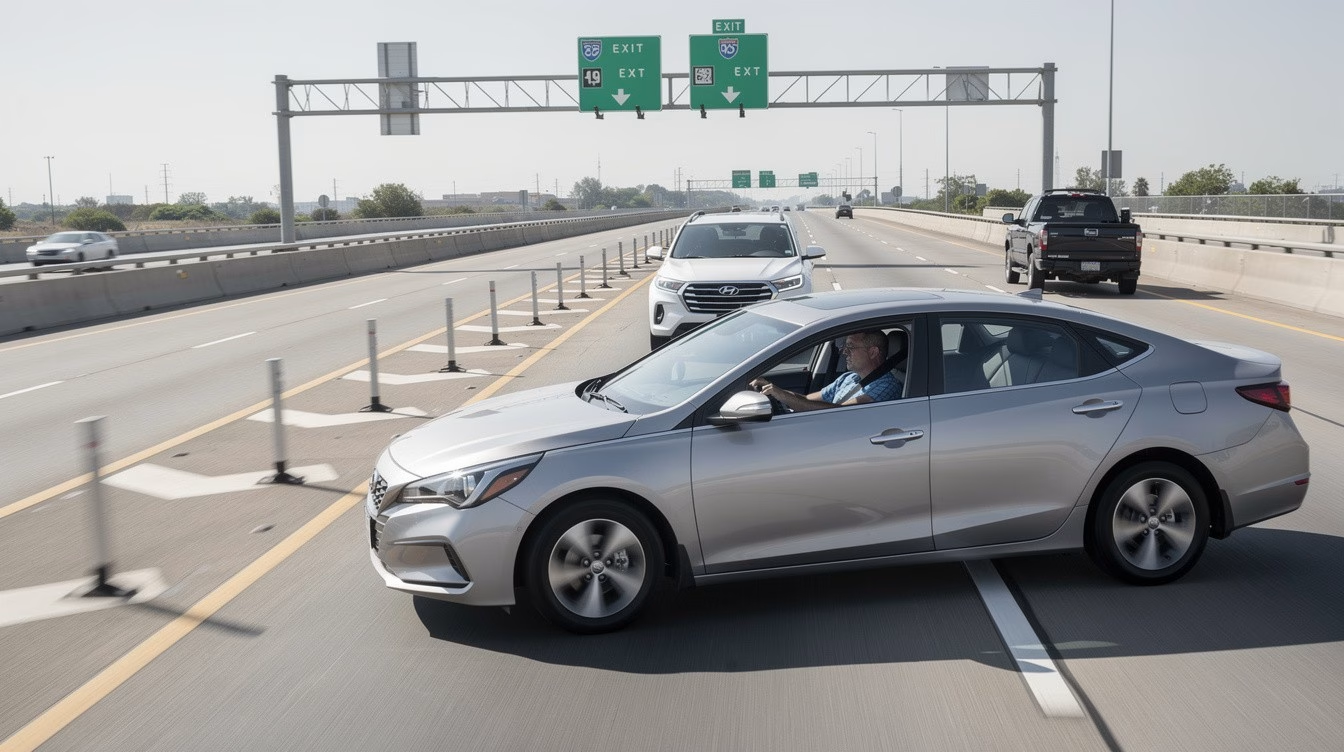
Avoid driving in another vehicle’s blind spot. If you cannot see a truck or bus driver’s mirrors, that driver may not be able to see you. Pass deliberately, then return to a safe position with adequate space.
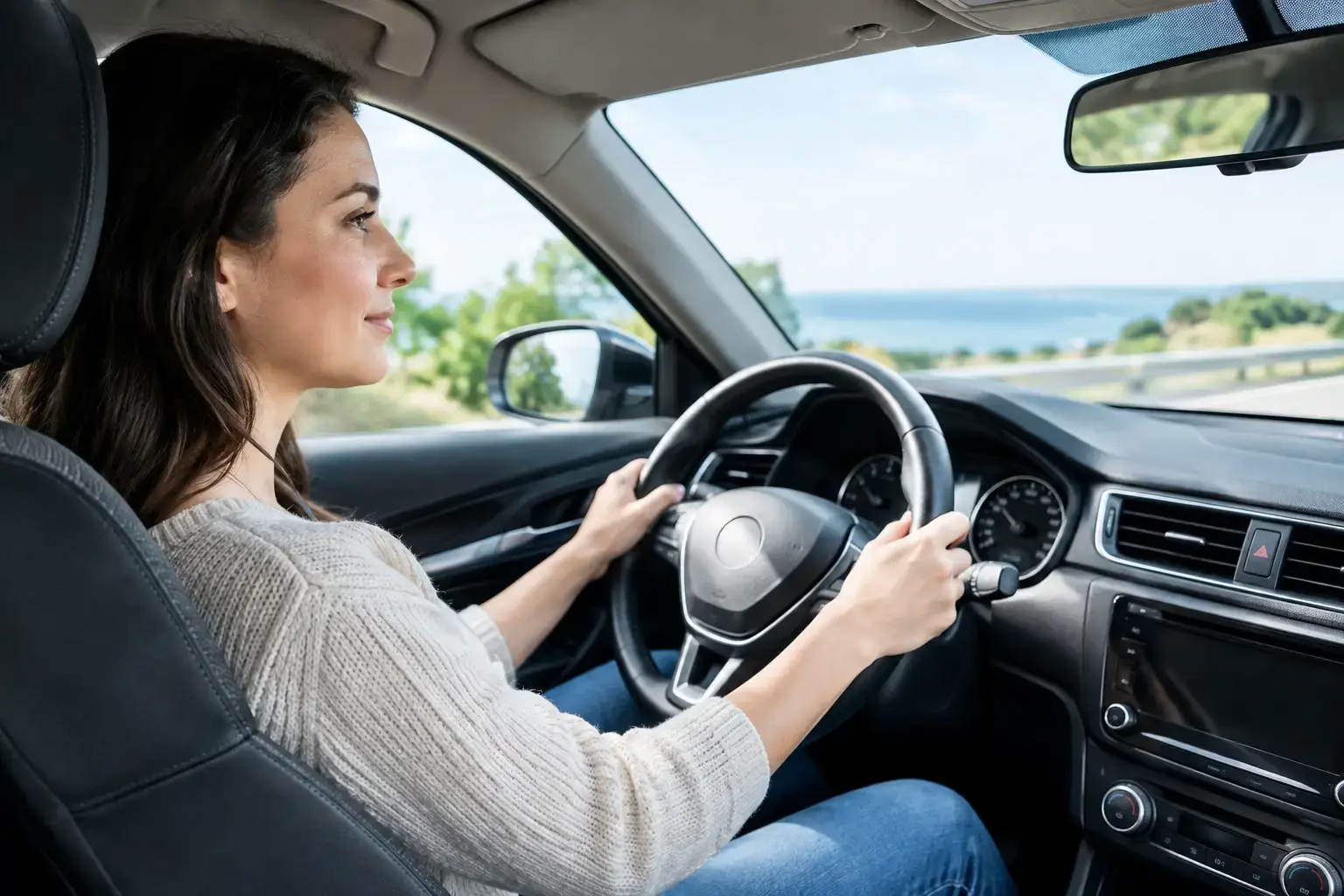
Keep Your Attention on the Driving Task
Distracted driving includes more than texting. Looking for an item in a bag, adjusting a playlist, eating, arguing with passengers, checking a notification, or repeatedly looking at navigation can all take attention away from traffic.
A glance at a phone can feel brief, but a vehicle travels a significant distance in only a few seconds. At highway speeds, that distance can be longer than a football field. The risk is not just the time your eyes leave the road. Your mind may remain focused on the message or task after you look back up.
Set up music, climate controls, and directions before driving. If a call, message, or navigation change cannot wait, pull over somewhere safe and legal. Hands-free technology may reduce manual distraction, but it does not remove the mental distraction of a demanding conversation.
Passengers can either support or weaken driver safety. Ask passengers to help with directions or messages when appropriate, but do not let conversation, horseplay, or pressure from others influence safe decisions. This is especially important for teen drivers, who can face added distraction from peer passengers.
Scan Ahead and Expect Other Road Users
Safe drivers do not stare only at the vehicle directly ahead. They scan well down the road, check mirrors regularly, and look for developing hazards near intersections, driveways, crosswalks, and lane changes.
At intersections, do not assume another driver will stop because a signal or sign requires it. Before proceeding on a green light, look for late red-light runners, turning vehicles, pedestrians, and cyclists. When turning, check twice for people crossing and for motorcycles, which can be harder to see and judge by distance.
Use turn signals early enough to communicate your intentions. Before changing lanes, check mirrors, signal, and look over your shoulder for vehicles in blind spots. A signal is a request to merge, not permission to move into occupied space.
Share the Road Without Making Assumptions
Large trucks need more space to turn and take longer to stop. Motorcycles may appear farther away or slower than they are. Bicyclists can need room to avoid debris, opening car doors, or poor pavement. Pedestrians may be distracted, difficult to see, or legally present in a crosswalk even when a driver did not expect them.
The practical response is patience. Do not cut closely in front of a truck, crowd a cyclist, or turn across the path of an approaching motorcycle because you think there is just enough time. A few seconds of delay is a reasonable trade-off for avoiding a serious crash.
Drive Defensively, Not Aggressively
Defensive driving means planning for the possibility that others may make mistakes. It does not mean driving timidly or disrupting traffic. It means staying alert, keeping a safe buffer, obeying traffic laws, and choosing the lowest-risk response when another driver behaves unpredictably.
Aggressive driving often begins with frustration: someone merges slowly, fails to signal, or drives below the speed you prefer. Tailgating, speeding up to block a merge, flashing headlights, yelling, or making gestures can turn frustration into danger quickly.
If another driver is acting aggressively, create distance. Do not compete, brake-check, follow the vehicle, or try to teach the driver a lesson. Change lanes when safe, take another route if needed, and contact law enforcement if there is an immediate threat. Your goal is to get home safely, not win an argument on the road.
Adjust for Night, Weather, and Visibility
Conditions change the way a vehicle handles and the way drivers perceive hazards. At night, headlights limit what you can see, and glare can make it harder to notice pedestrians, lane markings, or standing water. Slow down, increase following distance, and use high beams only when legal and appropriate.
Rain reduces tire traction and can make the first minutes especially slick as oil rises to the surface. Avoid sudden braking, rapid steering, and hard acceleration. If visibility is poor, turn on headlights so other road users can see you, even during daytime rain.
If your vehicle begins to hydroplane, ease off the accelerator and keep steering steady. Do not slam on the brakes or make sharp corrections. In snow or ice, postpone travel when possible. If travel is necessary, use slower speeds, much more space, and smooth inputs.
Build Better Habits Through Driver Education
Most drivers know basic traffic rules. The harder part is applying them consistently when traffic is stressful, time is limited, or conditions are unfamiliar. A quality driver improvement or traffic safety course can help refresh legal responsibilities, identify risky patterns, and provide strategies for making better decisions behind the wheel.
Course requirements vary by state and purpose. A driver may need education for first-time licensing, a citation, court compliance, a mature-driver insurance discount, or a specialized traffic offense. Before enrolling, confirm the course is accepted for your specific state, court, DMV, or insurer requirement.
DriverEducators.com provides convenient online course options designed to help eligible drivers complete required education on their own schedule while reinforcing practical safe-driving skills. The right course should make compliance clear, pricing transparent, and access manageable from the devices you use.
Frequently Asked Questions About Driver Safety
What is driver safety?
Driver safety is the practice of operating a vehicle in ways that reduce the risk of crashes, injuries, and traffic violations. It includes attention, speed control, space management, vehicle readiness, and compliance with traffic laws.
What is the most effective driver safety?
Maintaining attention and enough following distance are among the most effective habits. Together, they give a driver more time to recognize and respond to hazards.
Does hands-free phone use make driving safe?
No. Hands-free use can reduce the need to hold a device, but conversations and notifications can still distract a driver mentally. The safest option is to handle nonessential communication after parking.
How does a driver safety course help?
A driver safety course reviews traffic laws, hazard recognition, and defensive driving techniques. Depending on the course and your state, it may also help meet a licensing, court, citation, or insurance-related requirement.
When should drivers increase following distance?
Drivers should increase following distance in rain, fog, darkness, heavy traffic, on slick roads, and behind large vehicles. More space gives you more time to brake or steer safely.
Every mile creates new variables, but your response does not have to be improvised. Leave early, stay focused, make room for others, and choose patience when the road becomes unpredictable. Those decisions protect more than your own trip.