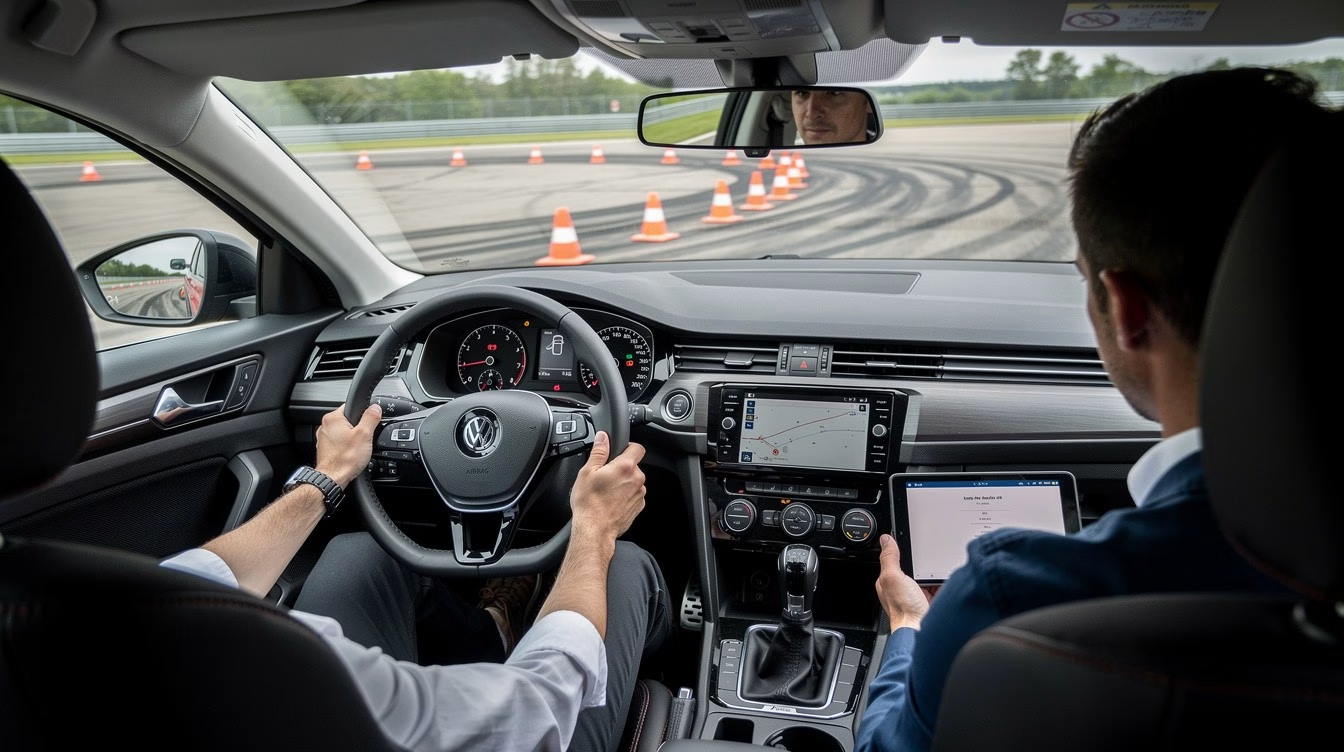
Most drivers think they know how to handle emergencies on the road. The truth is, advanced defensive driving techniques separate responsible drivers from those who rely on luck.
We at DriverEducators.com have seen firsthand how proper training transforms driver behavior. This guide covers the skills that actually prevent accidents: hazard recognition, precise braking, vehicle control, and recovery techniques.
Situational Awareness and Hazard Recognition
Scan the Road 12 to 15 Seconds Ahead
Most drivers scan inadequately, and this gap costs lives. You need to look at least a quarter-mile in front of you at highway speeds-that’s 12 to 15 seconds of road ahead. Check your mirrors every five to eight seconds and glance at your blind spots before any lane change. This constant scanning reveals hazards early: a vehicle drifting between lanes, brake lights illuminating suddenly in heavy traffic, or a pedestrian stepping toward the curb.
How Weather Transforms Hazard Development
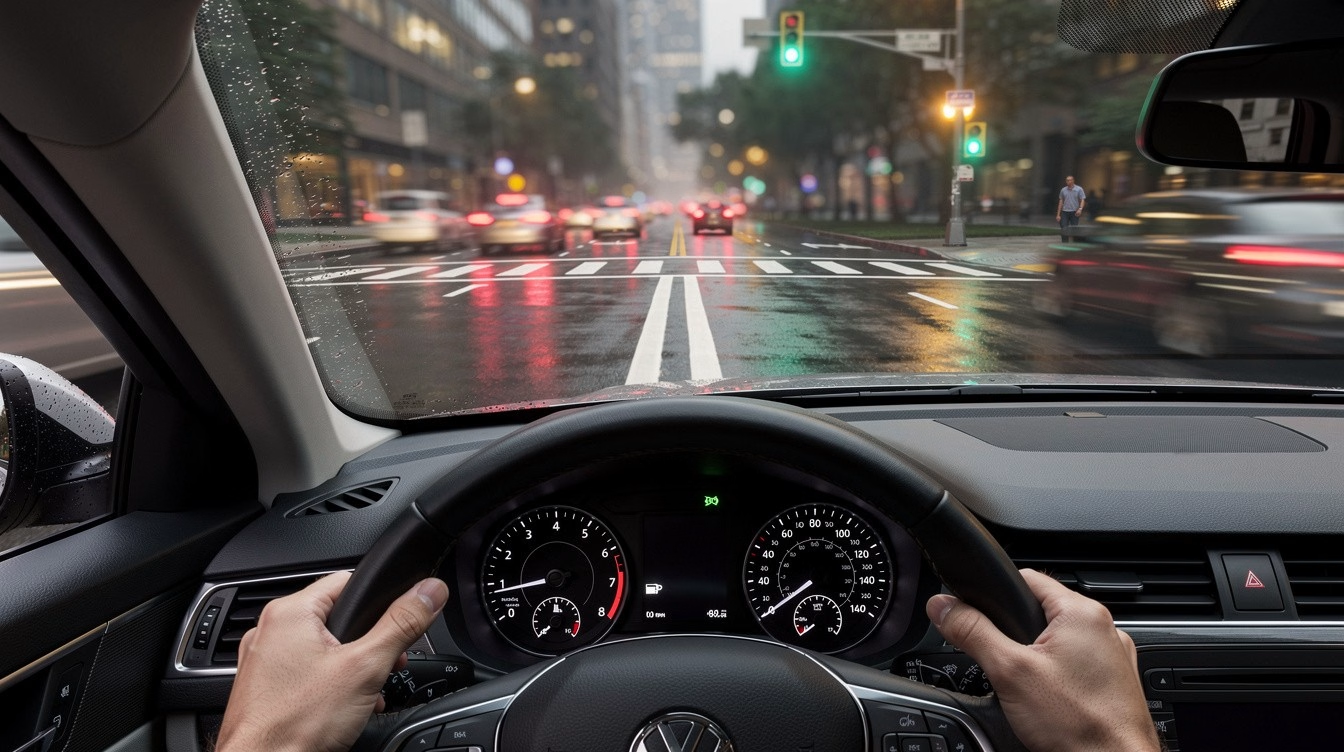
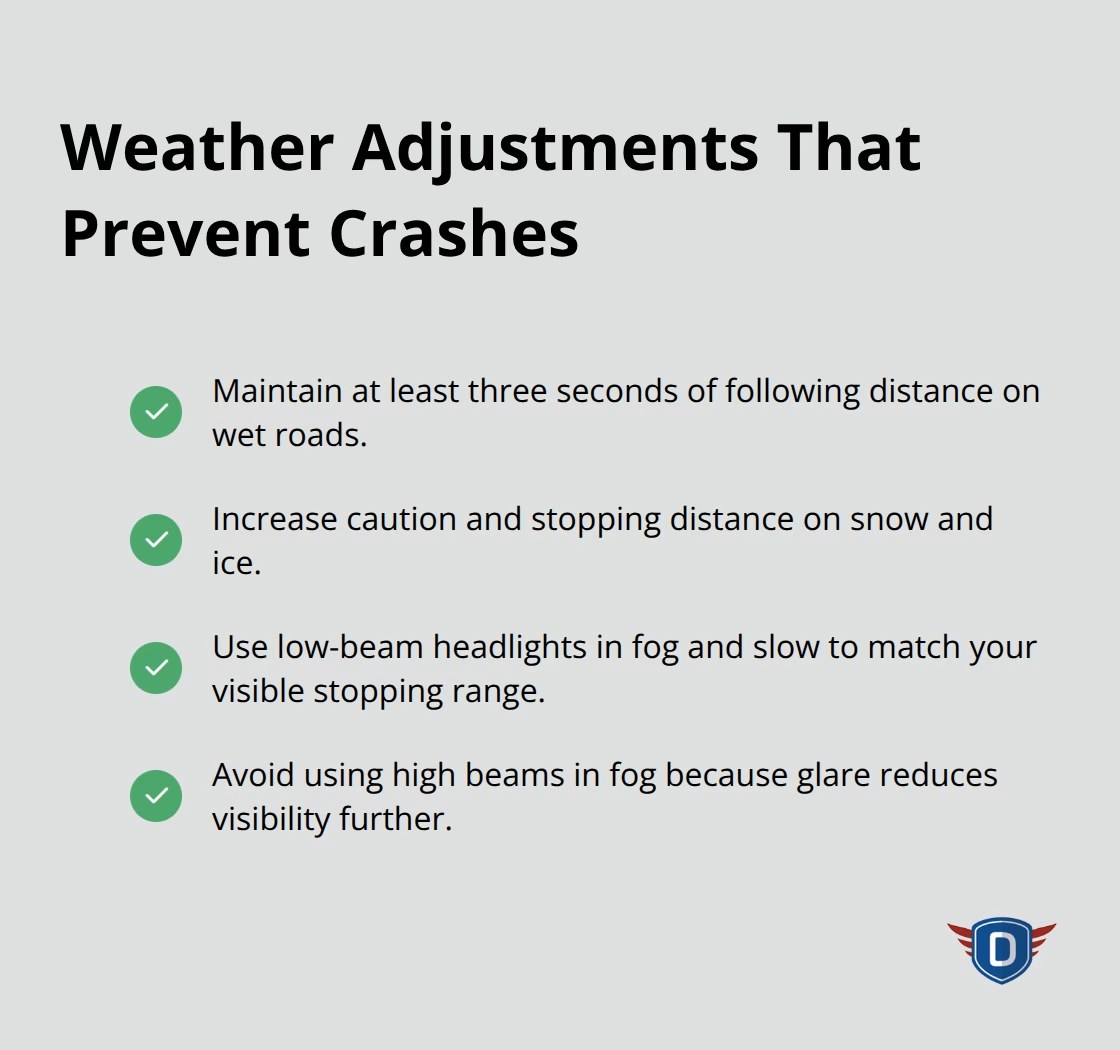
Rain reduces tire grip and extends stopping distances significantly; maintain three seconds between you and the car ahead when roads are wet. Snow and ice demand even more caution since braking effectiveness drops dramatically. Fog limits visibility, so reduce speed and use low-beam headlights, not high beams (which reflect off moisture and reduce sight lines further).
Identify Aggressive Driver Behavior Before It Escalates
Aggressive driver behavior includes tailgating, rapid lane changes without signaling, and weaving through traffic. When you identify an aggressive driver, do not make eye contact, stay calm, and create space by changing lanes or pulling over. Never escalate the situation by matching their speed or blocking their path. Avoiding confrontation is your safest strategy.
Read Road Conditions and Driver Behavior Simultaneously
Dark clothing on pedestrians at night requires earlier detection than daytime visibility allows. Wet roads near intersections hide standing water that causes hydroplaning. Trucks and buses have larger blind spots and slower stopping capability, so maintain extra distance and avoid lingering beside them. Your head moves constantly, your eyes stay active, and you anticipate what other drivers will do before they do it-this is the foundation that allows you to execute the precise braking and speed control techniques that prevent crashes in the first place.
Braking and Speed Control Strategies
Master the Two-Second Rule
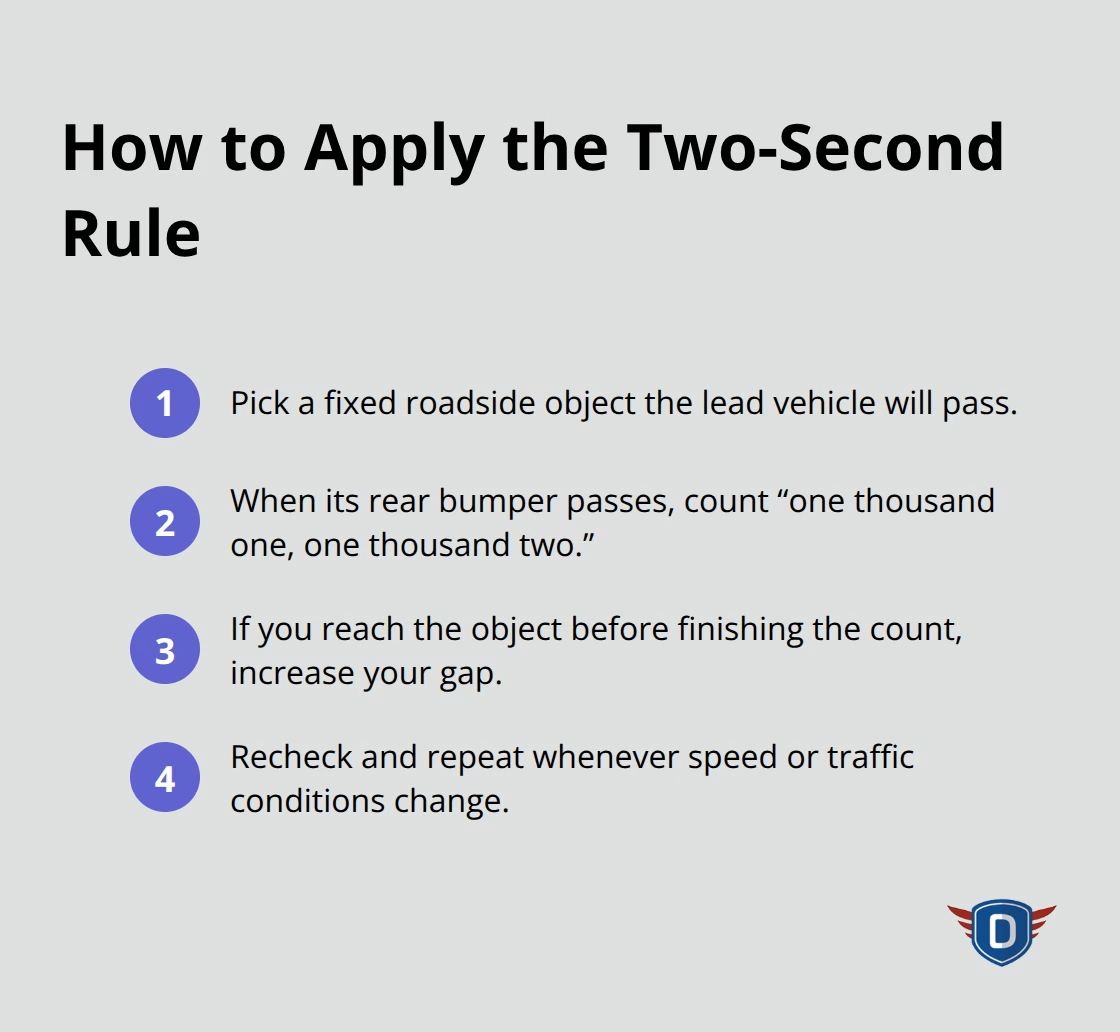
The two-second rule fails most drivers because they measure it wrong or ignore it entirely. Position yourself so that when the rear bumper of the car ahead passes a fixed object like a road sign or utility pole, you count one thousand one, one thousand two before your front bumper reaches that same object. If you reach it before finishing the count, you’re following too closely and need to back off immediately.
Wet roads demand three seconds of separation; near large trucks or in fog, extend it to four seconds. Speed control directly affects following distance. At 30 mph you need roughly 65 feet to stop completely, but at 60 mph that distance jumps to 180 feet. Most drivers underestimate how far they travel while braking, especially on rain-slicked pavement or gravel shoulders. The three-second rule accounts for your reaction time plus actual braking distance, which is why it works across different speeds and conditions.
Execute Emergency Braking Without Losing Control
Emergency braking separates drivers who maintain control from those who lock up the wheels and skid. Modern vehicles with anti-lock braking systems let you apply full pressure without pumping the pedal-press hard and hold steady. Older vehicles without ABS require a different approach: apply firm pressure, and if the wheels lock, ease off slightly until you regain traction, then reapply.
Apply brakes progressively rather than slamming them to prevent wheel lockup and maintain steering control. Let the system do its job on modern vehicles. This distinction matters because improper braking technique turns a manageable emergency into a dangerous skid.
Adjust Speed Before Hazards Develop
Speed adjustment before hazards matters more than emergency braking after the fact. Reduce speed when entering curves, approaching intersections, or driving through work zones where fines are doubled according to New York traffic law. Reduce your speed by one-third in rain and by half in snow conditions.
Fog requires low-beam headlights and speeds slow enough that you can stop within your visible range (high beams reflect off moisture and actually reduce visibility). Heavy traffic demands constant speed adjustments because brake lights cascade ahead of you; anticipate slowdowns by easing off the accelerator early rather than braking hard suddenly.
Transition to Vehicle Control
The drivers who avoid crashes aren’t reacting to emergencies-they’re adjusting speed and distance before emergencies develop. This foundation of precise braking and speed control sets the stage for the steering techniques and evasive maneuvers that allow you to maintain control when hazards demand immediate action.
Vehicle Control When Hazards Demand Immediate Action
Position Your Hands for Maximum Control
Your hands belong at the 3 and 9 o’clock positions on the wheel, giving you maximum leverage and control without fighting the steering mechanism. This hand position lets you respond quickly to unexpected hazards without overcorrecting. When you encounter an unexpected hazard, resist the impulse to jerk the wheel hard in one direction. Instead, make smooth, deliberate inputs that allow the vehicle to respond predictably.
Steer Into the Hazard, Not Away From It
If a tire suddenly blows or you hit gravel on the shoulder, grip the wheel firmly and steer in the direction you want the front wheels to go, not away from the hazard. Most drivers panic and overcorrect, which sends the vehicle into a skid or rollover. Modern vehicles with electronic stability control help prevent this, but they cannot override poor steering technique. The moment you feel the vehicle begin to lose traction, reduce throttle input immediately and maintain steady steering pressure.
Accelerating or braking aggressively while the wheels are sliding only deepens the loss of control. At highway speeds, a single panic steer input can transform a recoverable situation into a multi-vehicle collision. Your calm response determines whether you walk away or face serious consequences.
Execute Evasive Maneuvers With Proper Spacing
Evasive maneuvers work only when you have established proper following distance and speed beforehand. If a vehicle ahead stops suddenly or an object falls into your path, you need space to either brake hard or execute a lane change without hitting another car. The two-second rule gives you this margin. When you must swerve, check your mirrors and blind spots instantly, then steer smoothly into the adjacent lane.
Do not brake while changing lanes at highway speeds, as this reduces traction when you need maximum grip. Complete the maneuver, then straighten the wheel and control your speed. If both lanes are blocked and braking is your only option, apply firm pressure without pumping the pedal on vehicles with anti-lock brakes and hold steady until you stop. On older vehicles without ABS, apply pressure, ease off if the wheels lock, then reapply.
Recover Control After a Skid
Recovery after a skid demands that you remain calm and avoid overcorrecting. Steer in the direction you want the front wheels to go. For example, if your rear wheels are sliding left, steer left. If they’re sliding right, steer right.
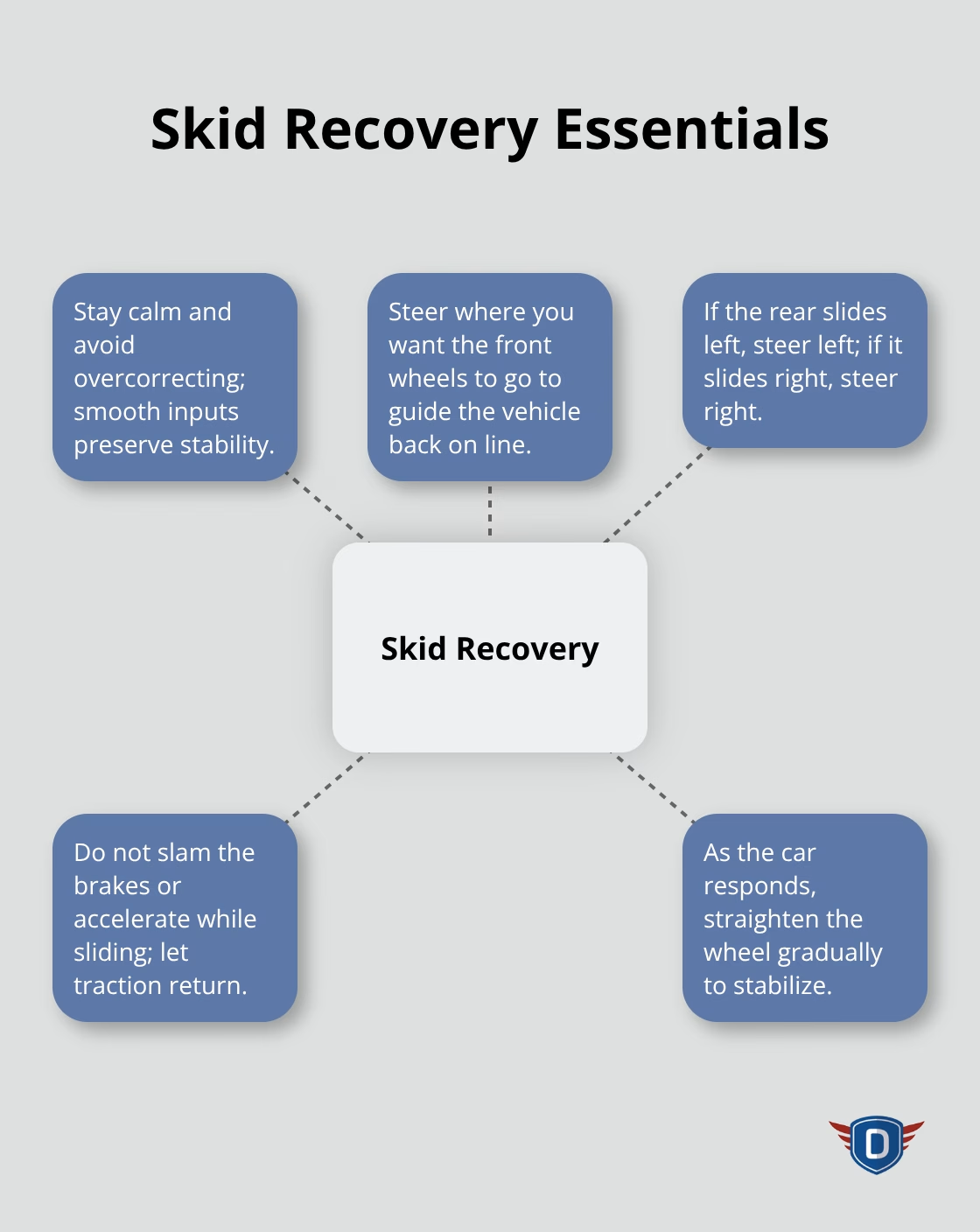
Do not slam on the brakes or accelerate. Let the steering correction work, then straighten the wheel once the vehicle responds. These techniques take practice, and quick reactions to changing road conditions help drivers develop the muscle memory needed for emergencies. Drivers who rehearse these responses mentally and physically react faster when actual road emergencies occur.
Final Thoughts
Advanced defensive driving techniques work because they address the root cause of crashes: poor decision-making before emergencies develop. The skills covered in this guide-scanning 12 to 15 seconds ahead, maintaining proper following distance, adjusting speed for conditions, and executing smooth steering inputs-form a system that prevents accidents rather than reacting to them. Responsible drivers understand that hazard recognition happens first, speed control happens second, and vehicle handling becomes the final layer of protection.
Most drivers skip the first two steps and rely entirely on emergency braking or evasive maneuvers, which is why they crash when conditions demand precision. Building these skills requires more than reading about them; repetition and structured training embed these responses into your muscle memory so you react correctly under pressure. We at DriverEducators.com recognize that defensive driving education transforms how drivers approach every trip through real-life scenarios and clear instruction.
Whether you need to satisfy court requirements, lower your insurance costs, or simply become a safer driver, DriverEducators.com courses provide the structured training that turns knowledge into action. The road demands constant attention and deliberate decision-making, and mastering advanced defensive driving techniques makes you the driver who avoids crashes instead of hoping to survive them.