The DMV road test determines whether you’re ready to drive independently. Most test-takers fail because they skip proper preparation or panic during the exam.
We at DriverEducators.com have helped thousands of students pass on their first attempt. This guide covers the pass road test tips that actually work: pre-test preparation, vehicle safety checks, and defensive driving techniques.
How to Prepare for Your Road Test
Schedule Structured Practice Drives
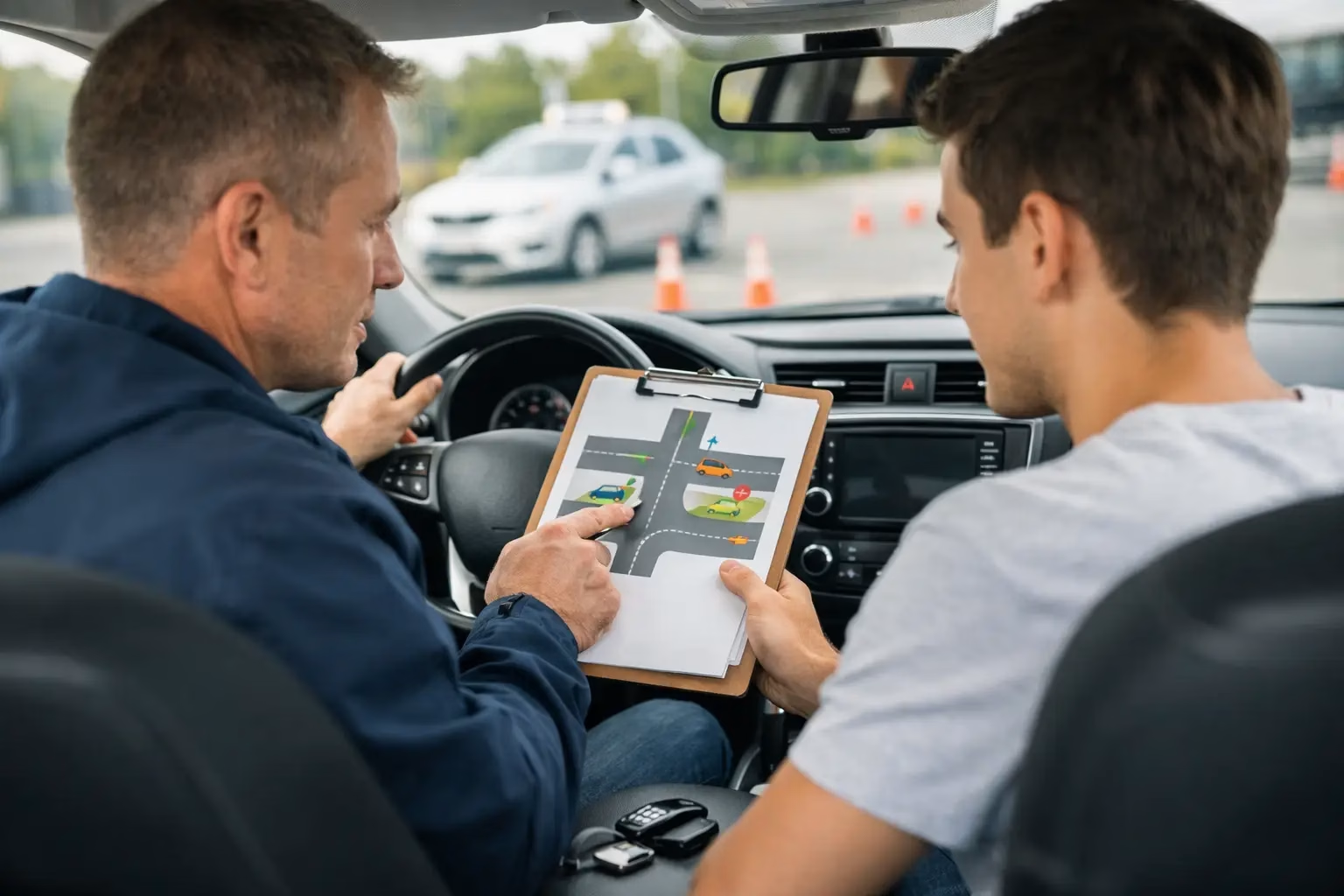
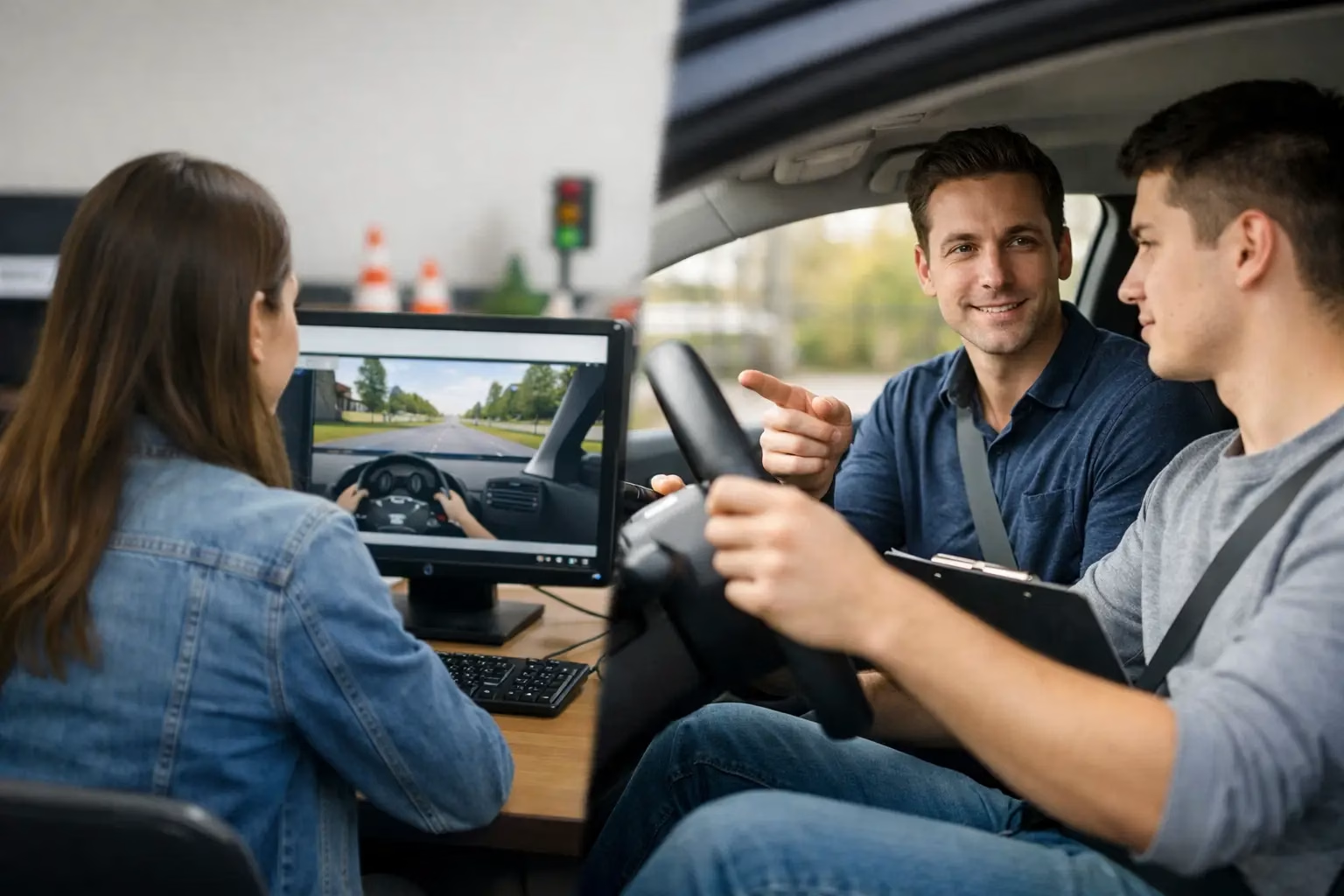
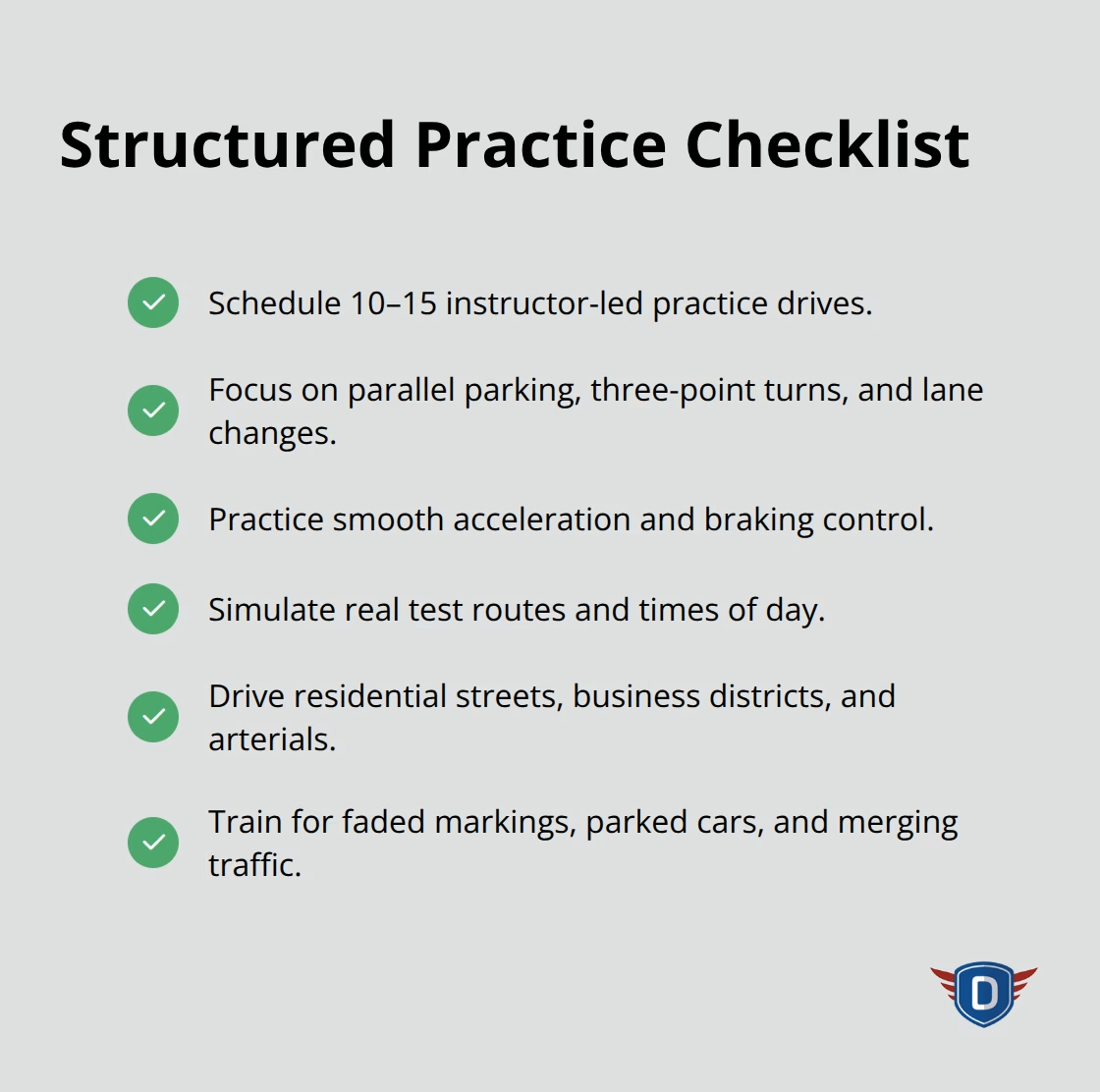
Preparation separates drivers who pass on their first attempt from those who fail repeatedly. The California DMV publishes data showing that applicants who practice with a structured approach and study official materials achieve significantly higher pass rates than those who skip formal training. Schedule at least 10 to 15 practice drives with an experienced instructor who knows your local test routes. Your instructor should focus on the specific maneuvers the DMV evaluates: parallel parking, three-point turns, lane changes, and smooth acceleration or braking.
Many test-takers fail because they practice casually with friends or family instead of targeting the exact skills the examiner assesses. Request that your instructor simulate test conditions by having you navigate residential streets, business districts, and light-traffic arterials during different times of day. This builds your ability to handle faded lane markings, parked cars near intersections, and merging traffic-all of which appear on real tests.
Master Local Road Conditions
Learning your local road conditions is non-negotiable. Spend time driving the exact streets and intersections where your DMV test will occur, if possible. Familiarize yourself with stop sign locations, traffic light timing, pedestrian crossing zones, and areas with heavy congestion. The California Driver’s Handbook covers all rules tested, but the handbook alone won’t teach you how a specific intersection behaves during rush hour or where sight lines are blocked by trees.
Practice the core maneuvers at least three times each in various conditions: parallel parking between tight spaces and wider ones, three-point turns on narrow streets and broader roads, and lane changes during light and moderate traffic. Develop smooth steering with your hands positioned at 9 and 3 o’clock, and make mirror checks a reflex before every action.
Execute Proper Signaling and Vehicle Control
Signal clearly and early for all turns and lane changes, keeping the signal on throughout the entire maneuver. Come to a complete stop behind the limit line at stop signs and red lights, then scan for cross traffic. Maintain a safe following distance appropriate for your speed and conditions, and adjust your speed to match road, weather, and traffic situations.
Arrive at your test appointment early with your learner’s permit, proof of identity, vehicle registration, and proof of insurance. Ask the examiner for feedback after the test so you know exactly what to improve if needed. With these preparation steps complete, you’re ready to focus on the vehicle inspection and safety checks that happen before the examiner even starts evaluating your driving.
Execute Proper Vehicle Inspection and Safety Checks
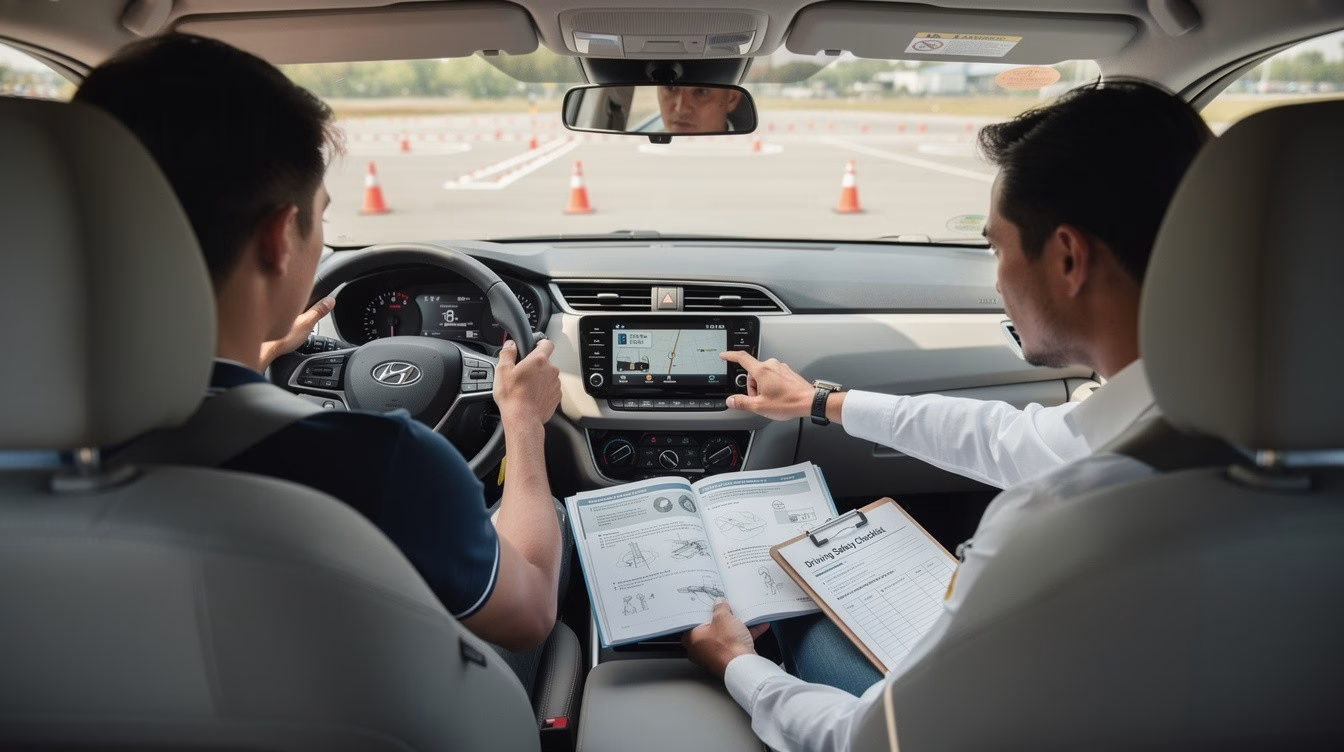
The pre-drive vehicle inspection happens before the examiner evaluates a single turn or lane change, yet most test-takers treat it as an afterthought. This inspection is not optional or casual-it directly affects whether you even start the driving portion of your test. The California DMV evaluates your vehicle’s safety features during what’s called the Pre-Drive Safety Check, and if you cannot locate and/or demonstrate the operation of 4 or more items from Items 9–14, your driving test will be counted as “unsatisfactory”.
Verify All Lights and Safety Equipment
You must confirm that all lights work, the horn sounds, brakes respond correctly, and the parking brake releases fully. Test the headlights (both low and high beam), brake lights, turn signals, and hazard lights while someone stands outside the vehicle to confirm visibility. Check that your windshield wipers function, the defroster clears glass quickly, and your mirrors are clean and properly adjusted.
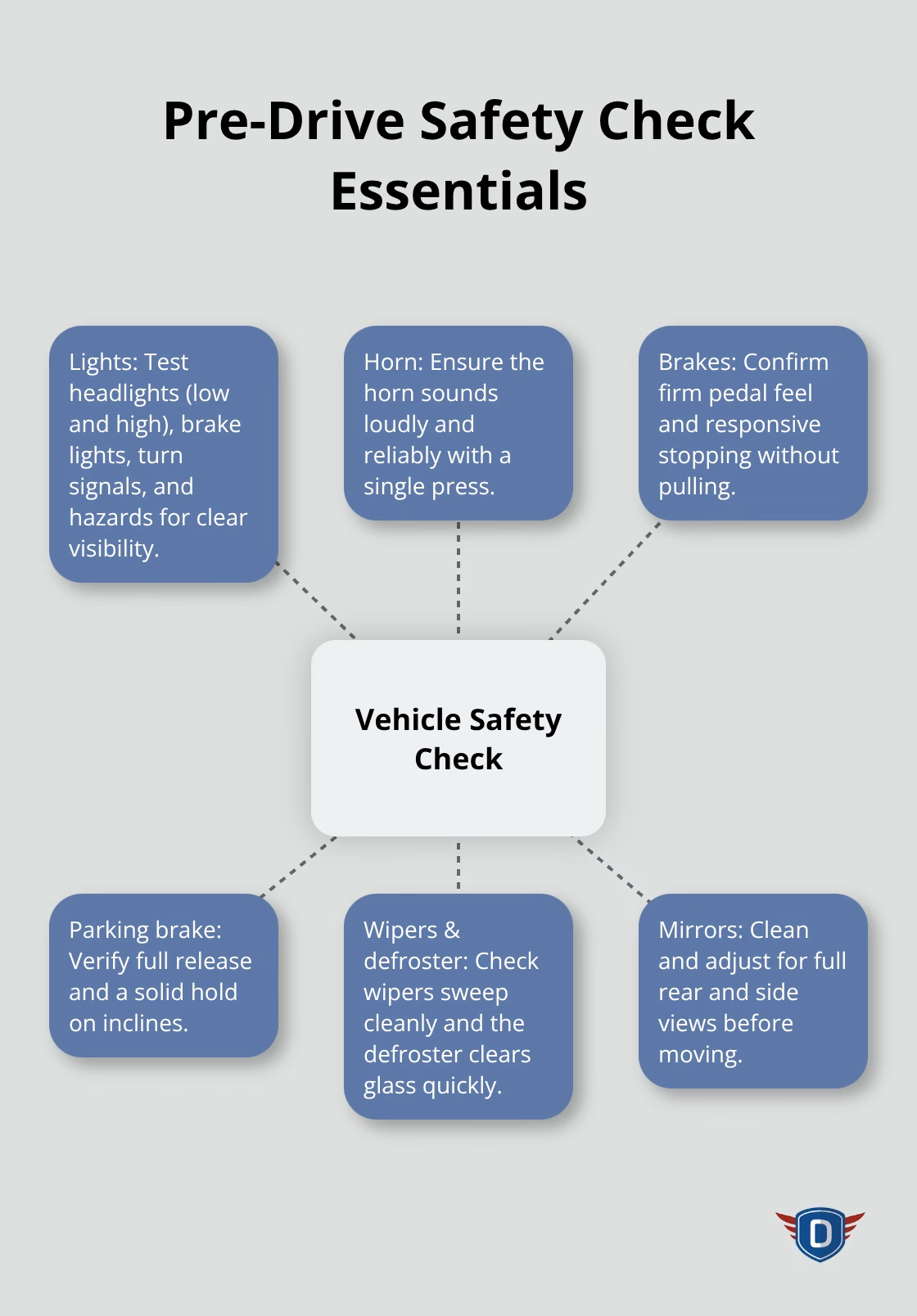
Many test-takers bring a vehicle with a burned-out brake light or a horn that barely works and fail the inspection within minutes.
Arrive at your test appointment at least 15 minutes early specifically to perform this walkthrough yourself before the examiner conducts the official check. If you discover a problem, you’ll have time to address it rather than panic when the examiner identifies the issue. Bring a backup vehicle to your test appointment if possible-if your primary vehicle fails the safety inspection, having an alternative car ready prevents a failed test and the need to reschedule weeks or months later.
Master Steering Position and Smooth Control
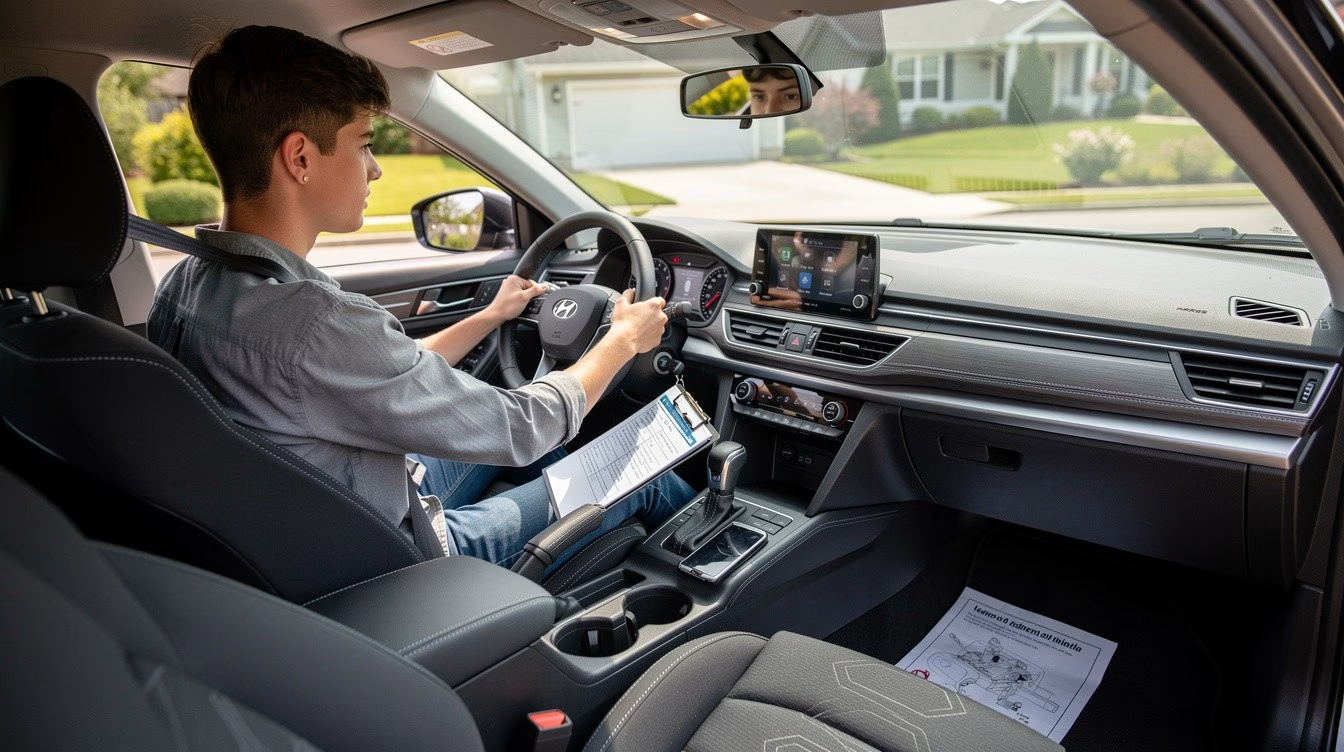
Dashboard controls and steering response matter equally during the test itself. Position your seat so your arms have a slight bend at the elbows when holding the wheel, with your hands at 9 and 3 o’clock positions-this is the standard the DMV expects. Practice smooth acceleration by gradually pressing the gas pedal rather than jabbing it, and practice braking by applying steady pressure without locking the wheels or jerking passengers forward.
Many test-takers fail because they accelerate too aggressively when merging or brake too hard at stop signs, signaling nervousness rather than control. Spend at least five practice sessions focusing solely on smooth steering transitions during turns, keeping the wheel movements gradual and avoiding sudden corrections. Test your vehicle’s power steering response, brake feel, and accelerator sensitivity during practice drives so you’re not surprised by how your specific car handles during the official exam.
Practice Core Maneuvers in Your Test Vehicle
Practice parallel parking at least ten times in spaces that match the DMV test standard (approximately 5 to 6 feet longer than your vehicle), and perform three-point turns on narrow residential streets where precision matters. These repetitions build muscle memory and confidence with your specific vehicle’s dimensions and handling characteristics. Once you master vehicle control and pass the safety inspection, you’re prepared to demonstrate the defensive driving techniques that examiners evaluate throughout the entire road test.
Demonstrate Defensive Driving Techniques During the Exam
The examiner evaluates your defensive driving throughout the entire road test, not just during specific maneuvers. Defensive driving means anticipating hazards before they happen, maintaining control of your vehicle, and making decisions that prevent accidents. The California DMV’s Driving Performance Evaluation scoring criteria rewards drivers who demonstrate situational awareness, smooth vehicle control, and compliance with traffic laws.
Master Safe Following Distance and Speed Control
The most critical defensive driving skill is maintaining a safe following distance appropriate for your speed and road conditions. Many test-takers fail because they tailgate when nervous, signaling to the examiner that they cannot judge distance or anticipate sudden stops. Practice the three-second rule during your preparation drives: pick a fixed object ahead, note when the vehicle in front passes it, and count to three before your vehicle reaches that same spot. If you reach it before three seconds elapse, you’re following too closely.
Speed control directly affects following distance. Adjust your speed to match road conditions, not just the posted limit. If it’s raining, reduce speed by 10 to 15 miles per hour below the limit. On a narrow residential street with parked cars, children playing, or limited sight lines, slow to 15 to 20 miles per hour regardless of signage. Examiners notice when drivers maintain consistent, deliberate speed adjustments rather than erratic acceleration and braking.
Execute Proper Signaling and Mirror Checks
Signal at least three to five seconds before any turn or lane change, and keep the signal on throughout the entire maneuver. Check your left mirror, center mirror, right mirror, and perform a shoulder check for blind spots before changing lanes or turning. The examiner watches for this sequence repeatedly during the test.
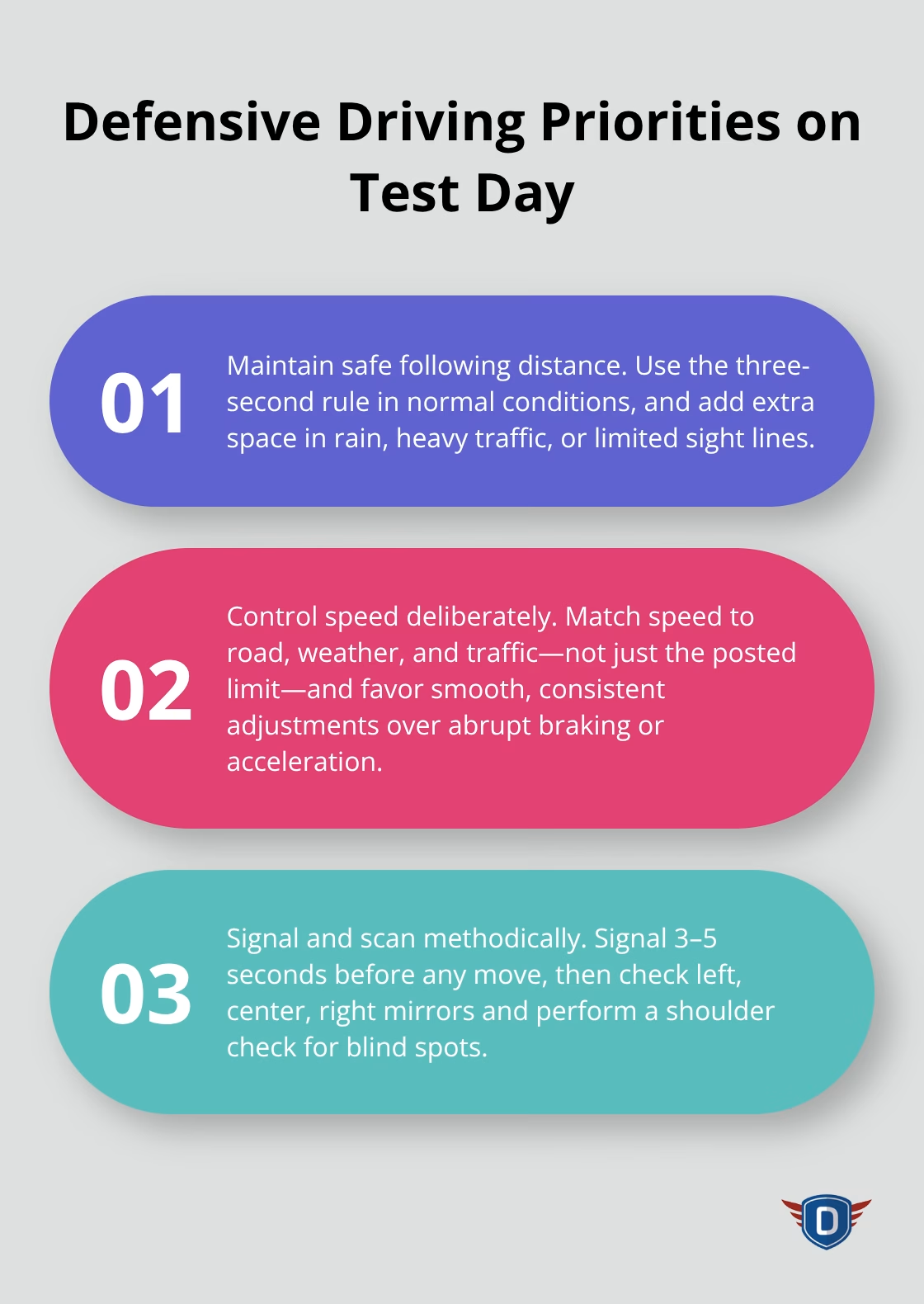
If you change lanes without signaling or skip the shoulder check, you fail immediately on that maneuver.
These actions must become automatic, not conscious decisions. During turns at intersections, approach the turn at a safe speed, signal early, check mirrors and blind spots, position your vehicle in the correct lane, and execute the turn smoothly without cutting corners or drifting into other lanes.
Navigate Turns, Parking, and Lane Changes Correctly
For parallel parking, position your vehicle at least two feet from the car in front of the space, signal your intent, check all mirrors and blind spots, reverse at a controlled speed, and use smooth steering inputs to position your vehicle between the two parked cars with at least one foot of clearance on each side. Practice this maneuver at least ten times in your test vehicle before exam day.
Three-point turns require similar precision: signal, check mirrors, reverse in a straight line, straighten wheels, move forward smoothly, and stop parallel to the curb. Examiners expect all maneuvers to be executed without hesitation, multiple attempts, or jerky steering corrections.
If you make a minor error during a maneuver, correct it safely and continue without panicking. Dwelling on mistakes or losing focus causes more failures than the original error itself.
Final Thoughts
Passing your road test requires three core elements: structured preparation, vehicle mastery, and defensive driving execution. Drivers who pass on their first attempt invest time in scheduled practice drives, learn their local test routes, and practice core maneuvers repeatedly until they become automatic responses. Confidence builds through repetition and preparation, not wishful thinking-when you’ve parallel parked twenty times and executed three-point turns on narrow streets, the examiner’s presence no longer triggers panic.
Your hands know where to position on the wheel, your mirrors become second nature, and your speed adjustments happen without conscious thought. This is the state you need to reach before test day arrives. The pass road test tips covered throughout this guide address each component directly, and you cannot succeed by cramming the night before or hoping luck carries you through the exam.
Your road test measures whether you can operate a vehicle safely in real-world conditions while following traffic laws and anticipating hazards. We at DriverEducators.com understand that driver education extends beyond passing a single exam, and our comprehensive programs focus on building safe, confident drivers who adopt lifelong safe driving habits. Master the preparation strategies outlined here, practice with intention, and approach your test with the confidence that comes from genuine readiness.