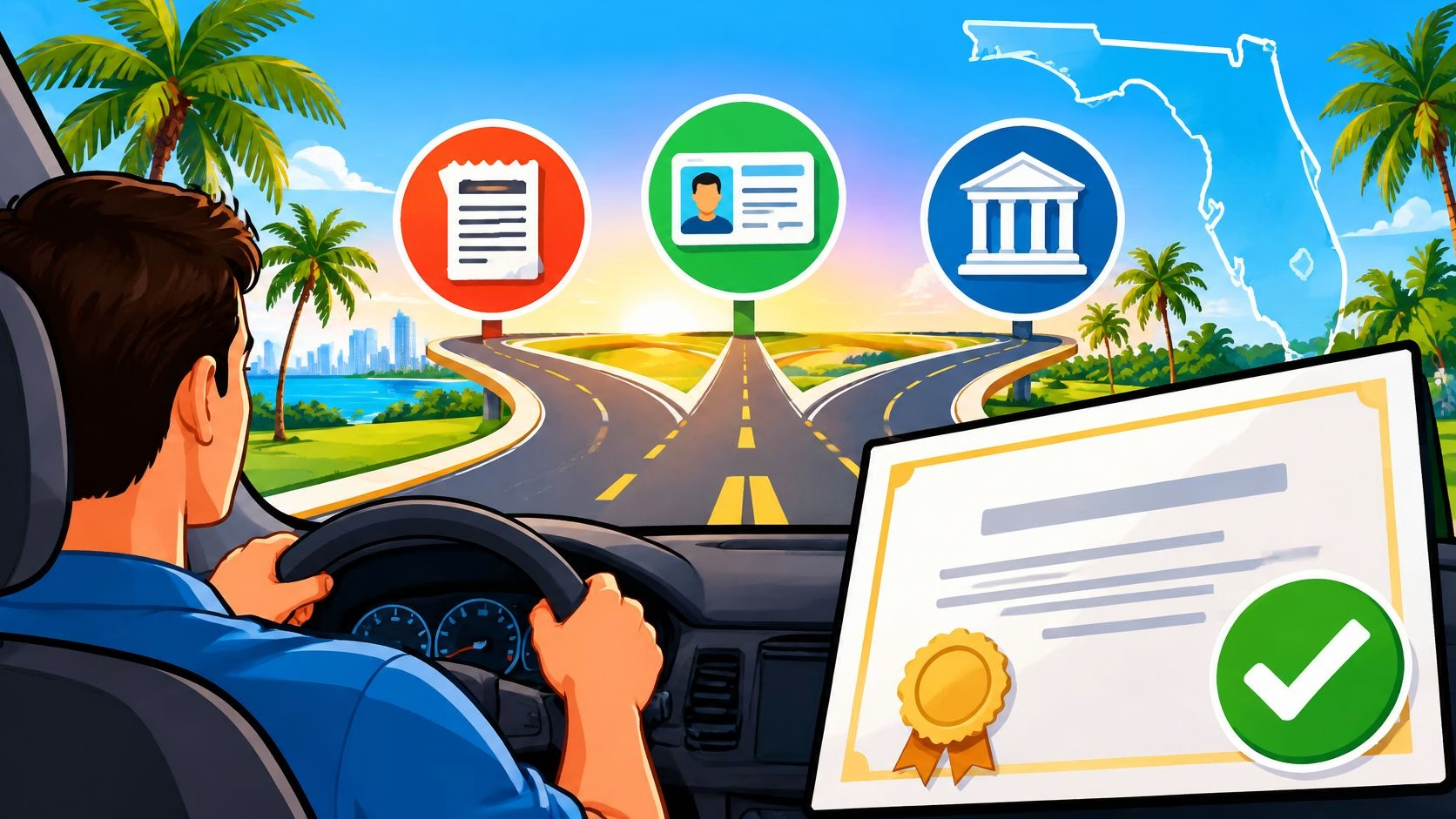

A missed deadline, a court notice, or a first-license requirement can make driver education feel like one more appointment you cannot fit into the week. A complete online course on mobile gives you a practical alternative: finish approved coursework from a phone when you have time, whether that is during a lunch break, after work, or from home.
Mobile access is more than a convenience feature. For many drivers, it is what makes it possible to complete a required course without taking time off, arranging transportation, or sitting in a classroom. Still, the right course must do more than open on a phone. It must meet the requirements tied to your license, citation, court order, or insurance discount.
What a complete online course on mobile should provide
A complete course includes the full curriculum, required learning checks, progress tracking, and completion process on a mobile-compatible platform. You should be able to read lessons, watch required content, answer questions, and return to your saved place using a current smartphone browser.
For driver education, completeness also means the course is designed to satisfy the specific requirement you have. A traffic ticket course, first-time driver education course, mature driver discount course, and court-ordered aggressive driver program are not interchangeable. The course title, approval status, and completion reporting process all matter.
A legitimate online provider explains what the program covers and who it is approved for before you enroll. It should also state the course length, price, any identity verification requirements, and whether a certificate is issued or completion is reported directly.
Start with the requirement, not the device
Before choosing a course, identify exactly why you need it. The document from the court, DMV, insurance carrier, school, or employer may name the required program type, deadline, and state or county rules.
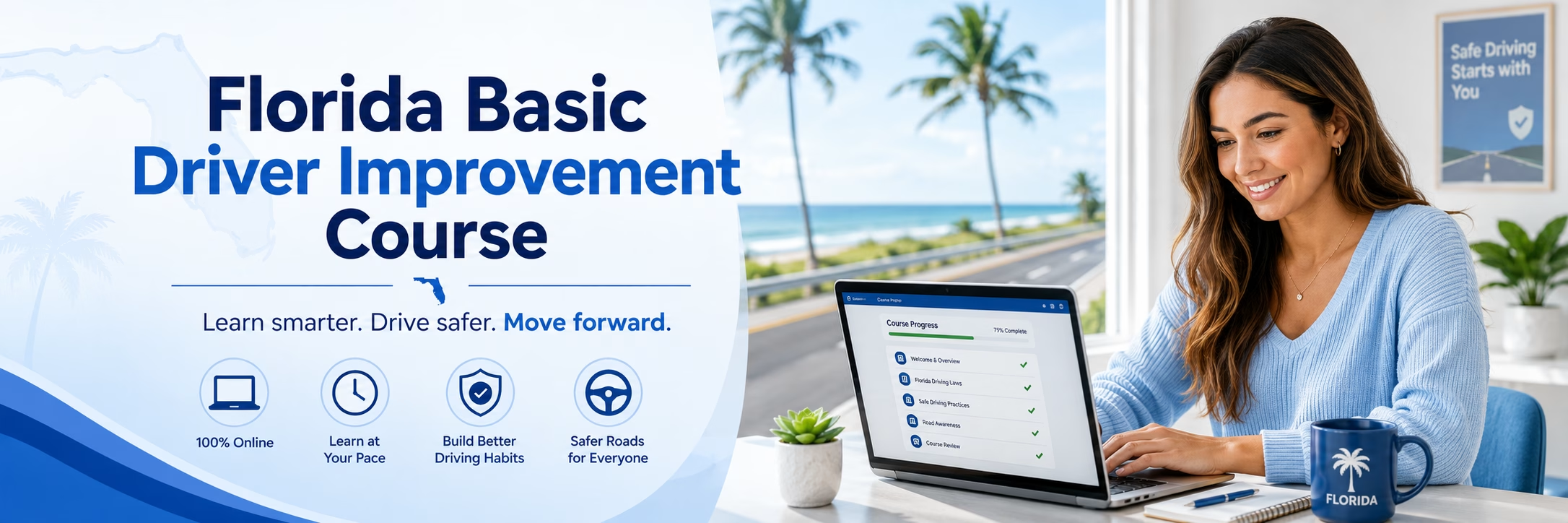
For example, a driver with a Florida ticket may need Basic Driver Improvement, while a new Florida driver may need Traffic Law and Substance Abuse Education before applying for a license. A mature driver looking for an insurance discount may need a separate approved mature driver course. Selecting a course simply because it is mobile-friendly can lead to paying for training that does not satisfy your requirement.
If your notice is unclear, confirm the requirement with the organization that issued it before enrolling. Ask what course type is accepted, whether the provider must hold a specific approval, and how completion must be submitted.
Approval is specific to the course and location
“Approved” is not a universal label. A course may be approved for one state, court, insurance program, or purpose but not another. Read the provider’s approval information carefully and match it to your situation.
This is especially important when a court order includes a deadline or when a licensing step cannot move forward until the course is complete. A lower price does not help if the course is not recognized where you need it.
How mobile coursework fits a busy schedule
The main benefit of a mobile course is flexibility. Instead of reserving a full day for a classroom session, you can make progress in shorter sessions throughout the week. The course should save your place automatically so you can stop after a lesson and continue later.
That flexibility does not mean every step can be rushed. State rules may require a minimum course time, timed lesson sections, knowledge checks, or a final exam. If the program is required to take several hours, mobile access lets you divide those hours around your schedule, but it does not remove the requirement.
Plan around the deadline rather than waiting until the final day. Leave time for course completion, identity checks, certificate delivery, and any reporting required by the court, DMV, or insurer. Completing the last lesson minutes before a deadline can create unnecessary risk if you still need to submit proof.
Use mobile learning safely and realistically
A mobile driver course should be completed when you are parked and able to focus. Never attempt coursework while driving, stopped at a light, or supervising traffic. The safety lessons only work if you give them your attention.
A quiet place, a charged phone, and a reliable internet connection can make the experience smoother. If your screen is small or you need to review detailed material, switch to a tablet or computer when available. The right device is the one that lets you read, understand, and complete the work without distraction.
Check these course details before you pay
Look beyond the phrase “online course.” A reliable enrollment page should make the practical terms easy to find. Confirm these four details before beginning:
- Course purpose and approval: Verify the course matches your state, court, licensing, or insurance requirement.
- Total price: Review the full cost before checkout and watch for added processing, certificate, or reporting fees.
- Mobile compatibility: Confirm that lessons, quizzes, and final steps work on your phone’s browser and operating system.
- Completion process: Know whether you will download a certificate, receive one by mail, or have completion reported electronically.
Transparent pricing matters because required education is often an unplanned expense. You should know what you are paying before you provide payment information, not after you have invested time in the course.
It is also wise to check support availability. Technology questions happen: a browser may time out, a password may be forgotten, or a completion record may need clarification. Clear customer support information can prevent a small issue from turning into a missed deadline.
Learn the material, not just the answers
Most people enroll because they have a requirement to meet. That is understandable. But the value of a driver safety course goes beyond the certificate when the lessons are applied on the road.
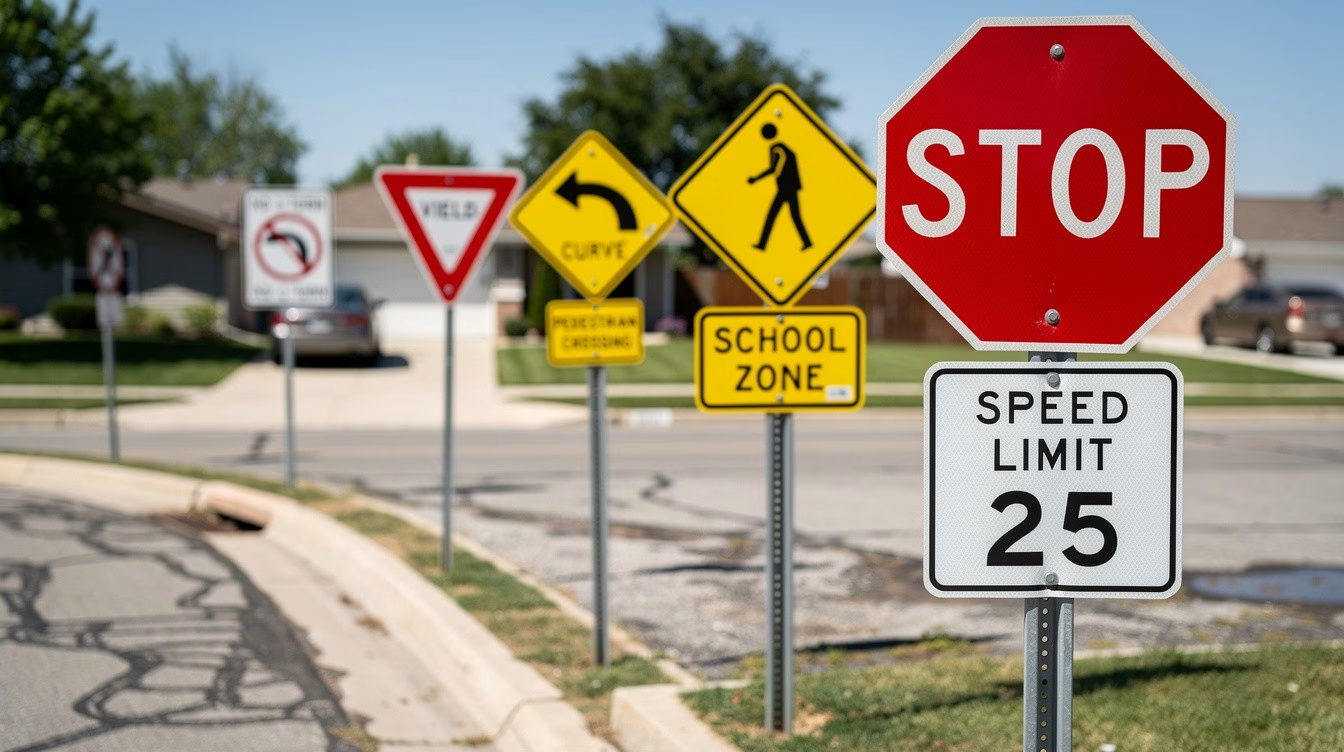
Good coursework reinforces the decisions that prevent crashes: managing speed, maintaining following distance, recognizing impairment, sharing the road, limiting phone distractions, and responding calmly to aggressive driving. These are not abstract rules. They are choices drivers make every time traffic becomes unpredictable.
Take the quizzes seriously. If a topic is unfamiliar, review it before moving forward. A self-paced format gives you room to slow down on material that affects your safety, from right-of-way rules to the consequences of distracted or impaired driving.
Keep proof of completion organized
Once you finish, save your certificate or confirmation email in a place you can find later. If the provider reports completion directly, keep the confirmation anyway. Administrative records can take time to update, and proof of completion is useful if you need to follow up.
For court-related courses, confirm whether you must submit the certificate yourself. Also for insurance discounts, ask your carrier what documentation it needs and when the discount will appear. And for licensing requirements, check whether the DMV receives electronic reporting or requires you to bring proof to an appointment.
A course can be completed correctly while the final administrative step is missed. Treat completion and submission as two separate tasks unless you have written confirmation that reporting is automatic.
Frequently asked questions
Can I complete a driver education course entirely on my phone?
Yes, if the provider’s platform supports mobile coursework and your specific course does not require a separate in-person step. Use a current smartphone browser and complete lessons only while safely parked.
Will any online course satisfy my ticket or court requirement?
No. The course must be approved for your court, state, and required program type. Verify acceptance before enrollment.
Does mobile access mean I can finish the course faster?
No. Mobile access makes scheduling easier, but required course hours, timed sections, and exams may still apply. Finish early enough to handle certificate or reporting steps.
What happens after I complete the course?
You may receive a certificate, a completion email, or direct reporting to the appropriate agency. Check the course instructions and keep your proof of completion.
Can a mobile course help me become a safer driver?
Yes. The course can reinforce safe decisions about speed, distractions, impairment, and traffic laws. Its practical benefit depends on using those lessons every time you drive.
A required course does not have to disrupt your life. Choose a program that is approved for your need, clear about its price and completion process, and built for the device you actually use. Then give the material the attention it deserves, because the best result is not just meeting a requirement – it is making the next trip safer.