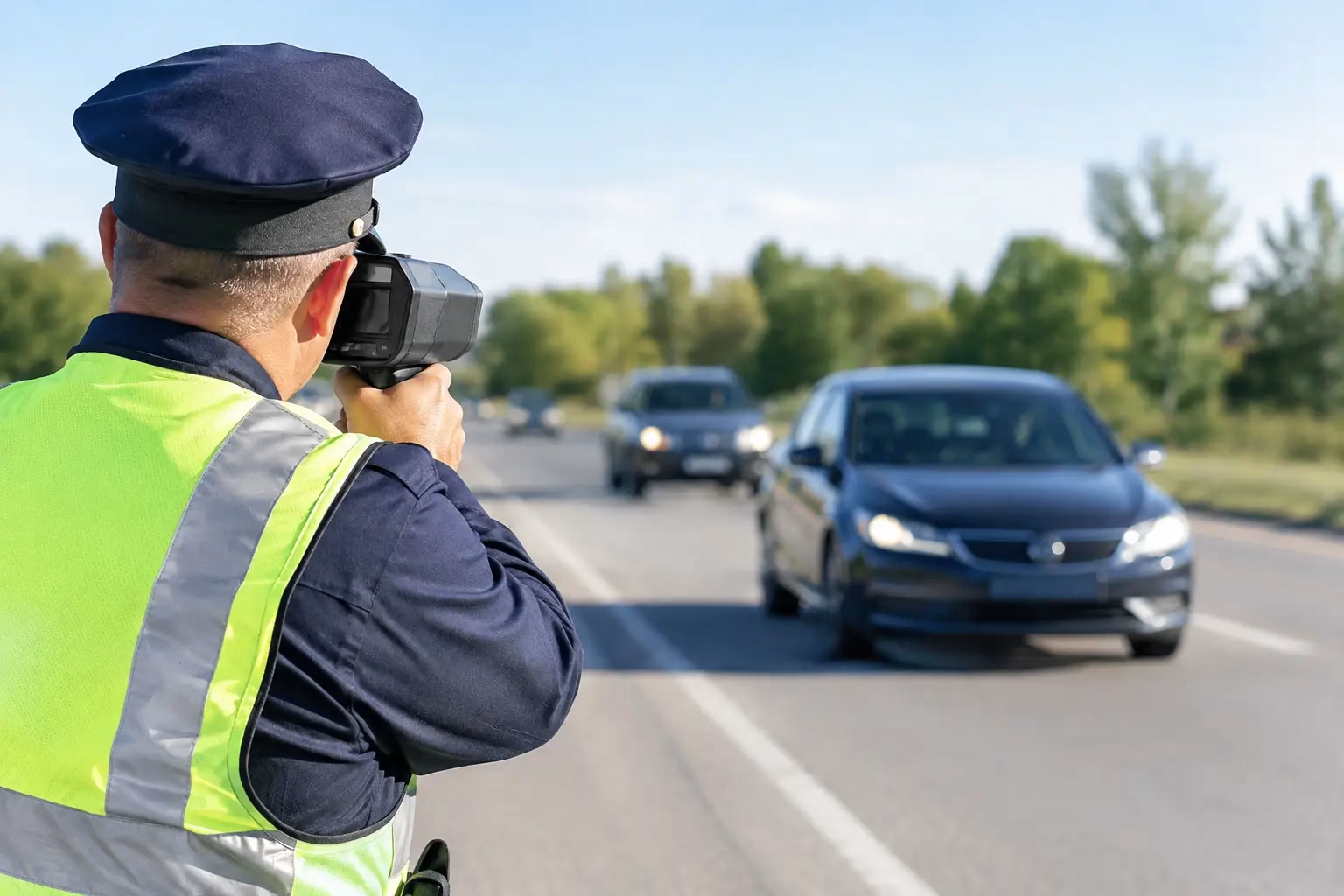
A traffic stop no longer always begins with flashing lights in a rearview mirror. Many traffic enforcement trends now involve automated cameras, digital citation systems, targeted patrols, and more focused attention on behaviors that create the greatest risk: speeding, impairment, distraction, and aggressive driving. For drivers, the practical takeaway is simple: road rules are being enforced in more ways, and resolving a violation may require prompt action online, through a court, or with an approved traffic safety course.
How Traffic Enforcement Trends Are Changing
Traffic enforcement has traditionally relied on officers observing a violation and making a roadside stop. That approach remains central to traffic safety, especially for impaired driving, reckless driving, suspected criminal activity, and situations where an officer needs to assess a driver’s condition directly.
At the same time, agencies are using technology to extend enforcement where officers cannot be present at every moment. Red-light cameras, speed cameras where permitted, license plate readers, electronic crash reporting, and digital citation tools can help communities address repeat problem areas. State and local rules vary widely, so a practice used in one city or county may not be allowed in another.
For drivers, this means a citation may arrive by mail, appear in an online court portal, or be issued electronically during a traffic stop. Ignoring a notice because there was no traditional paper ticket can create bigger problems, including late fees, a missed court date, or license consequences.
Enforcement is becoming more targeted
Many agencies are concentrating resources on locations and behaviors linked to severe crashes. Rather than treating every violation as equal, enforcement campaigns may focus on school zones, construction zones, high-crash intersections, nightlife areas, or corridors with a history of speeding and dangerous lane changes.
This targeted approach can change from week to week. Holiday periods, back-to-school months, major events, and statewide safety campaigns often bring increased enforcement for seat belt use, impaired driving, speed, and distracted driving.
Speeding Remains a Major Priority
Speed management is one of the clearest traffic enforcement trends because speed increases both crash risk and crash severity. A few miles per hour can matter, particularly around pedestrians, cyclists, stopped vehicles, and intersections.
Drivers may see more visible patrols in designated safety corridors and more automated enforcement in jurisdictions that authorize it. Work zones are also a frequent focus. Fines can be higher in these areas, and some states impose additional penalties when workers are present or when drivers fail to move over for authorized vehicles.
Speed limits are not suggestions based on favorable traffic conditions. They are legal limits, and drivers must also adjust for rain, darkness, congestion, road work, and reduced visibility. Driving at the posted limit may still be unsafe in poor conditions.
Distracted Driving Enforcement Is More Direct
Handheld phone restrictions have expanded in many states, and enforcement is increasingly focused on visible device use. Texting, scrolling, recording video, holding a phone during traffic, and manually entering directions can all create legal and safety risks depending on state law.
The details matter. Some states prohibit holding a wireless device while operating a vehicle. Others restrict texting or device use for certain drivers, such as minors, school bus operators, or commercial drivers. A hands-free setup may be permitted in one location but not address every form of distraction.
Distraction is not limited to phones. Eating, grooming, adjusting complex vehicle controls, and turning to speak with passengers can take attention away from the driving task. Enforcement may focus on phones, but safer driving requires keeping eyes, hands, and attention where they belong.
Impaired and Aggressive Driving Are High-Visibility Concerns
Impaired driving enforcement continues to rely on patrols, sobriety checkpoints where lawful, saturation patrols, and public safety campaigns. Alcohol is not the only concern. Drugs, certain prescription medications, and fatigue can impair judgment, reaction time, coordination, and decision-making.
Aggressive driving is also receiving closer attention because it often combines several dangerous actions: excessive speed, tailgating, unsafe passing, weaving, running red lights, or refusing to yield. A driver may view each action as a way to save time, but the combination can quickly lead to a serious charge or crash.
If another driver is acting aggressively, avoid competing or responding in kind. Create space, let the driver pass, and pull over safely if needed. Reporting an immediate danger may be appropriate, but do not use a phone while driving to do it.
Digital Citations Make Fast Follow-Through Essential
Electronic systems can make traffic cases move faster. A driver may receive a citation with instructions to visit a court website, pay a civil penalty, request a hearing, or complete an eligible driver improvement course. Deadlines still apply even when the process is digital.
Before paying a ticket or enrolling in a course, read the citation carefully. The correct next step depends on the violation, the court, the state, prior driving history, and whether the driver wants to contest the charge. Paying a citation can sometimes be treated as an admission of responsibility, and a course may be required, optional, or unavailable.
For an eligible driver, an approved online course can offer a practical way to meet a court, DMV, insurance, or license-related requirement without attending a traditional classroom. DriverEducators.com provides online traffic safety education designed to help drivers complete qualifying requirements on a flexible schedule. Always confirm the specific approval and completion rules that apply to your case before enrolling.
What Drivers Should Do After a Citation
A citation is time-sensitive paperwork, not something to set aside until it becomes urgent. Start by checking the violation code, court or agency name, due date, payment options, hearing instructions, and any language about traffic school or driver improvement.
Keep copies of the citation, payment confirmation, course completion record, and any court communication. If you complete a course, verify whether the provider reports completion directly or whether you must submit the certificate yourself. Do not assume a course automatically removes points, dismisses a ticket, or lowers insurance rates. Those outcomes depend on the applicable law, court order, insurer, and your individual record.
If the citation involves a license suspension, a serious crash, alcohol or drug allegations, a criminal charge, or a commercial driver license, consider getting qualified legal guidance before making a decision. These situations can carry consequences beyond a standard traffic fine.
Traffic Enforcement Trends and Driver Education
Enforcement works best when it is paired with education. A ticket may address one incident, but effective driver education helps people understand the decisions that led to it: following too closely, misjudging stopping distance, overlooking a right-of-way rule, or assuming a quick glance at a phone is harmless.
Online education is especially useful for busy adults who need to satisfy a requirement while managing work, family, or transportation needs. The right course should be clear about its approval status, pricing, access requirements, completion process, and available support. Convenience matters, but accuracy and acceptance matter more.
FAQ: Are traffic cameras legal everywhere?
No. Camera enforcement rules differ by state and local jurisdiction. Some areas allow red-light or speed cameras, while others restrict or prohibit them.
FAQ: Does paying a traffic ticket always add points?
No. Point rules depend on the state, violation, and driver record. Paying a ticket may still create a conviction or other record consequence, so review the notice before paying.
FAQ: Can an online traffic course dismiss my ticket?
Sometimes, but only when the court or applicable agency allows it. Confirm eligibility, required course approval, deadlines, and certificate submission instructions first.
FAQ: What is a digital citation?
A digital citation is an electronically issued traffic ticket or notice. It may include online instructions for payment, hearings, course eligibility, or case updates.
FAQ: Are hands-free phones always legal while driving?
Not always. State laws differ, and hands-free use can still be distracting if it takes attention from the road.
The most dependable response to changing enforcement is not trying to predict where the next patrol or camera will be. Build habits that hold up on every trip: slow down, put the phone away, leave space, follow signs, and address any citation before its deadline becomes another problem.