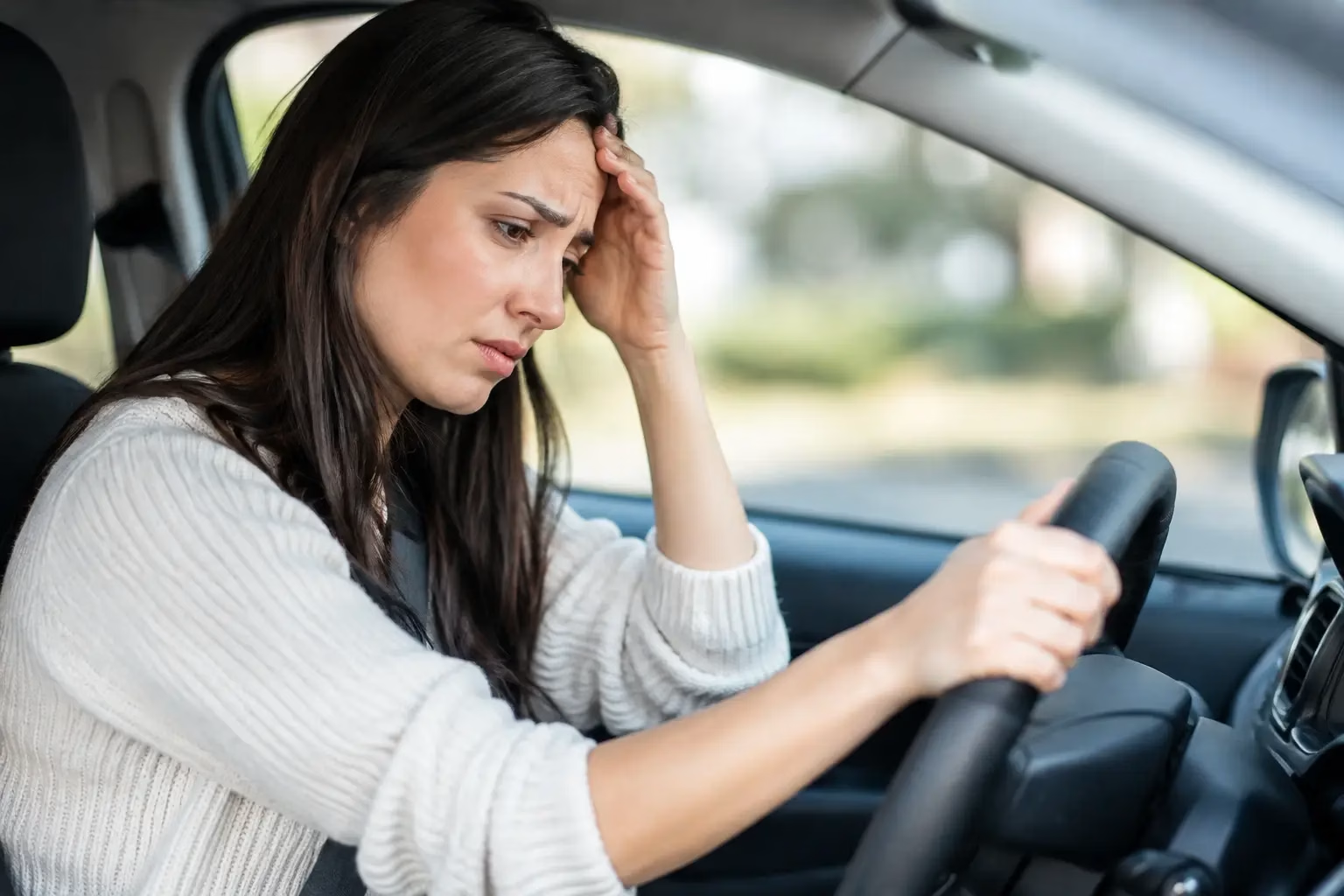
A vehicle drifting across a lane line at night can make anyone uneasy. The top warning signs impaired driving may be involved are often visible before a crash happens, but no single driving behavior proves a driver has used alcohol or drugs. Fatigue, a medical emergency, distraction, or an unfamiliar road can look similar.
The safest response is to create distance, avoid trying to investigate, and report an immediate threat when it is safe to do so. Recognizing dangerous patterns helps you protect yourself, your passengers, pedestrians, and everyone sharing the road.
What impaired driving can look like
Impaired driving means operating a vehicle while alcohol, drugs, certain medications, fatigue, illness, or another condition has reduced the ability to drive safely. Alcohol is a common cause, but it is not the only one. Prescription sleep aids, pain medication, cannabis, illegal drugs, and even some cold medicines can affect reaction time, attention, coordination, or judgment.
A driver may not realize how affected they are. That is one reason traffic safety depends on planning ahead, using a sober ride, and speaking up before someone gets behind the wheel.
1. Weaving, drifting, or crossing lane lines
Repeated lane drifting is one of the clearest signs that a driver may be struggling with attention or control. Watch for a vehicle that moves back and forth within its lane, crosses the center line, rides the shoulder, or abruptly corrects after nearly leaving the roadway.
A momentary drift can happen to any driver. The concern rises when it happens repeatedly or is paired with other unusual behavior, such as erratic speed or delayed braking.
2. Unexplained changes in speed
Impaired drivers may drive far below the speed of traffic, accelerate and slow down without a clear reason, or have trouble maintaining a steady pace. Sudden speed changes reduce the time other drivers have to react.
Driving slowly is not automatically unsafe. Weather, congestion, road conditions, and a driver looking for an address can all explain it. The warning sign is a continuing pattern that does not fit the conditions around the vehicle.
3. Delayed response to traffic signals
A driver who sits through a green light, brakes very late for a red light, or fails to move after traffic begins flowing may be impaired or otherwise distracted. Delayed responses are especially dangerous at intersections, where pedestrians, cyclists, and cross traffic have limited room to avoid a collision.
Also watch for a driver who stops far beyond a stop line or enters an intersection after a light has changed. These actions can point to slowed judgment or poor awareness.
4. Following too closely or stopping unpredictably
Tailgating leaves little space for a safe stop. An impaired driver may misjudge following distance, brake suddenly, or stop in an active lane for no apparent reason.
Keep extra space between your vehicle and a driver behaving this way. Do not brake-check, pace them, or try to force them to back off. Those responses can turn an already risky situation into a crash.
5. Driving without headlights when they are needed
At dusk, at night, in rain, or in fog, headlights help a driver see and help others see the vehicle. A motorist traveling in low light without headlights may be impaired, distracted, or unfamiliar with the vehicle.
High beams used continuously around other traffic can also signal poor awareness. On its own, it may simply be a mistake. Along with swerving or erratic speed, it deserves added caution.
6. Unsafe turns, wide turns, or wrong-way movement
Turning too wide, cutting across lanes, making an illegal turn, or entering a one-way street in the wrong direction can indicate serious confusion or reduced coordination. Wrong-way driving is an emergency because the risk of a head-on crash is high.
Do not attempt to block or stop the vehicle. Move away from its path, alert emergency services when safe, and provide a clear location and direction of travel.
7. Nearly hitting other road users or objects
Close calls matter. A driver who nearly strikes a curb, parked car, traffic barrier, cyclist, pedestrian, or another moving vehicle may not have the awareness needed to drive safely.
A near miss is not proof of impairment, but it is a practical reason to increase your following distance and avoid driving beside the vehicle. Your goal is to give yourself an escape route, not to determine the cause.
8. Ignoring traffic signs and roadway markings
Missing a stop sign, running a red light, driving the wrong way through a parking lot, or failing to yield can show that a driver is not processing basic traffic information. These behaviors are particularly concerning near schools, work zones, railroad crossings, and busy intersections.
Road signs can be obscured, and unfamiliar drivers can make mistakes. Still, repeated failures to follow clearly visible controls should be treated as a serious safety issue.
9. Visible confusion or unusual behavior in the vehicle
From a safe distance, you may notice a driver staring straight ahead, slumping over the wheel, making exaggerated movements, or appearing unable to stay focused on the road. Passengers may also be distracting the driver or trying to regain control of the situation.
Never pull alongside a vehicle to look inside or confront its driver. Keeping your attention on the road is more useful and much safer.
10. Multiple warning signs happening together
The strongest concern is usually a combination of behaviors. For example, a vehicle with no headlights that is weaving, braking late, and traveling through red lights presents a much greater risk than a single wide turn.
This is the key point behind the top warning signs of impaired driving: look for patterns, not certainty. You do not need to diagnose the driver to take reasonable steps to protect yourself.
What to do if you see a possibly impaired driver
First, stay calm and create space. Slow down or safely change lanes to avoid traveling next to or directly behind the vehicle. Do not follow closely, honk repeatedly, gesture, or attempt to make contact.
If the driver appears to pose an immediate danger, call 911 when it is safe to do so. If you are driving alone, pull over before making the call when possible. A passenger can call while you focus on driving.
Provide useful facts: the vehicle’s location, direction of travel, make and color if known, license plate if you can observe it safely, and the specific behaviors you saw. Say what happened, such as “the vehicle crossed the center line twice,” rather than assuming the driver is drunk.
Do not chase the vehicle to get more information. Law enforcement needs a reliable report, not a witness placed in harm’s way. If the vehicle is no longer visible, report the last known location and direction.
Preventing impaired driving before a trip begins
The most effective safety decision happens before the keys are in anyone’s hand. If alcohol, cannabis, sedating medication, or another impairing substance is involved, arrange a sober ride, rideshare, taxi, public transit option, or a safe place to stay.
Designated-driver plans work only when the designated driver agrees not to drink or use impairing substances. If someone is taking a new medication or feels unusually tired, the safer choice may be to delay the trip. The label on a medication can warn about drowsiness, but personal effects vary, especially when medications are combined.
Parents and caregivers can set clear expectations with teen drivers: no driving after drinking or drug use, no getting into a car with an impaired driver, and always call for a safe ride without fear of immediate punishment. A difficult phone call is far better than a preventable crash.
Frequently asked questions
What is impaired driving?
Impaired driving is driving when alcohol, drugs, medication, fatigue, illness, or another condition reduces safe driving ability. It can affect judgment, vision, reaction time, and vehicle control.
Can I report a suspected impaired driver?
Yes. Report a driver who presents an immediate road danger by calling 911 when it is safe to do so. Share observable details and your location rather than trying to confirm why the driver is behaving that way.
Should I follow a suspected impaired driver?
No. Do not follow, confront, or try to stop the vehicle. Create distance and let law enforcement handle the situation.
Is driving tired the same as impaired driving?
Fatigue can impair driving ability in ways that resemble alcohol or drug impairment. A tired driver may drift, miss signs, react slowly, or fall asleep at the wheel.
What should I do if a friend wants to drive after drinking?
Offer a sober ride, arrange transportation, or help them stay where they are. Take the concern seriously even if they say they feel fine.
Safe driving is not about guessing why another person is struggling behind the wheel. It is about recognizing risk early, making room for safety, and choosing the next action that keeps everyone on the road out of harm’s way.