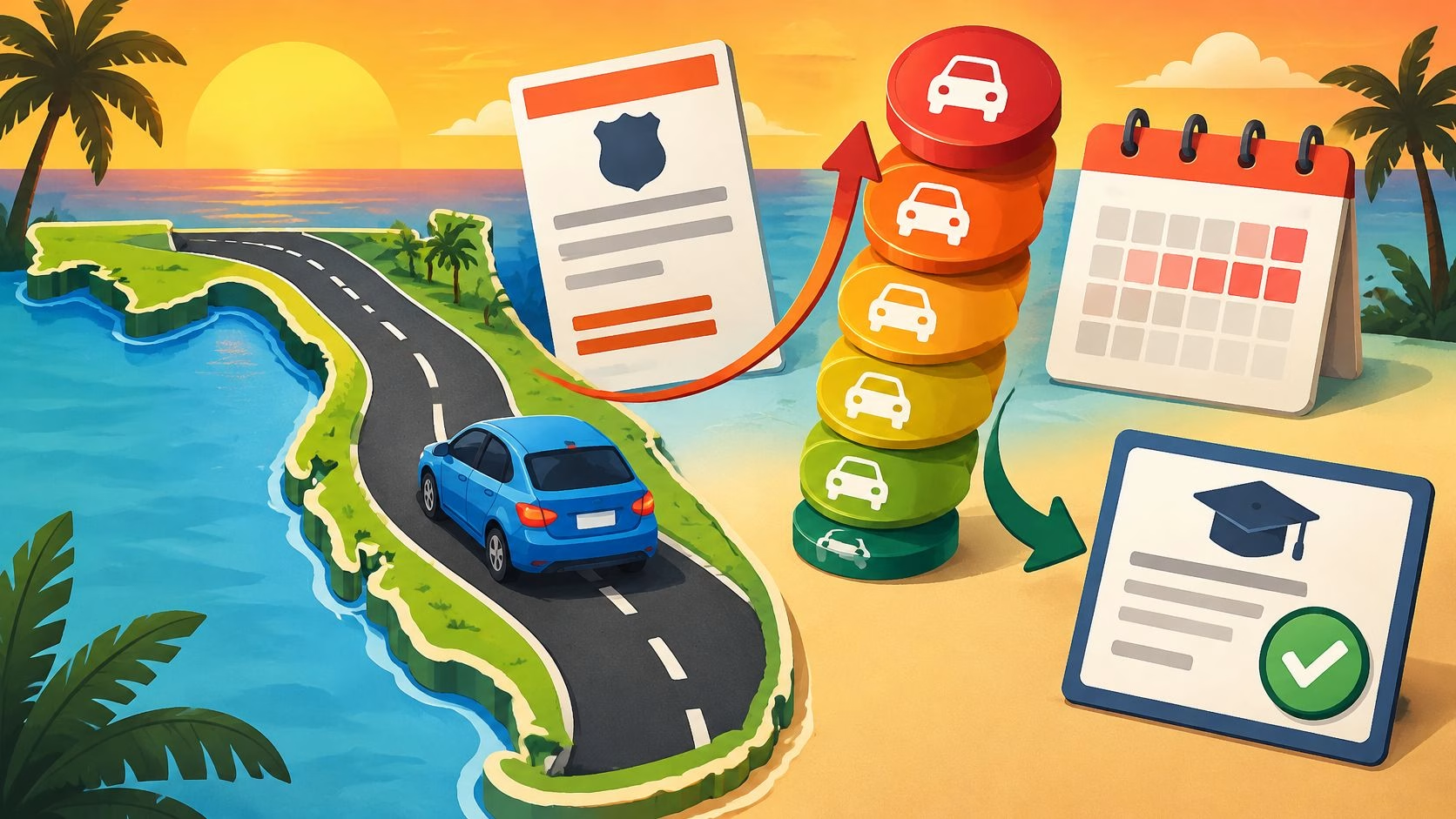
A traffic citation can create more than a fine. It may bring court dates, points on your driving record, higher insurance costs, or uncertainty about what to do next. For eligible drivers, court diversion options can provide a structured way to satisfy a court requirement, complete approved education, and potentially avoid some of the longer-term consequences of a violation.
The key is to act on the exact instructions from the court. Diversion programs are not automatic, and the rules vary by state, county, court, violation, and driving history. Understanding the options before enrolling in a course can help you choose a program that meets the requirement the first time.
What Are Court Diversion Options?
Court diversion is a process that allows some eligible defendants to complete specific requirements instead of receiving the full consequences of a traffic or criminal case. In traffic matters, the requirement may include a driver improvement course, defensive driving class, payment of fees, a period without new violations, or a combination of these steps.
A diversion agreement does not mean the citation never happened. It means the court may delay, reduce, dismiss, withhold, or otherwise resolve the case if you meet every condition by the deadline. The result depends on the court’s order and local law.
Traffic diversion is often education-based
For many moving violations, a court may allow a driver to take an approved traffic school or driver improvement course. The course is designed to reinforce safe driving decisions, traffic laws, hazard awareness, and the consequences of risky behavior.
Some states use terms such as Basic Driver Improvement, defensive driving, ticket dismissal course, or traffic school. The name can differ, but the approval requirement matters most. Always confirm that the course is accepted by the court or agency handling your case.
Diversion is not available in every case
Courts commonly limit diversion for serious offenses, repeat violations, commercial driver cases, crashes involving injury, DUI-related charges, or violations committed in a school or construction zone. A judge or prosecutor may also deny eligibility based on prior participation.
If you are unsure, contact the court clerk, your attorney, or the agency listed on your citation before making a payment or enrolling. A course provider can explain its course format and approvals, but it cannot decide your legal eligibility.
Common Court Diversion Options for Drivers
The right option is determined by your court notice, not by the course that seems most convenient. Still, most traffic-related diversion programs fall into a few familiar categories.
Traffic school or driver improvement
A court may require an approved driver improvement or defensive driving course. After you complete the course, the provider may report completion electronically, issue a certificate, or require you to submit proof directly to the court.
This option is common for eligible moving violations such as speeding, failing to obey a traffic control device, or other noncriminal driving offenses. Depending on local rules, successful completion may help support dismissal, point reduction, withheld adjudication, or compliance with a court order.
Deferred disposition or deferred adjudication
Under a deferred disposition, the court postpones the final outcome of a case for a set period. You may need to pay court costs, avoid new violations, complete a driving course, and meet other conditions.
If you comply, the court may dismiss the case or enter a more favorable resolution. If you miss a deadline or violate the agreement, the original penalty can still apply. Read the order closely because even one missed condition may affect the outcome.
Pretrial diversion
Pretrial diversion is generally more formal and may be used for certain criminal traffic cases or related offenses. It can involve supervision, education, fees, community service, counseling, or regular check-ins.
This option usually requires approval from a prosecutor, court, or program administrator. It is not the same as simply paying a ticket, and it may be wise to seek legal advice before accepting a diversion agreement for a criminal charge.
Specialized safety programs
Some violations call for a more specific program. Examples can include aggressive driving courses, wireless communications device education, alcohol or substance awareness education, or intermediate driver improvement.
A specialized course should match the language in your order. Completing a general traffic school when the court ordered a specific program may not satisfy the requirement.
How to Choose the Right Course
Convenience matters, especially when you are balancing work, family, and a court deadline. But approval and course type should come first. An online course can be a practical choice when it is accepted for your situation and lets you complete coursework on your own schedule.
Before you enroll, compare the course name on your citation or court order with the provider’s stated approval. Check whether your state requires a specific number of hours, identity verification, a final exam, timed lessons, or a certificate submission process.
You should also confirm who receives proof of completion. In some areas, the school reports directly to the court or DMV. In others, you must download, print, mail, or upload the certificate yourself. Do not assume completion has been reported until you know the local procedure.
DriverEducators.com offers online driver education and traffic safety courses designed for qualifying state, court, and compliance needs. As with any provider, drivers should verify that the selected course matches the requirements listed in their specific court order.
Steps to Take Before Your Deadline
A deadline is one of the most important parts of a diversion agreement. Starting a course late can create unnecessary pressure, particularly if the court requires processing time after completion.
Use these steps to stay organized:
- Read the citation, court notice, or diversion agreement from beginning to end.
- Confirm eligibility and ask whether a plea, application, or court appearance is required before enrolling.
- Verify the exact course type, required hours, and provider approval.
- Complete every lesson and assessment before the stated deadline.
- Save your completion certificate and confirm that the court, DMV, or supervising agency received it.
Keep copies of payment receipts, enrollment confirmations, court correspondence, and certificates until the case is officially closed. If a reporting issue occurs, these records can help you show that you completed your responsibility on time.
What Happens After You Complete Diversion?
Completion does not always mean the case disappears immediately. The court may need time to receive the certificate, review compliance, or schedule a final disposition. Check your case status after the expected reporting period instead of assuming the matter is resolved.
If your agreement included a clean-driving period, your obligations may continue after the course ends. Avoid new violations, maintain any required insurance, and follow every condition until the court confirms final closure.
Diversion can be a valuable opportunity, but it is not a guarantee that a ticket will be erased or that insurance rates will not change. Insurers, DMVs, and courts use different rules. Your best protection is accurate information, timely completion, and safe driving going forward.
Frequently Asked Questions About Court Diversion Options
Can a traffic school dismiss my ticket?
It may, if the court allows diversion and you meet all conditions. A course alone does not guarantee dismissal.
Do I need court approval before taking a course?
Usually, yes. Follow the instructions on your citation or contact the court before enrolling, especially if you must request diversion first.
Will an online course be accepted by the court?
It can be, but acceptance depends on the court and the course’s approval status. Verify both the required course type and the provider before you start.
What if I miss my diversion deadline?
Contact the court immediately. Missing a deadline can lead to additional penalties, a conviction, or loss of diversion eligibility.
Does diversion remove points from my driving record?
Sometimes, but not always. Point rules are set by the state DMV and may differ from the court’s case outcome.
Can I use diversion more than once?
It depends on local rules and your driving history. Many courts limit how often a driver can use a dismissal or diversion program.
A court requirement can feel urgent, but it is manageable when you focus on the details that control your outcome: eligibility, the correct approved course, and the completion deadline. Handle those three items early, keep your records, and use the experience to build safer habits behind the wheel.