
A learner’s permit is often the first official step toward driving, but the course requirement can be confusing. In the permit course vs drivers ed decision, the right answer depends on your state, your age, and the exact requirement listed by your DMV. These terms are sometimes used interchangeably, yet they can describe different courses with different purposes.
Choosing the wrong course can delay your permit application or leave you without credit for a requirement you already completed. Before enrolling, confirm what your state calls the course, whether it must be approved, and when you must finish it.
Permit Course vs Drivers Ed: The Basic Difference
A permit course is usually a state-required class completed before a new driver can apply for a learner’s permit or take the written knowledge test. It may focus on traffic laws, safe driving decisions, impaired driving risks, and licensing responsibilities. In some states, the permit course has a specific legal name and required seat time.
Driver’s education, commonly called drivers ed, is a broader program that teaches new drivers how to operate a vehicle safely and understand the rules of the road. It can include classroom or online instruction, behind-the-wheel training, or both. Some states require drivers ed for teens, while others make it optional or require it only for certain age groups.
The key distinction is that a permit course is often tied directly to permit eligibility, while drivers ed is a general licensing education program. In certain states, one approved course satisfies both descriptions. In others, you may need a specific pre-permit course plus separate driving instruction.
What a Permit Course Usually Covers
A state-approved permit course is designed to prepare applicants for responsible driving before they begin supervised practice. Course topics commonly include traffic signs and signals, right-of-way rules, speed laws, sharing the road, distracted driving, and the consequences of driving under the influence.
Many permit courses also explain the graduated licensing process. This is the system states use to give teens and new drivers more experience over time, often starting with a learner’s permit and moving to an intermediate or provisional license before full driving privileges.
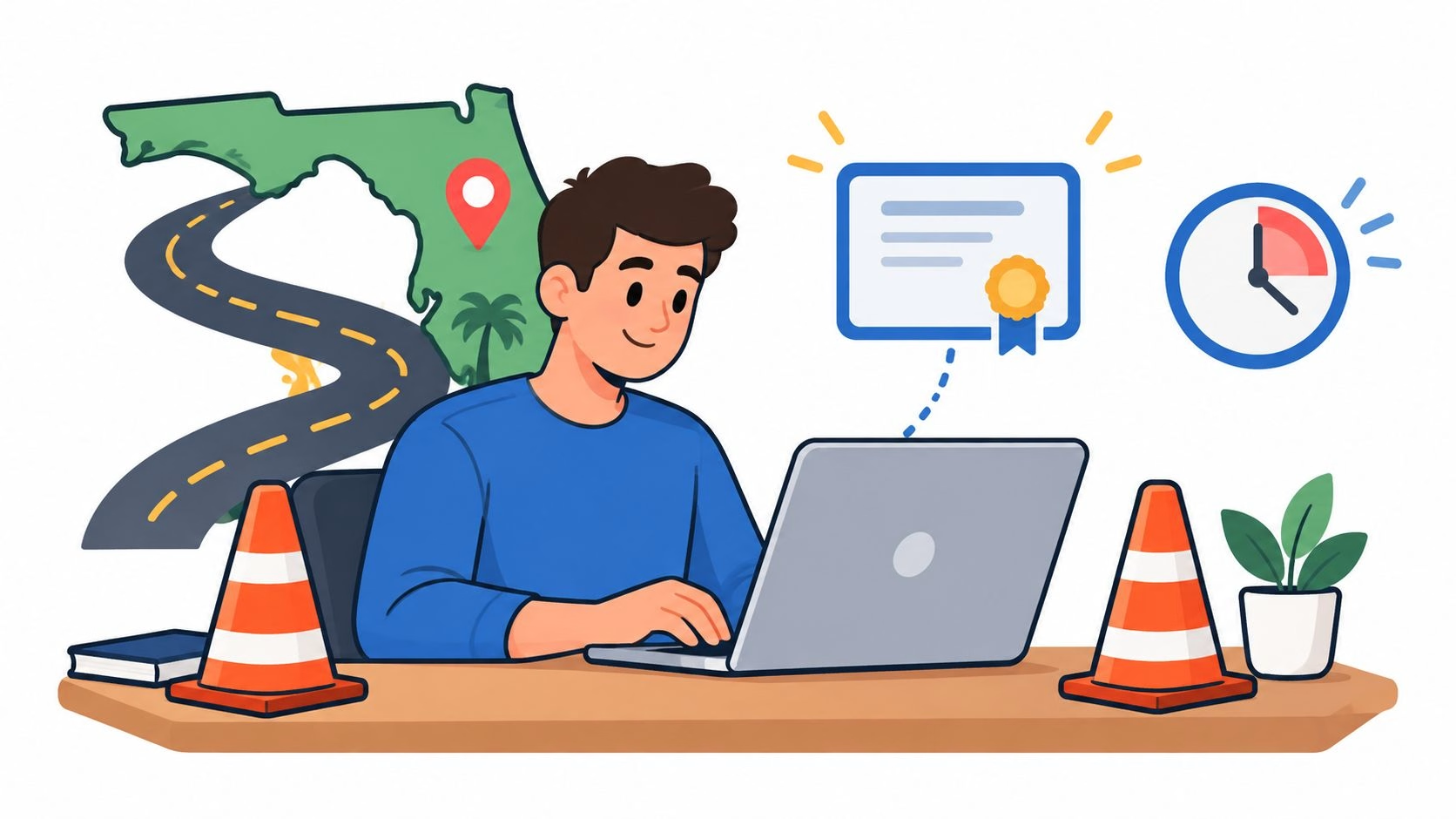
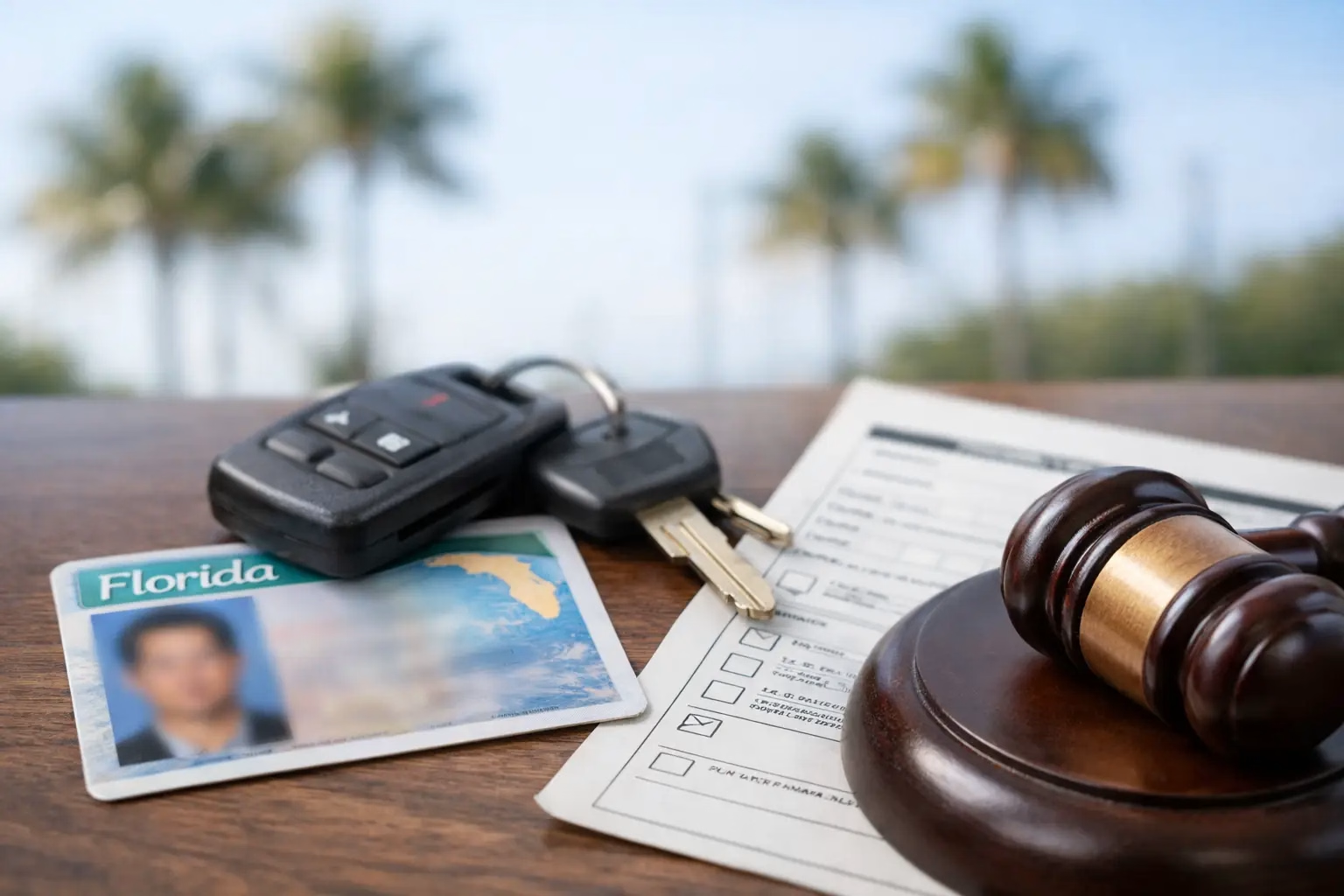
For example, Florida’s Traffic Law and Substance Abuse Education course, often called TLSAE, is required for first-time license applicants who have never held a driver license in any state or country. Other states may use names such as pre-licensing course, traffic safety course, or learner’s permit course. The name matters because the approval requirement matters.
When a Permit Course Is the Better Fit
A permit course is likely the right choice when your DMV says you must complete a course before receiving a learner’s permit or taking a knowledge exam. It is also the better fit when your state specifically identifies a required course by name, such as a traffic law, substance abuse, or pre-licensing program.
Do not assume that any online driving class will meet this requirement. An approved course must be authorized for your state and your specific licensing purpose. Check the provider’s approval information and verify that the completion record is reported or issued in the format your DMV accepts.
What Drivers Ed Usually Includes
Drivers ed provides a more complete foundation for new drivers. The educational portion covers defensive driving habits, hazard recognition, vehicle control, road sharing, weather conditions, parking, and safe decision-making. It may also prepare students for their written permit exam.
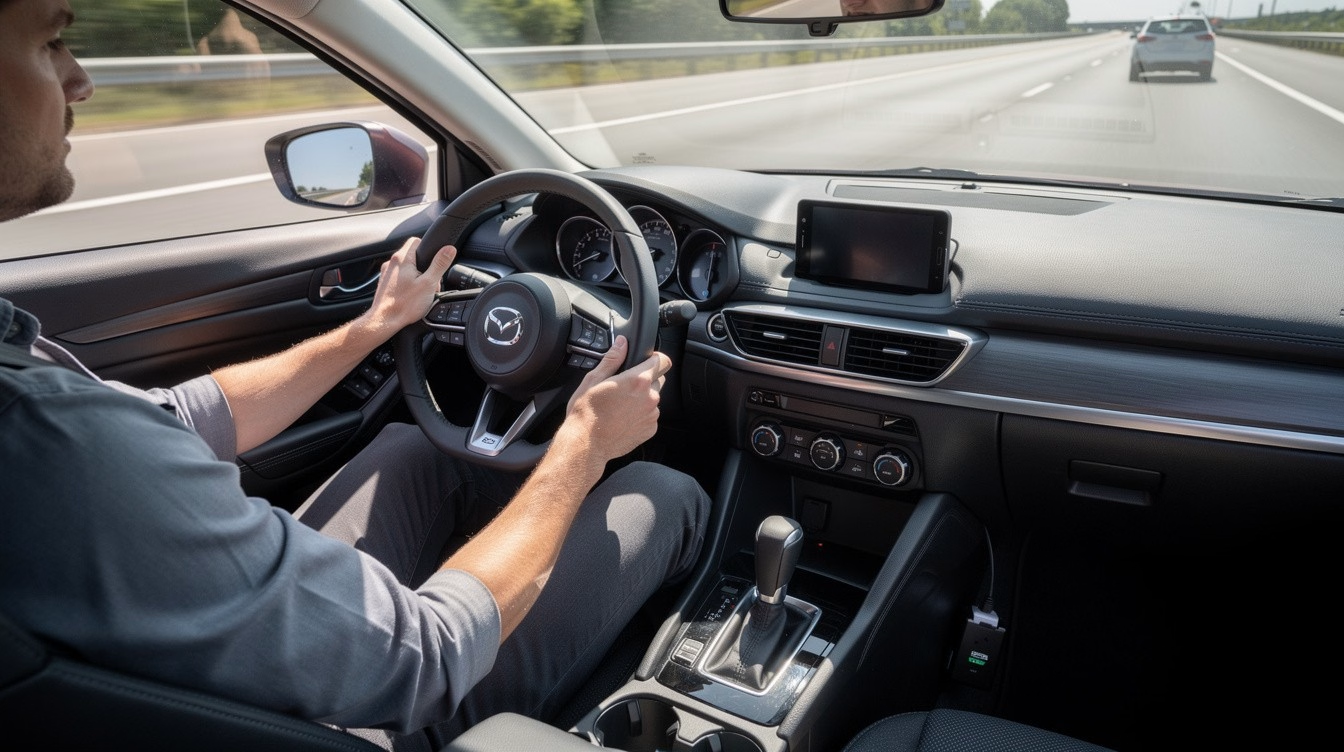
Many drivers ed programs include behind-the-wheel training, although online courses typically provide the classroom portion only. Behind-the-wheel instruction gives students supervised practice with starting, stopping, turning, changing lanes, parking, and responding to real traffic conditions.
The required format varies by state. A teen may need a set number of classroom hours and professional driving hours, while an adult applicant may only need to pass the required tests. Some states allow parents or guardians to supervise practice driving after a learner’s permit is issued, subject to state rules.
When Drivers Ed Is the Better Fit
Drivers ed is often the better choice for teens who need both education and skill-building before a road test. It can also be valuable for adult beginners who want structured instruction before practicing with a licensed driver.
Even when it is not mandatory, drivers ed can make the licensing process less stressful. It gives new drivers a clear sequence for learning traffic laws, developing safe habits, and preparing for the road test. Still, voluntary drivers ed does not automatically replace a state-specific permit course.
How to Choose the Course Your State Will Accept
Start with your state DMV or licensing agency requirements. Look for the requirement associated with your age, permit type, and prior licensing history. A 15-year-old applying for a first learner’s permit may have different obligations than an 18-year-old first-time applicant.
Next, identify whether the requirement is for a permit course, drivers ed, behind-the-wheel instruction, or a combination. Read the wording carefully. If the state says a course must be completed before applying, do not wait until after you receive your permit.
Then confirm provider approval. A legitimate course provider should clearly state the state, course name, and purpose the course is approved to serve. You should also know how you will receive proof of completion. Depending on the state, the provider may submit completion electronically, issue a certificate, or do both.
Finally, consider the practical details. A self-paced online course can help busy students and families complete the required education on a phone, tablet, or computer. Transparent pricing, accessible customer support, and clear instructions about completion records can prevent unnecessary delays.
Common Mistakes That Cause Licensing Delays
The most common mistake is enrolling in a course based on its title alone. “Drivers ed” may sound like it covers every requirement, but your state may require a separate course with a particular approval designation.
Another mistake is confusing online coursework with in-car training. If your state requires professional behind-the-wheel hours, an online course may fulfill the classroom requirement but not the driving requirement. Review both parts before you schedule a road test.
Applicants also sometimes complete a course too early or too late. Some states have age limits, expiration periods, or timing rules for certificates. Keep your completion documentation and follow the DMV’s instructions for submitting it.
Can an Online Course Meet the Requirement?
Yes, an online course can meet a permit or drivers ed requirement when it is approved for that purpose in your state. Online learning is not automatically accepted, so approval is the deciding factor.
Online courses work well for students who need flexible access and want to complete lessons at their own pace. They do not replace required in-person driving practice or road testing.
DriverEducators.com offers approved online options for qualifying licensing and traffic-safety needs, with course details that help students select training for the correct state requirement.
Frequently Asked Questions
Is a permit course the same as drivers ed?
Not always. A permit course is usually a specific course required for permit eligibility, while drivers ed is broader new-driver education that may include classroom and driving instruction.
Do I need drivers ed before getting a learner’s permit?
It depends on your state and age. Some states require a course before the permit, while others allow students to complete drivers ed after receiving it.
Can I take my permit course online?
Yes, if your state accepts an approved online course. Confirm that the course is approved for first-time licensing in your state before enrolling.
Does online drivers ed include behind-the-wheel training?
Usually, no. Online drivers ed generally covers classroom instruction, while driving lessons must be completed separately when required.
What happens if I take the wrong course?
Your DMV may not accept the completion certificate. You could need to enroll in the correct approved course before moving forward with your permit or license application.
Is a permit course required for adults?
Sometimes. Adult first-time applicants may need a state-specific course, especially if they have never held a license, but requirements vary by state.
The best course is the one that matches your state’s exact requirement and fits the point you are at in the licensing process. A few minutes spent confirming approval can protect the time and effort you put into becoming a safer, licensed driver.