
A left turn across a busy intersection, a sudden downpour, and headlights in the rearview can demand more attention than they did years ago. For mature drivers, safe driving is not about giving up independence. It is about recognizing changing conditions, refreshing useful skills, and making decisions that keep every trip manageable.
Experience remains one of a driver’s strongest assets. Years behind the wheel can build patience, better judgment, and a clearer understanding of how quickly routine situations can change. At the same time, vision, hearing, reaction time, flexibility, and medication effects may shift gradually. A practical approach helps drivers adapt without making assumptions about their abilities.
Why Mature Drivers Benefit From a Safety Refresh
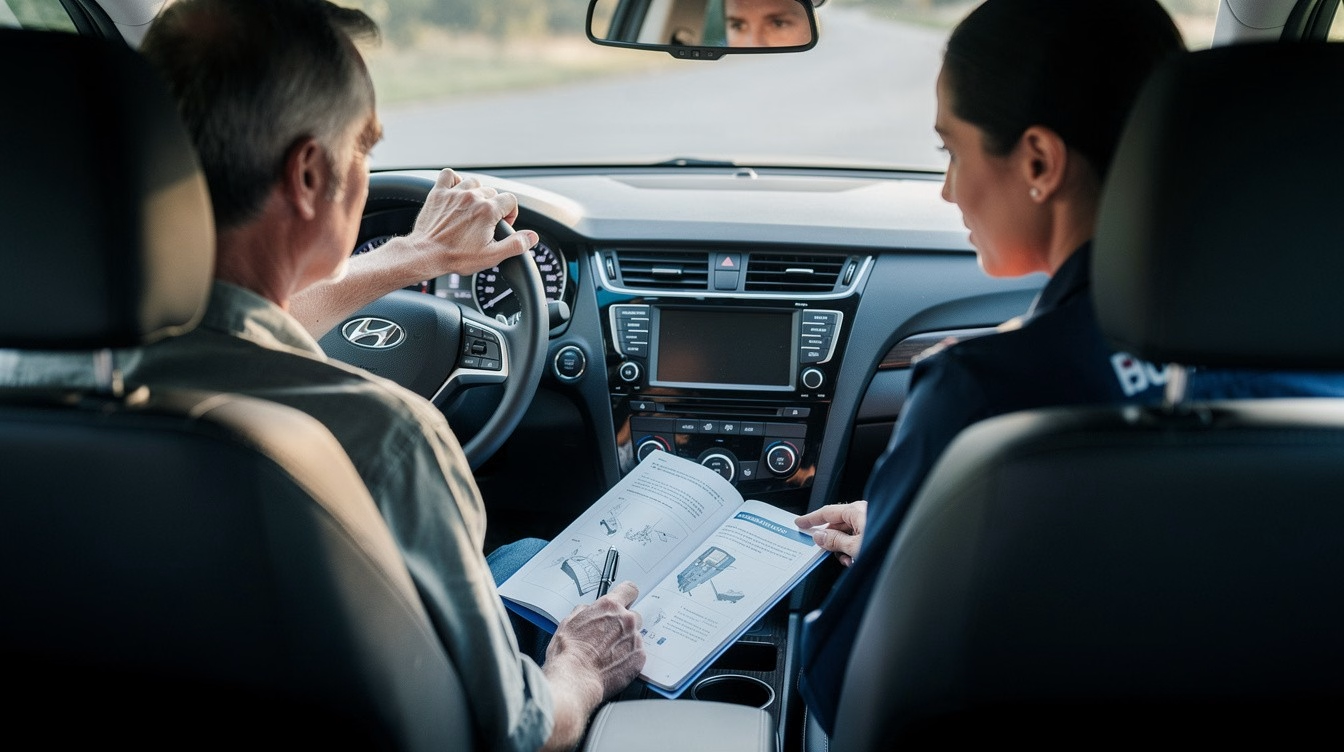
Traffic conditions do not stay still. Roadways become more congested, vehicle technology changes, and distracted driving creates hazards that were less common decades ago. A driver improvement or mature driver course can provide a structured review of current traffic laws, defensive driving techniques, and ways to reduce risk in everyday situations.
A refresher is especially useful after a move, a medical change, a near miss, or a long period without much highway driving. It can also help a family begin a respectful conversation about safety based on practical habits rather than age alone.
Many states and insurance companies offer programs specifically designed for older adults, but the rules are not identical everywhere. Course approval, eligibility, completion requirements, and available insurance savings depend on the state and the insurer. Before enrolling, drivers should confirm that a course meets the requirement they are trying to satisfy.
The Driving Changes Worth Taking Seriously
Changes in driving ability often happen slowly, which can make them easy to overlook. The goal is not to treat every change as a reason to stop driving. It is to match driving habits and vehicle settings to what helps a driver remain alert, comfortable, and in control.
Vision, glare, and nighttime driving
Night driving can become more difficult when glare from headlights, reduced contrast, or slower adjustment to changing light affects visibility. Keeping windshields clean inside and out, replacing worn wiper blades, and making sure headlights are properly aimed can make a noticeable difference.
Drivers who feel less confident after dark may choose to schedule errands during daylight whenever possible. That is a smart adjustment, not a failure. If blurred vision, halos, double vision, or frequent difficulty reading signs develops, an eye care professional should evaluate the concern promptly.
Hearing, attention, and reaction time
Hearing a horn, an emergency vehicle, or a warning sound from a vehicle matters, but safe driving requires more than hearing well. It also requires scanning ahead, checking mirrors consistently, and leaving enough room to respond when traffic changes.
Following distance is one of the simplest ways to create more decision time. In clear conditions, leave at least three seconds behind the vehicle ahead, then add more space in rain, darkness, heavy traffic, or when towing. Extra space reduces the need for sudden braking and gives other drivers more room to see your intentions.
Flexibility and comfort behind the wheel
Limited neck, shoulder, hip, or knee movement can make it harder to check blind spots, turn the steering wheel, or move quickly between pedals. Proper seat position, mirror adjustment, and a comfortable steering-wheel setting can reduce strain before a trip begins.
Vehicle features can also help. Larger mirrors, backup cameras, blind-spot alerts, power seats, and easy-to-read controls may improve comfort and awareness. These features are useful aids, but they do not replace mirror checks, full stops, or attention to the road.
Practical Habits That Reduce Everyday Risk
Safe driving is usually built from ordinary decisions made consistently. Plan routes before leaving, especially when traveling to unfamiliar medical offices, airports, or events. Navigation tools can help, but enter destinations before the vehicle moves and pull over safely if directions need to be changed.
Avoid driving when tired, ill, rushed, or emotionally upset. A short delay, a different route, or a ride from someone else can be the safer option. Mature drivers should also review medications regularly with a doctor or pharmacist, including over-the-counter products, because some can cause drowsiness, dizziness, blurred vision, or slowed reactions.
Intersections deserve extra attention. Look left, right, and left again before entering, and do not rely only on another driver’s turn signal. When making a left turn, wait for a safe gap instead of feeling pressured by vehicles behind you.
Weather is another area where preparation pays off. Check conditions before departure, keep tires properly inflated, and make sure lights, brakes, and wipers are maintained. If rain, fog, ice, or high winds make a trip feel uncertain, postponing it is often the safest choice.
How an Approved Mature Driver Course Can Help
An approved mature driver course is typically designed to review defensive driving principles and traffic safety issues relevant to experienced adults. Topics may include updated traffic laws, managing space around the vehicle, sharing the road with pedestrians and cyclists, and responding to changing physical abilities.
For some drivers, the primary reason to complete a course is an insurance discount. For others, it is personal confidence or a family recommendation. The right reason depends on the driver’s needs, but it is important not to assume every course automatically produces the same result.
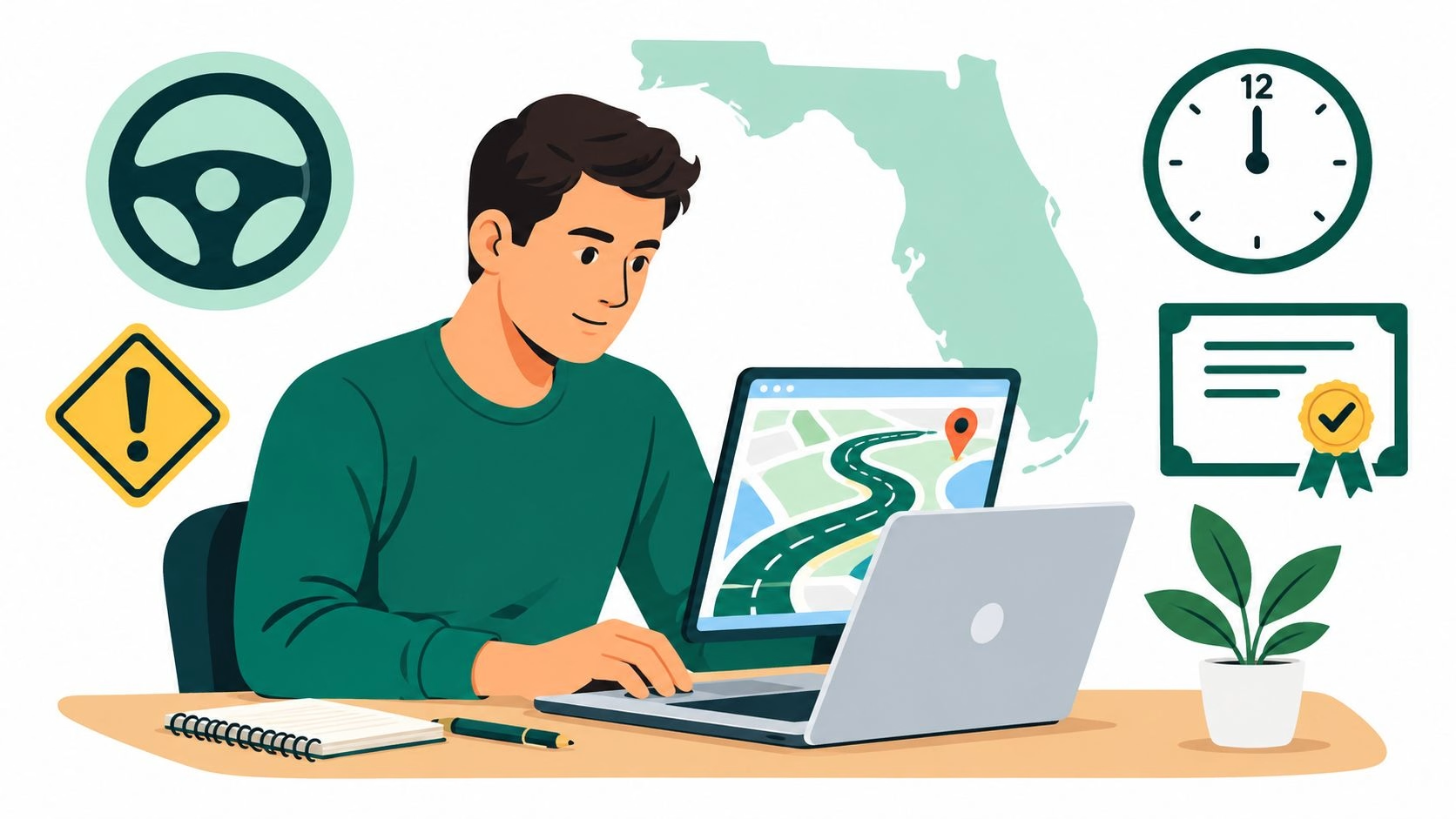
Before signing up, verify four details: whether the course is approved in your state, whether your insurance provider accepts it, how long the certificate remains valid, and what documentation you must submit. These questions can prevent confusion after completion.
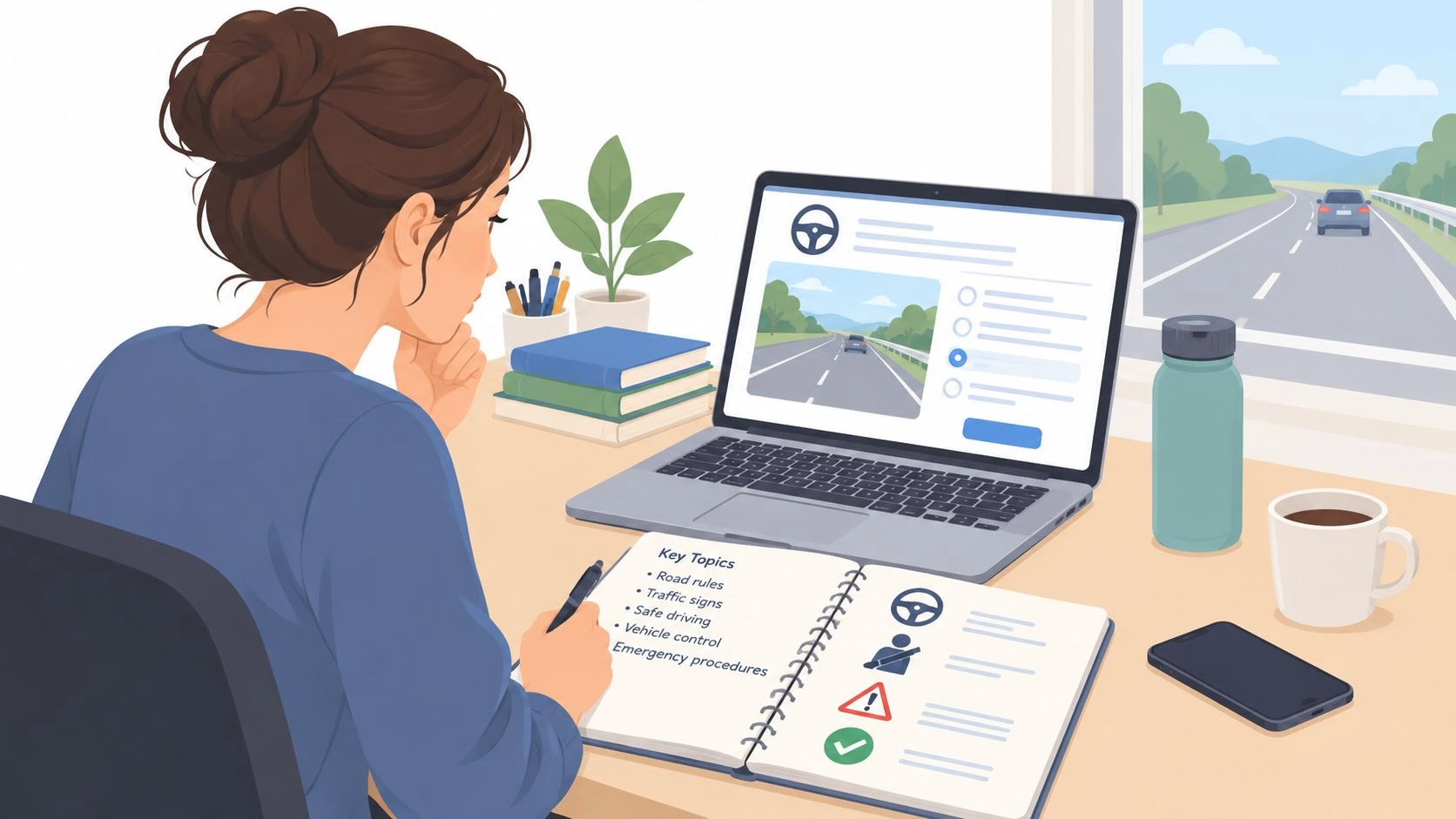
Online learning can be a practical option for people who prefer to work at their own pace from home. A course that is accessible on a computer, tablet, or phone may fit more easily around appointments and family responsibilities. DriverEducators.com offers online driver education options designed to make required safety training more convenient, but drivers should always confirm the specific course requirement for their state and insurer.
Talking About Driving With Family Members
Conversations about driving can feel personal because driving represents freedom, routine, and connection. The most productive discussions focus on specific observations, such as trouble seeing at night or discomfort in heavy traffic, rather than labels or broad statements about age.
Family members can offer practical support by helping schedule vision appointments, reviewing vehicle features, or suggesting a safety course. They can also help create alternatives for difficult trips, including rideshare services, delivery options, public transportation, or rides from relatives. Having options makes it easier to adjust driving habits without losing independence.
A professional driving evaluation may be appropriate when there are repeated close calls, unexplained vehicle damage, getting lost on familiar routes, frequent traffic citations, or concerns after a medical event. An evaluation provides more useful information than an argument because it looks at actual driving skills and needs.
FAQ About Mature Drivers
What age is considered a mature driver?
A mature driver is generally an adult age 55 or older for insurance discount programs. The age requirement varies by state and insurance company.
Can mature drivers get an insurance discount after a course?
Some can. The insurer must offer the discount, and the completed course must meet its requirements.
Do mature driver courses remove traffic tickets?
Usually, no. Mature driver courses are commonly intended for safety education or insurance discounts, while ticket dismissal may require a different court-approved course.
How often should a mature driver take a refresher course?
It depends on state and insurance rules. Many insurers require a new course or certificate after a set number of years to continue a discount.
Should a driver stop driving after one close call?
Not necessarily. One close call can be a reason to review conditions, habits, vision, medications, or training, but a pattern of concerns deserves professional guidance.
The best time to improve a driving routine is before a problem forces the issue. A few thoughtful adjustments, a current safety course, and a willingness to choose the safest option for each trip can help preserve confidence and independence for years to come.