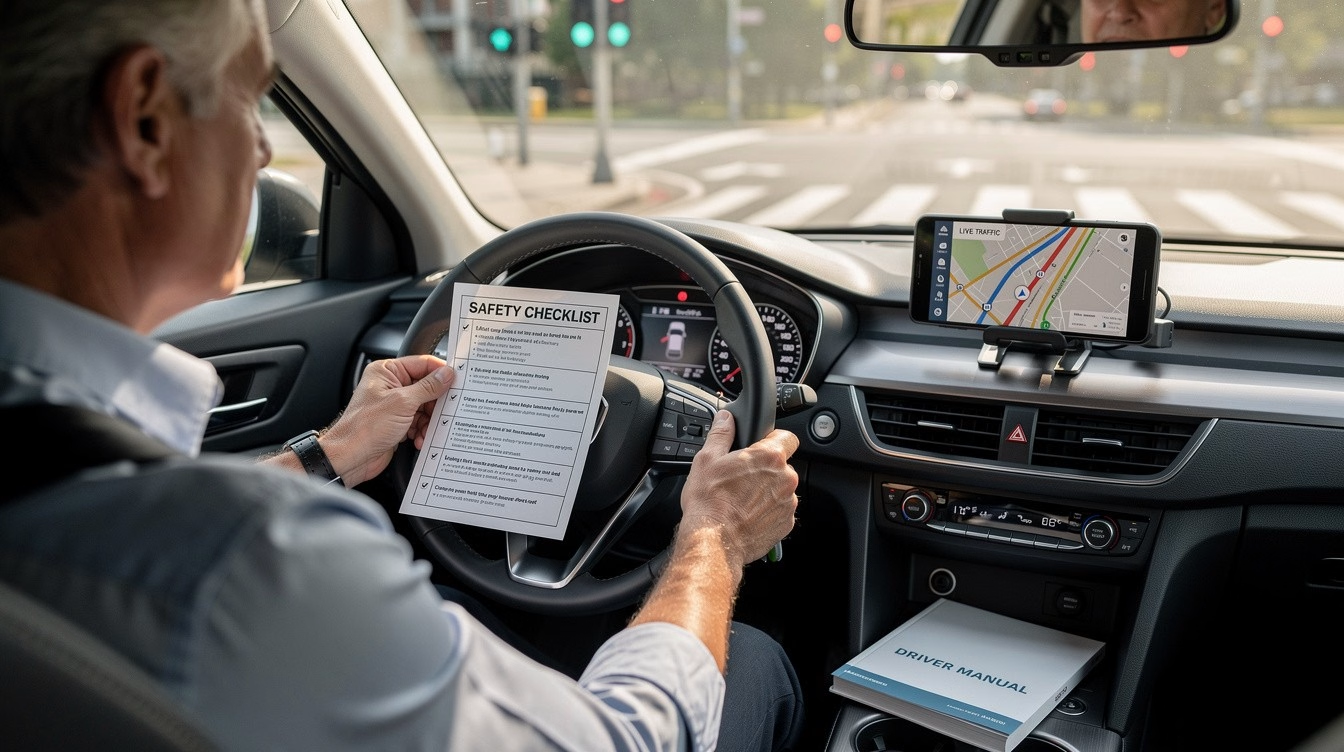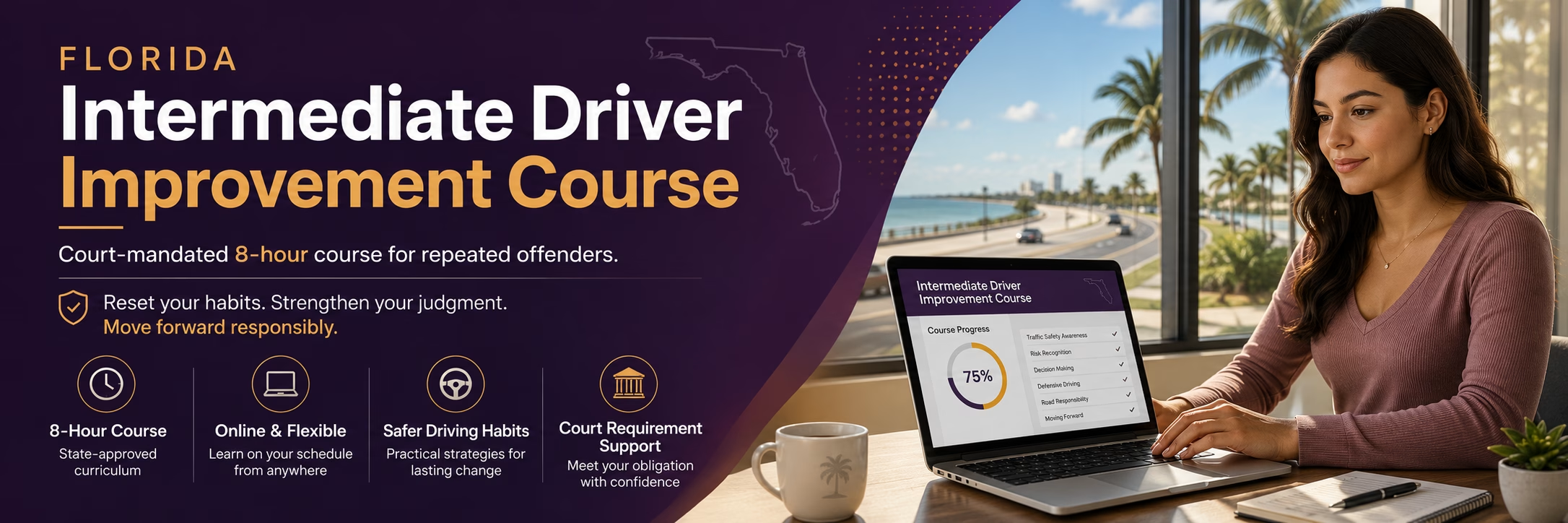

A mature driver versus defensive course decision usually comes down to one question: what requirement do you need to meet? The names can sound similar because both courses promote safer driving, but they are designed for different drivers, different situations, and often different state approval rules. Choosing the wrong course can delay an insurance discount, leave a court requirement unfinished, or require you to enroll again.
The most reliable starting point is the notice, letter, or policy information you received. If you are taking a course for an insurance discount, your insurer may specify a mature driver course. If you are responding to a traffic ticket, court order, or driver improvement requirement, a defensive driving or state-approved improvement course may be the appropriate choice. Course approval matters more than the course title.
Mature Driver Versus Defensive Course: The Main Difference
A mature driver course is generally intended for experienced drivers, commonly age 50 or older, who want to refresh their knowledge and may qualify for an auto insurance discount. A defensive driving course teaches accident-prevention habits and traffic safety strategies for drivers of many ages. It may be used for voluntary education, insurance purposes, ticket dismissal, point reduction, or court compliance, depending on the state and program.
The overlap is real. Both can cover traffic laws, hazard recognition, impaired driving, distracted driving, and techniques for managing risk behind the wheel. The difference is the course’s approved purpose and the audience it was built to serve.
A mature driver course often gives additional attention to changes that can affect driving over time, such as vision, hearing, medication side effects, reaction time, and nighttime driving. It frames these topics respectfully and practically, with the goal of helping experienced drivers adjust habits while maintaining independence.
A defensive course is usually broader. It may emphasize space management, following distance, scanning patterns, speed control, right-of-way decisions, and how to respond to common traffic conflicts. Some defensive programs are approved specifically for drivers who need to satisfy a citation or court-related obligation.
When a Mature Driver Course Is the Better Fit
A mature driver course is often the right choice when your primary goal is an insurance discount. Many insurers offer discounts to eligible older policyholders who complete an approved course, although the age requirement, discount amount, course length, and renewal schedule vary by insurer and state.
Before enrolling, call your insurer or review its discount requirements. Ask whether the course must be state-approved, whether online completion is accepted, and how often you must retake the program to keep the discount. Do not assume any general defensive driving class will qualify.
This course can also be a good fit for a driver who has not received a ticket but wants a practical safety refresher. Driving environments change. New road designs, in-vehicle technology, smartphone distractions, and updated traffic rules can create risks that were less common years ago.
The value is not limited to a possible discount. A well-designed mature driver course can help a driver identify personal adjustments that support safer travel, such as avoiding difficult routes at night, allowing more time for turns, or reviewing medication warnings before driving.
When a Defensive Driving Course Is the Better Fit
A defensive driving course is commonly the better option when a court, DMV, employer, or insurance provider has directed you to complete driver improvement training. The document you received should identify the required program type, deadline, completion method, and whether the provider must be approved in your state or jurisdiction.
For a traffic citation, the outcome may depend on completing the exact approved course by the deadline. In some locations, completion can support ticket dismissal, prevent points from being assessed, reduce points, or satisfy a court condition. Those outcomes are never automatic. Eligibility rules can depend on the violation, your driving record, prior course history, and the court or agency handling the case.
Defensive training may also suit a newer driver, a commercial or workplace driver completing employer-requested training, or any adult seeking broader crash-prevention skills. Age alone does not determine whether it is appropriate.
If your insurer says you qualify for a defensive driving discount, confirm whether it requires a particular course. Some insurers accept multiple approved programs. Others distinguish between mature driver training and defensive driver training. A quick verification before purchase protects your time and money.
Compare Approval Before You Compare Convenience
Online access is useful, especially when you need to complete a course around work, family, medical appointments, or travel. But a convenient format cannot replace the approval required for your situation. The course should be recognized by the organization that will receive your completion certificate.
Check four details before you enroll:
- The exact course name or category named by your court, DMV, or insurer.
- The state where the requirement applies, which may differ from where you currently live.
- Whether online completion is accepted for your purpose.
- The deadline and certificate submission process.
If the requirement came from a court, read every line of the order. Some courts require advance permission before enrollment, limit eligible providers, or require the certificate to be filed directly with the clerk. For insurance discounts, ask whether you need to send the certificate yourself or whether the provider reports completion.
Price should be considered, but it should not be the only factor. Transparent pricing, clear approval information, mobile access, and customer support can make a meaningful difference when you are working against a deadline. A refund policy may also provide added confidence when eligibility needs to be confirmed before coursework begins.
Course Content May Overlap, but the Outcome Does Not
It is easy to focus on what you will learn because both course types teach useful safety principles. The more urgent issue is what completion accomplishes. A mature driver certificate may help support an insurance discount but may not satisfy a court order. A defensive driving certificate may satisfy a ticket-related requirement but may not meet an insurer’s mature driver discount standards.
Think of the course as a compliance document as well as a learning experience. The correct certificate needs to show the required provider, course name, completion date, and any other information your state, court, or insurer expects.
This does not mean you need to choose only one type of training forever. An experienced driver may take a mature driver course for insurance eligibility and later need a defensive course after a citation. The two programs can serve different legitimate needs at different times.
How to Make the Right Choice in Minutes
Start by identifying your reason for taking the course. If the answer is “my insurer offered a discount,” ask the insurer which approved mature driver program it accepts. If the answer is “I received a ticket or court notice,” follow the exact language in that notice and confirm eligibility with the court if anything is unclear.
Next, confirm the state-specific approval and make sure the course format works for your schedule. A self-paced online course can be a practical option when accepted, allowing you to complete lessons from a computer, tablet, or mobile device without attending a classroom at a fixed time.
Finally, keep your completion certificate. Save a digital copy and submit it promptly if you are responsible for reporting completion. For insurance discounts, follow up with your insurer to verify that the discount was applied to the correct policy and effective date.
DriverEducators.com offers online driver education and traffic safety courses designed to help eligible drivers meet approved requirements with clear pricing, flexible access, and practical safety instruction. Always verify the course requirement for your state and purpose before enrolling.
Frequently Asked Questions
Is a mature driver course the same as defensive driving?
No. A mature driver course is generally designed for older, experienced drivers and may support an insurance discount. Defensive driving is broader safety training that may be used for traffic tickets, court orders, point reduction, or voluntary education when approved.
Can I take a mature driver course to dismiss a ticket?
Usually, not unless the court specifically approves it. Ticket dismissal requirements are set by the court or local authority, so confirm the exact course type before enrolling.
Does a defensive driving course lower insurance rates?
It can, but discounts vary by insurer, state, driver history, and course approval. Contact your insurer before taking the course to confirm its policy.
What age qualifies for a mature driver insurance discount?
The qualifying age depends on state law and insurer rules. Age 50 or older is common, but you should verify the requirement directly with your insurance company.
Can I complete either course online?
Often, yes, when an approved online option is available for your state and purpose. Confirm that the court, DMV, or insurer accepts online completion before you begin.
The right course should do more than fit your schedule. It should give you a valid completion record for the requirement you have, while reinforcing the decisions that help keep you and everyone around you safer on the road.