
A lot of teens think getting a learner’s permit starts at the DMV counter. It usually starts earlier – with education requirements, identity documents, and a clear understanding of what the state expects. If you are wondering how teens complete permit education, the short answer is that they meet their state’s pre-licensing rules, finish any required course hours, pass the permit test, and submit the right paperwork.
That sounds simple, but the exact path depends on where the teen lives. Some states require a formal driver education course before a permit or before the road test. Others require a traffic law and substance abuse course, supervised practice, or parent involvement forms. The process is manageable, but it works best when families treat it like a compliance checklist rather than a last-minute errand.
How teens complete permit education step by step
Most teens begin by checking their state’s age rules and education requirements. In many states, permit eligibility starts between ages 14 and 16, but that age alone does not guarantee a permit can be issued. A state may require classroom instruction, an online course from an approved provider, or a separate alcohol and traffic law course before the teen can move forward.
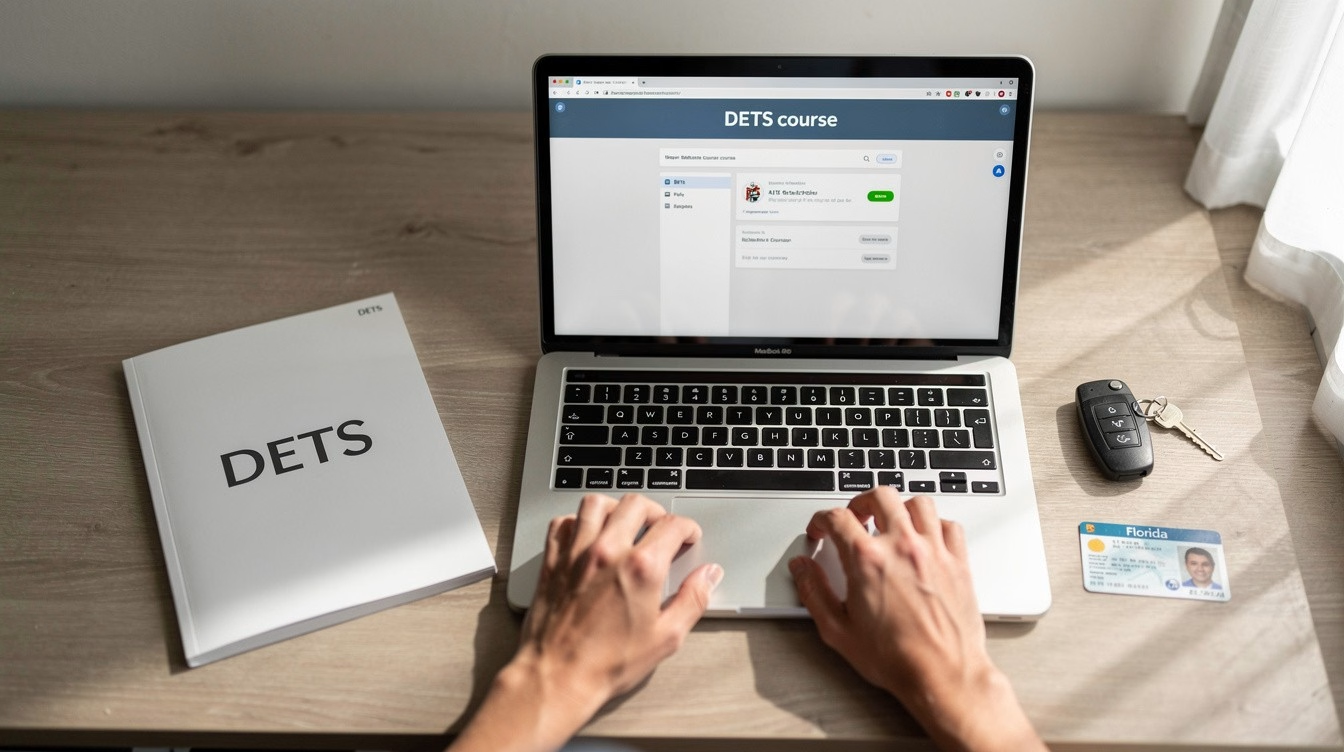
After confirming the requirement, the teen enrolls in the appropriate course. This is where online learning has changed the process for the better. Instead of waiting for a scheduled classroom session, many students can complete their coursework at home, on their own time, using a phone, tablet, or computer. For families balancing school, sports, and work schedules, that flexibility matters.
Once the course is finished, the teen typically receives a completion certificate or electronic proof of completion, depending on the state. That document is often required at the DMV or licensing office. From there, the teen studies for the written knowledge exam, gathers identification and residency documents, and schedules or attends the permit appointment.
If everything is in order, the teen takes the vision screening and written test. Passing those steps usually leads to issuance of a learner’s permit, which then starts the supervised driving phase. Permit education is not only about passing a test. It is about satisfying each state requirement in the right sequence.
What permit education usually includes
Permit education generally covers the rules a new driver needs before practicing on public roads. That includes traffic signs, right-of-way rules, speed regulations, lane use, sharing the road, defensive driving habits, and the legal consequences of unsafe behavior. In some states, the material also includes alcohol awareness, drug impairment, distracted driving, and seat belt laws.
The format varies. A traditional driver education program may combine classroom lessons with behind-the-wheel instruction. An online course may focus first on the knowledge portion required for permit eligibility, while driving practice happens later with a parent, guardian, or instructor. Neither format is automatically better in every situation.
Online education is often the most convenient option, especially for self-paced learners who need scheduling flexibility. In-person instruction may help teens who focus better in a classroom or who benefit from direct teacher interaction. The better choice depends on the state’s rules, the student’s learning style, and whether the provider is officially approved.
Why state approval matters
A course only helps if the state accepts it. That is why approval status should be checked before enrollment, not after completion. Families sometimes choose a course based only on price or convenience, then learn that the certificate does not satisfy the licensing requirement.
An approved provider is one that has been accepted by the relevant state agency, court system, or licensing authority for that specific course type. Approval can vary by state and by course, so a provider approved for one program is not necessarily approved for all programs everywhere. This is one of the most common areas where small mistakes create delays.
For that reason, teens and parents should verify three things before signing up: the course matches the student’s state, the course matches the student’s requirement, and the completion proof will be accepted when applying for the permit. A reliable provider makes this clear up front.
Common steps families should prepare for
Even when the education course is online, the permit process still includes documentation. The teen may need proof of identity, Social Security number, state residency, school attendance, or parental consent. Requirements differ, and the DMV usually applies them strictly.
This is where many permit timelines slip. A teen may complete the class on time but arrive without one required document, or with a parent form that is missing a signature. It helps to gather paperwork while the course is in progress rather than waiting until test day.
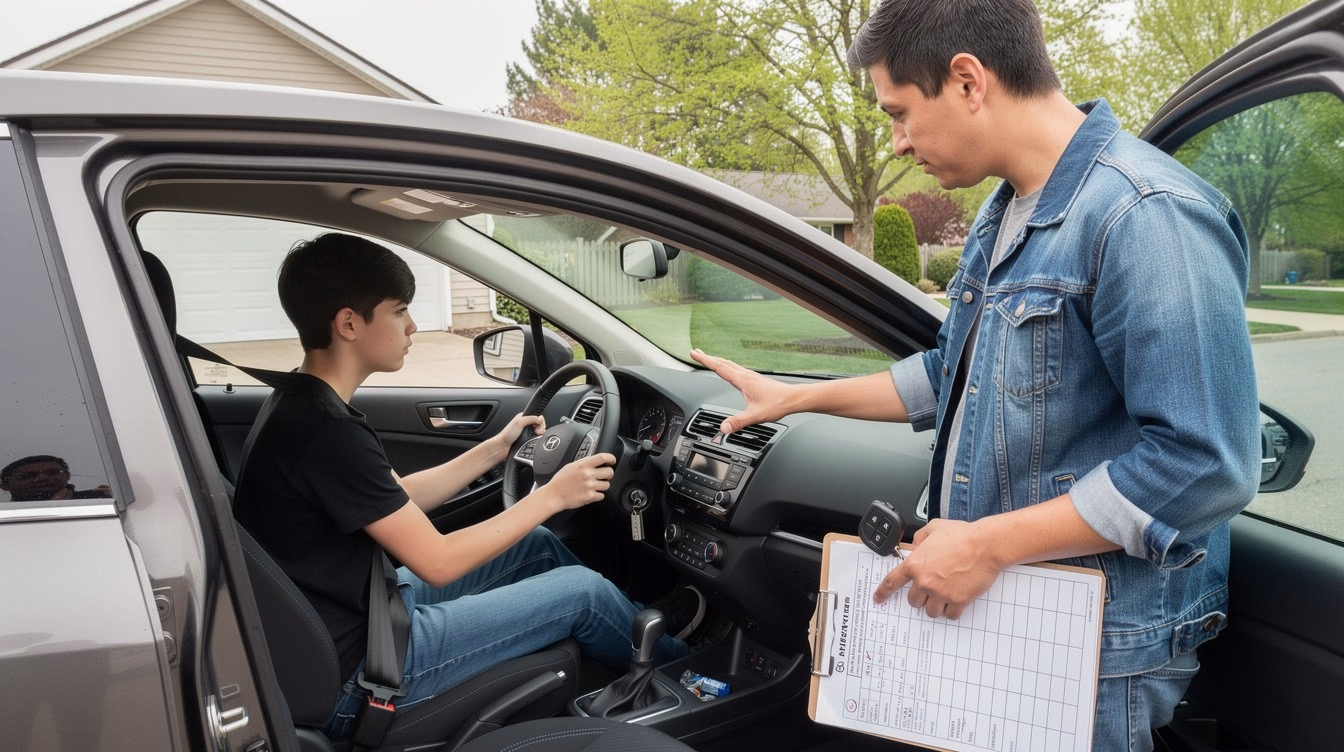
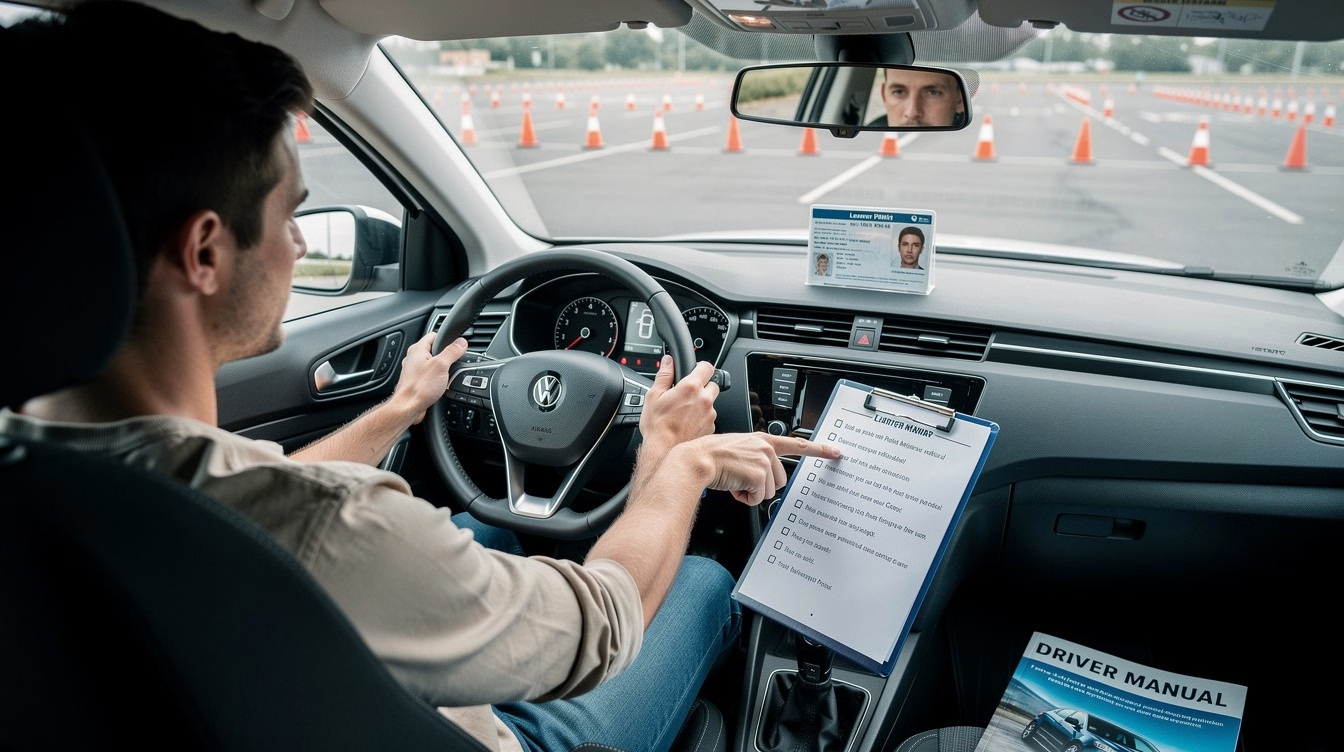
Parents should also expect to be involved beyond paperwork. In many states, the learner’s permit starts a supervised driving period that requires a set number of practice hours, sometimes including night driving. Permit education is the foundation, but supervised driving is where knowledge becomes judgment.
How long permit education takes
There is no single timeline. Some state-required courses are only a few hours long, while others involve much more instruction. A motivated teen may complete a self-paced online course quickly, but the overall permit process can still take longer if appointment availability is limited or the state imposes waiting periods.
It also depends on how the teen learns. Some students move through reading and quizzes efficiently. Others need to review material more than once before they feel ready for the written exam. That is normal. Faster is not always better if it means retaining less information.
The practical goal is not to finish in the shortest possible time. It is to complete the requirement correctly, avoid rejection at the DMV, and build enough understanding to drive safely once the permit is issued.
Mistakes that slow the process down
The biggest mistake is assuming every state follows the same rules. Families often hear what worked for a friend or older sibling in another state and expect the same process to apply. It may not.
Another common problem is enrolling in the wrong course. Permit education can overlap with other beginner-driver requirements, but they are not always interchangeable. A teen might need a specific first-time driver course, not just any traffic safety class.
Test preparation is another weak point. Some students complete the education requirement and assume the permit exam will be easy. The course helps, but the written test still requires focused review. A failed exam usually means extra time, another appointment, and more frustration.
Finally, families sometimes underestimate how useful customer support can be. If a requirement is unclear, asking questions early can prevent a rejected certificate, missed appointment, or duplicate enrollment. That is one reason many people prefer established online providers with clear instructions and responsive support.
Choosing the right course provider
The best provider is not just the cheapest one. It should offer state-approved coursework where applicable, simple enrollment, mobile-friendly access, transparent pricing, and clear completion records. For teens and parents, ease of use matters because confusion during registration can create compliance problems later.
A dependable provider should also explain what the course does and does not cover. Some courses satisfy only the knowledge requirement. Others are part of a broader driver education path. Clear expectations help families avoid paying for the wrong program.
That practical, approval-first approach is why many families look for established online options such as DriverEducators.com when they need a course that fits a busy schedule and supports compliance from start to finish.
FAQ
What is permit education?
Permit education is the pre-licensing instruction a teen may need before getting a learner’s permit. It usually covers traffic laws, road signs, safe driving habits, and state-specific rules.
Do all teens have to take a permit education course?
No. It depends on the state. Some states require a course before a permit or license, while others do not.
Can teens complete permit education online?
Yes, in many states. The course must be accepted for that state’s requirement.
How do teens complete permit education faster?
They complete it faster by choosing an approved self-paced course and preparing documents early. Speed still depends on state rules and DMV appointment timing.
Is online permit education valid?
Yes, if the course is state approved or otherwise accepted for the requirement. Approval is the key factor, not whether the class is online.
What happens after a teen finishes permit education?
The teen usually receives proof of completion, takes the written permit test, and submits required documents. If approved, the state issues a learner’s permit.
Do parents need to be involved?
Usually, yes. Many states require consent forms, supervised practice, or both.
How teens complete permit education without delays?
Teens avoid delays by confirming state rules first, enrolling in the correct course, finishing all required hours, and bringing complete documents to the DMV. A little preparation saves a lot of time.
For most families, the process feels easier once the steps are visible. When the course is approved, the paperwork is ready, and the next requirement is clear, permit education becomes less about bureaucracy and more about helping a new driver start the right way.