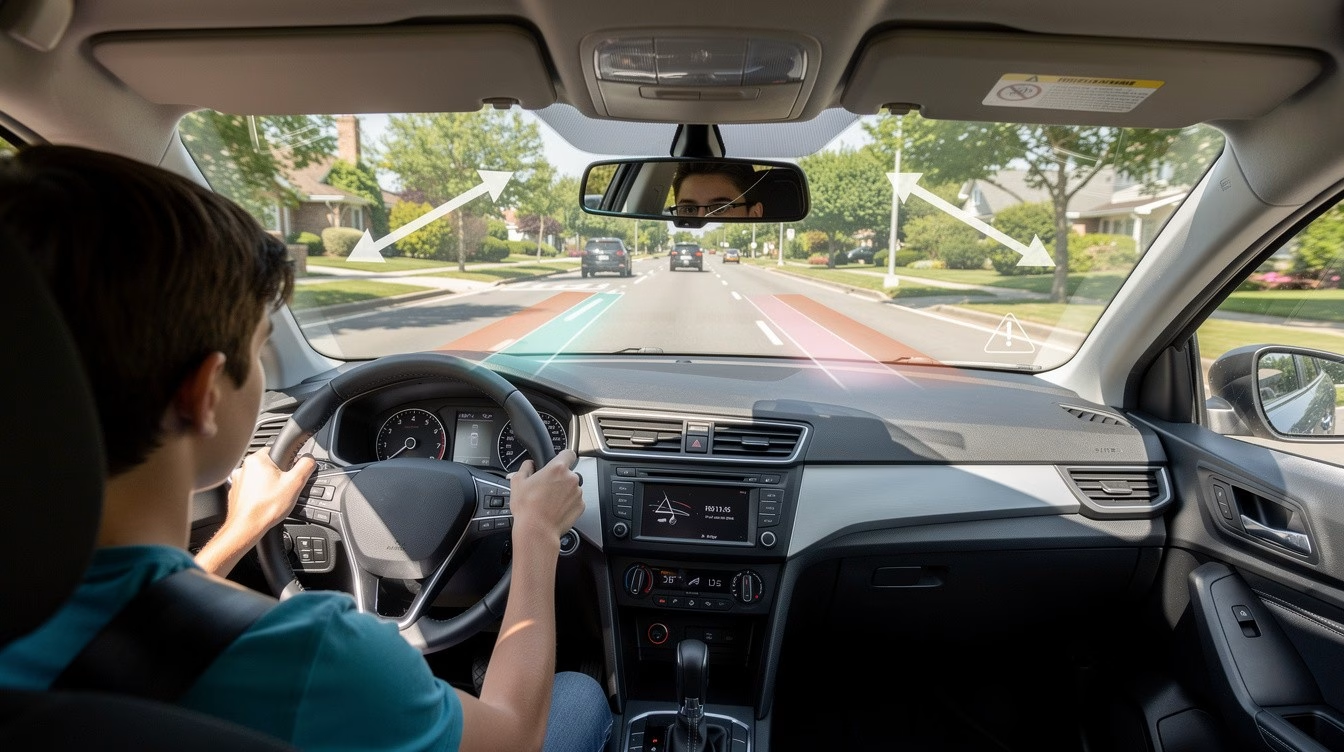
Teen drivers face real dangers on the road. According to the CDC, motor vehicle crashes are the leading cause of death for teenagers in the United States, with nearly 2,500 teens dying annually in these incidents.
Defensive driving for teens isn’t just about following rules-it’s about building lifesaving habits early. We at DriverEducators.com believe that young drivers who learn these skills now will carry them throughout their driving lives, dramatically reducing their risk of accidents and injuries.
The Real Cost of Teen Driving Mistakes
Fatal Statistics That Demand Action
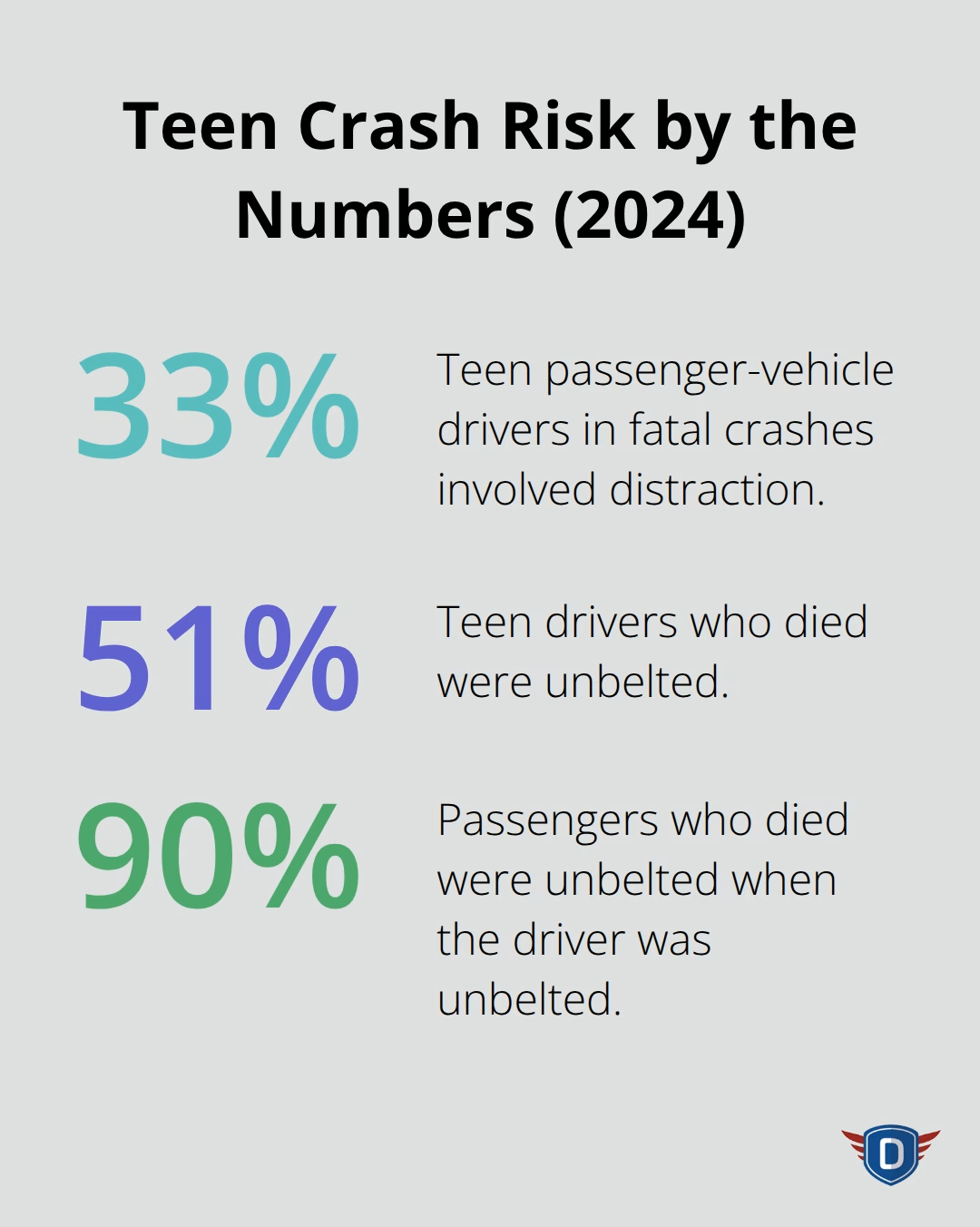
In 2024, distracted driving was a factor in 33% of the passenger vehicle teen drivers (15-18 years old) involved in fatal crashes, according to NHTSA data. Distracted driving caused 3,308 deaths overall and injured approximately 289,310 people that same year. These numbers represent preventable deaths caused by specific, avoidable mistakes.
The Behaviors Behind Teen Crashes
Speeding was a factor in teen passenger-vehicle fatal crashes in 2024. Texting while driving increases crash risk by 23 times compared to undistracted driving, and about one in three teens who text admit to texting behind the wheel. The presence of even one teen passenger increases risky driving behavior by 2.5 times, while multiple teen passengers push that risk to 3 times higher.
Seat belt use remains shockingly low among teen fatalities: 51 percent of teen drivers who died in 2024 were unbelted. When the driver was unbelted, 9 in 10 passengers who died were also unbelted. This pattern shows how one poor choice cascades to endanger everyone in the vehicle.
How Defensive Driving Counters These Mistakes
A Graduated Driver Licensing system was associated with an 11% lower fatal crash involvement rate for 16-year-old drivers. The system works because it addresses the exact behaviors that cause crashes: it restricts nighttime driving when teen drowsy-driving risk peaks between ages 17 and 23, limits passengers during the most vulnerable driving months, and enforces zero-alcohol policies.
Defensive driving training teaches hazard recognition, speed control, and focus strategies that directly reduce the distractions and poor judgment responsible for teen fatalities. Teens who complete defensive driving courses gain the skills to anticipate hazards before they become emergencies, maintain safe following distances even under pressure, and recognize when conditions demand their full attention.
Moving Forward With Skill Development
The evidence is straightforward: teens equipped with these skills earlier in their driving lives avoid the costly mistakes that dominate crash statistics. Understanding what goes wrong on the road is only the first step-the next is learning the specific techniques that prevent those mistakes from happening in the first place.
The Three Techniques That Stop Teen Crashes Before They Happen
Most teen crashes happen because young drivers misjudge distance, miss hazards, or lose focus at critical moments. The good news is these failures are preventable once teens learn and practice three core techniques that separate safe drivers from those who end up in statistics.
Safe Following Distance and Speed Control
The first technique is maintaining a safe following distance paired with deliberate speed control. NHTSA data shows speeding factors into one-third of fatal teen crashes, yet many teens believe they can handle higher speeds because they feel in control. The reality is different: at 55 mph, a vehicle travels 121 feet per second, and most teens cannot process hazards fast enough to brake safely at speeds above posted limits on unfamiliar roads.
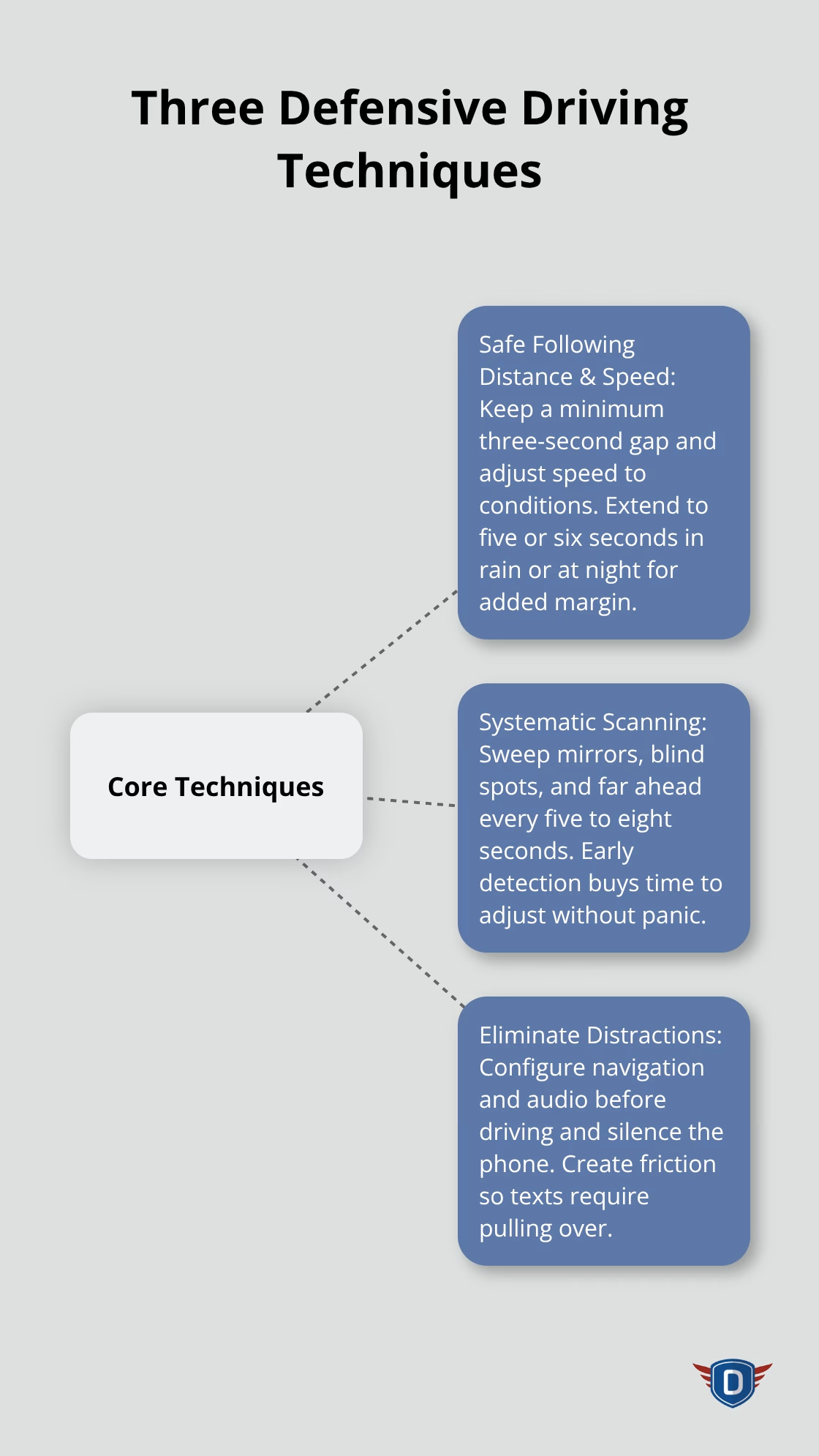
The three-second rule works reliably. Pick a fixed object ahead, count the seconds between when the vehicle in front passes it and when your vehicle reaches it. Three seconds minimum gives you reaction time and stopping distance. On wet roads or at night, increase this to five or six seconds.
Speed must match conditions, not just the posted limit. Rain reduces tire grip by up to 50 percent, yet many teens maintain highway speeds in wet weather because they have never experienced how a vehicle actually behaves when traction fails.
Systematic Road Scanning
The second technique is systematic scanning, which means deliberately moving your eyes to check mirrors, blind spots, and far ahead on the road every five to eight seconds rather than staring at the road directly in front of the vehicle. According to research from Children’s Hospital of Philadelphia, 93 percent of young drivers use phones for navigation, 91 percent eat or drink, and 90 percent talk while driving, which means their eyes and attention are constantly pulled away from scanning.
Teens who practice scanning catch potential hazards 4 to 6 seconds earlier than untrained drivers, giving them time to adjust speed or position instead of reacting in panic.
Eliminating In-Car Distractions
The third and most critical technique is eliminating in-car competition for attention before driving starts. Set up your GPS, create your playlist, and silence your phone before leaving the driveway. Texting increases crash risk by using a cellphone while driving, and the knowledge-behavior gap is real: most teens say texting while driving is dangerous, yet many still do it because the urge feels stronger than the rule.
The solution is not willpower but friction. If your phone sits in the trunk or in a bag in the back seat, texting requires you to pull over and get it. This physical barrier works far better than telling yourself you will resist.
Defensive driving courses teach these techniques through repeated scenarios and practice, which is why completing formal training produces measurable reductions in crash risk early in a teen’s driving years. Once teens master these three techniques, they move from reactive driving to proactive driving-and that shift changes everything about how they handle the road ahead.
How Repetition and Structure Build Unshakeable Driving Habits
Supervised Practice Creates Real Competence
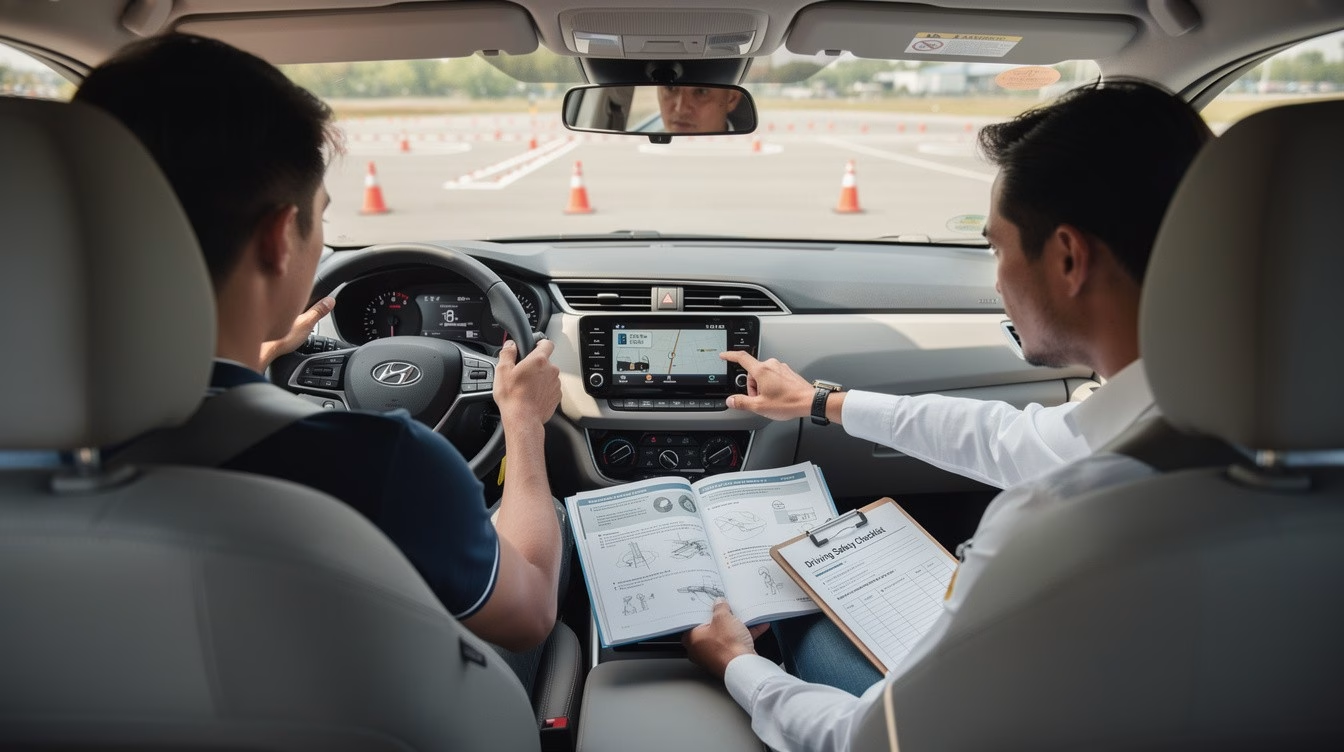
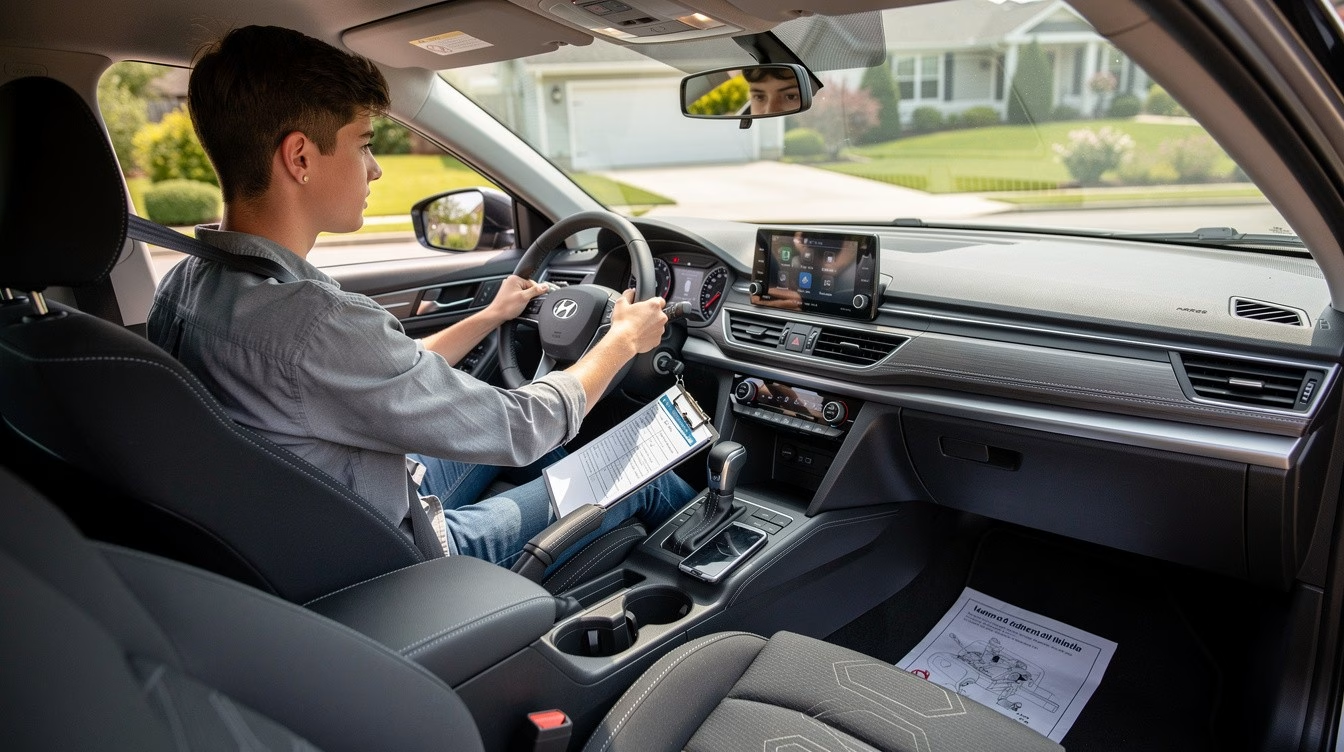
Teen drivers need more than instruction-they need deliberate, repeated practice in real conditions. Research from NHTSA shows that teens who complete 40 to 50 hours of supervised driving before taking their road test develop significantly better hazard recognition than those who skip this step. The key difference is supervision. Sitting in traffic while a parent watches teaches nothing; supervised driving means someone actively coaches, points out hazards the teen missed, and explains why certain decisions were wrong before they cause crashes.
Set up a daily log of your teen’s driving sessions and track which conditions they handled poorly-rain, nighttime, heavy traffic, highway merging. Repeat those specific scenarios until the teen handles them without prompting. A teen who practices emergency braking on an empty parking lot ten times will react faster in an actual emergency than one who has never done it at all.
Graduated Licensing Enforces the Right Progression
Graduated Driver Licensing systems work precisely because they enforce repetition through structure. Stage 1 learner’s permits require supervision and zero alcohol. Stage 2 intermediate licenses restrict nighttime driving and passenger limits. Stage 3 full licensure comes only after the teen has proven they can handle restrictions responsibly.
NHTSA data shows this three-stage approach reduces crash risk by up to 50 percent because it prevents teens from jumping directly into unsupervised highway driving. Many states enforce a 6 to 12 month holding period between stages, which sounds long but actually works. The teen’s brain is still developing judgment and impulse control until age 25, so rushing through stages defeats the entire purpose.
Parental Involvement Outweighs Everything Else
Your involvement matters more than any course or program. NHTSA identifies parents as the number one safety influence on teen driving behavior, yet many parents hand their teen the keys after a driver’s education class and assume the job is done. It is not.
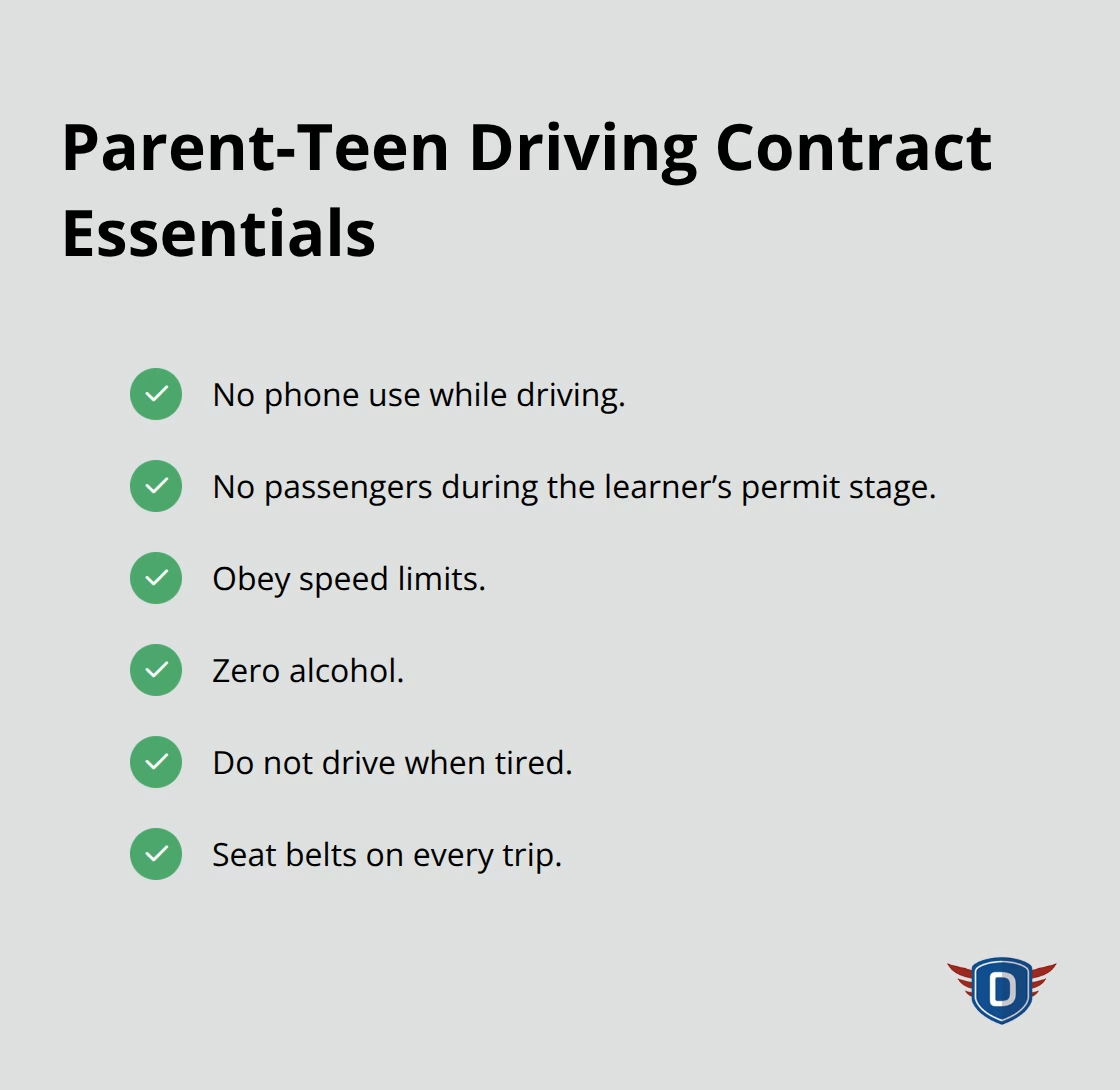
Stay in the car during practice drives and comment on what the teen is doing right and wrong in real time. The CDC recommends using a Parent-Teen Driving Contract that spells out rules: no phones, no passengers during the learner’s permit stage, no speeding, no alcohol, no driving when tired, and seat belts on every trip. Written agreements work better than verbal ones because they remove the argument later.
Check in regularly about how driving is going, not as punishment but as genuine interest. A teen who knows a parent will ask about their drive home is more likely to avoid risky behavior than one whose driving goes unmentioned. Fully licensed teens have their highest crash rates in the first six months of unsupervised driving, according to NHTSA research. This is when ongoing parental supervision and rule enforcement prevent the false confidence that leads to crashes. Your teen may resist this involvement, but that resistance is exactly why it matters-the structure you provide compensates for the judgment gaps that still exist in their developing brain.
Final Thoughts
Defensive driving for teens is not a single course or a box to check before handing over car keys. The three core techniques you have learned-maintaining safe following distance and speed control, systematic road scanning, and eliminating in-car distractions-directly address the behaviors that cause the majority of teen crashes. When teens practice these skills repeatedly under supervision and within the structure of a Graduated Driver Licensing system, they develop the muscle memory and judgment that prevent accidents before they happen.
Teens who build defensive driving habits early carry those habits into adulthood, where they continue to reduce crash risk, lower insurance costs, and protect themselves and their passengers. Research shows that early skill development creates drivers who make safer decisions instinctively rather than through conscious effort. Your involvement as a parent or mentor during these formative driving months determines whether your teen becomes a statistic or a safe driver.
Set up supervised practice sessions, establish clear rules, and enroll your teen in formal defensive driving training through DriverEducators.com, which offers comprehensive programs designed to help drivers adopt lifelong safe driving habits through clear instruction and real-life scenarios. Your state’s Graduated Driver Licensing requirements provide the legal framework that enforces the progression teens need. The investment of time now prevents the tragedy and regret that follow preventable crashes.