Your first time behind the wheel can feel overwhelming. There’s a lot to process-the controls, the road, other drivers-all at once.
We at DriverEducators.com know that driving lessons for beginners work best when you break everything down into manageable steps. This guide walks you through what to expect, the skills you’ll build, and the mistakes you’ll want to avoid on your path to confident, independent driving.
What to Expect During Your First Driving Lesson
Understanding Vehicle Controls and Safety Features
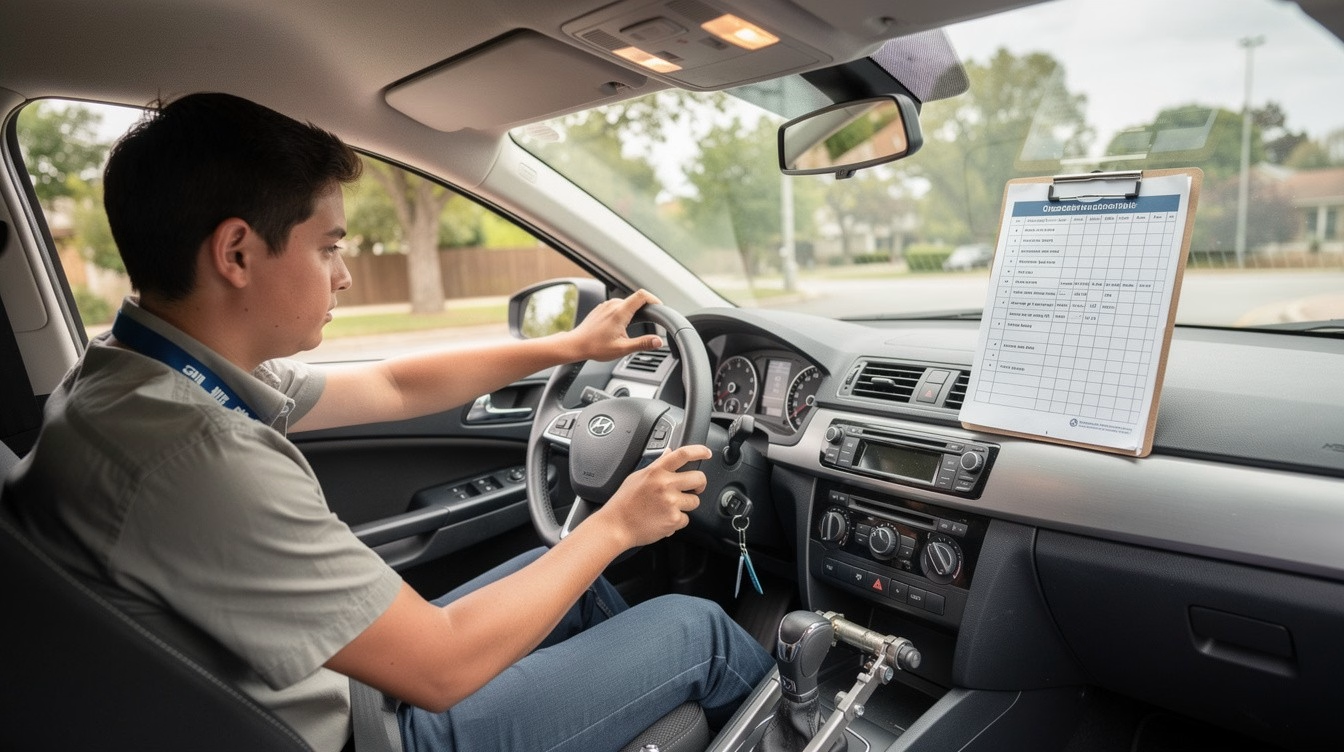
Your instructor will start by sitting beside you in a parked vehicle, walking through every control you’ll encounter. You’ll learn where the pedals are, how mirrors adjust, what the steering wheel’s resistance feels like, and where safety features hide-airbags, seat belt tensioners, stability control buttons. This isn’t wasted time. According to research from the National Highway Traffic Safety Administration, unfamiliarity with vehicle controls contributes to crashes among new drivers.
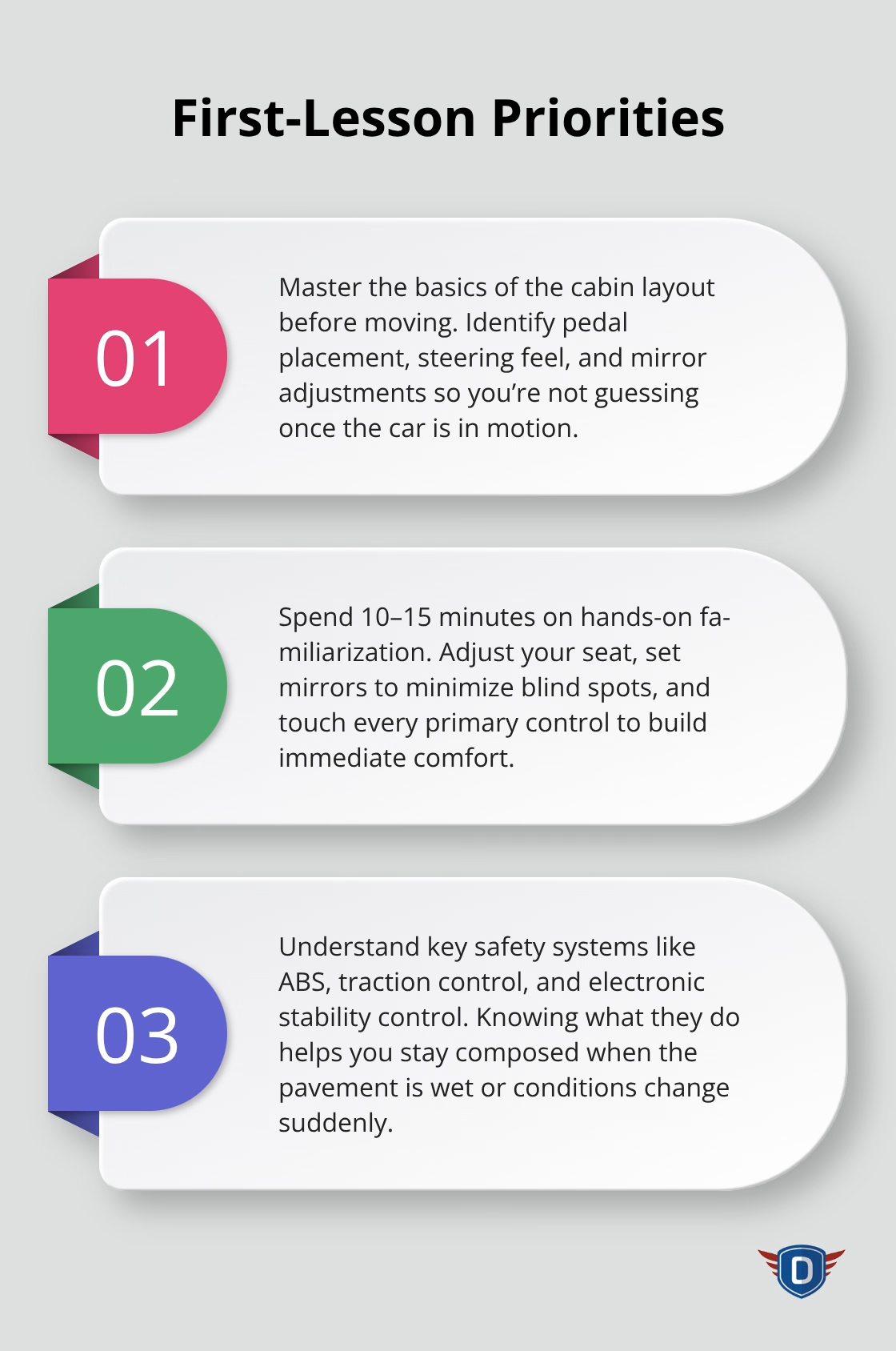
Spend the first 10 to 15 minutes getting your hands on everything. Adjust the seat so your legs have a slight bend at the knees when pressing the pedals. Position mirrors to eliminate blind spots-the side mirrors should show just a sliver of your vehicle’s edge. Your instructor will explain anti-lock brakes, traction control, and why electronic stability control matters when you hit wet pavement.
Moving Forward in a Controlled Environment
Once you’re comfortable identifying controls, your instructor will guide you through starting the engine, releasing the parking brake, and moving forward in an empty lot or quiet residential street. You won’t navigate intersections or heavy traffic on day one. The Governors Highway Safety Association reports that structured, low-stress environments during initial lessons improve retention and reduce anxiety.
You’ll practice smooth acceleration without jerking, gentle braking without locking up, and steering with small hand movements rather than cranking the wheel. Your instructor will correct your grip immediately-hands at nine and three o’clock, not ten and two. They’ll tell you to look where you want the vehicle to go, not down at the hood.
Building Correct Habits From the Start
These habits stick only if you build them correctly from the start. You’ll likely practice the same maneuver five or six times until it feels natural, not rushed. The instructor’s presence matters here-they have a dual brake pedal on their side and will step in if something goes wrong, which removes the paralyzing fear that often freezes new drivers.
Your first lesson establishes the foundation for everything ahead. The controlled environment lets you focus on one skill at a time without the pressure of traffic or pedestrians. This structured approach means you’ll move into more complex driving scenarios with confidence, not hesitation.
Building Core Driving Skills Step by Step
Mastering Steering, Acceleration, and Braking
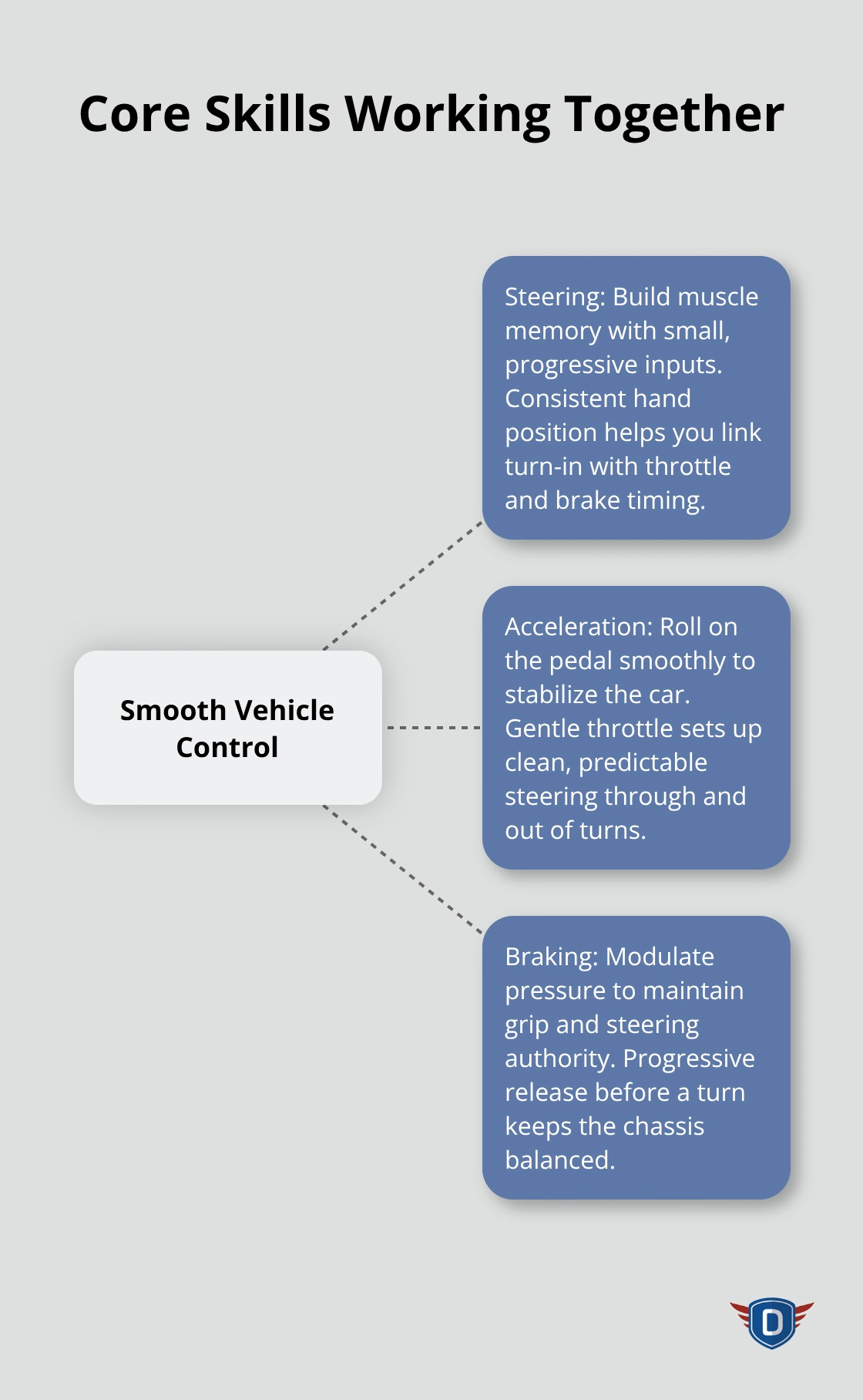
After your first lesson, you’ll move into the phase where real driving ability develops. Steering, acceleration, and braking transform from mechanical motions into fluid, coordinated actions. Your instructor will have you practice these fundamentals on progressively busier roads, starting with quiet neighborhoods and advancing to moderate traffic.
The key difference between new drivers who develop confidence quickly and those who struggle for months comes down to how deliberately they practice these three elements. Don’t treat them as separate skills-good steering requires smooth acceleration into turns and precise braking before them. Three out of four serious teen driver crashes are due to inexperience, with the three most common errors accounting for about half of these crashes.
Your instructor will push you to maintain consistent hand position and smooth inputs rather than jerky corrections. You’ll practice figure-eights in empty parking lots to build steering muscle memory, then graduate to actual turns with traffic present. Acceleration should feel gradual, not aggressive. Most new drivers either crawl forward nervously or jab the pedal, both of which signal to other drivers that you’re unpredictable.
Braking demands the most precision. You’ll learn to modulate pressure rather than slam the pedal, which prevents wheel lock-up and maintains steering control if you need to swerve. Your instructor will have you practice stopping from different speeds repeatedly until your foot develops the right feel for gentle, progressive pressure.
Practicing Defensive Driving Techniques
Defensive driving isn’t a separate skill you learn after mastering basics-it weaves into every lesson from week two onward. This means you anticipate what other drivers will do before they do it, scan far ahead instead of focusing on the car directly in front of you, and maintain enough space to react to sudden stops or lane changes.
The Insurance Institute for Highway Safety emphasizes that novice drivers significantly underestimate risk and overestimate their ability to respond to hazards. Your instructor will deliberately expose you to common dangerous situations in controlled ways. You’ll practice maintaining a three-second following distance, which should be at least 3-5 seconds and can be measured by selecting a stationary object on the roadway, like a tree or a lamp post.
And you’ll learn to identify aggressive drivers early and create distance from them. Also you’ll develop the habit of checking mirrors every five to eight seconds and glancing over your shoulder before lane changes, even on empty roads when it seems unnecessary. These actions become automatic through repetition.
Developing Situational Awareness on the Road
Situational awareness develops through repetition and feedback. Your instructor will quiz you constantly: What’s that driver in the left lane likely to do? Why is that pedestrian’s body language suggesting they might step into the street? What could hide in that truck’s blind spot?
These questions train your brain to scan for threats rather than just steer the vehicle. Confidence comes from recognizing hazards early, not from driving faster or being more aggressive than other road users. Your instructor will push you to look three to five seconds ahead, identifying potential problems before they become emergencies.
As your skills solidify over weeks of practice, you’ll notice that hazard recognition happens almost automatically. This shift from conscious effort to instinctive response marks the moment when you’re ready to handle the mistakes beginners commonly make-and how to avoid them.
Common Mistakes Beginners Make and How to Avoid Them
Overconfidence in Early Stages of Learning
The gap between lesson four and lesson eight is where most beginners derail themselves. You’ve practiced enough to feel capable, but not enough to recognize what you don’t know. Overconfidence at this stage isn’t just annoying-it’s statistically dangerous. Drivers aged 16 to 19 have crash rates significantly higher than older drivers, with overestimation of ability being a primary factor.
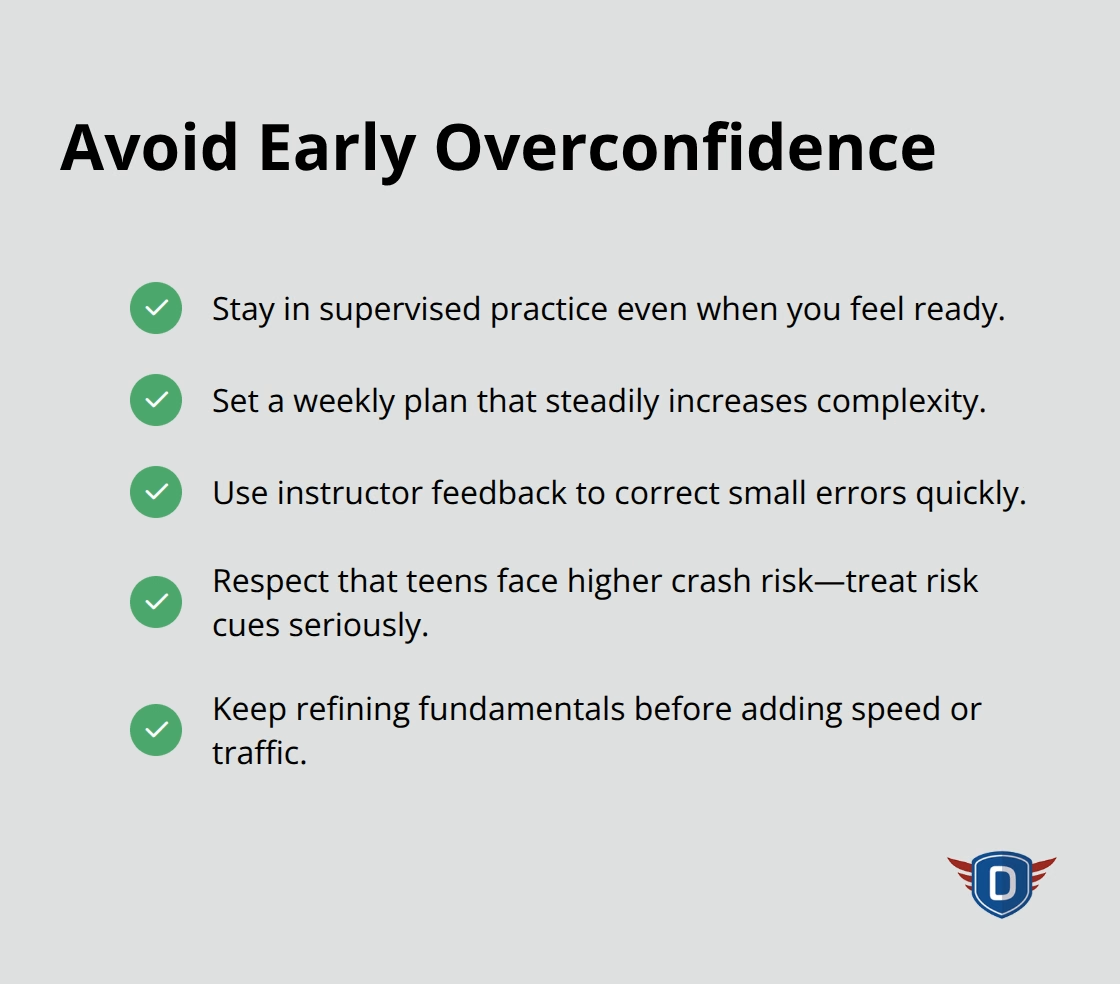
You might think you’re ready to drive alone after mastering smooth acceleration and basic turns. You’re not. Your instructor knows this, which is why they’ll keep you in supervised situations longer than your ego wants. The moment you feel completely comfortable is exactly when you need to stay in the car with an instructor for several more weeks.
Neglecting Mirror Checks and Head Turns
Mirror checks and head turns separate drivers who stay safe from those who cause collisions. Research from the Insurance Institute for Highway Safety shows that failure to check mirrors and blind spots accounts for a substantial portion of lane-change crashes among new drivers. If you only glance at mirrors every ten to fifteen seconds, you operate blind.
Other drivers change lanes, pedestrians step into crosswalks, and cyclists appear in your blind spot in the time it takes you to blink. Your instructor will correct you every single time you forget a shoulder check before changing lanes, even when the road is completely empty. This repetition feels tedious because it is, but it transforms mirror checking from a conscious task into an automatic reflex.
Most beginners neglect this because it feels unnecessary when traffic is light. That’s precisely the mistake that causes panic when you’re finally on a busy road and a vehicle appears where you thought there was nothing.
Failing to Anticipate Other Drivers’ Actions
Anticipating what other drivers will do separates confident drivers from nervous ones, but new drivers typically operate in reverse. You react after something happens instead of predicting it before it occurs. That driver drifting between lanes while texting won’t stay in their lane much longer-you should already be creating distance.
The vehicle ahead has brake lights flickering inconsistently-they’re probably going to stop hard. The pedestrian is looking at their phone instead of the road-they might step off the curb. Your instructor trains you to ask these questions constantly during your lessons, and this habit either sticks or it doesn’t (if it sticks, you’ll navigate unexpected situations with calm adjustment; if it doesn’t, you’ll spend years startled by things that were predictable).
The difference between these outcomes happens during lessons five through twelve, when you’re tempted to coast on basic competence instead of pushing yourself to think three moves ahead. This is when your instructor’s role becomes most valuable-they push you to anticipate hazards before they develop into emergencies.
Final Thoughts
Your path to confident driving develops through consistent repetition, honest feedback, and the willingness to stay uncomfortable longer than your confidence suggests you should. The drivers who excel aren’t the ones who feel ready fastest-they’re the ones who keep practicing fundamentals even after they’ve mastered the basics. Progress happens in layers, and your brain needs time to convert conscious effort into automatic response.
Professional instruction accelerates this development dramatically. Your instructor recognizes patterns you can’t see in yourself and knows exactly when you’re ready to handle busier roads versus when you need more practice in quieter environments. They catch mistakes before they become habits and push you past the overconfidence stage that derails so many new drivers during driving lessons for beginners.
The difference between someone who drives safely for decades and someone who causes preventable collisions often comes down to decisions you make right now. DriverEducators.com connects you with certified professionals who understand exactly how to build safe, confident drivers and won’t let you slide into overconfidence during those critical weeks when your ego wants to move faster than your skills allow.