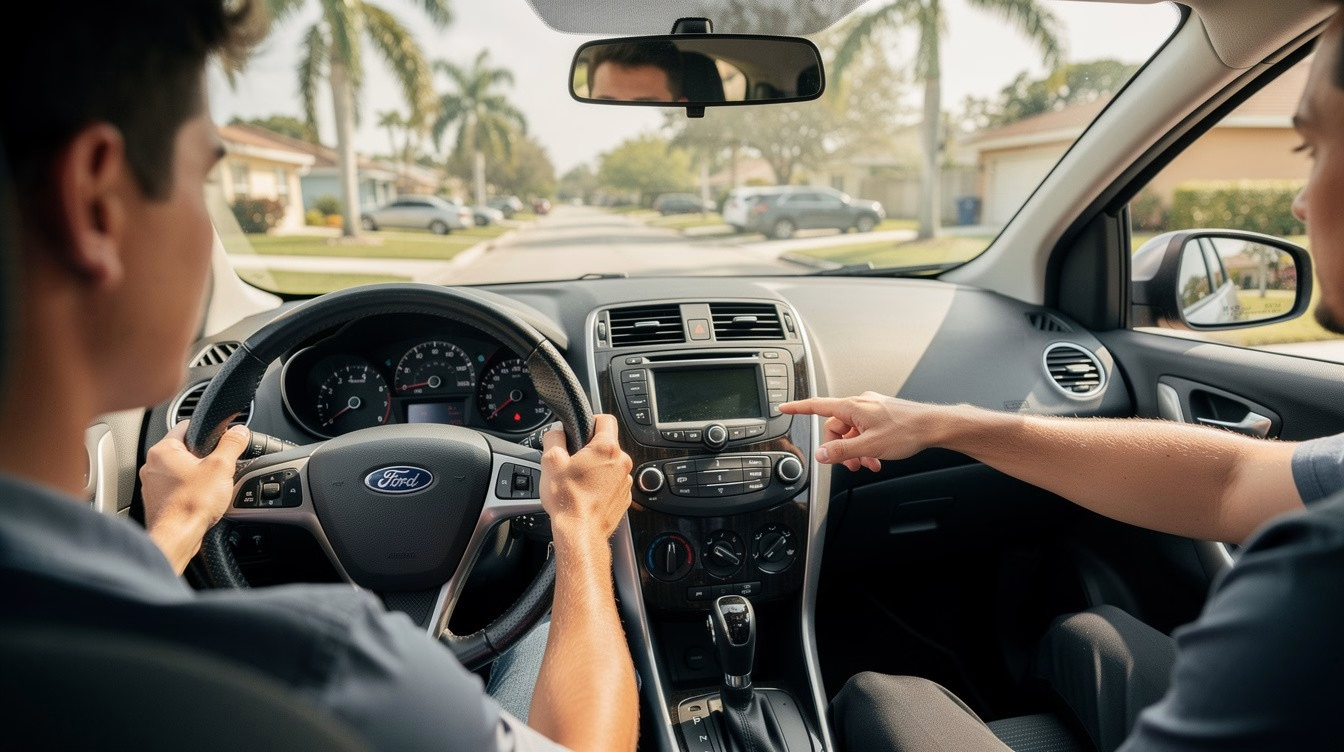
Learning to drive in Florida presents unique challenges, from navigating heavy traffic to handling sudden weather changes. Beginner driving lessons in Florida give you the structured foundation needed to handle these conditions safely and confidently.
We at DriverEducators.com have guided thousands of new drivers through their first lessons and beyond. This guide walks you through what to expect, the skills you’ll develop, and how to maximize every lesson.
Your First Driving Lesson: What Actually Happens
How Your Instructor Assesses Your Starting Point
Your first lesson won’t feel like a test, though your instructor will observe everything. Most instructors spend the first 10 to 15 minutes talking through your driving history, any fears you have, and your goals. This conversation shapes how they’ll teach you-some people get anxious in traffic, while others worry about parking. A good instructor knows this upfront and adjusts the lesson accordingly.
The Vehicle Walkthrough and Safety Checks
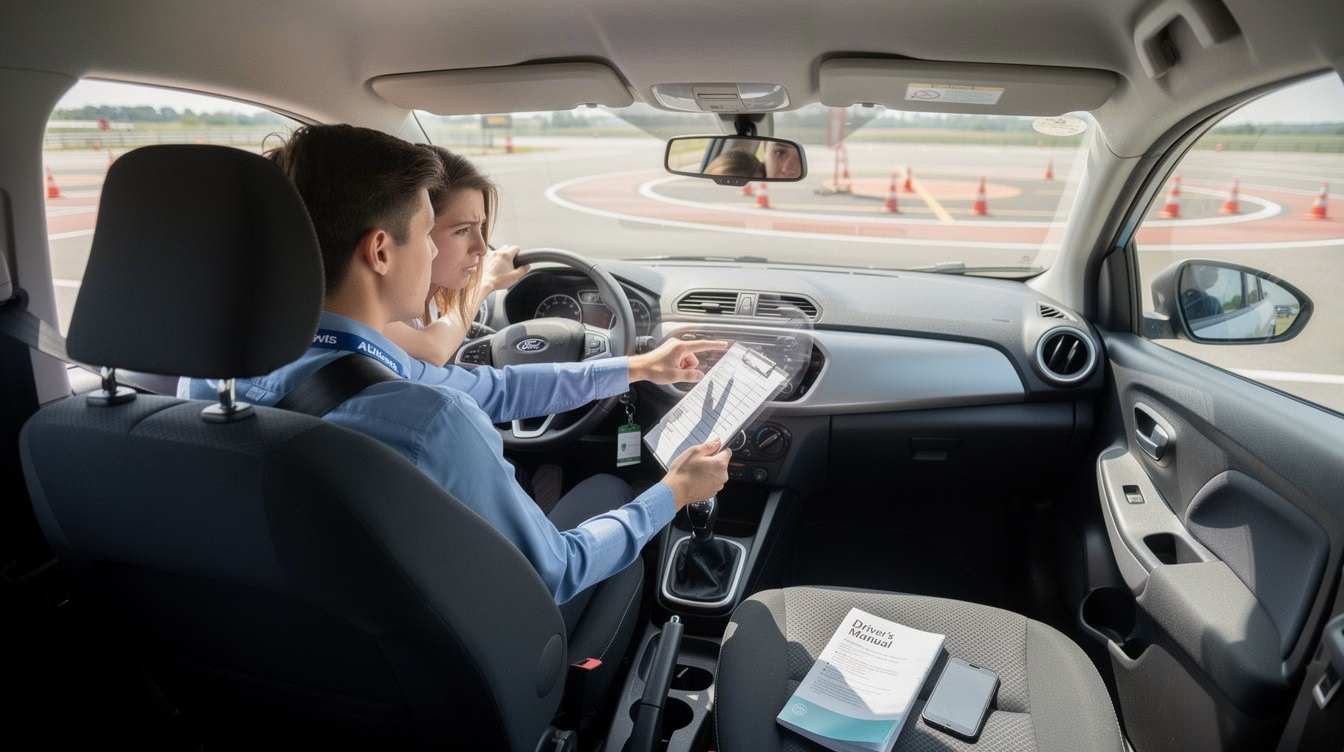
Next, your instructor walks you through the seat adjustment, mirror positioning, and steering wheel height. This matters because improper mirror adjustment contributes to blind spot accidents. You’ll learn where the pedals are, what each one does, and how much pressure they need. Your instructor will explain the parking brake, turn signals, and windshield wipers. Then comes the safety check-you’ll start the engine, turn on lights, and test the brakes before moving anywhere. You might sit in that parked car for 20 minutes, but that’s normal and necessary.
Building Confidence in Low-Pressure Environments
Once you’re moving, expect to stay in quiet low-traffic areas for your first lesson. You won’t hit a busy highway or downtown streets on day one. Most instructors start in residential neighborhoods or empty parking lots where you can practice steering and basic acceleration without pressure. Your confidence builds through repetition in safe environments, not through sink-or-swim scenarios. Florida’s heat and sudden thunderstorms can make driving harder for beginners, so your instructor might adjust routes based on weather (if it’s pouring rain, they might postpone certain exercises and focus on vehicle control instead).
Feedback That Sticks
Pay attention to how your instructor gives feedback-good instructors tell you what you did right, not just what went wrong. This positive reinforcement actually helps your brain retain skills better than constant criticism. After the lesson, ask specific questions about what you struggled with. Don’t wait for the next lesson; clarify things immediately so you leave knowing exactly what to practice before your next session. This foundation sets you up for the essential skills you’ll develop in the weeks ahead.
The Core Skills That Matter in Beginner Driving Lessons
Mastering Steering, Acceleration, and Braking
Steering control, acceleration, and braking form the mechanical foundation of driving, but most beginners focus too hard on smoothness when they should focus on precision. Your instructor will teach you that steering requires intentional, small corrections that keep you centered in your lane. Florida roads demand constant micro-adjustments because of uneven pavement and wind gusts, especially near coastal areas.
Acceleration in a beginner lesson means you learn the relationship between pedal pressure and speed. Most new drivers either creep forward at 5 mph or jump to 20 mph with no middle ground. Braking is where panic shows up first, so instructors drill progressive pressure rather than stabbing the pedal.
You practice in empty parking lots until your foot develops muscle memory, then move to quiet streets where stopping distances feel real. Improper braking and steering are critical areas your instructor addresses before adding complexity.
Reading Traffic Signs and Road Markings
Traffic signs and road markings communicate the language Florida roads use. White lines separate traffic moving in the same direction; yellow lines separate opposing traffic. Solid lines mean no crossing; dashed lines mean crossing is allowed if safe.
Many beginners miss regulatory signs entirely because they watch the road surface instead of scanning ahead. Your instructor will point out these patterns and train your eyes to look further down the road. This shift in attention prevents you from reacting too late to hazards.
Defensive Driving Strategies for Florida Roads
Defensive driving for Florida specifically means you understand that aggressive drivers are common in high-traffic corridors like I-95 and the Florida Turnpike, where speed and tailgating create dangerous conditions. You maintain four to six seconds behind the car in front of you in all conditions, which gives you time to react safely.
Your instructor teaches you to anticipate other drivers’ moves rather than react to them. You watch brake lights ahead, notice when cars drift between lanes, and position yourself away from aggressive drivers. These skills compound over time, turning reactive panic into proactive awareness that keeps you safe long after your lessons end.
This foundation in core mechanical skills and defensive awareness prepares you for the next phase of your training, where you’ll progress through structured stages that build your independence and decision-making on increasingly complex roads.
How Your Training Progresses From Day One to Independence
Vehicle control in predictable environments
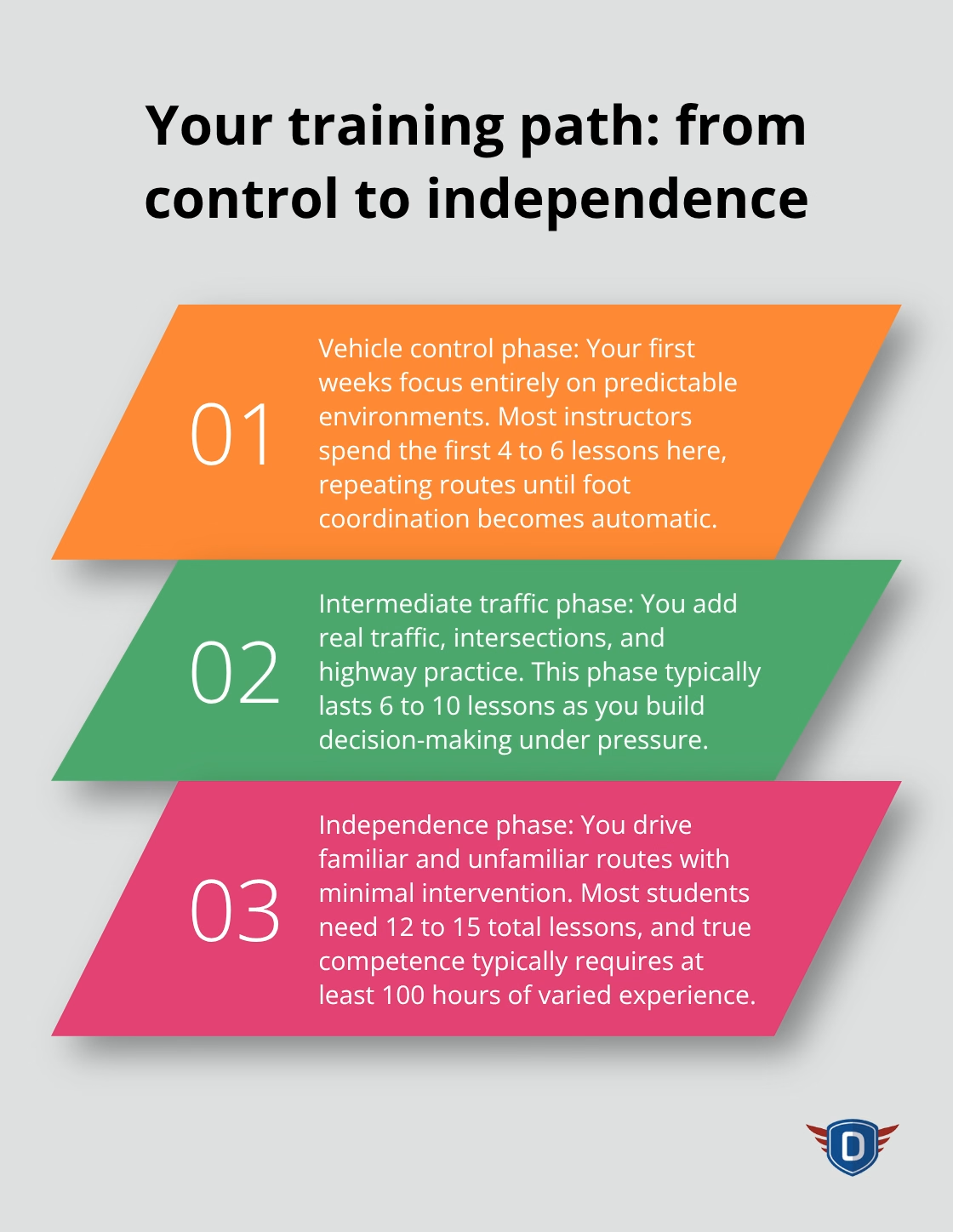
Your first weeks focus entirely on vehicle control in predictable environments. You practice steering corrections on straight roads, learn smooth acceleration without jerking, and develop braking feel on empty streets where mistakes don’t matter. Most instructors spend the first 4 to 6 lessons in this phase, repeating the same routes until your foot coordination becomes automatic rather than conscious.
Florida’s heat affects how you grip the steering wheel and how responsive the brakes feel, so your instructor might schedule early morning or evening sessions to let you practice without fighting extreme temperatures. Once you maintain lane position consistently and stop smoothly without locking the wheels, you’re ready to add complexity.
True competence typically requires at least 100 hours of varied driving experience. The key is that your instructor won’t move forward until the basics are genuinely solid because poor steering or braking habits become incredibly hard to break later.
Real Traffic and Decision-Making Under Pressure
The intermediate phase introduces real traffic, intersections, and decision-making under pressure. You’ll encounter actual other drivers, traffic lights, and situations where your choices matter immediately. Your instructor might take you to moderately busy streets during off-peak hours first, then gradually introduce busier times and highway driving.
On highways, you’ll practice merging at proper speeds, maintain safe following distances in heavy traffic, and understand how speed affects your stopping distance. Master speed control first, followed by lane changes, merging, and maintaining safe following distances. Drivers who practice highway driving during lessons before attempting it alone have significantly fewer accidents in their first year.
You’ll also start experiencing Florida-specific scenarios like sudden downpours that reduce visibility to near zero, construction zones that narrow lanes unpredictably, and aggressive drivers tailgating at 75 mph. This phase typically lasts 6 to 10 lessons and builds your ability to handle multiple tasks simultaneously-you scan mirrors, check blind spots, anticipate other drivers’ moves, and make steering adjustments all at once, which feels overwhelming until repetition makes it automatic.
Independence and Unfamiliar Routes
The advanced stage removes your instructor’s safety net gradually. You drive familiar routes independently while your instructor observes without intervening unless danger becomes imminent. And you tackle unfamiliar routes where you must navigate using GPS or written directions while managing traffic.
Also you practice parking in tight spaces, navigate roundabouts if they exist on your test route, and handle unexpected situations like a traffic light malfunction or an emergency vehicle approaching from behind. Florida’s unique challenges appear here too: you’ll drive through areas prone to flooding during heavy rain, handle the aggressive merging patterns common on I-95, and navigate tourist-heavy areas where drivers make sudden unpredictable moves.
Your instructor evaluates your independence by whether you make safe decisions without prompting, not whether you make perfect decisions. A good instructor wants you to recognize when you’re uncomfortable with a situation and slow down or change routes rather than push through recklessly. Most students need 12 to 15 total lessons to reach genuine independence, though your specific timeline depends on how often you practice between lessons and how quickly your confidence matches your actual skill level.
Final Thoughts
The gap between finishing your lessons and driving independently comes down to what you do between sessions. Most students who struggle aren’t lacking instruction-they’re lacking practice. Your instructor can show you how to merge on I-95, but your brain won’t retain that skill unless you practice it repeatedly, so schedule practice drives at least three times per week on the same types of roads where you’ll eventually drive alone.
Communication with your instructor matters more than most beginners realize. If something feels wrong during a lesson, say it immediately instead of waiting until you’re home, and tell your instructor before the lesson starts if you’re anxious about a specific scenario like merging in heavy traffic or driving in rain. Instructors adjust their teaching based on what you actually need, not what they assume you need, so ask why you’re doing something, not just how.
Set goals that are specific and measurable, not vague-instead of saying you want to be a confident driver, commit to mastering highway merging in three lessons or parallel parking without hitting the curb. We at DriverEducators.com understand that beginner driving lessons in Florida extend beyond your hands-on instruction, and our Florida-approved programs complement your training with comprehensive knowledge about traffic laws and safe decision-making.