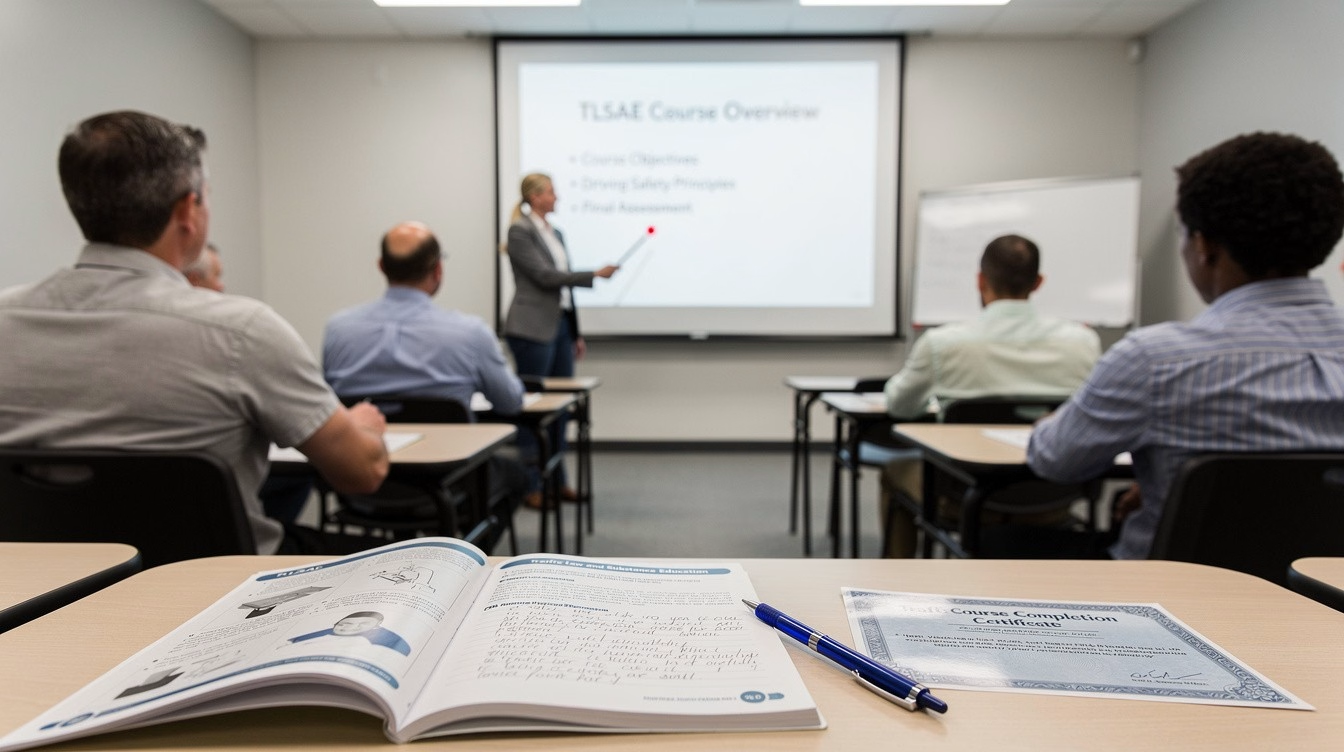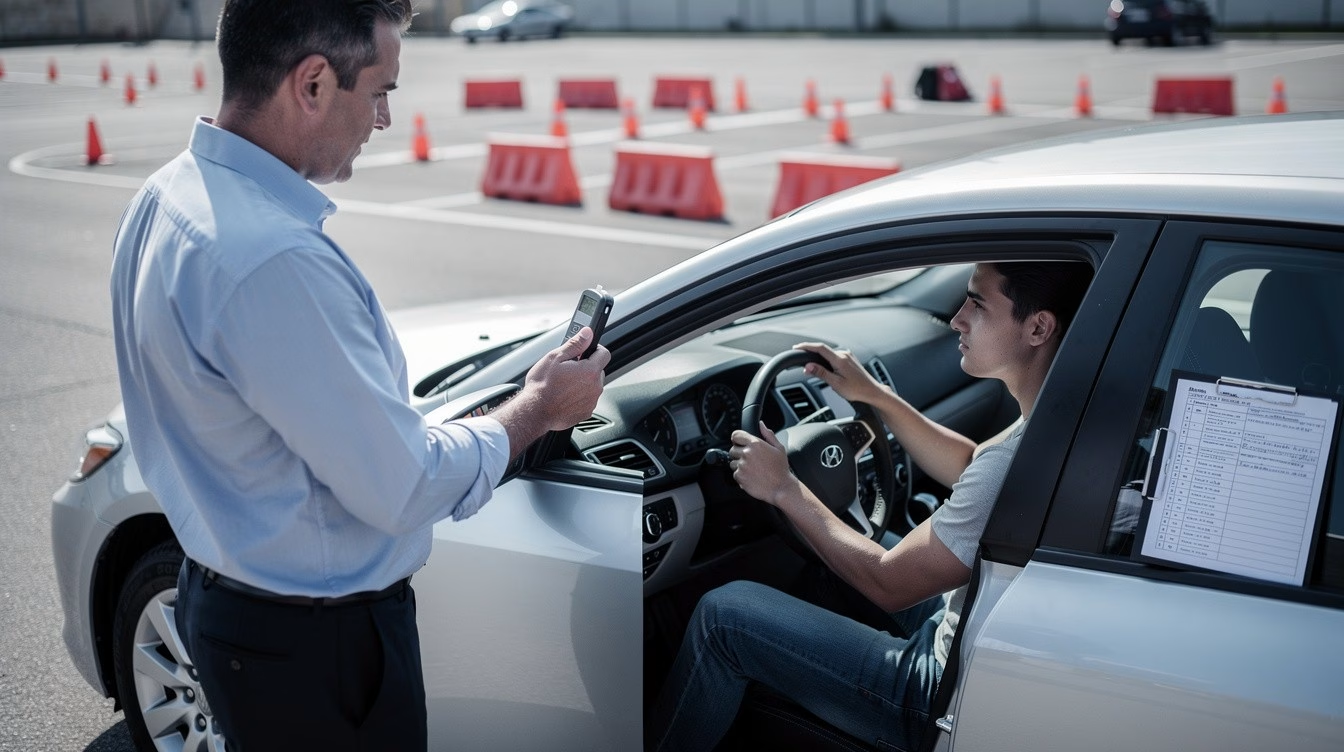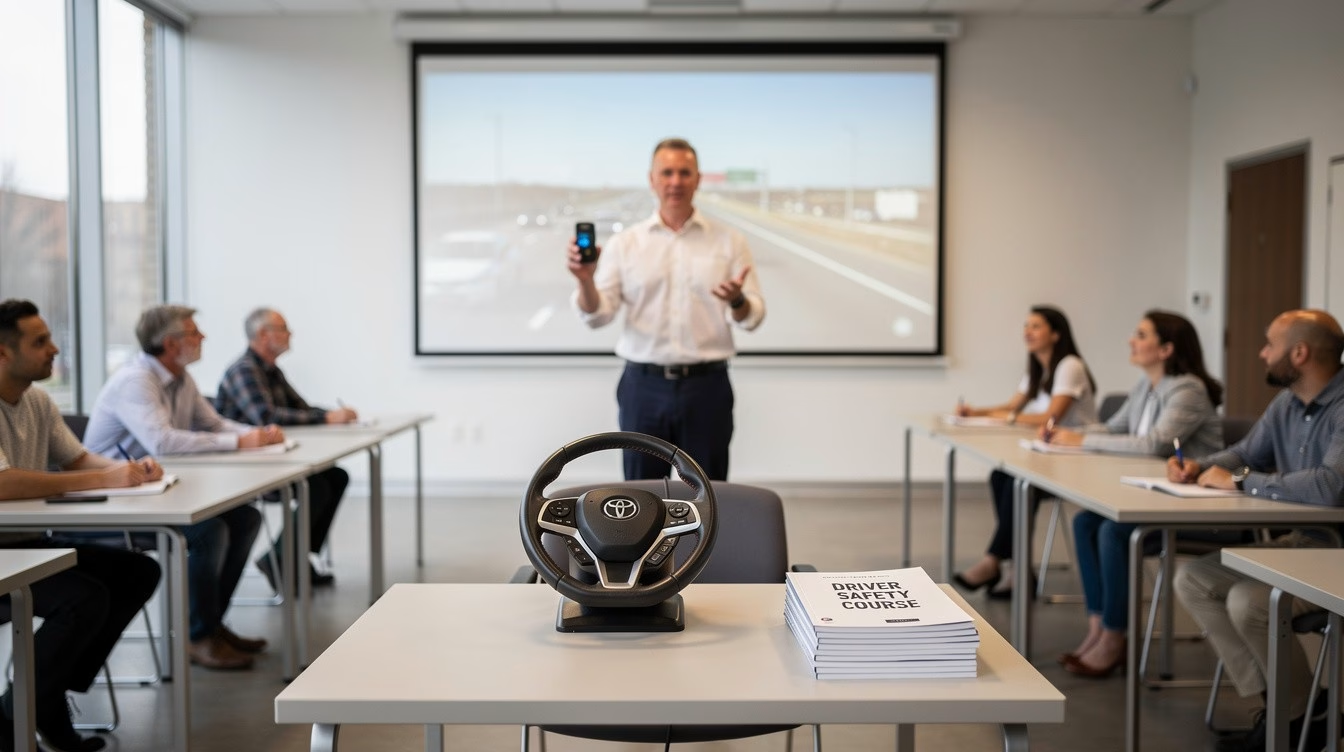
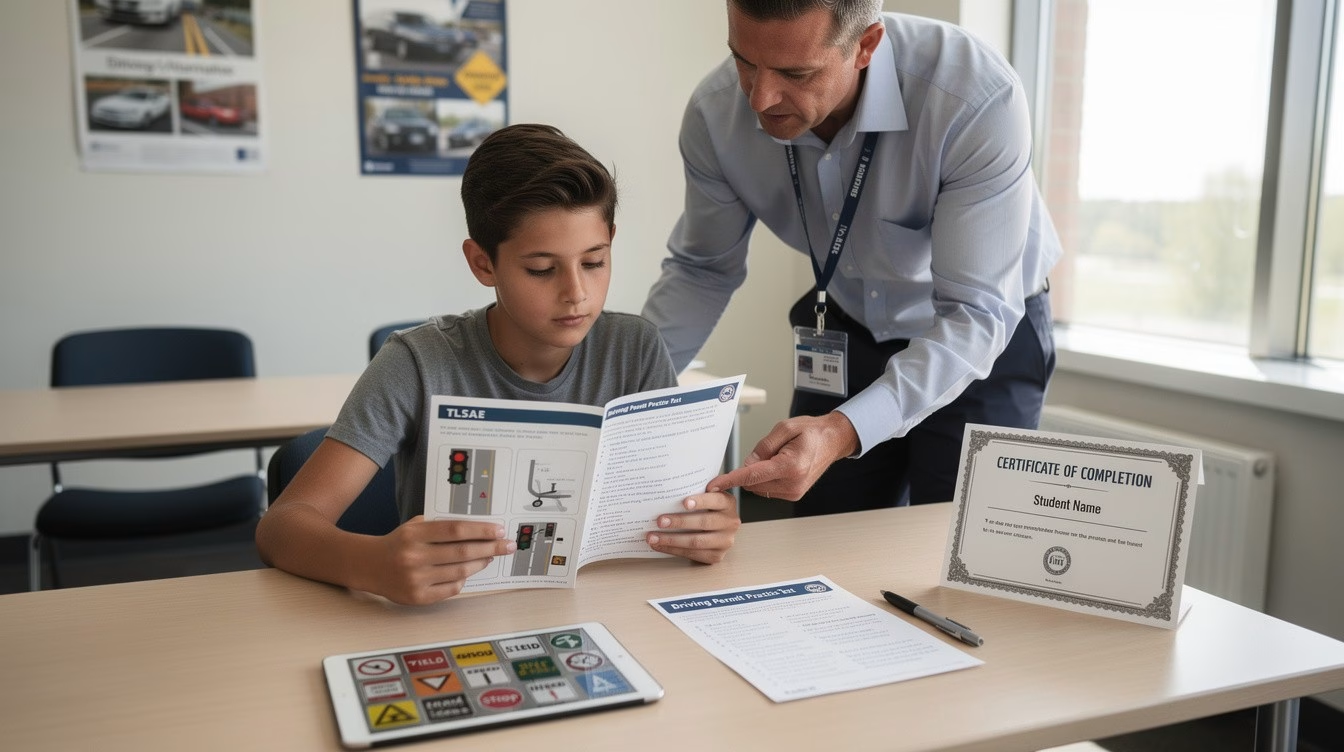
Florida requires every teen driver to complete TLSAE before getting behind the wheel. This online course covers everything from traffic laws to defensive driving techniques, and it’s the first step toward earning your learner’s permit.
At DriverEducators.com, we’ve helped thousands of teens understand TLSAE basics for teens and pass their assessments. This guide walks you through what to expect, how to stay focused, and how to build safe driving habits that last.
What TLSAE Actually Is and Why Florida Won’t Let You Skip It
Understanding TLSAE and DETS
TLSAE stands for Traffic Law and Substance Abuse Education-a state-mandated course that Florida requires before you earn your learner’s permit. As of August 1, 2025, teens under 18 are required to complete a state-approved driver education course DETS to obtain a learner’s license. The core purpose remains unchanged: Florida mandates that you understand traffic laws and the dangers of impaired driving before you operate a vehicle.
This isn’t busywork. A study by UNL researchers found that driver’s education courses significantly reduce crashes and traffic violations among new drivers. That’s measurable safety, not theory.
How TLSAE Fits Your Licensing Timeline
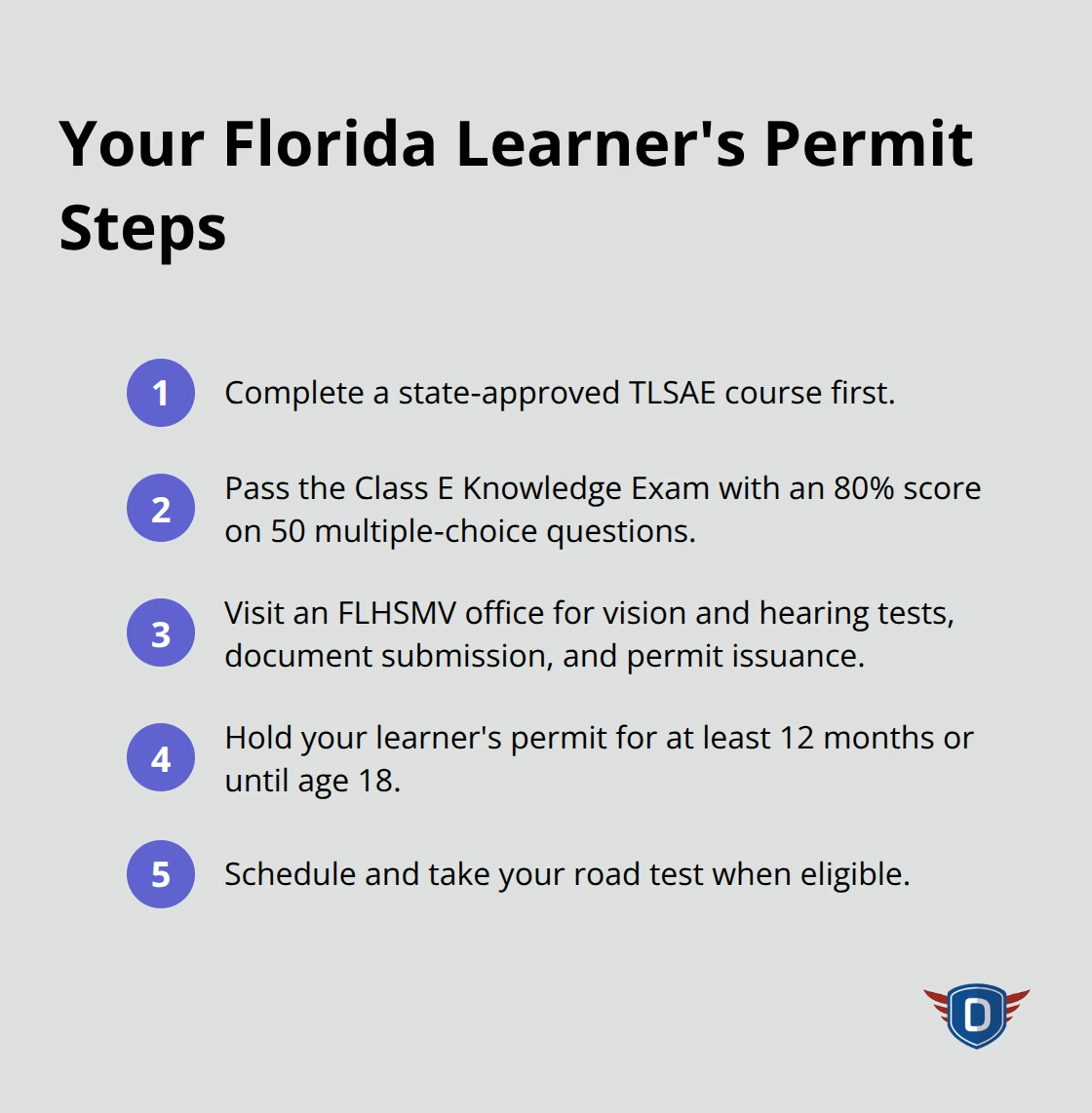
You complete the course first, then take the Class E Knowledge Exam (50 multiple-choice questions, 80% passing score required). Next, you visit an FLHSMV office in person for vision and hearing tests, document submission, and permit issuance. You must hold your permit for at least 12 months or until age 18 before you can take the road test.
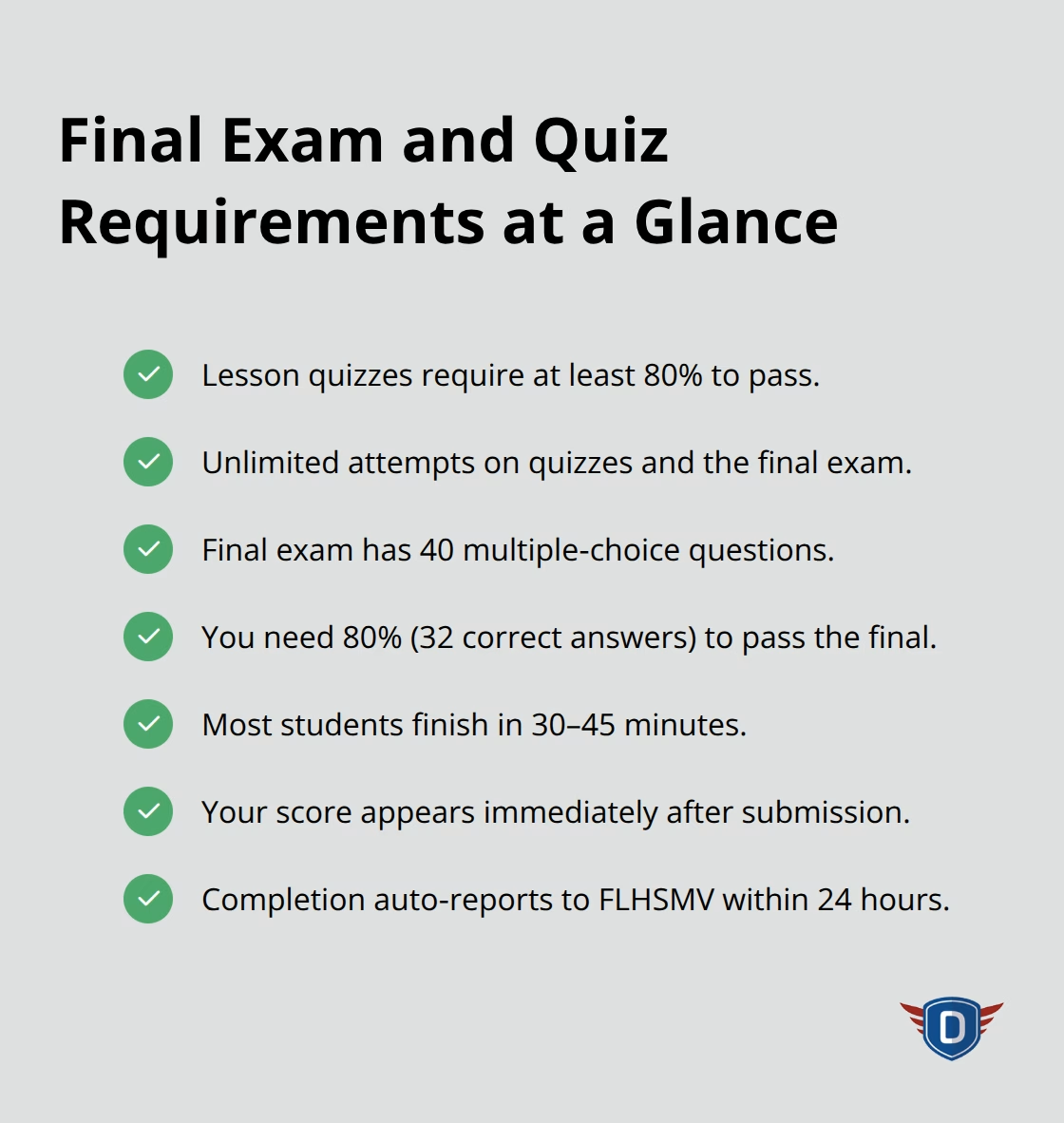
The course itself contains lessons with built-in time requirements that prevent rushing through material. Each lesson quiz demands at least 80% accuracy, and you get unlimited attempts to pass.
What the Course Actually Covers
The final exam contains 40 questions with the same 80% threshold. Content ranges from how alcohol and drugs affect reaction time and decision-making to Florida’s specific traffic laws, graduated licensing rules, and insurance requirements.
The substance abuse section explains the actual physiology of impairment and why enforcement exists-not to scare you, but to inform you. You learn how different substances affect your motor skills, vision, and judgment behind the wheel.
Automatic Reporting Eliminates Delays
When you finish an approved course, the completion automatically reports to FLHSMV, eliminating manual paperwork and delays. This automated reporting means you move forward to your knowledge exam immediately without hunting for certificates or dealing with bureaucracy.
The state receives your completion record electronically, so you can proceed with confidence that your progress is already documented.
FAQ
What’s the difference between TLSAE and DETS?
TLSAE and DETS both cover traffic laws and substance abuse education. The key difference is that as of August 1, 2025, teens under 18 must complete a state-approved driver education course.
Can I retake lesson quizzes if I fail?
Yes. You get unlimited attempts to pass each lesson quiz and the final exam. You must score at least 80% on each to progress.
How long does the course take to complete?
Actual completion time varies based on how quickly you work through lessons and how many attempts you need on quizzes.
Does the course automatically report to FLHSMV?
Yes. State-approved providers automatically report your completion to FLHSMV, so you don’t need to submit certificates manually.
What happens after I complete TLSAE?
After completion, you take the Class E Knowledge Exam (50 questions, 80% passing score). Then you visit an FLHSMV office in person for vision and hearing tests and permit issuance.
What You’ll Actually Learn in TLSAE
Florida Traffic Laws and Road Signs
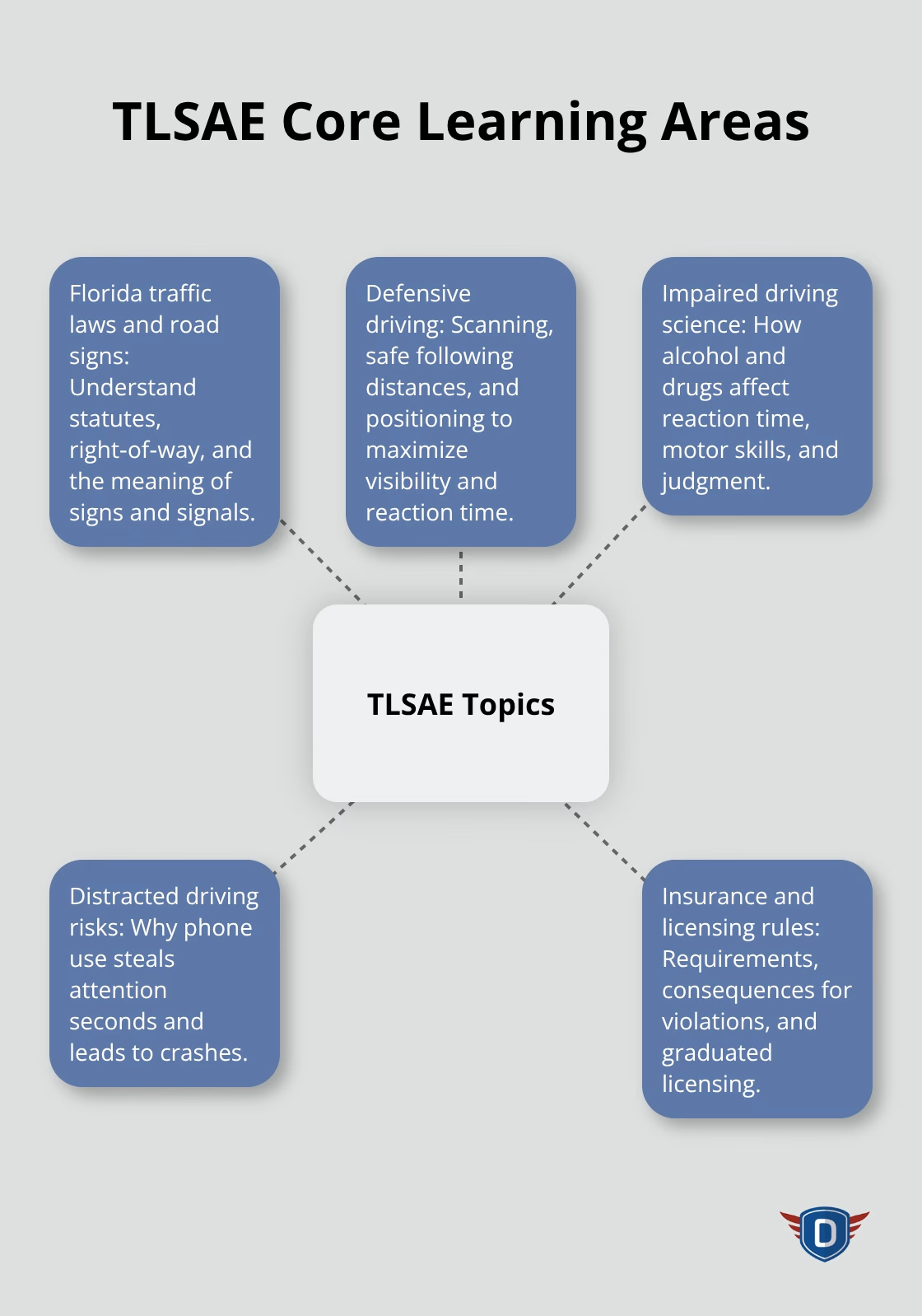
Florida traffic laws aren’t abstract rules-they’re the foundation for staying alive on the road. The TLSAE course teaches you specific statutes that govern speed limits, right-of-way, seat belt requirements, and graduated licensing restrictions that apply directly to your permit. You learn why insurance is mandatory, what happens if you drive without it, and how violations affect your record.
Road signs and signals aren’t just visual clutter. The course walks you through what each one means and how to respond within the legal time frame. Traffic control devices have standardized meanings across Florida, and recognizing them instantly prevents crashes. Knowing these rules isn’t about passing a test-it’s about making split-second decisions that keep you and others safe.
Defensive Driving Techniques That Actually Work
Defensive driving techniques form the practical core of TLSAE because they’re the difference between avoiding a crash and causing one. The course teaches you to scan intersections for hidden hazards, maintain safe following distances based on speed and weather, and anticipate what other drivers might do before they do it.
You learn how to position your vehicle in lanes to maximize visibility and reaction time. These techniques aren’t optional-they’re the skills that separate safe drivers from those who cause preventable crashes.
The Real Science Behind Impaired Driving
The impaired driving section isn’t theoretical scaremongering-it explains the actual physiology of how alcohol and drugs degrade your motor skills, reaction time, and judgment. Drugs can impair reaction time, and the course details how different substances affect your driving ability.
You understand the mechanism of why impairment is deadly and how it interacts with your responsibility as a licensed driver. This knowledge sticks with you long after the course ends.
Why Distracted Driving Kills
Distracted driving gets equal weight because texting while driving creates enormous potential for deaths and injuries on U.S. roads. The course covers why your phone is dangerous, how many seconds your attention leaves the road when you glance at a message, and what consequences follow if you cause a crash while distracted.
You don’t just learn that distraction is bad-you understand exactly how it works and why it matters. This understanding shapes how you’ll handle your phone behind the wheel for years to come.
FAQ
Does TLSAE teach actual driving skills like parallel parking?
No. TLSAE is classroom education covering laws and judgment. Behind-the-wheel training happens separately with a licensed instructor during your supervised practice hours after you get your permit.
Will the course explain Florida’s specific traffic laws?
Yes. The course covers graduated licensing rules, insurance requirements, safety equipment laws, and basic driving statutes that apply in Florida specifically.
How detailed is the impaired driving section?
Very detailed. You learn how different substances affect your driving ability and the legal consequences and crash statistics tied to impaired driving.
Does the course address distracted driving?
Yes. The course covers distracted driving risks, including phone use, and explains the seconds your attention leaves the road during common distractions.
Will I learn road signs and what they mean?
Yes. Road signs, signals, and markings are covered so you can recognize them and respond correctly during your permit practice and road test.
What’s the difference between knowing the rules and actually driving safely?
TLSAE gives you the knowledge foundation. Your permit practice hours (at least 50 hours with a licensed adult, including 10 nighttime hours) build the real-world skills that turn knowledge into safe habits.
How to Pass TLSAE Without Wasting Time
Study Consistently Rather Than Cramming
The course structure forces you to move deliberately through material instead of rushing through content. Each lesson contains built-in minimum time requirements that prevent you from skipping ahead without absorbing anything. Most students complete the full course in 9–10 weeks at roughly 2–3 hours per week, though you can finish in two weeks if you maintain consistent effort. Florida law requires you to stay enrolled for at least 14 days from your first assignment, creating a floor on completion time that protects against superficial learning.
Your strategy should focus on consistency over intensity. Study one or two modules per session rather than attempting the entire course in marathon sessions. After each lesson quiz, immediately review the questions you missed and write down the specific rule or concept that tripped you up. This active recall approach embeds knowledge far more effectively than passive review.
Treat Quizzes as Real Practice, Not Obstacles
The final exam contains 40 questions requiring an 80% score, which means you need 32 correct answers. Missing eight questions is your margin for error, so treat the exam as a high-stakes assessment from day one. Take the practice quizzes as genuine practice, not obstacles between you and completion.
When you fail a quiz, that failure tells you exactly which topics need another pass. Unlimited attempts mean you can repeat lessons and quizzes without penalty, so use that advantage aggressively. Each failed attempt provides information that shapes your next study session.
Connect Classroom Content to Real Driving Scenarios
Focus your study on real-world application rather than memorization tricks. When you encounter Florida traffic laws, connect them to actual driving scenarios you will face on your permit practice drives. When the course explains how alcohol affects reaction time, visualize how that impairment would affect your ability to stop at an intersection or merge into traffic.
This mental translation from classroom content to road situations makes the knowledge stick and makes you a safer driver, not just a test-passer. The impaired driving and distracted driving sections deserve extra attention because these topics directly determine whether you live or die behind the wheel. Teen drivers have the highest crash rates of any age group, and distraction and impairment are leading factors. Understanding how these risks apply to your own driving decisions separates knowledge from wisdom.
Execute the Final Assessment With Confidence
The final assessment itself is straightforward once you have studied consistently. You answer 40 multiple-choice questions covering all course content, with no trick questions or obscure material. The exam tests whether you understand core traffic laws and the dangers of impaired and distracted driving, not perfection.
If you have studied actively and reviewed your quiz mistakes, the final exam becomes a confirmation of learning rather than a surprise. Take it in a quiet location free from distractions, read each question carefully before answering, and manage your time so you are not rushing through the final questions. After submission, your score appears immediately, and upon passing, your completion is automatically reported to FLHSMV within 24 hours.
FAQ
How many hours per week should I study for TLSAE?
Plan for 2–3 hours per week over 9–10 weeks for steady progress. Accelerated completion is possible in two weeks if you study more intensively, but the state requires a minimum 14-day enrollment period.
What happens if I fail a lesson quiz?
You can retake it unlimited times. Review your missed questions, study that lesson material again, and attempt the quiz again. Failure is part of the learning process, not a dead end.
Is the final exam harder than the lesson quizzes?
No. The final exam covers the same material as the lessons. If you have consistently scored 80% or higher on lesson quizzes, you are prepared for the final exam.
How much time should I spend on the impaired driving section?
Spend extra time here. This content directly affects your safety and the safety of others. Understanding how substances affect driving is non-negotiable knowledge for a new driver.
Can I take the final exam multiple times?
Yes. You get unlimited attempts to pass the final exam, just like the lesson quizzes. You must score at least 80% to pass.
What should I do if I fail the final exam?
Review the questions you missed, return to the relevant lessons, study those topics again, and retake the exam. There is no penalty for retaking.
How long does the final exam take?
Most students complete it in 30–45 minutes. You have adequate time to read each question carefully and think through your answers.
Final Thoughts
TLSAE basics for teens rest on three core truths: understanding Florida traffic laws keeps you legal, learning how impairment destroys your driving ability keeps you alive, and practicing defensive techniques keeps others safe. The course isn’t punishment-it’s the foundation that separates drivers who survive from those who don’t. You now understand the actual science behind why these rules exist, not just memorized them for a test.
After you pass the final exam and your completion reports automatically to FLHSMV, your real education starts. The 50 hours of supervised driving with a licensed adult (including at least 10 nighttime hours) transforms TLSAE knowledge into actual skill. Start in empty parking lots, progress to quiet neighborhoods, then tackle heavier traffic and night driving-each session builds the muscle memory and judgment that keeps you safe for decades.
Safe driving habits stick when you understand the why behind the rules. You know alcohol impairs reaction time because you learned the physiology, you avoid your phone because you understand how distraction works, and you maintain following distance because you calculated how speed affects stopping distance. Visit DriverEducators.com to access Florida-approved courses that build these lifelong safe habits and give you the knowledge and confidence you need to become the safest driver possible.