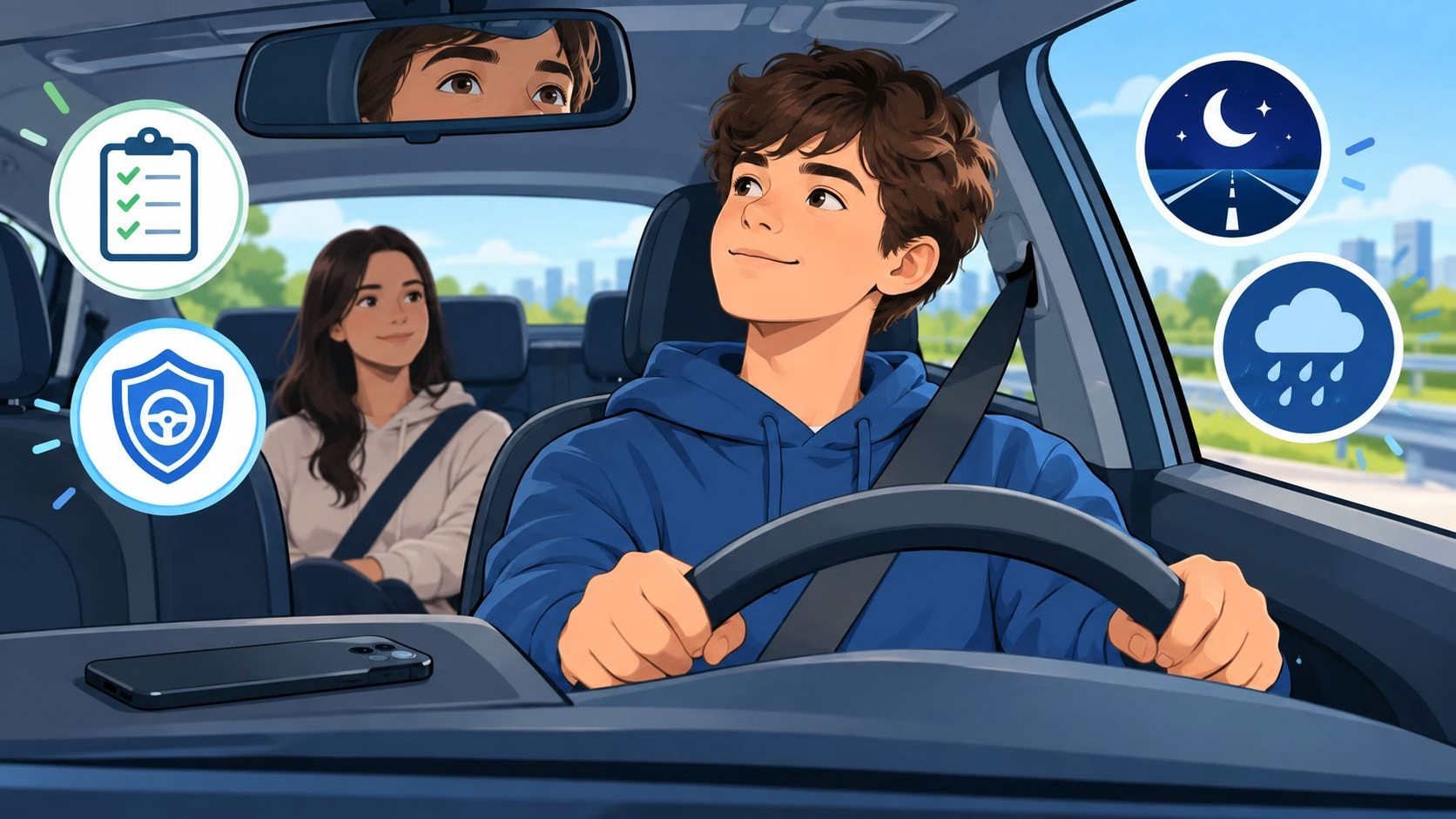

Teen driver readiness isn’t something that happens overnight. It requires honest assessment of your teen’s maturity, focus, and understanding of road safety.
We at DriverEducators.com know that preparing your teen for the road involves more than just behind-the-wheel hours. This guide walks you through the key signs your teen is ready, what a quality driver education program includes, and how you can support them after graduation.
Signs Your Teen Is Ready to Start Driver Education
Emotional Maturity Separates Safe Drivers from Risky Ones
Emotional maturity separates teens who will drive safely from those who won’t. A teen ready for driver education takes responsibility seriously, admits mistakes without excuses, and understands that their choices affect others on the road. This doesn’t mean perfection-it means your teen can handle frustration without overreacting and can follow through on commitments.
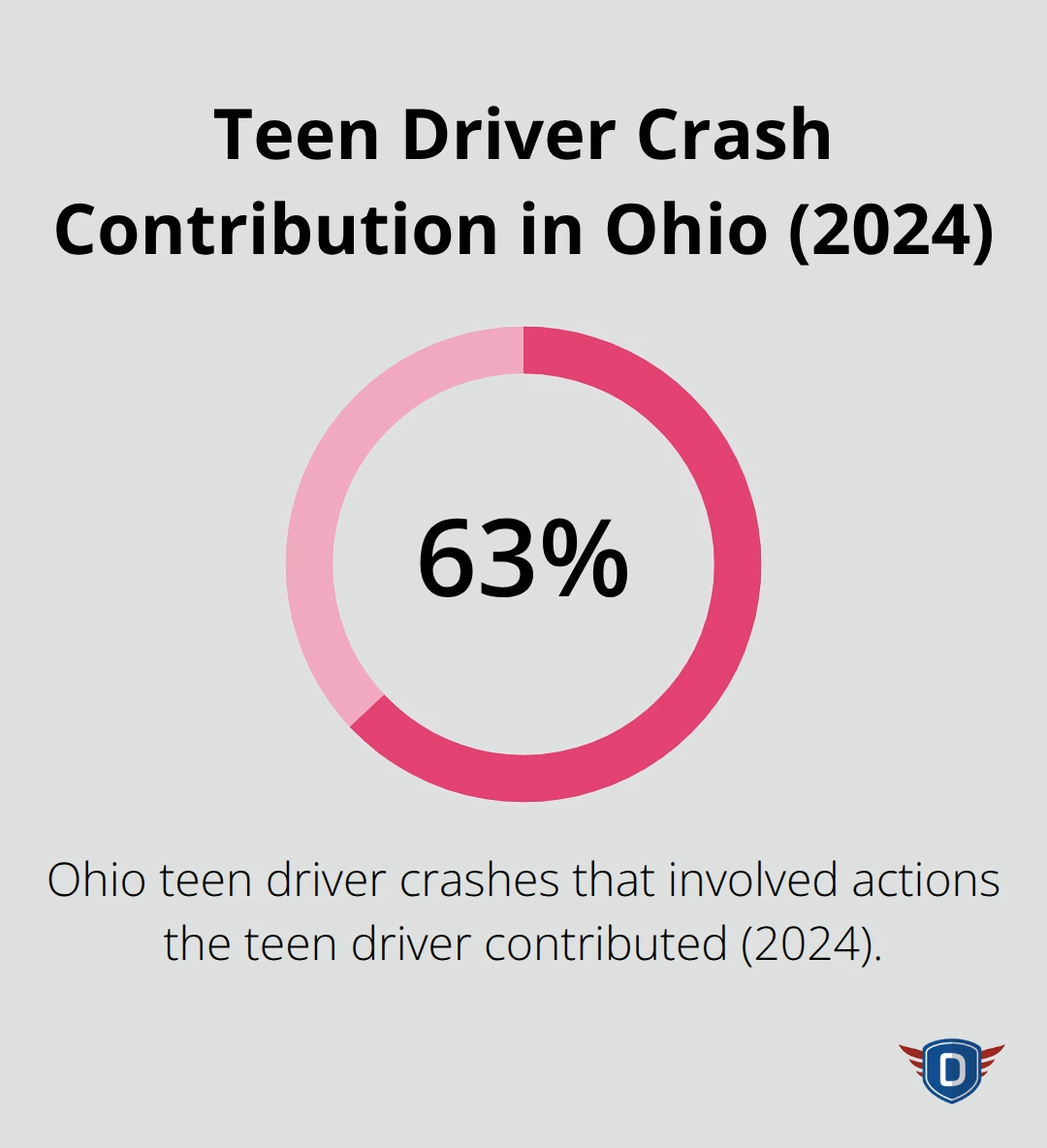
In 2024, 2,320 teens aged 15–18 died in crashes according to the National Highway Traffic Safety Administration. In Ohio, 63% of teenage driver crashes involved actions the teen driver contributed. The difference between those statistics and safer outcomes often comes down to whether a teen approached driving with genuine maturity or treated it as just another privilege.
Watch how your teen handles pressure in school, sports, or part-time work. Do they stay calm when things go wrong? Can they follow multi-step instructions? Those same qualities transfer directly to driving decisions.
Focus and Attention Determine Safe Driving Outcomes
Distracted driving is dangerous, claiming 3,208 lives in 2024. Your teen needs genuine focus-not just the ability to sit still in a classroom.
Test this before enrollment: have them complete a task requiring sustained attention without checking their phone, like reading a full chapter of a book or watching a 30-minute show. Can they do it? If your teen constantly loses focus or struggles with multi-tasking, they’re not ready yet.
Focus also means noticing details. A ready teen observes traffic patterns, remembers road signs from previous drives, and asks questions about why certain rules exist. They’re naturally curious about driving mechanics and safety rather than viewing driver education as a checkbox. The classroom portion of any quality program demands this same attention. Your teen will learn Florida traffic laws, defensive techniques, and crash avoidance strategies that require real concentration to master.
Road Safety Knowledge Builds Before Formal Training Starts
Your teen should already understand basic traffic laws and road safety concepts before formal driver education starts. This isn’t about perfect knowledge-it’s about demonstrating that they’ve paid attention to the road.
Ask your teen straightforward questions: What does a yellow light mean? When can you pass on a double yellow line? What’s a safe following distance? If they answer with confusion or guesses, they haven’t developed the foundational understanding needed yet.
A teen ready for driver education has spent time observing traffic as a passenger, asking questions about what they see, and connecting rules to real situations. They understand that speed limits change for reasons, that right-of-way rules prevent crashes, and that following distance gives them time to react. This prior knowledge accelerates their learning in the actual program and reduces the risk that they’ll develop dangerous habits during their behind-the-wheel training. Once you’ve confirmed your teen demonstrates these three readiness markers, a quality driver education program will build on that foundation and transform them into a confident, safety-focused driver.
What to Expect in a Quality Driver Education Program
Classroom Instruction Teaches the Laws Behind Safe Driving
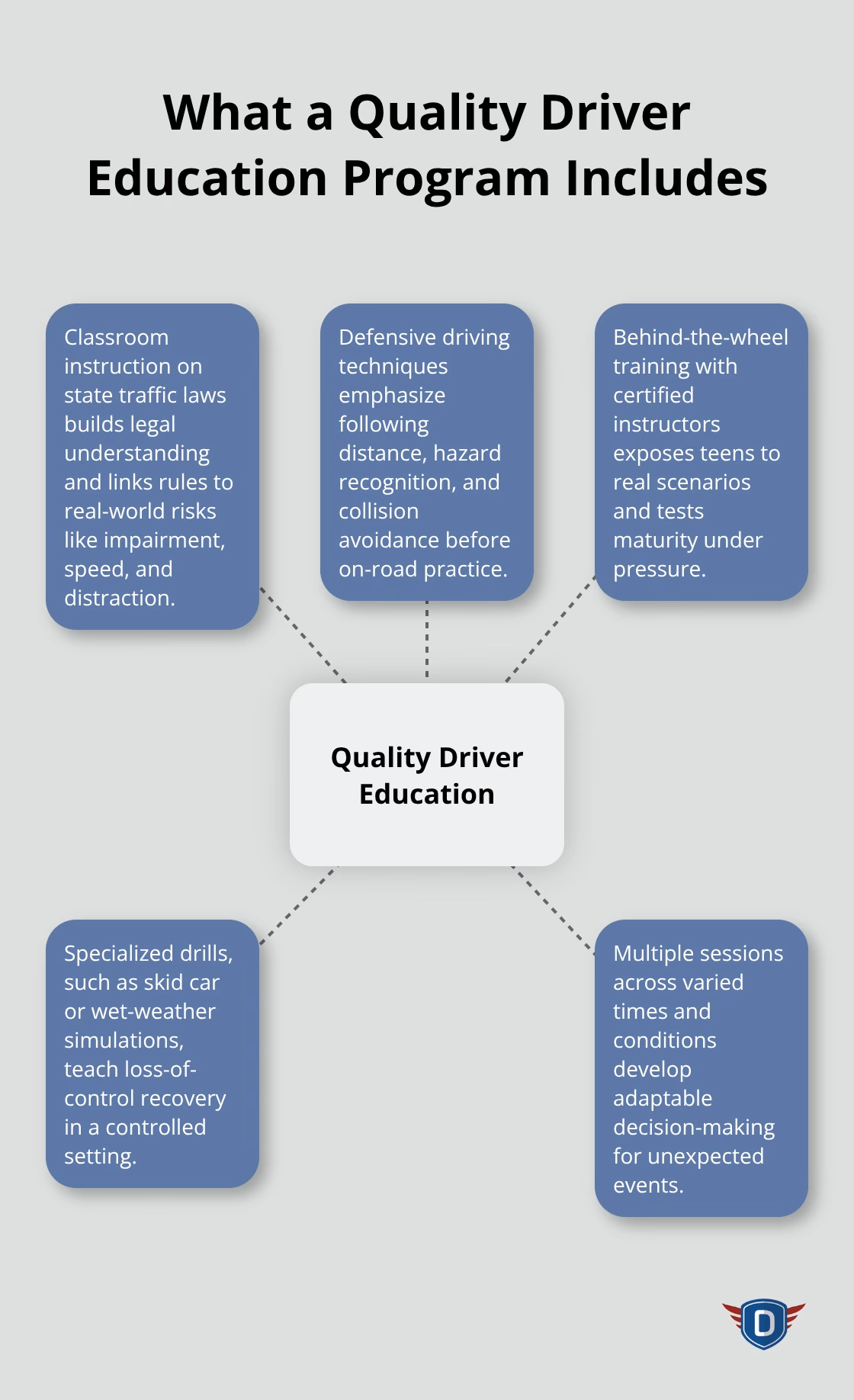
Classroom instruction on Florida traffic laws gives your teen the legal framework they need to understand why rules exist and how violations create liability. The National Highway Traffic Safety Administration reports that about 22% of 15–18-year-old drivers involved in fatal crashes in 2024 had been drinking, underscoring why traffic education must cover impaired driving prevention, speed management, and distraction risks with specific, actionable detail rather than vague warnings.
A quality program teaches concrete thresholds: texting while driving creates serious crash risk according to NHTSA data, and having multiple teen passengers raises fatal-crash risk to 3 times higher than driving alone. Your teen needs to understand these numbers because statistics stick in memory better than abstract lectures. The classroom portion should also cover defensive techniques like maintaining safe following distance, recognizing hazardous road conditions, and practicing collision avoidance strategies before ever sitting behind the wheel.
Behind-the-Wheel Training Tests Your Teen Under Real Pressure
Behind-the-wheel training with certified instructors is where theory meets reality, and this is where your teen’s emotional maturity gets tested under pressure. Real-world scenario practice matters far more than simply driving in circles around a parking lot. Your teen should practice emergency lane changes, wet braking, and navigating complex intersections with an instructor present, because NHTSA data shows that speeding was a contributing factor in 29% of all traffic fatalities in 2024.
The instructor’s role is to interrupt bad habits immediately, correct steering inputs before they become ingrained patterns, and build confidence through graduated exposure to increasingly difficult situations. Programs that include skid car drills or simulated wet-weather exercises teach loss-of-control recovery in a controlled environment, which is far safer than learning it on a public road.
Multiple Driving Sessions Build Real Competence
This hands-on practice should span multiple sessions across different times of day and weather conditions, because a teen who has only practiced driving on clear afternoons will panic during their first rainy evening commute. Certified instructors observe how your teen responds to unexpected situations-a pedestrian stepping into the street, sudden traffic congestion, or a vehicle merging without signaling. These real-world exposures transform your teen from someone who knows the rules into someone who can execute safe decisions when pressure hits.
After your teen completes classroom and behind-the-wheel training, the real work of building a safe driver begins at home.
How Parents Support Teen Drivers After Graduation
Write Down Your Expectations in a Parent-Teen Driving Contract
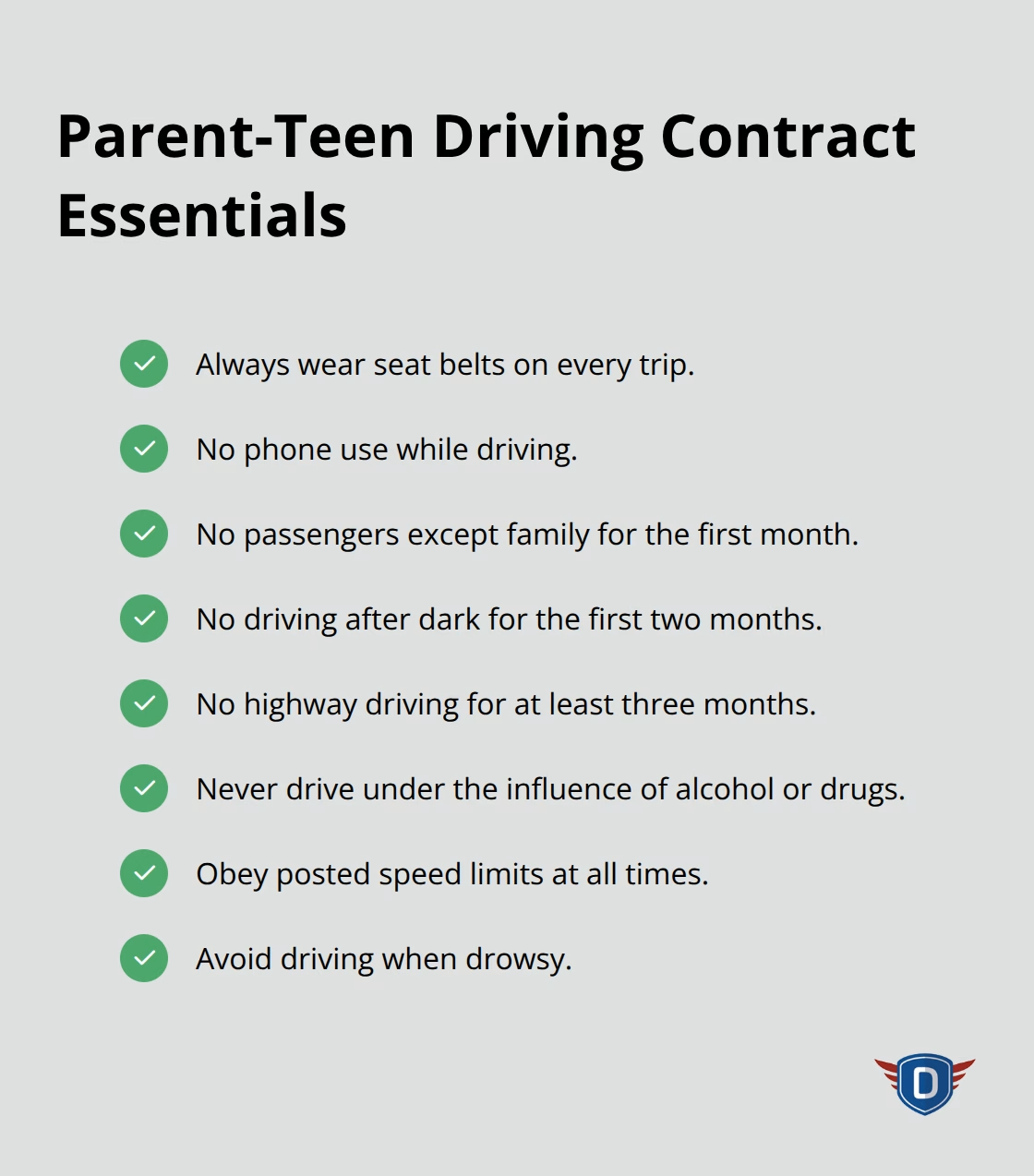
Your teen’s graduation from driver education marks a beginning, not an ending. The classroom and behind-the-wheel hours taught them the mechanics and rules, but real competence develops over months of supervised driving where you observe their decision-making under actual road pressure. The CDC recommends setting a Parent-Teen Driving Contract in writing, specifying rules about cell phones, passengers, speeding, alcohol, and fatigue. Post this contract somewhere visible in your home, because written expectations are far more effective than verbal conversations that fade from memory.
Research from the National Highway Traffic Safety Administration shows that seat belts save lives, yet more than half of teen driver fatalities involve unbuckled occupants. Your contract must include non-negotiable rules about seat belt use for every trip. Start with restricted driving immediately after graduation: no passengers except family members for the first month, no driving after dark for the first two months, and no highway driving for at least three months. This graduated exposure prevents your teen from jumping into high-risk scenarios before they’ve built genuine competence.
Enforce these boundaries consistently, because inconsistency teaches your teen that rules are negotiable.
Expose Your Teen to Challenging Conditions Through Supervised Drives
Supervised driving sessions should deliberately expose your teen to challenging conditions they haven’t mastered yet. If your teen has only practiced during daylight, schedule evening drives on unfamiliar roads where they must navigate without relying on memory. If rain made them nervous during their final instructor session, drive together during the next rainstorm so they can practice wet braking and reduced visibility with you present.
The NHTSA reports that speeding contributed to 33% of teen fatal crashes in 2024, so spend multiple sessions reinforcing speed management on highways and in residential areas. Keep a simple log of supervised driving hours and conditions completed, because many states’ Graduated Driver Licensing systems require proof of supervised practice before advancing to full licensure. This documentation also helps you track progress and identify skills that still need work.
Provide Specific Feedback That Builds Confidence and Corrects Errors
Provide specific, actionable feedback after each drive. Instead of saying you drove well, say your following distance was safe when traffic stopped suddenly, or your mirror checks before lane changes were consistent. Point out what your teen did right before addressing errors, because teen driver supervision with defensive feedback builds confidence while correcting dangerous habits.
If your teen makes a significant mistake, don’t immediately hand the keys back for the next drive; require an additional supervised session to rebuild that specific skill. This approach signals that safe driving is a serious responsibility, not a casual privilege. Your teen will develop genuine competence only when they understand that mistakes have consequences and that mastery requires focused practice.
Final Thoughts
Teen driver readiness develops through three connected stages: assessment before enrollment, structured training during the program, and consistent supervision after graduation. Your teen demonstrates readiness when they show emotional maturity and focus, then completes classroom and behind-the-wheel instruction with certified instructors, and finally logs supervised driving hours across varied conditions. These stages build on each other, and skipping any one of them leaves gaps in your teen’s decision-making skills.
Comprehensive driver education produces measurable long-term benefits that persist into adulthood. The National Highway Traffic Safety Administration reports that Graduated Driver Licensing systems reduce teen crash risk by up to 50%, and driver education combined with supervised practice amplifies that protection. Your teen won’t just pass a test; they’ll internalize why speed limits exist, why seat belts save lives, and why distraction kills.
Assess whether your teen meets the readiness markers outlined in this guide and enroll them in a Florida-approved driver education program that emphasizes both classroom instruction and hands-on behind-the-wheel training. After graduation, commit to the supervised driving phase with a written contract and consistent feedback. Teen driver readiness builds through one supervised drive at a time.