
A DETS course overview shows you exactly what to expect when you take a defensive driving course in Florida. Whether you’re looking to dismiss a traffic ticket, lower your insurance rates, or simply become a safer driver, this guide breaks down everything from course content to what happens after you finish.
At DriverEducators.com, we’ve helped thousands of drivers understand how DETS training works and why it matters for your driving record and wallet.
What DETS Actually Is
The Definition and Purpose of DETS
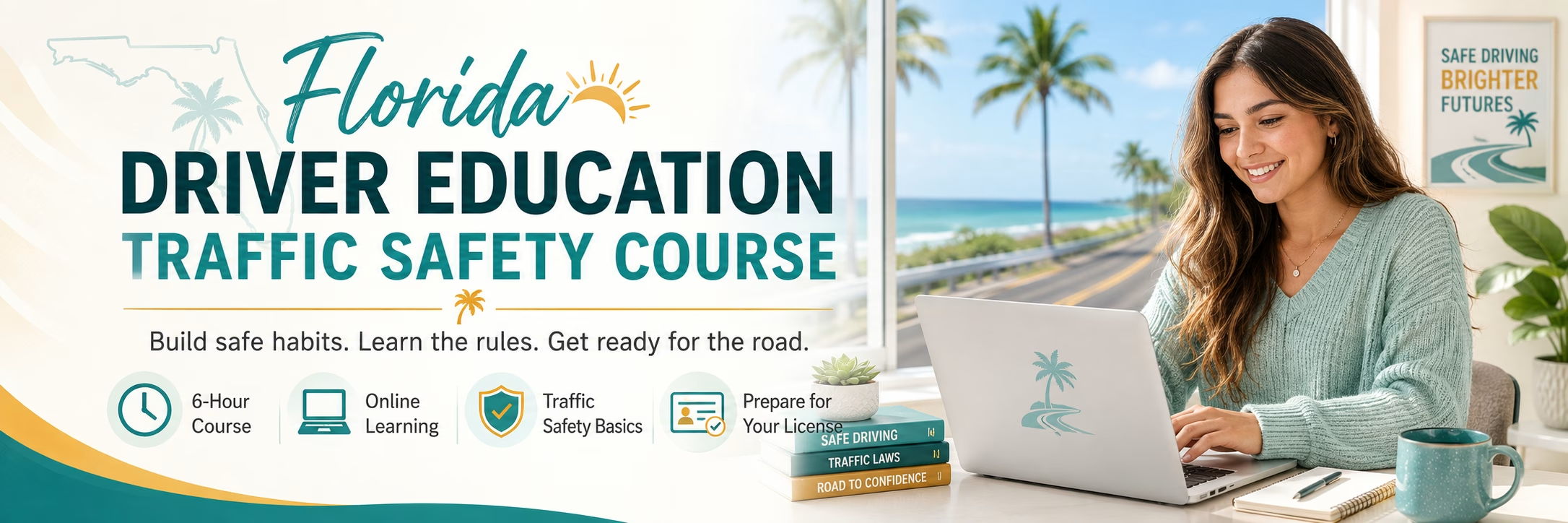
DETS stands for Driver Education Traffic Safety, and it represents Florida’s mandatory 6-hour online course for all first-time drivers under 18 applying for a learner’s permit starting July 1, 2025. This course differs fundamentally from generic defensive driving programs you take after a ticket. DETS replaced the old TLSAE requirement and expanded far beyond substance abuse education to cover real-world hazard recognition, decision-making under pressure, and practical safety skills that actually prevent crashes.
Why Teen Drivers Need DETS
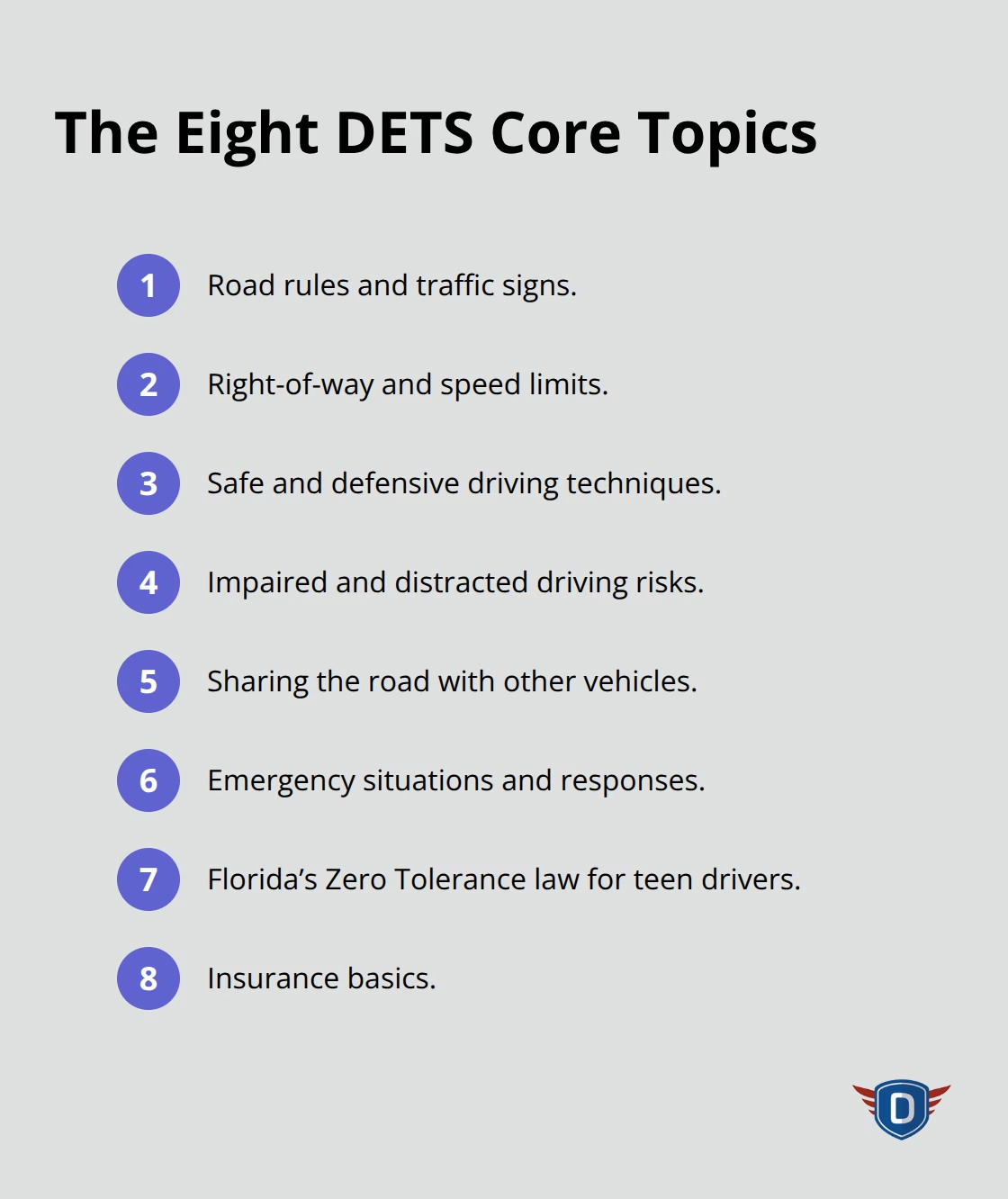
Teen crash risk peaks between ages 16 and 19 due to inexperience and poor judgment, according to NHTSA data cited in the course. Florida redesigned its teen driver education system around scenario-based learning rather than lectures to address this reality. The eight core topics span road rules and signs, right-of-way and speed limits, safe and defensive driving, impaired and distracted driving risks, sharing the road with other vehicles, emergency situations, Florida’s Zero Tolerance law for teen drivers, and insurance basics.
How You Complete the Course
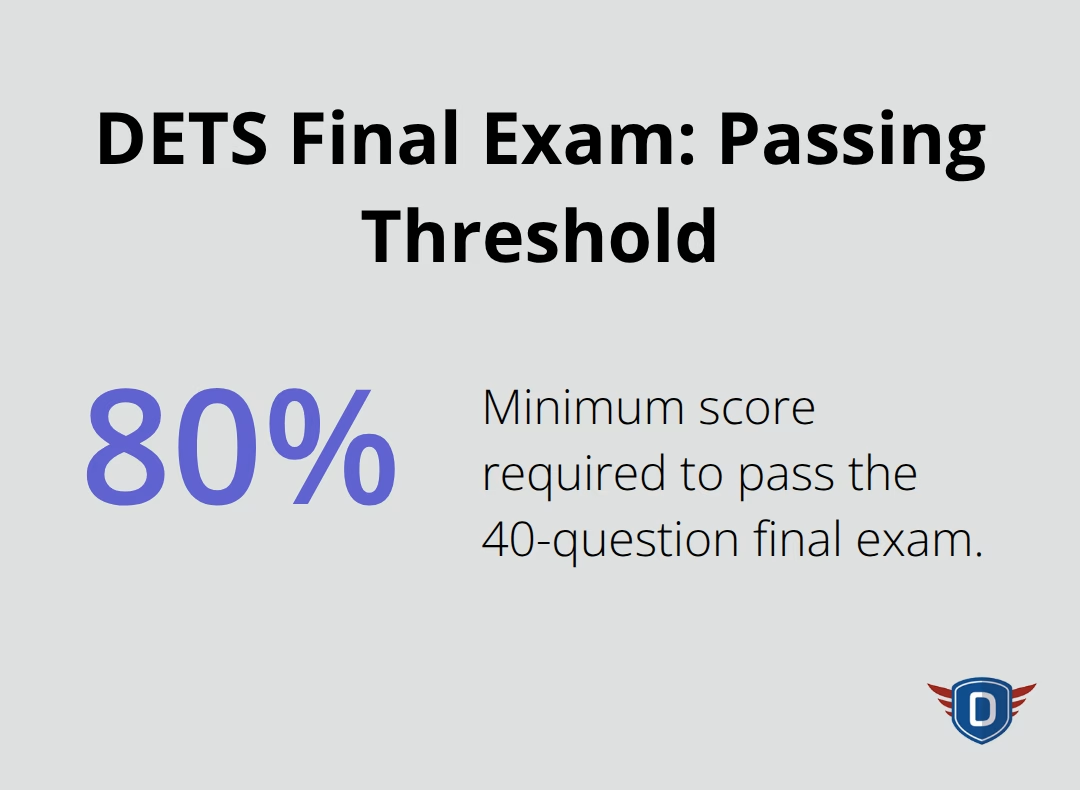
You complete the course 100% online at your own pace, then pass a 40-question final exam with an 80% threshold to receive your Certificate of Completion. This certificate unlocks your ability to take the Class E Knowledge Exam at your local DMV office. The course completion reports electronically to the Florida Department of Highway Safety and Motor Vehicles within 24 to 72 hours, so you don’t carry a physical certificate to your DMV visit.
DETS Within Florida’s Licensing System
DETS fits into Florida’s broader licensing system as the first major gate between wanting to drive and actually getting behind the wheel. After you finish DETS and pass the knowledge exam, you schedule a DMV appointment to officially obtain your learner’s permit, which then requires supervised driving hours before you can test for your full license. The real value of DETS extends beyond checking a box for licensing-scenario-based learning on impaired driving, distracted driving, hazard recognition, and emergency situations builds practical skills that reduce your actual crash risk once you’re on the road.
What You’ll Actually Study in DETS
The Eight Core Topics
The DETS curriculum splits into eight distinct topics that move beyond memorizing traffic signs. You learn road rules and signs first, then progress through right-of-way and speed limits, safe and defensive driving techniques, impaired and distracted driving risks, sharing the road with other vehicles, emergency situations, Florida’s Zero Tolerance law for teen drivers, and insurance basics. Each section uses real-world scenarios rather than abstract lectures, so you practice decisions you’ll actually face behind the wheel.
How Real-World Scenarios Build Your Skills
The impaired and distracted driving module shows you how reaction times slow when you’re tired or checking your phone, using data-driven examples to illustrate why these choices kill drivers your age. The emergency situations section teaches step-by-step responses to skids, brake failure, and hydroplaning, with video demonstrations that stick with you better than written instructions ever could. These scenario-based approaches train your brain to recognize hazards and respond correctly when pressure hits.
The Self-Paced Online Platform
The course runs on a self-paced online platform that works on any device, meaning you can study on your phone during lunch or on a laptop at home. You move through six hours of content divided into modules, with the ability to pause, rewind, and rewatch videos as many times as you need. Most students finish in about seven hours total because they review content or take breaks between modules.
Passing the Final Exam
The final exam consists of 40 questions pulled from the course material, and you need an 80% score to pass. You get three attempts, and Personal Verification Questions must be answered correctly or you fail the entire exam (which prevents someone else from taking it for you). Electronic reporting to the Florida Department of Highway Safety and Motor Vehicles happens within 24 to 72 hours of completion, so plan your DMV appointment accordingly and don’t assume your certificate shows up instantly.
What Comes Next After You Pass
Once you receive your Certificate of Completion, you’re ready to take the Class E Knowledge Exam at your local DMV office. This 50-question test covers Florida traffic laws and road signs, and passing it unlocks your ability to schedule a DMV appointment for your Florida learner’s permit.
What Skills You Actually Gain From DETS
Florida Traffic Laws and Zero Tolerance Rules
DETS teaches you Florida’s specific traffic laws, not generic driving rules that apply everywhere. You learn that Florida’s Zero Tolerance law suspends your license if you’re caught driving with a breath or blood alcohol level of .05 or higher under age 21, which differs sharply from adult DUI thresholds. The course covers right-of-way rules at four-way stops, speed limit adjustments in school zones, and how to read Florida’s traffic signs correctly-all tested on your Class E Knowledge Exam. Understanding these laws matters because teen drivers aged 16 to 19 were involved in 4.8 fatal crashes per 100 million travel miles, compared to 3.3 for drivers 20 to 24, largely due to inexperience with state-specific regulations and poor hazard recognition. DETS drills these rules through scenario-based modules where you practice decisions at intersections, school zones, and highways before facing them for real.
Defensive Driving Techniques That Prevent Crashes
Defensive driving techniques taught in DETS focus on the skills that actually prevent crashes rather than abstract safety principles. You learn to scan the road ahead for hazards at least 12 seconds out, maintain safe following distances based on speed and road conditions, and manage your speed when visibility drops or roads wet. The distracted driving module shows you how checking your phone for just five seconds at 55 mph means you travel the length of a football field blind, using real distance measurements to drive home the risk.
Emergency Responses and Hazard Management
The impaired and emergency situations sections teach you step-by-step responses to skids, hydroplaning, and brake failure with video demonstrations that train your muscle memory before danger hits. You practice what to do when your vehicle loses traction on wet pavement or when your brakes fail on a downhill stretch. These practical responses stick with you far better than written instructions alone.
How Consequences Shape Your Driving Decisions
Behavioral change happens when you understand the consequences directly (license suspensions, dramatically higher insurance rates for teen drivers, and crash injuries result from poor choices). DETS shows you the cause-and-effect connection between your actions and real outcomes, not just warnings on a page. This knowledge shifts how you approach the road because you’ve seen what actually happens when drivers make bad decisions.
What Happens After You Complete DETS
Your Certificate of Completion arrives instantly after you pass the final exam, and we at DriverEducators.com report it electronically to the Florida Department of Highway Safety and Motor Vehicles typically within a few minutes. An email confirming the reporting is also sent to you. You don’t need to print or carry anything to your DMV appointment-the state has your completion on file. This electronic reporting streamlines the entire process and eliminates the risk of lost paperwork derailing your licensing timeline.
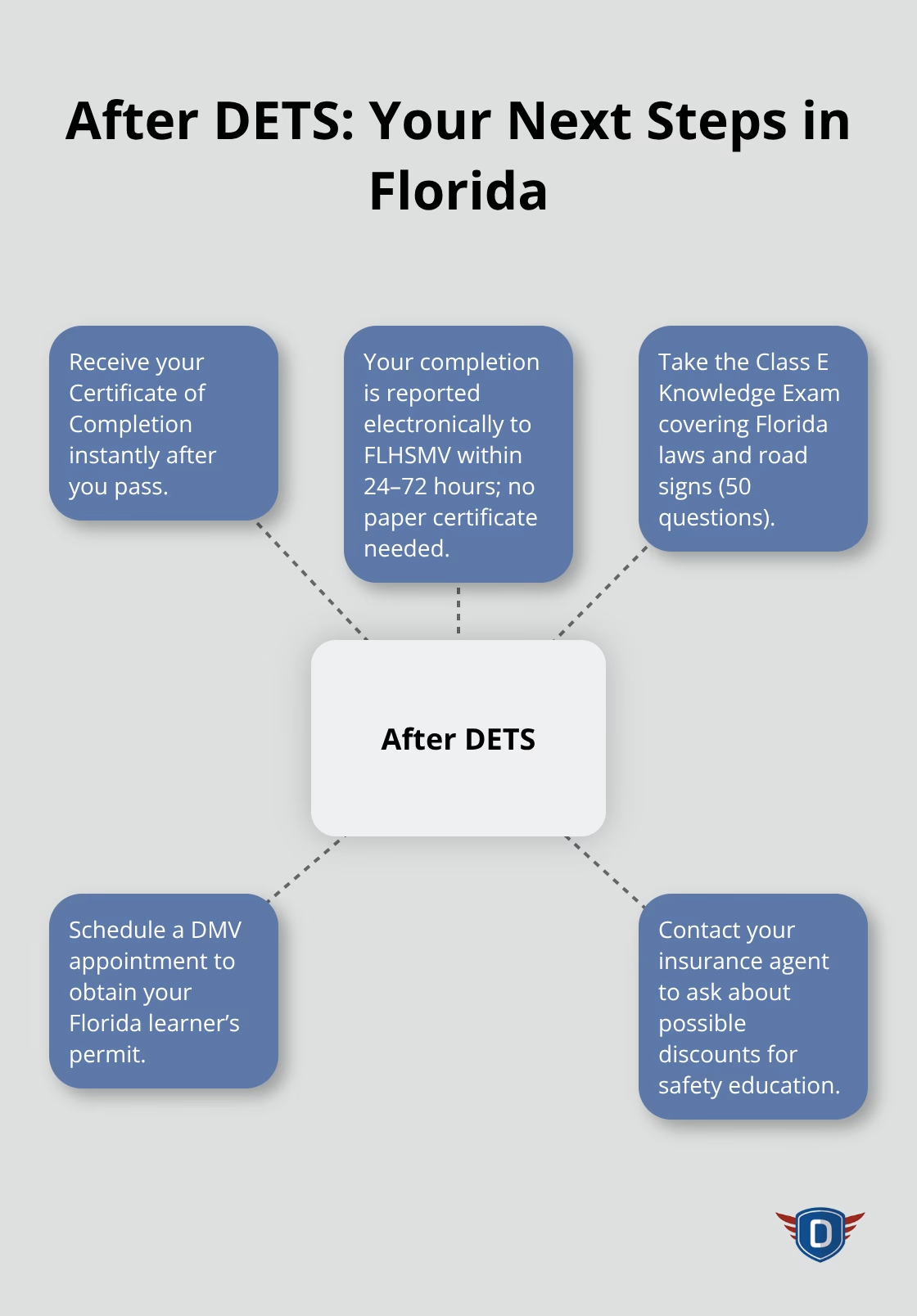
Insurance companies view DETS completion favorably because the course demonstrates you’ve invested time in understanding real-world driving risks. While Florida doesn’t mandate insurance discounts for DETS completion like it does for the Mature Driver Course for drivers 55 and older, many insurers offer rate reductions when you show proof of safety education. Contact your insurance agent after finishing the course to ask about available discounts, as policies vary by company and your driving history.
The real payoff extends far beyond paperwork and potential savings-the DETS course overview teaches you to recognize hazards before they become emergencies, manage your emotions behind the wheel, and understand how your choices affect your safety and the safety of others. Teen drivers aged 16 to 19 experience crash rates significantly higher than older drivers, but scenario-based training like DETS reduces that risk by building practical decision-making skills you’ll use every time you drive. You’ll face distractions, fatigue, and pressure to speed, but you’ve already practiced your response in the course.