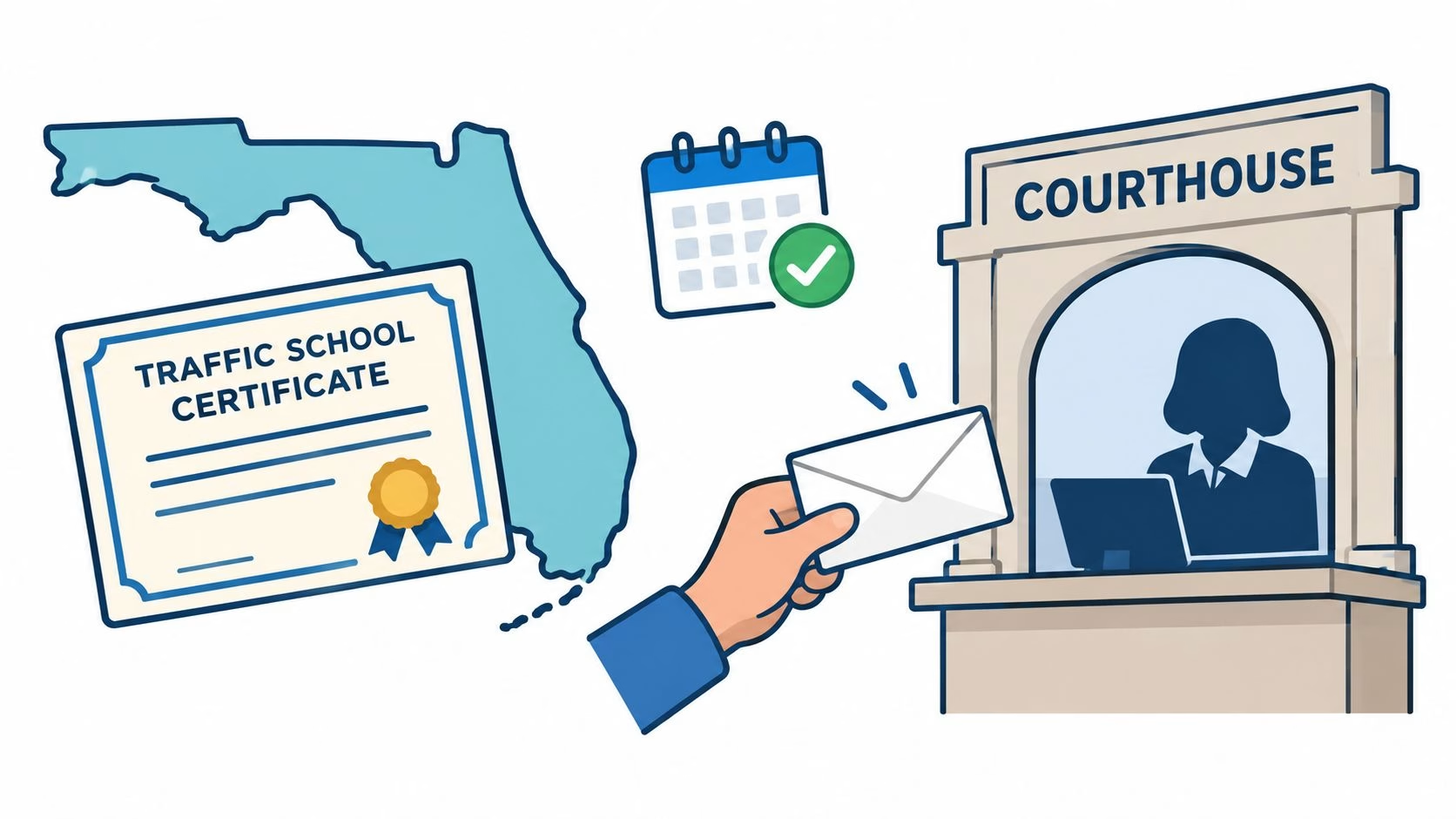
A suspended license can turn ordinary tasks into expensive problems. Getting to work, taking a child to school, attending medical appointments, or handling family responsibilities may suddenly require rides, time off, or public transportation. License reinstatement is the process of restoring your driving privilege after a suspension, revocation, cancellation, or other licensing hold.
The right path depends on your state, the reason for the action, and whether a court, DMV, insurer, or another agency is involved. The fastest approach is rarely guessing or simply paying a fee. Start by identifying every hold on your record, completing each requirement in the correct order, and keeping proof of completion.
Start With the Exact Reason Your License Is Not Valid
A driving privilege can be affected for reasons that have little to do with a single traffic ticket. Common causes include unpaid citations, missed court dates, driving without required insurance, accumulating too many points, DUI-related offenses, failure to complete a required course, or failing to pay child support in states that allow license action for that reason.
Your license may also be suspended in more than one state or by more than one authority. For example, a court may require a driver improvement course while the DMV requires proof of insurance and a reinstatement fee. Completing only the course would not necessarily restore driving privileges.
Check your official driving record or suspension notice first. Look for the effective date, the specific reason for the action, the agency that issued it, required documents, fees, deadlines, and whether you are eligible for a restricted or hardship license. If the notice is unclear, contact the licensing agency or court listed on it before enrolling in a course or making a payment.
The License Reinstatement Process, Step by Step
While requirements vary by state, most drivers move through the same basic sequence. Addressing the steps in order can prevent repeated trips, duplicate payments, and delays caused by missing paperwork.
1. Resolve the underlying violation or hold
A reinstatement fee does not erase an unresolved case. You may need to pay a ticket, appear in court, complete probation terms, provide proof that a vehicle was insured, or satisfy another legal obligation before the state will process your request.
If you missed a court date, ask whether the court has issued a failure-to-appear hold. Courts may require you to schedule a hearing or pay a separate administrative fee before they notify the DMV that the case is cleared.
2. Complete required education or treatment
Many suspensions include an education requirement. Depending on the circumstances and state rules, that may mean Basic Driver Improvement, an intermediate driver improvement program, an aggressive driver course, a DUI education program, or another state- or court-approved course.
Do not choose a course based on the title alone. Confirm the number of hours, required approval, completion deadline, and reporting method. A course that is useful for insurance savings may not satisfy a court order, and a program accepted in one state may not be accepted in another.
Online education can make this step easier for drivers balancing work and family obligations. A self-paced course may allow you to study from a phone, tablet, or computer at times that fit your schedule. DriverEducators.com provides online driver education and traffic safety courses designed for approved requirements, but drivers should always verify the correct course with the requesting agency.
3. Meet insurance requirements when applicable
Some drivers must file proof of financial responsibility, often called an SR-22 or FR-44, before reinstatement. These are certificates filed by an insurance company, not insurance policies themselves. Your state notice should state whether a filing is required and how long it must remain active.
This requirement can change both your cost and your timeline. Canceling the policy or allowing it to lapse may trigger a new suspension, so review the required coverage period carefully. Ask your insurer when the filing will reach the state and retain confirmation for your records.
4. Pay every required fee
Fees may be owed to more than one place. A court fine, DMV reinstatement fee, late fee, towing charge, and course tuition are separate obligations, even if they all stem from the same incident.
Paying a fine does not always automatically restore a license. Check whether the payment clears the hold immediately, whether processing takes several business days, and whether you must submit proof yourself. Save receipts, confirmation numbers, and screenshots until your driving record shows an active status.
5. Submit documents and verify your status
Your final step may require an online application, an in-person DMV visit, an updated photo, a vision exam, a written test, a road test, or a new license issuance. Revocations usually involve more requirements than suspensions because the original driving privilege was terminated rather than temporarily withheld.
Never assume you can drive because you have completed a course or paid a fee. Verify that your license status is valid through your state licensing agency. If you need a physical card, ask whether your driving privilege becomes active before the card arrives in the mail.
Suspension, Revocation, and Cancellation Are Different
These terms are often used interchangeably, but they can lead to different reinstatement requirements.
A suspension is a temporary loss of driving privileges. Once you complete the stated conditions, you may be eligible to restore your license. A revocation ends the privilege and may require you to apply for a new license after a waiting period, sometimes with testing or a hearing.
A cancellation generally means the license was issued in error or the driver no longer met an eligibility requirement. It may be resolved by providing missing documentation, correcting identity information, or meeting residency, medical, or insurance rules. Your official notice controls, not the term a friend or insurance representative uses casually.
Mistakes That Can Delay Reinstatement
The most costly mistake is driving before your status is active. Driving while suspended or revoked can lead to new citations, longer suspension periods, impoundment, higher insurance costs, and, in some cases, criminal penalties.
Another frequent problem is completing an unapproved course. Before enrolling, confirm that the course is accepted for your exact requirement. Ask whether the provider reports completion directly to the state or court, whether you need to submit a certificate, and how long reporting may take.
Drivers also overlook out-of-state holds. If you moved after the violation, your new state may refuse to issue a license until the prior state clears the matter. Resolve the originating state’s hold first, then follow the application rules where you now live.
Finally, do not let paperwork sit until the deadline. Course completion records, insurance filings, and court updates can take time to process. Starting early provides room to correct an error without losing additional driving time.
When a Restricted License May Help
Some states offer limited driving privileges during a suspension. Often called hardship, occupational, conditional, or restricted licenses, these permits may allow travel for work, school, medical care, court obligations, or treatment programs.
Eligibility is not automatic. It may depend on the violation, your prior record, the suspension length, and whether you have met preliminary requirements such as installing an ignition interlock device or carrying an SR-22. Restricted licenses also have strict limits, so driving outside the approved purpose or hours can create a new violation.
Ask the DMV or court whether a restricted option exists before assuming you have no legal transportation options. If approved, carry the permit and any supporting documents required by your state.
License Reinstatement FAQs
How long does license reinstatement take?
It depends on the reason for the suspension and your state’s processing time. A simple unpaid-ticket hold may clear quickly after payment, while revocations, DUI cases, or insurance filings can take weeks or longer.
Can I reinstate my license online?
Many states allow some payments and document submissions online. You may still need an in-person visit for testing, a new photo, identity verification, or a hearing.
Do I have to take a course to get my license back?
Only if the court, DMV, or state rule requires one. Check the required course type and approval status before enrolling.
Can I drive after I finish my required course?
No, not unless the licensing agency confirms your driving privilege is active. Course completion is one requirement, not proof that every hold has been removed.
What if I cannot afford reinstatement fees?
Ask the court or agency about payment plans, indigency options, or fee waivers where available. Do not ignore the debt, because unpaid obligations can keep the suspension in place.
Getting back on the road starts with accurate information, not assumptions. Read the notice, confirm every requirement with the responsible agency, complete approved education promptly, and verify your status before driving. That careful approach protects your time, your finances, and your ability to move forward safely.