Every second counts when an emergency vehicle approaches from behind. Your emergency vehicle response can mean the difference between a smooth situation and a dangerous one.
At DriverEducators.com, we’ve seen how split-second decisions impact safety on the road. This guide walks you through exactly what to do when you hear those sirens.
What Ambulance Sirens and Lights Actually Mean
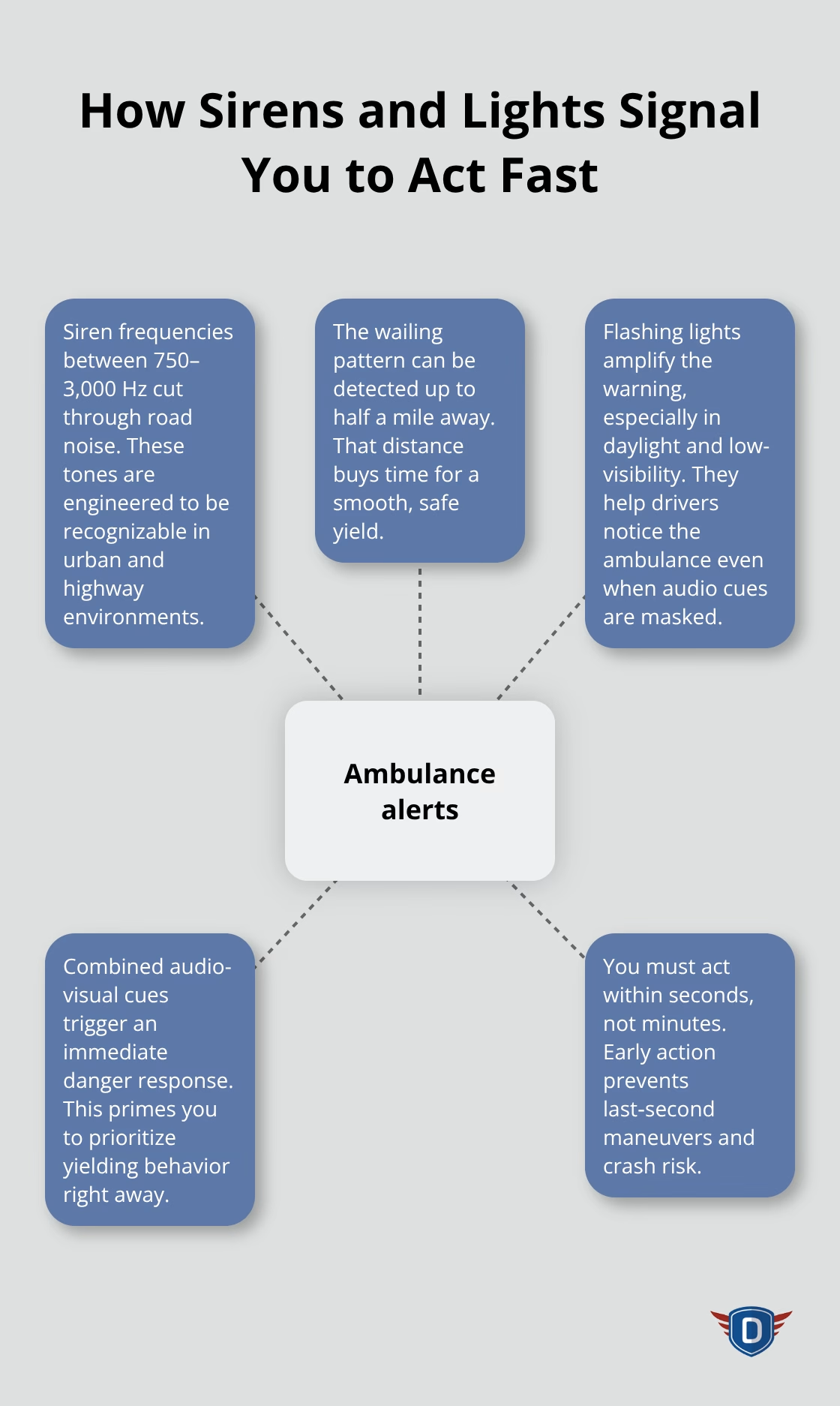
Ambulance sirens operate at frequencies between 750 and 3,000 hertz, which cuts through traffic noise effectively. The wailing sound alerts drivers at distances up to half a mile away. Flashing lights amplify this warning, especially during daylight when sirens alone may not grab attention. The combination forces your brain to register danger immediately, making your reaction enormously important. You must act within seconds, not minutes.
Distinguishing Emergency Vehicles on the Road
Not all emergency vehicles operate identically. Ambulances typically display red and white lights with a single siren pattern, while fire trucks often use red and white with additional lighting, and police vehicles use red and blue. Ambulances respond to medical emergencies, meaning they need a clear path fast. Fire trucks may require extra space due to their size. Police vehicles sometimes use sirens for traffic control rather than emergencies.
Ambulances always head toward a medical crisis, so they demand your immediate attention. Don’t assume you have time to think-you don’t. Your response speed directly affects whether paramedics reach their patient on time.
When to Pull Over and How to Spot It Early
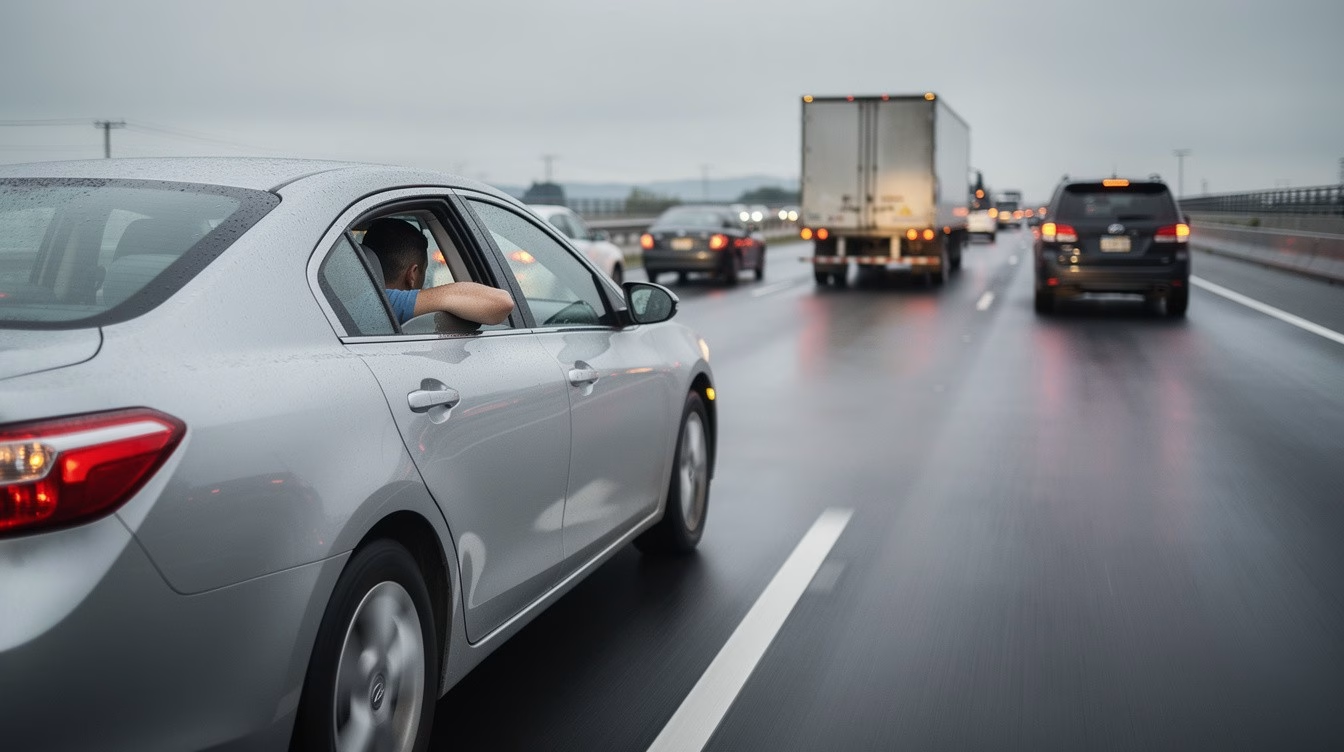
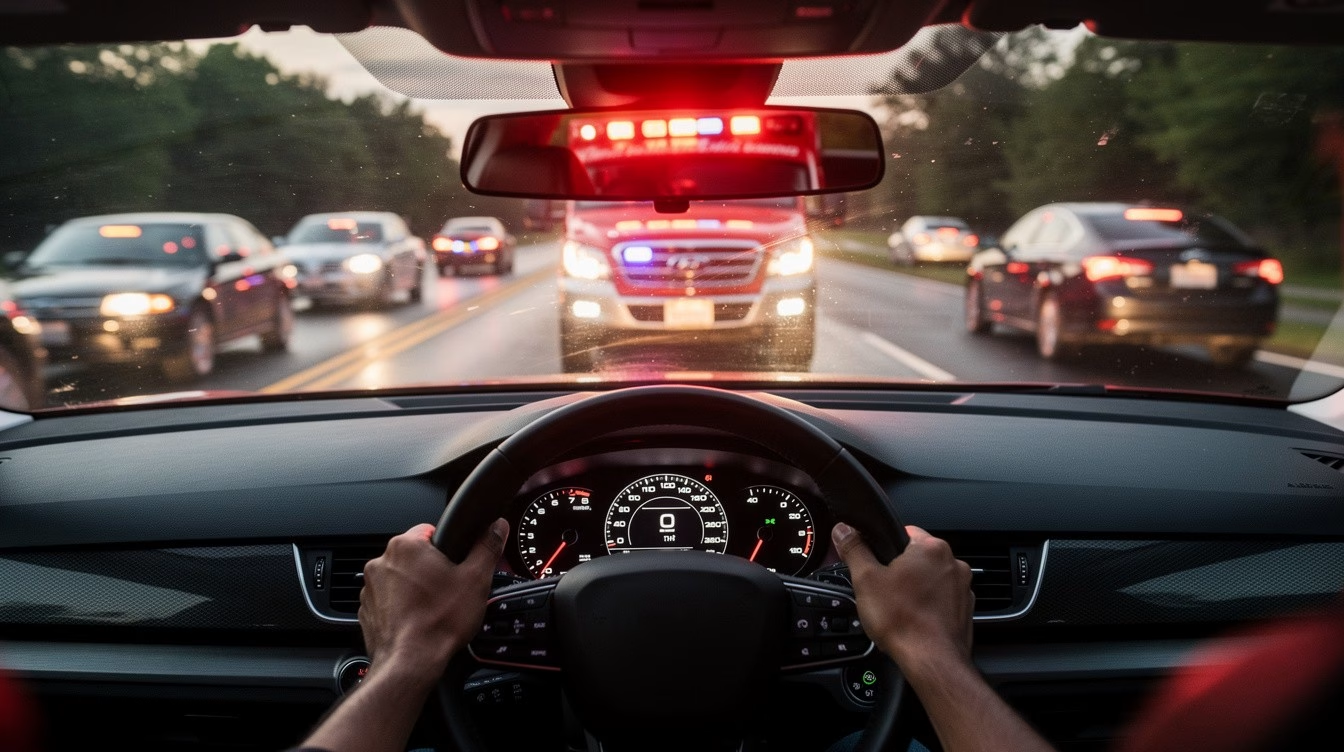
When you hear a siren or see flashing lights in your mirrors, pull over to the right as far as safely possible. Most drivers wait too long, which creates dangerous last-second maneuvers. Your mirrors serve as your early warning system (check them constantly, especially on multi-lane roads where ambulances may approach from adjacent lanes).
On highways, move right immediately. On city streets with parked cars, stop in the safest available spot. Improper responses to emergency vehicles cause crashes annually. Speed matters less than timing-start moving the moment you detect the warning signals.
Preparing Your Next Move
Your mirrors reveal the ambulance before it reaches your bumper. This head start gives you precious seconds to plan your exit from traffic. The safest drivers anticipate emergency vehicles long before they arrive, positioning themselves to move without panic or sudden braking.
Moving Out of the Way Safely
Spot the Ambulance Before It Reaches You
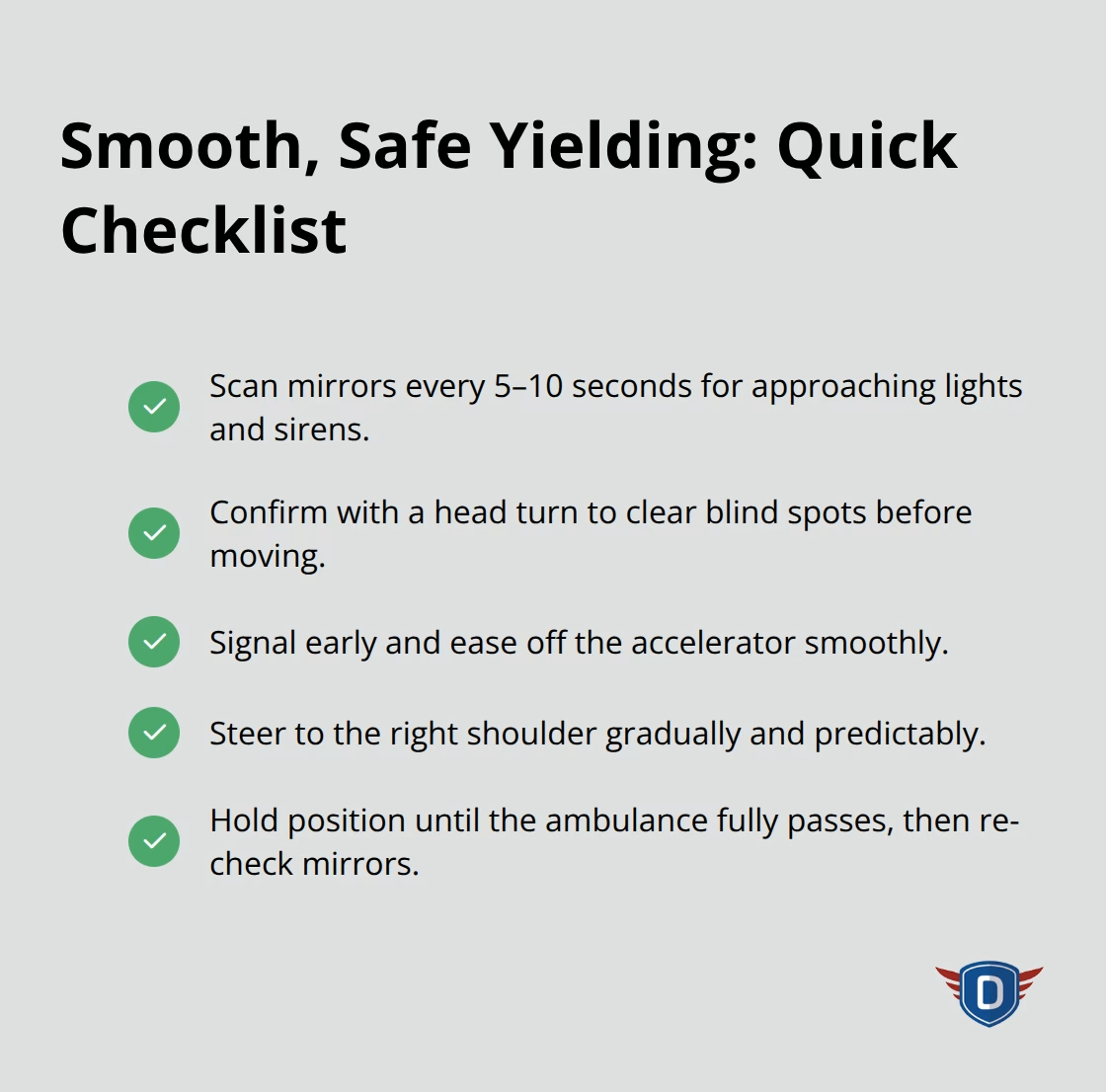
Check your mirrors constantly-this is not optional driving behavior, it’s survival. Your side mirrors show approaching vehicles in adjacent lanes, while your rearview mirror catches ambulances bearing down from directly behind. On multi-lane highways, ambulances often weave between lanes to gain speed, so a quick glance every 5-10 seconds catches them early.
The National Highway Traffic Safety Administration reports that improper responses to emergency vehicles contribute to hundreds of crashes annually, many preventable through early detection. Start moving the instant you confirm an emergency vehicle, not when it’s tailgating you. Hesitation kills smooth traffic flow and forces ambulances into aggressive maneuvers.
Execute Your Mirror and Blind Spot Check
Your blind spot check happens before you move, not after. Turn your head to physically verify that your intended lane is clear-mirrors alone miss vehicles directly beside you. This physical confirmation takes two seconds and prevents collisions that mirrors cannot catch.
Pull toward the right shoulder gradually, not abruptly. Sudden braking triggers rear-end collisions from drivers behind you who may not have noticed the ambulance yet. Ease off the accelerator, signal your intention to move right, then steer smoothly into position.
Position Your Vehicle Correctly
On city streets with parked cars, stop in the safest available spot rather than forcing yourself into an occupied lane. Maintain at least one car length of space between your vehicle and the emergency vehicle as it passes (this prevents debris, sudden stops, or equipment from striking your car). Never accelerate to follow an ambulance or treat it as a traffic escort through congested areas.
Clear the Path and Prepare to Merge
Once the ambulance passes completely and its lights fade from view, check your mirrors again before merging back into traffic. This deliberate, methodical approach protects everyone on the road and ensures paramedics reach their patient without preventable delays caused by poor driver positioning. Your next decision-whether to resume normal speed or adjust your driving further-depends on road conditions and traffic flow around you.
What Drivers Do Wrong When an Ambulance Approaches
Hard Braking Creates Rear-End Collisions
Panic causes terrible decisions on the road, and ambulances trigger panic faster than almost anything else. The most destructive mistake is slamming on the brakes the moment you hear sirens. Hard braking sends your vehicle into an abrupt stop, which catches drivers behind you completely off guard-they focus on traffic ahead, not on your brake lights. The result is a rear-end collision that blocks the ambulance further and creates exactly the chaos paramedics are trying to avoid.
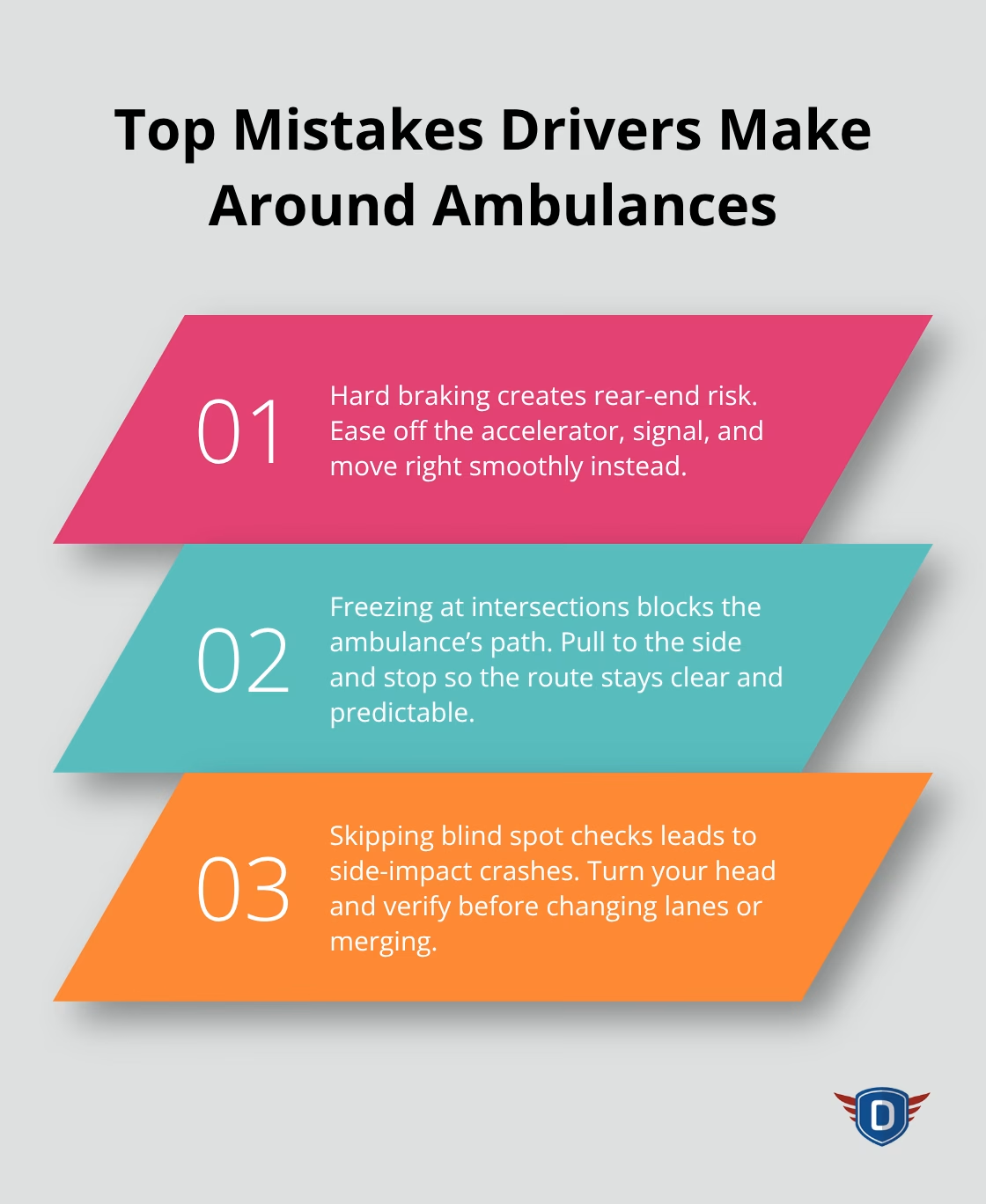
NHTSA data shows that hard braking when an ambulance approaches contributes to rear-end collisions. Instead of hard braking, ease off the accelerator smoothly and signal your intention to move right. This gradual deceleration gives following drivers time to react without collision risk.
Freezing at Intersections Blocks the Path
Panic also causes drivers to freeze at intersections or block the ambulance’s path entirely. Some drivers become so startled by sirens that they stop directly in front of the emergency vehicle instead of pulling to the side. Others accelerate through intersections thinking they’ll clear the path faster, which creates cross-traffic hazards and forces the ambulance into dangerous evasive maneuvers.
These reactions waste precious seconds and multiply collision risks for everyone on the road. The ambulance needs a clear, predictable path-not a driver who freezes or makes aggressive moves.
Ignoring Blind Spots Causes Side-Impact Crashes
The third critical mistake is failing to check your surroundings before you move. Drivers focus so intensely on the ambulance behind them that they ignore adjacent lanes where other vehicles travel. You must physically turn your head to verify blind spot checking before lane changes during emergency vehicle approach-mirrors alone miss vehicles beside you.
A head check prevents side-impact collisions that trap both your vehicle and the ambulance in traffic. The safest drivers treat ambulance response like any other lane change: check mirrors, verify blind spots, signal, then move deliberately (smooth, predictable positioning gives the ambulance a clear path without forcing it into aggressive maneuvers or collision scenarios).
Speed Matters Less Than Smooth Positioning
Drivers often think faster movement helps the ambulance pass, but erratic speed changes create unpredictability that paramedics cannot anticipate. Maintain steady deceleration and hold your position once you’ve moved to the shoulder. Sudden acceleration or lane changes after the ambulance passes can startle other drivers and cause secondary crashes.
Your job is to become invisible to the ambulance-a vehicle that moved out of the way predictably and stayed out of the way. This deliberate approach protects everyone on the road and ensures paramedics reach their patient without preventable delays caused by poor driver positioning.
Final Thoughts
Your emergency vehicle response determines whether paramedics reach their patient safely or face preventable delays caused by poor driving decisions. Checking mirrors early, moving smoothly to the right, and verifying blind spots form the foundation of safe ambulance encounters. These habits protect lives on the road-not just the patient in the ambulance but every driver around you.
Hard braking, freezing at intersections, and ignoring blind spots cause crashes that multiply chaos instead of clearing it. Every second you hesitate or react erratically forces paramedics into aggressive maneuvers that endanger everyone. Smooth, predictable positioning is what emergency responders need: a driver who moves deliberately and stays out of the way.
The skills you practice during ambulance encounters-constant mirror checks, smooth lane changes, blind spot verification-apply to every situation on the road. At DriverEducators.com, we teach defensive driving techniques that stick with you for life through courses designed to make you a more responsible driver. The habits you build today become automatic responses that protect you and others for years to come.