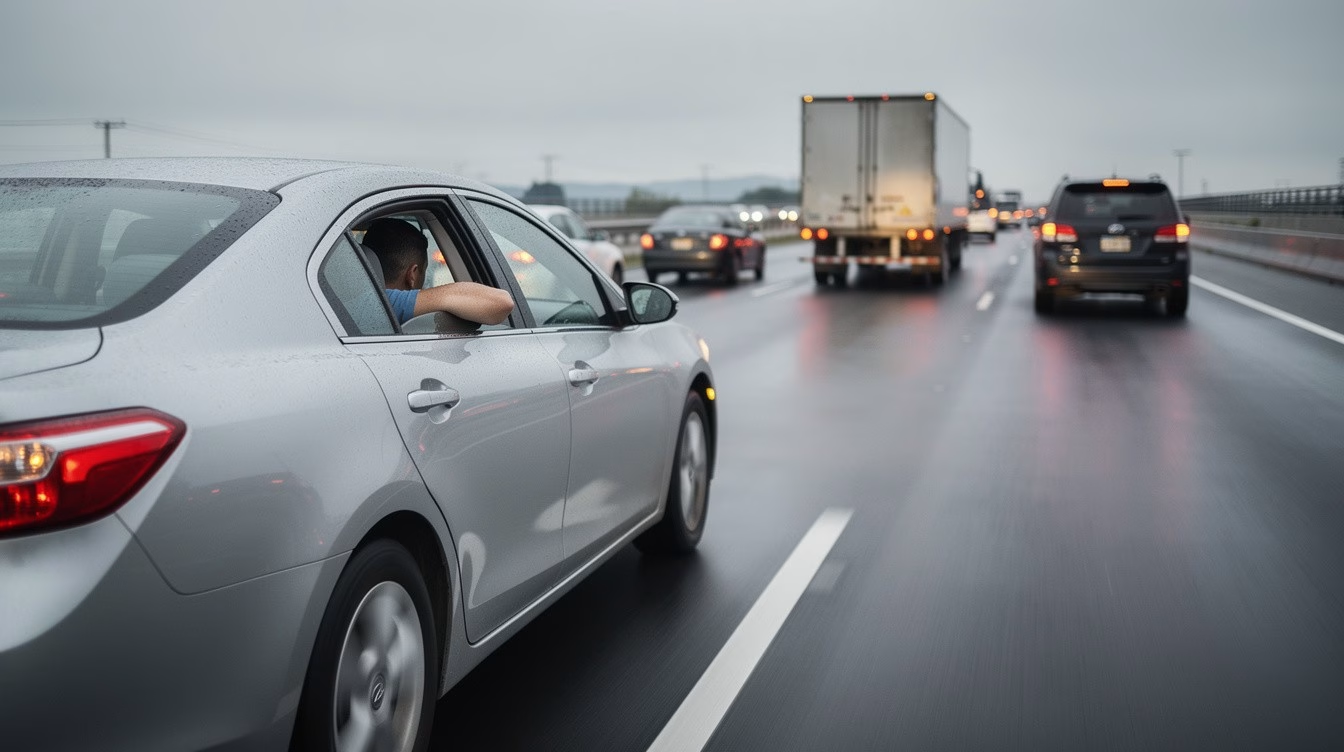
Interstate lane changes happen in seconds, but the consequences of getting them wrong can last a lifetime. At DriverEducators.com, we’ve seen how defensive highway merging separates safe drivers from those headed toward accidents.
High speeds, blind spots, and split-second timing create a perfect storm for collisions. The good news is that mastering this skill is entirely within your control.
Why Interstate Lane Changes Are Dangerous
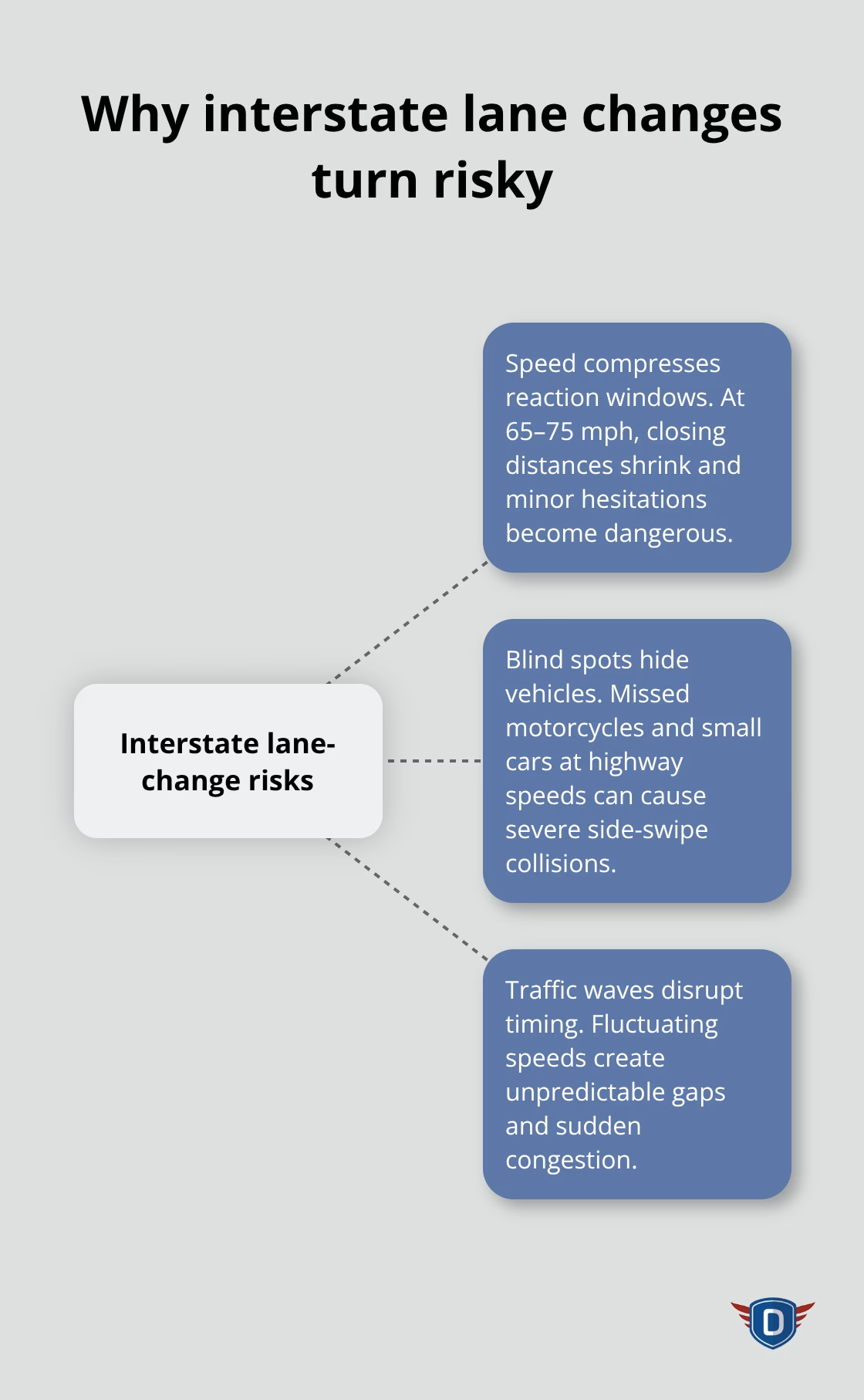
Driving on interstates exposes you to conditions that make lane changes riskier than anywhere else on the road. Vehicles travel at 65–75 mph on most interstate highways, and at these speeds, closing distances shrink to dangerous levels. A car traveling at 70 mph covers 103 feet per second-meaning another vehicle can close a gap of several car lengths in under two seconds.
Speed compresses your reaction window
This compressed timeline leaves almost no margin for error when you attempt to change lanes, especially if another driver fails to maintain adequate spacing or accelerates unexpectedly. The faster traffic moves, the less time you have to correct a mistake. On interstates, a hesitation of just one second can transform a safe lane change into a collision.
Blind spots hide vehicles at highway speeds
Your vehicle’s blind spots don’t shrink just because you’re moving faster, but the consequences of missing a vehicle in those zones multiply significantly. Motorcycles and smaller vehicles disappear entirely in your side mirrors and peripheral vision on interstates, where lane width and vehicle positioning make detection even harder. The National Highway Traffic Safety Administration reports that failure to check blind spots contributes to roughly 840,000 lane-change collisions annually in the United States.
These aren’t minor fender benders-they often result in serious injuries because of the velocity involved. You need to physically turn your head and confirm the adjacent lane is clear before committing to any lane change, not rely on mirrors alone.
Traffic waves create unpredictable timing challenges
Interstate traffic moves in waves, with speed fluctuations that create unpredictable gaps and sudden congestion. On average, reaction time for human takes between 150 and 300 milliseconds, but on interstates, conditions can change in half that time. Cutting into a lane too slowly, misjudging another vehicle’s speed, or signaling too late forces other drivers to brake hard or swerve, triggering chain-reaction collisions that involve multiple vehicles (often three or more cars).
These accidents occur most frequently during peak traffic hours when lane density is highest, making recovery from a mistake nearly impossible. Understanding exactly how to execute a lane change under these pressures separates drivers who stay safe from those who end up in accident reports.
How to Execute a Safe Lane Change on the Interstate
Check Your Mirrors and Blind Spots First
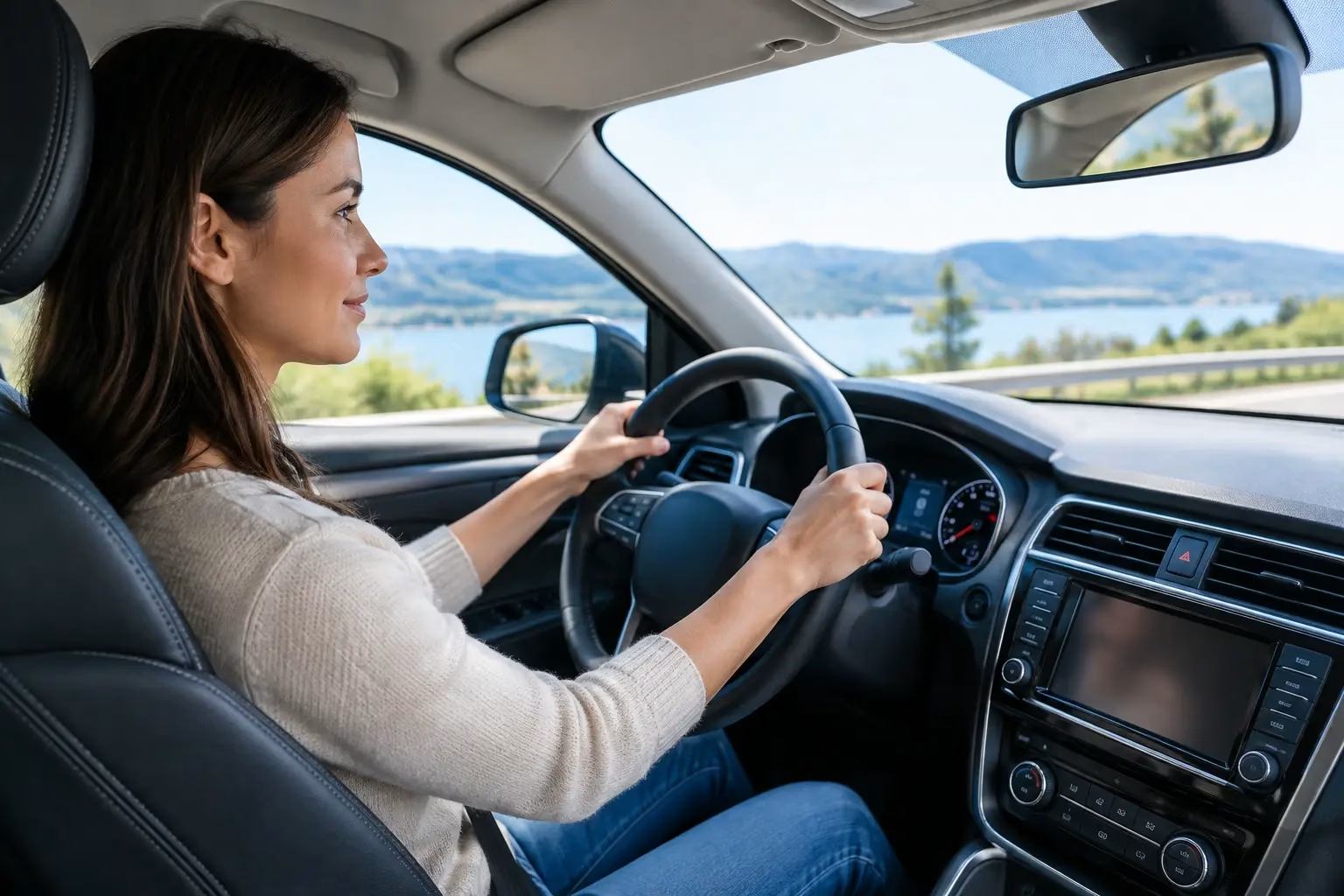
You have roughly two seconds to complete an entire lane change before traffic conditions shift again. This tight window demands a specific sequence of actions, not a rushed or improvised approach. Start by checking your interior rearview mirror to gauge the speed and distance of traffic behind you in your current lane. This gives you baseline information about what’s approaching from behind before you even consider moving sideways.
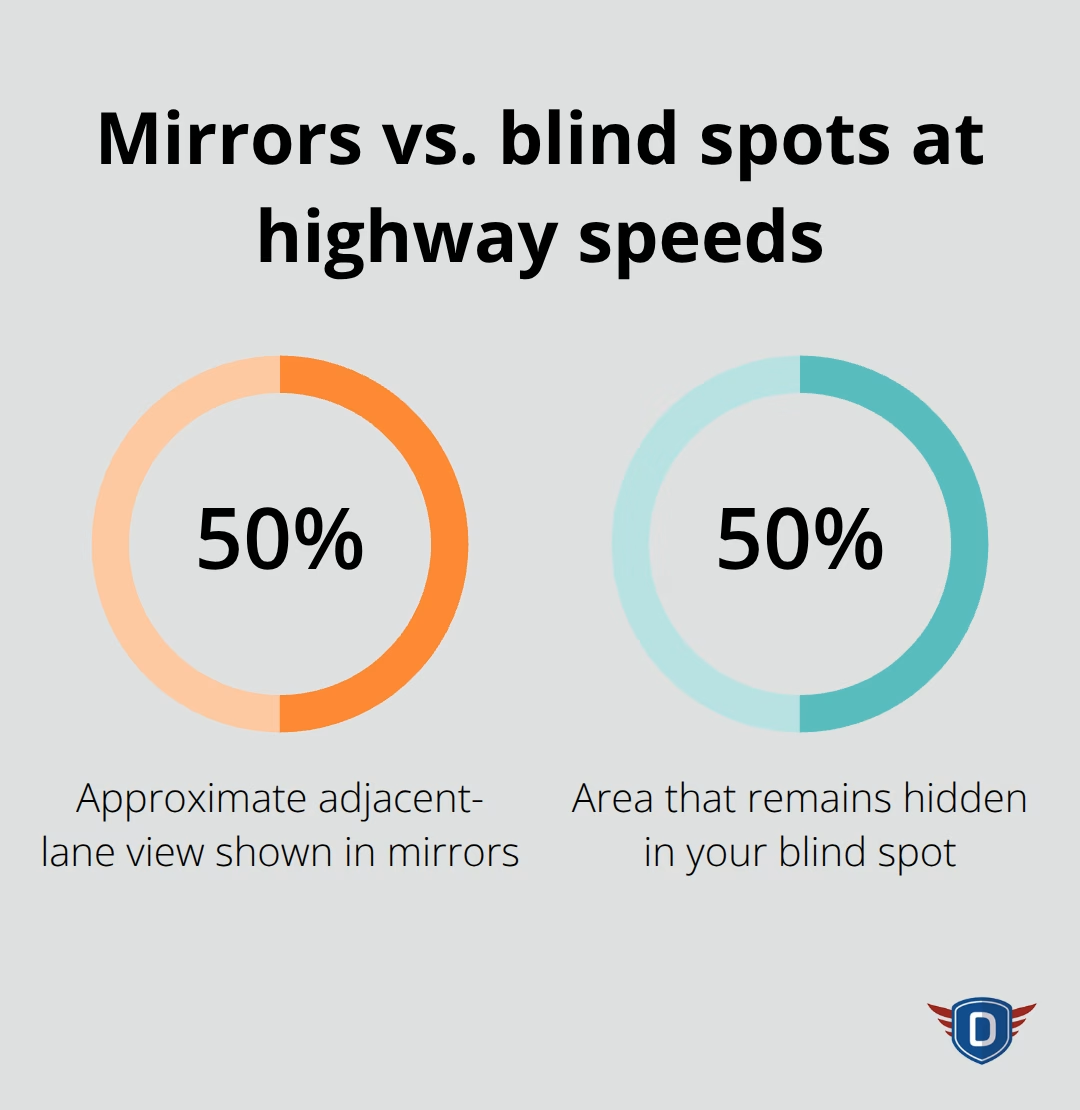
Next, glance at your side mirror to see vehicles in the adjacent lane, but understand that mirrors alone show only 50 percent of what’s actually beside you. The remaining 50 percent lives in your blind spot, which is why check your blind spots thoroughly matters more than any mirror check. Turn your head sharply toward your shoulder-not just a casual glance-and verify that no vehicle, motorcycle, or smaller car occupies the lane you’re targeting.
Signal Your Intention Before You Move
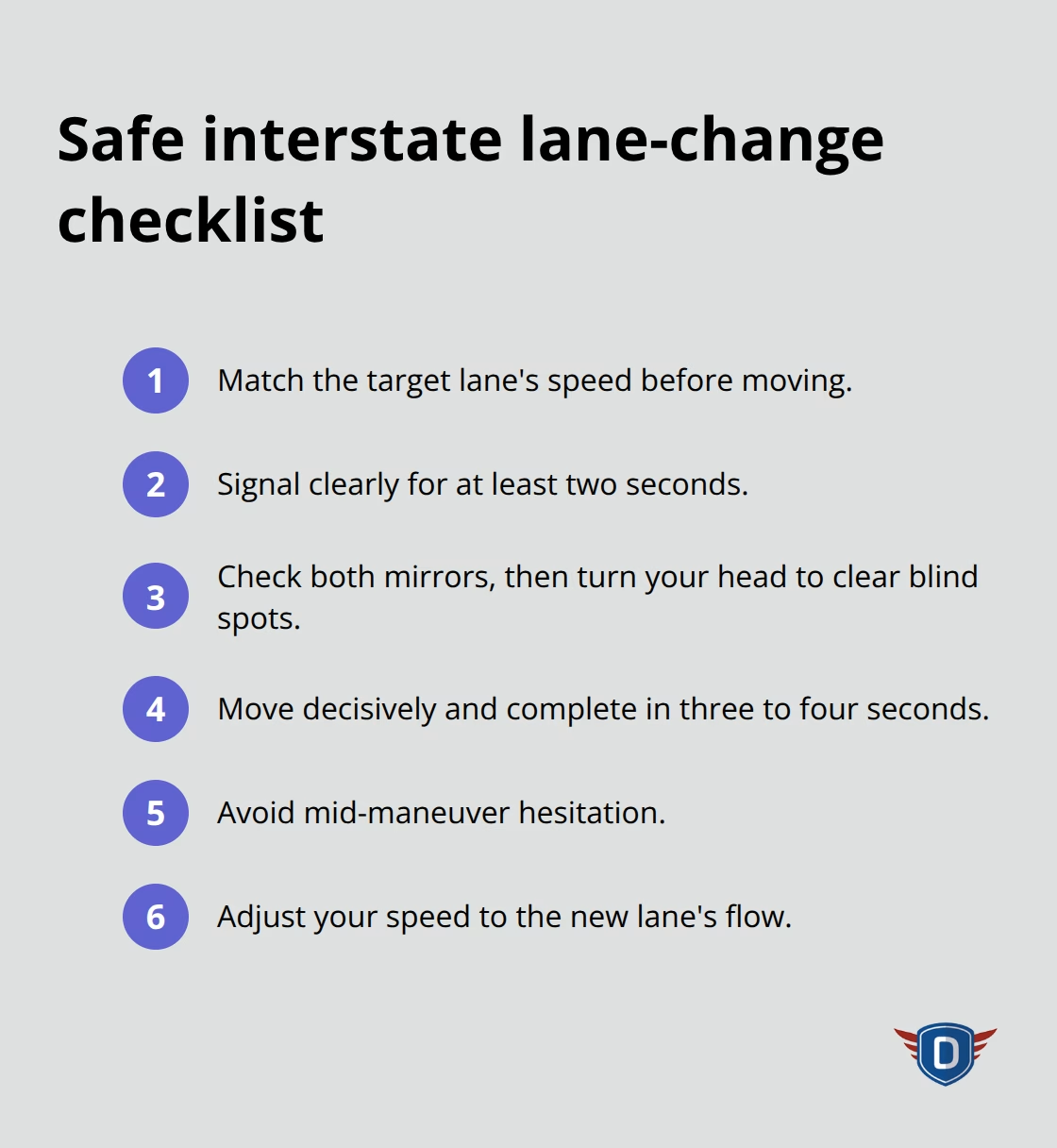
Only after this three-step confirmation should you signal your intention. Signal before you move, not after, and maintain your signal for at least two seconds so surrounding drivers have time to register your intent. Some drivers signal and move simultaneously, which defeats the purpose entirely because other drivers need processing time to react.
Accelerate Smoothly Into the New Lane
Once you’ve signaled and confirmed the lane is clear, accelerate smoothly into the new lane by matching highway traffic speed. Avoid jerky movements or hesitation once you’ve committed to the change. Hesitation mid-maneuver confuses other drivers about your intentions and can trigger aggressive responses.
Complete the Maneuver With Control
Complete the lane change within three to four seconds total, then adjust your speed to match traffic flow in your new lane. Most interstate collisions during lane changes occur because drivers either fail to check blind spots or accelerate too slowly, creating a prolonged vulnerable period where other vehicles can close gaps rapidly. The entire process should feel controlled and decisive, not tentative.
This disciplined approach works consistently, but only when you practice it repeatedly under different traffic conditions. The mistakes that cause accidents reveal themselves most clearly when you observe what other drivers do wrong on the road.
What Drivers Get Wrong During Lane Changes
Blind Spots Remain the Leading Cause of Collisions
The gap between knowing the correct technique and executing it under pressure is where most interstate lane-change accidents happen. Drivers fail to check blind spots not because they don’t understand the concept, but because they rush through the maneuver or assume mirrors provide complete visibility. The National Highway Traffic Safety Administration reports that blind-spot failures account for roughly 840,000 lane-change collisions annually, yet this preventable error remains the leading cause of these crashes.
What makes this worse is that drivers often feel confident they checked adequately when they only glanced briefly at a mirror. A proper blind-spot check requires turning your head sharply toward your shoulder and holding that position for a full second to confirm the lane is genuinely clear. Many drivers skip this step entirely when traffic feels light or when they’re in a hurry, treating it as optional rather than mandatory.
Slow Merges Force Other Drivers to React Aggressively
Cutting off other drivers or merging too slowly creates a different but equally dangerous problem. When you signal and begin changing lanes without sufficient speed to match traffic flow, you force drivers behind you to brake hard or swerve around you. Research shows that slow or hesitant lane changes trigger aggressive responses from surrounding drivers, who may accelerate to block your merge or brake suddenly.
This unpredictability cascades into chain-reaction collisions involving three or more vehicles. Drivers who change lanes without signaling at all compound this risk by giving other motorists zero warning of their intentions. A silent lane change leaves surrounding drivers with no opportunity to adjust their speed or position, making a collision almost inevitable at interstate speeds.
Execute the Maneuver With Speed and Decisiveness
The correct approach demands that you match the speed of traffic in your target lane before committing to the move, signal clearly for at least two seconds, and complete the maneuver decisively within three to four seconds total. Hesitation mid-maneuver confuses other drivers and extends your vulnerable exposure window (the period when your vehicle occupies both lanes simultaneously). Most interstate collisions during lane changes occur because drivers either fail to check blind spots or accelerate too slowly, creating a prolonged vulnerable period where other vehicles can close gaps rapidly. The entire process should feel controlled and decisive, not tentative, which separates drivers who stay safe from those who end up in accident reports.
Final Thoughts
Safe lane changes on interstates require more than understanding the technique-they demand consistent practice and unwavering focus. Start by practicing defensive highway merging on quieter roads where traffic moves slower and gives you room to make mistakes without serious consequences. Local streets and less-congested highways let you build muscle memory for the mirror-signal-blind spot sequence until it becomes automatic rather than something you think through consciously.
As your confidence grows, gradually move to busier roads during moderate traffic periods before attempting lane changes during peak hours. This progression matters because interstate driving at 70 mph leaves no room for hesitation or second-guessing. Your body needs to execute the maneuver smoothly through repetition, not through conscious deliberation in the moment.
Defensive driving habits extend beyond lane changes themselves-maintain adequate following distance behind other vehicles, stay alert to sudden speed changes, and avoid distractions that pull your attention from the road (phones, passengers, and fatigue all degrade your ability to execute safe lane changes when conditions demand split-second precision). At DriverEducators.com, our defensive driving courses reinforce these habits through real-world scenarios and proven techniques that accelerate your progress toward becoming a genuinely safe interstate driver.