A driver runs a red light just after you get a green signal. The crash is avoided because you paused, checked both directions, and did not assume the intersection was clear. That is defensive driving in practice. The best defensive driving habits help you recognize risk early and give yourself enough time and space to respond safely.
Defensive driving is not about being fearful or driving unusually slowly. It means making deliberate choices that account for other drivers’ mistakes, changing road conditions, and the limits of your vehicle. These habits can help new drivers build confidence, experienced drivers avoid complacency, and any driver make safer decisions during everyday travel.
Best Defensive Driving Habits That Reduce Risk
1. Keep your eyes moving
Look well beyond the vehicle directly ahead. Scan 12 to 15 seconds down the road when possible, then check mirrors regularly and monitor the areas beside your vehicle. This gives you earlier notice of braking traffic, pedestrians, changing signals, work zones, and vehicles entering your lane.
Do not stare at one point for too long. A quick, repeating scan pattern helps you maintain awareness without taking attention away from the road ahead. In heavy traffic, shorten your scan distance as needed, but keep looking for the next possible problem.
2. Maintain a safe following distance
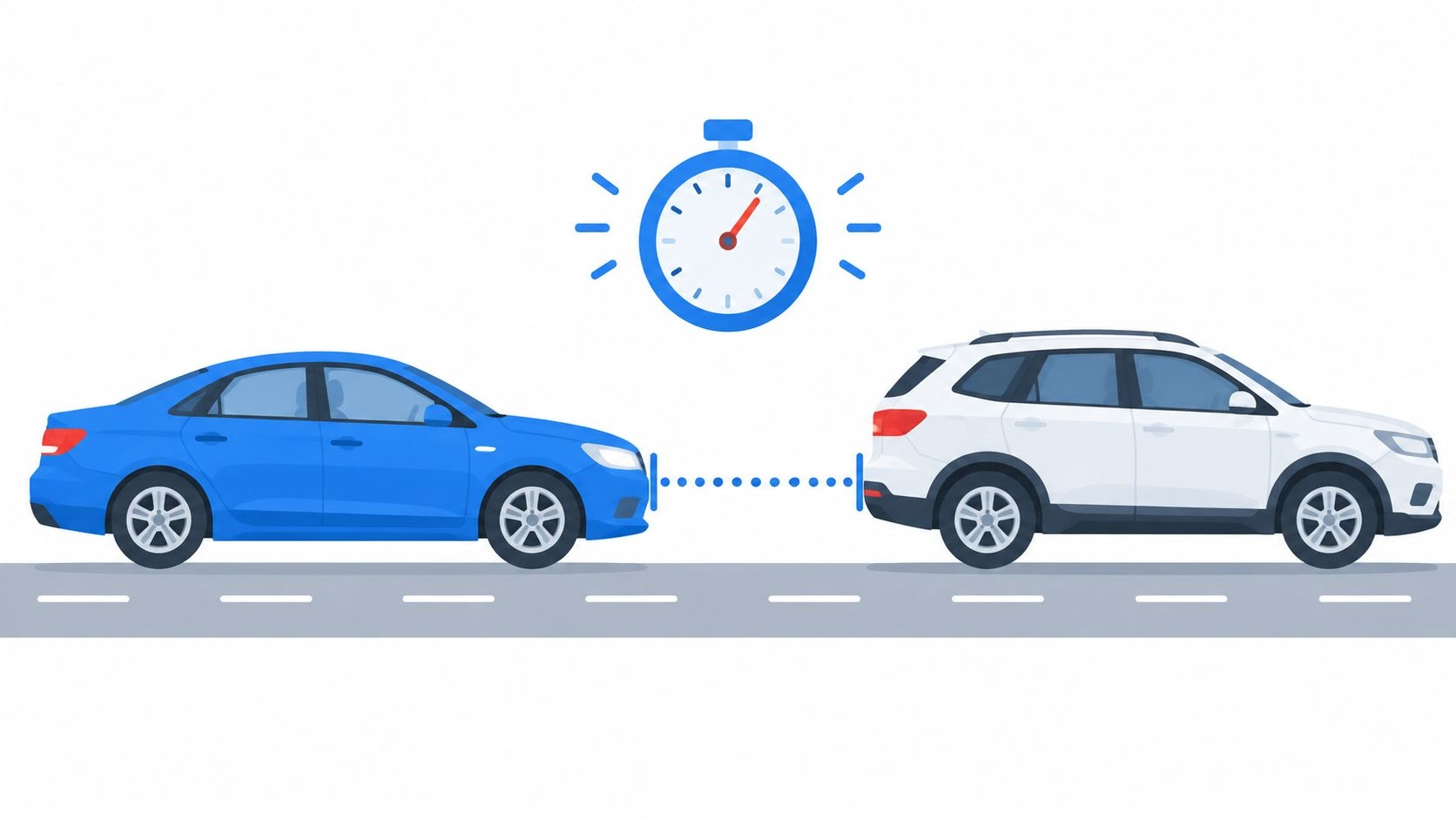
A safe following distance creates reaction time. In normal, dry conditions, use at least a three-second gap: choose a fixed object ahead, and make sure three full seconds pass after the vehicle in front reaches it before you do.
Increase that space in rain, darkness, fog, heavy traffic, or when following a motorcycle, large truck, or vehicle towing a trailer. The same rule applies when you are tired or driving an unfamiliar route. More space is one of the simplest ways to prevent a rear-end collision.
3. Control your speed for conditions
The posted speed limit is the legal maximum under ideal conditions, not a guaranteed safe speed at every moment. Wet pavement, limited visibility, road construction, sharp curves, and traffic congestion may require you to drive below the posted limit.
Speed also affects how much time you have to identify a hazard and how far your vehicle travels before stopping. Driving with the flow of traffic matters, but it does not require matching unsafe speeds. Choose a speed that lets you stay in control while following traffic laws.
4. Expect mistakes from other road users
Assume other drivers may fail to signal, stop too late, change lanes unexpectedly, or misjudge your speed. This is not an excuse to ignore right-of-way rules. It is a mindset that keeps you ready to protect yourself when someone else makes a poor decision.
Be especially alert near parking lots, highway entrances, school zones, and intersections. Pedestrians, cyclists, delivery vehicles, and drivers using navigation apps can move unpredictably. Anticipating the possibility of error helps you avoid relying on assumptions.
5. Protect an escape route
An escape route is open space you can use if traffic suddenly stops or another vehicle moves into your path. Avoid driving boxed in between vehicles whenever possible. Adjust your lane position, leave extra room ahead, and avoid lingering beside larger vehicles.
Before you need to brake hard or steer away, know where you could go safely. On a multi-lane road, that might mean leaving space in an adjacent lane. On a two-lane road, it may mean reducing speed so you have more time to react rather than swerving into oncoming traffic.
6. Treat intersections as high-risk areas
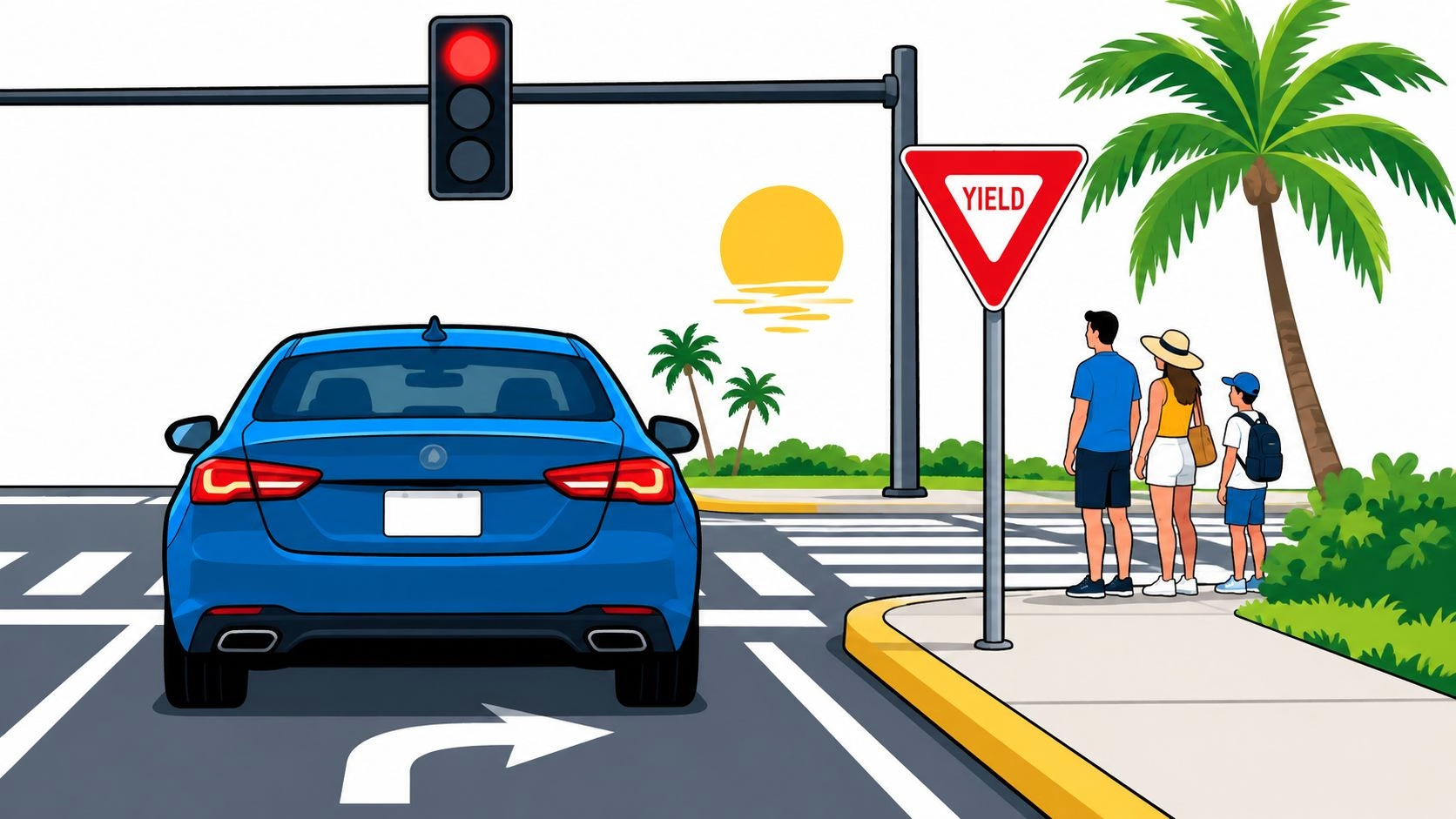
Many serious crashes happen at intersections because drivers turn across traffic, run signals, or fail to yield. When your light turns green, take a brief moment to check left, right, and ahead before entering. A green light gives you the right to proceed, but it does not guarantee another driver will stop.
When turning, watch for pedestrians in crosswalks, cyclists traveling beside traffic, and vehicles approaching faster than expected. Do not enter an intersection unless you have a clear path through it. Blocking the intersection can create danger even if your signal was green.
7. Eliminate distractions before moving
Set your destination, adjust mirrors, secure loose items, and choose music before putting the vehicle in motion. Put your phone away or use a legal hands-free option only when it will not take attention from driving. Reading or sending even a brief message takes your eyes, hands, and focus away from the road.
Passengers can also be distracting, especially for new drivers. Keep conversations manageable, and speak up if someone else’s behavior is interfering with safe driving. No call, notification, or disagreement is worth losing situational awareness.
8. Use signals and mirrors early
Signaling early gives other road users time to understand your plan. Before changing lanes, check your mirrors, signal, look over your shoulder for vehicles in the blind spot, and move only when the lane is clear. Mirrors help, but they do not show every area around your vehicle.
Avoid sudden lane changes made to catch an exit or get around slow traffic. If you miss a turn, continue safely and reroute. A few extra minutes is a far better outcome than an avoidable sideswipe or loss-of-control crash.
9. Adjust for weather and visibility
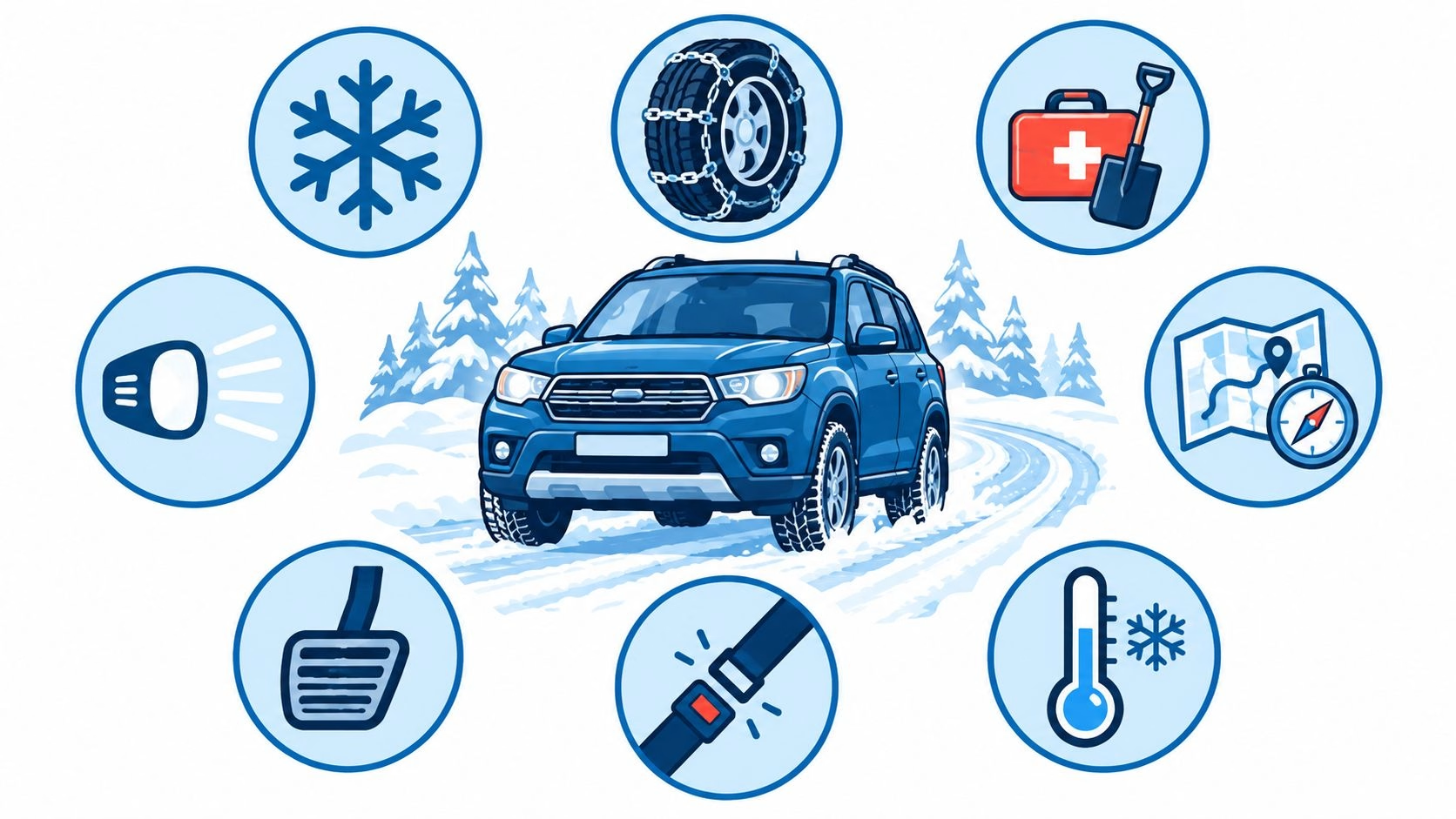
Rain reduces tire grip and can make road markings harder to see. At the first sign of rain, slow down, increase following distance, and use headlights as required by state law. Standing water can cause hydroplaning, where tires lose contact with the road surface and steering response drops sharply.
At night, reduce speed enough to stop within the distance you can see ahead. Keep headlights, windows, and mirrors clean to reduce glare. In fog, smoke, or heavy rain, use low beams, not high beams, because high beams can reflect light back toward you.
10. Drive fit, calm, and prepared
Fatigue, anger, alcohol, drugs, and some medications can affect judgment, vision, coordination, and reaction time. If you are too tired to focus, pull over in a safe location or delay the trip. Opening a window or turning up music does not restore alertness.
Give yourself extra time before a trip, particularly when traffic, weather, or an unfamiliar route may add stress. A rushed driver is more likely to speed, follow too closely, or make abrupt decisions. Calm, prepared driving supports every other defensive habit.
Defensive Driving Is a Daily Decision
Safe driving is built through repeated choices, not one perfect trip. You may not be able to control another driver’s actions, road conditions, or sudden traffic delays. You can control your speed, attention, space, and willingness to wait for a safer opening.
For drivers completing a court, licensing, insurance, or driver improvement requirement, the practical value of a quality safety course is learning how these decisions apply in real traffic situations. DriverEducators.com focuses on clear, convenient online education that supports both required training and safer habits behind the wheel.
Frequently Asked Questions About Defensive Driving
What are defensive driving habits?
Defensive driving habits are actions that help a driver identify hazards early and reduce the chance of a crash. They include scanning ahead, leaving space, managing speed, and avoiding distractions.
What is the most important defensive driving habit?
Maintaining awareness is the foundation of defensive driving. A driver who scans ahead, checks mirrors, and stays focused has more time to respond safely.
How much following distance should I leave?
Leave at least three seconds in good conditions. Add more time for rain, darkness, heavy traffic, poor visibility, or when driving behind large vehicles.
Is driving below the speed limit always safer?
No. Driving far below the normal flow of traffic can create risk in some situations. Drive at a legal speed that fits road, weather, visibility, and traffic conditions.
Can defensive driving help after a traffic ticket?
Yes. Defensive driving education can strengthen practical skills and may be required for ticket dismissal, court compliance, or insurance-related purposes, depending on state rules and your specific case.
The next time you start the car, give yourself one goal beyond reaching your destination: leave enough time and space to make the safe choice when someone else’s mistake puts you to the test.