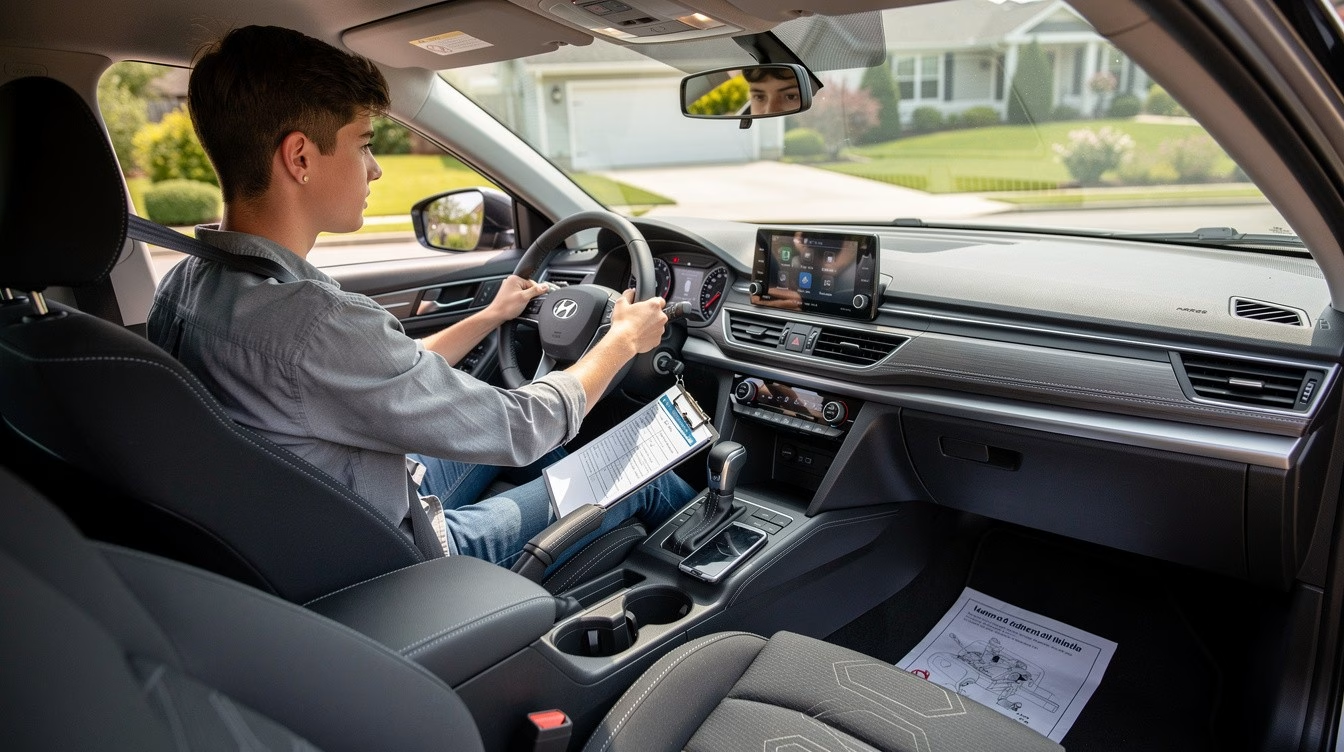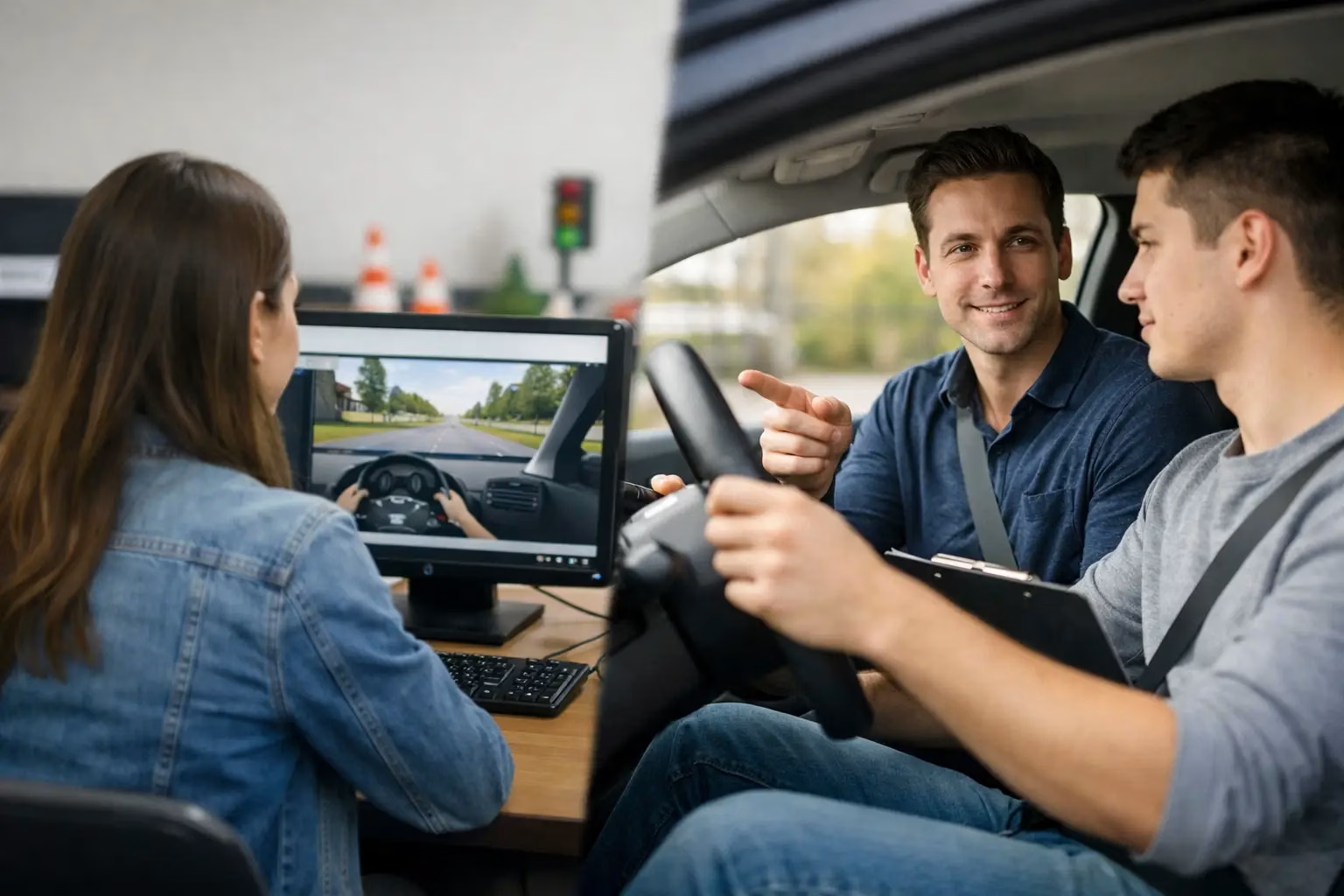
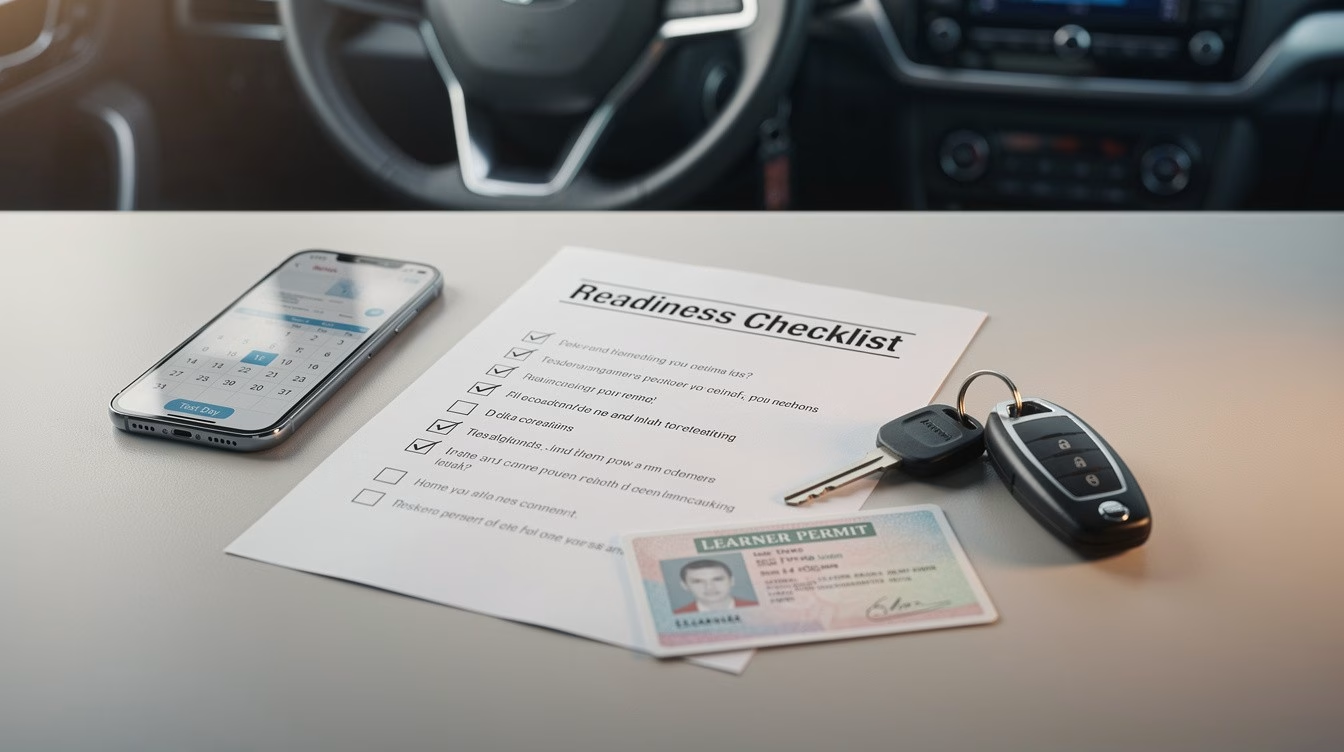
Your first driving lessons prep sets the tone for your entire learning journey. Nervousness is normal, but proper preparation transforms anxiety into confidence.
We at DriverEducators.com have seen firsthand how students who prepare thoroughly perform better and feel more in control behind the wheel. This checklist walks you through everything you need to know before that first lesson.
Get Your Mind and Body Ready
Establish a Sleep Schedule That Matches Your Lesson Time
Your first lesson demands sharp reflexes and mental clarity. Start three nights before your lesson by shifting your sleep schedule to match your lesson time. If your lesson is at 9 a.m., go to bed earlier and wake at a consistent time for those three days. The National Highway Traffic Safety Administration reports that sleep-deprived drivers perform worse on coordination tasks-exactly what you need to control the steering wheel and pedals.
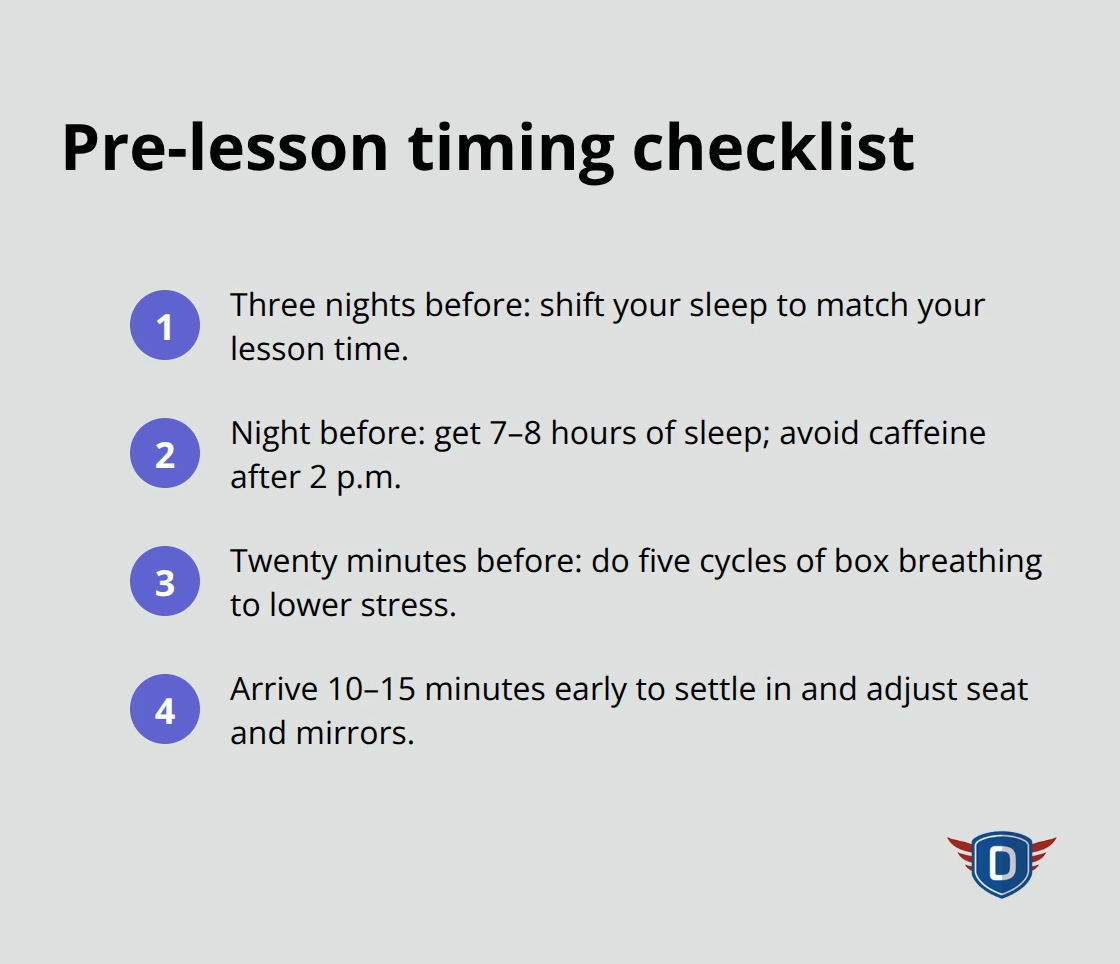
Try for seven to eight hours of sleep the night before your lesson. Avoid caffeine after 2 p.m. on lesson day, as jitters will make your hands tense on the steering wheel and your foot heavy on the pedals.
Manage Nervousness with Proven Techniques
Nervousness before a first lesson is universal, but you can manage it through specific techniques rather than hoping it disappears. Twenty minutes before your lesson, practice box breathing: inhale for four counts, hold for four, exhale for four, hold for four. Repeat this cycle five times. This activates your parasympathetic nervous system and lowers your heart rate. Set a small goal for the lesson-like nailing one smooth stop or holding the steering wheel at ten and two o’clock-rather than trying to master everything at once. Proven strategies can help you build confidence and calm your nerves behind the wheel.
Familiarize Yourself with Basic Controls
Know your car’s basic controls before you arrive. Spend ten minutes in a parked vehicle the day before to locate the steering wheel adjustment, seat slider, mirror controls, and pedals. Find the turn signal lever and practice clicking it up and down. Locate the headlight dial and wiper stalk. Understanding where these controls sit means you won’t fumble during your lesson.
Dress Appropriately and Pack Smart
Wear flat-soled shoes with closed toes and comfortable clothing that doesn’t restrict your arms or legs. Avoid thick sweaters or restrictive jeans that limit your ability to reach the pedals smoothly. Pack water and a small notepad to jot down feedback from your instructor immediately after the lesson, while details are fresh. Silence your phone completely-not vibrate mode, but silent-and keep it out of reach.
Arrive Early to Settle In
Arrive ten to fifteen minutes early to settle your nerves and review the lesson plan with your instructor. Early arrival removes the stress of rushing and gives you time to adjust the seat and mirrors without feeling pressured. This calm start sets the stage for what happens next: meeting your instructor and understanding how they’ll guide you through your first experience behind the wheel.
What You Must Bring to Your First Lesson
Your Learner’s Permit and Identification
Your learner’s permit is non-negotiable. Without it, you cannot legally drive with an instructor. Bring your actual permit, not a photo or copy. If your state requires additional identification, bring that too-a driver’s license, passport, or state ID card. Check with your instructor beforehand about what specific documents they need. Some instructors ask for proof of residency or a signed parental consent form if you’re under eighteen. Confirm these details at least two days before your lesson to avoid last-minute scrambling.
Your instructor may also request your vehicle’s registration and proof of insurance if you’re using a family car. Have those documents accessible before you arrive.
Footwear and Clothing That Support Control
Comfortable tennis shoes or running shoes work perfectly. High heels, sandals, bulky boots, and flip-flops all interfere with your ability to feel and control the pedals. Your foot needs direct contact with the gas and brake to develop the muscle memory required for smooth acceleration and stopping.
Wear comfortable clothing that doesn’t restrict your shoulders, arms, or legs. Avoid oversized jackets or hoodies that bunch up behind your back when you sit against the seat.
Items to Pack for Your Lesson
Pack a water bottle to stay hydrated during the lesson and a small notepad to jot down specific feedback from your instructor immediately after you finish. Write down what went well and what needs work-this written record becomes your practice guide between lessons.
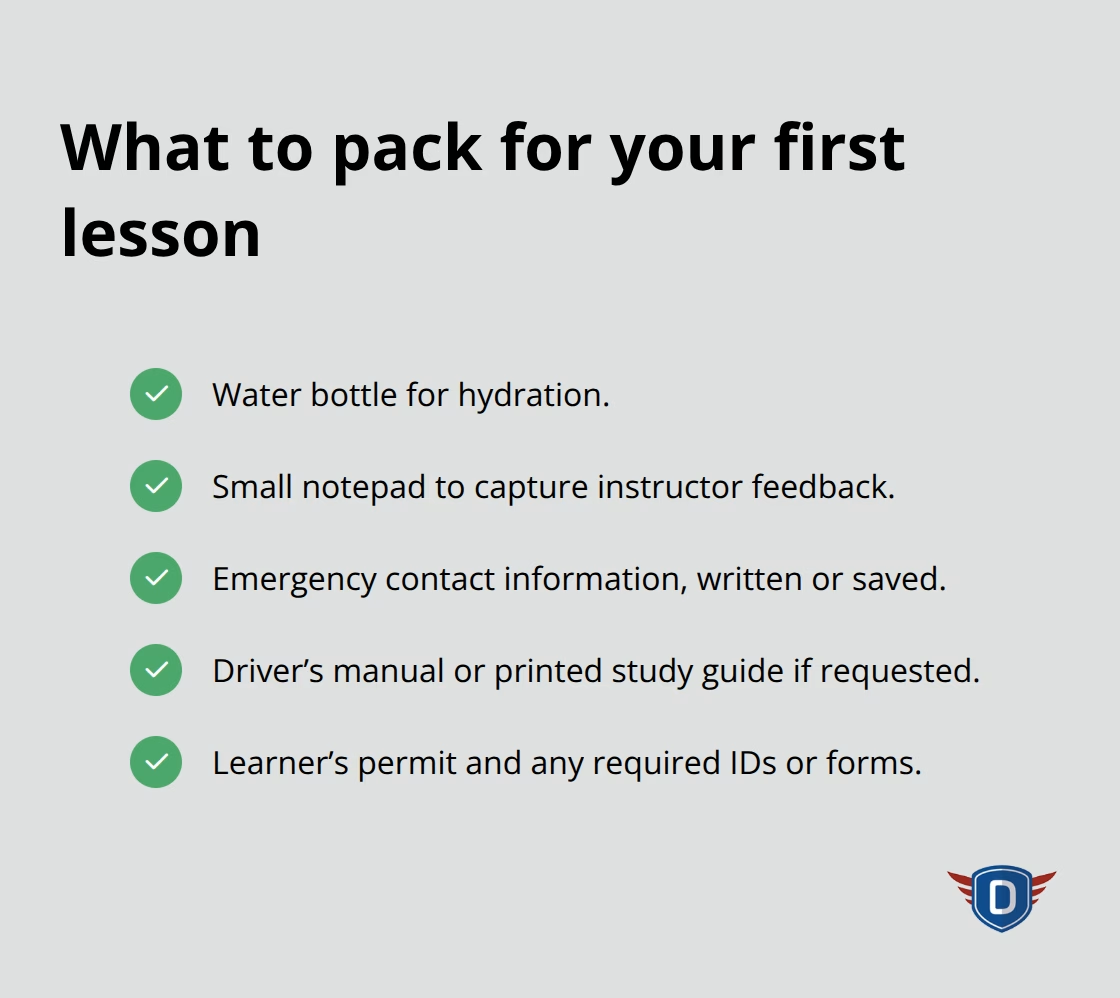
Have your emergency contact information written down or memorized, including a parent’s or guardian’s phone number. Your instructor needs to know who to contact if an unexpected situation arises. Some instructors request you bring a copy of your driver’s manual or a printed study guide, so ask about this when you confirm your lesson details.
Phone and Distractions
Silence your phone completely before you arrive. Not vibrate mode-complete silence. A buzzing phone pulls your attention away at exactly the moment you need to focus on coordinating the steering wheel and pedals. Keep it in your bag or your instructor’s vehicle, completely out of reach.
With your documents organized, footwear sorted, and distractions eliminated, you’re ready to meet your instructor and understand what happens during those critical first moments behind the wheel.
Your First Instructor Meeting and What Happens Next
Understand Your Instructor’s Teaching Approach
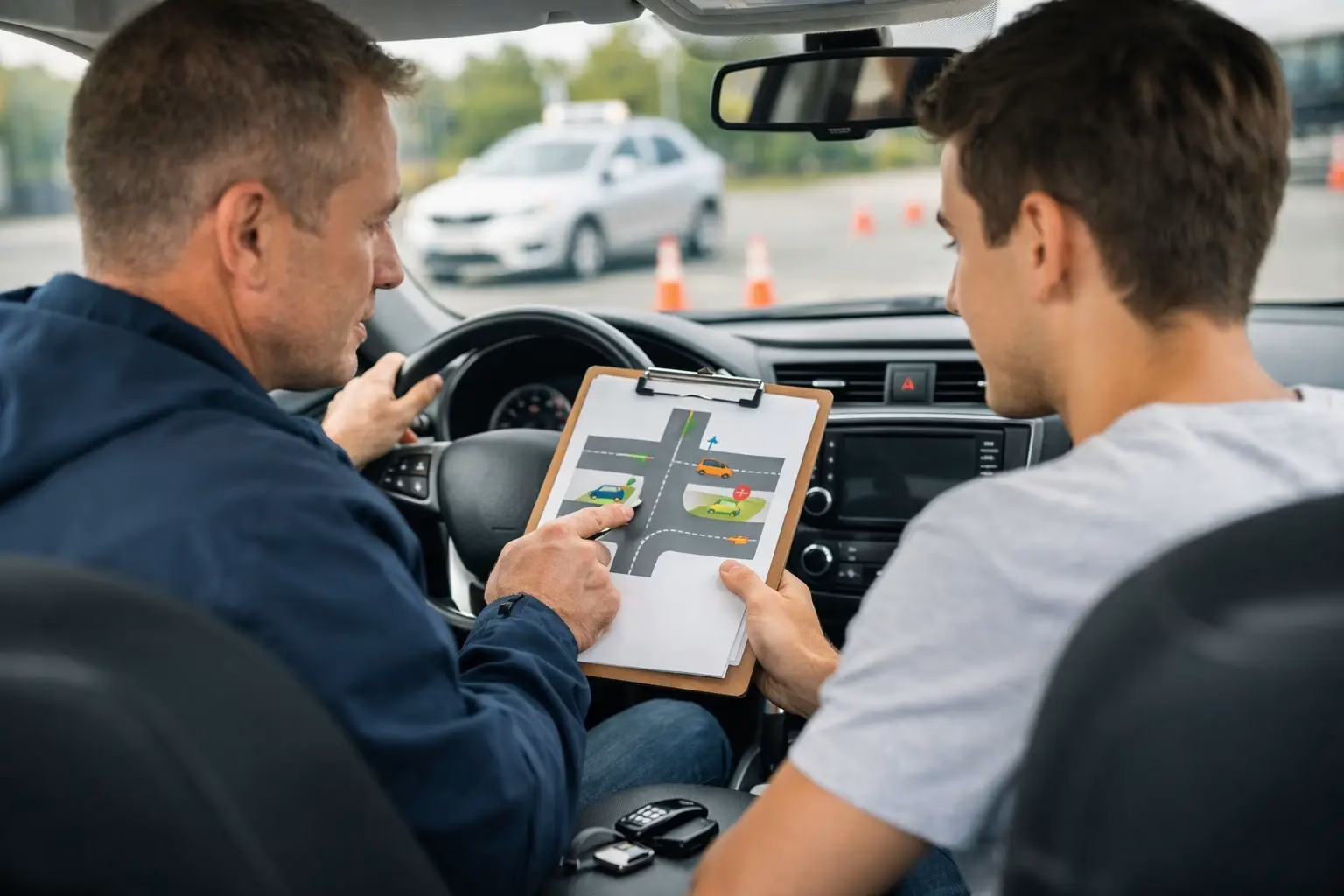
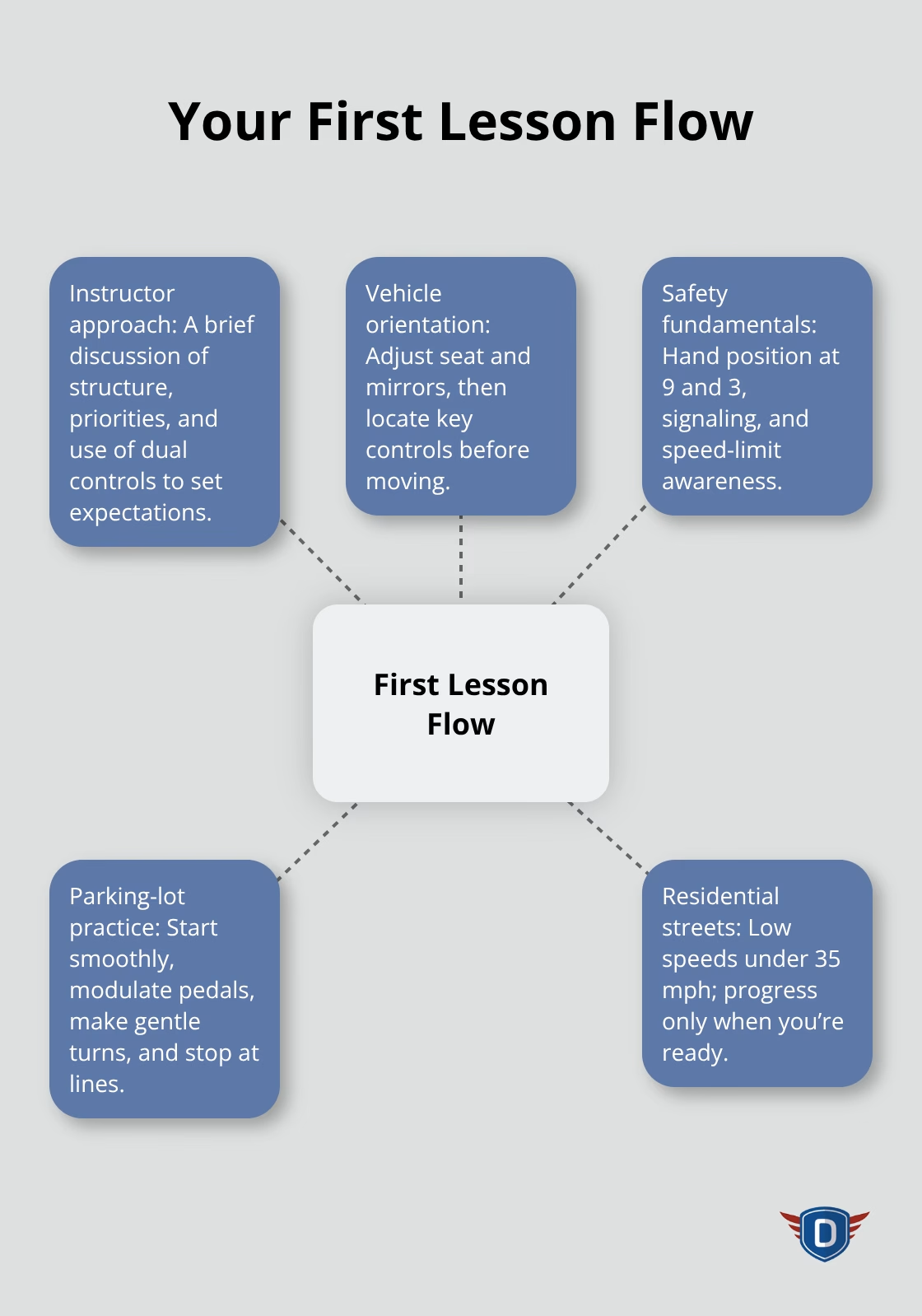
Your instructor will greet you in a calm, professional manner and spend the first five to ten minutes discussing their teaching approach. Ask directly how they structure lessons, what they prioritize, and whether they use a dual-control system in the vehicle. This conversation matters because instructor personalities vary widely. Some focus heavily on mirror checks and scanning habits from day one, while others emphasize smooth pedal control first. Understanding their style upfront removes surprises and helps you absorb feedback more effectively. Confirm the lesson duration, expected progression, and how they handle mistakes.
A good instructor treats errors as teaching moments, not failures.
Complete Vehicle Orientation and Safety Setup
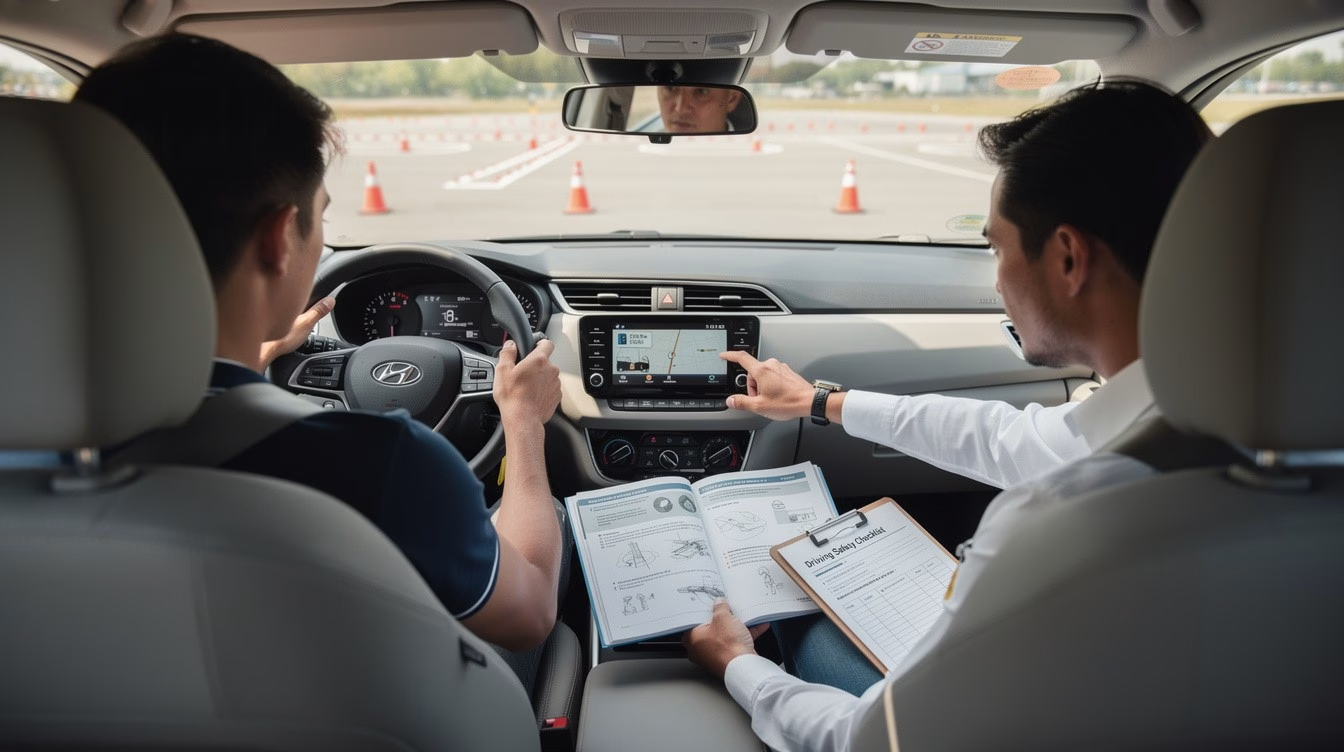
Once you settle into the vehicle, your instructor will walk you through a five to ten minute orientation covering seat adjustment, mirror positioning, and control locations. Adjust your seat so you can fully depress the brake pedal with your heel on the floor and reach the steering wheel comfortably with a slight bend in your elbows. Tilt your rearview mirror to see the entire rear window and angle your side mirrors outward slightly to minimize blind spots. Your instructor will show you the turn signal lever, headlight dial, windshield wipers, parking brake, and gear selector. Practice locating and operating each control before the vehicle moves. This familiarity prevents fumbling when you focus on steering and pedal coordination. Your instructor will also explain the dual-control brake system if the vehicle has one, reassuring you that they can stop the car if needed.
Learn Traffic Rules and Safety Fundamentals
Next comes a safety briefing covering seat belt usage, proper hand position on the steering wheel, and basic traffic rules like signaling and speed limits. The National Highway Traffic Safety Administration (NHTSA) recommends drivers put their hands at the 9 and 3 o’clock positions. This foundation takes ten to fifteen minutes but prevents dangerous habits from forming early. Your instructor establishes the safety-first mindset that carries through every lesson and into your independent driving later.
Start Driving in a Controlled Parking Lot Environment
The actual driving portion starts in a controlled environment, almost always a quiet parking lot with minimal traffic. You will practice starting the engine, releasing the parking brake, and moving forward slowly. Your instructor will guide you through smooth acceleration and gradual braking to help you feel how much pressure each pedal requires. Many new drivers press the gas pedal too hard because they expect it to work like an on-off switch. Your instructor will correct this immediately, explaining that light pressure produces smooth movement. You will practice gentle turns and stop at painted lines. These basics build the muscle memory necessary for all future maneuvers.
Progress to Quiet Residential Streets at Your Pace
Most first lessons last one to two hours, with the first thirty to forty minutes spent in the parking lot and the remaining time on quiet residential streets with speeds under thirty-five miles per hour. Your instructor controls the pace entirely. If you need extra time mastering parking lot basics, that’s where you stay. If you progress quickly, they may introduce a gentle right turn onto a low-traffic street. The goal is building confidence through success, not rushing through skills you haven’t solidified.
Final Thoughts
Your first driving lessons prep sets the stage for everything that follows. You’ve organized your documents, dressed appropriately, managed your nerves, and arrived early with focus. You’ve met your instructor, understood their teaching style, and practiced basic controls in a safe parking lot environment. This foundation matters far more than you realize right now.
Your progress won’t follow a straight line. Some students master smooth stops in their first lesson and struggle with turns in their second, while others nail turns immediately but need extra practice with mirror checks. The Texas Department of Public Safety data shows that students who receive professional instruction combined with consistent practice between lessons develop safer habits faster than those who skip either component. After your lesson ends, write down everything your instructor told you while it’s fresh, then identify two or three specific skills to practice before your next lesson rather than trying to improve everything at once.
The real learning happens between lessons, as professional instruction provides guidance and correction while repetition builds the muscle memory and habits that keep you safe. Schedule your next lesson within one week while momentum is high, and space lessons too far apart and you’ll spend the first half of each session relearning what you forgot. We at DriverEducators.com understand that consistent practice paired with professional guidance accelerates your progress toward confident, responsible driving.