Right of way rules determine who has priority at intersections, in traffic circles, and around pedestrians. Many drivers feel uncertain about these rules, which leads to accidents and traffic violations.
At DriverEducators.com, we break down the specific situations where right of way applies and show you exactly what to do. This guide covers intersections, special scenarios, and the mistakes that cost drivers confidence and safety.
How Traffic Signals and Stop Signs Control Intersection Priority
Understanding Signal Colors and Your Legal Obligations
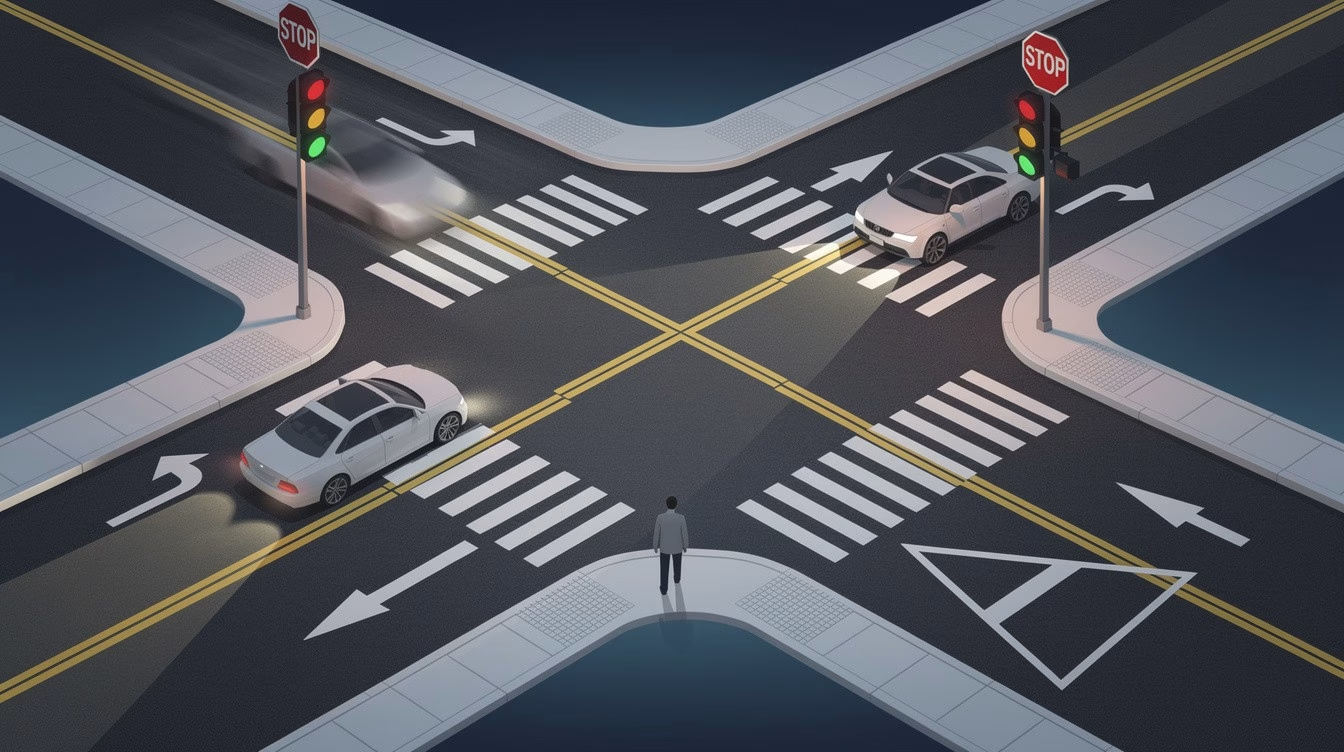
A green light permits you to proceed straight or turn right without yielding, but a left turn demands that you wait for oncoming traffic to clear-this is not optional, it’s the law. A yellow light signals that you should stop if safely possible; if you’re too close, proceed with caution but understand that red-light runners contribute to traffic fatalities at intersections. Red means stop completely behind the white line.
Priority Rules at Four-Way Stops
At four-way stops, the first vehicle to arrive has priority regardless of direction. If two vehicles arrive simultaneously, yield to the driver on your right-this rule eliminates guessing and prevents collisions. When you head straight and another driver turns left across your path, you have priority; don’t hesitate or creep forward slowly, just proceed once the intersection is clear.
Why Left Turns Present the Greatest Risk
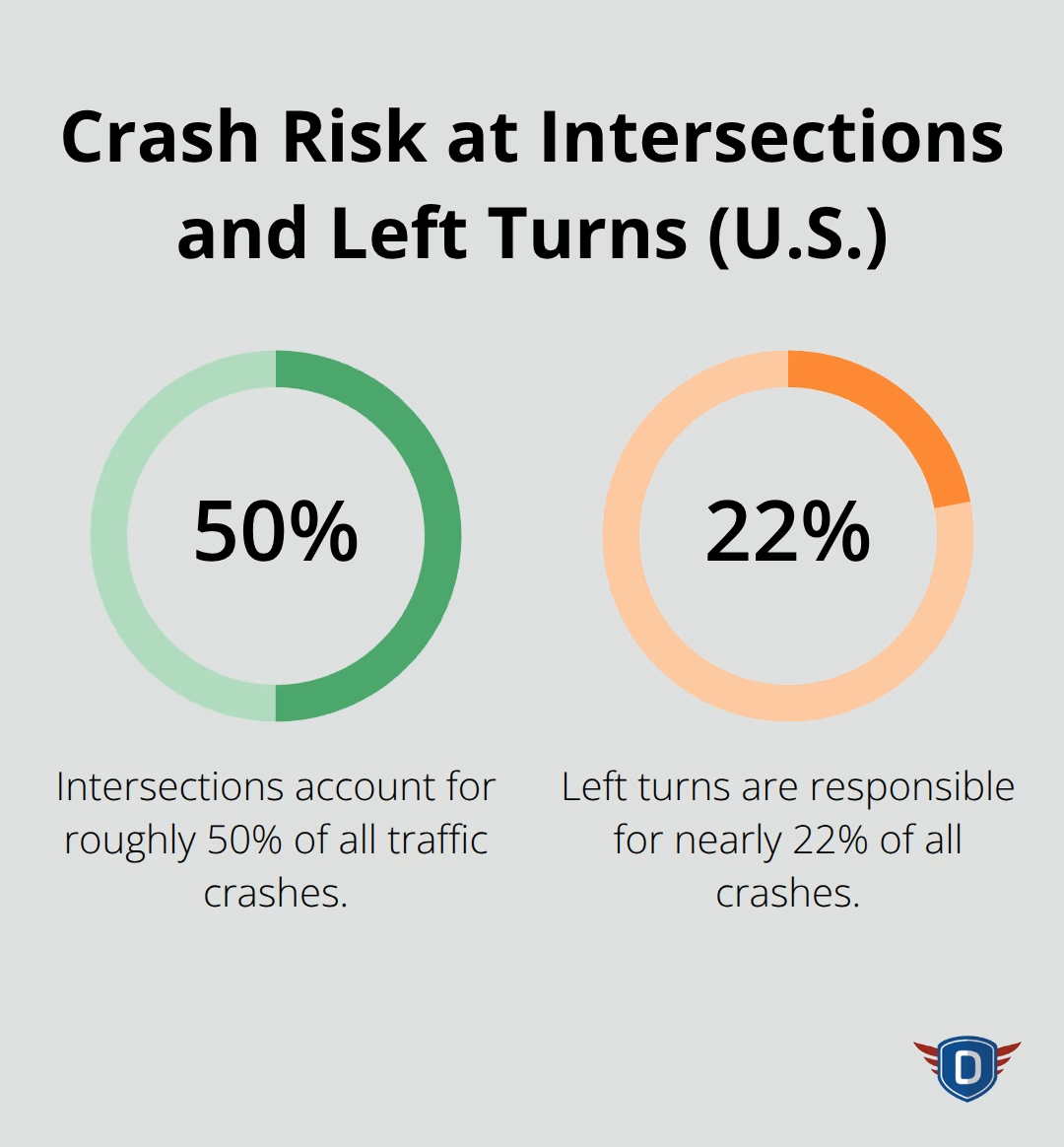
Left turns are responsible for nearly 22% of all crashes because drivers consistently misjudge oncoming traffic speed and miss vehicles in their blind spots. Position your vehicle in the center of the intersection only after you confirm oncoming traffic has completely cleared or you have a protected left-turn arrow. Before turning, perform two shoulder checks to eliminate blind spots on both sides.
Defensive Positioning and Signal Strategy
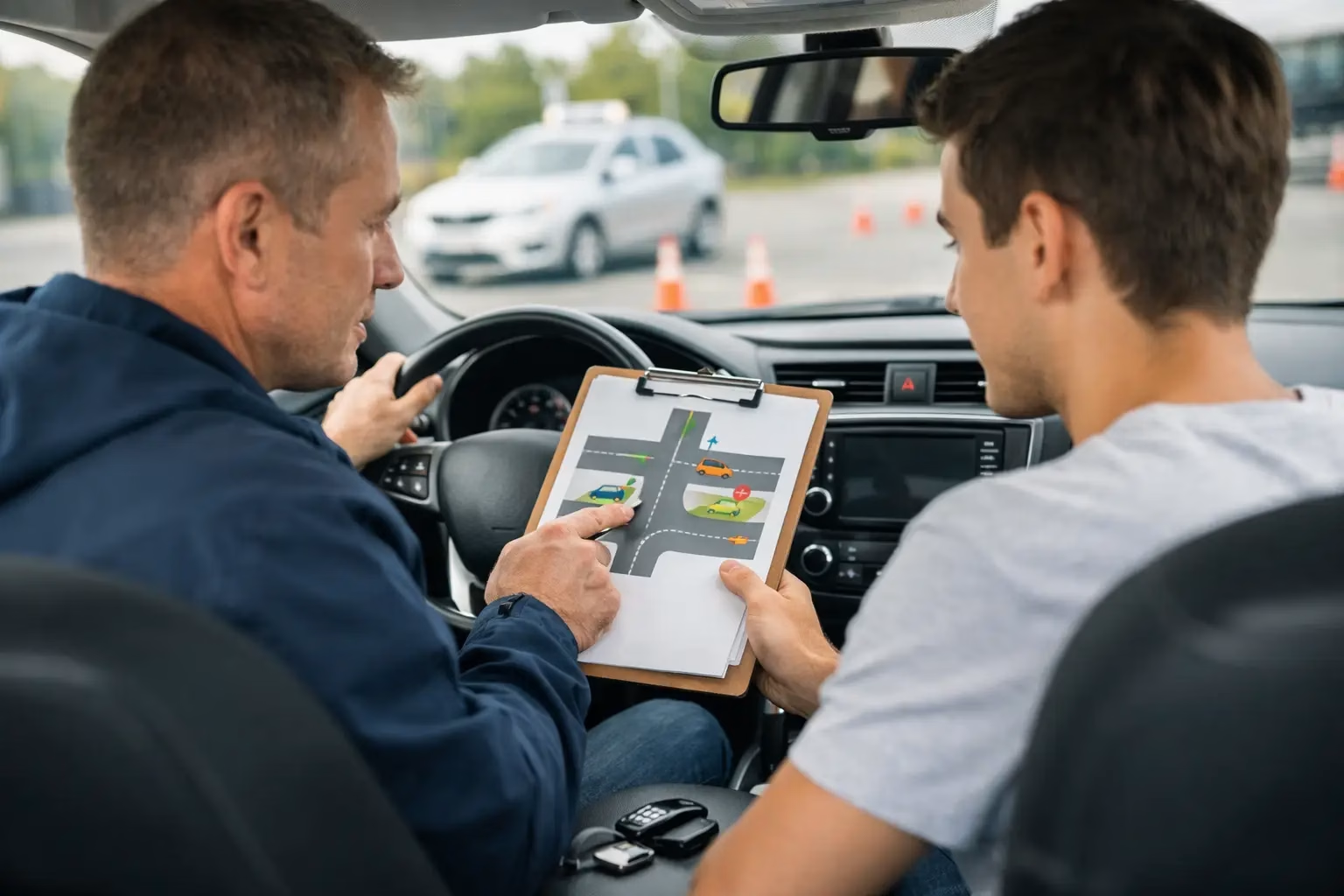
If you wait to turn and a vehicle approaches from the opposite direction, do not assume the driver will slow down or turn; assume they will go straight and wait longer. Aggressive drivers often accelerate when they see a turn signal, so signal at least 100 feet before the intersection but don’t rely on that signal to give you priority. Four-way stops with simultaneous arrivals require extra attention: if you and an oncoming driver both arrive at the same time and you want to turn left while they go straight, yield immediately because straight-through traffic has absolute priority over turning traffic.
These intersection rules form the foundation of safe driving, but special situations-pedestrian crossings, school zones, and emergency vehicles-demand additional awareness and quick decision-making that we’ll explore next.
Right of Way in Special Situations
Pedestrians Always Have Priority
Pedestrian crossings demand absolute compliance regardless of your signal color or right-of-way status. If a pedestrian occupies a marked crosswalk, you must yield even if you have a green light and they appear to be crossing illegally. The National Highway Traffic Safety Administration reports that about 6,590 pedestrian fatalities occurred in 2022, making pedestrian awareness non-negotiable in your driving decisions.
School Zones Require Maximum Caution
At school zones during designated hours, speed limits drop significantly-typically to 15 or 20 mph-and you must treat any child near the roadway as a potential crossing threat. If you see a school bus with its red lights flashing and stop arm extended, you must stop completely on both sides of the road and wait until the lights stop flashing and the arm retracts before proceeding. Violating school zone laws carries heavy fines and demerit points because children cannot judge vehicle speed or stopping distance like adults can.
Emergency Vehicles Command Absolute Right-of-Way
Emergency vehicles with flashing lights and sirens have absolute right-of-way over all traffic, pedestrians, and traffic signals; you must pull to the right side of the road immediately, stop completely if needed, and remain stopped until the vehicle passes. This is not a suggestion-failing to yield to emergency vehicles endangers lives and results in significant fines and license suspension in most states. Funeral processions operate under special rules in many jurisdictions; once the lead vehicle enters an intersection, the entire procession can proceed through on red lights without stopping, so watch for vehicles traveling together with hazard lights activated and yield accordingly.
Roundabouts Operate on Unique Priority Rules
Roundabouts operate on a completely different priority system than traditional intersections, and misunderstanding this causes preventable crashes. Vehicles already circulating inside the roundabout have the absolute right-of-way over entering vehicles, meaning you must yield and wait for a safe gap before entering. Many drivers make the critical mistake of assuming they can merge into a roundabout like a highway entrance, but roundabout traffic moves continuously in one direction, and entering drivers must treat the circulating traffic with the same respect as oncoming traffic at a traditional intersection.
Before entering, scan at least two vehicle lengths ahead to identify a safe gap, signal your intention to enter, and accelerate only when the way is completely clear. Inside the roundabout, maintain a steady speed, keep your signal activated to indicate your exit, and avoid changing lanes or hesitating mid-circle. If you miss your exit, continue around rather than backing up or cutting across; missing an exit costs seconds, but causing a collision costs far more.
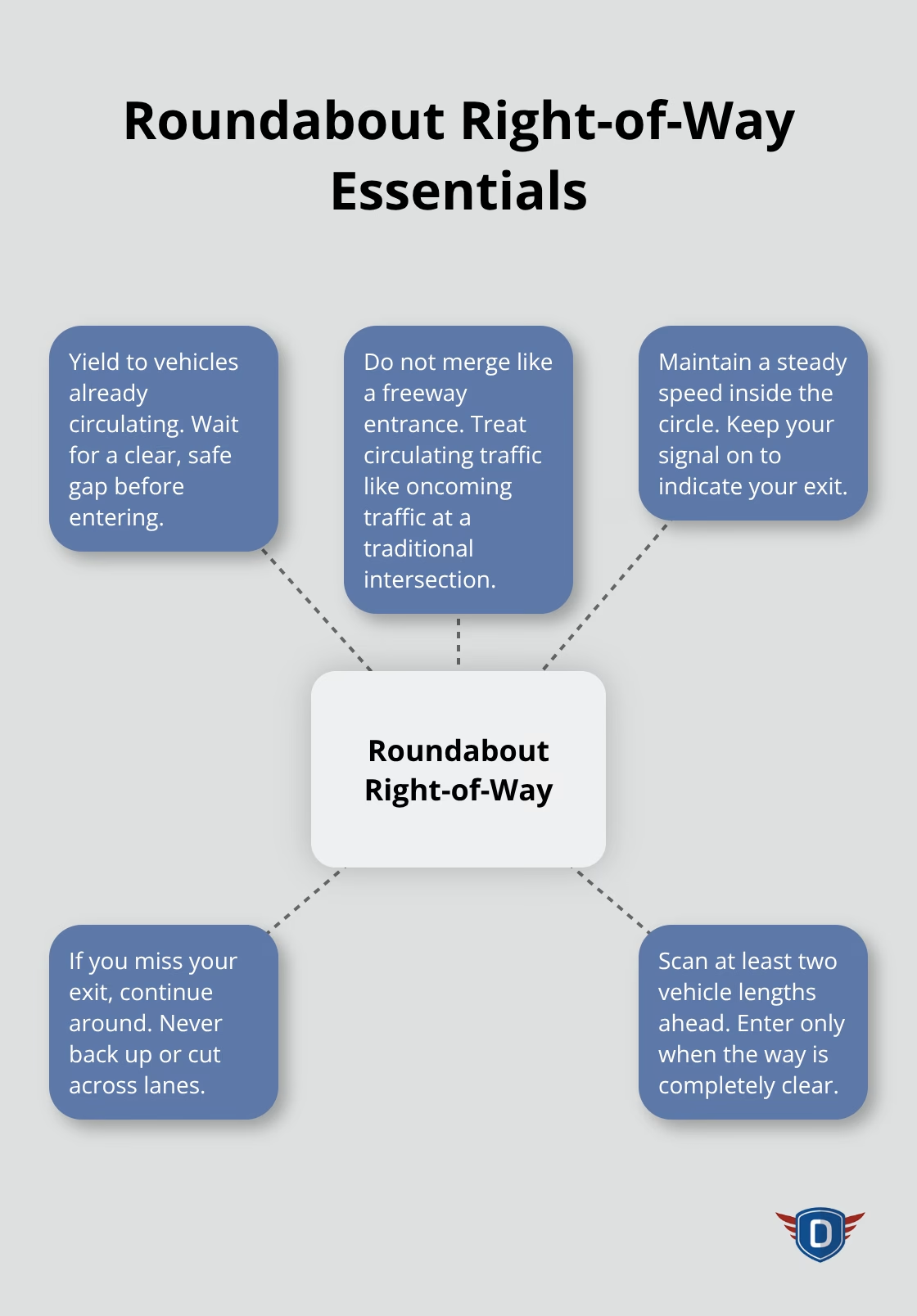
Gold Coast and Brisbane drivers encounter roundabouts frequently, and understanding that circulating traffic has priority eliminates the confusion that creates intersection bottlenecks and collisions.
These special situations test your ability to react quickly and prioritize safety over convenience. The mistakes drivers make in these scenarios-failing to yield, misinterpreting priority rules, and ignoring pedestrian rights-form patterns that lead to violations and crashes, which we’ll examine in the next section.
Common Right of Way Mistakes Drivers Make
Failing to Yield When Required
Intersections account for roughly 50% of all traffic crashes, yet most collisions stem from drivers making the same preventable mistakes repeatedly. Failing to yield when required tops the list, and the problem isn’t ignorance-it’s overconfidence. Drivers frequently assume they have priority when they don’t, or they hesitate at critical moments instead of committing to their right of way.
At four-way stops, drivers routinely creep forward slowly to signal their intention to turn left, but this hesitation confuses other drivers and creates dangerous gaps where collisions happen. The correct approach is to position your vehicle clearly in the intersection only when you’re absolutely certain oncoming traffic has stopped or cleared, then proceed decisively without creeping or second-guessing.
Misinterpreting Priority Rules
Drivers treat yield signs as optional suggestions rather than legal requirements to slow and assess before proceeding. A yield sign demands that you evaluate oncoming traffic and stop if necessary-it’s not a gentle recommendation. In roundabouts, drivers fail to recognize that circulating traffic holds absolute priority, so they enter aggressively or merge without waiting for a safe gap.
Gold Coast and Brisbane drivers encounter roundabouts constantly, yet crashes still occur because entering drivers don’t yield properly to vehicles already in the circle. These drivers assume they can merge into a roundabout like a highway entrance, but roundabout traffic moves continuously in one direction, and entering drivers must treat the circulating traffic with the same respect as oncoming traffic at a traditional intersection.
Ignoring Pedestrian Rights and School Zone Laws
Ignoring pedestrian rights represents the most dangerous mistake because it directly threatens lives. 7,522 pedestrian fatalities occurred in 2022 according to the National Highway Traffic Safety Administration, and a significant portion involved drivers who had legal right of way but failed to yield anyway. Many drivers proceed through green lights without checking for pedestrians already in the crosswalk or about to enter it, assuming pedestrians will wait-this assumption kills people.
Pedestrians have absolute right of way in marked crosswalks regardless of your traffic signal, so a green light does not permit you to proceed if a pedestrian occupies the crossing. You must stop and wait. Drivers also make critical errors around school zones by ignoring the reduced speed limits or failing to stop for school buses with flashing red lights.
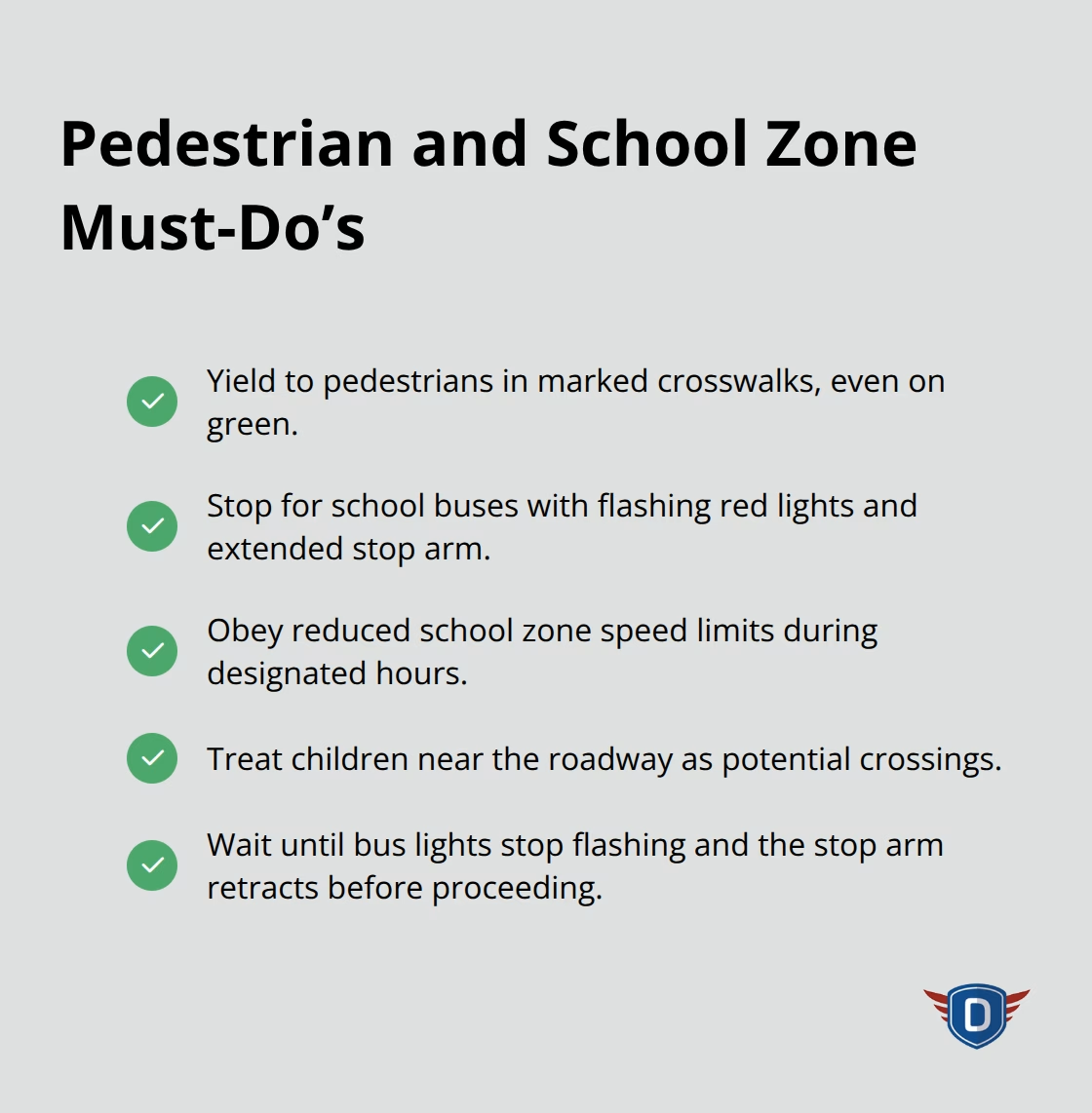
A school bus with lights flashing and stop arm extended creates a legal obligation to stop completely on both sides of the road and wait until those lights stop flashing before moving (violating this rule carries heavy fines and demerit points because children cannot judge vehicle speed or stopping distance).
The Root Cause: Prioritizing Speed Over Safety
The pattern across all these mistakes is identical: drivers prioritize speed and convenience over yielding, assume others will follow the rules, or misunderstand who actually has priority in specific situations. Safe driving requires the opposite mindset-always assume other drivers won’t yield, always treat pedestrians as having priority even when you have a green light, and always commit fully to your right of way once you’re certain it’s safe rather than hesitating and confusing other drivers. Drivers who adopt this defensive approach eliminate the confusion that creates intersection bottlenecks and collisions.
Final Thoughts
Right of way rules form the foundation of predictable, safe traffic flow, and mastering them transforms how you navigate every intersection. When you position your vehicle decisively, signal clearly at least 100 feet before turning, and scan systematically for pedestrians and cross-traffic, you communicate your intentions and reduce conflict. Defensive driving means never assuming a green light permits you to proceed if a pedestrian occupies the crosswalk, never entering a roundabout without waiting for a safe gap, and never creeping forward slowly at a four-way stop to signal your intention to turn.
Building confidence behind the wheel requires practice with real-world scenarios and clear instruction on how right of way rules apply in your specific area. At DriverEducators.com, our traffic school courses break down these rules through engaging visuals and real-life scenarios, helping you master safe driving habits that last a lifetime. Whether you’re completing a court requirement, seeking an insurance discount, or simply wanting to drive with greater confidence, our self-paced courses cover defensive driving techniques, right-of-way rules, and crash avoidance strategies in clear, practical language.
Start building the skills and knowledge that transform uncertain drivers into confident ones today. Your next step is understanding these rules deeply enough that they become automatic, so every intersection becomes an opportunity to drive safely rather than a moment of doubt.