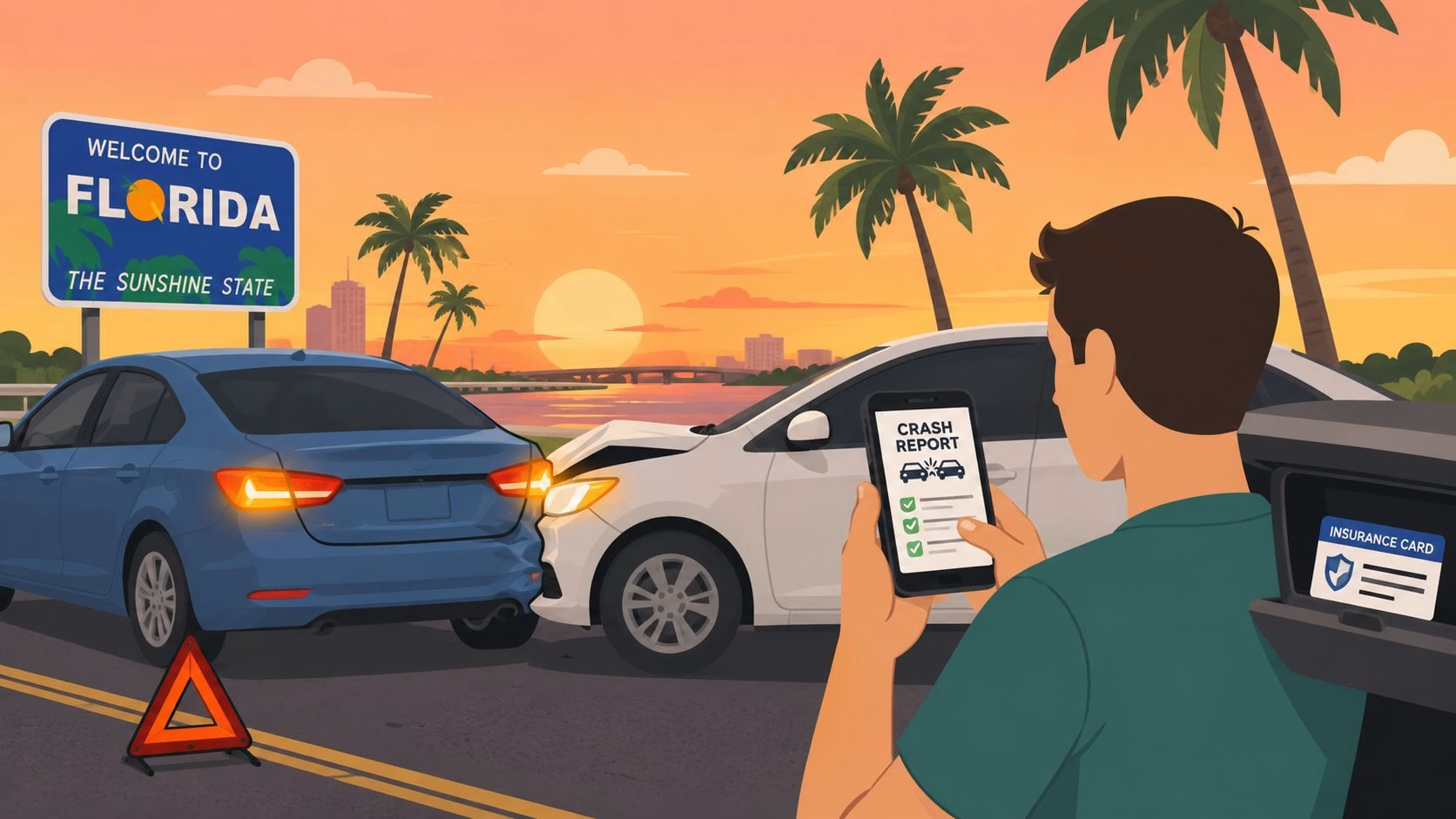
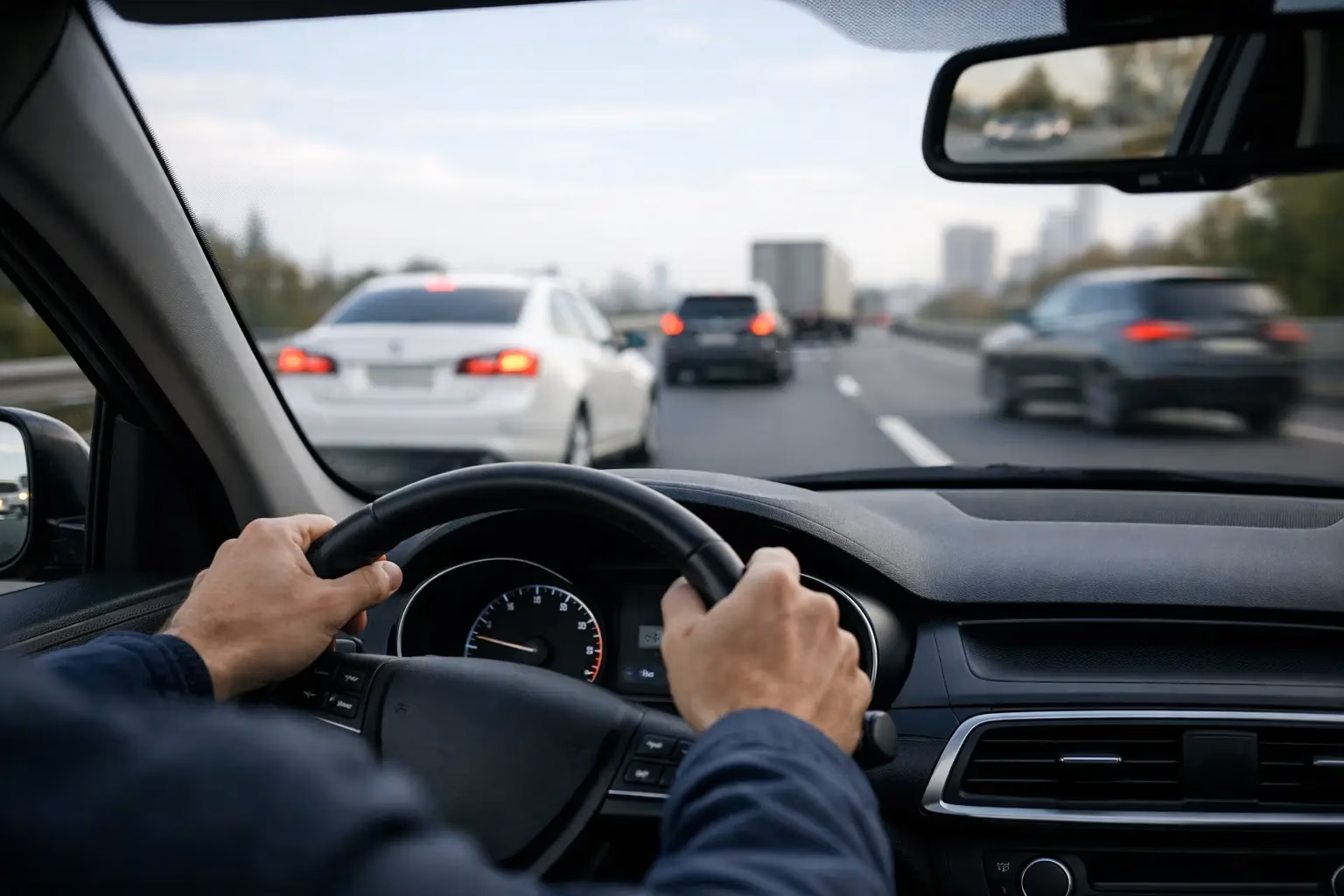
Most crashes do not start with one dramatic mistake. They build from small misses – following a little too closely, checking a phone for a second, assuming another driver will stop, or reacting too late to a changing light. Defensive driving is the practice of seeing those risks early and making choices that reduce the odds of a collision before a problem turns into one.
For many drivers, that sounds simple until real traffic gets involved. Congested highways, impatient drivers, bad weather, school zones, and delivery vehicles all create situations where good judgment matters more than perfect vehicle control. That is why defensive driving is taught in driver education, traffic safety, and driver improvement programs across the country. It is not just about passing a course requirement. It is about building habits that hold up when the road gets unpredictable.
What defensive driving means
Defensive driving is a method of driving that reduces risk by anticipating hazards, maintaining space, and responding in a controlled way. The goal is not only to obey traffic laws, but to prepare for the mistakes, distractions, and poor decisions of others.
That distinction matters. A driver can technically follow the law and still drive in a way that leaves little margin for error. For example, going the speed limit in heavy rain may still be too fast for conditions. Entering an intersection on a fresh green light without checking cross traffic may still be unsafe. Defensive drivers think beyond what is legal and focus on what is safest under the circumstances.
The core habits behind defensive driving
At its heart, defensive driving is a set of repeatable habits. One of the most important is scanning ahead instead of staring only at the car directly in front of you. When you look farther down the road, you spot brake lights, lane changes, pedestrians, and traffic backups sooner. That extra time often makes the difference between a smooth adjustment and a hard stop.
Space management is just as important. Following too closely removes your options, especially at higher speeds. A safe following distance gives you room to brake gradually, change lanes if needed, and avoid being pushed into a chain-reaction crash. The exact distance depends on speed, weather, visibility, and traffic flow, which is why a fixed rule does not always fit every situation.
Speed control is another basic skill that many people misunderstand. Defensive drivers do not just avoid speeding tickets. They match speed to road, traffic, and weather conditions. Sometimes that means driving below the posted limit. Sometimes it means slowing earlier for an exit, curve, or construction zone instead of braking abruptly at the last second.
Good defensive driving also requires active awareness at intersections. Many serious crashes happen there because drivers assume others will yield, stop, or signal correctly. A defensive driver watches wheels, vehicle movement, and gaps in traffic instead of trusting signals alone.
Why defensive driving matters in everyday traffic
Most people picture dangerous driving as extreme behavior like racing or aggressive weaving. In reality, everyday traffic creates more common risks: distracted commuting, rushed turns, last-minute merging, and inconsistent braking. Defensive driving helps with these ordinary situations because it gives drivers more time and more options.
That matters whether you are a teen driver learning the basics, an adult handling a traffic citation, or a mature driver reviewing safe-driving practices for insurance savings. The roads have changed. Vehicles now include more in-car technology, traffic is denser in many areas, and distractions compete for attention constantly. Defensive habits help drivers adapt without relying on luck.
There is also a practical side. Safer driving can reduce citations, lower the chance of a crash, and support compliance with court, DMV, employer, or insurance requirements. For drivers taking an online course to satisfy a legal or administrative need, the best outcome is not just getting the certificate. It is coming away with habits that make future problems less likely.
Common situations where defensive driving makes a difference
Bad weather is one of the clearest examples. Rain reduces tire traction and visibility, while fog limits how far ahead you can see. In these conditions, defensive driving means increasing following distance, slowing down earlier, and avoiding sudden steering or braking. The same trip can require a very different driving approach depending on the weather.
Highway driving creates a different challenge. Speeds are higher, lane changes happen faster, and small mistakes can escalate quickly. Defensive drivers watch several vehicles ahead, avoid lingering in blind spots, and expect sudden braking near ramps, exits, and congestion points.
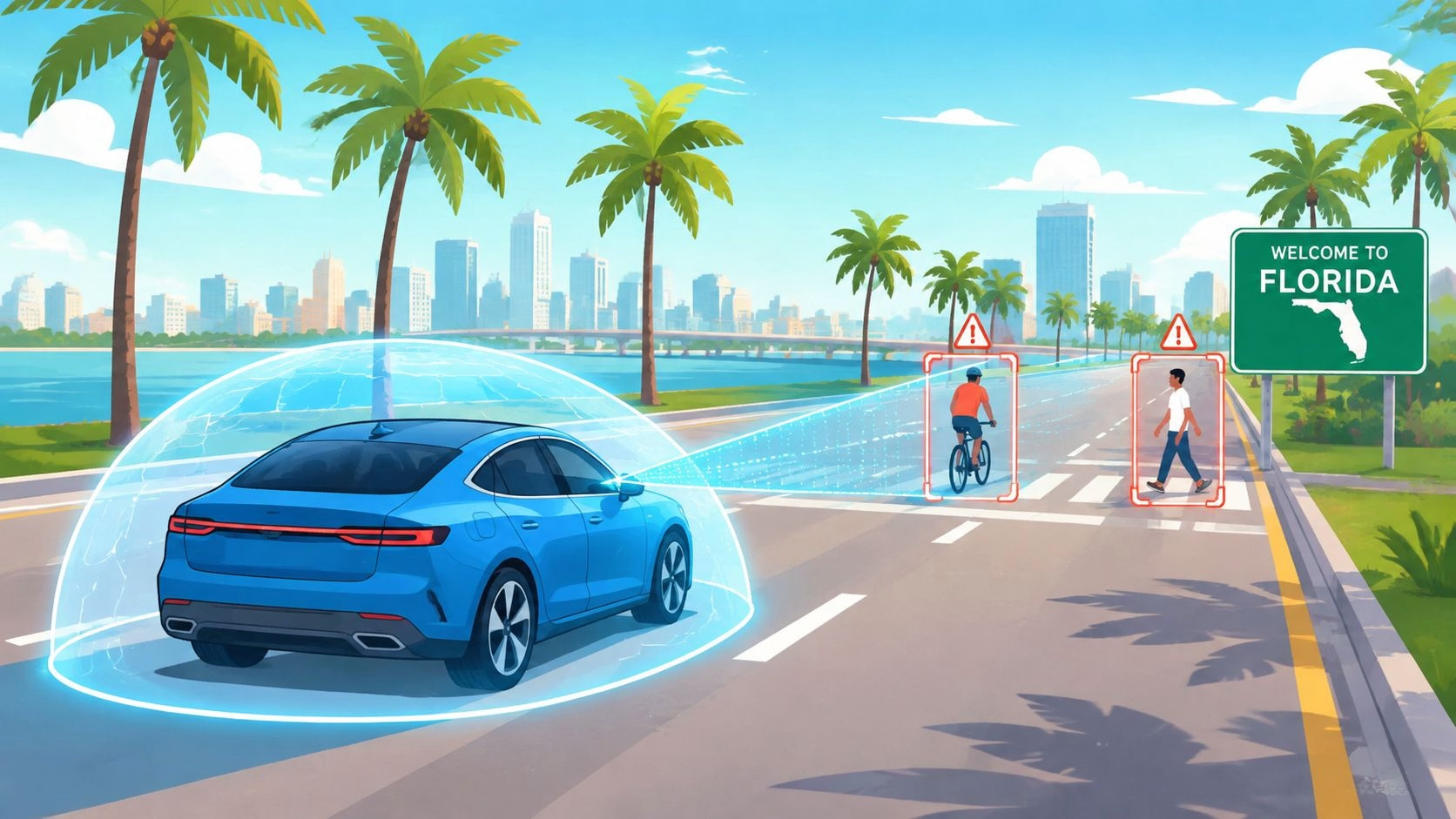
City driving tends to involve more conflict points. Pedestrians, cyclists, buses, delivery vans, and turning vehicles all compete for limited space. A defensive approach means checking crosswalks carefully, anticipating door openings near parked cars, and expecting the unexpected when visibility is blocked.
Night driving adds another layer. Reduced visibility, headlight glare, and fatigue make hazards harder to judge. Defensive drivers compensate by slowing slightly, increasing space, and staying especially alert for impaired or drowsy drivers.
Defensive driving is not passive driving
Some people hear the term and assume it means driving timidly. It does not. Defensive driving is alert, deliberate, and decisive. A hesitant driver can create problems too, especially when merging, turning, or responding to traffic flow.
The real goal is controlled decision-making. That means knowing when to yield space, when to change lanes early, when to let an aggressive driver pass, and when to avoid forcing a situation. Defensive drivers are not trying to win space on the road. They are trying to reduce conflict.
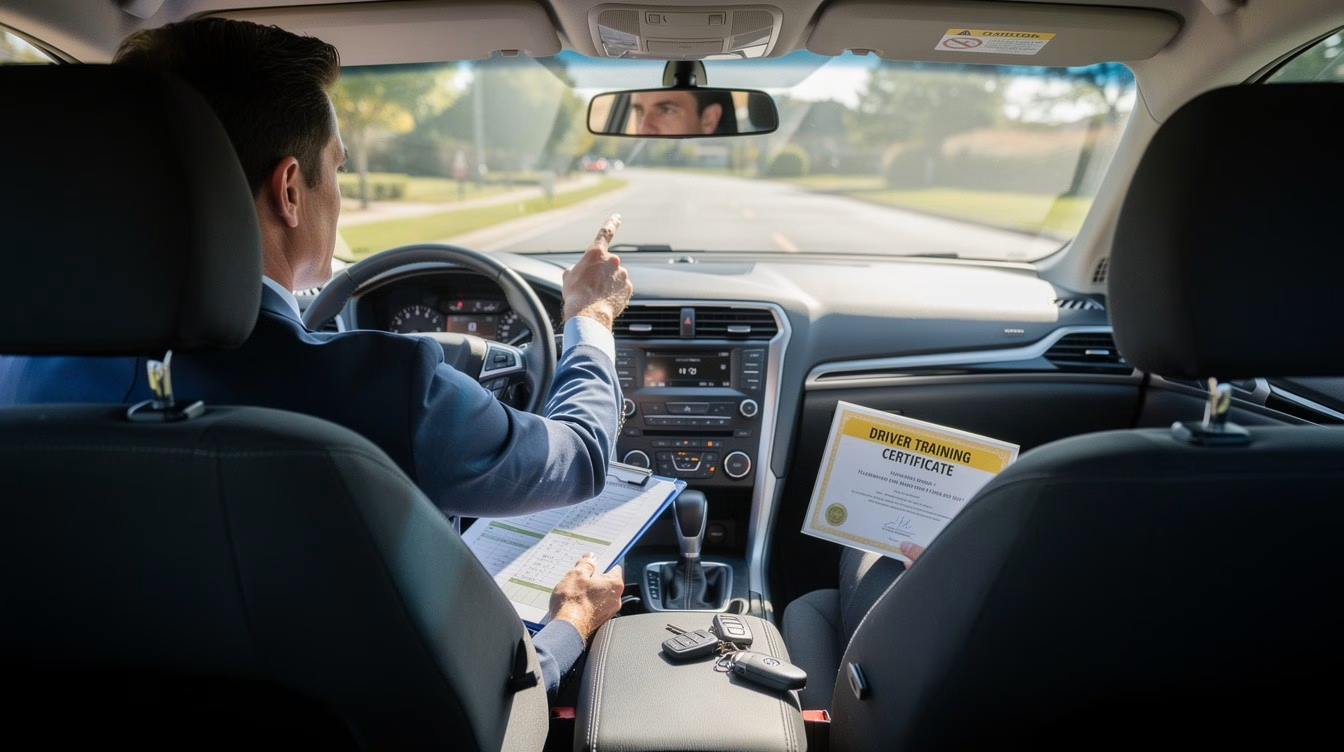
This is one reason formal driver improvement courses can help. They give structure to ideas many drivers have heard before but may not apply consistently. When concepts like following distance, visual scanning, hazard recognition, and impairment awareness are explained clearly, drivers can connect them to real situations instead of treating them as test answers.
How to practice defensive driving every day
Start by removing avoidable distractions before the vehicle moves. Set navigation, silence unnecessary notifications, and keep both hands available for steering. Even brief distraction can erase the time cushion that defensive driving depends on.
Next, make scanning a habit. Check farther ahead, use mirrors regularly, and watch the movement of surrounding vehicles instead of reacting only when brake lights appear directly in front of you. This helps you spot problems while your options are still open.
Then focus on space. Leave more room than feels strictly necessary, especially in rain, at night, or in heavy traffic. Extra space may seem inefficient, but it usually leads to smoother driving and fewer sudden reactions.
Finally, adjust your mindset. Assume other drivers may be distracted, rushed, or careless. That does not mean driving in fear. It means staying realistic about road conditions and refusing to base your safety on someone else making the right choice.
Defensive driving FAQ
What is defensive driving?
Defensive driving is a safety-focused driving method. It means anticipating hazards, keeping safe space, and making calm decisions to reduce crash risk.
Is defensive driving the same as obeying traffic laws?
No. Traffic laws are the baseline, but defensive driving goes further by adjusting to weather, traffic, visibility, and the behavior of other drivers.
Can defensive driving help prevent accidents?
Yes. It helps lower crash risk by giving drivers more time to see hazards, react smoothly, and avoid dangerous situations.
Who should learn defensive driving?
Every driver can benefit. It is especially useful for teens, drivers with tickets or court requirements, mature drivers, and anyone returning to formal driver education.
Does defensive driving matter in bad weather?
Yes. Weather reduces traction and visibility, so defensive driving becomes even more important in rain, fog, wind, or at night.
Can an online course teach defensive driving effectively?
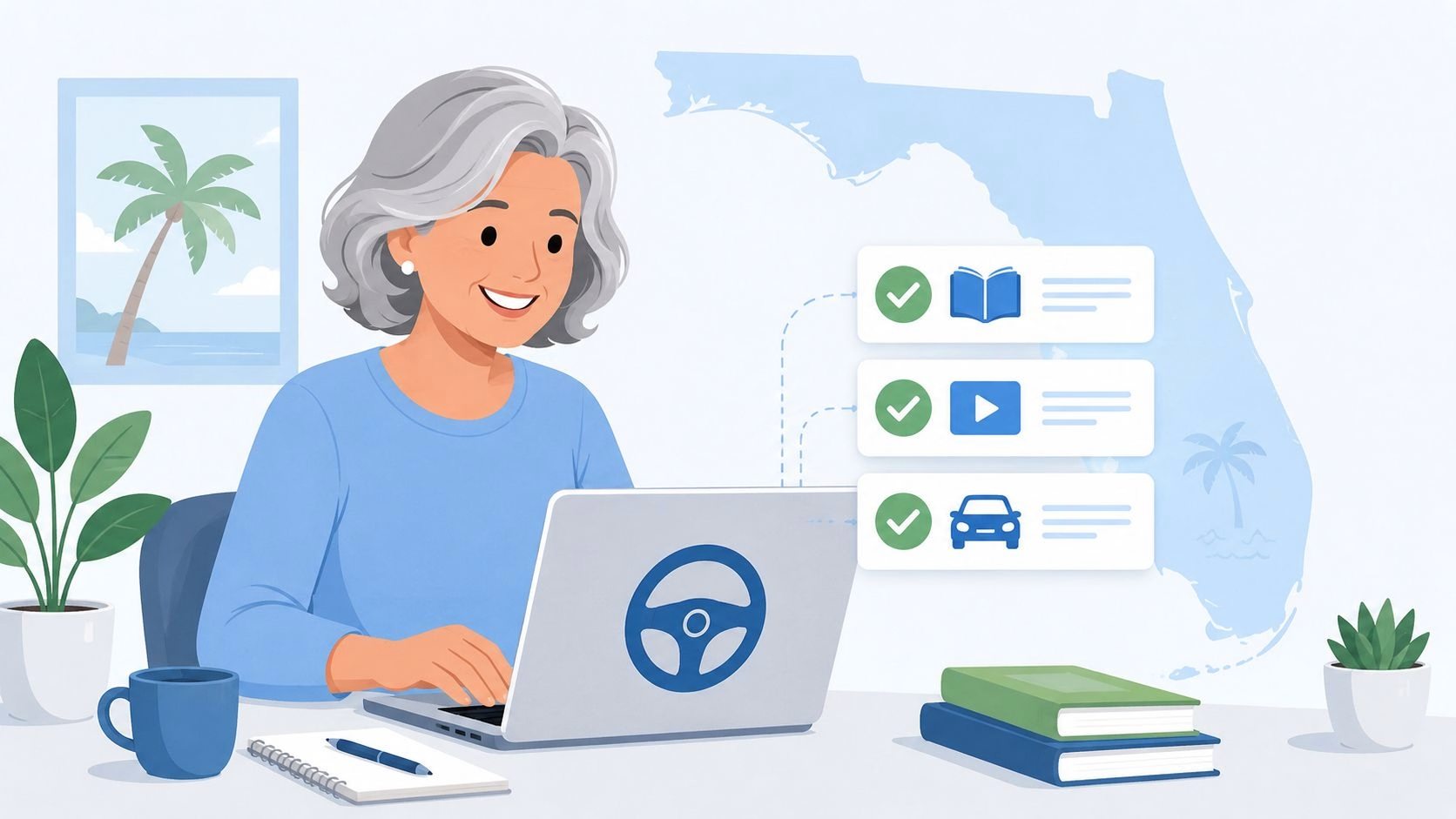
Yes, if the course is approved, clear, and practical. Many drivers prefer online learning because it is self-paced, accessible on mobile devices, and easier to fit into a busy schedule.
For drivers who need both safety knowledge and a recognized course option, DriverEducators.com reflects what most people want from driver education today: approval, convenience, clear pricing, and practical instruction that fits real schedules.
The best time to practice defensive driving is not after a close call. It is on the ordinary trip to work, school, court, or home, when small choices still have time to prevent bigger consequences.