Your teen’s driving safety starts long before they get behind the wheel. Parent role modeling is the single most powerful factor in shaping how your teenager approaches road safety, yet many parents underestimate this influence.
At DriverEducators.com, we’ve seen firsthand how the habits you demonstrate-from phone use to speed choices-directly impact your teen’s decision-making on the road. This blog post shows you exactly how to break unsafe patterns and build a safety-first driving culture in your family.
What Your Teen Learns From Watching You Drive
How Teens Absorb Your Driving Habits
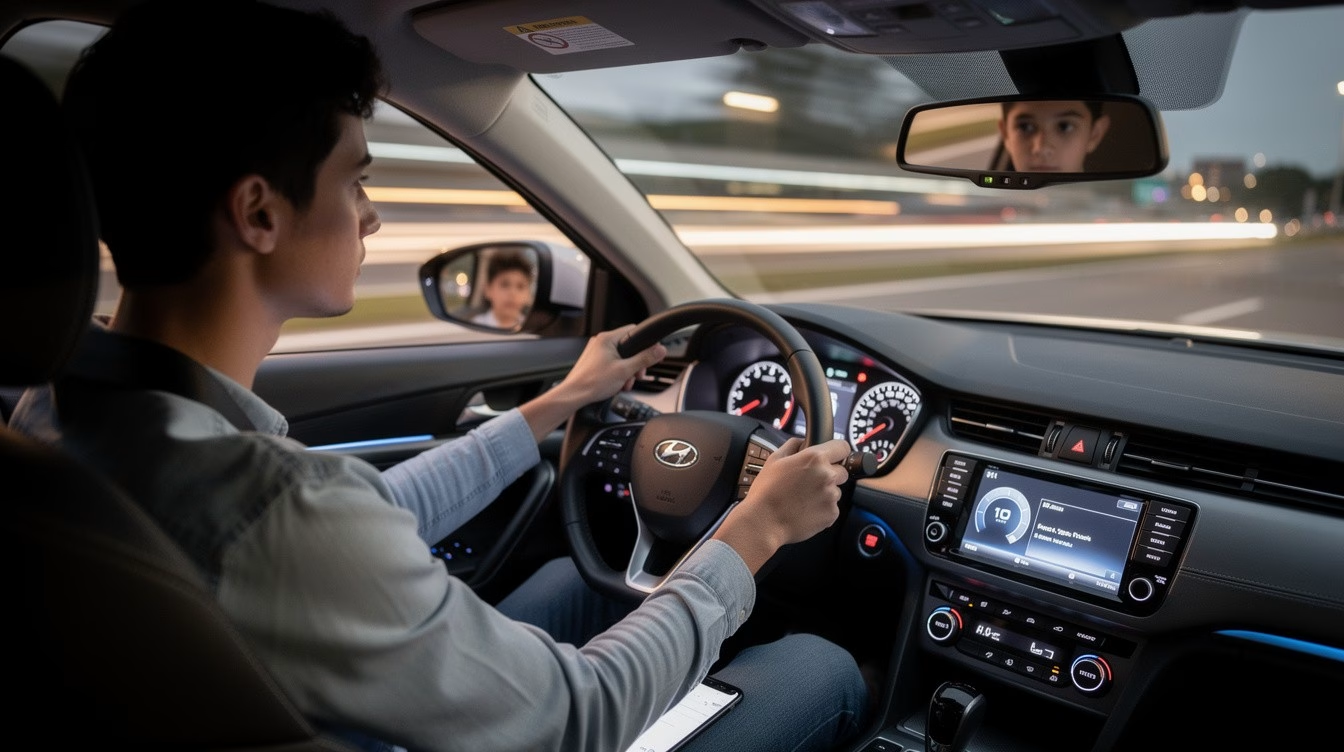
Your teen absorbs your driving behavior like a sponge absorbs water. Research shows that teens are significantly more likely to crash in their first months of driving, and one major reason is that they’ve internalized unsafe habits from watching their parents. If you speed regularly, your teen files that away as acceptable. If you check your phone at red lights, they see it as manageable risk.
If you roll through stop signs or tailgate, your teen learns those shortcuts.
This isn’t about judgment-it’s about how the brain works. Teens lack the prefrontal cortex development to override what they’ve normalized at home, so they default to copying what they’ve seen thousands of times. The habits you model aren’t suggestions to your teen; they’re the baseline for what driving looks like.
Speed and Aggressive Driving Set the Tone
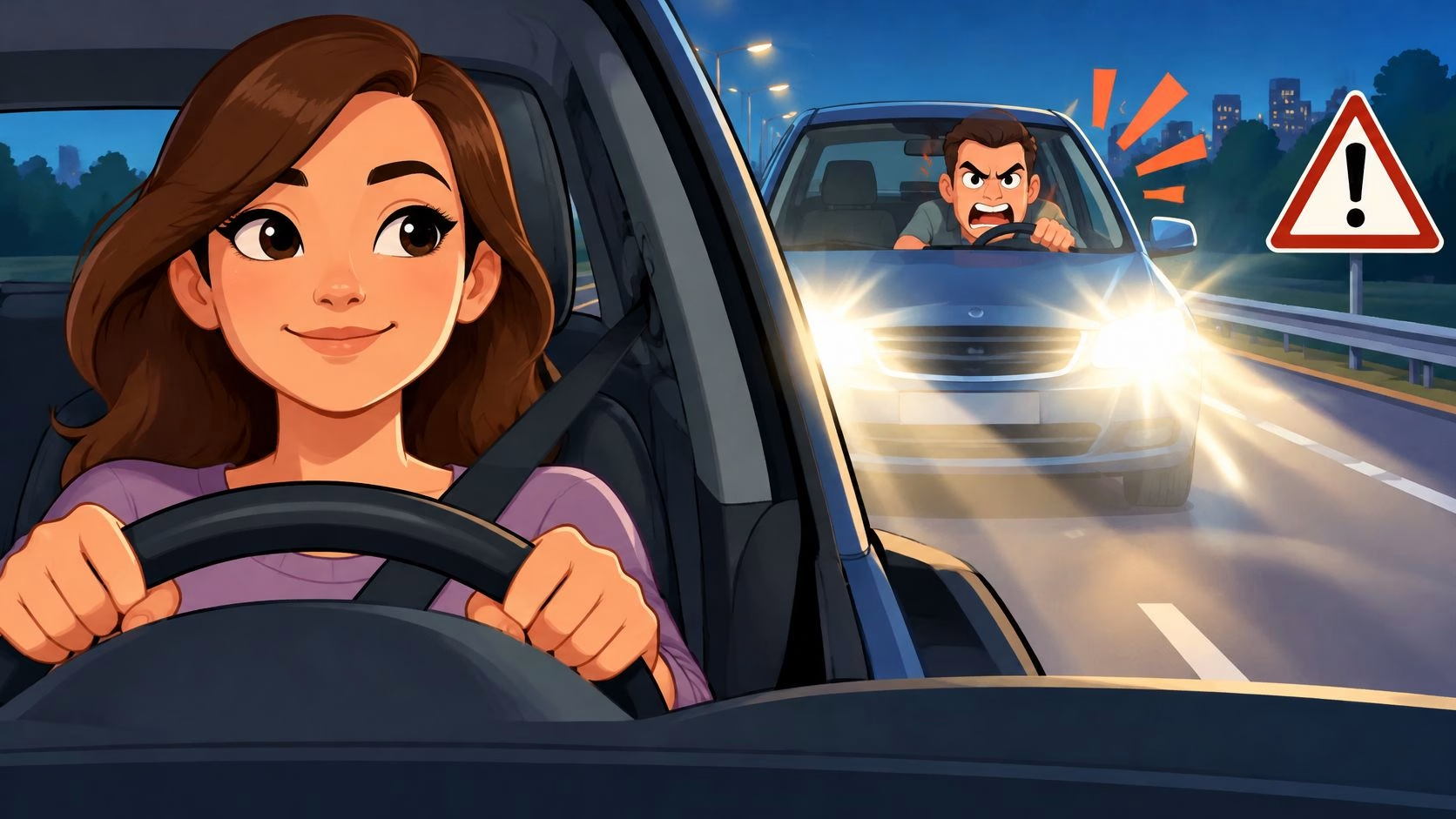
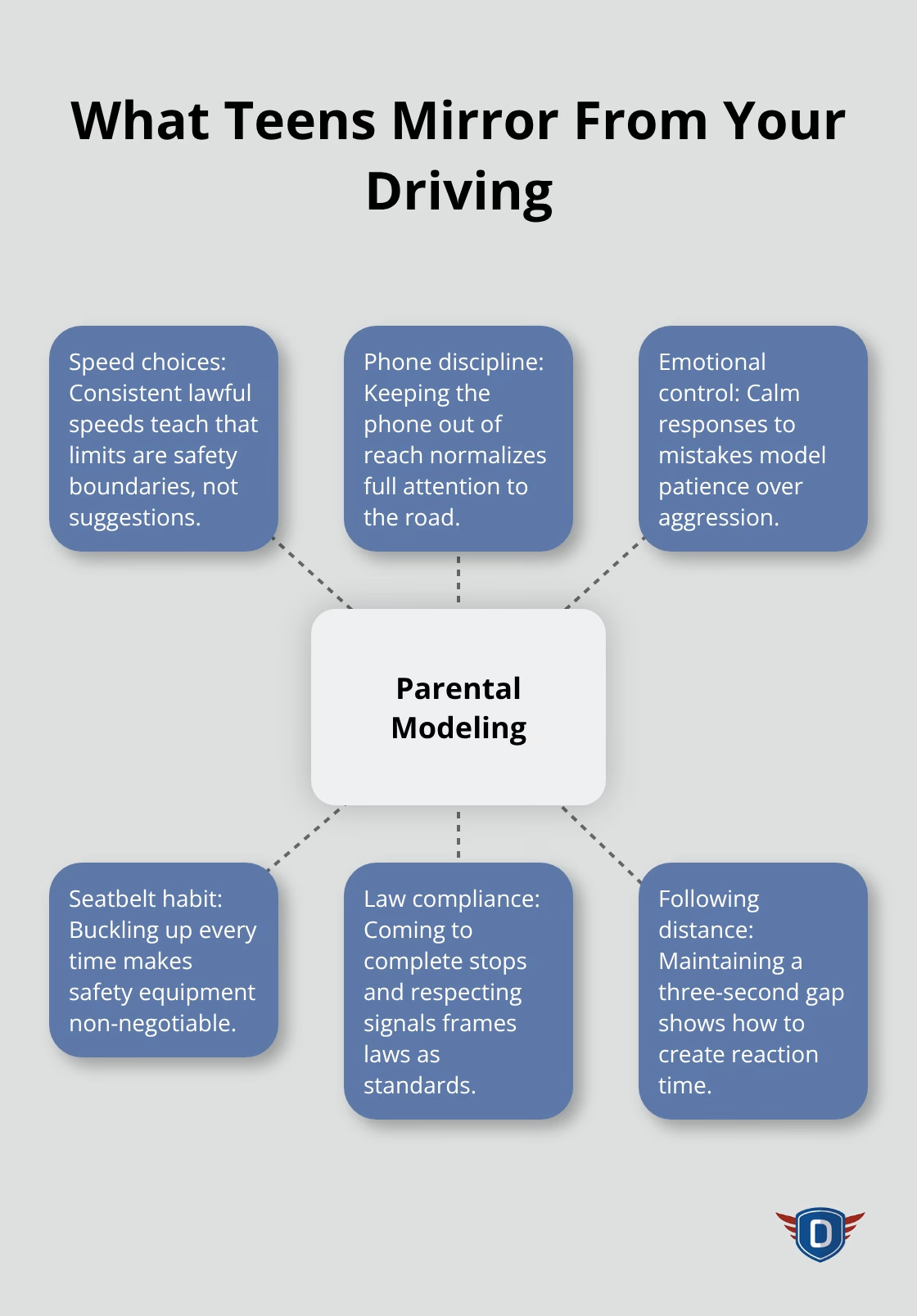
Speed and aggressive driving are the two most dangerous habits you can pass down. When you exceed the speed limit habitually, your teen interprets speed as a personal choice rather than a safety boundary. When you accelerate aggressively, tailgate, or honk in frustration, your teen learns that emotional reactions belong behind the wheel.
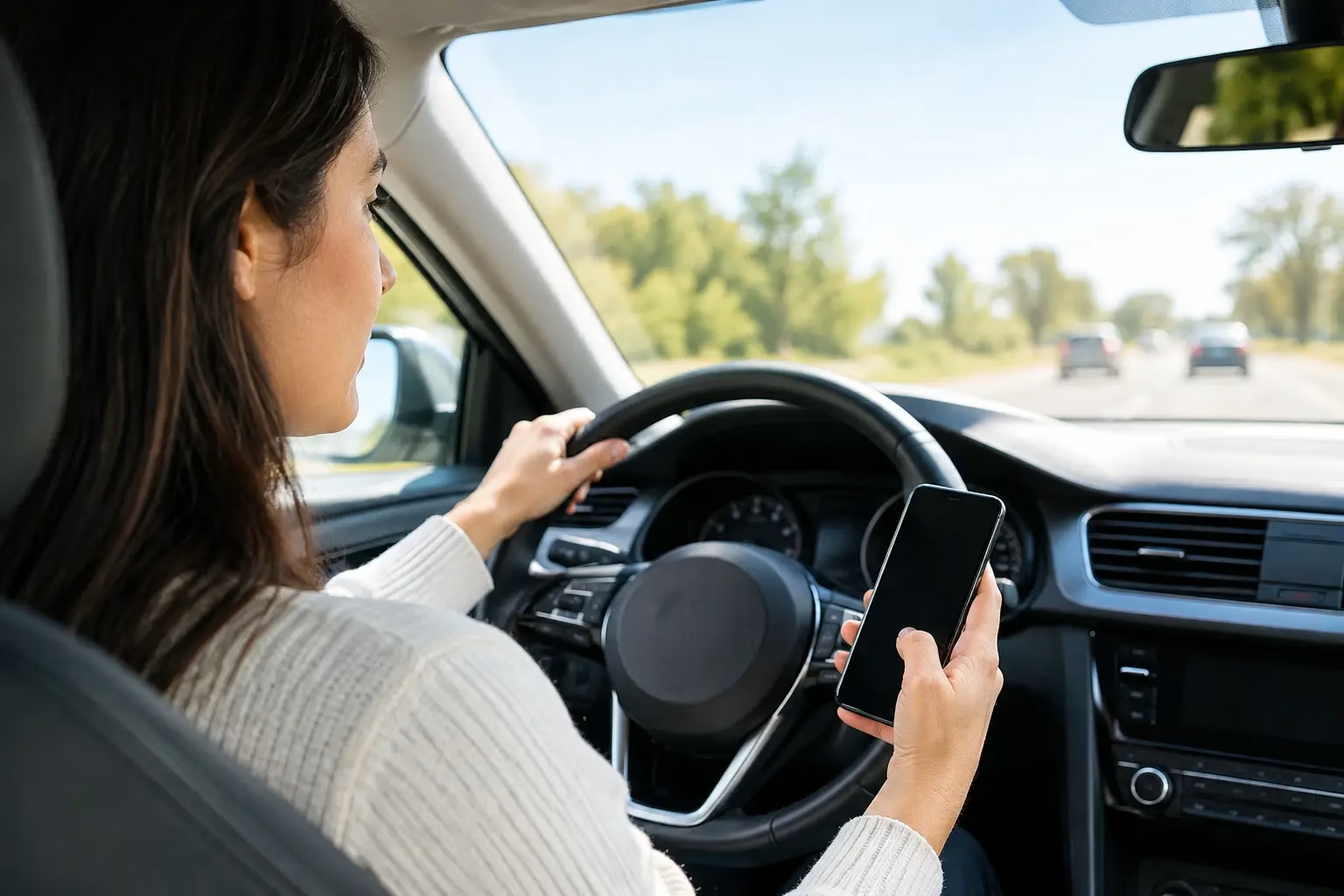
These behaviors directly increase crash risk. A teen who watched a parent speed regularly will speed. A teen who watched a parent drive aggressively will drive aggressively. The stakes are high because aggressive driving and excessive speed are leading causes of teen crashes. Distracted driving compounds this problem-if your teen sees you text, scroll, or fiddle with the dashboard while driving, they’ll do the same. Phone use behind the wheel is a serious threat to teen driver safety.
The Power of Phone-Free Driving
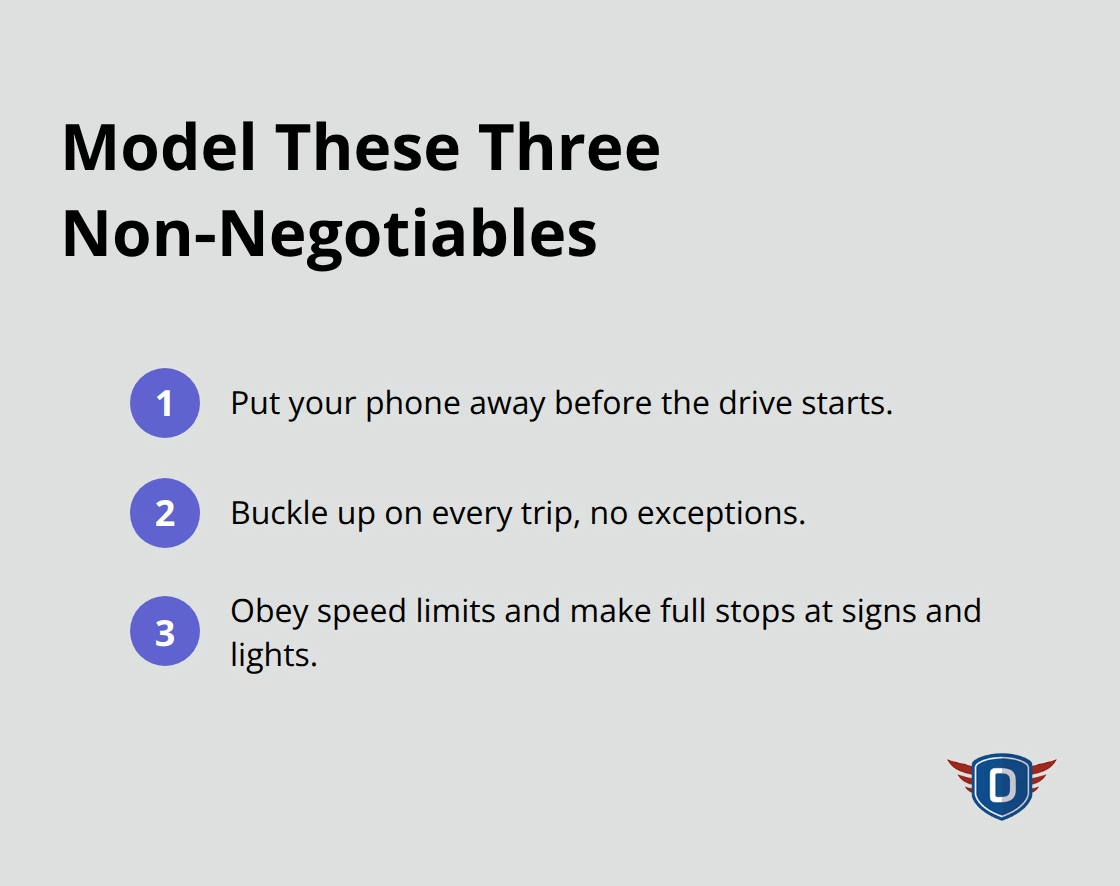
Your hands on the wheel, eyes on the road, and phone in a bag or glove compartment send the message that focus matters more than convenience. This single choice influences your teen’s relationship with their phone behind the wheel more than any lecture you could deliver. Your teen notices when you resist the urge to check notifications at a red light. They notice when you pull over to respond to a text. They notice when you keep your attention on the road, even during a boring drive.
Why Conversations Transform Rules Into Habits
Talk to your teen about the rules you follow and why you follow them. Explain that you maintain distance from other cars because it gives you time to react if someone brakes suddenly. Explain that you don’t use your phone because one distracted second causes crashes. Explain that you follow speed limits because speed reduces your ability to steer around obstacles.
These conversations transform rules from arbitrary restrictions into logical safety practices. When your teen understands the reasoning, they’re more likely to internalize the habit rather than rebel against it. Ask your teen what they notice about your driving. This puts them in the role of observer and makes them conscious of safe choices. If they point out that you sped up or checked your phone, don’t get defensive-acknowledge it and explain what you’ll do differently next time. This models accountability and shows your teen that safety matters more than ego.
Moving From Observation to Action
Your teen has now watched you drive for years. They’ve absorbed your speed choices, your phone habits, your reactions to other drivers, and your attitude toward traffic laws. The foundation is set. What happens next depends on whether you actively reinforce safe driving through clear expectations and consistent consequences-or whether you leave your teen to navigate the road with only the habits they’ve observed.
What Poor Parental Examples Teach Your Teen
Phone Use Normalizes Distraction
When you use your phone at a red light, your teen files that away as acceptable. Phone use is particularly damaging because it’s visible, frequent, and normalized in most households. Your teen sees you glance at notifications while stopped, and they conclude that checking messages for a few seconds is manageable risk. They don’t yet understand that distraction impairs reaction time, and they’ll replicate exactly what you’ve modeled.
A teen who watched their parent text while driving will text while driving. This isn’t coincidence-it’s predictable outcome of observation and repetition. Distracted driving ranks as the third leading cause of injury-related deaths among teens, yet many parents model this behavior daily without recognizing the connection to their teen’s future choices.
Safety Equipment Becomes Optional
When you skip your seatbelt on a short drive, your teen learns that safety equipment is optional depending on the distance. Seatbelt compliance follows the same pattern as phone use: if you fasten yours religiously, your teen will too. If you skip it on neighborhood trips, your teen will skip it-even though unrestrained occupants are 30 times more likely to be ejected from a vehicle during a crash.
Your teen doesn’t question this logic. They absorb the message that short trips don’t require protection, and they carry this assumption into their own driving. The habit you model becomes the baseline they follow.
Speed and Red Lights Teach Lawbreaking
When you accelerate hard into traffic or roll through stop signs, your teen absorbs these as normal driving decisions. Speeding and red-light running normalize lawbreaking in a way that’s harder to undo than teaching a specific skill. Your teen doesn’t just learn the behavior; they learn that traffic laws are suggestions you follow when convenient.
This mindset spreads to other decisions on the road, making them more likely to take risks because they’ve watched you take them first. The NIH study showing teens are eight times more likely to crash in their first three months of driving isn’t random-it’s directly connected to the habits they’ve internalized from watching you. Your modeling of these behaviors directly increases your teen’s crash risk.
The Gap Between Words and Actions
You cannot lecture your teen into safer choices if your own choices contradict your words. The gap between what you say and what you do is where crash risk lives. A teen who watched their parent speed will speed. A teen who watched their parent skip a seatbelt will skip one. These patterns compound over time, creating a safety record shaped entirely by what they’ve observed.
Closing that gap isn’t about perfection; it’s about making deliberate changes to the habits your teen watches most closely. If you’ve been modeling unsafe behavior, your teen has already learned it. What happens next-whether you change those patterns or continue them-will determine whether your teen develops the skills to recognize and avoid dangerous situations on the road.
How to Reset Your Teen’s Safety Expectations
Establish Clear Rules and Immediate Consequences
The habits your teen has internalized from watching you drive are not permanent. What matters now is establishing clear expectations and consequences that override those learned behaviors, then reinforcing them consistently until new patterns stick. This requires you to stop modeling the unsafe behavior immediately and to make your expectations explicit rather than assumed.
Your teen needs to know exactly what safe driving looks like in your family and what happens when they fall short. Vague rules like “drive safely” accomplish nothing; specific rules like “maintain at least a three-second following distance” and “never use your phone while the car is moving” create measurable standards your teen can actually follow.
When you catch your teen speeding, texting, or skipping a seatbelt, the consequence must be immediate and proportional. Loss of driving privileges for a week sends a stronger message than a lecture, and your teen will connect the consequence directly to the behavior. Consistency matters more than severity; if you enforce the rule every single time, your teen learns that you mean what you say.
Narrate Your Decisions During Supervised Drives
The most effective approach combines clear rules with active practice of safer driving techniques. Take your teen on supervised drives where you point out hazards before they happen, explain your reactions, and let them practice the same decision-making process.
When you see brake lights ahead, narrate your actions: “I’m easing off the gas now because I need space to stop safely.” When another car cuts you off, stay calm and explain: “That driver made a mistake, but I left enough distance to react, so we’re fine.” This transforms your car into a classroom where your teen observes and practices defensive driving in real traffic.
Your teen learns by watching you make split-second decisions under pressure. They see how you handle frustration without aggression, how you anticipate problems before they develop, and how you prioritize safety over speed. These lessons stick far better than any conversation about rules.
Use Specific Praise to Reinforce Safe Choices
After your teen completes a drive without speeding, without phone use, and with smooth braking, acknowledge it specifically: “I noticed you maintained good following distance the entire drive. That’s exactly what safe driving looks like.” Positive reinforcement works because it highlights the specific behavior you want to see repeated, not just general praise.
Your teen’s brain responds to concrete feedback. When you praise a specific action rather than offering vague encouragement, your teen understands exactly which behavior earned your approval and will repeat it. This builds confidence and replaces the unsafe habits they learned from you with safer choices they practice and reinforce themselves.
Track Behavior Patterns With Monitoring Tools
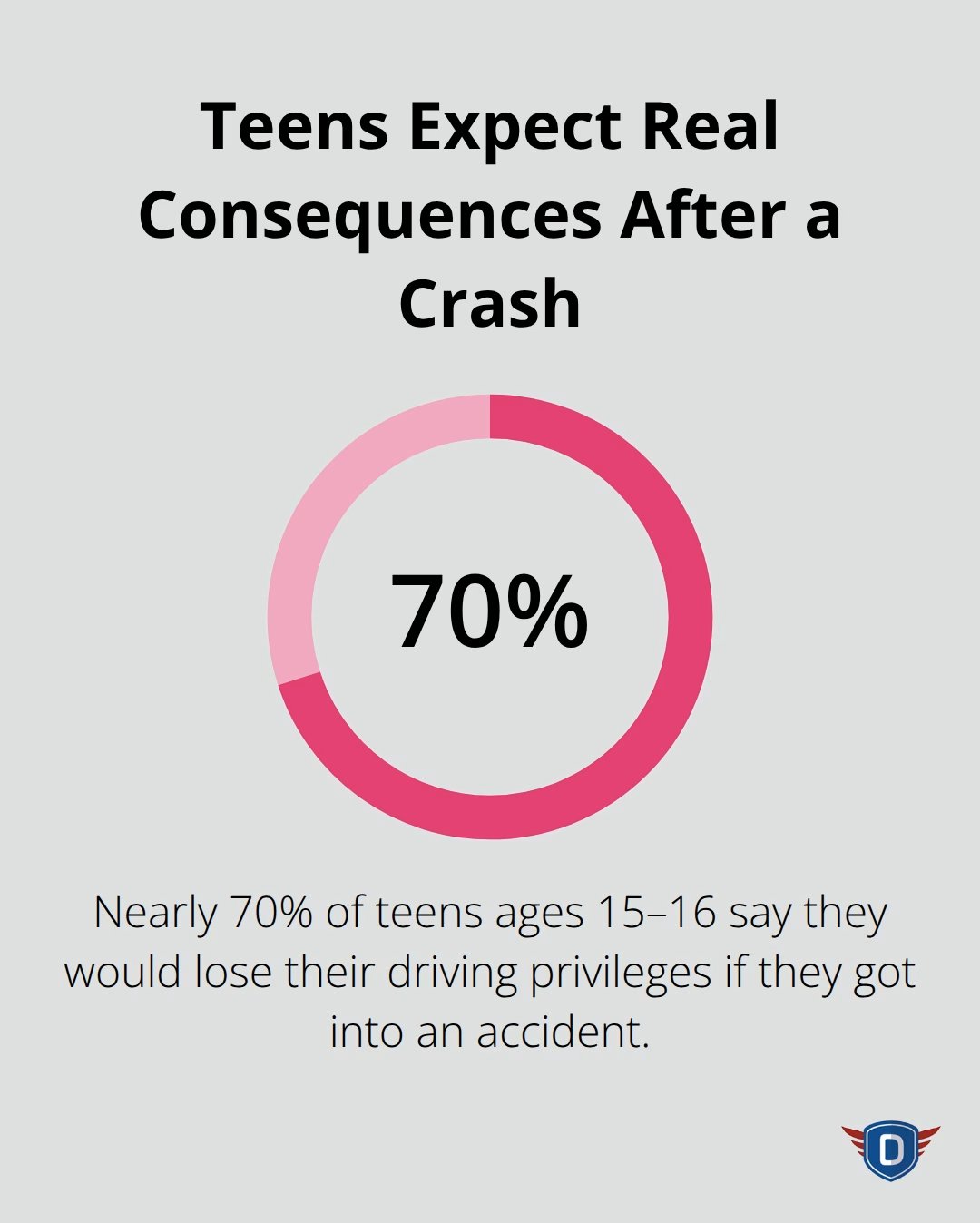
Research from Liberty Mutual’s Teen Driving Survey found that nearly 70 percent of teens ages 15 and 16 say they would lose their driving privileges if they were to get into an accident. Programs like RightTrack provide real-time feedback on speeding, harsh braking, and phone use (though availability varies by state).
This data becomes a coaching tool; instead of arguing about whether your teen speeds, you show them the report and discuss patterns together. Your teen sees objective evidence of their choices and can adjust accordingly. The goal is not punishment but accountability paired with skill development, so your teen replaces unsafe habits with safer choices they practice and reinforce themselves.
Final Thoughts
Your teen’s safety record rests on the foundation that parent role modeling creates, not on rules alone. Rules fail without consistent example because your teen will follow what you do, not what you say. When you eliminate phone use, maintain safe speeds, and use your seatbelt every trip, you reset your teen’s expectations about what acceptable driving looks like.
Professional driver education programs reinforce what you model at home by adding structured skill development and real-world practice. At DriverEducators.com, our curriculum covers defensive driving techniques, crash avoidance strategies, and the behavioral factors that influence safe decision-making behind the wheel. When your teen completes formal driver education alongside your consistent modeling of safe habits, they develop both the knowledge and the confidence to handle high-risk situations independently.
The habits your teen develops now-shaped by what you model and reinforced through clear expectations and professional instruction-will determine whether they become a safe driver or a statistic. Your teen will drive for decades, and parent role modeling remains the most powerful tool you have to influence that outcome.