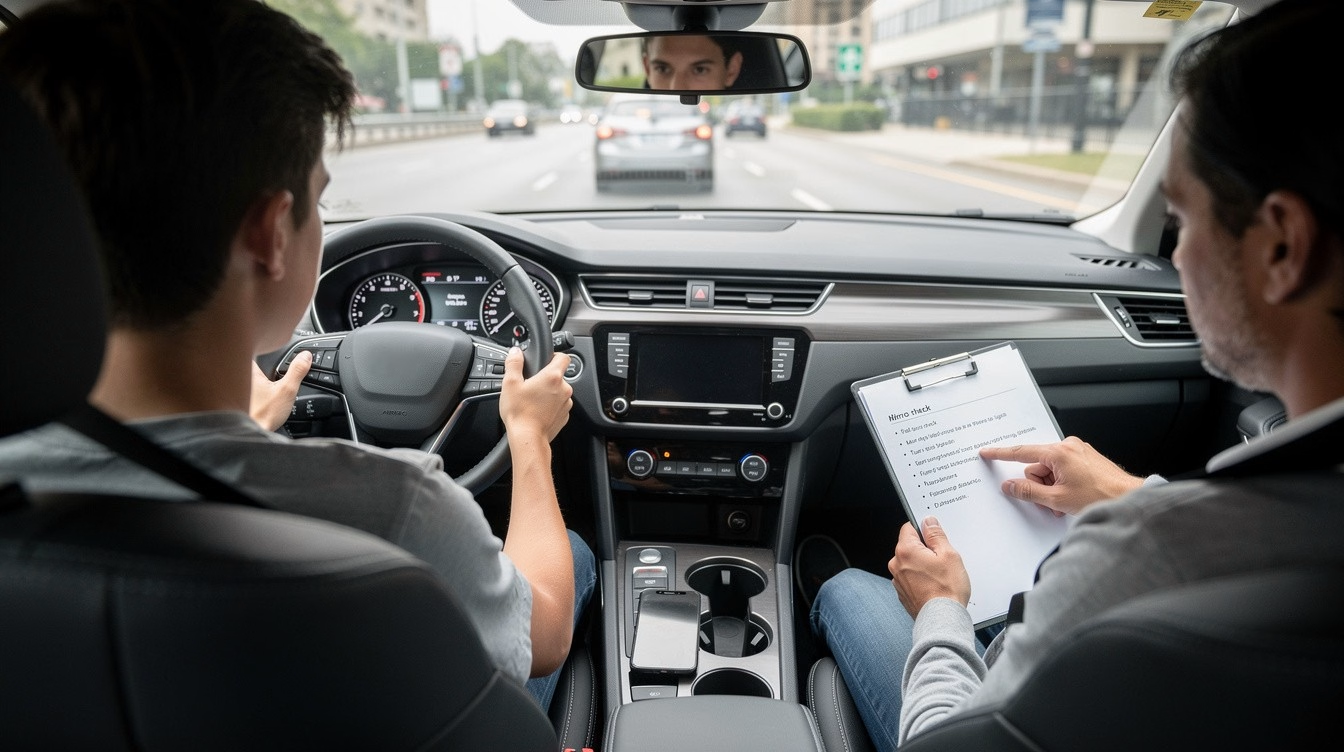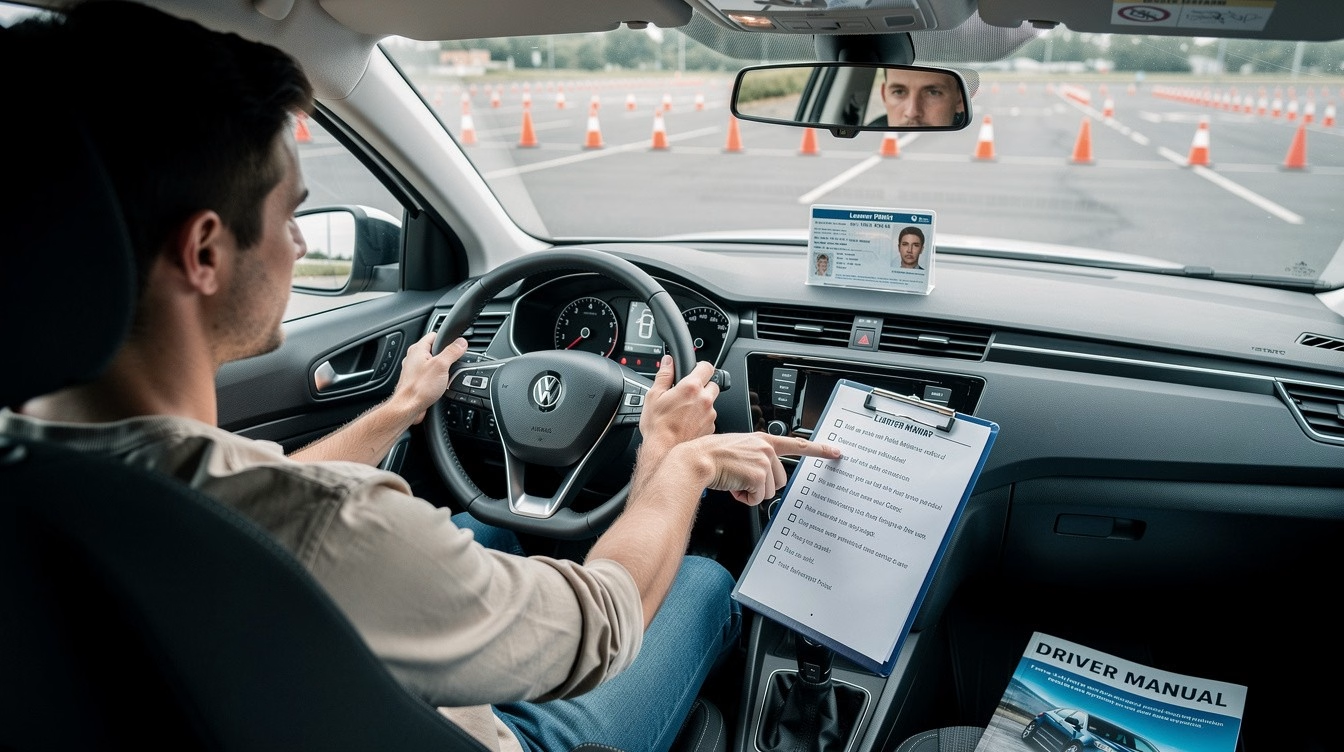
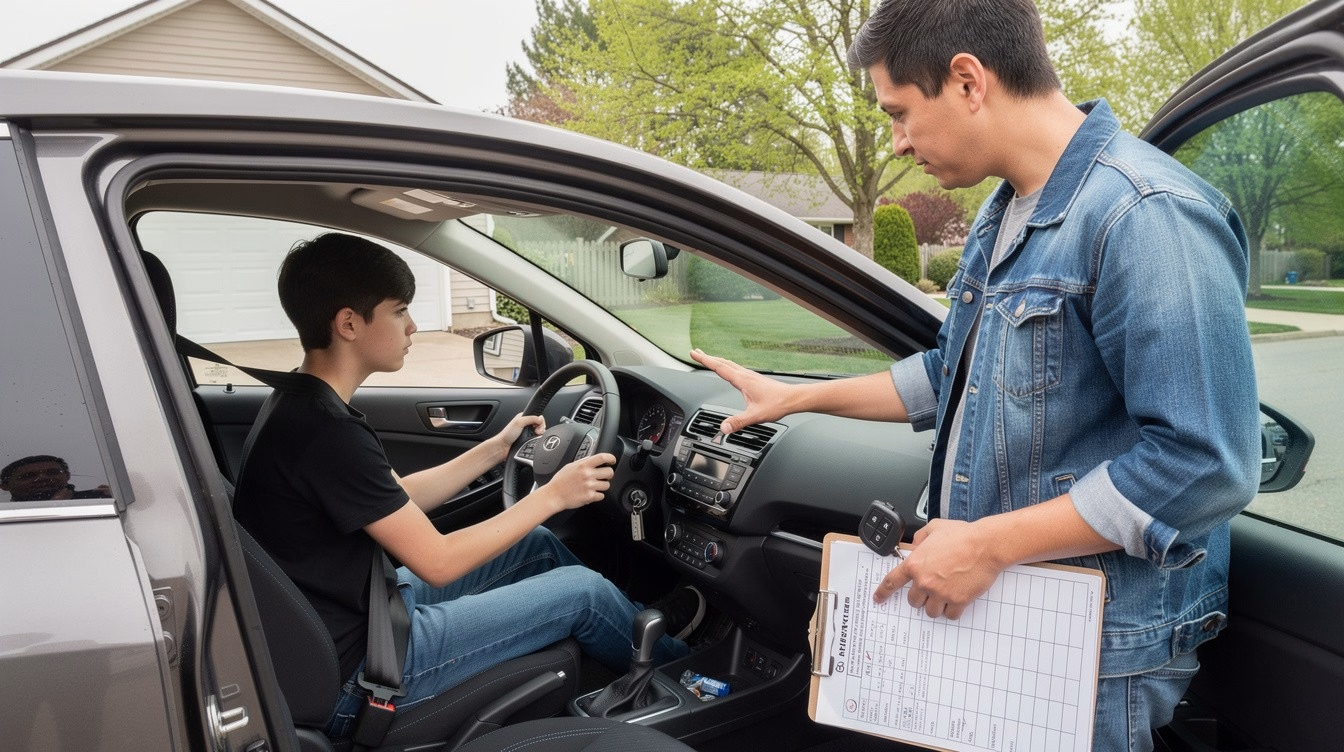
Teen drivers need clear guidance, realistic rules, and consistent monitoring to stay safe on the road. This parents guide for teen drivers covers the essential strategies that actually work.
We at DriverEducators.com have seen firsthand how structured expectations and hands-on practice reduce accidents among new drivers. The steps ahead will help you build your teen’s confidence while keeping risk in check.
What Rules Actually Stop Teen Crashes
Experience Level Determines Your Starting Point
The first week your teen sits behind the wheel sets the tone for everything that follows. Research from the National Highway Traffic Safety Administration shows that crashes spike highest in the first three months after licensure, which means your initial rules matter far more than most parents realize. Start by establishing restrictions tied directly to your teen’s experience level, not their age-a newly licensed 16-year-old should face different rules than a 17-year-old who has logged 500 supervised hours.
Nighttime and Passenger Restrictions Work
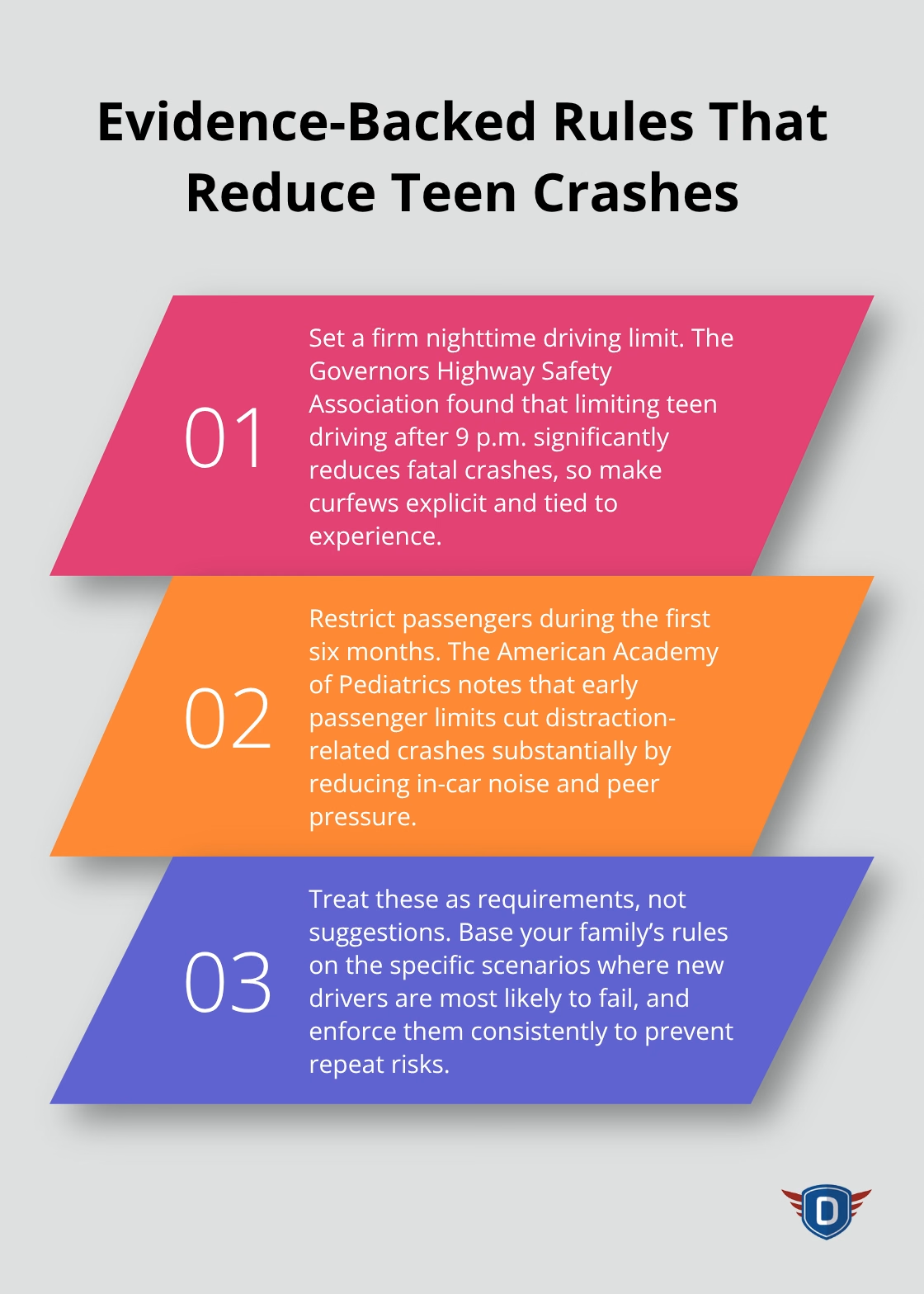
Nighttime driving restrictions work particularly well because the Governors Highway Safety Association found that limiting teen driving after 9 p.m. significantly reduces fatal crashes. Similarly, the American Academy of Pediatrics emphasizes that restricting passengers in the car during the first six months cuts distraction-related crashes substantially. These aren’t suggestions-they’re evidence-backed requirements that prevent the specific scenarios where teen drivers fail.
Written Agreements Remove Emotional Conflict
A spoken agreement disappears during the first argument. Create a written teen driving contract that spells out exactly what happens when rules break. Include specific consequences for phone use while driving, speeding, and carrying unauthorized passengers. The contract should also outline what your teen gains-increased driving privileges, later curfews, or weekend trip allowances-as they demonstrate safer habits over time. This removes the emotional element from enforcement and gives both of you a reference point when conflicts arise.
Phone Policies Need Clarity Before the First Drive
Be explicit about phone policies before the first drive happens. Texting while driving increases crash risk by 23 times for teen drivers, so this isn’t a minor rule. State clearly whether your teen can use hands-free calling, whether GPS navigation is allowed, and what happens if you catch them holding a phone. Some families use apps like Life360 or Guardian that disable phone notifications while the car is moving, removing temptation entirely. Others simply require phones to stay in the glove compartment during drives. Whatever approach you choose, decide it now and put it in writing so there’s zero ambiguity when you’re sitting in traffic watching your teen’s hands.
With clear rules established and documented, you’re ready to move into the next critical phase: teaching your teen the actual defensive driving techniques that keep them safe when unexpected situations arise on the road.
How Your Teen Learns to Handle Real Driving Situations
Start with Controlled Environments
Your teen’s rule book means nothing when a car swerves into their lane at 45 miles per hour. Defensive driving isn’t something to discuss in the living room-it’s a skill that develops through repeated, supervised practice in actual traffic conditions. Start your supervised sessions on quiet residential streets where your teen can focus on basic vehicle control without the pressure of heavy traffic. After three to five sessions of smooth acceleration, braking, and turning, move to busier roads during daylight hours. The Virginia Tech Transportation Institute found that new drivers need exposure to varied conditions to build competence, so don’t skip the progression.
Model Safe Decisions Every Drive
Your role during these sessions is to model the exact behaviors you want to see. If you rush through yellow lights or tailgate slower vehicles, your teen watches and learns that these shortcuts are acceptable. Instead, maintain a three-second following distance consistently, explain why you’re slowing down for curves, and narrate your decisions aloud so your teen understands the reasoning behind each action. When your teen takes the wheel, let them make mistakes on empty roads-missing a turn, braking too hard, or drifting slightly between lanes. Correct these small errors immediately rather than waiting for them to compound into dangerous situations.
Practice Hazards in Real Conditions
Common road hazards require specific practice, not just awareness. Wet pavement, sudden stops from other vehicles, and merging into traffic are scenarios where teens frequently panic. Dedicate at least two supervised sessions to rain or wet conditions so your teen experiences how their vehicle handles with reduced traction. Practice emergency braking in an empty parking lot-have your teen accelerate to 20 miles per hour, then brake hard to feel how the car responds and where the stopping point actually is. For highway merging, start on less-congested highways during off-peak hours, then progress to busier times as confidence builds.
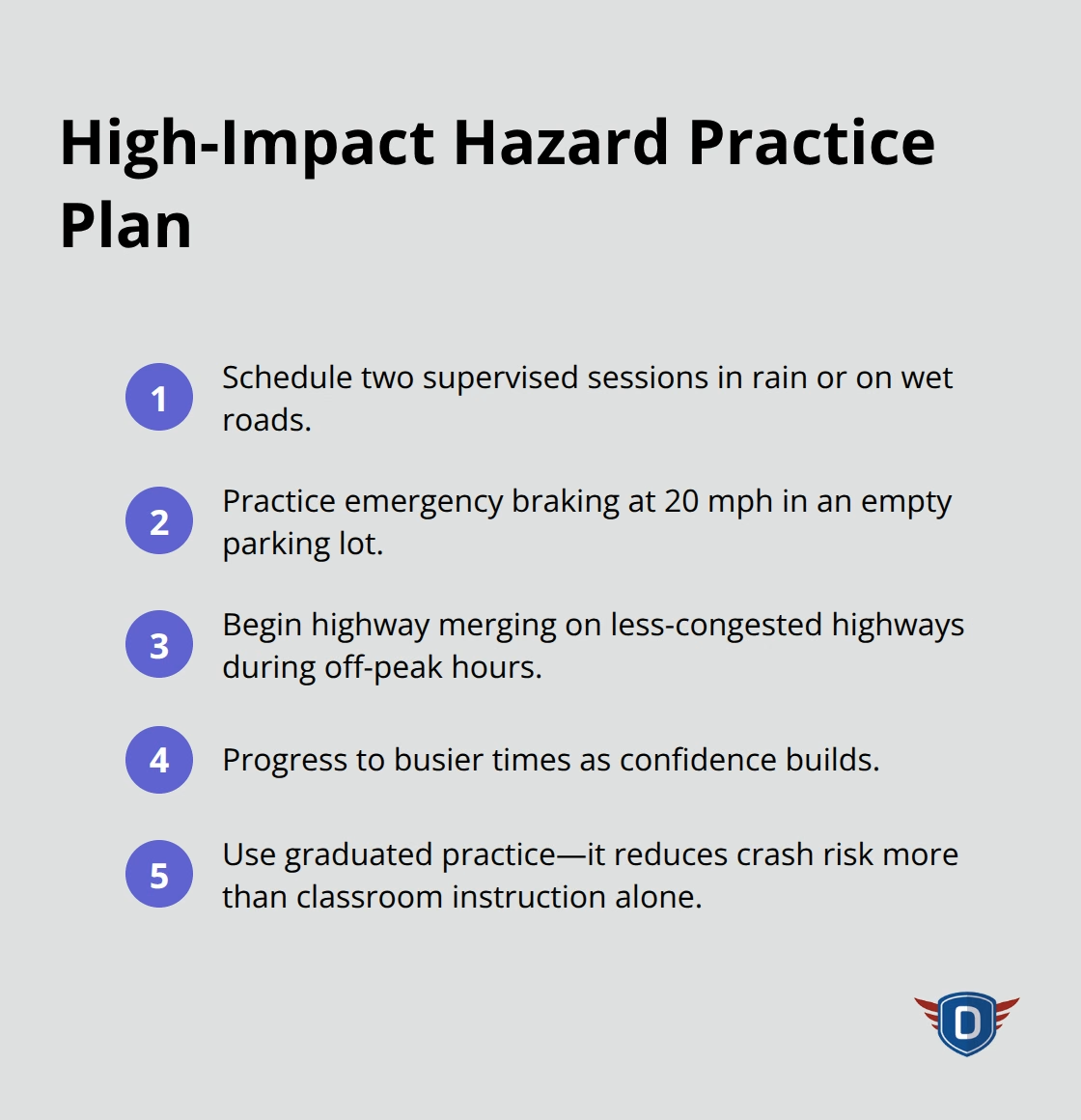
Graduated driving practice reduces crash risk significantly more than classroom instruction alone.
Master Following Distance and Speed Control
Speed management and following distance are non-negotiable because they’re the two factors your teen can always control. Teach your teen that following distance should increase in rain, snow, or heavy traffic-not decrease. Have them count the seconds between their car and the vehicle ahead: at 35 miles per hour on a dry road, three seconds equals roughly 150 feet of space. At highway speeds or in poor conditions, that gap should expand to four or five seconds. Make this concrete by having your teen practice on every supervised drive, marking the distance by counting aloud until they pass the reference point the car ahead just passed. This builds muscle memory so the habit becomes automatic rather than something they think about during emergencies.
Track Progress and Adjust Difficulty
As your teen demonstrates consistent control in basic scenarios, gradually introduce more complex situations. Move from daytime driving to dusk conditions, then to light nighttime traffic on well-lit roads. Each new environment should build on skills already mastered rather than overwhelm your teen with multiple new challenges at once. Document what your teen handles well and where they still hesitate-this information becomes essential when you shift from supervised practice to monitoring their independent driving habits.
How to Track Progress Without Micromanaging
Start with Data, Not Punishment
Technology that monitors driving habits is only useful if you actually respond to what the data tells you. Apps like Life360, Sentry, and Verizon’s Gizmo Watch provide real-time alerts when your teen exceeds speed limits, brakes hard, or accelerates aggressively. Raw alerts without conversation create resentment rather than improvement.
When the app shows your teen hit 48 miles per hour in a 35-mile-per-hour zone, ask what happened on that road rather than immediately imposing consequences. Maybe they were passing safely, maybe they misjudged the speed limit, or maybe they weren’t paying attention. The conversation reveals the actual problem and lets you coach the specific behavior that needs correction.
Frame Monitoring as Partnership
The American Academy of Pediatrics emphasizes that teens respond better to collaborative problem-solving than to surveillance-style monitoring. Frame your check-ins as partnership rather than policing. Set up weekly or bi-weekly conversations where you review the data together, celebrate stretches of smooth driving, and identify one area for improvement in the coming weeks.
This approach keeps your teen accountable while building their confidence. They see measurable progress over time rather than just criticism. Your teen becomes invested in the process because they help shape the conversation instead of simply receiving judgment.
Tie Privilege Increases to Demonstrated Competence
Gradually expanding driving privileges works only if you connect each increase directly to demonstrated competence over a specific time period. Don’t grant nighttime driving privileges after one week of error-free daytime driving; instead, require two to three weeks of consistent safe performance before moving to dusk conditions. Another two to three weeks at dusk should pass before allowing light nighttime driving on well-lit roads.
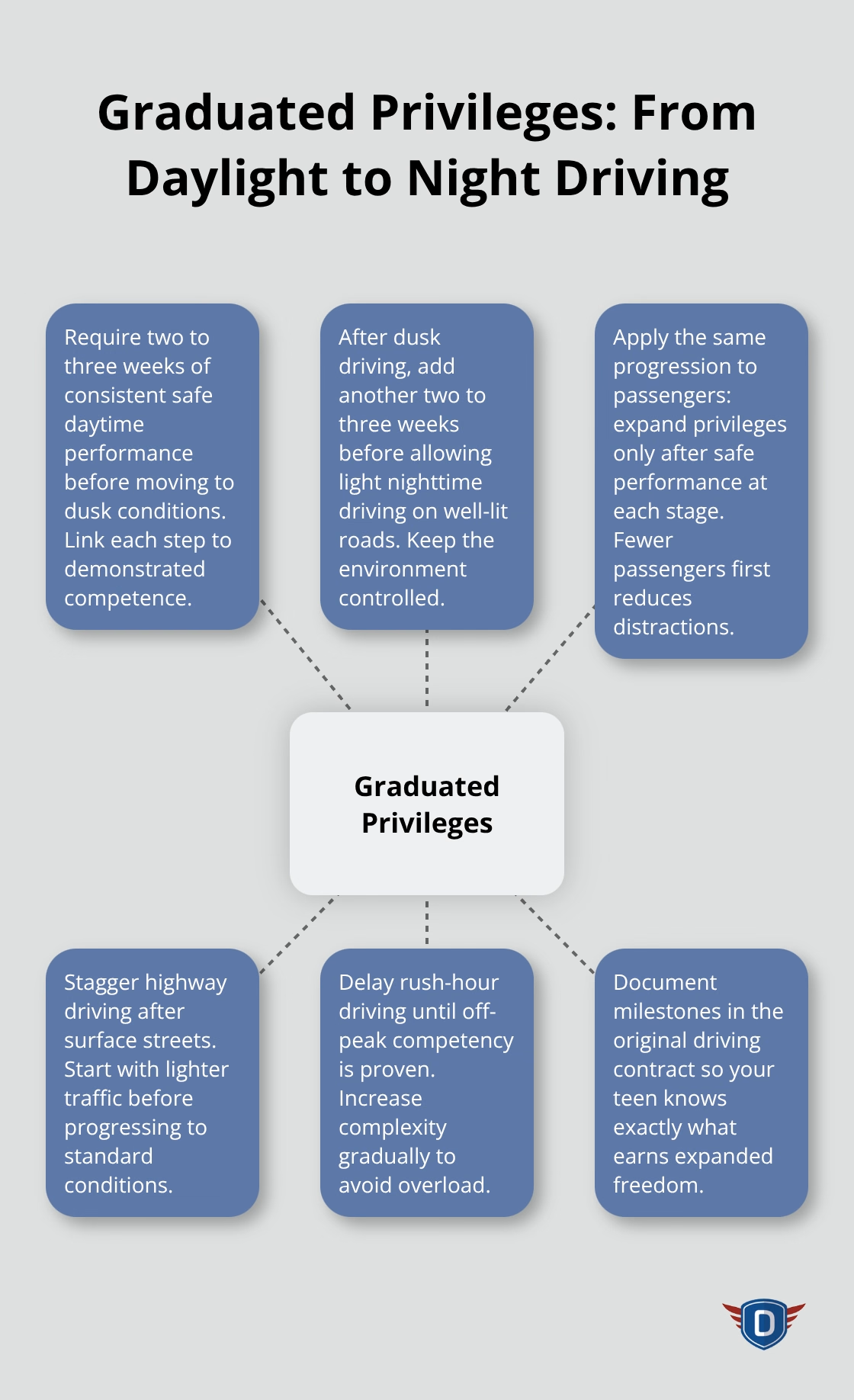
The same progression applies to driving alone versus with passengers, highway driving versus surface streets, and driving during rush hour versus off-peak times. Document these milestones in your original driving contract so your teen understands exactly what behaviors earn expanded freedom.
Reset Timelines After Mistakes
If your teen receives a speeding ticket or a hard-braking alert, reset the timeline for that specific privilege rather than punishing retroactively. This keeps the focus on future improvement rather than dwelling on past mistakes. Teens who experience graduated privilege increases maintain safer habits when privileges expand gradually over time.
Your teen learns that consequences connect directly to choices, not to your mood or frustration level. This clarity builds trust and reinforces the connection between safe driving and earned freedom.
Final Thoughts
The parents guide to teen drivers succeeds when you combine clear rules, hands-on practice, and consistent monitoring over months, not weeks. Rules without practice leave your teen unprepared for real traffic, while practice without monitoring hides dangerous habits until they cause crashes. Monitoring without rules and practice creates resentment instead of improvement.
Teens who develop safe habits early maintain them into adulthood, and research shows that drivers who receive structured guidance and graduated practice during their first months behind the wheel have significantly lower crash rates throughout their driving lives. Weather will worsen unexpectedly, other drivers will make mistakes, and fatigue will hit during long drives-the defensive driving skills and decision-making habits you build together become the foundation your teen relies on when things go wrong. That foundation matters more than any single rule or restriction.
If you need additional support beyond what you can provide at home, defensive driving courses through DriverEducators.com offer structured instruction that reinforces safe driving principles and helps drivers master the techniques that keep them safe. Start implementing these strategies this week, document your teen’s progress, and adjust your approach when something isn’t working.