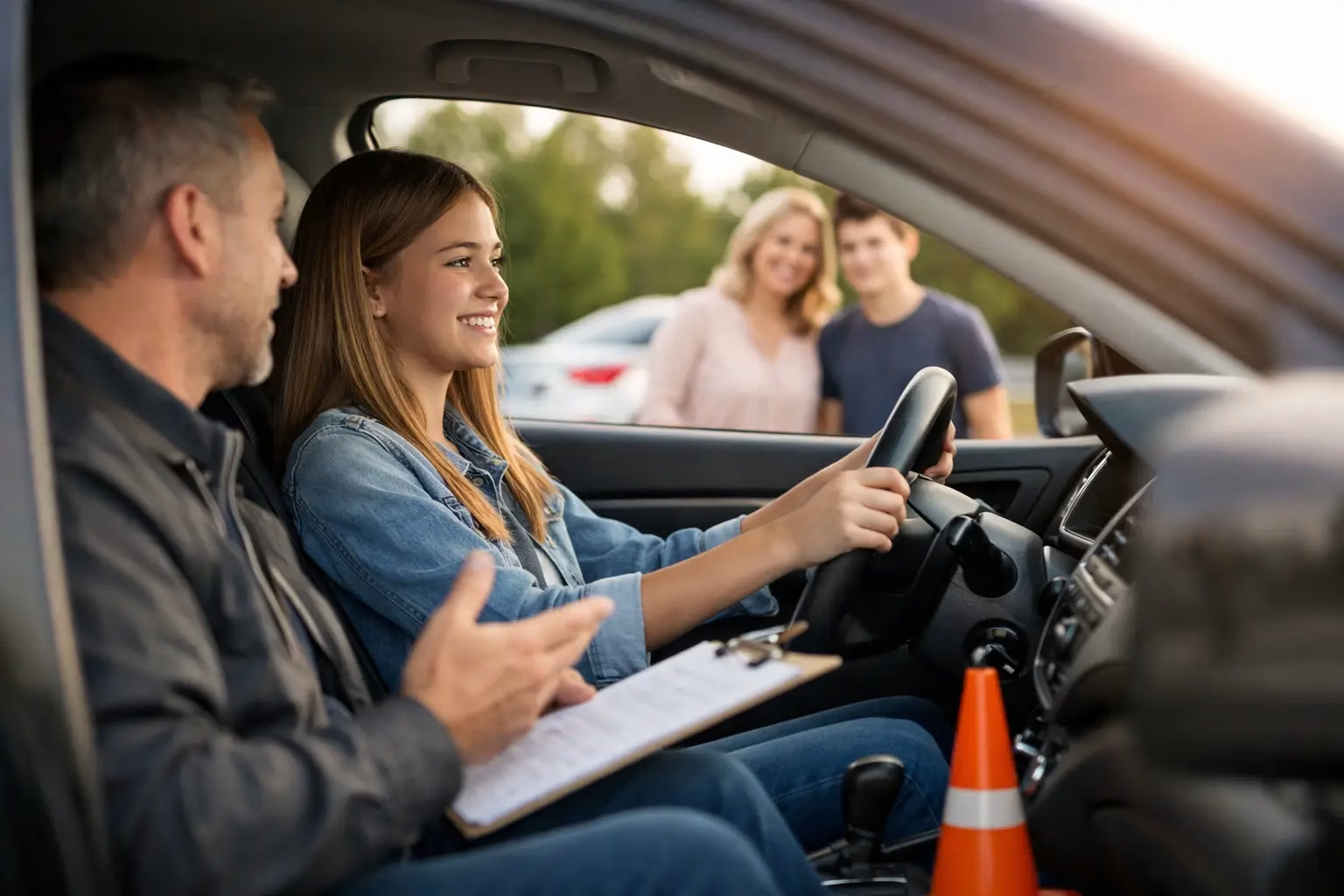
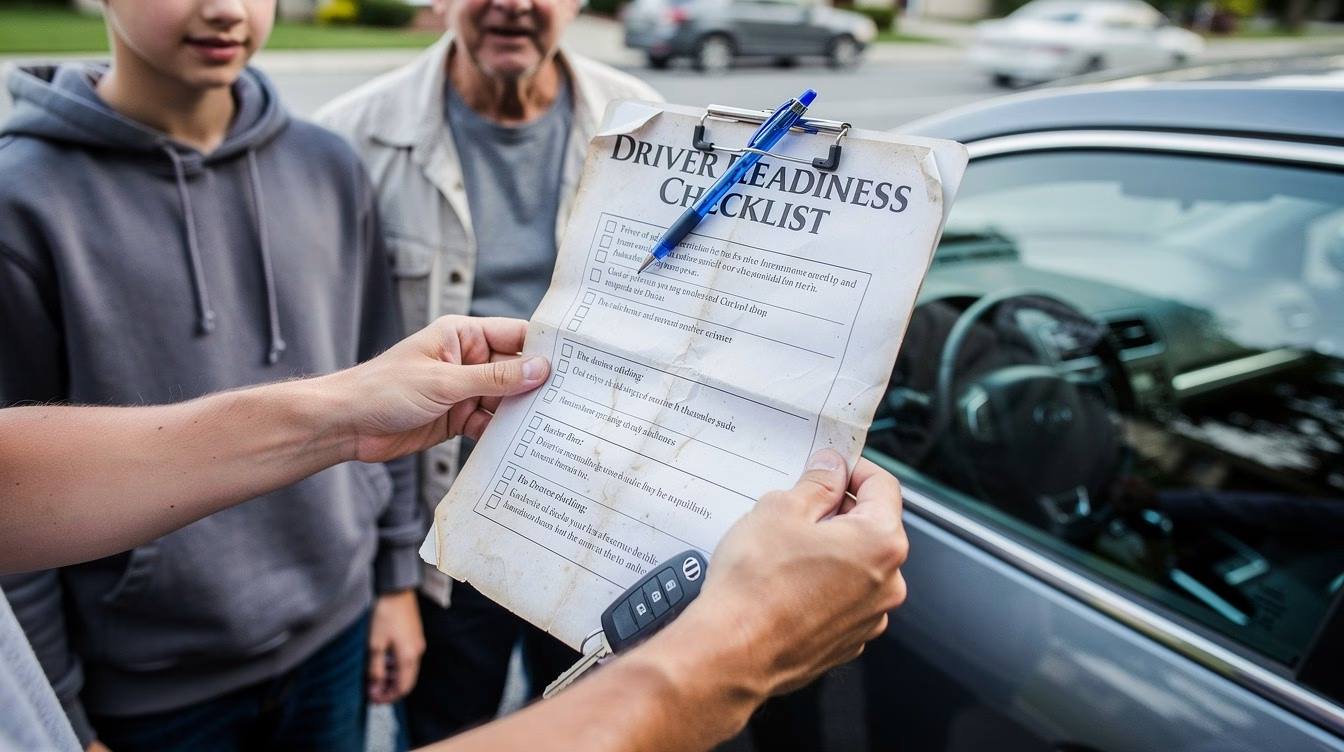
Turning 16 and getting your license feels like freedom, but it’s actually the start of serious responsibility. At DriverEducators.com, we’ve seen firsthand that teen drivers who prepare properly have dramatically better safety outcomes.
This teen driver readiness checklist breaks down exactly what you need before hitting the road. We’ll cover the physical and mental skills, essential knowledge, and common pitfalls that catch unprepared drivers off guard.
Can You Actually Handle Driving Right Now
Vision and Sensory Awareness
Your eyes need to catch movement at 60 miles per hour. Your brain needs to process that movement and tell your hands to react-all in under a second. Most teens can do this physically, but many haven’t developed the judgment to know when to use that speed. California’s DMV requires a vision test before issuing a permit, and you’ll need at least 20/40 corrected vision to pass. If you wear glasses or contacts, wear them every single time you drive.
Hearing is rarely tested, but if you have significant hearing loss, tell your instructor before your first lesson. The real issue isn’t sensory sharpness-it’s what you do with the information your senses collect.
The Brain Development Gap
Emotional maturity is where teen drivers fail most often. The Insurance Institute for Highway Safety and Highway Loss Data Institute data shows that teen drivers aged 16 to 19 have crash rates nearly 4 times higher than drivers aged 20 and older. That gap closes fast once teens turn 20, which tells us something critical: experience and brain development matter more than age alone.
Your prefrontal cortex-the part that weighs consequences and resists impulses-doesn’t fully develop until your mid-20s. This isn’t an excuse; it’s a fact that changes how you should approach driving. You need to make decisions now that your fully-developed adult brain would make automatically.
Peer Pressure and Decision-Making
If you feel the urge to speed because your friends are in the car, that’s your developing brain losing a battle it shouldn’t lose. Physical coordination and reaction time are usually fine by 16, but your ability to stay calm under pressure, admit when conditions are too risky, and say no to peer pressure-those skills take work.
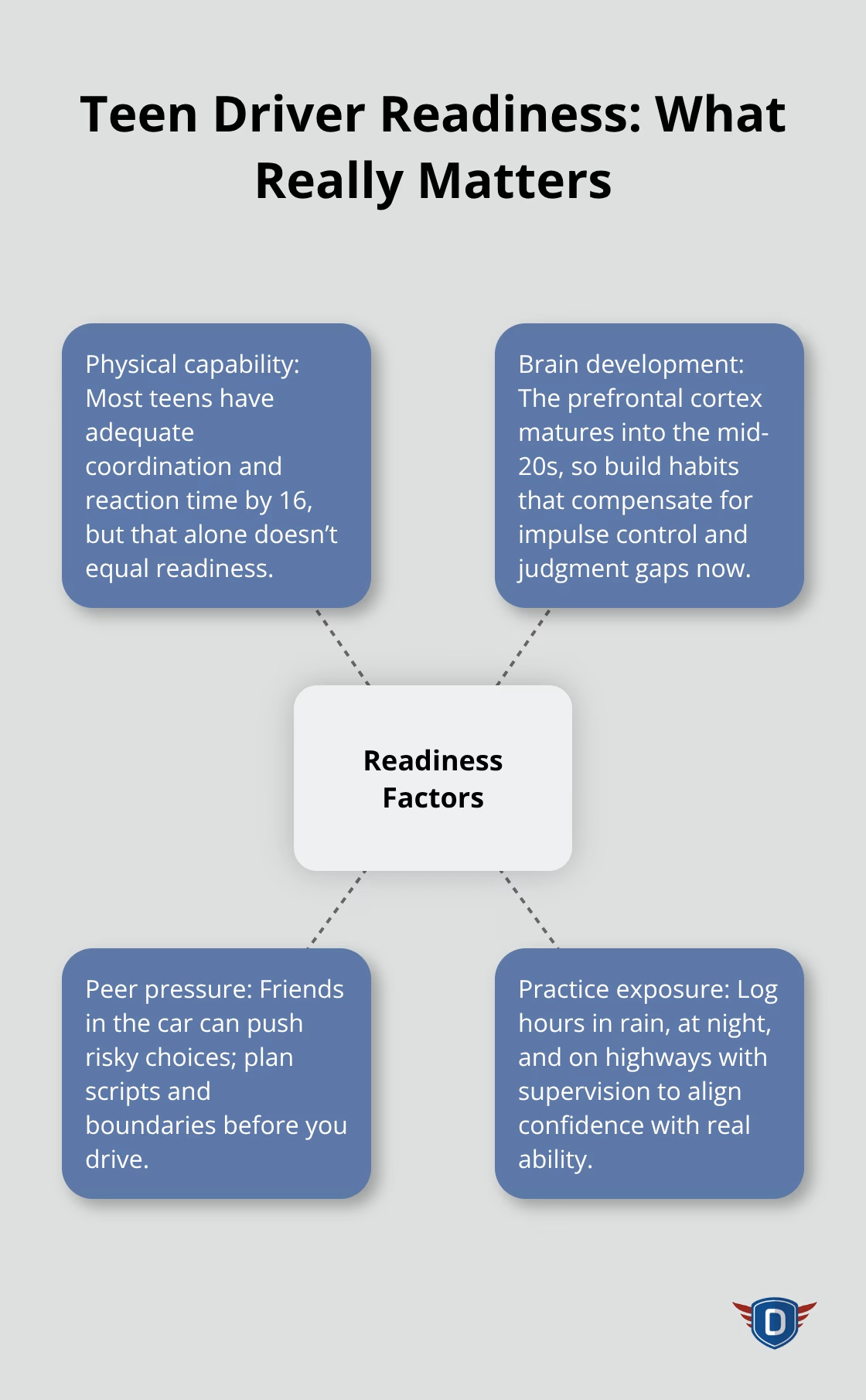
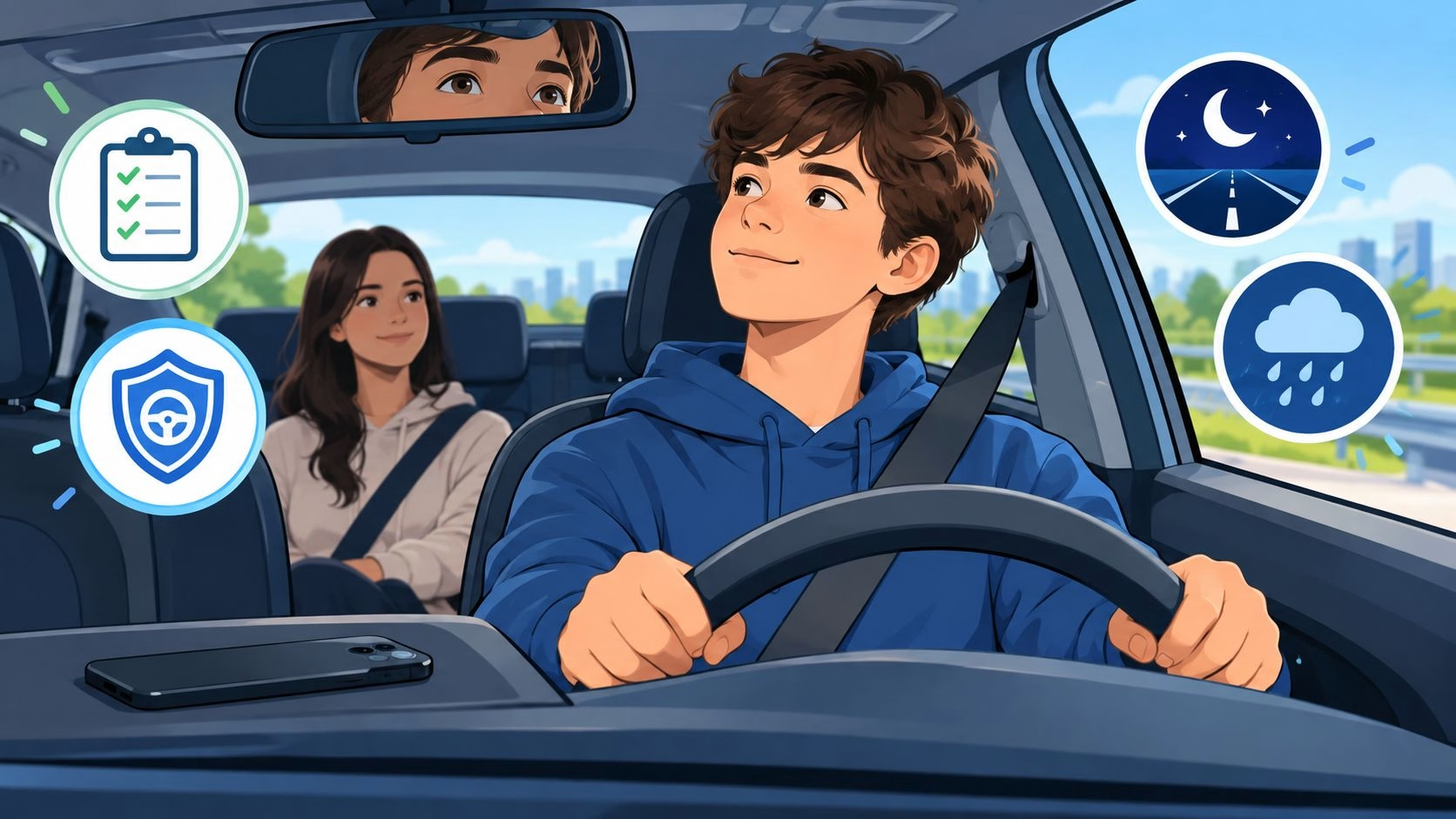
Test yourself honestly: Can you pull over if you’re tired? Will you refuse to drive in heavy rain if you’ve only practiced in clear weather? Would you admit to a parent that you’re not ready for night driving yet? If you hesitate on any of these, you’re not ready.
Moving Forward With Skills Training
Your readiness depends on more than just physical capability. The next section covers the essential skills and knowledge you must master before you sit behind the wheel-from understanding traffic laws to practicing defensive driving techniques that actually protect you when things go wrong.
Essential Skills and Knowledge Before Getting Behind the Wheel
Traffic Laws and the Knowledge Test
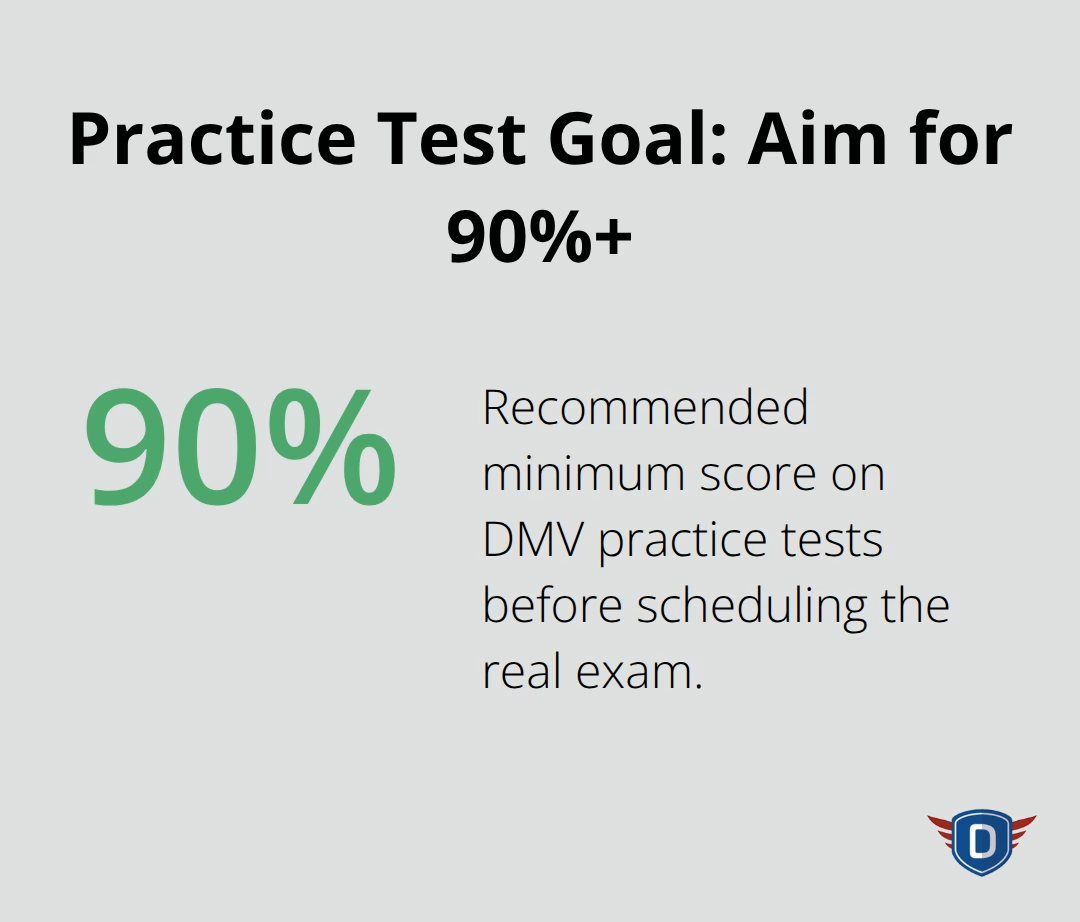
Traffic laws aren’t suggestions, and California’s DMV knowledge test proves it-you need a passing score to move forward, which means you can’t guess your way through. The California Driver’s Handbook covers right-of-way rules, speed limits, stopping distances, and what those road signs actually mean. Most teens skim this material, then panic during their test. Study the handbook section by section, take the practice tests the DMV offers, and don’t move forward until you consistently score above 90% on practice exams.
Understanding Road Signs
Road signs fall into three categories: regulatory signs that tell you what you must do, warning signs that alert you to hazards ahead, and informational signs that guide you to services. A red octagon means stop, a yellow diamond means slow down for what’s coming, and a white rectangle with numbers tells you the speed limit. Knowing these instantly matters because you won’t have time to think about them at 45 miles per hour.
Vehicle Controls and Setup
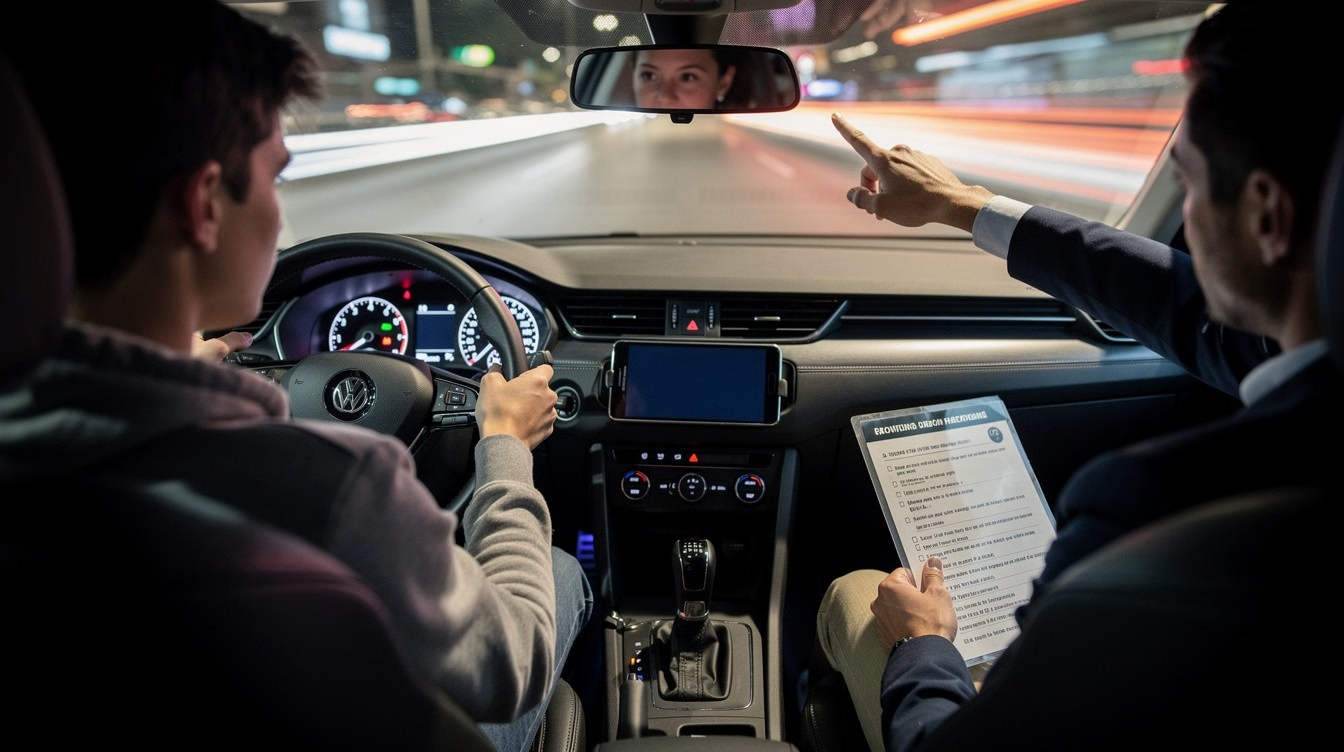
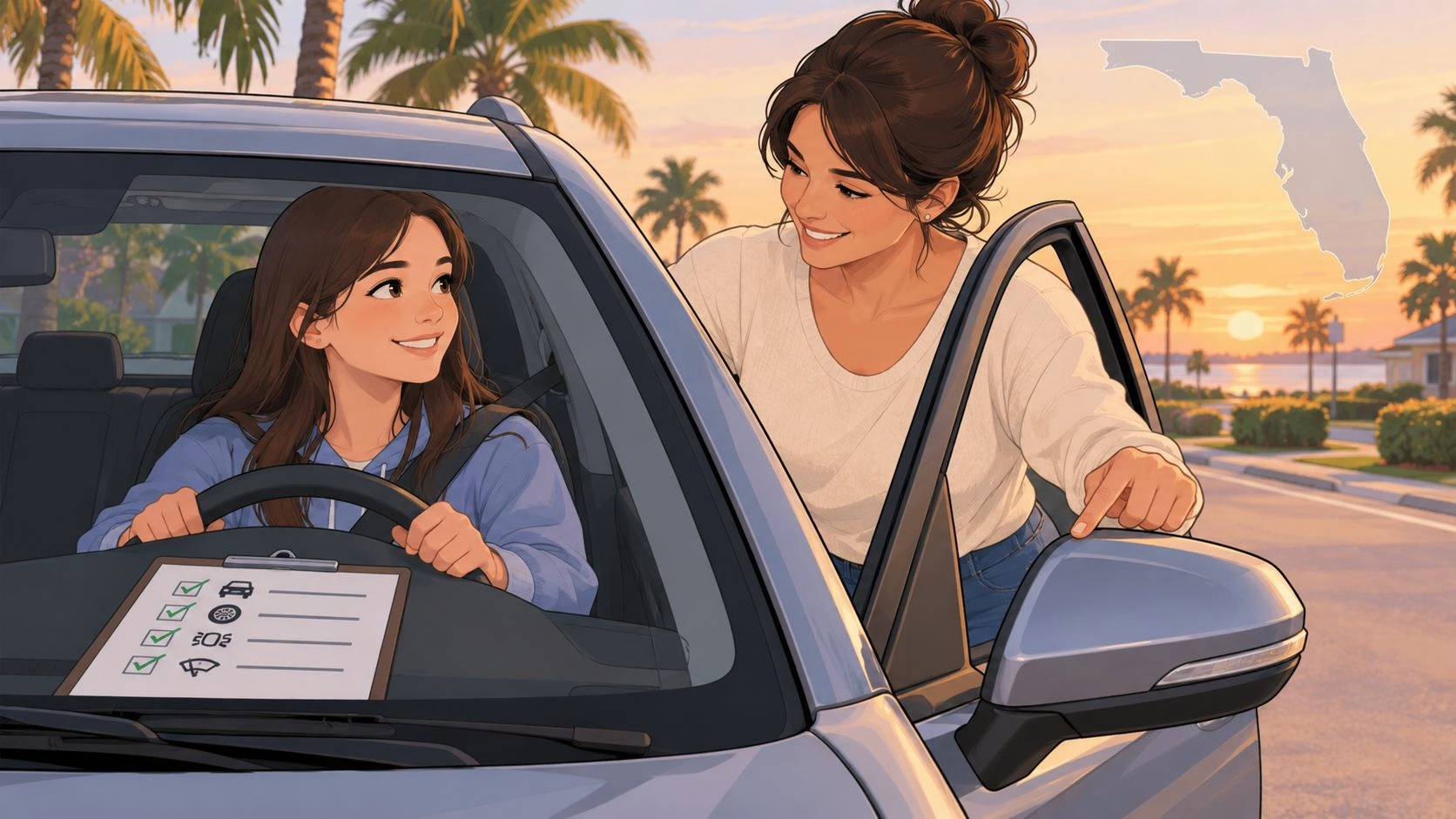
Before your first lesson, sit in the driver’s seat of the actual car you’ll be practicing in. Adjust the seat so your feet reach the pedals comfortably and your hands rest naturally on the wheel. Adjust all mirrors-side mirrors should show mostly road with a sliver of your car’s edge, and your rearview mirror should frame the rear window. Find the windshield wipers, headlights, turn signal, and emergency brake. Know where the registration and insurance documents live. A professional instructor will walk you through this again, but showing up prepared means you’ll absorb actual driving technique instead of wasting time on basics.
Defensive Driving Fundamentals
Defensive driving isn’t paranoia-it’s recognizing hazards before they become emergencies. Drivers who complete defensive driving training show measurable safety improvements. The core principle is simple: assume every other driver will make a mistake and position yourself to avoid it. Scan ahead 20 to 30 seconds, check your mirrors every five seconds, and keep at least a three-second following distance behind the car in front of you. In heavy traffic or poor weather, extend that to four or five seconds. When approaching an intersection, even if the light is green, look left-right-left before proceeding because red-light runners exist. When merging onto a highway, match the speed of traffic before you move into the lane, and never cut someone off to gain position.
These fundamentals form your foundation, but real mastery comes through practice and exposure to different road conditions. The next section examines the mistakes that catch unprepared drivers off guard and shows you exactly how to avoid them.
Common Mistakes Teen Drivers Make and How to Avoid Them
Distracted Driving and the Phone Problem
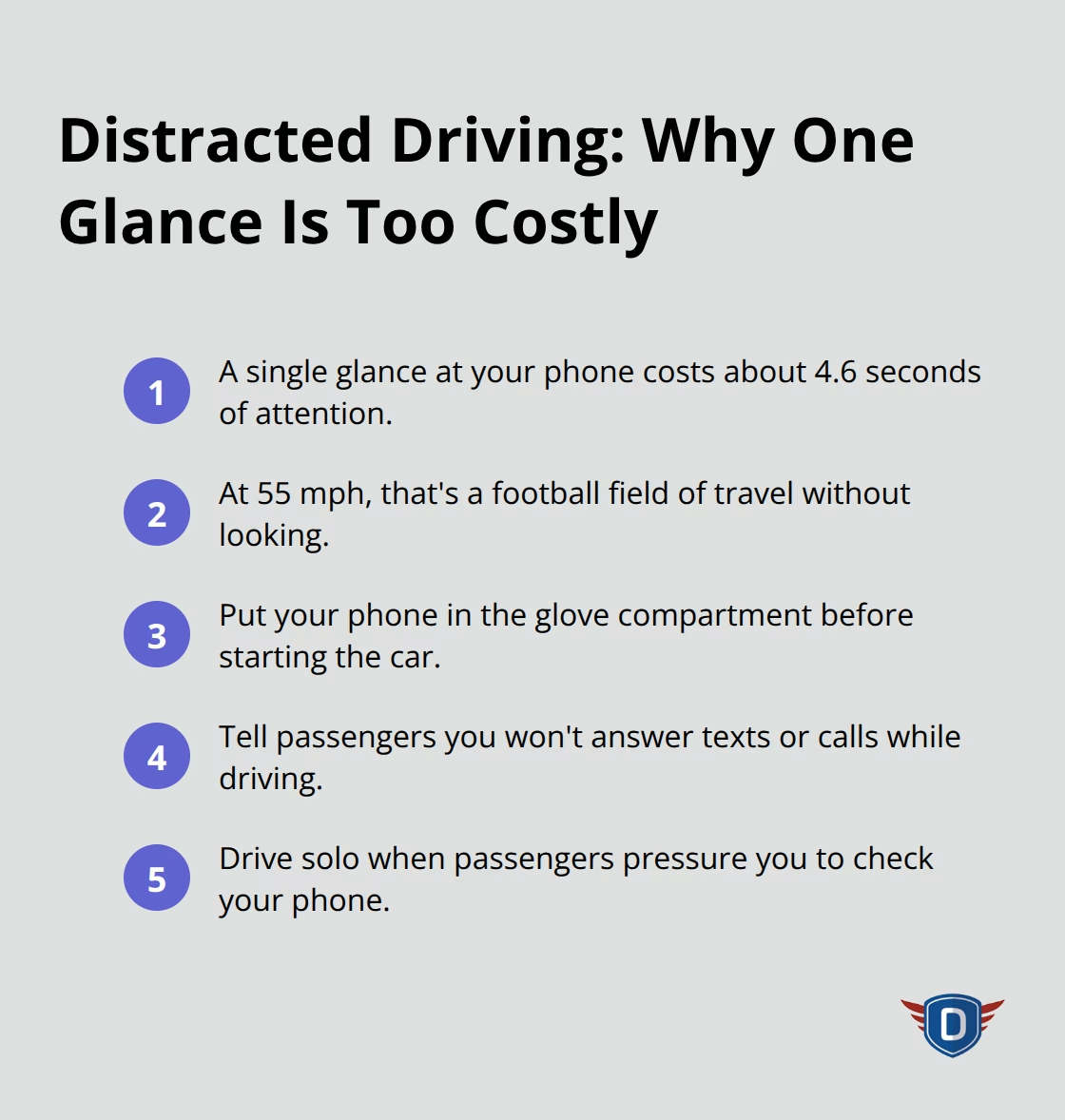
Your phone buzzes during a red light. A friend texts something funny. The urge to check it feels immediate and harmless, but that single glance costs you 4.6 seconds of attention. At 55 miles per hour, you travel the length of a football field blind in that time.
Distractions kill teen drivers more than any other single cause.
The Insurance Institute for Highway Safety data shows that teen drivers with passengers in the car have significantly higher crash rates than those who drive alone. Your brain cannot yet ignore social pressure, which means your friends in the backseat pose a genuine safety risk. Put your phone in the glove compartment before you start the engine, not on the seat where you can reach it. Tell your passengers upfront that you will not answer texts or take calls while you drive. If someone pressures you to check your phone, that person does not respect your life.
Speeding and the Physics You Cannot Ignore
Speeding feels like control when it is actually the opposite. Teen drivers who exceed posted speed limits by just 10 miles per hour increase their crash risk dramatically because stopping distance does not scale linearly with speed. At 35 mph 90 feet, 45 mph 130 feet. That extra 10 miles per hour adds 40 feet to your stopping distance.
In rain or on wet roads, those numbers worsen fast, yet most teens treat speed limits as suggestions rather than physics. Poor conditions demand slower speeds than posted limits allow, not matching the posted limit and hoping for the best. If visibility is low, traffic is heavy, or the road is wet, you should drive 5 to 10 miles per hour below the limit minimum.
Aggressive Driving and Emotional Control
Aggressive driving (tailgating and cutting people off) stems from the same emotional immaturity that makes distracted driving dangerous. You cannot think clearly when anger controls your foot, so if another driver cuts you off, let them go. Your goal is to arrive alive, not to win an argument with a stranger.
Risk Assessment Failures in Unfamiliar Conditions
Risk assessment failures kill unprepared drivers in situations they have never practiced. Driving at night, in heavy rain, or on highways requires skills that daylight, clear-weather, parking-lot practice cannot teach. You must log hours in these exact conditions with an instructor or experienced adult before you attempt them alone. Conditions that feel manageable at 20 miles per hour in an empty lot become genuinely dangerous at 55 miles per hour in actual traffic. Your confidence will exceed your actual ability until you log real experience in challenging situations.
Final Thoughts
Assess yourself honestly against this teen driver readiness checklist right now. Can you pass California’s knowledge test without guessing? Have you practiced in rain, at night, and on highways with an experienced driver? Do you know your stopping distances at different speeds? If you answered no to any of these, you have real work to do before solo driving makes sense.
Structured practice with professional guidance is your next step. We at DriverEducators.com create a supportive learning environment where you master the skills to navigate roads safely and adopt lifelong safe driving habits-our certified instructors provide personalized guidance tailored to your specific needs, so you don’t just pass your requirements but actually develop the judgment that keeps you alive.
After professional instruction, continue practicing in varied conditions with an experienced adult and track your progress honestly. When you’ve completed your required hours and consistently demonstrate safe decision-making under pressure, you’re ready for your driver education programs and solo driving.