New drivers often feel nervous behind the wheel, and that’s completely normal. Practice driving with supervision gives you the chance to build real skills in a safe environment where an experienced instructor can guide you through mistakes before they become dangerous habits.
At DriverEducators.com, we’ve seen firsthand how structured supervised practice transforms anxious learners into confident drivers. The right guidance during these early miles makes all the difference in developing the habits that keep you safe for life.
Why Supervised Practice Actually Reduces Accidents
Supervised practice works because it transforms mistakes into learning moments instead of crashes. Research shows that drivers who complete 30 to 50 hours of supervised practice develop safer habits faster than those who skip this step. An experienced supervisor catches bad decisions in real time-like merging without checking your blind spot or accelerating too hard into a turn-and explains why these actions are dangerous before they cause an accident. This immediate feedback rewires how you respond to road situations. When you drive alone after getting your license, you rely on habits formed during supervision, which means the quality of that early guidance directly impacts your safety for years to come.
Real Conditions Teach What Classrooms Cannot
The skills you need exist on actual roads, not in theory. You must feel how your car handles in rain, experience how visibility changes at night, and learn how traffic flows on a highway during rush hour. Supervised practice across different road types, weather conditions, and times of day lets you encounter these real conditions with someone experienced sitting beside you who can coach you through them. Practice in varied weather conditions teaches you how wet roads reduce traction and why your braking distance increases. Night driving practice shows you how headlights create blind spots and why you need to adjust your speed. Highway merging during off-peak times first, then gradually during busier periods, builds your comfort without overwhelming you. This progression from controlled environments to complex traffic is exactly what structured practice should include-you develop the muscle memory and decision-making patterns that keep you safe when conditions get challenging.
Small Wins Build Real Confidence
Anxiety after getting your license often stems from a gap between what you practiced and what you now do alone. Supervised practice closes that gap through manageable steps. Start with short, familiar routes in light traffic during daylight hours, then gradually extend to longer trips, busier roads, and different times of day. Each successful trip reinforces that you can handle what comes next. Practice parking in empty lots before attempting parallel parking on busy streets, and practice lane changes on quiet residential roads before merging on highways-this structured approach means you never suddenly face situations you have not rehearsed. Confidence does not come from one big practice session; it comes from dozens of small successes where you proved to yourself that you can handle the situation.
Why Progression Matters More Than Hours Alone
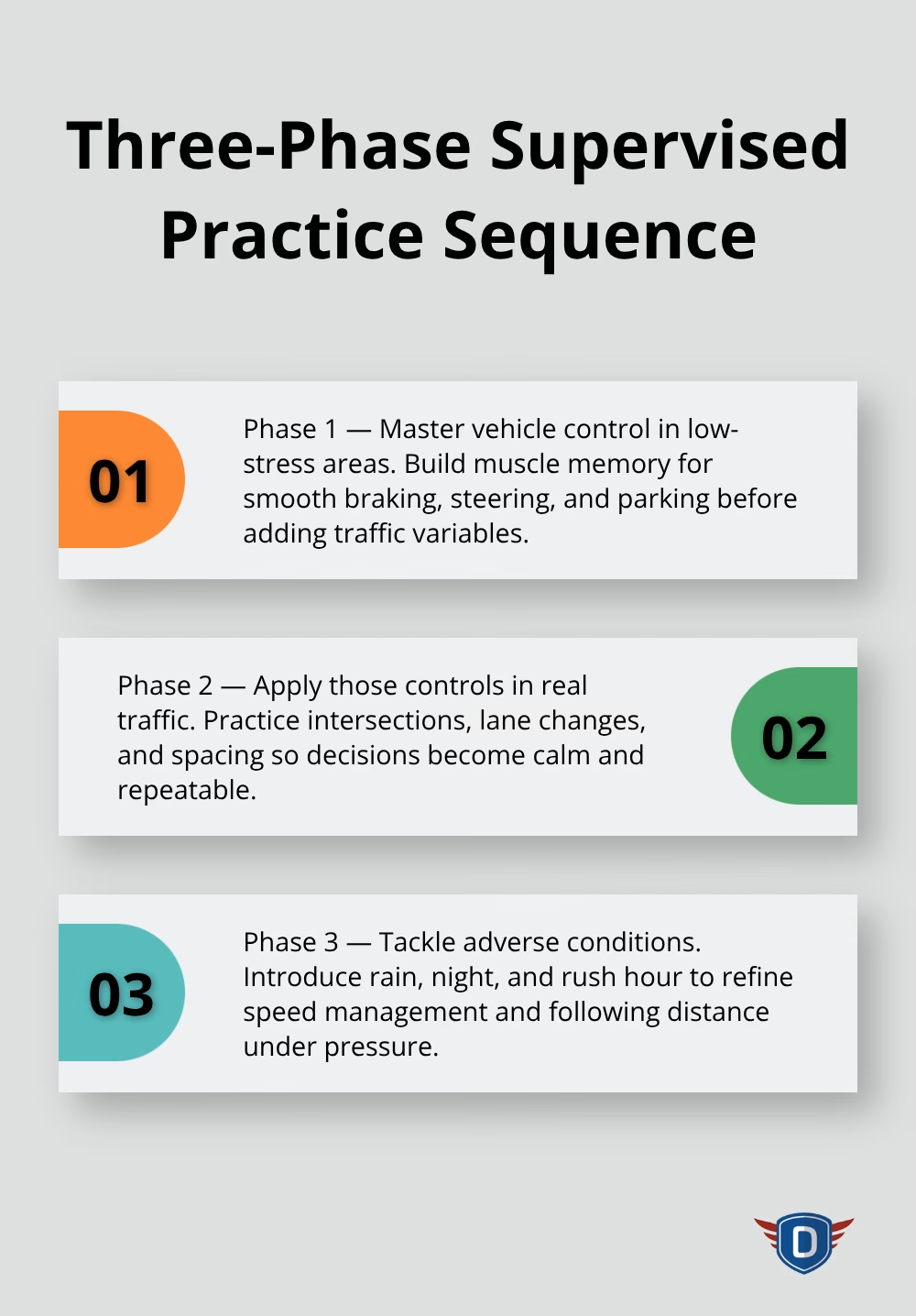
The number of hours you practice matters less than what you practice and in what order. Two drivers might each complete 40 hours of supervised practice, but one driver progresses from parking lots to quiet streets to highways while the other repeats the same familiar route over and over. The first driver develops adaptability and decision-making skills across different scenarios. The second driver becomes comfortable with one route but struggles when conditions change. Effective supervised practice follows a clear sequence: master vehicle control in low-stress environments, then apply those controls in real traffic, then face adverse conditions (rain, night, rush hour). This three-phase approach ensures you build each skill before moving to the next challenge.
Your Supervisor’s Role in Shaping Safe Habits
Your supervisor does more than sit in the passenger seat. They identify which habits you form early and either reinforce or correct them before they become automatic. A supervisor who notices you checking your mirrors inconsistently can make that check a habit before you drive alone. A supervisor who sees you hesitate at intersections can explain right-of-way rules until you respond with confidence instead of confusion. The quality of this feedback directly shapes the driver you become. This is why the person supervising your practice-whether a parent, professional instructor, or trusted mentor-should understand safe driving principles and communicate clearly about what you did well and what needs adjustment.
The foundation you build during supervised practice determines how you handle every situation you face as an independent driver. Once you master these core skills and habits, you’re ready to explore the specific techniques that separate safe drivers from those who struggle with confidence on the road.
What Skills Actually Matter Most During Supervised Practice
Master Vehicle Control Across Changing Conditions
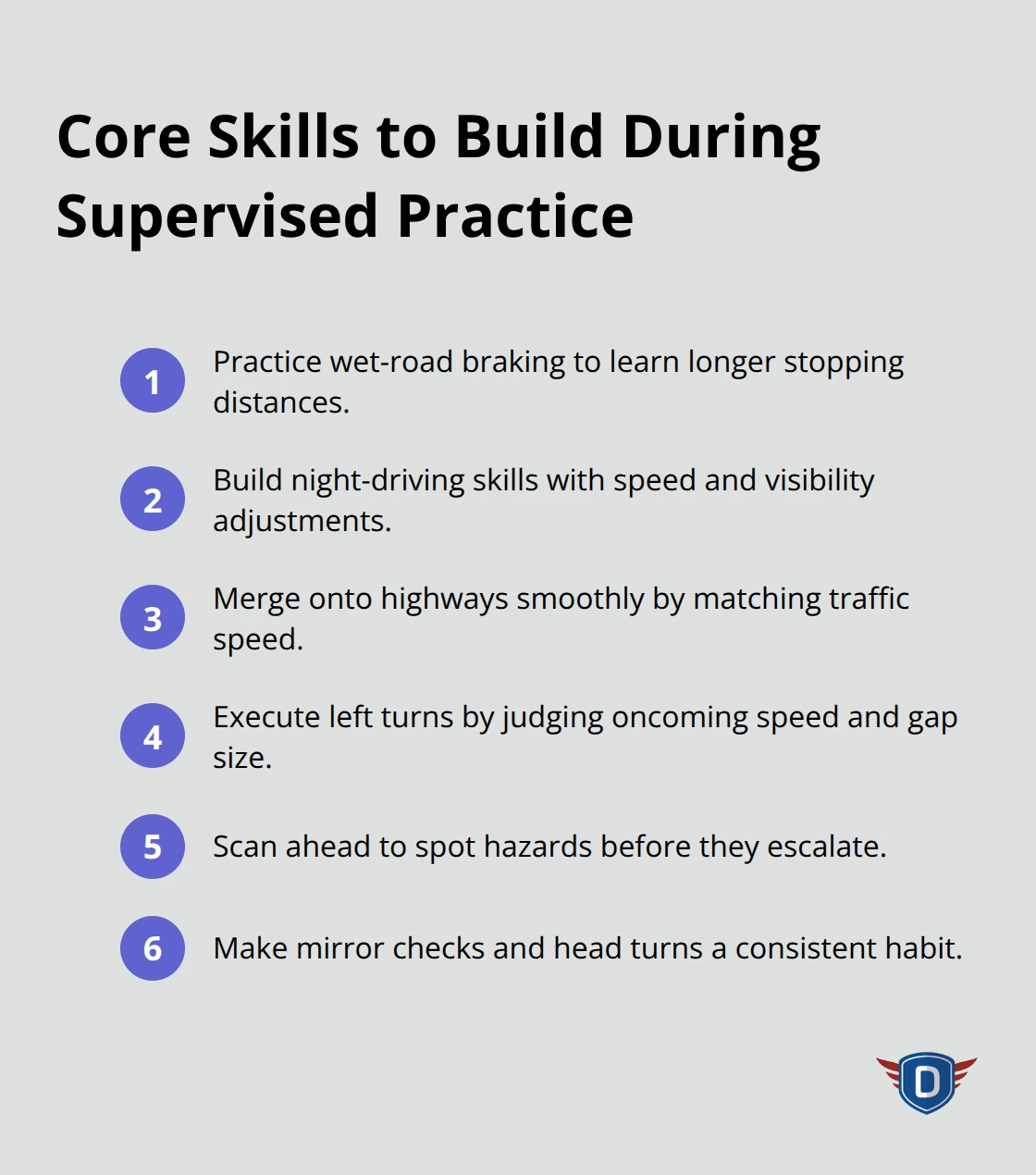
Vehicle control across changing conditions separates drivers who stay safe from those who panic when weather shifts or traffic intensifies. During supervised practice, you need to experience how your car responds when roads are wet, not just imagine it. Practice braking on wet roads teaches you that stopping distances increase significantly, which means you need far more distance to stop safely. Night driving practice shows you the real limitations of your headlights and how peripheral vision shrinks in darkness, forcing you to rely more on mirrors and deliberate head checks. Highway driving during varying traffic levels builds your comfort with speed, merging, and maintaining safe following distances.
Start these sessions in manageable doses: practice wet-road braking in a parking lot during light rain, experience night driving on quiet roads before attempting busy streets after dark, and merge on highways during off-peak hours before tackling rush-hour traffic. The supervisor’s job during these sessions is to notice what you handle well and what makes you hesitate, then guide you toward the specific conditions that still feel uncertain.
Process Information Fast at Intersections and Highways
Decision-making at intersections and on highways requires you to process multiple pieces of information simultaneously and act within seconds. At intersections, you must recognize right-of-way rules, anticipate other drivers’ movements, and execute your own maneuver smoothly-this skill develops through repetition in real situations, not memorization. Practice turning left at busy intersections where you must judge oncoming traffic speed and gap size, then move to quieter intersections where the stakes feel lower.
On highways, merging demands that you check mirrors, look over your shoulder, judge the speed of approaching vehicles, and smoothly enter traffic without disrupting flow. Practice merging during light traffic first, where other drivers have more space to adjust, then gradually expose yourself to busier conditions. Each repetition strengthens your ability to make split-second decisions with confidence.
Spot Hazards Before They Become Emergencies
Defensive driving techniques and hazard recognition operate together: you spot hazards before they become emergencies. This means you scan ahead for brake lights indicating stopped traffic, notice pedestrians stepping toward crosswalks before they commit to crossing, and recognize that a parked car might suddenly open its door. Effective supervised practice trains your eyes to search constantly rather than fixate on the road directly ahead.
Your supervisor should ask you what you see developing on the road ahead and prompt you to explain your reasoning, which forces your brain to process hazards consciously until the process becomes automatic. Have your teen narrate what they see: the car two vehicles ahead is braking, that pedestrian is looking at their phone, the left lane is opening up. These skills compound over time-each supervised drive reinforces the habits and decision patterns that keep you safe when you eventually drive alone. The next step involves understanding how to structure your practice sessions so that you encounter these skills in the right order and at the right pace.
How Structured Practice Transforms You Into a Confident Driver
Assessment and Personalized Planning Shape Your Path
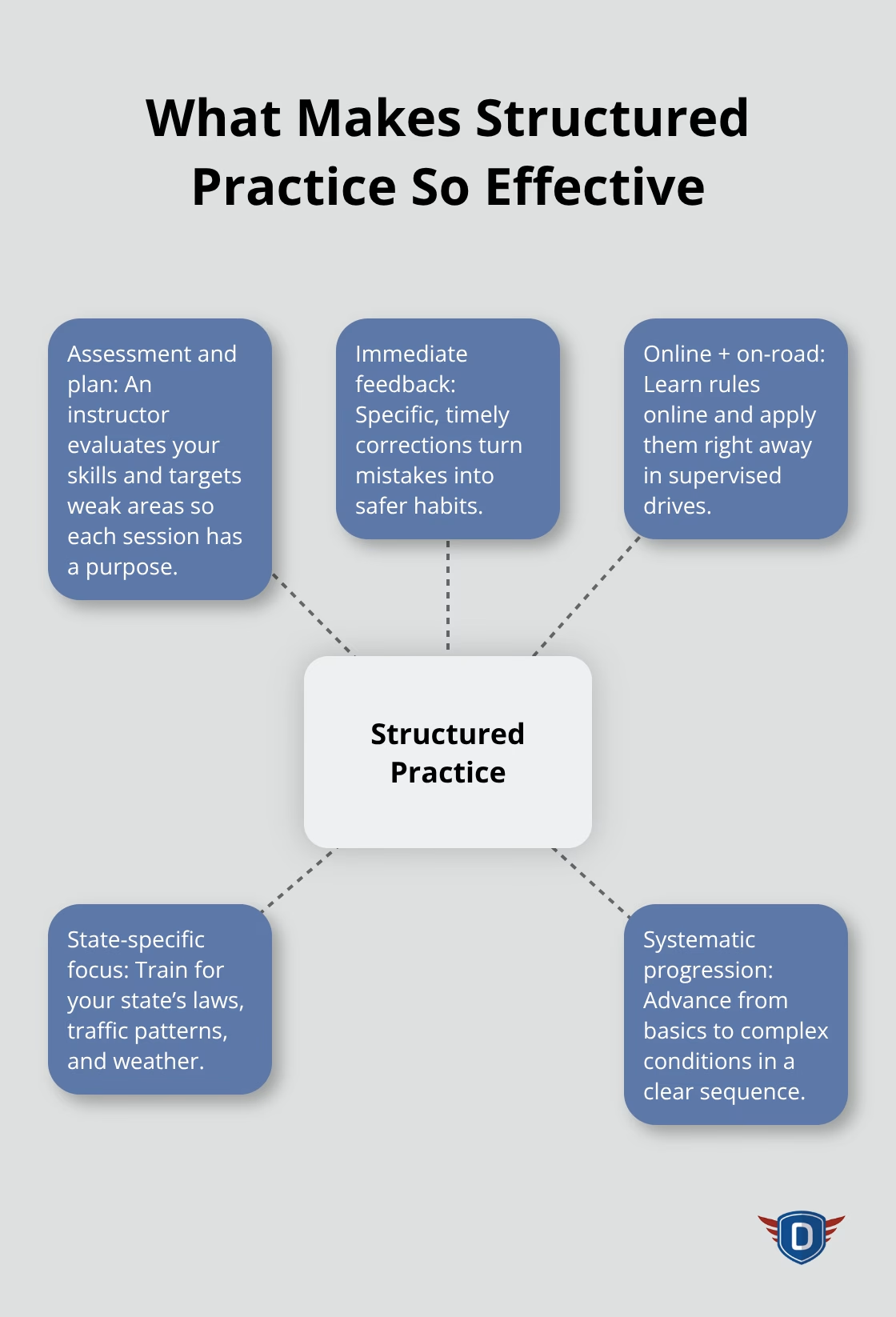
Supervised practice demands more than time behind the wheel-it requires deliberate progression that matches your actual readiness. Your certified instructor reviews your current skill level, identifies which areas need the most attention, and creates a personalized practice plan rather than following a generic script. If you struggle with highway merging but handle parking confidently, your sessions emphasize what actually challenges you instead of wasting time on skills you’ve already mastered. This targeted approach accelerates your development because you focus on real weaknesses, not imaginary ones.
Immediate Feedback Rewires Your Instincts
Your instructor provides feedback immediately after each session-not vague praise, but specific observations about what worked and what needs refinement. If you checked your mirrors consistently during that suburban drive but hesitated at the busy intersection, your instructor names both and explains exactly how to approach intersections with more confidence next time. This level of specificity matters because generic feedback teaches nothing; targeted feedback rewires your instincts. You understand not just what you did wrong, but why it matters and how to correct it before the habit solidifies.
Online Learning and Real-World Practice Reinforce Each Other
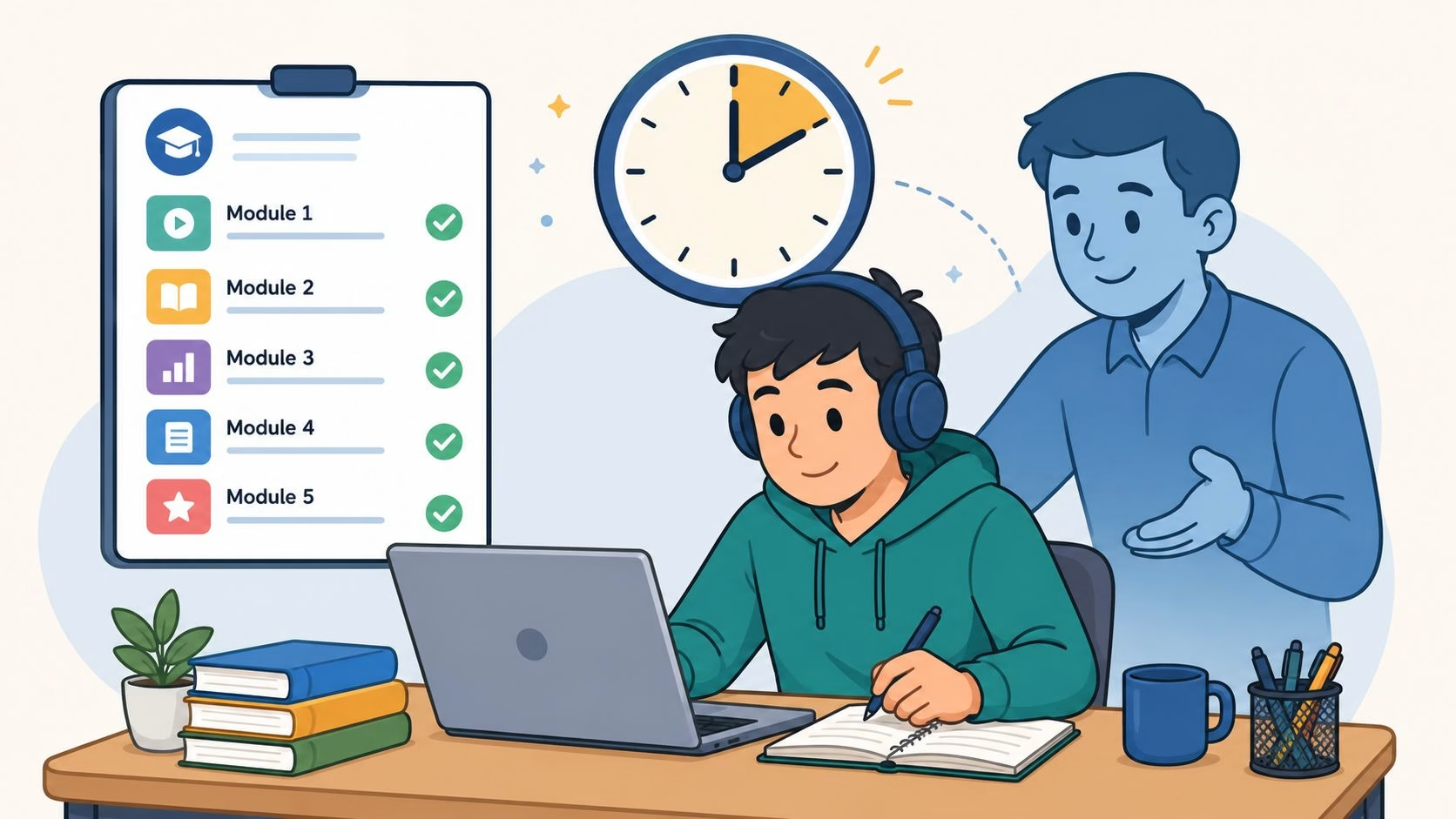
Many new drivers benefit from combining online learning with real-world practice, and the two components work best when they reinforce each other rather than exist separately. You might complete a module on right-of-way rules, then immediately practice those exact scenarios during your next supervised drive, creating an immediate connection between what you learned and what you experience on actual roads. This combination accelerates your development because you move at your own pace through foundational knowledge, then apply it immediately in supervised conditions where mistakes become corrections rather than accidents. The flexibility to learn at your own pace online, then schedule practice sessions when you’re ready, means you control the timing-you don’t sit in a classroom waiting for classmates to catch up, and you don’t feel rushed through real-world driving before you’ve absorbed the theory.
State-Specific Knowledge Matters More Than Generic Standards
Your practice aligns with the specific traffic laws and road conditions you’ll encounter in your state, rather than generic national standards that miss local details. Florida roads present unique challenges (heavy seasonal traffic, specific intersection patterns, weather conditions) that require state-focused instruction. When your practice targets these actual conditions, you develop the skills that keep you safe on the roads you’ll actually drive.
Progress Builds Systematically Through Reinforcement
Your progress compounds because each component-what you learn online and what you practice on the road-targets the same skills in sequence. You master vehicle control before attempting complex intersections. You practice intersections before merging on highways. You handle daytime driving before night driving. This systematic progression creates the kind of reinforcement that transforms nervous learners into confident drivers who handle complex situations with genuine confidence. Each successful drive proves to yourself that you can handle what comes next, and that evidence builds the foundation for independent driving.
Final Thoughts
Supervised practice driving forms the foundation of safe driving habits because it transforms theoretical knowledge into automatic responses that protect you for years. Every mirror check, every intersection decision, and every weather-related adjustment you practice with guidance becomes part of how you drive independently. The 30 to 50 hours you invest now directly determine how confidently and safely you handle situations alone.
Moving from supervised practice to independent driving does not mean abandoning caution-it means carrying forward the habits your supervisor helped you build. You’ve already encountered wet roads, night driving, highway merging, and complex intersections with someone experienced beside you. That experience becomes your internal voice when you drive alone, reminding you to check your blind spot, adjust your speed for conditions, and scan ahead for hazards.
At DriverEducators.com, we understand that practice driving with supervision works best when it combines structured guidance with real-world experience. Our certified instructors provide the personalized feedback that accelerates your development and align your practice with Florida-specific road conditions and traffic laws. Schedule your first lesson today and start the structured practice that transforms nervous learners into safe drivers.