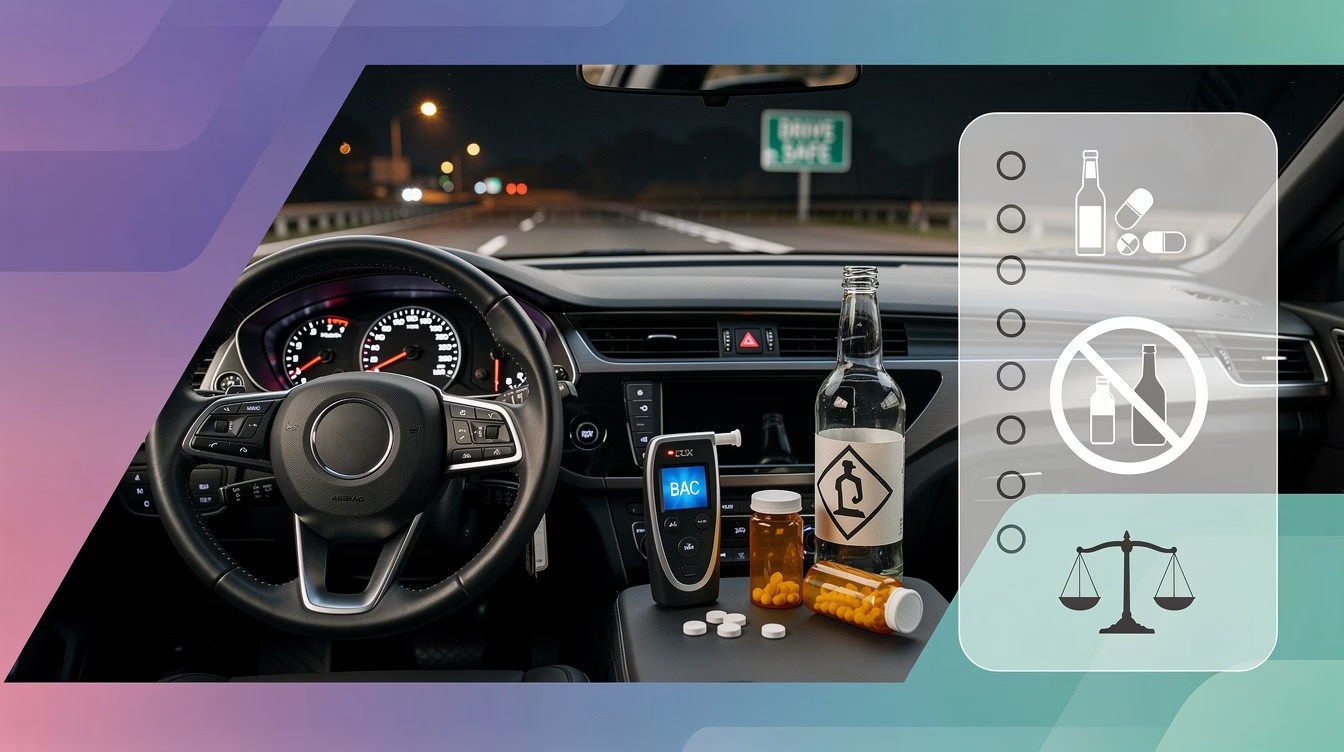
Impaired driving kills someone every 39 minutes in the United States. Whether it’s alcohol, prescription drugs, or illegal substances, drug and alcohol driving education isn’t optional-it’s a matter of life and death.
At DriverEducators.com, we’ve created this guide to help you understand the real risks, recognize dangerous drivers, and make choices that keep you and others safe on the road.
What Happens When You Get Caught Driving Impaired
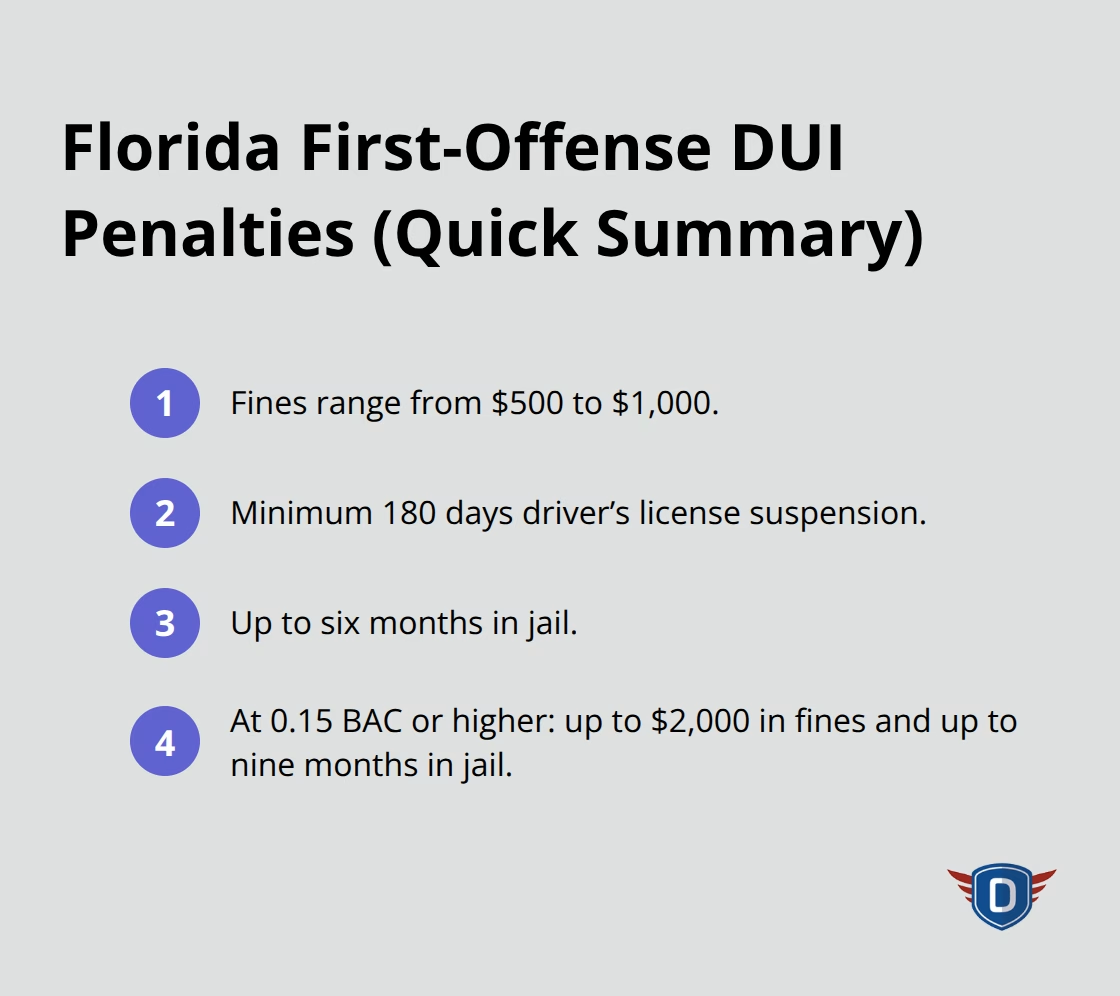
In 2024, 11,904 people died in alcohol-impaired driving crashes across the United States. Florida contributes significantly to these numbers. A first-time DUI conviction in Florida carries substantial penalties: fines ranging from $500 to $1,000, a mandatory minimum of 180 days driver’s license suspension, and up to six months in jail. If your BAC was 0.15 or higher, penalties increase dramatically-fines reach $2,000 and potential jail time extends to nine months. These aren’t theoretical consequences. The moment an officer detects impairment, you face them. The legal BAC limit is 0.08 in all 50 states, but Florida law recognizes impairment at lower levels too.
The moment alcohol affects your judgment or coordination, you violate the law.
Insurance Rates Skyrocket After Conviction
A DUI conviction triggers insurance devastation. Your auto insurance rates typically increase by 48% to 86% after a conviction, and some insurers drop you entirely. You’ll then seek high-risk coverage at triple the normal cost. A license suspension means you cannot legally drive-period. You’ll need to install an ignition interlock device if you want restricted driving privileges, costing $100 to $200 per month in monitoring fees. These expenses compound quickly and persist for years through increased premiums alone.
License Suspension and Repeat Offense Penalties
Repeat offenses escalate everything. A second DUI within ten years in Florida results in a mandatory one-year license suspension, $1,000 to $2,000 in fines, and up to nine months in jail. A third conviction triggers permanent license revocation unless you wait ten years. Each offense adds another layer of legal and financial burden that affects your ability to work, travel, and maintain independence.
Employment and Professional Consequences
Employment becomes harder when you can’t drive and carry a criminal record. Your professional reputation suffers immediately. Employers conduct background checks, and a DUI conviction raises serious questions about judgment and reliability. Certain professions-commercial driving, healthcare, law enforcement, and positions requiring security clearances-become completely inaccessible. The financial hemorrhage continues for years through increased insurance premiums, legal fees, and lost income opportunities.
What Comes Next on the Road
Understanding these penalties matters, but knowing how alcohol and drugs actually impair your driving ability is equally important. The legal consequences exist because impairment creates real danger-not just for you, but for every person sharing the road.
How Alcohol and Drugs Degrade Your Driving Performance
Alcohol impairs driving long before you feel drunk. At a BAC of 0.02, your vision becomes less steady and your ability to track moving objects deteriorates. At 0.05 BAC, you lose some muscle control and your ability to steer smoothly declines noticeably. The National Safety Council emphasizes that impairment starts with the first drink, not after heavy intoxication. At 0.08 BAC-the legal limit in all 50 states-your coordination collapses, concentration becomes difficult, and your reaction time slows dramatically. In real terms, a driver at 0.08 BAC takes longer to see a child running into the street and longer still to brake. Drivers with a BAC of 0.08 are approximately 4 times more likely to crash than drivers with zero BAC. At 0.15 BAC, you’re at least twelve times more likely to crash.
Drugs create equally dangerous impairment through different mechanisms. Marijuana slows your reaction time and distorts your sense of time and distance, making it harder to judge when to brake or change lanes. According to NIDA DrugFacts, THC impairs vigilance and reduces coordination. Cocaine and methamphetamine make drivers reckless and aggressive, escalating crash risk dramatically. Prescription opioids cause drowsiness and impaired thinking; benzodiazepines trigger sedation. The problem intensifies when substances combine-mixing alcohol with marijuana produces greater impairment than either substance alone, yet many drivers underestimate this danger.
Vision and Reaction Time Collapse First
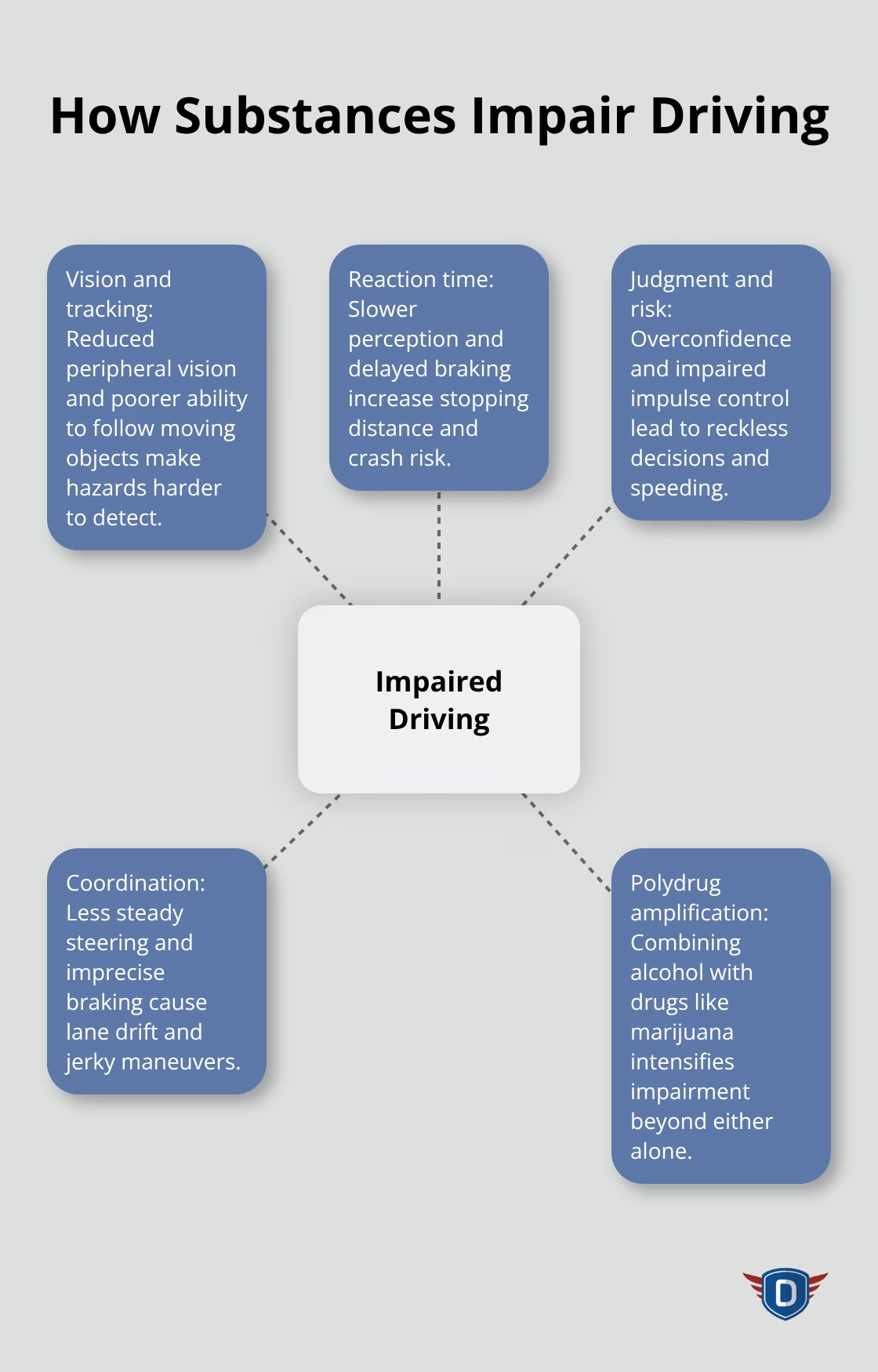
Alcohol reduces your peripheral vision, making it harder to spot hazards at the edges of the road. Glare becomes more blinding. Your ability to focus on moving objects deteriorates. Reaction time-the interval between seeing a hazard and responding-stretches dangerously. A sober driver at 55 mph needs roughly 190 feet to stop after spotting danger. An impaired driver needs significantly more distance. Marijuana impairs this same visual tracking ability. Prescription sedatives blur your vision and slow your mental processing, compounding the danger. These aren’t subtle changes-they’re measurable performance losses that directly increase crash probability.
Judgment Disappears While Risk-Taking Increases
Alcohol’s effect on judgment is brutal and counterintuitive. As impairment deepens, your confidence grows. You feel capable when you’re actually incapable. This is why impaired drivers often believe they’re driving safely. Your brain’s prefrontal cortex (the region controlling judgment and impulse control) shuts down under alcohol’s influence. You underestimate risks, overestimate your abilities, and make decisions you’d never make sober. Cocaine and methamphetamine amplify this dangerously through aggression and recklessness. Drivers on these stimulants speed excessively, tailgate, and take unnecessary risks. The result is predictable: higher crash rates and more severe collisions.
Coordination Loss Makes Steering and Braking Unreliable
Physical control deteriorates measurably at low BAC levels. Your hands become less steady on the wheel. Braking becomes imprecise-you either brake too hard or too softly. Lane changes become jerky and unpredictable. Opioids and benzodiazepines cause similar coordination loss through sedation and dizziness. Marijuana impairs fine motor control, making smooth steering impossible. When coordination fails, minor corrections become overcorrections. A slight drift across the center line becomes a dangerous swerve. A normal turn becomes an abrupt jerk of the wheel. These physical failures combine with slowed reaction time and impaired judgment to create the conditions for a crash.
The Compounding Effect of Multiple Substances
Mixing substances amplifies danger exponentially. Alcohol combined with marijuana (a common scenario) produces impairment greater than either drug alone. Add prescription medications to the mix, and the effects become unpredictable and severe. Many drivers don’t realize that over-the-counter cold medicines or prescription pain relievers can interact dangerously with alcohol. The liver metabolizes these substances at different rates, meaning impairment can persist longer than you expect. A driver who feels “mostly fine” after a few hours may still be significantly impaired.
Understanding how these substances attack your driving ability explains why the legal system treats impaired driving so seriously. The penalties you face exist because impairment creates measurable, documented danger-not just for you, but for every person sharing the road. Recognizing impaired drivers and protecting yourself from them becomes your next line of defense.
Spotting Impaired Drivers and Staying Safe
Recognizing Impairment Patterns on the Road
Impaired drivers display recognizable patterns that differ sharply from ordinary bad driving. A vehicle drifting between lanes repeatedly, braking suddenly without reason, or accelerating erratically signals impairment far more reliably than a single swerve. According to NHTSA data, impaired drivers often drive 10 mph below the speed limit while simultaneously making abrupt speed changes, creating dangerous unpredictability. Weaving patterns matter too-impaired drivers typically cross the center line or edge markings multiple times within short distances rather than making controlled lane changes. Wide, exaggerated turns at intersections, difficulty maintaining consistent speed on straightaways, and slow responses to traffic light changes all point toward impairment. Headlights off at night, windshield wipers on when dry, or failure to dim high beams when oncoming traffic appears suggest cognitive impairment affecting situational awareness. The critical insight: impaired drivers often drive too cautiously and too recklessly simultaneously, creating jarring inconsistencies that sober drivers don’t exhibit.
Defensive Driving Techniques Against Impaired Motorists
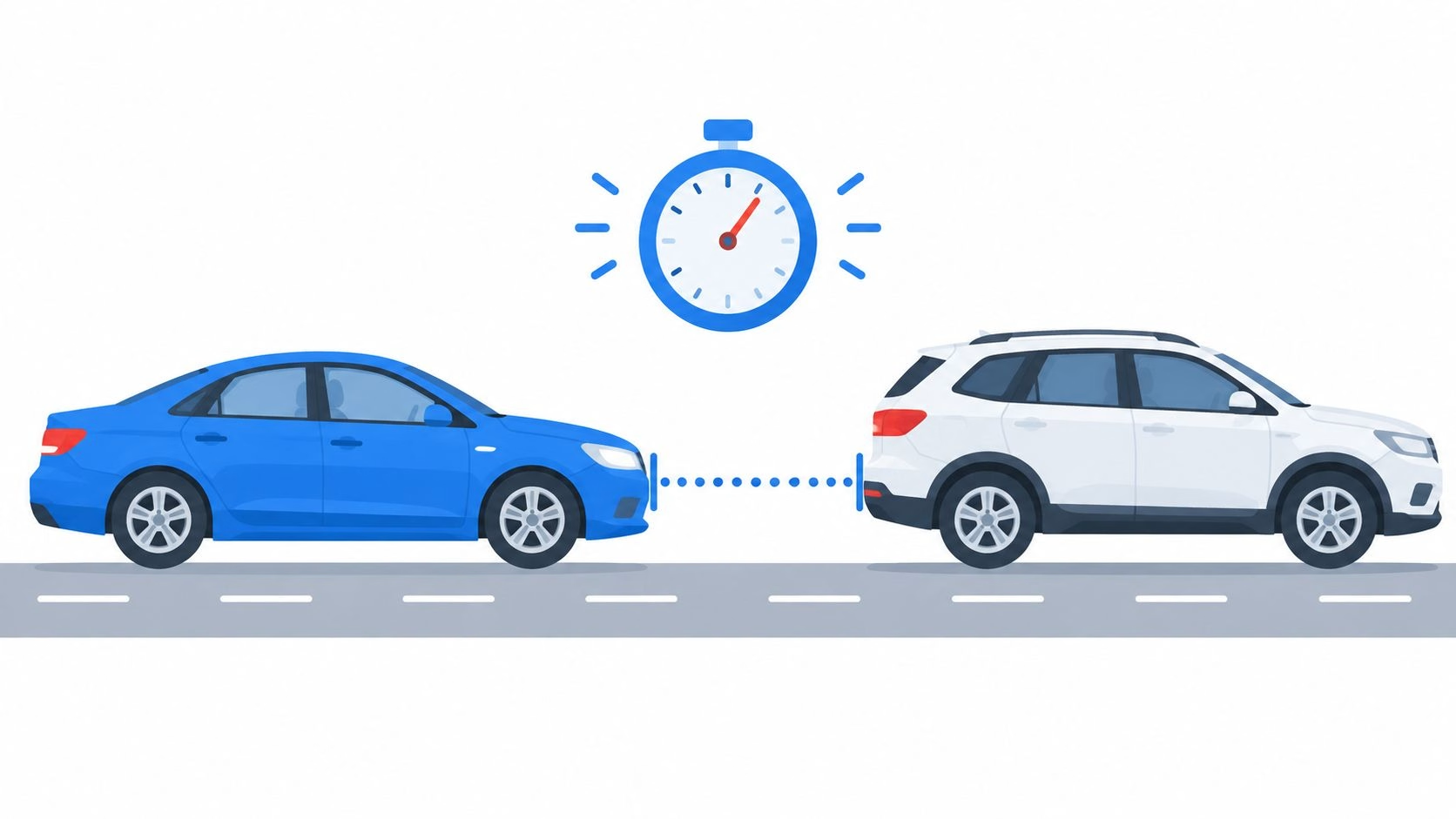
Your defensive driving response matters more than spotting these signs. Increase your following distance to at least 8–10 seconds behind any vehicle displaying impairment patterns-this gives you reaction time if they brake suddenly or drift into your lane. Avoid passing impaired drivers in ways that require close proximity; instead, slow down and create maximum distance. Never attempt to correct their driving through honking or gestures; impaired judgment means your signals won’t register as intended and may trigger aggressive responses. If an impaired driver heads directly toward you, brake hard and steer away rather than trying to hold your lane.
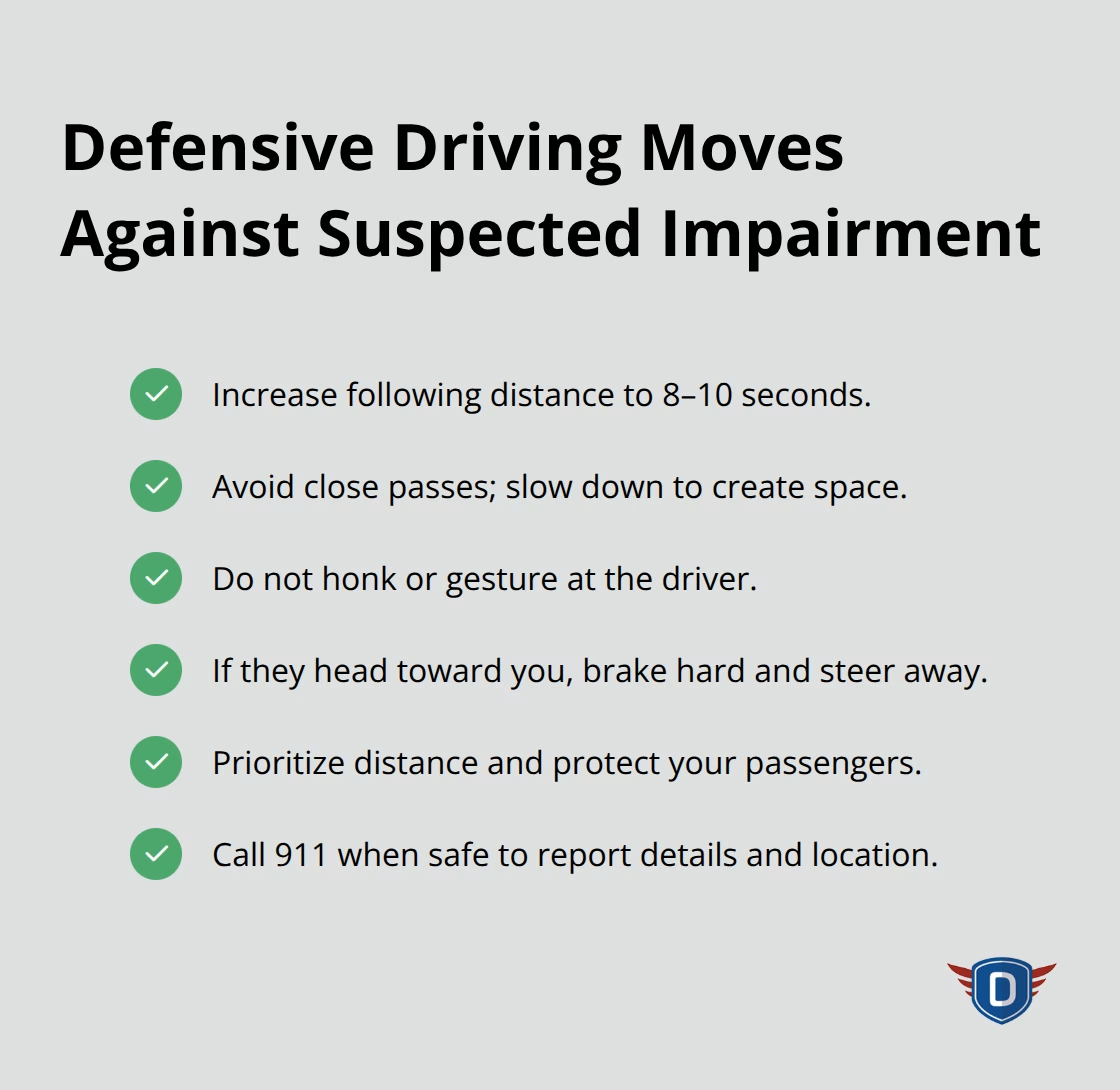
These techniques protect you and your passengers from the unpredictable behavior that characterizes impaired driving.
Reporting Suspected Impaired Drivers to Law Enforcement
Report suspected impaired drivers immediately by calling 911 with specific details: vehicle description, license plate if visible, direction of travel, and exact location. Provide the specific driving behaviors you observed (weaving, speed changes, near-misses) rather than vague statements. Law enforcement can intercept the vehicle within minutes if you provide location precision. Many impaired drivers cause crashes within miles of being spotted, meaning your call directly prevents injuries. The National Safety Council emphasizes that bystander reporting has become one of the most effective tools for removing impaired drivers from roads before they crash. Your responsibility doesn’t end with recognizing danger-it includes acting on that recognition by creating distance and alerting authorities.
Final Thoughts
Impaired driving kills someone every 39 minutes in the United States, and you now understand the legal devastation of a DUI conviction, how alcohol and drugs physically degrade your driving ability, and how to recognize dangerous drivers on the road. Your limits matter more than your confidence-a single drink impairs judgment before you feel intoxicated. Prescription medications, marijuana, and stimulants create impairment through different mechanisms, but the result remains identical: increased crash risk.
Designated drivers and rideshare services eliminate the choice to drive impaired. Arrange your safe ride home before drinking, not after-text a sober friend, call a taxi, or use rideshare apps like Uber or Lyft. These options cost far less than a DUI conviction, which exceeds $10,000 in fines and legal fees alone, and if you struggle with substance abuse, SAMHSA’s National Helpline (1-800-662-4357) provides free, confidential support 24/7 and connects you to local treatment resources.
Drug alcohol driving education programs exist because behavior change saves lives. We at DriverEducators.com offer traffic school courses that teach defensive driving techniques and help drivers understand how attitude and behavior affect decision-making behind the wheel, with Florida-approved programs designed to create safer, more responsible drivers who adopt lifelong safe driving habits. The choice is yours: plan ahead or face consequences that destroy your finances, freedom, and potentially someone’s life.