A vehicle traveling 55 mph covers more than 80 feet in one second. During a quick glance at a phone, a driver can travel the length of a football field without watching the road. That is why distracted driving is more than a bad habit – it is a safety risk that can lead to citations, crashes, injuries, and life-changing consequences.
Most drivers do not set out to drive carelessly. They answer an urgent call, adjust navigation, eat between appointments, or look back at a child in the rear seat. The problem is that safe driving requires continuous attention. When attention moves away from traffic, even briefly, the time available to recognize and respond to danger disappears.
What Is Distracted Driving?
Distracted driving is operating a vehicle while an activity takes your visual, manual, or mental attention away from driving. A distraction may involve your eyes, hands, thoughts, or all three at once.
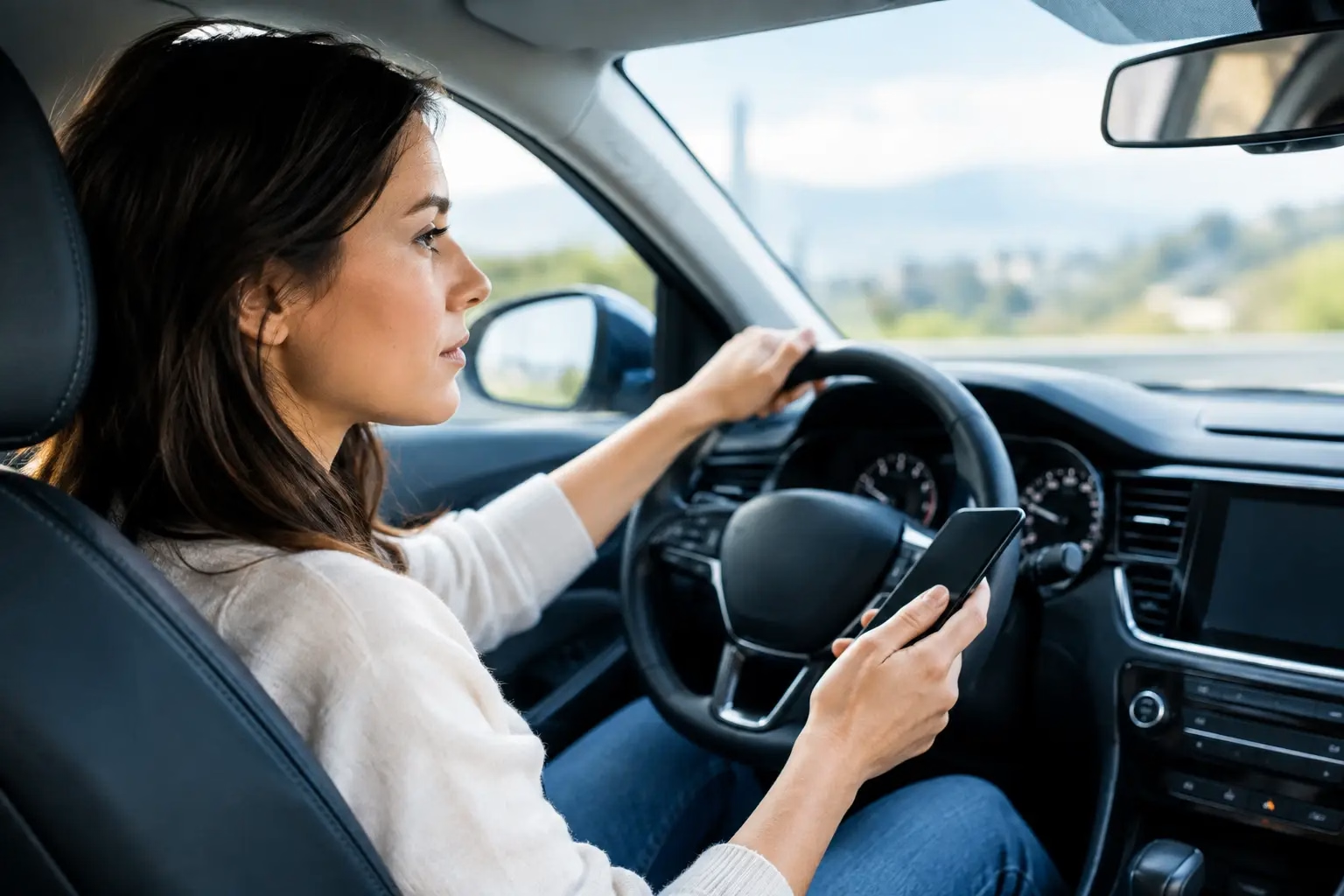
Texting is especially dangerous because it combines visual distraction, manual distraction, and cognitive distraction. Reading or sending a message requires you to look away, handle the device, and think about something other than traffic conditions.
Distractions are not limited to phones. Common examples include adjusting a playlist, programming a GPS after the vehicle is moving, eating, personal grooming, reaching for dropped items, interacting with passengers, and turning around to manage children or pets. A familiar road does not make these activities safer.
The Three Types of Distraction
Visual distraction means your eyes leave the road. Looking at a notification, checking a map, or searching for an item on the passenger seat are common examples.
Manual distraction means one or both hands leave the steering wheel. Holding a phone, opening food packaging, or adjusting controls can reduce your ability to steer quickly and accurately.
Cognitive distraction means your mind is not focused on driving. A stressful conversation, intense fatigue, or hands-free phone call can take mental attention away from changing traffic conditions even when your hands remain on the wheel.
Why Distracted Driving Is So Dangerous
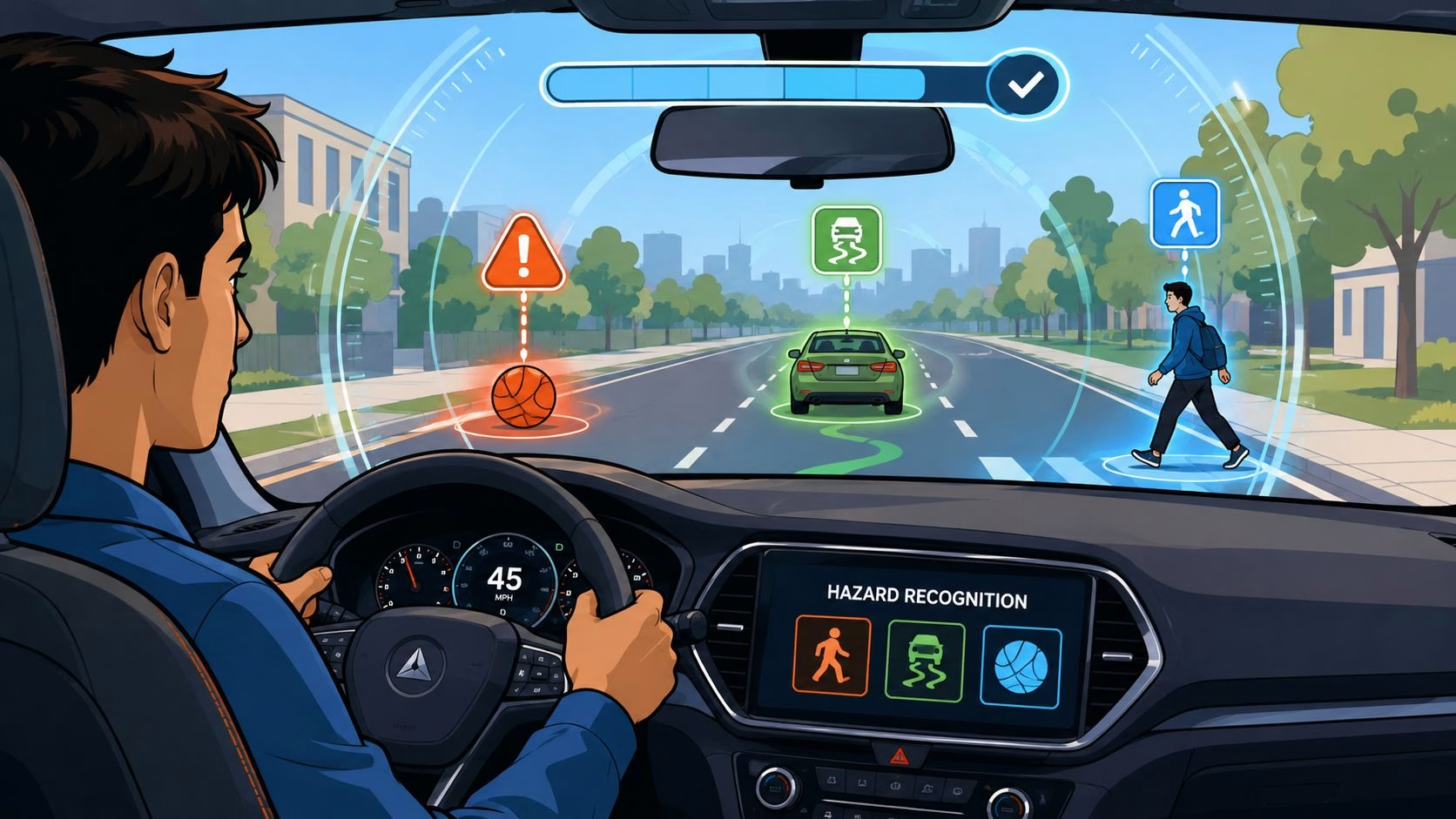
Drivers need time to see a hazard, understand what is happening, decide what to do, and react. Distraction delays every part of that process. By the time a distracted driver looks back up, a vehicle may have stopped, a pedestrian may have entered a crosswalk, or traffic may have slowed unexpectedly.
Speed makes the consequences worse. At higher speeds, a vehicle travels farther during every second of inattention and has less room to stop. Rain, darkness, construction zones, heavy traffic, and unfamiliar roads also demand more focus. An activity that seems manageable at a red light or on an empty street can become hazardous once the vehicle starts moving.
Hands-free technology can reduce manual distraction, but it does not eliminate cognitive distraction. A driver may still miss visual cues, fail to notice changes in traffic flow, or react more slowly while engaged in a demanding conversation. If a call cannot wait, the safest choice is to pull over in a legal, safe location before taking it.
Phone Use Laws and Other Consequences
Distracted driving laws vary by state. Many states prohibit texting while driving, and some restrict handheld phone use entirely. Rules may be stricter for teen drivers, commercial drivers, school zones, work zones, or drivers who hold a learner’s permit.
A citation can involve fines, court costs, points on a driving record, insurance consequences, or required traffic school. The exact outcome depends on state law, the violation, and a driver’s history. When distraction contributes to a crash, the legal and financial consequences can be much more serious.
Drivers should not assume that holding a phone below the window line or using it briefly avoids a violation. In many situations, the issue is not only whether the device was in your hand, but whether its use affected safe vehicle operation. Review the current rules where you drive, particularly before traveling across state lines.
For drivers completing a court, DMV, or insurance-related requirement, an approved driver improvement course may help meet an assigned obligation. Requirements differ by jurisdiction, so confirm the course type and completion rules before enrolling.
Practical Ways to Prevent Distracted Driving
The most reliable approach is to make decisions before the vehicle moves. Set navigation, choose music, adjust climate controls, and secure loose items while parked. If you expect an important call or message, let the person know you will respond after arriving.
Put your phone where it will not compete for your attention. Enable a driving-focused setting, silence nonessential notifications, or place the device in a bag, glove compartment, or other out-of-reach location. A phone mounted for navigation can still be distracting if you repeatedly check alerts, so keep the screen limited to the information you need.
Passengers can help or hurt. Ask an adult passenger to handle directions, messages, or music when possible. If children need attention, pull over safely rather than turning around while the vehicle is moving. For teen drivers, clear expectations about phone storage and passenger behavior can prevent a momentary distraction from becoming a crash.
Eating, grooming, and searching for items are best handled before or after the trip. If something falls to the floor or a warning light appears, keep your attention on the road until you can stop safely. No object inside the vehicle is worth losing control of it.
A Simple Pre-Drive Routine
Before shifting into gear, take a few seconds to complete a short safety check:
- Set your destination and review the route.
- Put your phone on silent or driving mode.
- Secure drinks, bags, and other loose items.
- Adjust mirrors, seat position, music, and climate controls.
- Decide that any nonemergency call or message will wait.
This routine is not about making every trip perfect. It is about removing predictable distractions before they demand attention at the worst possible moment.
Special Considerations for New and Experienced Drivers
New drivers are still building the ability to scan traffic, judge speed, manage lane position, and anticipate other road users. Extra passengers, loud music, and phone notifications can overwhelm that learning process quickly. Parents and guardians can set a strong example by keeping their own phones away while driving and by discussing consequences before handing over the keys.
Experienced drivers may feel comfortable multitasking because they have driven the same routes for years. Experience can improve judgment, but it cannot change reaction time or remove the laws of physics. Familiarity sometimes creates overconfidence, especially during routine commutes when drivers are tempted to check one quick message.
Mature drivers may also benefit from reducing in-car demands, particularly when driving at night, in poor weather, or in unfamiliar areas. Planning the route in advance and allowing extra travel time reduces the pressure to make rushed decisions.
FAQs About Distracted Driving
Is texting while stopped at a red light distracted driving?
It can be. State laws differ, and a driver may still miss a signal change, traffic movement, or a hazard near the vehicle. Waiting until you are legally parked is the safest option.
Are hands-free calls safe while driving?
Hands-free calls remove the need to hold a phone, but they can still distract your mind. Keep conversations brief, avoid emotional or complex calls, and pull over if the discussion needs your full attention.
Can distracted driving affect insurance rates?
Yes. A moving violation or at-fault crash may affect insurance costs, depending on the insurer, state rules, and your driving record. Coverage and premium decisions vary by policy.
What should I do if I need to use my phone urgently?
Pull over where it is safe and legal, then use the phone. If there is an emergency while you are driving, focus first on controlling the vehicle and stopping safely.
Every safe trip begins before the engine is in motion. Put the phone away, prepare the vehicle, give the road your full attention, and make arriving safely the only task that cannot wait.