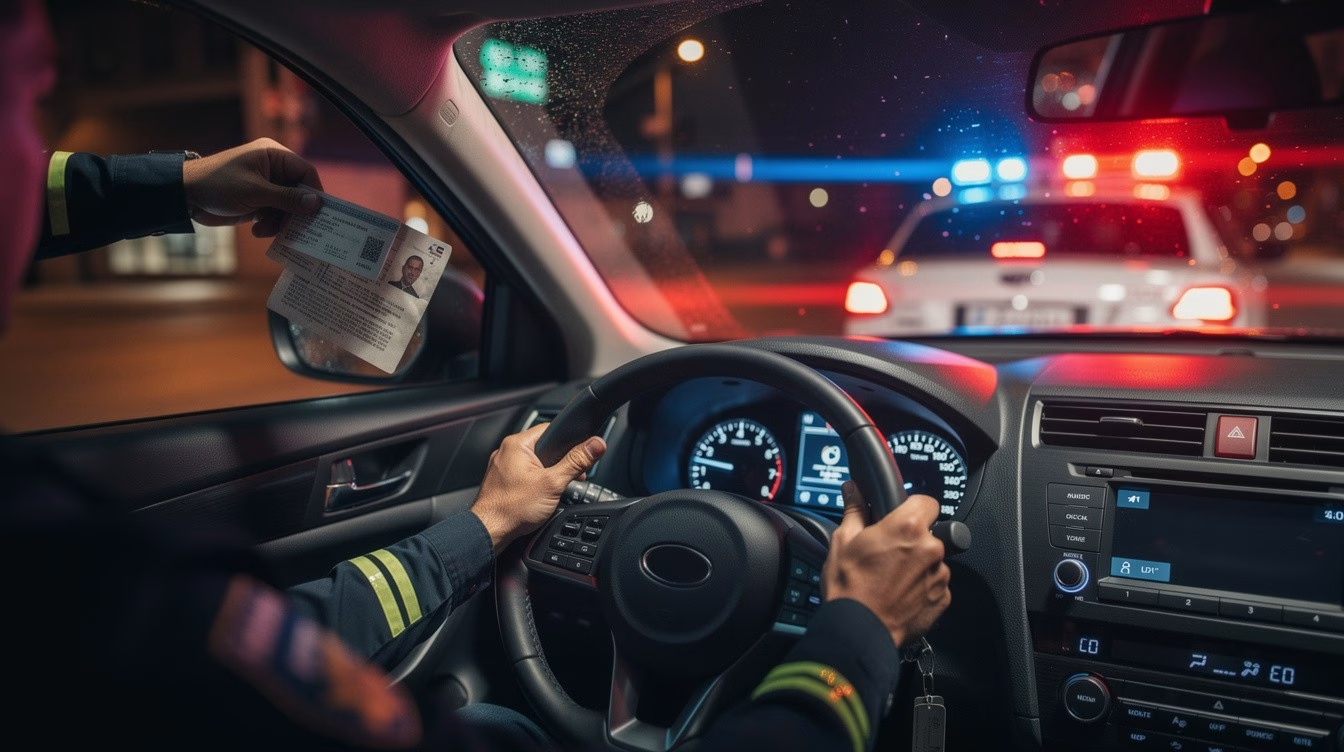
Getting pulled over by police triggers anxiety for many drivers. Not knowing what to say, how to act, or what your rights are makes the situation worse.
We at DriverEducators.com created this checklist to walk you through exactly what happens before, during, and after a traffic stop. You’ll learn how to handle yourself calmly and protect your driving record.
How to Prepare Before You Get Pulled Over
Organize Your Vehicle Documentation
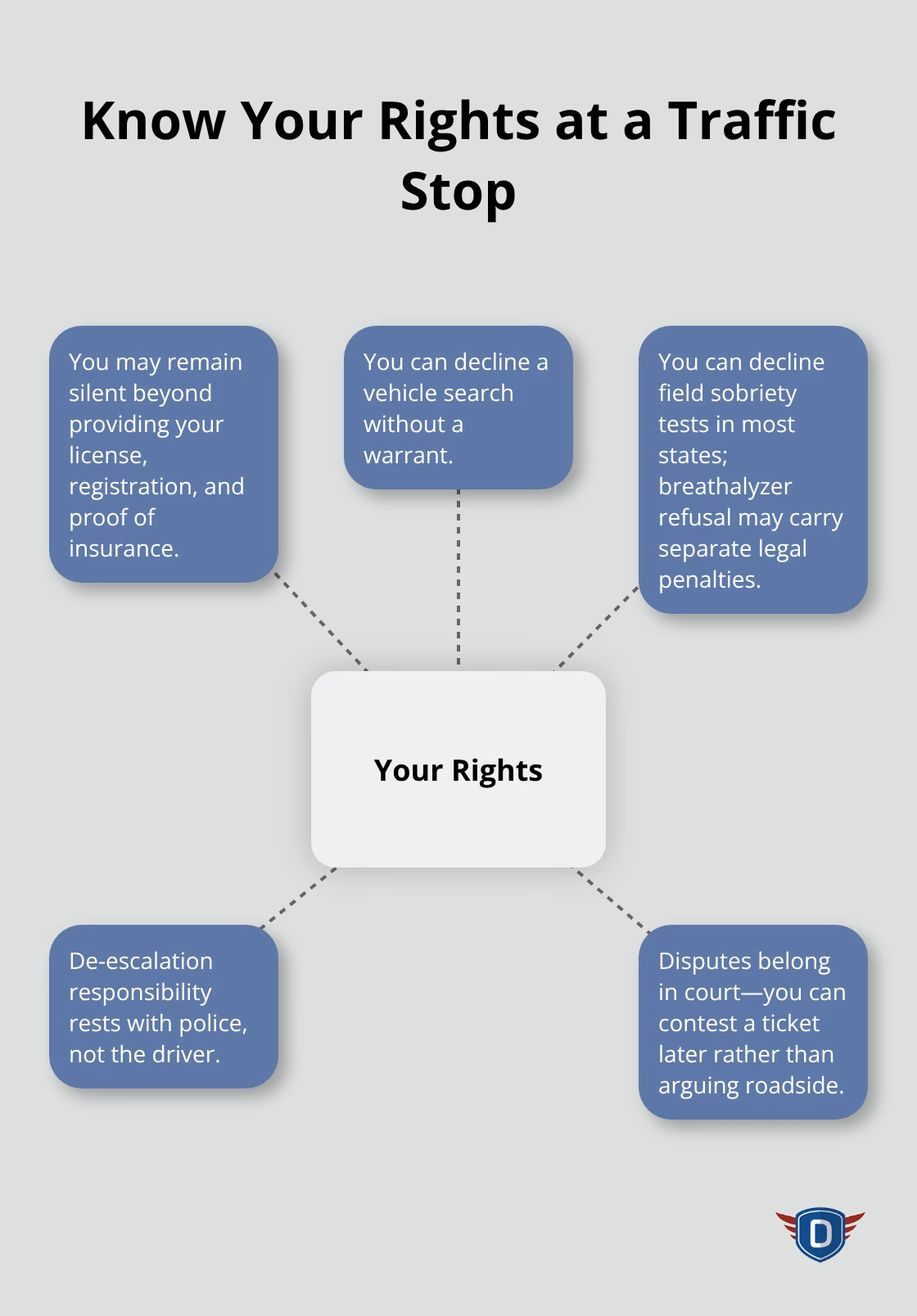
Police stops escalate quickly when drivers fumble through their car searching for documents. Officers become nervous when they cannot see your hands, and this tension makes the interaction worse. Store your driver’s license, proof of insurance, and vehicle registration in the same accessible location-your glove compartment or a small folder on your dashboard works best. When an officer asks for these documents, you can produce them instantly. If your documents sit in a difficult-to-reach spot, tell the officer exactly where they are before you move. This transparency prevents misunderstandings and keeps the interaction moving smoothly.
Know Your Rights During the Stop
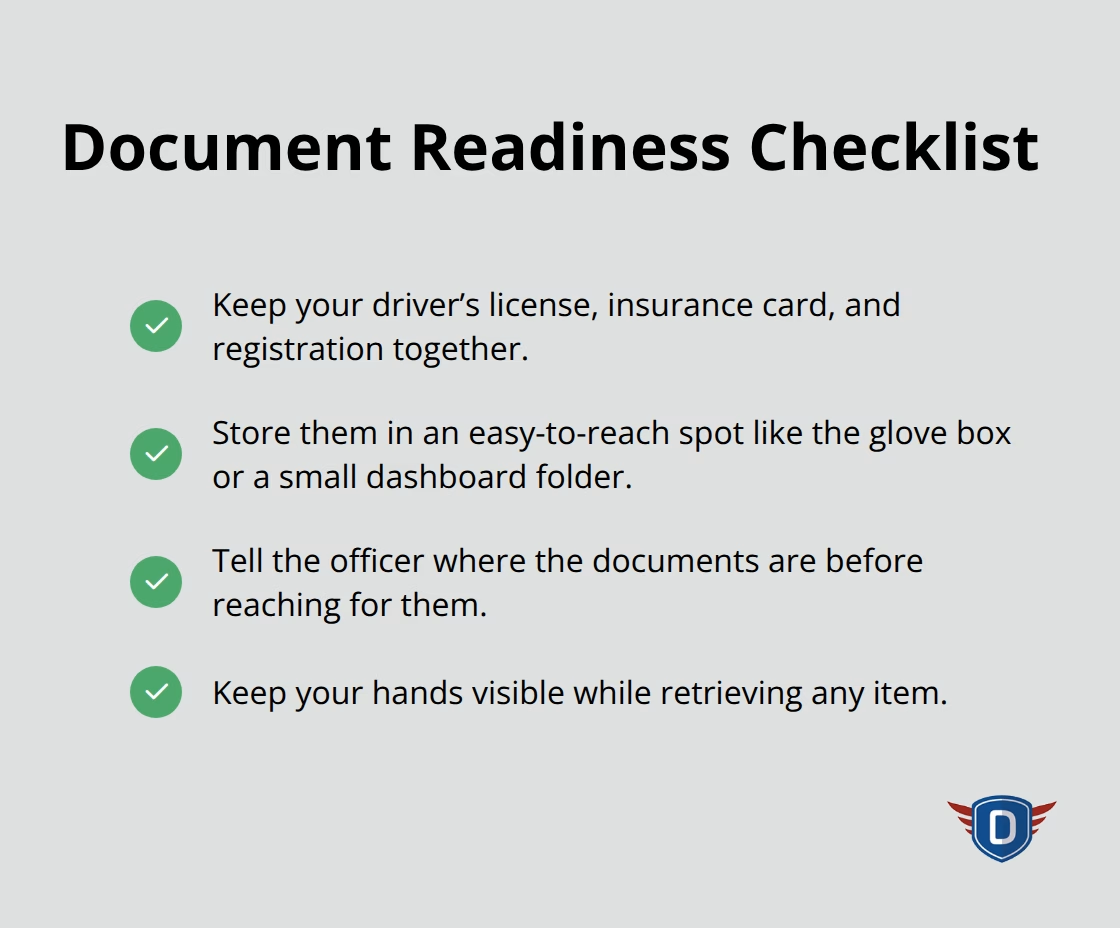
Understanding what officers can and cannot do removes fear from the situation. Your right to remain silent extends beyond providing your license, registration, and proof of insurance. You can decline a vehicle search without a warrant, and you can decline field sobriety tests in most states (though refusing a breathalyzer may carry separate legal consequences depending on your state’s implied consent laws). The burden of de-escalation rests with police officers, not with you as the driver. If you disagree with an officer’s decision at the scene, do not argue-you can contest the ticket in court through established legal channels instead.
Maintain Your Vehicle to Prevent Stops
Proper vehicle maintenance stops many traffic stops from happening in the first place. Broken taillights, expired tags, and worn windshield wipers are common reasons officers initiate stops. Check your lights, mirrors, tires, and windshield wipers monthly to catch problems early. A well-maintained vehicle signals to officers that you take road safety seriously and reduces the likelihood of being pulled over for equipment violations.
Understand Your Options After a Ticket
You have the right to contest a traffic ticket in court rather than paying immediately. Contesting the ticket can help you avoid points on your driving record and the insurance increases that follow. Many drivers pay tickets without realizing they can fight them, which costs them money and driving record points they could have prevented. Your next step after a stop depends on what the officer decides-a warning, a ticket, or an arrest.
What to Do the Moment Police Lights Appear
Activate Your Turn Signal and Find a Safe Location
When you see emergency lights in your mirror, activate your turn signal immediately and begin looking for a safe location to pull over. Choose a well-lit area away from heavy traffic if possible, as this protects both you and the officer. Pull to the side of the road completely, turn off your engine, and silence any audio or phone notifications.
Make Yourself Visible and Keep Your Hands in View
Interior lights matter at night-turn them on to increase visibility and show the officer you have nothing to hide. Keep your hands on the steering wheel where they are clearly visible, or place them in your lap if that feels more natural. Do not reach for your documents, phone, or anything else until the officer instructs you to do so. The American Association of Motor Vehicle Administrators and the International Association of Chiefs of Police emphasize that officers become tense when they cannot see a driver’s hands, and this tension can escalate a routine stop unnecessarily.
Communicate Clearly When the Officer Approaches
When the officer approaches your window, lower it and maintain a calm, neutral tone. If you have a weapon in your vehicle, inform the officer immediately and tell them exactly where it is located. Officers appreciate this transparency because it eliminates surprise and reduces their anxiety. If your license, registration, or insurance documents are not within immediate reach, tell the officer where they are before you move to retrieve them. Wait for acknowledgment before reaching.
Answer Questions and Know Your Boundaries
Answer questions directly and briefly, avoiding unnecessary conversation. You have your rights to decline a vehicle search without a warrant, and you can politely say no if an officer asks to search your car. You can also decline field sobriety tests in most states, though refusing a breathalyzer test may trigger separate legal consequences depending on your state’s laws. If an officer asks you to exit the vehicle, keep your hands visible and follow their directions precisely.
Handle the Stop’s Conclusion and Any Concerns
The stop will conclude with a warning, a ticket, or an arrest, and the officer will explain what happens next. If you believe the officer acted inappropriately, do not argue at the scene. Instead, contact the officer’s agency and request to speak with a supervisor as soon as possible after the stop ends. Understanding how to respond in these moments sets the stage for what comes after the lights stop flashing.
What Happens After the Officer Hands You a Ticket
Examine the Citation for Errors
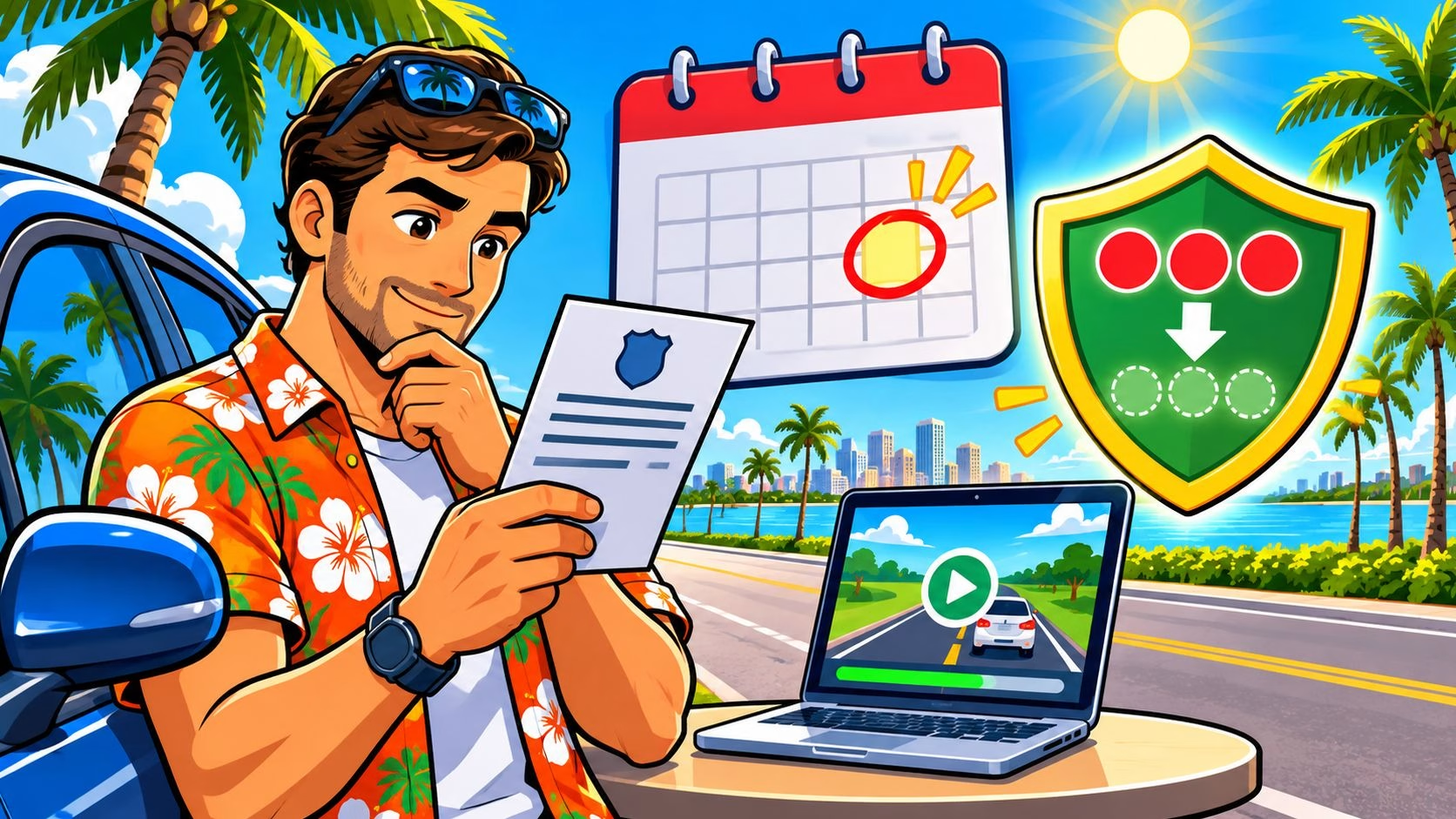
The moment the officer hands you a ticket, most drivers assume they must pay it. This assumption costs them money and driving record points they could have avoided. Paying a ticket functions as a guilty plea and locks in the consequences immediately. Instead, examine the citation carefully before taking any action. Check that the officer wrote the correct date, time, location, and violation. Look for inconsistencies in the officer’s description of what happened. Many citations contain errors that can be challenged in court, and these mistakes often lead to dismissals or reduced charges. If the officer cited you for a violation you did not commit, or if the stop itself was unlawful, these details matter in your defense.
Understand the Financial Impact of Paying
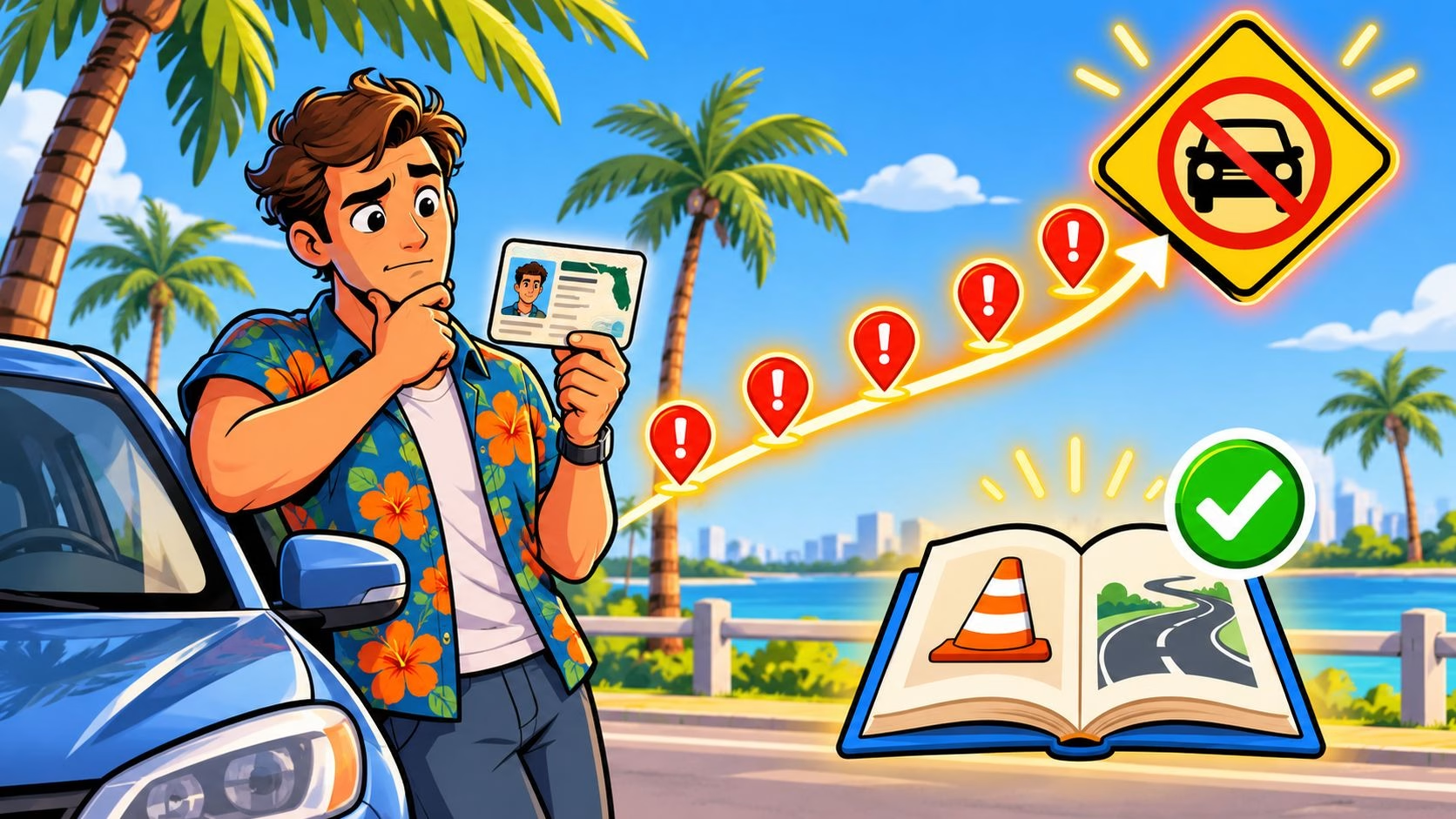
Contesting a traffic ticket in court protects your driving record and prevents insurance increases that follow a conviction. In Florida, a single moving violation can raise your insurance premiums by 15 to 20 percent over three years, according to insurance industry data. In Ohio, accumulating 12 points in two years triggers a six-month license suspension and requires a remedial driving class.
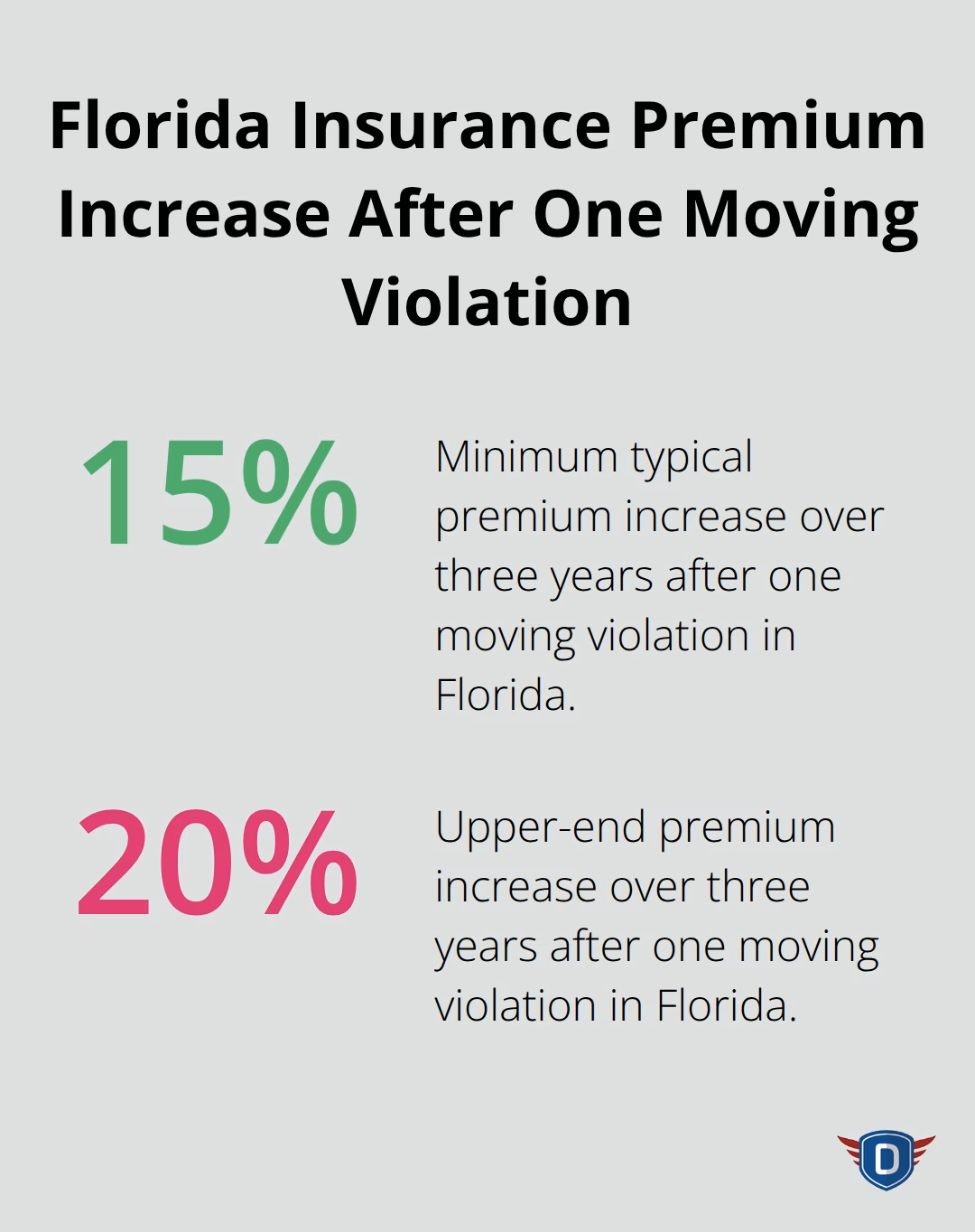
These consequences compound quickly, which is why fighting a ticket often makes financial sense. The cost of hiring an attorney frequently costs less than the insurance increases you’ll pay over the next three years.
Hire a Traffic Attorney to Review Your Case
Contact a traffic attorney in your area before paying or pleading guilty. Many attorneys offer free initial consultations and can review your citation without obligation. A local attorney understands how prosecutors in your jurisdiction handle similar cases and knows which judges are more receptive to certain defenses. Some attorneys can appear on your behalf in court, saving you time and stress. If you cannot afford an attorney, request a public defender at your first court appearance.
Explore Your Court Options
Your state’s court system allows you to request a trial by mail or appear via video conference in many jurisdictions, reducing the burden of attending court in person. These options make it easier to contest a ticket without taking time off work or traveling to the courthouse. Each jurisdiction has different procedures, so ask the court clerk about what options apply to your specific case. The flexibility available today makes contesting a citation more practical than ever before.
Final Thoughts
Traffic stop anxiety fades when you prepare in advance and understand what happens at each stage. The steps in this checklist work together to protect you before, during, and after an encounter with police. Organizing your documents, knowing your rights, and maintaining your vehicle prevent many stops from occurring in the first place, while staying calm and following proper procedures during the stop keeps the interaction safe and straightforward.
Your actions after the stop matter most for protecting your driving record and finances. Examine your citation for errors, understand that paying functions as a guilty plea, and contact a traffic attorney before taking any action. We at DriverEducators.com offer Florida-approved traffic school courses designed to help you reduce points, meet court requirements, and qualify for insurance discounts through our Basic Driver Improvement course.
Knowledge transforms traffic stops from frightening experiences into manageable situations you can handle with confidence. You have control over how you respond, and that control starts with the preparation outlined in this checklist.