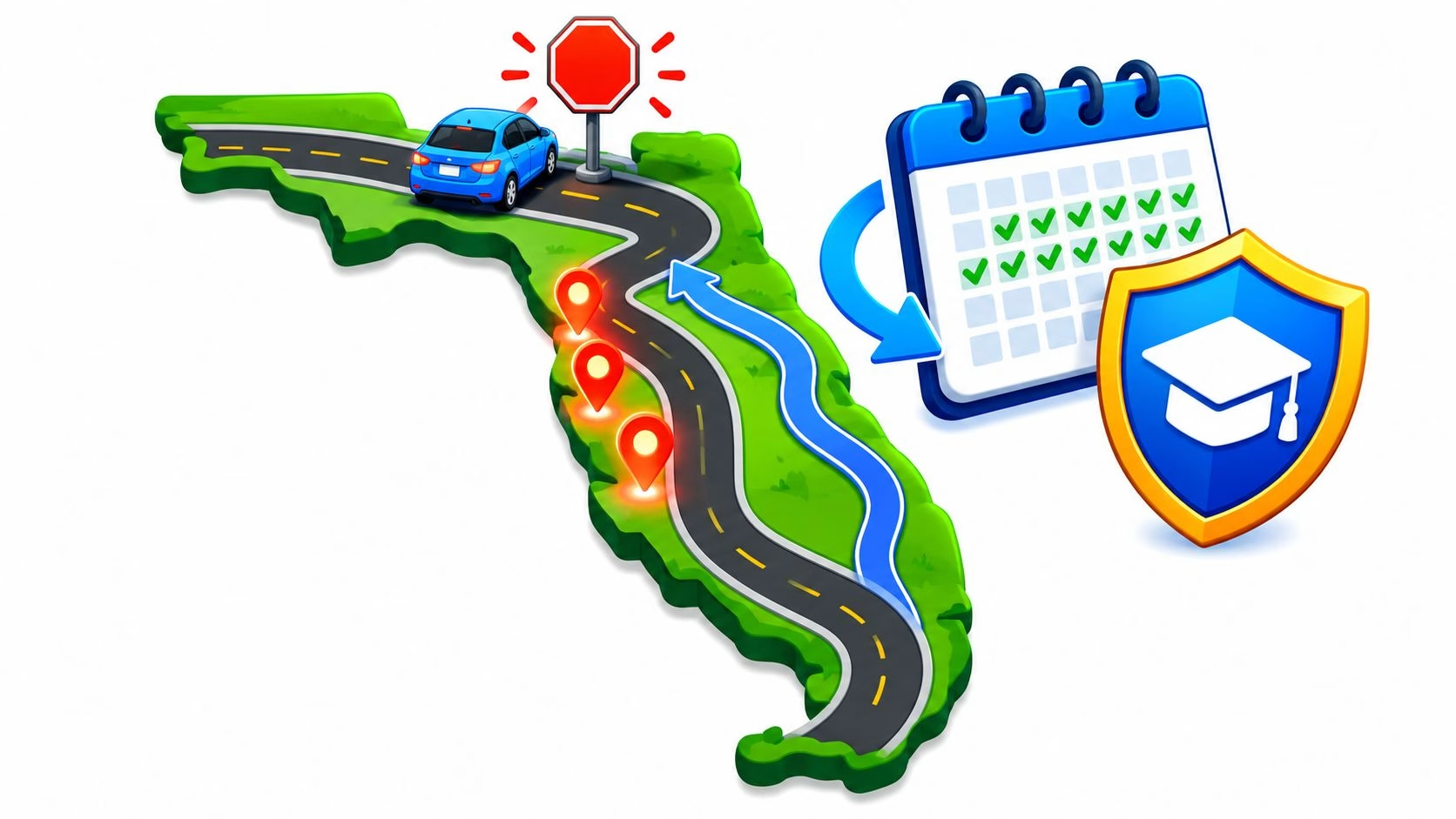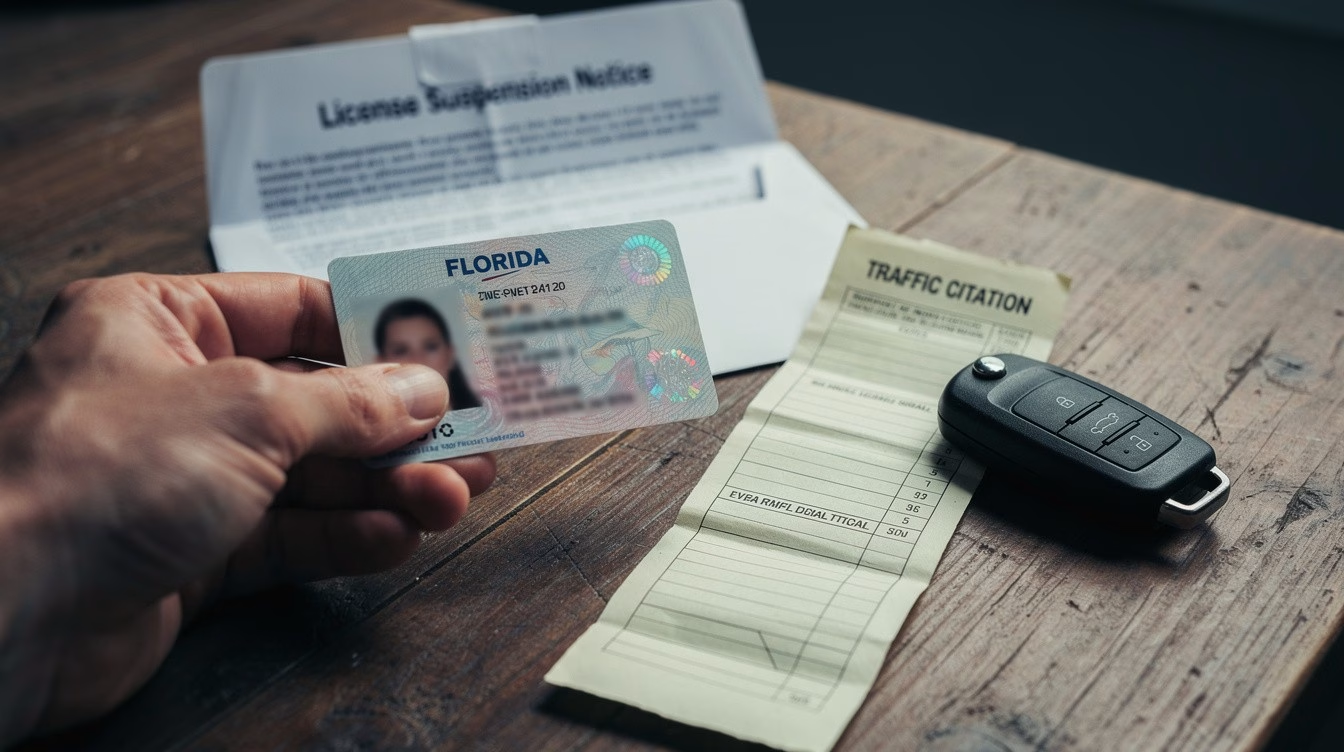
A missed deadline, the wrong course, or an unreported completion can turn a manageable traffic issue into a suspended license or additional fees. License compliance means meeting the driving-related requirements set by your state DMV, a traffic court, an insurance provider, or another authorized agency. The exact requirement depends on your situation, but the goal is the same: keep your driving privileges valid and resolve your obligation correctly.
For many drivers, an approved online course is part of that process. It may be required before a first license is issued, after a citation, following a court order, or to qualify for an insurance discount. Knowing what applies to you before you enroll helps you avoid wasted time and makes completion easier to document.
What License Compliance Means
License compliance is the process of satisfying the rules tied to your ability to obtain, keep, restore, or improve your driving privileges. These rules are not identical in every state. A course that is accepted for ticket dismissal in one county may not fulfill a licensing requirement in another.
Compliance can involve more than education. You may need to pay a fine, submit proof of insurance, complete a driving course, pass an exam, attend a hearing, or wait through a suspension period. When a course is required, it is usually one piece of a larger obligation.
The safest approach is to read the notice you received and confirm the course type, required completion date, and reporting instructions. If the notice is unclear, contact the court, DMV, clerk, probation office, or insurer named on the document before registering.
Common reasons drivers need a course
First-time drivers may need driver education, traffic law education, or a learner’s permit course before applying for a license. Requirements can vary by age, state, and whether the driver is completing a classroom, parent-taught, or online program.
Drivers with traffic citations may be eligible or ordered to take basic driver improvement. Depending on local rules, timely completion may help with ticket dismissal, point reduction, or preventing points from being added to a driving record.
A court can also require intermediate driver improvement, aggressive driver education, or a specialized course following serious or repeat violations. In these cases, the court order controls. Do not assume that a standard defensive driving course will be accepted as a substitute.
Mature drivers may voluntarily complete an approved course for an auto insurance discount. The savings, eligibility period, and renewal rules are set by the insurance company and state law, so confirm the details with your carrier before enrolling.
How to Identify the Right License Compliance Course
Start with the document that created the requirement. A citation, court order, DMV letter, insurance notice, or licensing checklist should identify the course name or category. Look for specific terms such as basic driver improvement, traffic school, traffic law and substance abuse education, driver education, or aggressive driver program.
Next, confirm who must approve the provider. The approving authority may be a state agency, a local court, or an insurance company. A provider can offer legitimate online education and still not be approved for your particular state, county, or requirement. Approval must match your situation.
Also check whether the agency requires advance permission. Some courts require you to elect traffic school before taking a course. Others allow a course only once within a certain period. Taking a class first and asking later can leave you responsible for both the course cost and the original penalty.
Before you begin, verify these practical details:
- The exact course title and required number of hours.
- The deadline for finishing the course and submitting completion.
- Whether the provider reports completion electronically or you must submit a certificate.
- The name, case number, citation number, or driver license number that must appear on your record.
- Any final exam, identity verification, or minimum score requirement.
These steps take only a few minutes, but they can prevent the most common compliance mistake: completing a course that does not satisfy the agency’s requirement.
Online Courses Can Make Compliance Easier
For drivers balancing work, family, or limited transportation, online education can reduce the disruption of meeting a requirement. Self-paced access allows you to work through course material when it fits your schedule, including from a phone, tablet, or computer when the course supports mobile learning.
Convenience does not remove the need for accuracy. Online courses may include timers, knowledge checks, identity questions, or final exams because state and court approvals often require them. These features are part of verifying that the enrolled student completed the program.
An online option is most useful when it is approved for your requirement, clearly explains its pricing, and provides a reliable completion process. Review the enrollment details before paying. Make sure you understand whether the listed price includes the certificate, electronic reporting, or other required processing.
DriverEducators.com offers online driver education and improvement options designed around the requirements drivers commonly face, including first-time licensing, traffic safety education, driver improvement, and insurance discount courses. As with any provider, confirm the course approval and acceptance requirements for your state, court, or insurer before enrollment.
Keep proof of completion
Save your completion certificate, receipt, and any confirmation number, even if the provider reports your completion electronically. Electronic reporting is convenient, but records can take time to update. Keeping your own documentation gives you a clear way to respond if a court, DMV, or insurer cannot immediately locate the report.
Check your driving record or case status after the expected reporting period. If your requirement is connected to a deadline, do not wait until the last day to see whether the completion posted correctly.
Avoid Delays That Can Affect Your License
The consequences of noncompliance vary, but they can include late fees, a missed ticket-dismissal opportunity, license suspension, reinstatement costs, or a requirement to appear in court. A course completion alone may not stop these outcomes if another item, such as fine payment or insurance proof, remains outstanding.
Deadlines deserve special attention. Courts and DMVs may measure time from the citation date, the judgment date, or the date printed on a notice. If you need a course to prevent a suspension, build in extra time for course completion and reporting instead of planning around the final hour.
Accuracy matters just as much. Enter your legal name, date of birth, driver license number, citation number, and case number exactly as requested. A small typo can prevent an electronic report from matching your record. If your information changes, contact the provider and the agency handling your case promptly.
If you have an active suspension, do not assume that finishing a course restores your license automatically. You may also need to pay a reinstatement fee, file proof of insurance, complete a suspension period, or receive formal clearance from the DMV. Follow the reinstatement instructions issued for your case.
Build Safer Habits While You Meet the Requirement
Compliance courses are not only administrative tasks. A quality program reviews the decisions that lead to crashes, citations, and higher insurance costs: speed management, following distance, impairment, distractions, right-of-way rules, and defensive driving techniques.
The best result is more than a completed certificate. It is leaving the course with practical habits you can use on the next commute, school run, or highway trip. Put the lessons to work by creating distance in traffic, setting your phone aside before moving the vehicle, and giving yourself more time than you think you need.
That approach matters because a clean record is easier and less expensive to maintain than it is to repair. Meeting the current requirement is the immediate priority, but safer choices can help you avoid the next one.
License Compliance FAQs
What is license compliance?
License compliance means meeting the legal and administrative requirements connected to your driver license or driving record. Requirements may come from a DMV, court, insurance company, or state licensing rule.
Can I take an online course for a traffic ticket?
Possibly. Online traffic school is accepted only when your court or local jurisdiction allows it and the provider is approved for that purpose.
Will completing a course remove a suspension?
Not always. A course may be one reinstatement requirement, but you may also need to pay fees, serve a suspension period, or provide required documents.
How do I know if a course is approved?
Check with the agency that issued your requirement and review the provider’s approval information for your state. Confirm the specific course, not just the provider’s general reputation.
Do I need to submit my certificate myself?
It depends on the course and agency. Some providers report completion electronically, while others require you to send or upload your certificate.
What happens if I miss the deadline?
You may lose eligibility for ticket dismissal, face additional penalties, or risk suspension. Contact the court or DMV immediately to ask what options remain.
Take the next step with the document in front of you, not with assumptions. Confirm the exact course and deadline, enroll early enough to finish without pressure, and keep your completion records until the requirement is fully cleared.