Every year, nearly 42,000 people die in traffic crashes in the United States, with human error responsible for about 94% of them. Defensive driving skills are your best defense against becoming a statistic.
At DriverEducators.com, we’ve seen firsthand how drivers who master these techniques dramatically reduce their accident risk and lower their insurance costs. This guide walks you through the strategies that work.
What Defensive Driving Really Means
Active Technique, Not Passive Caution
Defensive driving is not about being cautious or passive behind the wheel. It’s an active, technique-based discipline that treats every drive as an opportunity to anticipate and prevent crashes before they happen. The National Safety Council defines it plainly: driving to save lives, time, and money despite conditions and others’ actions. This means you scan the road constantly, adjust your speed based on actual conditions rather than posted limits, and maintain enough space around your vehicle to react when other drivers make mistakes.
The Five Core Principles That Work
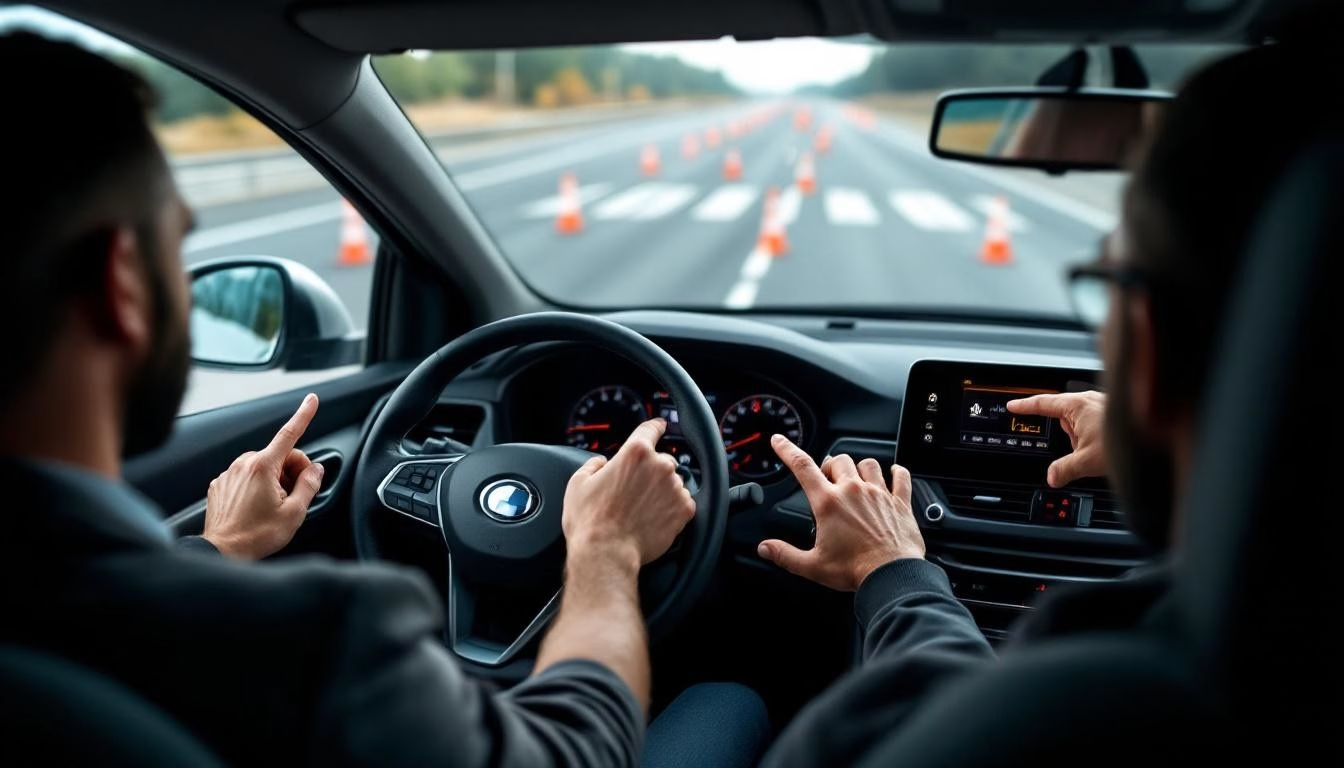
The Smith System, a framework used by professional drivers and fleet operators, teaches five core principles that work together. Try looking far ahead in your steering to spot hazards early. Get the big picture by checking your mirrors and blind spots regularly. Keep your eyes moving to catch hazards before they threaten you. Leave yourself an out by maintaining escape routes on every road.
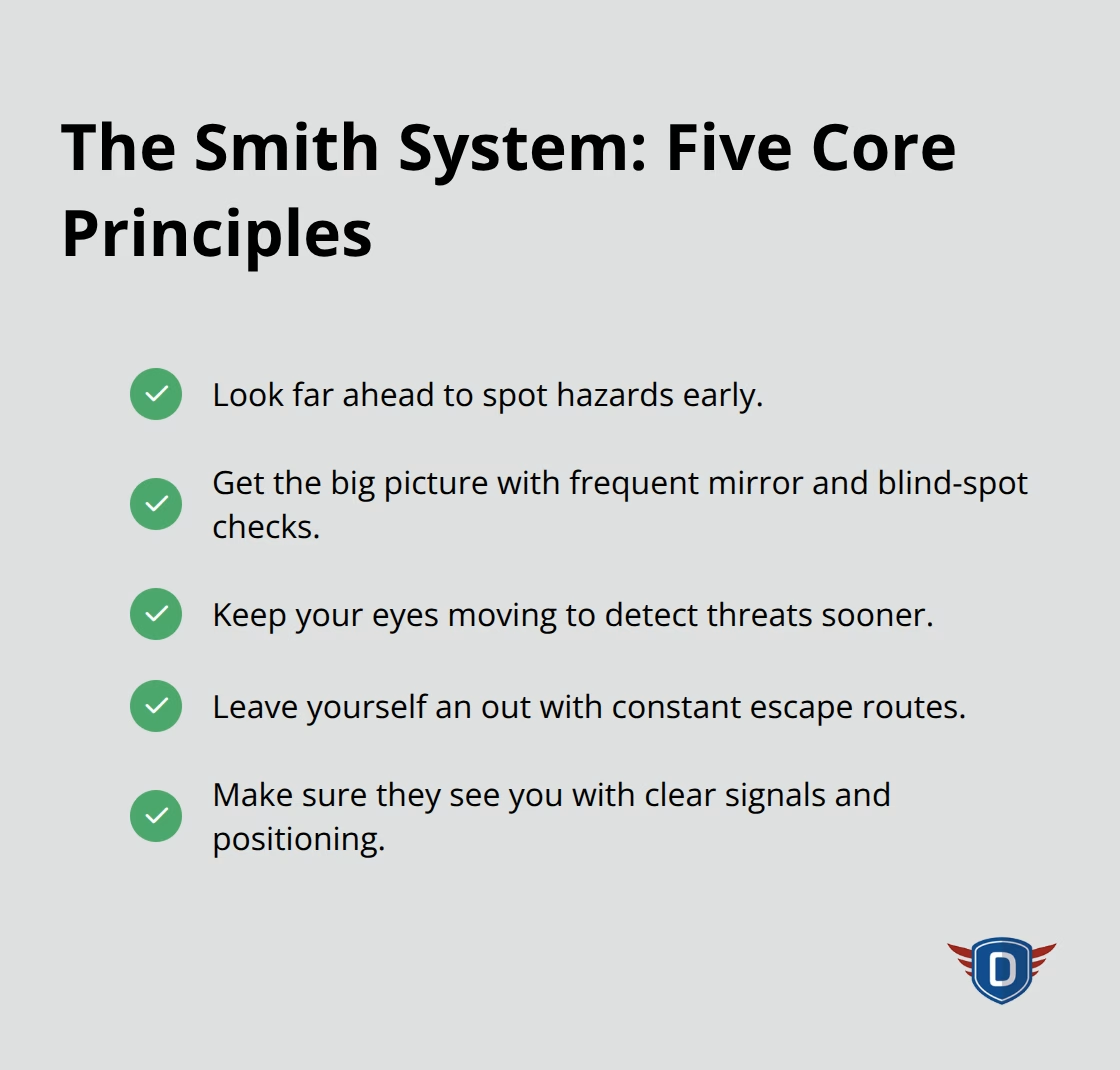
Make sure they see you through proper signaling and positioning. These aren’t suggestions or general safety tips-they’re specific actions you perform on every drive.
Why the Numbers Demand Action
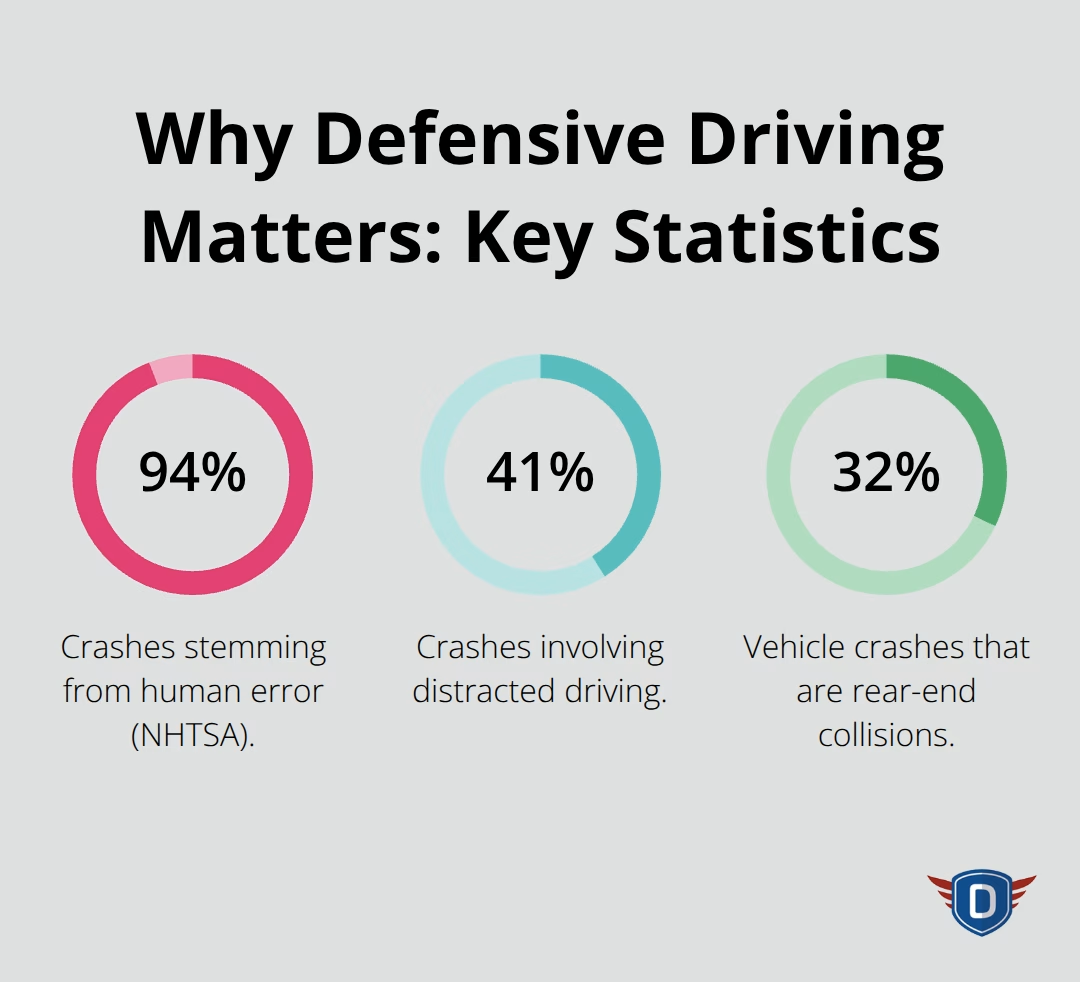
About 94 percent of crashes stem from human error, according to NHTSA, meaning the vast majority of accidents are preventable through better driver behavior. Distracted driving causes roughly 41 percent of all crashes, while false assumptions about other drivers’ actions contribute to about 33 percent of collisions. Drowsy driving alone caused 633 deaths in 2021. Drivers who complete defensive driving training show measurable improvements in hazard recognition and space management, directly reducing their accident risk.
The Financial Rewards of Safer Habits
The financial benefits are substantial. Many insurance companies offer discounts ranging from 5 to 10 percent for completing approved defensive driving courses. Safer driving habits mean fewer expensive repairs and lower maintenance costs over time. These savings add up significantly for drivers who maintain their skills consistently.
Building Skills That Last a Lifetime
Drivers who develop these skills early maintain them for life, protecting not only themselves but everyone sharing the road. The techniques you learn aren’t temporary fixes-they become part of how you drive. This foundation prepares you to handle the specific scenarios that test your abilities most, from aggressive drivers to sudden weather changes.
The Three Skills That Actually Stop Crashes
Why These Three Skills Matter Most
The gap between knowing defensive driving exists and actually performing it on the road comes down to three concrete skills that work together. You maintain proper following distance and speed control to match road conditions, not just the posted limit.
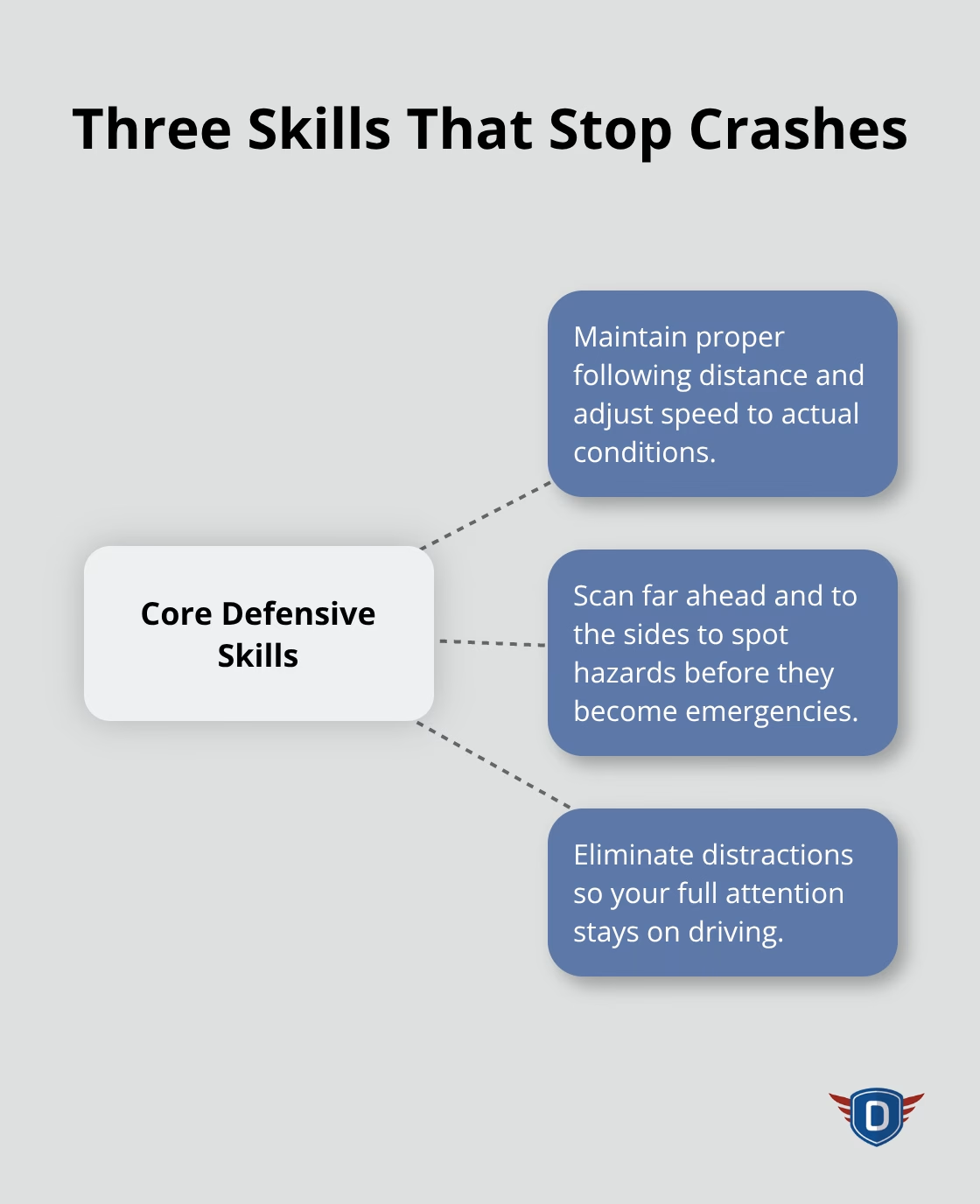
You scan ahead and to the sides constantly to spot hazards before they become emergencies. You eliminate distractions so your full attention stays on driving. These aren’t optional add-ons to safe driving-they’re the foundation that prevents crashes.
Master Following Distance and Speed Control
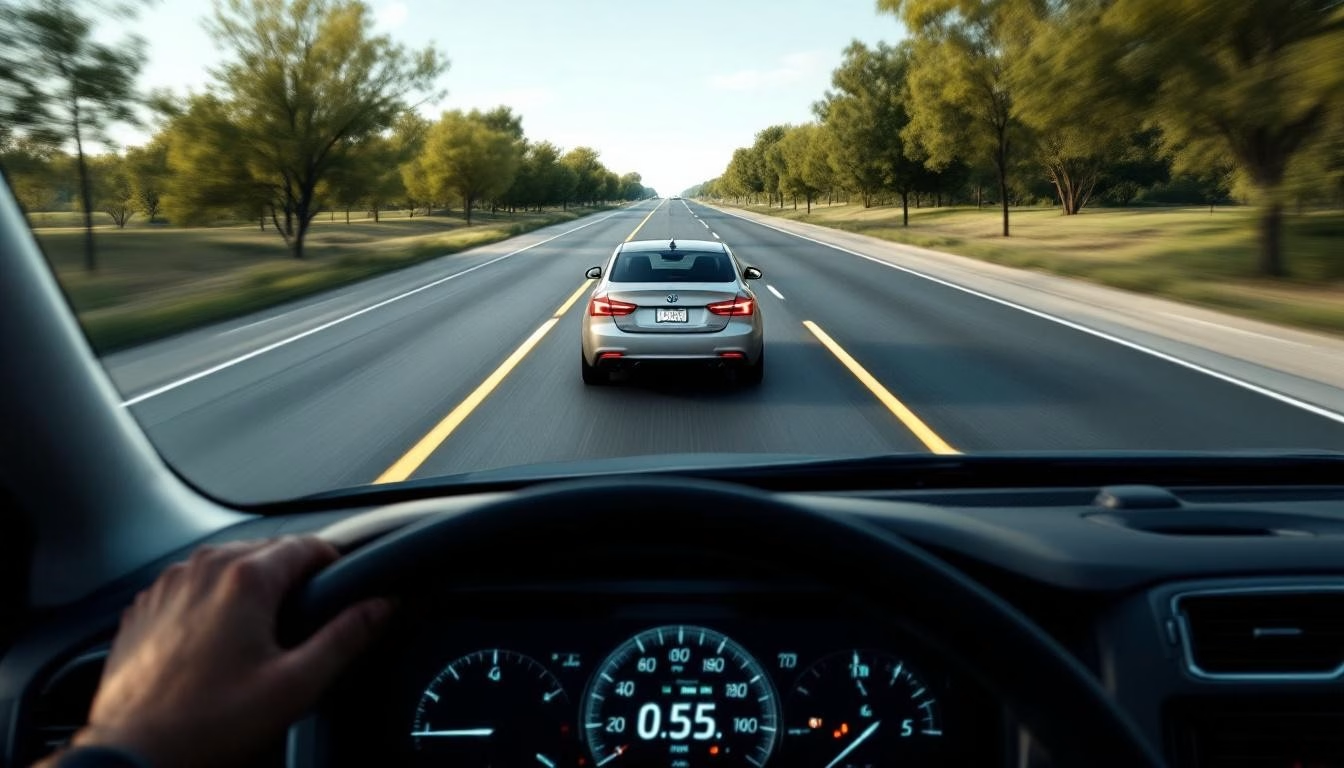
Following distance is where most drivers fail immediately. Rear-end collisions account for 32 percent of vehicle crashes, and nearly every one happens because a driver followed too closely. The standard recommendation is three to four seconds between your vehicle and the one ahead, which means at 55 mph you should be roughly 242 feet back. In rain or snow, increase this to six or eight seconds.
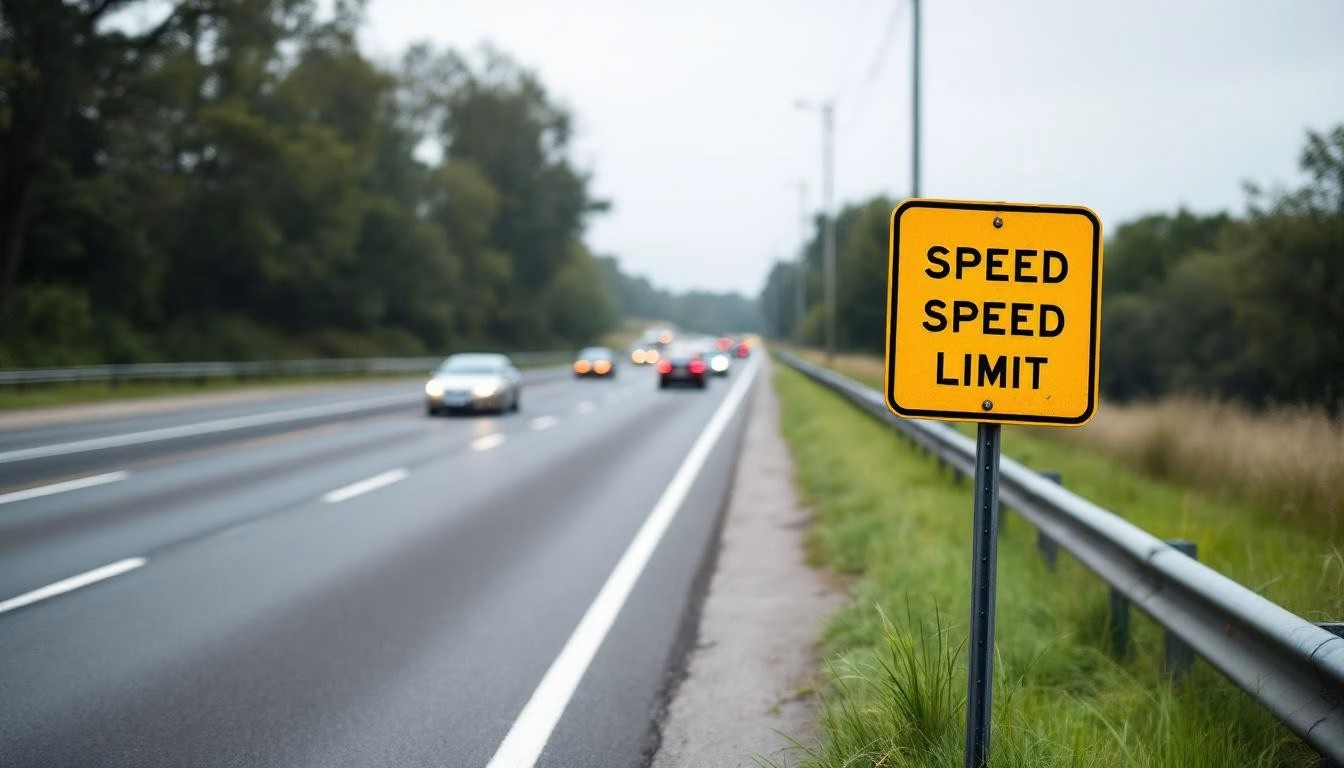
How do you measure it? Pick a fixed object ahead like a road sign, count the seconds from when the car in front passes it until your front bumper reaches it. If you count fewer than three seconds, you’re too close. Speed control goes hand-in-hand with distance-posted limits are maximums for ideal conditions, not targets. When visibility drops, roads are wet, or traffic is heavy, slow down to give yourself more reaction time and shorter braking distance. A driver going 45 mph in heavy rain stops faster and safer than one going 55 mph in the same conditions.
Scan Constantly to Catch Hazards Early
Scanning the road means looking far ahead where your vehicle will be in ten to fifteen seconds, checking your mirrors every five to eight seconds, and constantly sweeping your eyes across lanes to catch drifting vehicles or sudden obstacles. This isn’t casual glancing-it’s systematic movement that catches hazards early. Your eyes should move in a pattern that covers the road ahead, your mirrors, and your blind spots in a continuous cycle. This active scanning habit transforms how quickly you spot trouble.
Eliminate Distractions to Stay Alert
Distracted driving accounts for roughly 41 percent of all crashes, which is why managing distractions is non-negotiable. A text message takes your eyes off the road for about five seconds; at 55 mph that’s roughly 484 feet of driving blind. Put your phone in a location where you can’t reach it while driving. Keep radio volume low enough that you hear traffic sounds and emergency vehicles. Tell passengers that conversations shouldn’t pull your attention from the road.
These three skills work together-proper spacing gives you time to react when scanning reveals a hazard, and eliminating distractions ensures you stay alert enough to scan effectively in the first place. The real test comes when you face situations that demand all three skills at once, which is exactly what happens when aggressive drivers or sudden weather changes force you to respond instantly.
Real-World Situations That Test Your Skills
Handle Aggressive Drivers Without Escalation
Aggressive drivers force you into split-second decisions that separate competent drivers from those who crash. When someone tailgates you aggressively, your instinct might be to brake suddenly or match their hostility-both actions escalate the situation and create danger. Instead, move to the right lane at the first safe opportunity and let them pass, even if you’re driving at the legal limit. This single action removes the conflict entirely.
If you’re in a single-lane situation with no passing opportunity, find a safe shoulder or parking area and pull over briefly to let the tailgater go around you. Your goal is separation, not confrontation. Road rage incidents spike when drivers feel challenged or disrespected, so never make eye contact, gesture, or honk back at aggressive drivers. Keep your doors locked and windows mostly closed if someone approaches your vehicle. If threats escalate, drive to a police station or well-lit public area rather than pulling over on a deserted road.
You cannot change that driver’s behavior, but you absolutely can prevent yourself from becoming part of their incident.
Adjust Speed and Technique for Adverse Weather
Adverse weather and poor visibility demand that you abandon posted speed limits entirely and treat them as irrelevant to your actual driving speed. Rain increases braking distance dramatically because tire grip decreases when water sits between the tire and pavement. In heavy rain, increase your following distance to eight or ten seconds instead of three to four seconds, and reduce your speed to 35 or 40 mph even if the limit is 55 mph.
Snow and ice are exponentially worse than rain. If you live in areas with winter weather, equip your vehicle with snow tires or quality all-weather tires before the season arrives. Snow tires can reduce stopping distance by roughly 30% in cold, snowy conditions, while all-weather tires provide only marginal improvement over summer tires in snow. Fog creates a false sense of safety because you can see the road directly ahead, but your ability to spot hazards at distance collapses. Reduce speed further in fog and use low-beam headlights, never high beams, since they reflect off the fog and worsen visibility.
Poor visibility also means other drivers struggle to see you, so keep headlights on and consider hazard lights if you’re driving significantly slower than traffic flow.
Respond Correctly to Emergency Situations
Emergency situations like blown tires or brake failure require that you stay calm and follow specific procedures rather than panic. If a tire blows, grip the wheel firmly, ease off the accelerator, and coast to a safe stop on the shoulder without slamming brakes. If brakes fail, pump the pedal repeatedly to build pressure, then use the parking brake gradually while steering to safety.
Unexpected obstacles like debris or animals demand that you look far enough ahead to spot them early, which is why the scanning techniques covered earlier prevent most emergency situations before they develop. The National Highway Traffic Safety Administration reports that 633 deaths resulted from drowsy driving in 2021 alone, so if you feel fatigue building during a drive, stop at a rest area and take a 20-minute nap rather than push through and risk becoming a statistic.
Final Thoughts
Mastering defensive driving skills transforms how you approach every drive by turning awareness into action. The techniques covered in this guide-maintaining proper following distance, scanning constantly for hazards, and eliminating distractions-work together to prevent crashes before they happen. These aren’t theoretical concepts; they’re concrete actions that directly reduce your accident risk and lower your insurance costs.
The statistics are clear: 94 percent of crashes stem from human error, which means the vast majority of accidents are preventable through better driver behavior. When you apply defensive driving skills consistently, you protect not only yourself but every person sharing the road with you (pedestrians, cyclists, and other drivers all benefit when you stay alert and adjust your speed to conditions). Drivers who develop these skills early maintain them for life, creating a foundation that handles everything from sudden weather changes to unexpected obstacles.
If you’re ready to strengthen your defensive driving abilities, we at DriverEducators.com offer comprehensive programs designed to help you master these essential techniques. Our online defensive driving courses include instruction tailored to your needs, whether you’re seeking to improve your skills, meet court requirements, or qualify for insurance discounts. Start protecting yourself and others on the road today by taking the next step toward becoming a truly defensive driver.