How long is a driver education course? The answer depends on which course you’re taking and your learning pace.
At DriverEducators.com, we know that Florida drivers need clear answers about time commitments before enrolling. Whether you’re completing a court-ordered course or working toward an insurance discount, understanding course length helps you plan ahead.
How Long Each Florida Traffic School Course Takes
Course Duration by Type
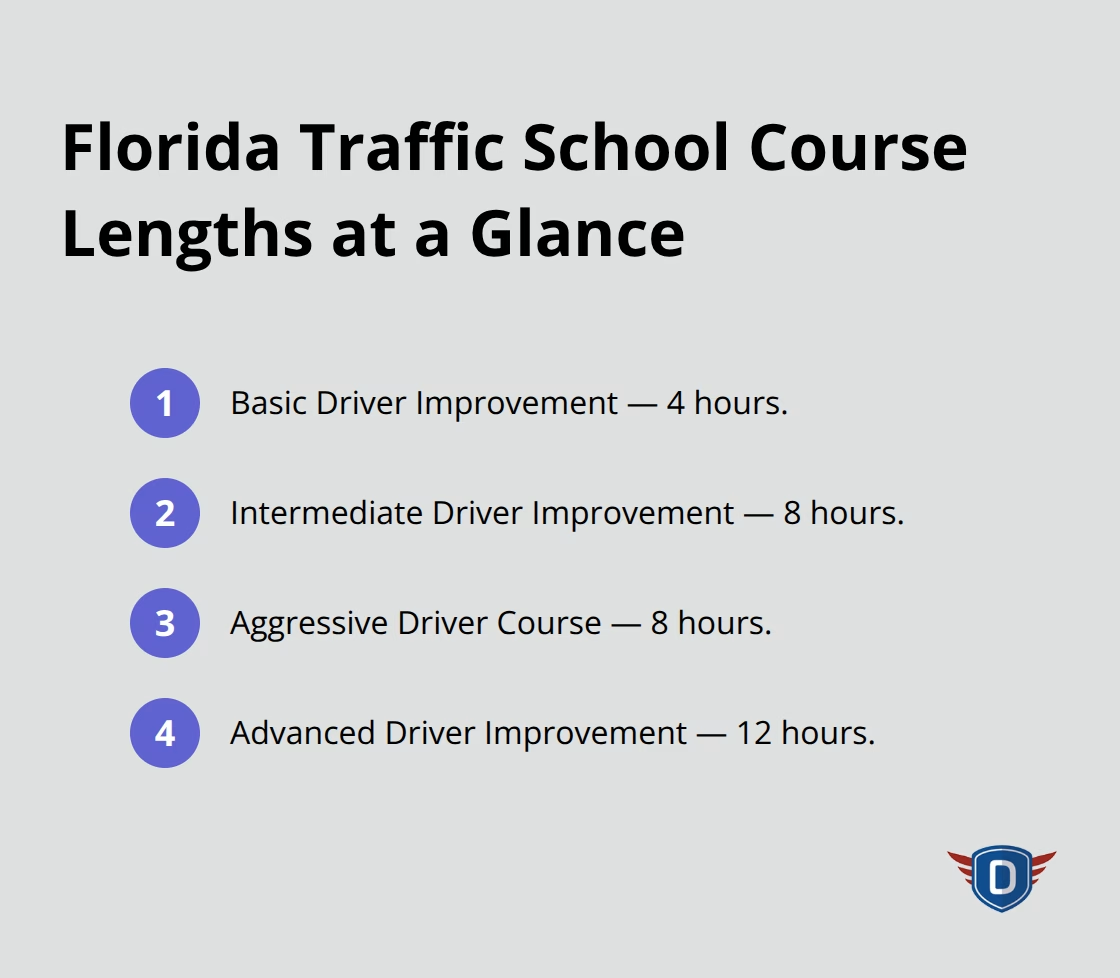
Florida traffic school courses range from 4 to 8 hours depending on the violation and your circumstances. The Basic Driver Improvement course takes 4 hours and targets drivers with a single moving violation who want to avoid points on their license. This is the shortest option and works well if you’re dealing with a minor traffic infraction. The Intermediate Driver Improvement course runs 8 hours and serves drivers with more serious violations or court orders requiring completion. The Aggressive Driver Course also spans 8 hours and is specifically for drivers cited for road rage or reckless behavior, with content focused on behavioral change and responsibility. The 12-hour Advanced Driver Improvement course is designed for drivers whose license has been suspended and addresses more serious driving violations.
How Self-Paced Learning Affects Your Timeline
The actual time you spend completing these courses depends heavily on whether you can dedicate uninterrupted blocks to studying or if you prefer spreading sessions across multiple days. Our online courses are self-paced and fully online, so you control the schedule. Someone taking the 4-hour Basic course could finish in a single afternoon, while another person might split it into two 2-hour sessions over a week. The 8-hour courses offer similar flexibility. One practical consideration: many drivers complete courses faster than they expect because the content moves efficiently without unnecessary padding.
Why Pacing Matters for Real Learning
However, rushing through without absorbing the material defeats the purpose. The real value comes from understanding Florida’s traffic laws, defensive driving techniques, and how your decisions affect safety. You should allocate enough time to absorb each section rather than simply clicking through to finish. Insurance companies and courts recognize that drivers who engage thoughtfully with the material tend to make better decisions on the road. This is why the course structure emphasizes real-life scenarios over pure memorization, and why your next step involves selecting the right course for your specific situation.
What Controls How Fast You Finish
Self-Paced Learning Puts You in Control
The clock on your driver education course does not tick the same way for everyone. Your completion speed hinges on three concrete factors that directly impact when you submit your final quiz. Self-paced learning means you control the schedule entirely. If you have four uninterrupted hours available on a Saturday afternoon, you can finish the Basic Driver Improvement course that same day. If you can only carve out 45 minutes before work three times a week, you will spread the same course across multiple weeks. This is not a limitation-it is freedom. You are not locked into classroom schedules or waiting for the next session to start.
However, this flexibility also means procrastination becomes your real enemy. Studies on online learning show that students who delay starting courses take significantly longer to finish than those who begin within 48 hours of enrollment. The urgency of a court deadline or insurance deadline actually helps some drivers move faster because the external pressure creates accountability.
Your Learning Speed and Prior Knowledge Shape Your Timeline
Your personal learning speed and prior knowledge of Florida traffic laws directly affect how long you spend on each module. A driver who already understands right-of-way rules and safe following distances will move through those sections faster than someone encountering these concepts for the first time. Your existing familiarity with traffic safety content acts as a foundation that accelerates your progress through the material.
Technical Setup Determines Your Momentum
Your device and internet connection matter more than most people realize. A slow connection causes videos to buffer, quizzes to load sluggishly, and progress to stall unexpectedly. Test your internet speed before starting-try for at least 5 Mbps download speed-to prevent frustration that kills momentum. A desktop or laptop provides smoother navigation than a phone and reduces the likelihood you will abandon a session halfway through due to screen size frustration. The technical setup you choose at the start directly predicts whether you will finish in one focused weekend or stretch it across several scattered sessions.
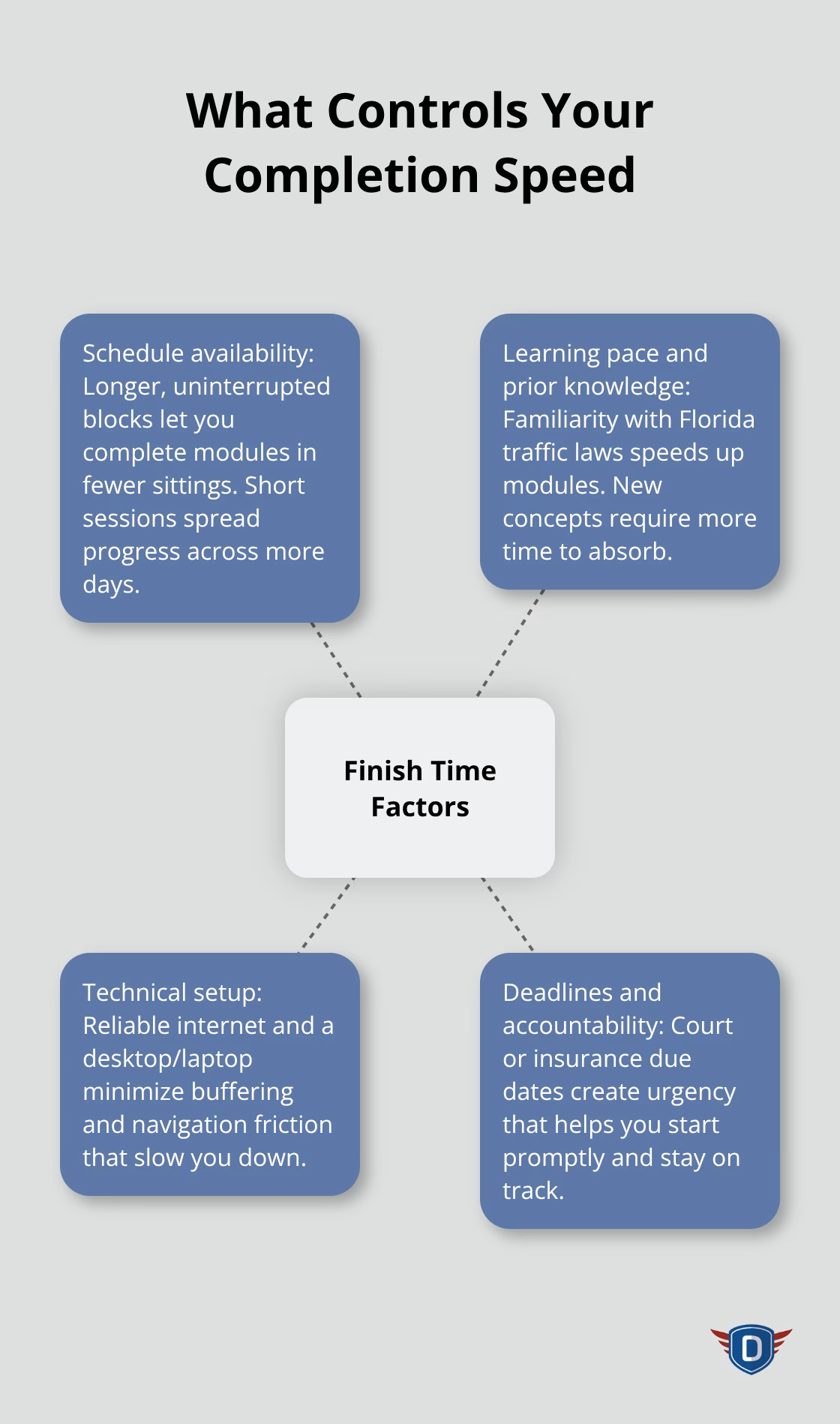
These three factors work together to shape your experience. Your schedule flexibility, learning pace, and technical environment combine to determine not just how long you take, but also how effectively you absorb the material. Once you understand what controls your timeline, you can select the specific course that matches both your violation and your circumstances.
Why Course Length Matters
Florida traffic school courses exist for one reason: to change driver behavior and protect lives. The length of your course directly connects to whether you satisfy legal requirements, qualify for insurance savings, and actually internalize safer driving habits. Understanding this connection helps you see course completion not as a box to check, but as an investment in your driving record and wallet.
Court Orders Create Hard Deadlines
Court orders and traffic citations create hard deadlines that make course length non-negotiable. When a judge orders you to complete traffic school, Florida law specifies exactly which course satisfies that mandate based on your violation severity. The 4-hour Basic Driver Improvement course handles single moving violations, while the 8-hour Intermediate course addresses more serious offenses or repeated violations. Missing this requirement does not simply delay your case-it triggers license suspension and potential fines. The specific course length matters because Florida statute ties completion directly to point reduction and eligibility to reinstate your license. This is why knowing upfront whether you need 4 hours or 8 hours prevents costly delays and legal complications.
Insurance Discounts Offset Your Time Investment
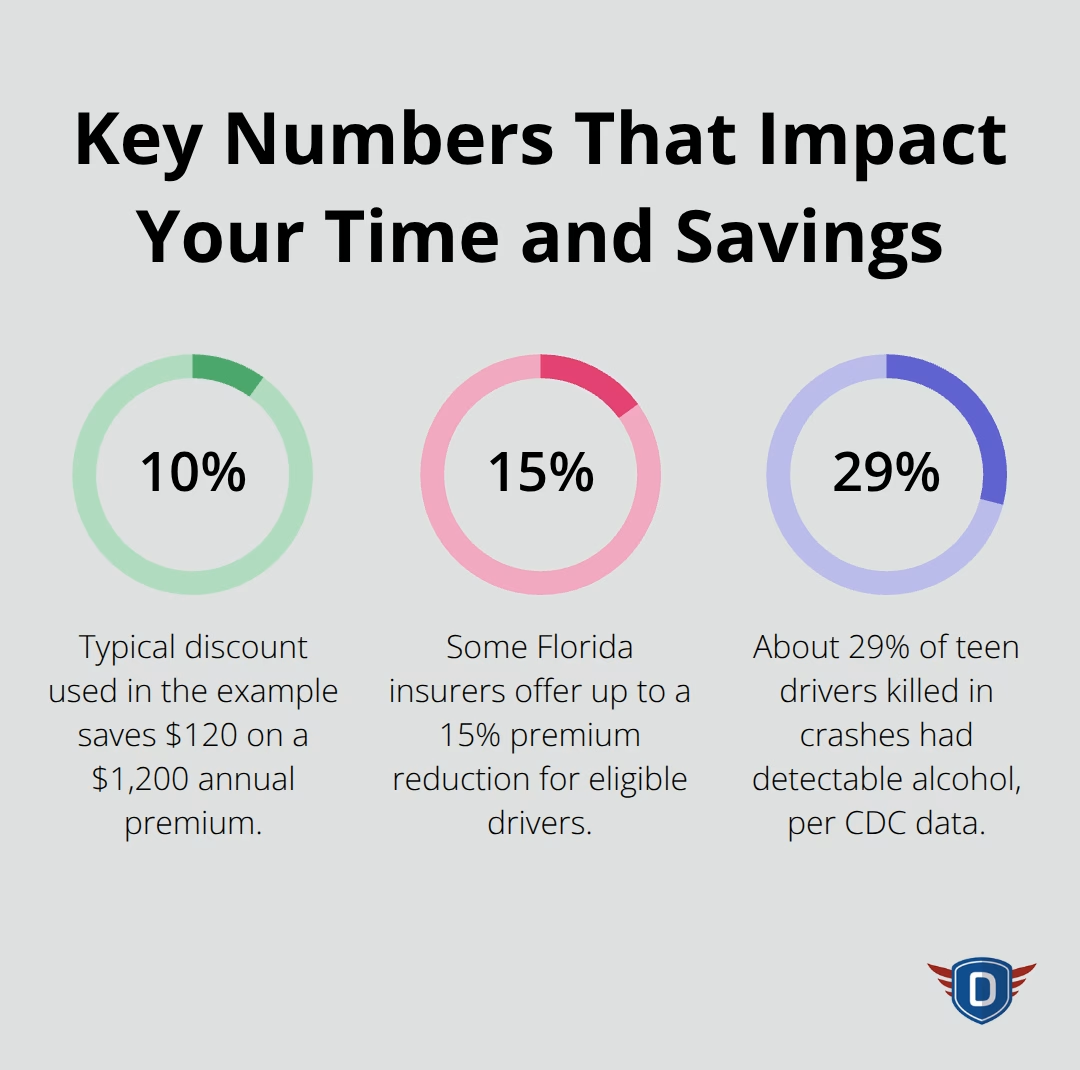
Insurance companies reward traffic school completion with measurable discounts that justify the time investment immediately. Most insurers in Florida offer 5–10% premium reductions for drivers who complete an approved traffic school course, and some offer up to 15% for certain violations. On an average auto insurance policy costing around $1,200 annually, a 10% discount saves $120 per year.
Complete an 8-hour course over two weekends, and you recoup that time investment in savings within weeks. Insurance companies recognize that drivers taking traffic school seriously tend to file fewer claims, which is why they incentivize completion. The longer 8-hour courses qualify for the same insurance discounts as shorter courses in most cases, so taking the appropriate course for your violation is what matters.
Structured Learning Rewires Decision-Making
The real power of structured course content lies in how it rewires decision-making on the road. Traffic school curriculum covers defensive driving techniques, safe following distances, right-of-way rules, and the documented dangers of aggressive and distracted driving. Federal data from the CDC shows that new drivers aged 16–19 crash at three times the rate of drivers aged 20 and older, and about 29% of teen drivers killed in crashes had detectable alcohol. Traffic school content directly addresses these risk factors through real-life scenarios rather than abstract rules. A driver who completes the 8-hour course spends twice as long absorbing these concepts compared to the 4-hour course, creating deeper behavioral change. This extended engagement with material matters because the first three months after licensure represent peak crash risk. Structured learning compressed into 4 to 8 hours forces you to confront your driving habits in ways that casual experience never does.
Final Thoughts
Florida traffic school courses range from 4 to 8 hours depending on your violation, but the actual time you invest depends entirely on your schedule and learning pace. The Basic Driver Improvement course takes 4 hours for single moving violations, while the Intermediate and Aggressive Driver courses require 8 hours for more serious offenses. Online self-paced learning means you control when and how you absorb the material, completing a 4-hour course in one afternoon or spreading it across a week without losing effectiveness.
Course completion delivers three concrete benefits that justify your time investment. Court orders require specific courses to satisfy legal mandates and avoid license suspension, while insurance companies reward completion with 5 to 10 percent premium reductions that offset your time investment within weeks. Most importantly, structured content on defensive driving, safe following distances, and the dangers of aggressive driving rewires how you make decisions on the road-and that behavioral change matters far more than how long the course takes.
At DriverEducators.com, we offer Florida-approved programs that are fully online, self-paced, and available in English, Spanish, and Portuguese. Certificates issue electronically and report directly to the FLHSMV upon completion, so you meet all state requirements without hassle. Start your course today at DriverEducators.com and take control of your driving record and insurance costs.