Your first driving lessons prep sets the tone for your entire driving journey. Nervousness is normal, but knowing what to expect makes a real difference in how you perform behind the wheel.
We at DriverEducators.com have guided thousands of new drivers through their first lessons, and we’ve learned what actually works. This guide walks you through everything you need to know before that first ride.
Your First Lesson Timeline and What Happens
How Long Your First Lesson Lasts
Your first lesson typically lasts between 1.5 and 2 hours, though this varies depending on your instructor’s approach and your comfort level. The structure breaks into three distinct phases, each building on the last.
Meeting Your Instructor and Setting Goals
The first 15 to 20 minutes focuses on meeting your instructor and discussing your goals, any concerns you have, and what you hope to accomplish over your lessons. This conversation matters because instructors tailor their teaching style based on what they learn about you. Some new drivers want to hit the road immediately, while others need more time understanding the vehicle first. A good instructor listens and adapts to your pace.
Vehicle Familiarization in a Safe Environment
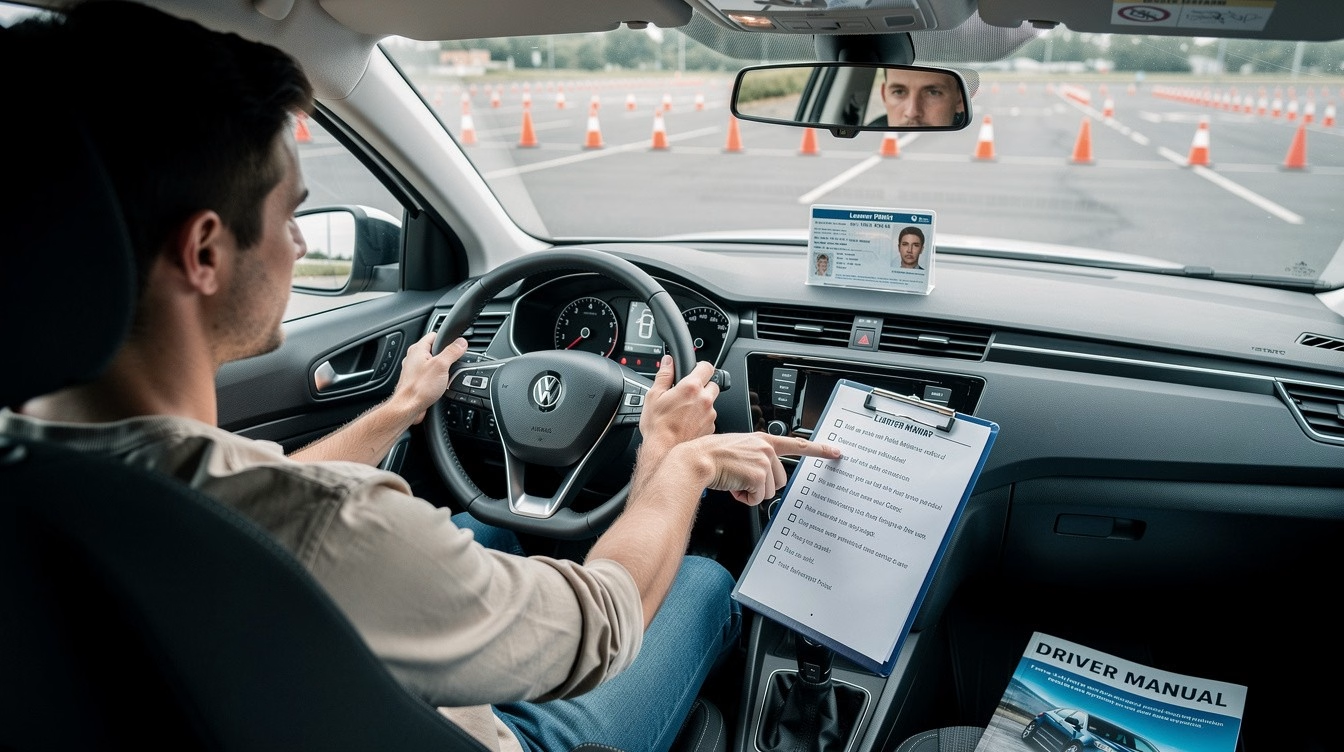
The next 20 to 30 minutes covers vehicle familiarization in a parking lot or quiet area. Your instructor walks you through the pedals, steering wheel adjustments, mirror positioning, seat height, and dashboard controls. You’ll learn where the ignition is, how to start the engine safely, and how the transmission works if you’re driving an automatic. This hands-on exploration removes confusion later when you’re actually driving.
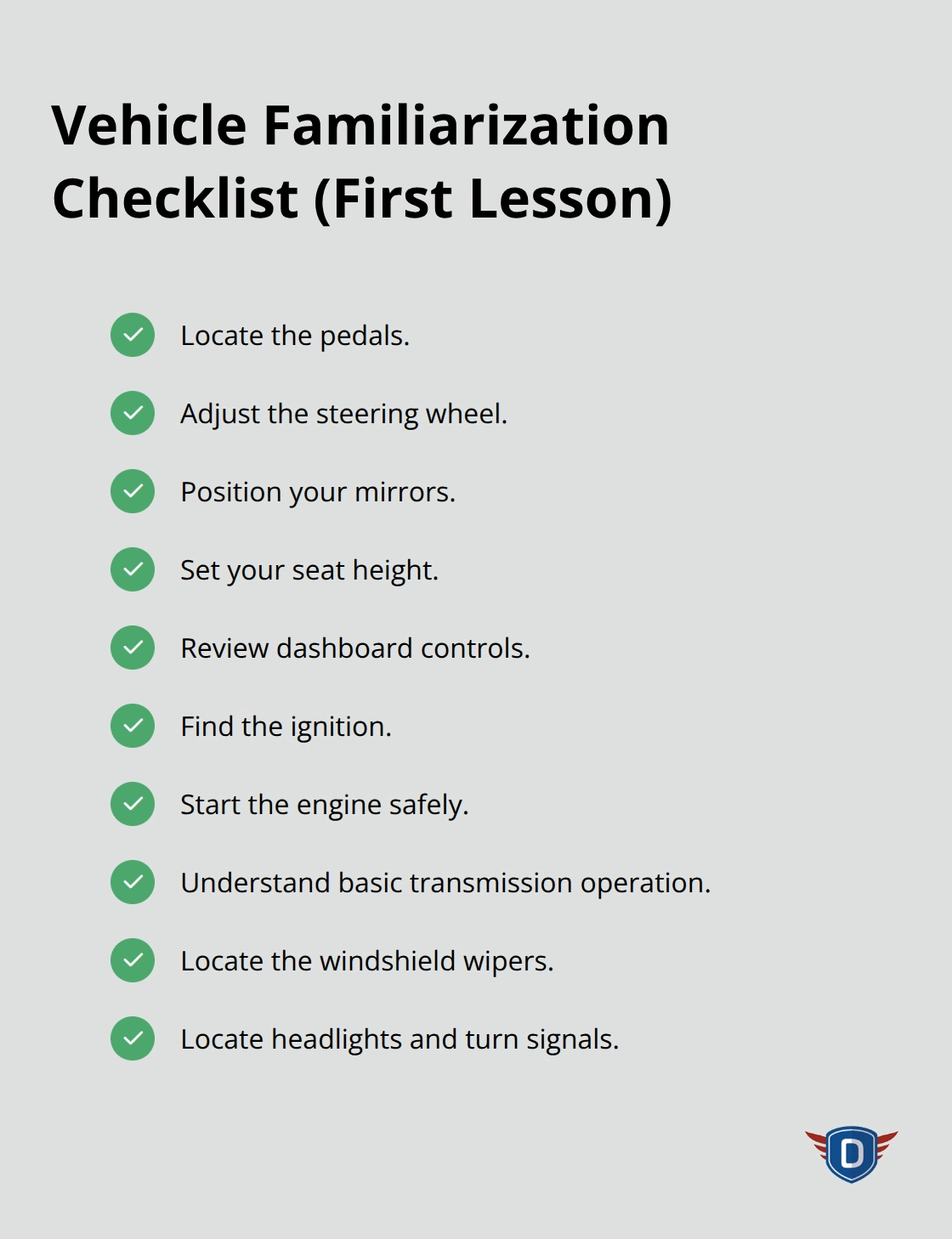
You’ll practice locating the windshield wipers, headlights, and turn signals without pressure.
Your First Time Behind the Wheel
The remaining time involves actual driving, usually in low-traffic residential areas or empty parking lots where you can practice basic acceleration, braking, and steering without the stress of other vehicles. Most instructors have you start and stop the car multiple times to build muscle memory. They watch your steering grip, your use of mirrors, and how smoothly you accelerate and decelerate. Your instructor provides feedback immediately, pointing out what you did well and what needs adjustment. Learning essential safe driving techniques during these early sessions builds the foundation for confident driving.
What to Expect After Your First Lesson
Don’t expect to feel confident after one lesson, and your instructor won’t expect that either. The goal is exposure and foundation-building, not mastery. Your next lesson builds directly on these basics, introducing more complex driving scenarios and techniques. Consider exploring driver education resources to reinforce what you learn during your lessons.
The Four Core Techniques Every New Driver Must Master
Starting and Stopping with Control
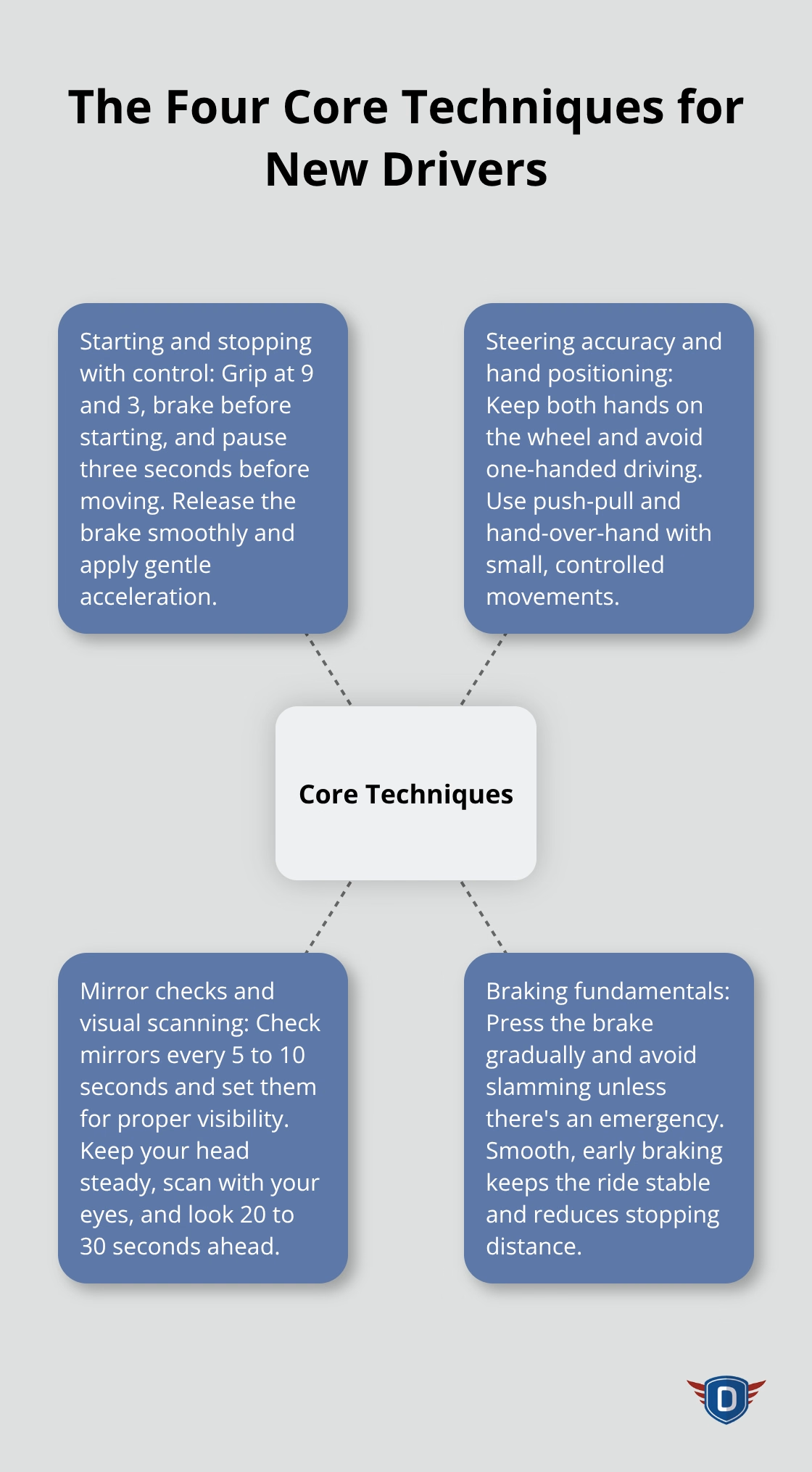
Starting a car feels simple until you’re actually doing it, which is why this skill matters more than most drivers realize. Grip the steering wheel at the 9 and 3 o’clock positions, not at the top like you’re holding a pizza box. Press the brake pedal firmly with your right foot before turning the key or pressing the start button. Once the engine runs, keep your foot on the brake for a full three seconds before moving. This pause lets the engine stabilize and gives you time to mentally prepare for motion.
When you’re ready to move forward, release the brake smoothly and apply gentle pressure to the accelerator. Jerky acceleration throws off your steering and makes passengers uncomfortable. Practice in an empty parking lot until starting and stopping feel automatic, not like you’re thinking through each step.
Steering Accuracy and Hand Positioning
Steering accuracy separates safe drivers from reckless ones, and poor steering habits developed now stick with you for decades. Use both hands on the wheel at all times, never one-handed or with your wrist draped over the top. When turning, push the wheel away from you with one hand while pulling down with the other, then hand-over-hand as the wheel continues. Small, controlled movements work better than large jerky turns.
Mirror Checks and Visual Scanning
Check your mirrors every 5 to 10 seconds, not just when changing lanes, because traffic conditions shift constantly. Position your side mirrors so you see a thin sliver of your car’s body on the inside edge, then adjust the rearview mirror so the horizon sits in the middle. Head positioning matters because it affects what you see on the road. Keep your head still and let your eyes scan the environment. Many new drivers move their heads when they should move only their eyes, which causes steering corrections that throw the car off course. Focus on the road 20 to 30 seconds ahead, not directly in front of your bumper.
Braking Fundamentals
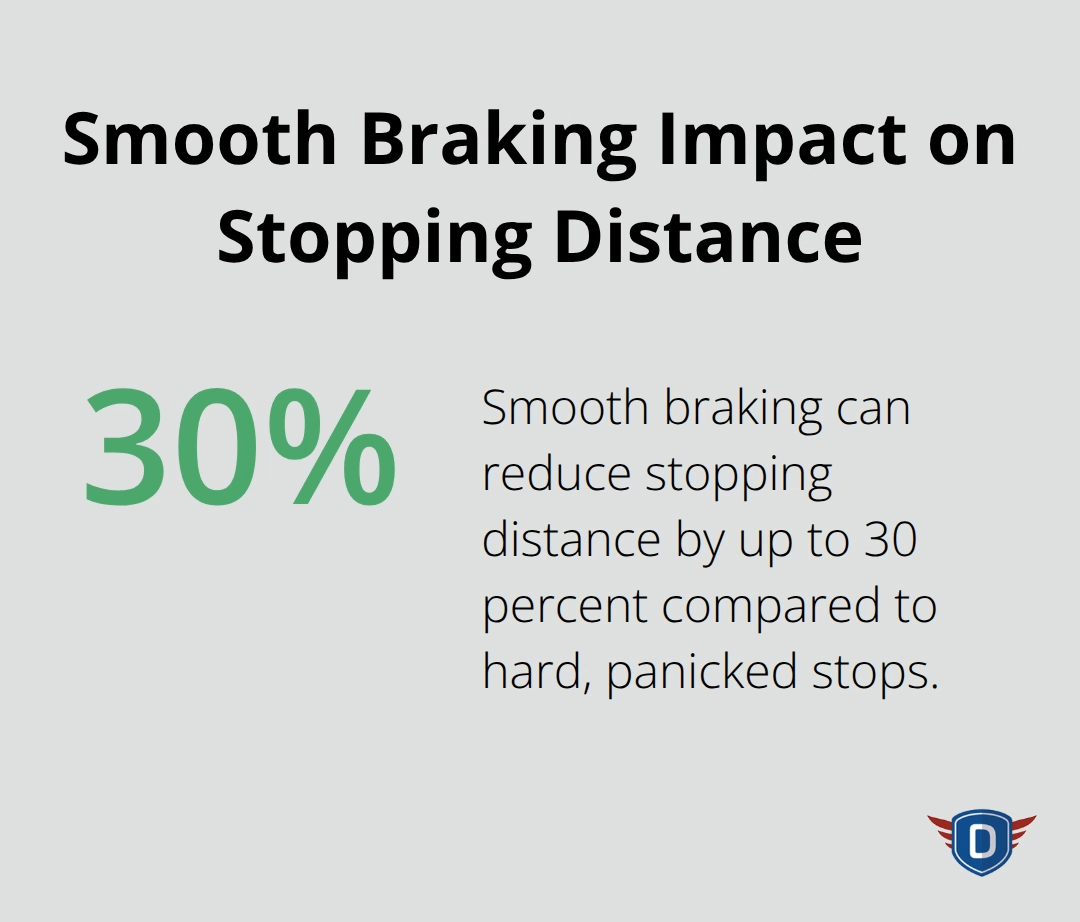
Braking demands the same smoothness as acceleration. Press the brake pedal gradually, never slam it unless there’s an emergency. Most new drivers brake too hard and too late, which unsettles passengers and wastes fuel. Smooth braking reduces stopping distance by up to 30 percent compared to panicked hard stops.
These four techniques form the foundation of safe driving. Your instructor will watch how you apply each one and provide feedback to help you refine your approach. As you progress through your lessons, you’ll combine these skills with more complex driving scenarios that test your ability to multitask on busier roads.
How to Prepare Your Mind and Body for Your First Lesson
Control Your Anxiety the Night Before
Anxiety before your first lesson is real, and pretending it doesn’t exist wastes mental energy you’ll need behind the wheel. The night before, avoid staying up late scrolling through videos of bad drivers or accident footage-your brain will replay those images while you’re trying to focus on basic steering, which sabotages your performance. Instead, spend the evening doing something calm. A 2019 study from the American Psychological Association found that 30 minutes of moderate physical activity like walking reduces anxiety more effectively than most relaxation techniques.
Eat a normal dinner and avoid heavy caffeine after 2 PM. Try for seven to eight hours of sleep, since sleep deprivation impairs reaction time according to research from the National Highway Traffic Safety Administration. Fatigue is as dangerous as nervousness.
Fuel Your Body Properly on Lesson Day
On the morning of your lesson, eat a light breakfast with protein and carbohydrates, not sugar alone. Your body needs stable blood glucose to maintain focus for 1.5 to 2 hours without energy crashes that cloud your judgment.
Wear the Right Clothing and Footwear
Closed-toe shoes with a thin sole let you feel the brake and accelerator pedals precisely. Thick-soled athletic shoes or flip-flops mask the subtle feedback your feet need to control the vehicle smoothly. Your clothing should allow unrestricted arm movement-tight jackets or sleeves force you to grip the steering wheel awkwardly and fatigue your shoulders faster. Loose, comfortable clothing helps you sit upright without tension, which improves your ability to check mirrors and scan the road ahead without jerky head movements.
Calm Your Nervous System Before You Drive
Fifteen minutes before your lesson, perform four or five deep breaths using the 4-7-8 breathing technique: inhale for four counts, hold for seven, exhale for eight. This lowers your heart rate and cortisol levels (the stress hormone that clouds judgment). During your lesson, your instructor expects nerves-they’ve seen hundreds of new drivers, and they know the first 20 minutes feel awkward. Your job is simply to follow instructions and ask questions when something doesn’t make sense.
Perfectionism kills confidence faster than mistakes do. New drivers who obsess over smooth acceleration or perfect steering angles typically perform worse than those who focus on listening and adjusting. Accept that your first attempts will be clumsy-that’s the entire point of a lesson.
Final Thoughts
Your first driving lessons prep establishes habits that stick with you for decades, making those initial hours behind the wheel far more important than most new drivers realize. The nervousness you feel before that first lesson fades quickly, but the skills you build remain permanent. Most new drivers need three to five lessons before they feel comfortable on busier roads, and rushing this process creates gaps in your knowledge that surface later when you drive alone.
After your first lesson, your instructor will identify which skills need more practice and which ones you’ve already mastered. Each lesson builds directly on the previous one, so trust the structured progression your instructor provides. We at DriverEducators.com offer comprehensive driver education programs designed to help you master safe driving habits that last a lifetime, with certified instructors who provide personalized guidance tailored to your learning pace and Florida-approved traffic school courses that cover everything from basic fundamentals to defensive techniques.
Your driving journey starts now, and proper preparation combined with commitment to learning the right way sets the foundation for safe driving. Stay focused during your lessons, ask questions when something doesn’t make sense, and apply the techniques your instructor teaches you. The effort you invest in these early lessons pays dividends throughout your entire driving life.